
Millionaires control 92.6% of their working hours while average earners manage just 76.4%, according to groundbreaking research from Harvard Business School and Maastricht University examining 863 Dutch millionaires.
This 16.2-percentage-point autonomy gap translates to one additional hour daily of completely self-directed time—the invisible currency separating genuine prosperity from paycheck dependency. The study’s lead author, Professor Paul Smeets, revealed wealthy individuals experience fundamentally different relationships with time itself, designing existence around freedom rather than frantic obligation.
The Performance Economy Versus Silent Security

America created approximately 1,000 new millionaires daily throughout 2024, adding 365,000 individuals to wealth ranks, yet paradoxically 70% refuse to call themselves wealthy.
Social media amplifies this disconnect: Instagram floods feeds with designer logos and rented luxury cars while authentically affluent individuals increasingly practice “stealth wealth”—intentional invisibility that researchers term the defining status strategy of 2025.
Why Visibility Signals Insecurity

“For my clients, the most impressive thing you can wear is something expensive that nobody recognizes,” explains a Singapore private banker quoted in Deloitte’s 2024 Global Fashion & Luxury Report. This philosophy reflects fundamental psychological shifts: when individuals possess authentic resource security, they eliminate compulsions to broadcast status through visible consumption.
Research published in Nature Humanities and Social Sciences Communications examining over 1,100 millionaires found significantly elevated emotional stability—lower neuroticism enabling superior decision-making and stress management—as wealth’s defining personality characteristic.
Sign #1: Temporal Freedom Without Urgency

Truly wealthy individuals move through airports, traffic, and daily routines without visible rushing because they’ve architecturally designed lives around what behavioral economists call “time affluence”.
Professor Ashley Whillans of Harvard Business School, co-author of the Netherlands millionaire study, explains wealthy respondents spent similar total hours working but exercised dramatically greater control over work methods, timing, and objectives. This autonomy differential creates calm, unhurried presence observers recognize as prosperity’s most invisible yet powerful manifestation.
Sign #2: Boring Consistency Beats Fluctuating Performance

Warren Buffett still resides in the Omaha home purchased for $31,500 in 1958, preferring McDonald’s breakfast despite net worth exceeding $87 billion. His lifestyle exemplifies research findings: genuinely wealthy individuals maintain remarkably stable routines—same modest vehicles, same comfortable patterns—because financial security eliminates psychological needs for constant status reassurance through purchases.
Performative wealth fluctuates wildly between champagne brunches and credit panic, while authentic affluence appears boring from external observation.
The Psychology of Stealth Wealth
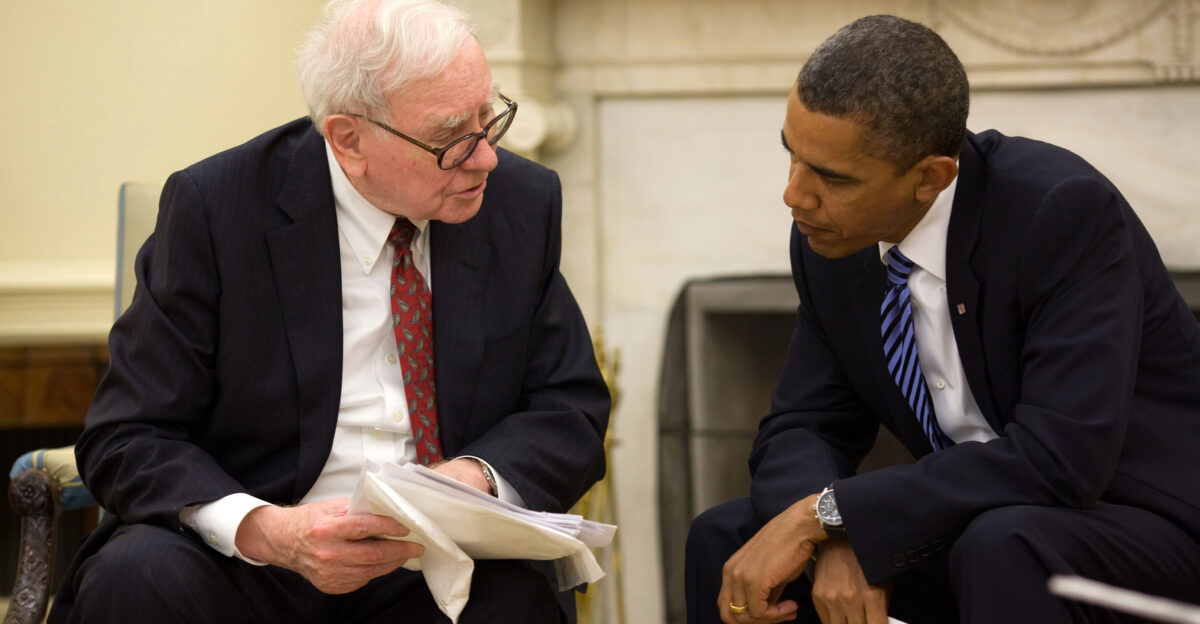
“If you buy things you do not need, soon you will have to sell things you need,” Buffett warns, articulating principles behavioral research confirms. Studies on “quiet luxury” demonstrate expert consumers select subtle goods precisely because recognition requires insider knowledge—functioning as inconspicuous signals of genuine social capital rather than desperate status-seeking.
McKinsey’s 2024 consumer sentiment survey reported over 60% of high-income shoppers favor “quality-over-quantity” buying behaviors, explaining demand surges for durable fabrics and understated craftsmanship.
Sign #3: Material Symbols Lose Emotional Charge

People who gasp at luxury vehicles typically lack ownership experience; those who quietly acknowledge and redirect conversation may own several. This counterintuitive response reflects fundamental psychology: when financial resources eliminate scarcity, material symbols lose emotional power.
Comprehensive personality research led by Johannes König at Germany’s Socio-Economic Panel found millionaires scored significantly higher on emotional stability, risk tolerance, openness, extraversion, and conscientiousness compared to general populations.
The Self-Made Personality Profile

“This ‘rich’ personality profile was more prominent among individuals who had accumulated wealth through their own efforts than among individuals who had been born into wealth,” explains study co-author Marius Leckelt.
Self-made millionaires exhibited the most pronounced stability profiles, suggesting personality drives wealth accumulation rather than representing consequence thereof. These individuals demonstrate enhanced capacity for managing emotions effectively, avoiding anxiety-driven consumption characterizing financial insecurity.
Sign #4: Strategic Long-Term Orientation

Wealthy individuals think in decades rather than days because resource security enables waiting for genuine value instead of accepting quick wins. Research tracing Stanford’s marshmallow experiment participants across decades confirmed delayed gratification capacity correlates strongly with financial success—though socioeconomic factors significantly influence outcomes.
Conscientiousness—characterized by planfulness, organization, persistence—emerges as personality trait most predictive of wealth accumulation, enabling individuals to forego immediate consumption favoring long-term investment.
Cost Per Use Versus Unit Price Thinking

Truly prosperous individuals employ “cost per use” calculations rather than focusing on unit price. A quality tool lasting fifty years delivers superior financial and ecological value than cheap alternatives requiring annual replacement.
This perspective treats material longevity as personal wealth, liberating resources—financial and cognitive—otherwise expended on replacement and clutter management. Behavioral research demonstrates wealthy people rarely chase trends, recognizing impulse represents wealth’s enemy.
Sign #5: Protective Discretion About Success
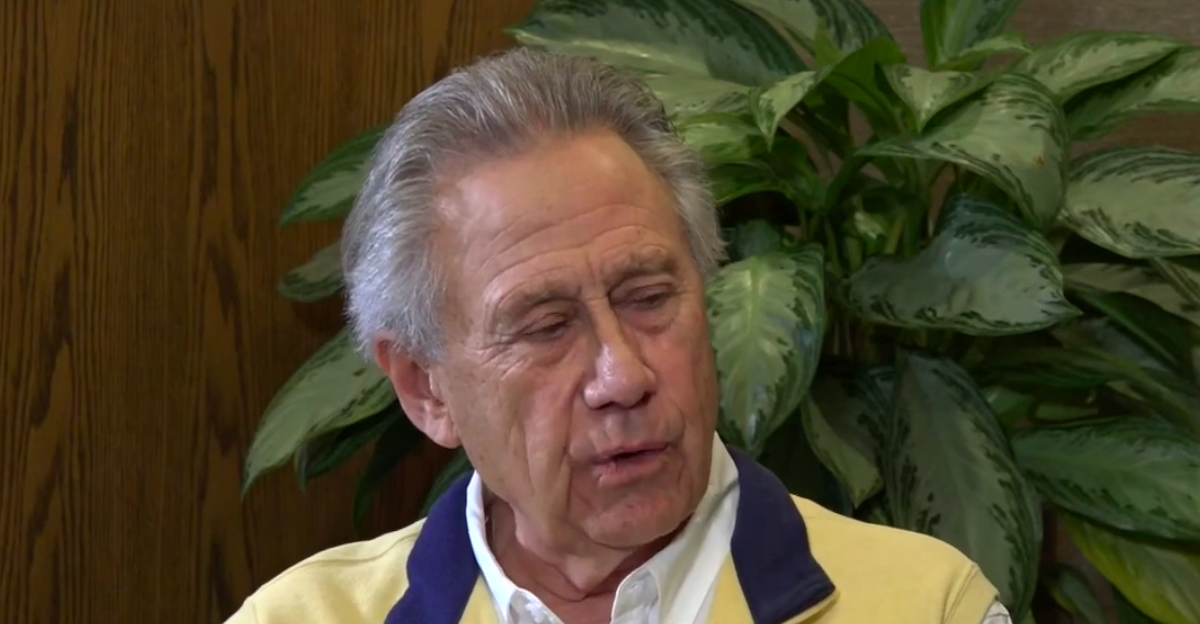
Philip Anschutz, dubbed “America’s most reclusive billionaire” with $15.2 billion net worth, has given only two press conferences throughout his entire career. His extreme privacy exemplifies patterns researchers observe: individuals constantly referencing income or possessions require external validation, while genuinely wealthy people prioritize protective discretion.
Financial secrecy research confirms 70% of family members face difficulty discussing wealth, with discretion functioning as defensive strategy against resentment in high-inequality societies.
The Safety Equation of Invisibility

Visible wealth attracts lawsuits, solicitations, kidnapping risks, and social resentment. During recessions and social unrest, conspicuous consumption decreases among the wealthy as they recognize displays during widespread hardship create dangerous backlash.
Ultra-high net worth individuals practice intentional stealth wealth as strategy, understanding discretion provides access to opportunities visible displays would compromise. Even publicly known billionaires like Mark Zuckerberg choose t-shirt-and-jeans uniforms to deflect wealth-related criticism.
Sign #6: Quiet Generosity Without Performance

Neurological research demonstrates brain reward systems activated by food and money also engage during charitable donations, releasing dopamine that elevates mood.
Studies confirm philanthropic activities correlate with higher life satisfaction, though benefits maximize when donors maintain autonomy over giving decisions. Genuinely wealthy people rarely publicize charitable contributions or boast about “giving back”—their generosity reflects gratitude rather than performance.
The Helper’s High Mechanism

“Positive emotions from giving create cascade effects, making individuals more likely to seek additional opportunities across time,” explains research from Harvard Business School and UC Berkeley’s Greater Good Science Center.
This neurological reinforcement explains patterns among financially secure individuals: they fund scholarships, assist friends in need, and tip lavishly without requiring attention or social media documentation. Their abundance naturally flows outward because giving activates intrinsic reward systems independent of external validation.
Sign #7: Grounded Confidence and Psychological Calm
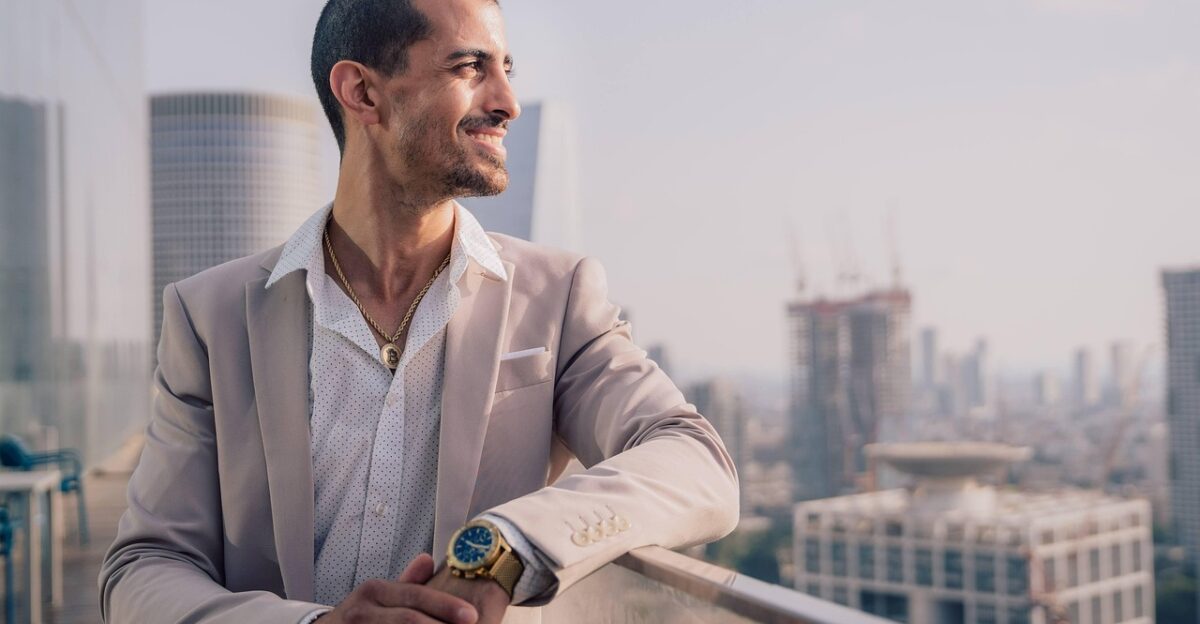
“Taken together, the results suggest that personality is a relevant factor in wealth accumulation,” explains lead study author Johannes König, whose research examined over 1,100 millionaires averaging €4 million net worth.
Self-made millionaires exhibited most pronounced emotional stability profiles—reduced susceptibility to anxiety, insecurity, and volatility enabling superior decisions during market turbulence and life challenges. This calmness stems not from arrogance but resource security: knowing that regardless of circumstances, they possess adaptive capacity to respond effectively.
The Autonomy Foundation of Well-Being

Recent research from Aalto University examining 100,000 individuals across 66 countries found autonomy—sense of control over one’s life—correlates universally with well-being, though relationships strengthen in wealthier nations.
For affluent individuals, autonomy extends across fundamental life domains: whether to work, what work to pursue, when and where to work, and with whom to collaborate. This freedom represents wealth’s ultimate expression—not material possessions but liberation from constraint.
Old Money Versus Nouveau Riche: The Psychology of Display

Economic research reveals wealthy well-connected individuals (“old money”) consume subtly because recognition requires social capital—insider knowledge enabling appreciation of understated quality.
Conversely, wealthy poorly-connected consumers (“nouveau riche”) find subtle consumption ineffective for signaling, making loud consumption dominant strategy. This theoretical framework explains why generational wealth focuses on cultural capital while newly wealthy favor material status goods with obvious branding.
The 2025 Quiet Luxury Movement

“Quiet luxury became aspirational not because it is expensive, but because it is coded as tasteful,” notes a WGSN trend analyst examining 2024-2025 consumption patterns. After Succession’s finale, Loro Piana saw global search spikes, particularly for cashmere knits and understated shoes reflecting billionaire wardrobe psychology.
Bain and Company’s 2024 luxury market report confirmed “savvy affluents are prioritizing longevity and craftsmanship over conspicuous consumption,” reflecting deeper socio-economic currents including economic uncertainty, digital fatigue, and authenticity desires.
Social Media Minimalism and Digital Discretion

“Individuals wishing to conceal their true net worth often take care to avoid drawing attention to their lives that could reveal their wealth,” explains wealth advisor Joe Carbonaro. Limited social media presence signals stealth wealth, suggesting desires to keep personal matters private and connect with others based on personal qualities rather than financial standing.
If active online, genuinely wealthy individuals post privately, minimally, and intentionally—their lives fulfilling enough without digital audiences.
The Broader Implications: What This Reveals About Modern Prosperity

Research synthesis reveals genuine wealth operates as multidimensional phenomenon—not merely financial capital but encompassing temporal, psychological, social, and human capital dimensions simultaneously.
The seven behavioral signs form integrated signature: when financial security eliminates status anxiety, individuals transition from proving sufficiency to living authentically aligned with intrinsic values. Their consumption patterns optimize for quality, utility, and meaning rather than status signaling.
Sources:
“Time Use and Happiness of Millionaires: Evidence From the Netherlands.” Harvard Business School and Maastricht University, Personality and Social Psychology Bulletin, 2020.
“The Personality Traits of Self-Made and Inherited Millionaires.” Johannes König et al., Nature Humanities and Social Sciences Communications, 2022.
“Global Wealth Report 2025: Wealth Growth Accelerated in 2024.” UBS Global Wealth Management, 2025.
“Even Millionaires Don’t Feel Wealthy These Days.” Northwestern Mutual wealth perception study, USA Today, December 2025.
“The Quiet Luxury Comeback: Why Stealth Wealth Dominates 2025.” Brill Creations luxury market analysis, 2025.
“The Science of Generosity.” UC Berkeley Greater Good Science Center; Harvard Business School research on prosocial behavior.