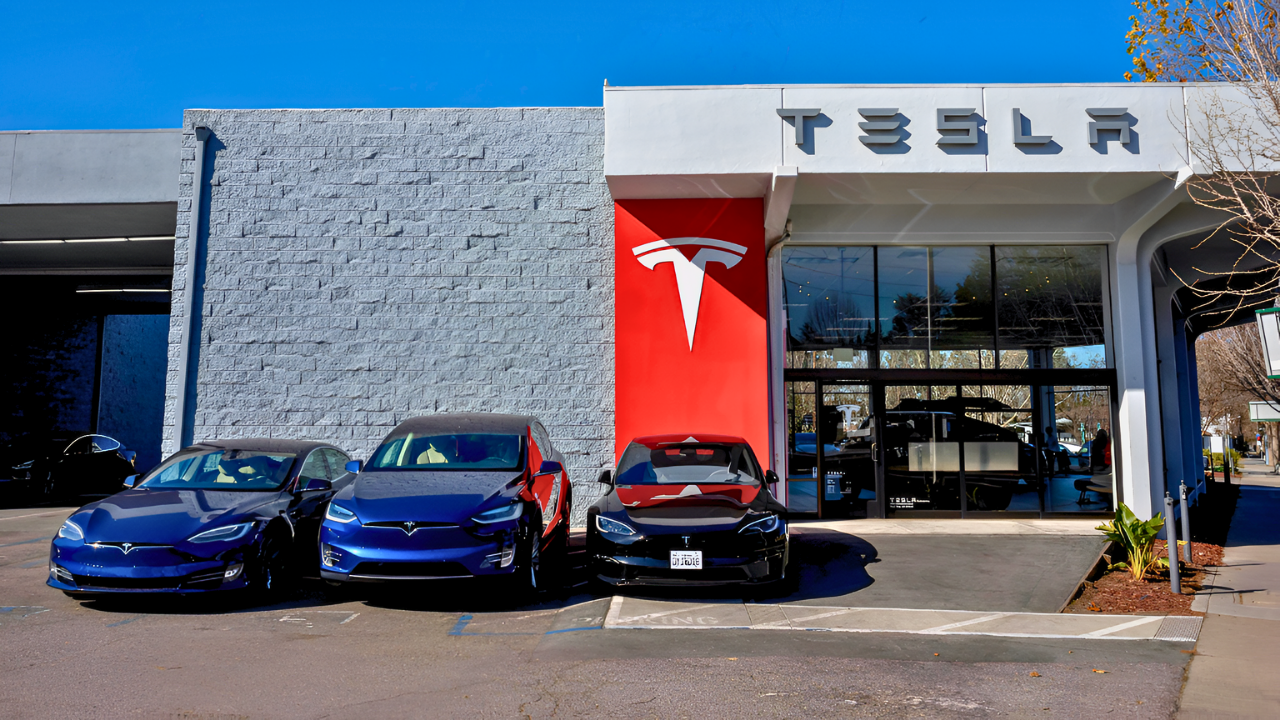
Tesla’s momentum faltered in 2025, with the company reporting a sharp 9.1% drop in deliveries. The headlines were clear: Tesla had sold 153,097 fewer vehicles than the previous year, a steep decline that had traders reeling.
For a company that had defined itself by its explosive growth, this was a dramatic turn. What had once been a market leader now faced a new reality—struggling to maintain its dominance as competition intensified.
How did Tesla go from setting records to facing this sudden downturn? And what does this mean for the future of electric vehicles?
A Fall from Grace
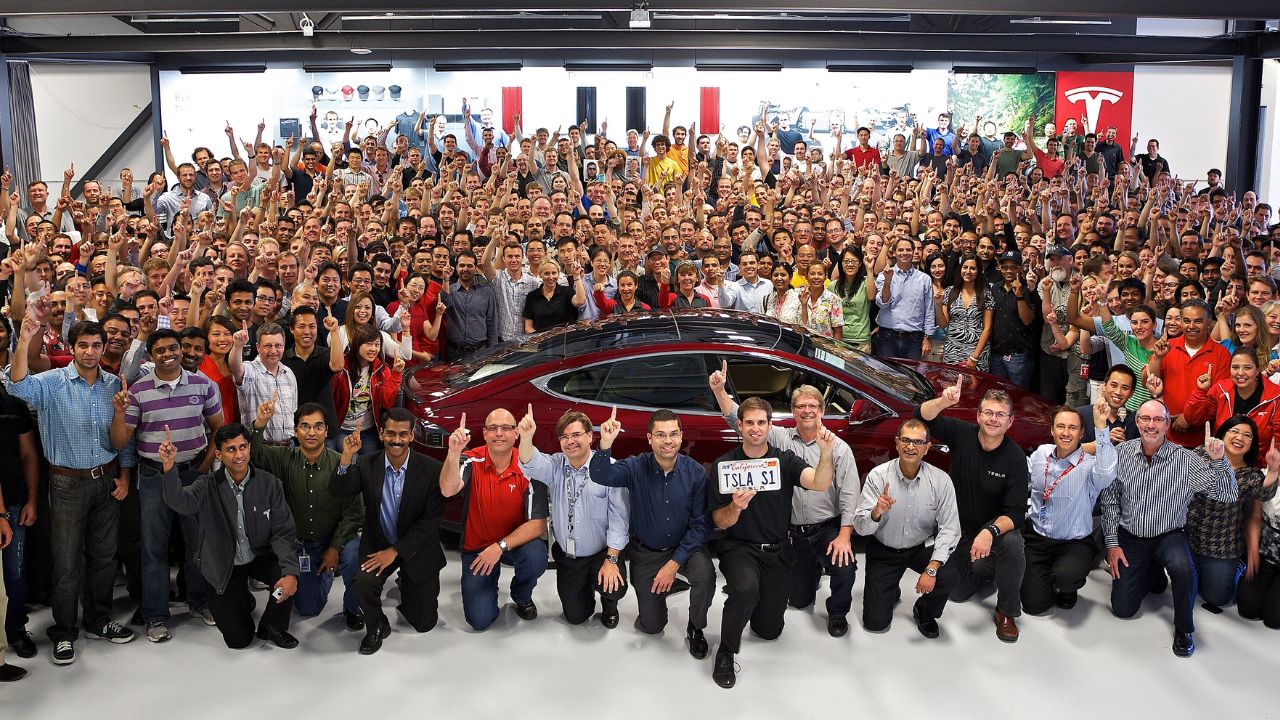
Tesla spent years rising to dominance, breaking sales records year after year. In 2023, the company hit its peak with 1,808,581 vehicles sold, but in 2024, it saw a slight 1.1% dip.
The real shock came in 2025, when deliveries fell 9.1% to 1,636,129. For a company built on growth, this decline is a crucial turning point. What changed, and how did the once unstoppable force suddenly lose steam?
Policy Shift Shakes the Market
In 2025, the landscape for electric vehicles changed dramatically. The end of the federal EV tax credit program in September left consumers facing a $7,500 price hike overnight.
As a result, there was a rush to buy before the deadline, followed by a sharp drop-off once the credit was gone. This policy shift not only affected Tesla but reverberated across the entire EV market, driving a wedge between consumers and potential purchases.
Intense Competition on the Horizon

As Tesla faced policy challenges, competitors weren’t sitting idle. Major automakers like Ford, General Motors, and Hyundai rolled out new EV models, many of which still qualified for federal credits.
These rivals started offering genuine alternatives to Tesla, and consumers now had more choices. The price gap between Tesla and other brands shrank, weakening Tesla’s once-dominant position in the market.
Sales Decline Deepens
The numbers tell the story: Tesla’s sales dropped by 153,097 vehicles in 2025, a 9.1% decline from 2024. For a company that prided itself on its growth trajectory, this marks a significant shift.
Tesla’s once dominant position in the U.S. EV market is now under threat, and the company’s future strategy will be key to its ability to reclaim its place at the top.
Price Cuts to Save the Day
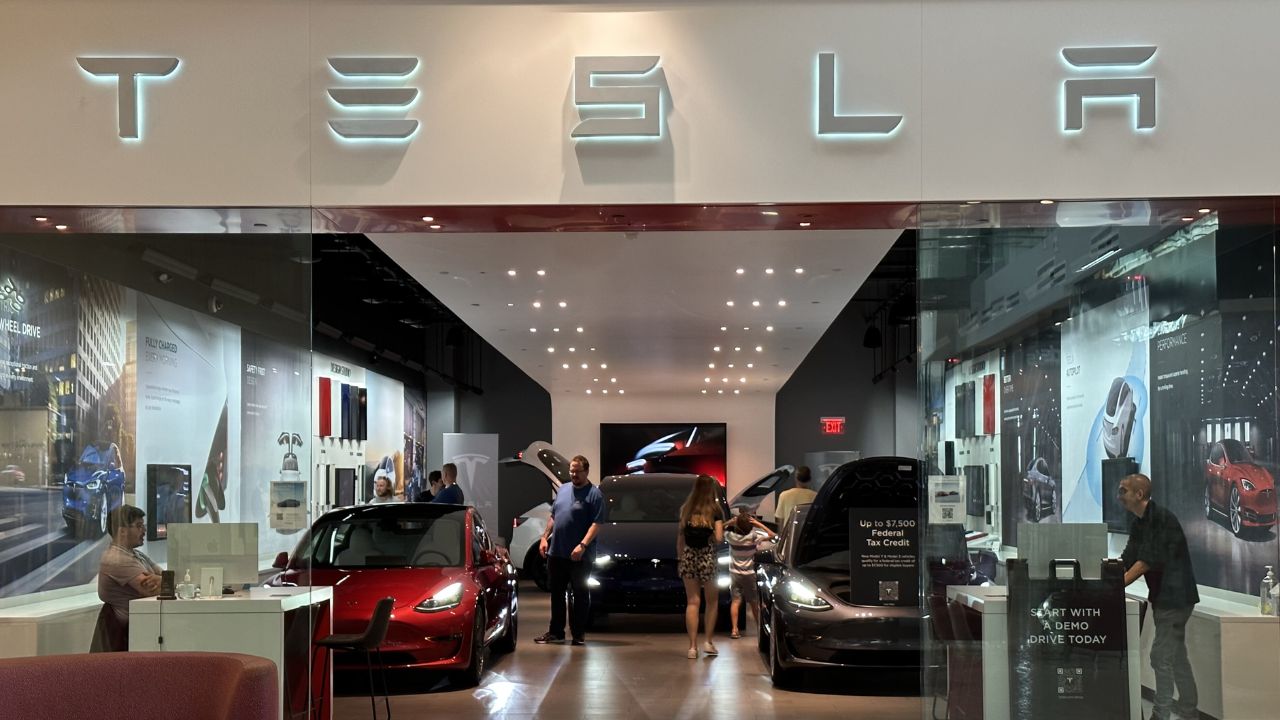
In an effort to boost sales, Tesla took drastic action. The company slashed prices and introduced incentives, sacrificing profit margins in the hope of maintaining volume.
While this move was necessary, it also marked a departure from Tesla’s previous strategy of premium pricing. The question now is: Can Tesla sustain these aggressive price cuts without jeopardizing its profitability?
December’s Stark Reality
By December 2025, Tesla’s pricing strategy was clearer. The average transaction price for a Tesla dropped to $53,680, a 2.9% decline from the previous year.
But what’s more concerning was the increase in incentives—over $10,000 per vehicle, a 19.5% spike. This highlights just how far Tesla had to go to attract buyers and the extent to which the brand was under pressure.
Margin Pressure and Profit Concerns

As Tesla cut prices, analysts began to worry about its long-term profitability. With fewer dollars per vehicle, could Tesla maintain its high-margin manufacturing model?
The answer will be pivotal as the company faces the prospect of squeezing margins even further to compete.
Analysts are now asking whether Tesla can keep its profits healthy without cutting costs elsewhere, such as workforce or factory operations.
Regulatory Challenges Ahead
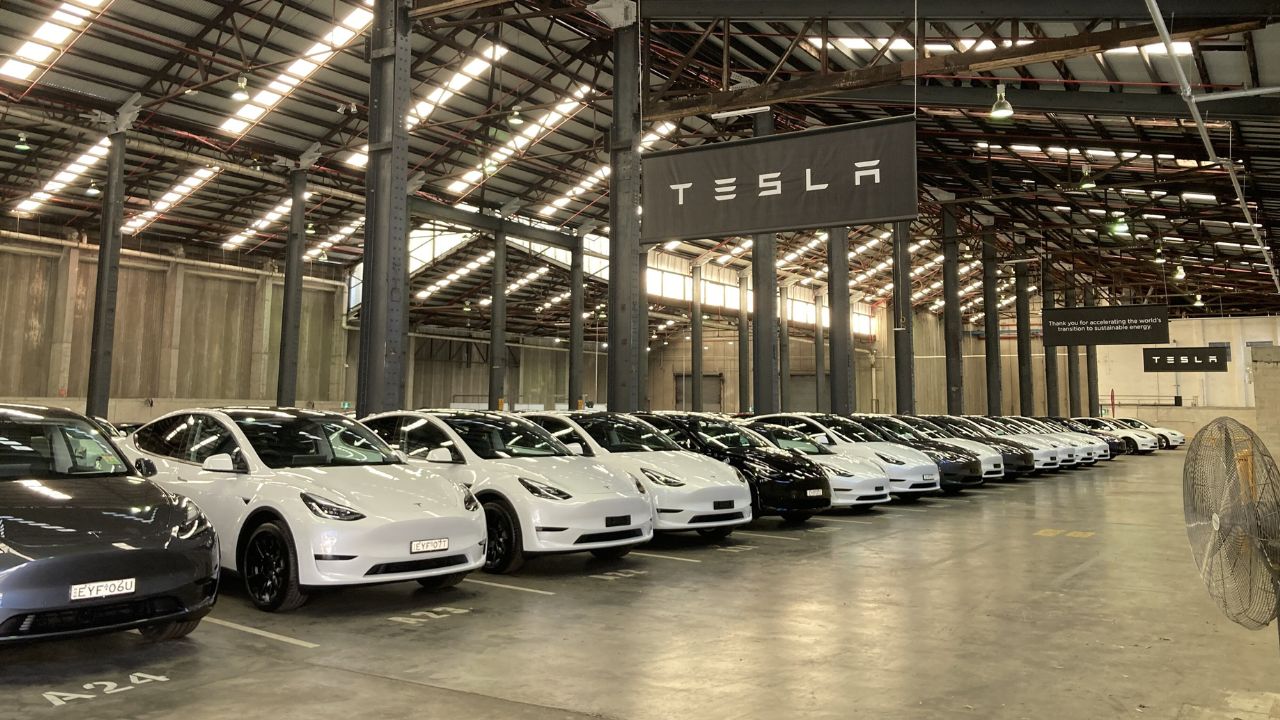
Tesla’s manufacturing costs are also under pressure due to new regulatory requirements, especially regarding battery sourcing.
The Inflation Reduction Act imposed stricter requirements for EV manufacturers to use North American materials in their batteries.
As Tesla navigates these rules, it will need to invest heavily in U.S.-based supply chains to remain eligible for federal credits, further squeezing margins during an already difficult period.
Marketwide Impact of Tesla’s Price Cuts
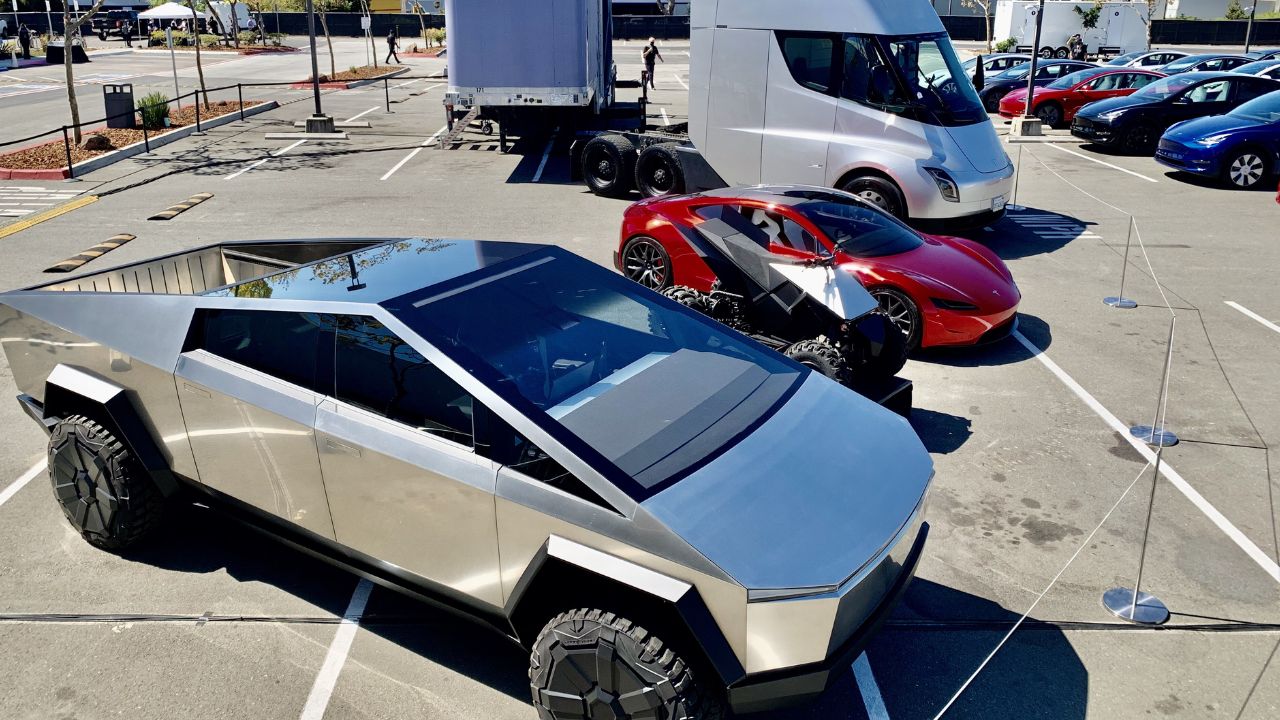
Tesla’s price cuts are influencing the broader EV market. With prices dropping, consumers now expect cheaper EVs across the board, shifting expectations for all manufacturers.
This has created a pricing war, especially for companies without the manufacturing scale Tesla enjoys. For some automakers, competing with Tesla on price could threaten their profitability, which could cause widespread financial strain in the industry.
Internal Tensions at Tesla
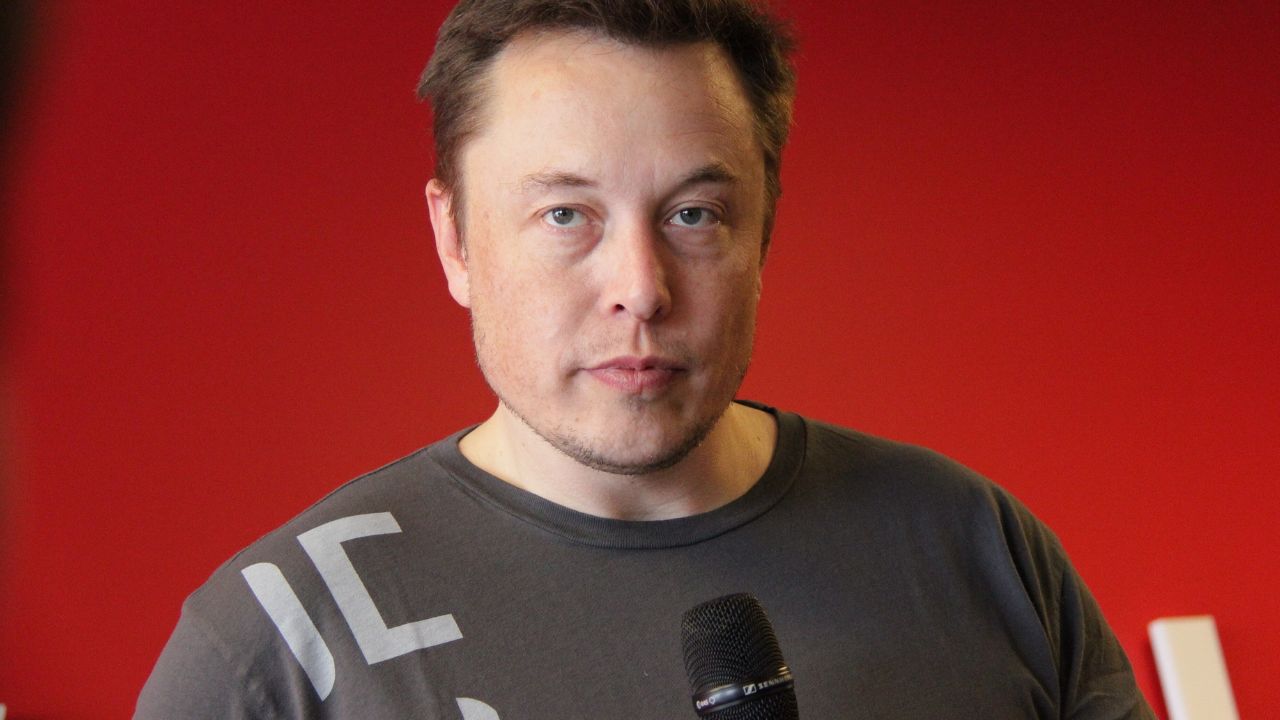
The decline in sales forced difficult conversations within Tesla. While CEO Elon Musk and his team had long pushed for growth, the reality of declining sales led to tough decisions.
Should Tesla shift focus to premium models or continue with mass-market vehicles? These internal debates are critical as the company looks for ways to navigate this new phase in its growth.
A Shift in Leadership Messaging
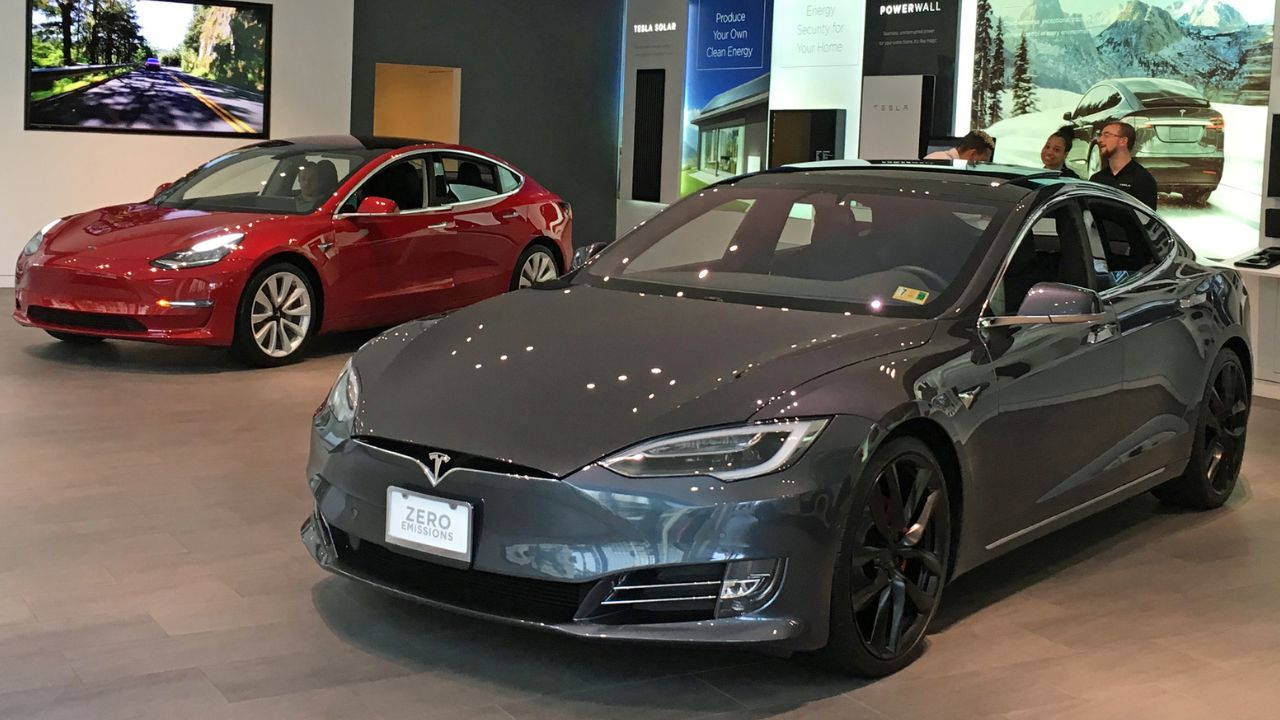
In early 2026, Tesla began signaling a shift in its leadership tone. The company no longer emphasized aggressive growth but instead started focusing on long-term profitability and operational efficiency.
This subtle but significant change in messaging suggests that Tesla is adjusting to the new reality of the EV market. Investors will need to decide if this approach can still drive success in the competitive EV space.
The New Roadmap for Tesla

Tesla’s response to declining sales includes an accelerated development of new vehicle models and a focus on lower production costs. The company is betting on its next-generation platform, designed to reduce costs and increase affordability.
Additionally, Tesla aims to ramp up production of vehicles like the Cybertruck, which recently achieved positive gross margins, diversifying its portfolio to cater to both entry-level and premium consumers.
Skepticism Remains About Tesla’s Future
Despite the new strategies, some analysts remain skeptical about Tesla’s ability to recover. They question whether the company can maintain its competitive advantage in a market increasingly focused on price.
With competitors growing stronger, Tesla will need to prove that it can adapt while maintaining profitability—an uphill battle that will test its resilience in 2026.
The Future of the EV Market
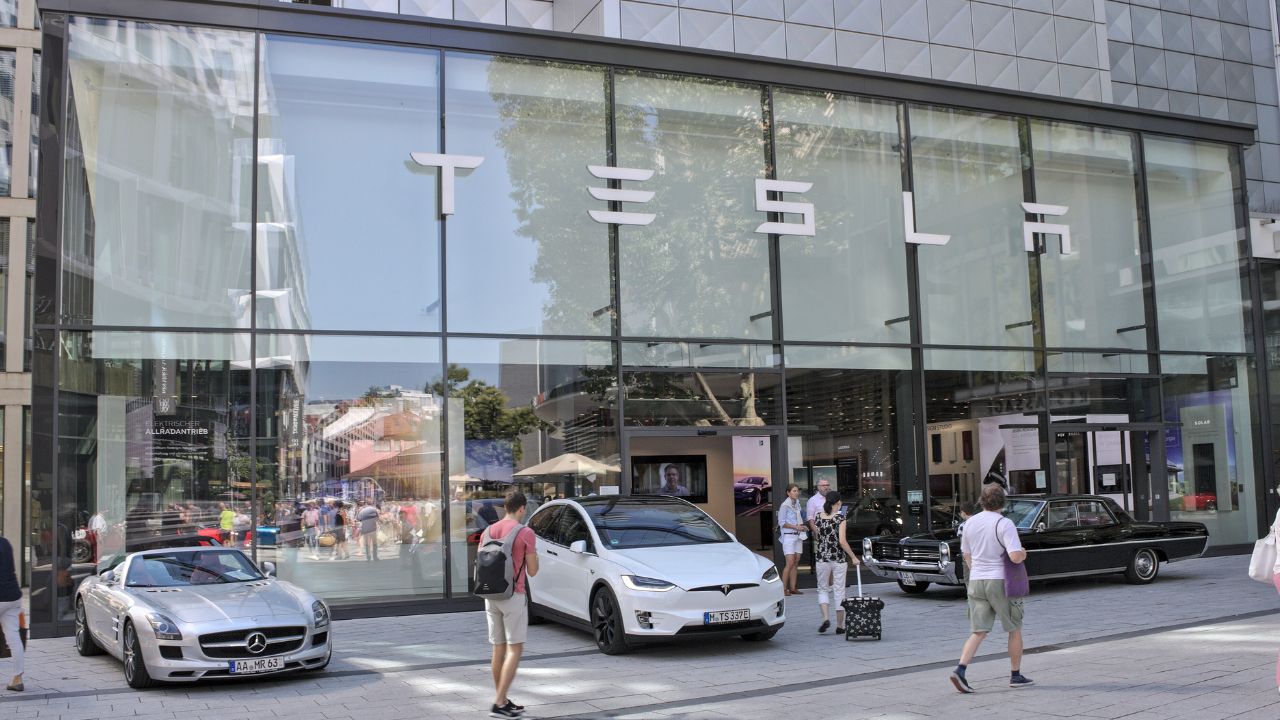
As Tesla moves into 2026, the question remains: Will the EV market stabilize, or will the price war continue? While lower prices could lead to increased adoption, they could also harm profitability.
Tesla’s ability to maintain leadership in a shrinking market will be tested. The next year will be crucial for Tesla—and for the entire electric vehicle industry.
Sources:
“Tesla Fourth Quarter 2025 Production, Deliveries & Deployments.” Tesla Investor Relations, 2 Jan 2026.
“Kelley Blue Book Report: As America Spends a Record Amount on New Vehicles, December ATP Sets All-Time High.” Cox Automotive, Jan 2026.
“EV Sales Surge Before Tax Credit Ends Sep. 30.” Forbes, 29 Sep 2025.
“Tesla Posts Record Deliveries, Concerns Mount Over EV Demand.” Reuters, 2 Oct 2025.