
Nearly half of American pet owners—47%—have plunged into debt for their pets, surging from just 36% in 2019, according to LendingTree’s latest survey.
With average lifetime dog ownership costs now reaching $34,550 over ten years, and some large breeds demanding up to $52,075, families are discovering too late that certain breeds transform pet parenthood into financial catastrophe.
When Love Becomes Debt

Thirty-nine percent of pet owners carry medical debt for their animals, averaging $450, though 22% owe exceeding $2,000. Emergency veterinary visits—costing up to $1,850 for cats and substantially more for large dogs—push families beyond their financial breaking points.
“Pet owners consistently underestimate the cost of veterinary care, especially in unexpected emergency situations,” warns veterinarian Dr. Greenstein.
1. Border Collie
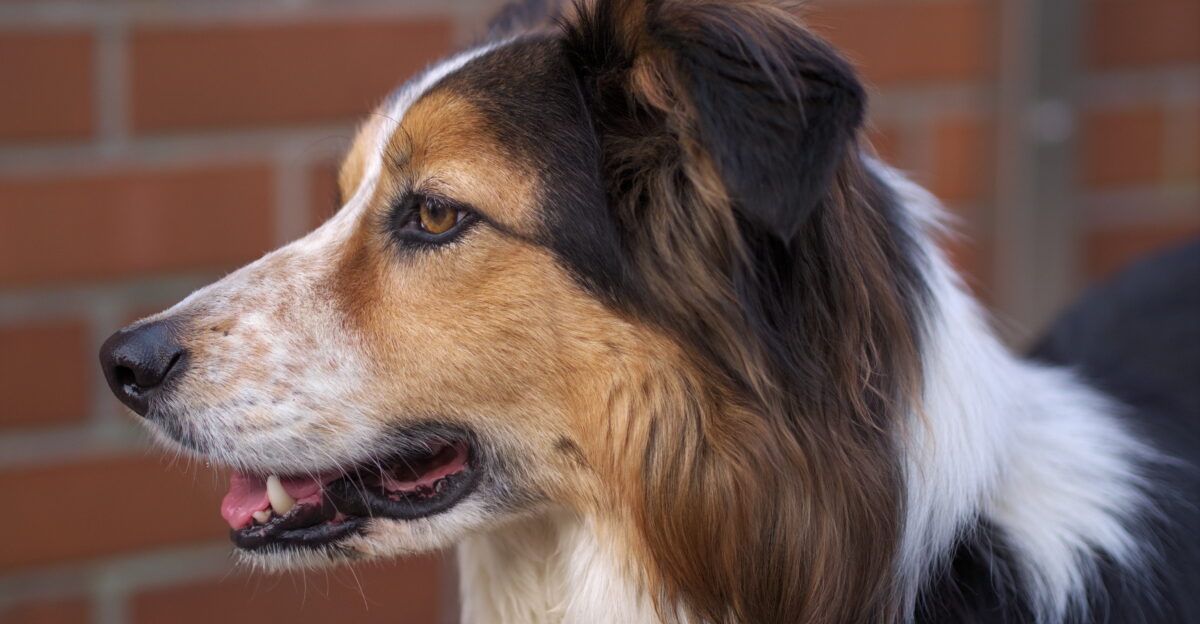
Border Collies demand approximately $20,000 over their 12-15 year lifespan, averaging $1,500 annually before emergency costs. Their boundless energy requires not just 2-3 hours of daily vigorous activity but professional training at $30-$50 per session to prevent destructive behaviors stemming from unemployment.
One owner reported three rare conditions costing $20,000-$35,000 annually in appointments alone.
2. Belgian Malinois
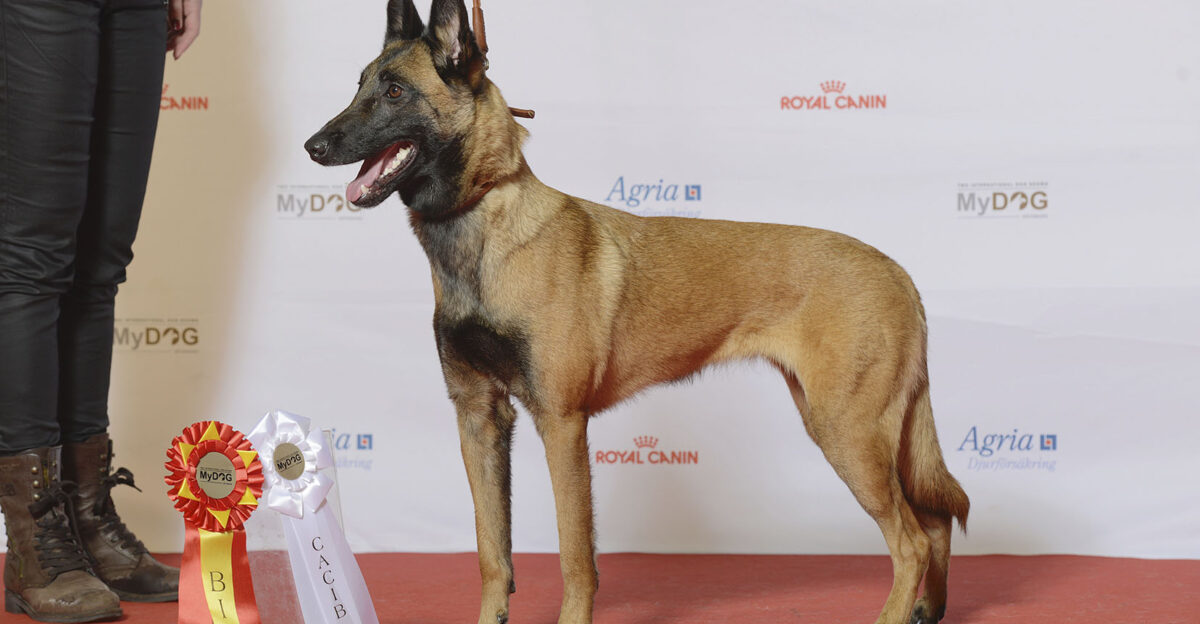
Professional Belgian Malinois training commands $300 per hour, with basic programs starting at $1,100-$1,500 for just eight sessions.
These military-grade working dogs require specialized handlers; inadequate training creates aggressive, destructive animals necessitating behavioral specialists. Service dog-level training programs reach $2,000-$5,000 for complete courses. Families unprepared for this financial burden flood rescue organizations yearly.
3. Cane Corso
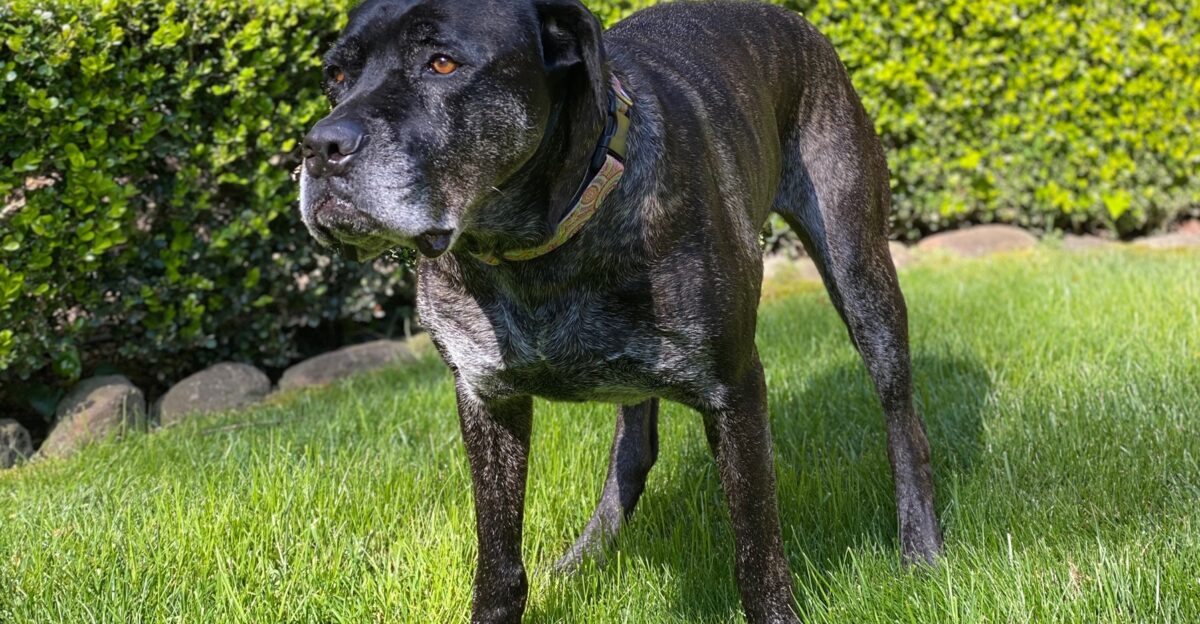
Approximately 50% of Cane Corsos develop hip dysplasia, with surgical correction costing $1,500-$6,000 per hip. Add elbow dysplasia ($1,200-$3,500), epilepsy medication (potentially thousands annually), and lymphoma treatment ($2,000-$7,000), and these gentle giants become financial landmines.
Their massive size amplifies every expense—medications, imaging, anesthesia—creating compounding costs families cannot sustain.
4. Australian Shepherd
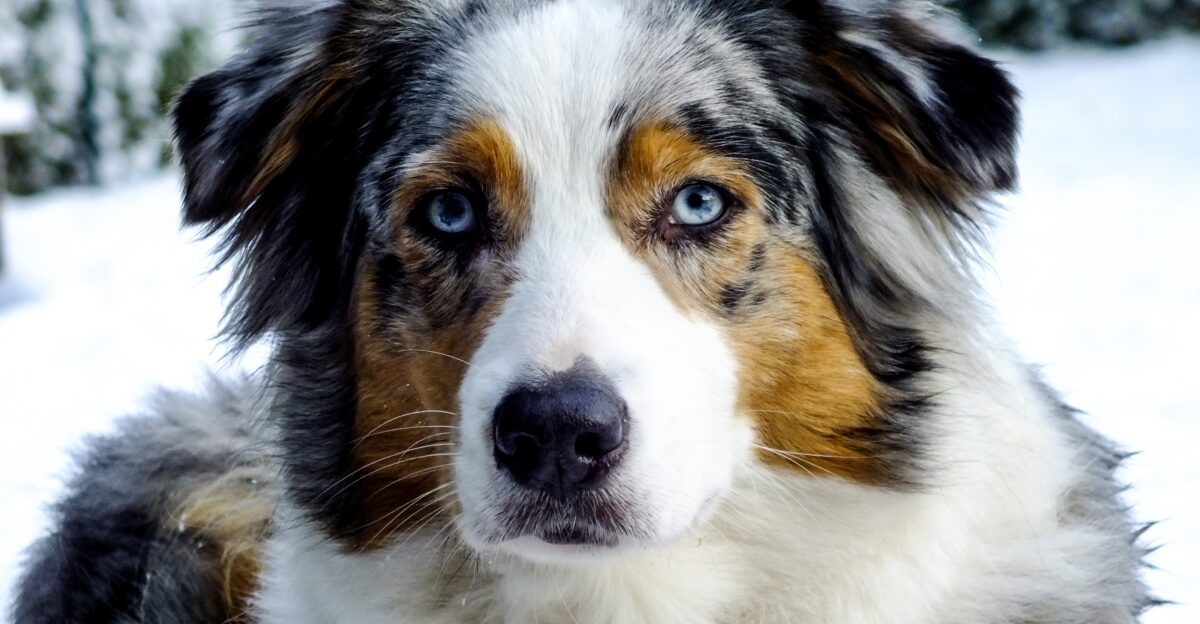
Australian Shepherds face both hip dysplasia ($1,500-$6,000 per joint) and elbow dysplasia ($1,200-$3,500), often requiring surgical intervention as they mature.
Epilepsy treatment adds $500-$2,500, while their chronic ear infections from floppy ears demand $300-$800 per episode. Monthly spending averages $100-$149 before emergencies, with owners reporting substantial increases as dogs age.
5. Siberian Husky

Huskies’ legendary escape artistry forces families into expensive infrastructure: professional fencing systems cost $3,500 for installation plus $700 per collar.
Coyote rollers, redundant fencing, and reinforced barriers add hundreds more. Without purpose-driven exercise like bikejoring or mushing, they develop destructive behaviors requiring costly repairs. Their independence makes off-leash living impossible, necessitating constant containment investments.
6. Dalmatian
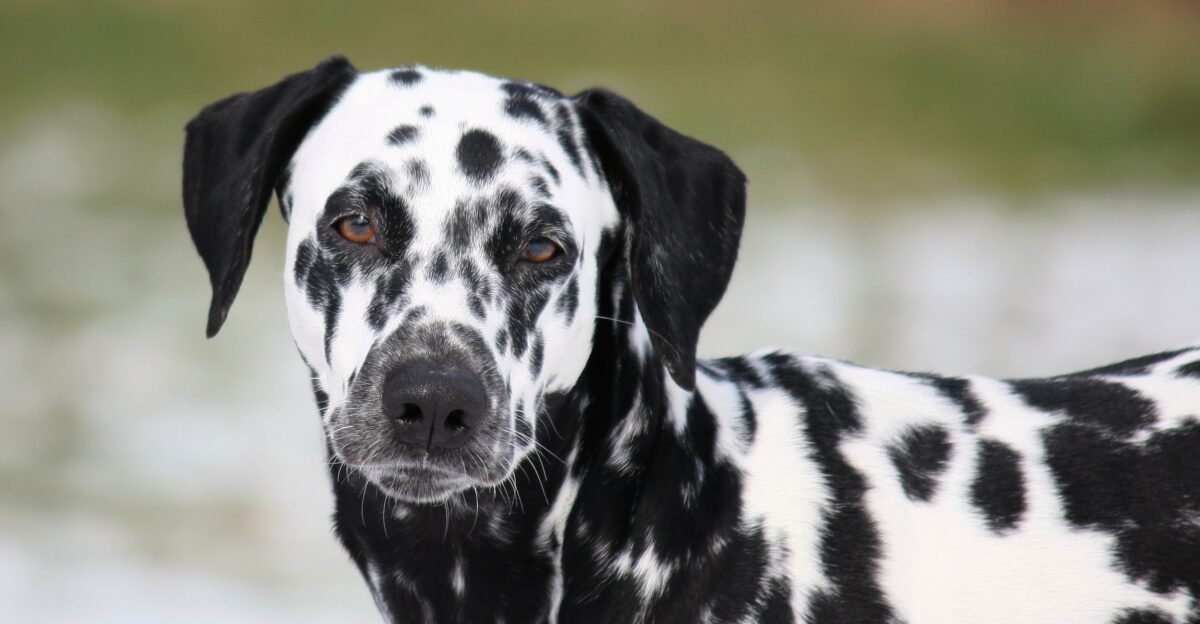
Between 15-30% of Dalmatians suffer congenital deafness, linked genetically to their spotted coats. BAER testing to diagnose hearing status costs hundreds, while managing deaf dogs requires specialized training.
Epilepsy, common in the breed, demands ongoing medication and monitoring. Lifetime costs exceed $17,000 minimum, assuming no major health crises.
7. Weimaraner

Weimaraners’ extreme separation anxiety often requires lifelong medication—Prozac, Clomicalm, Trazodone, or Gabapentin—plus behavioral specialists at $100-$200 per session.
“After 20 years with Weims, we learned this one NEEDS meds to prevent danger to himself,” one owner revealed. Hip dysplasia surgery adds $1,500-$7,500, while gastric emergencies demand immediate $1,000-$3,000 interventions.
8. Great Pyrenees
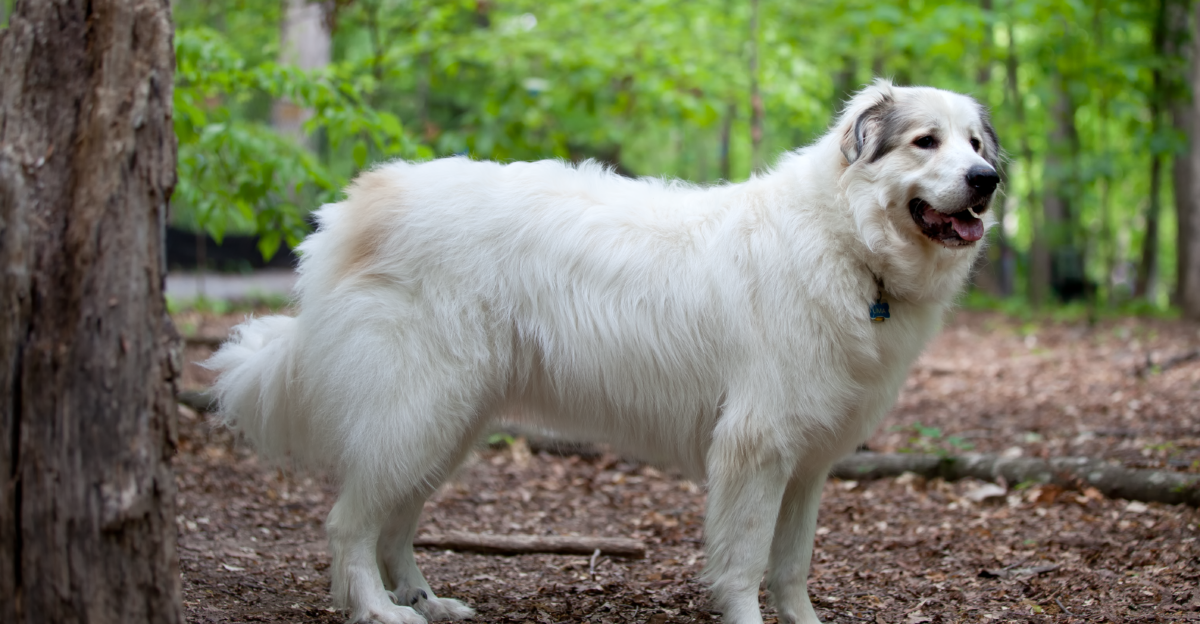
Great Pyrenees’ deep chests make them bloat-prone; emergency gastric dilatation-volvulus surgery costs $1,000-$3,000 with no survival guarantee. Hip dysplasia, common in this giant breed, requires surgical correction.
Entropion and ectropion eyelid conditions necessitate $500-$2,000 repairs per eye. Annual care averages £1,100 ($1,400) before emergencies, with massive food requirements compounding ongoing expenses.
9. Chow Chow
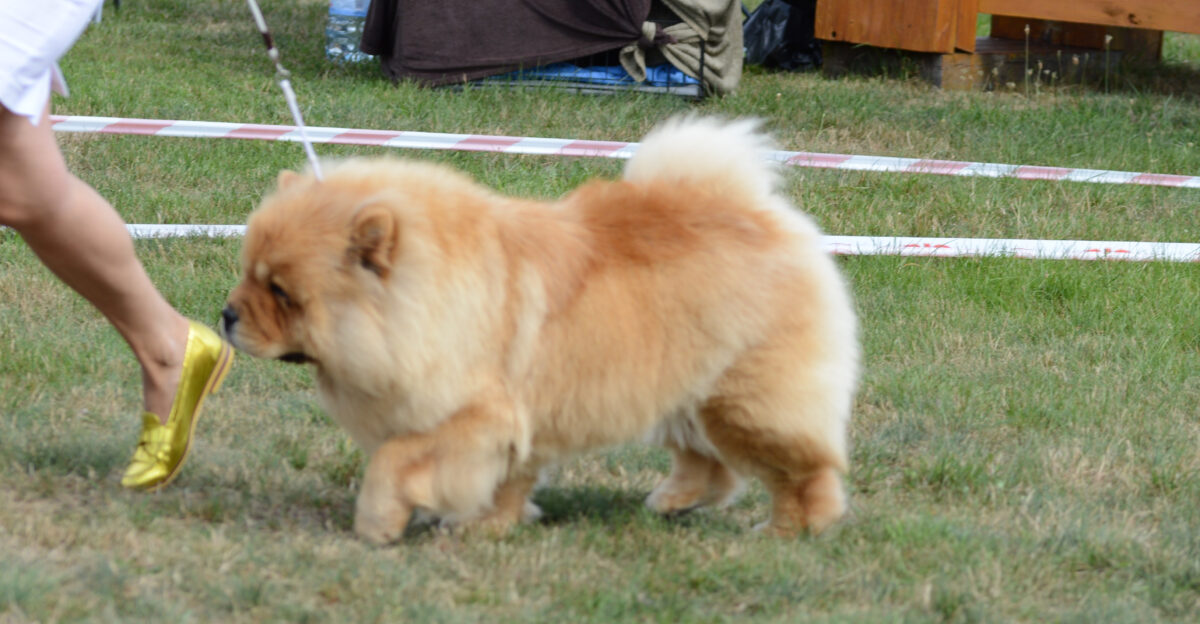
Chow Chows suffer entropion at epidemic rates—insurance companies paid 85 claims averaging £914 ($1,150) each in 2021 alone. Surgical correction costs $600-$1,200 per eyelid, with many dogs requiring multiple procedures.
Hip dysplasia surgery reaches $1,000-$7,500, while elbow dysplasia adds $2,000-$5,000. Insurance premiums average £986 annually—over double the average dog breed—reflecting their costly predispositions.
10. Akita
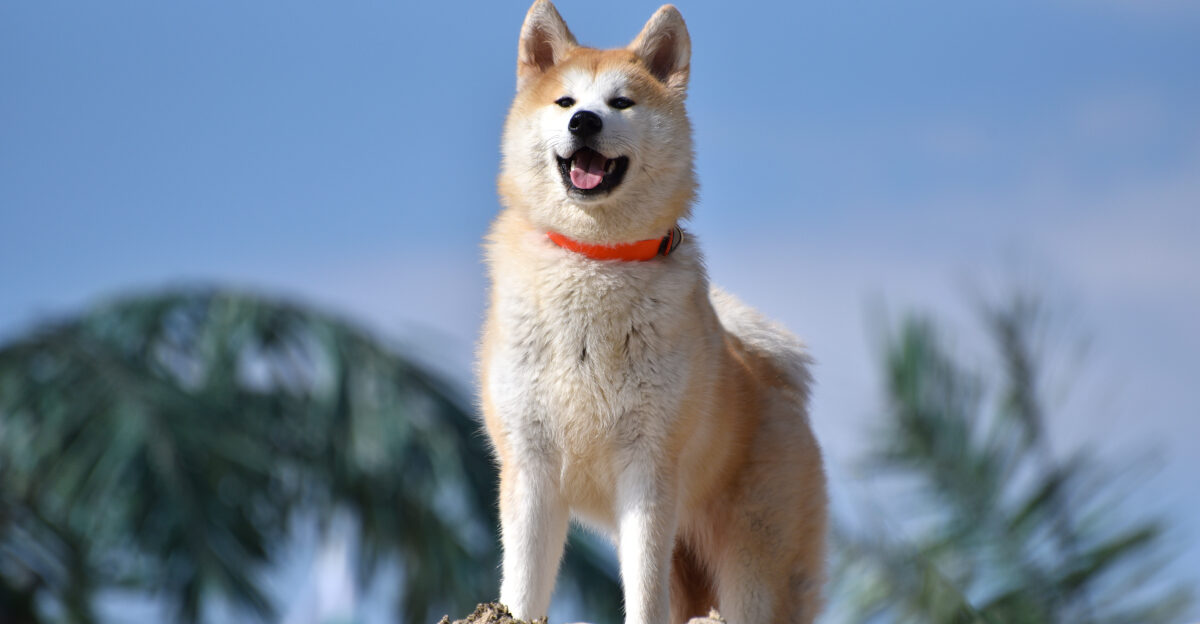
Akitas’ dominance aggression creates not just behavioral expenses—specialists charging $100-$200+ per session—but potential liability if bites occur. Their predisposition to thyroid issues, eye problems requiring specialist treatment, and sebaceous adenitis (chronic skin disease) compounds veterinary costs.
Professional training proves essential yet expensive for managing their assertive, potentially dangerous temperament without experienced handling.
11. Alaskan Malamute
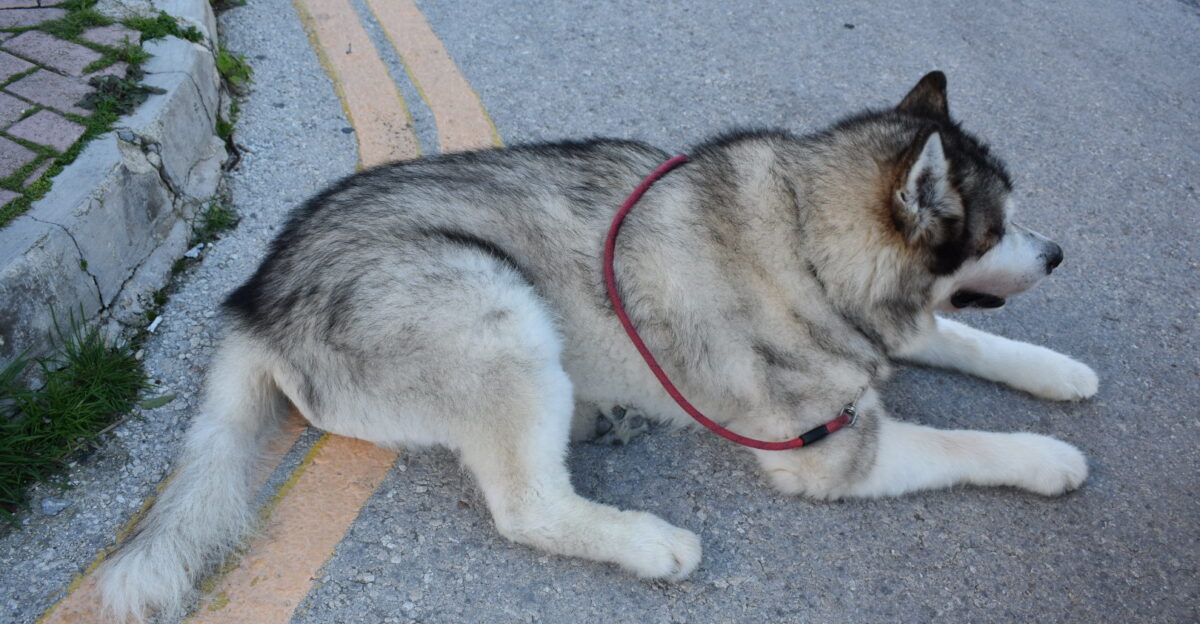
These 75-100 pound powerhouses require giant-breed portions, driving food costs substantially higher than average dogs. Escape prevention demands the same $3,500+ fencing investments as Huskies. Their notorious howling may necessitate acoustic insulation or relocation.
Hip dysplasia, common in large breeds, requires $3,000-$10,000 surgical correction per hip. Professional training to manage dominance costs hundreds monthly.
12. Jack Russell Terrier
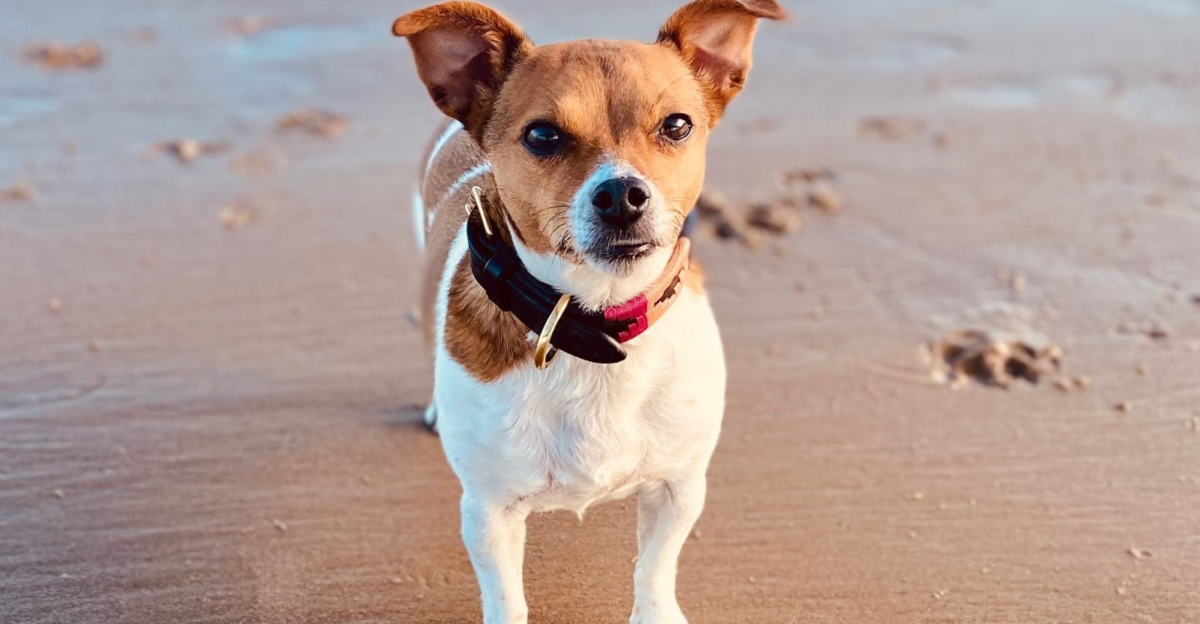
Don’t let their compact size fool you—Jack Russells’ hyperactivity and aggression require extensive professional training at $100-$300 for multi-week courses.
Neurological problems, most expensive veterinary treatments, exceed $1,000 when specialist surgeons intervene. Bladder stones demand $600-$1,000 treatment, while their relentless energy creates destructive behaviors requiring constant replacement of destroyed items.
13. Cairn Terrier

Cairn Terriers face inherited progressive retinal atrophy leading to blindness ($300-$700 management), cataracts requiring $2,000-$4,000 surgery, and luxating patellas demanding $500-$2,500 correction. Liver shunt treatment reaches $2,000-$6,000.
Despite small size, their terrier tenacity requires professional training to manage stubbornness. Pet insurance averages $20-$50 monthly but increases substantially as genetic conditions manifest.
The Annual Cost Reality

Large dog annual care ranges from $1,390 to $5,295, with puppies demanding $1,520-$6,415 yearly, according to Rover’s 2025 analysis. Senior dogs require $2,555-$4,680 annually as health issues accumulate.
These figures exclude emergency surgeries, specialty treatments, and behavioral interventions—expenses that push families beyond budgeted amounts and into debt.
The Emergency Visit Trap
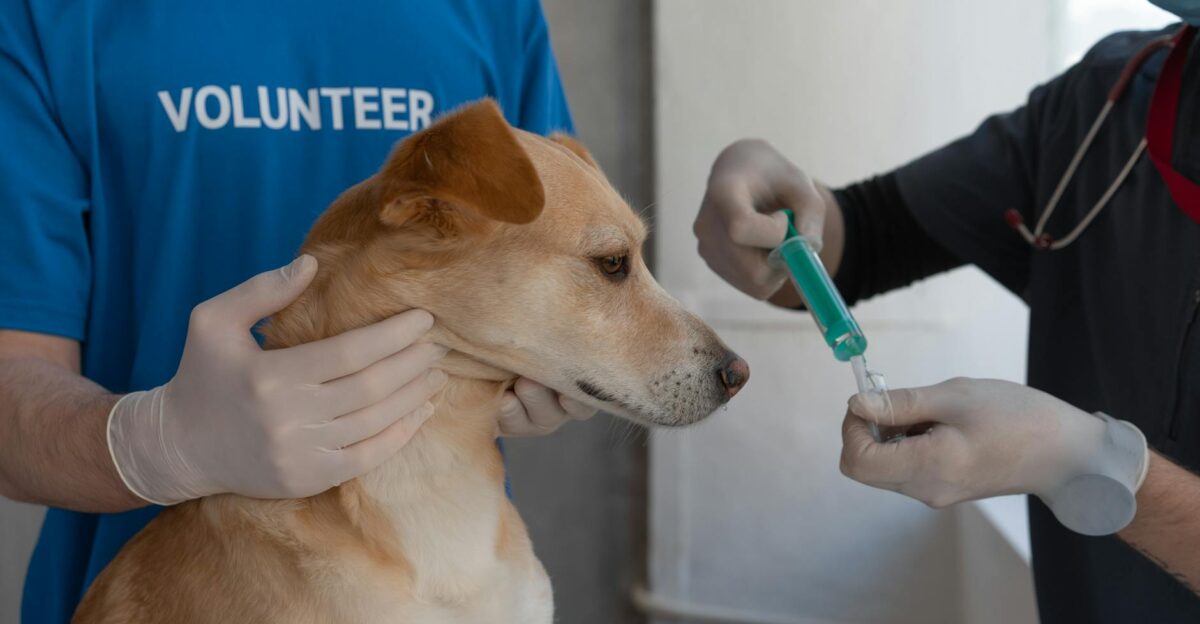
Emergency veterinary visits top the list of expenses driving pet debt, cited by 74% of owners who borrowed for pet care. Hip dysplasia surgery alone averages $2,629 but ranges from $2,059-$4,546 depending on location and procedure type.
Total hip replacement, most effective for severe cases, costs $4,000-$10,000 per hip. “If bloodwork or X-rays are deemed necessary, these bills can quickly top $1,000,” veterinarians warn.
Insurance: Solution or Additional Burden?

Pet insurance averages $749 annually for dogs, with rates increasing significantly for older animals and breeds prone to genetic conditions. However, coverage typically excludes pre-existing conditions, making early enrollment essential.
Working breeds like Cane Corsos and Australian Shepherds face elevated premiums reflecting their predispositions. Over 6.4 million U.S. pets were insured in 2024—double the 2020 figure—as families seek financial protection.
The Underestimation Crisis

Sixty-two percent of pet owners report shock at actual ownership costs, with 59% caught off-guard by unexpected medical expenses. People with greater animal care knowledge have more realistic expectations, yet even knowledgeable owners underestimate breed-specific challenges.
“The amount of time required to meet training needs was greater than expected,” research reveals, with patience needed for behavioral issues exceeding anticipation.
The Verdict: Financial Planning Essential

Before acquiring these 13 breeds, families must honestly assess their capacity for $20,000-$50,000+ lifetime investments, including professional training ($2,000-$5,000), potential surgeries ($1,500-$10,000 per procedure), behavioral specialists ($100-$200 per session), and infrastructure modifications ($3,500+ for secure fencing).
“I would urge pet parents to take a proactive approach and plan ahead,” veterinarians advise, emphasizing emergency funds beyond routine care budgets.
Sources:
“Nearly Half of Pet Owners Have Been in Debt for Their Pet.” LendingTree, Sept 2020.
“Pet Poverty Report.” MetLife Pet Insurance, July 2025.
“The Cost of Dog Parenthood 2025.” Rover, May 2025.
“The costs to own a dog or cat are about to get more expensive.” USA Today, March 2025.
“Why many Americans fear they can’t afford pets anymore.” USA Today, Oct 2025.
“Dog Breeds With The Highest Chances Of Health Problems.” Forbes Advisor, Sept 2024.
“Characterizing unsuccessful animal adoptions: age and breed predict the likelihood of return.” Nature Scientific Reports, April 2021.
“Owner expectations and surprises of dog ownership: A longitudinal study using qualitative methods.” Frontiers in Veterinary Science, Feb 2024.
“Dog Hip Dysplasia Surgery Cost and Procedure Guide.” CareCredit, July 2025.