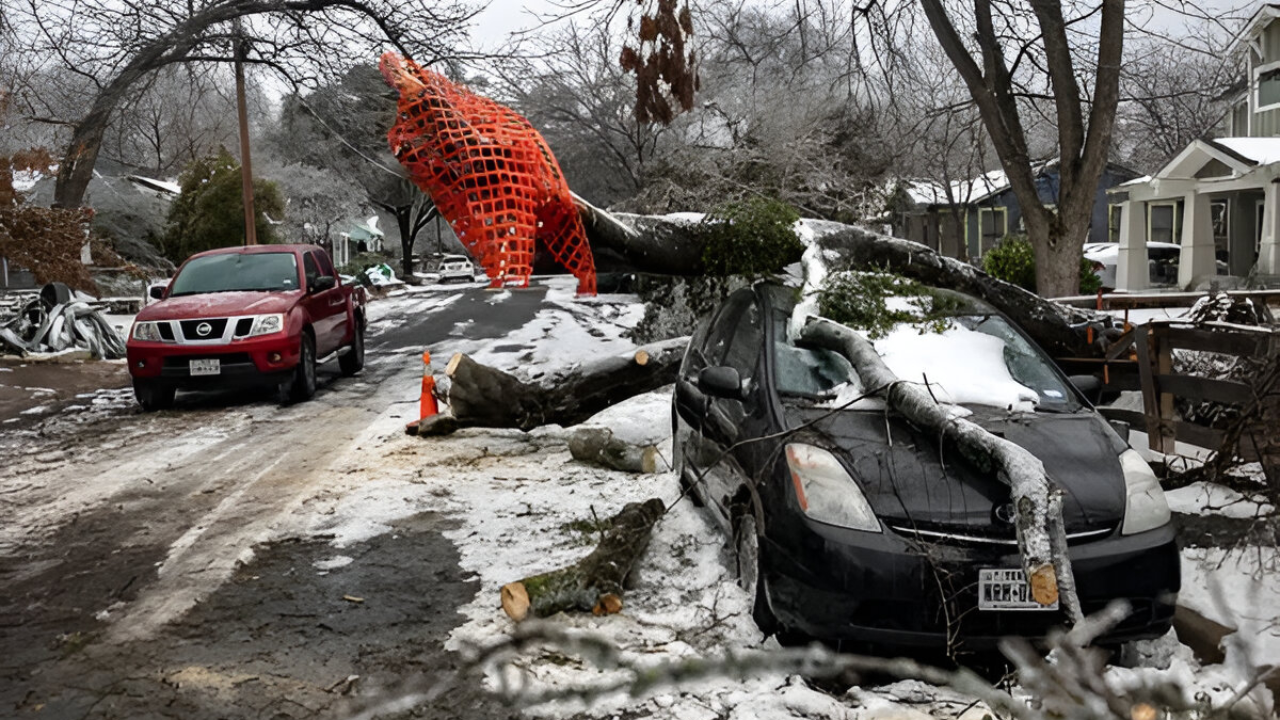
Snow and ice descend on Texas, coating roads and power lines. By Friday morning, a blanket of white covers highways, turning them into icy death traps.
In the distance, the ominous roar of a truck’s engine struggles against the frozen landscape. Emergency lights flicker through the dense snowstorm, as vehicles are trapped in place. The storm moves quickly, engulfing the region.
By the time it reaches the Southeast, thousands of travelers are stranded, airports are shutting down, and the South is bracing for an unrelenting freeze. What will come next is even more destructive.
The Ice Threat
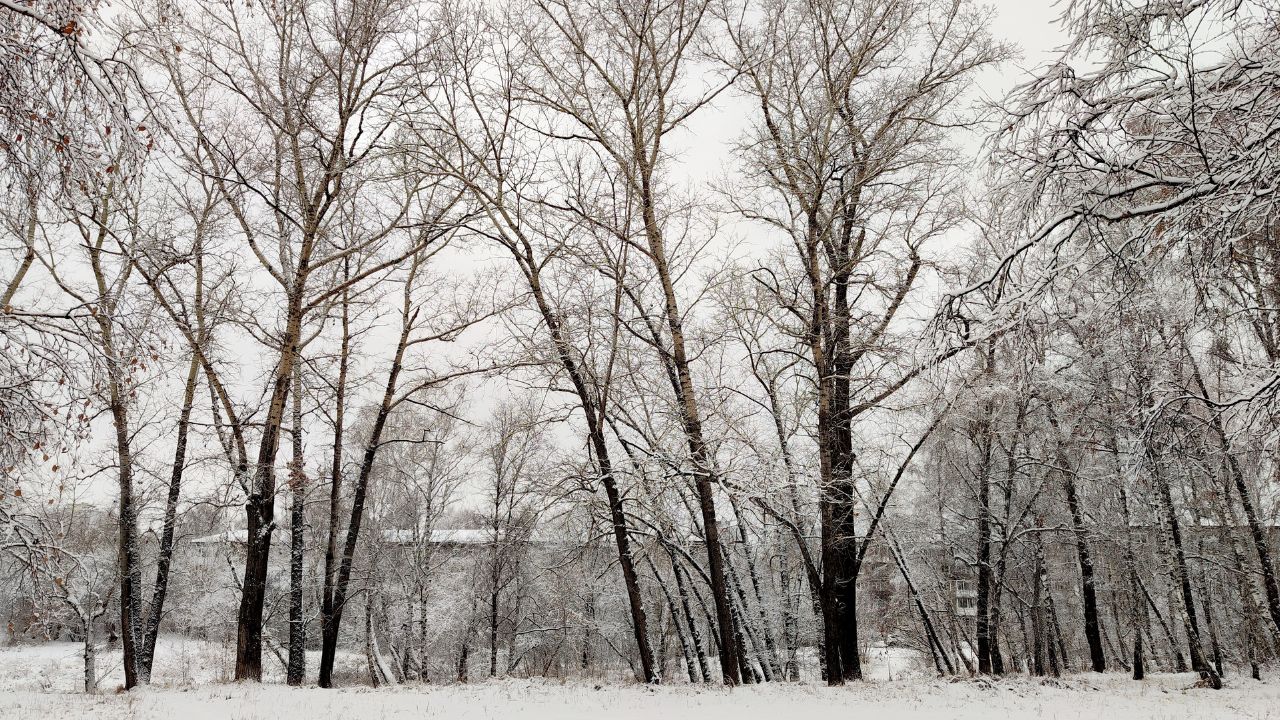
The real danger isn’t the snow—it’s the ice. Forecasters predict up to 1 inch of ice accumulation across parts of Texas, Arkansas, Tennessee, and the Carolinas. Even a quarter-inch of ice can cause major disruptions.
At half an inch or more, widespread power outages are expected. South Carolina utilities warn that this could be catastrophic, affecting trees, power lines, and crucial infrastructure in an area unprepared for such conditions.
A Perfect Storm Setup
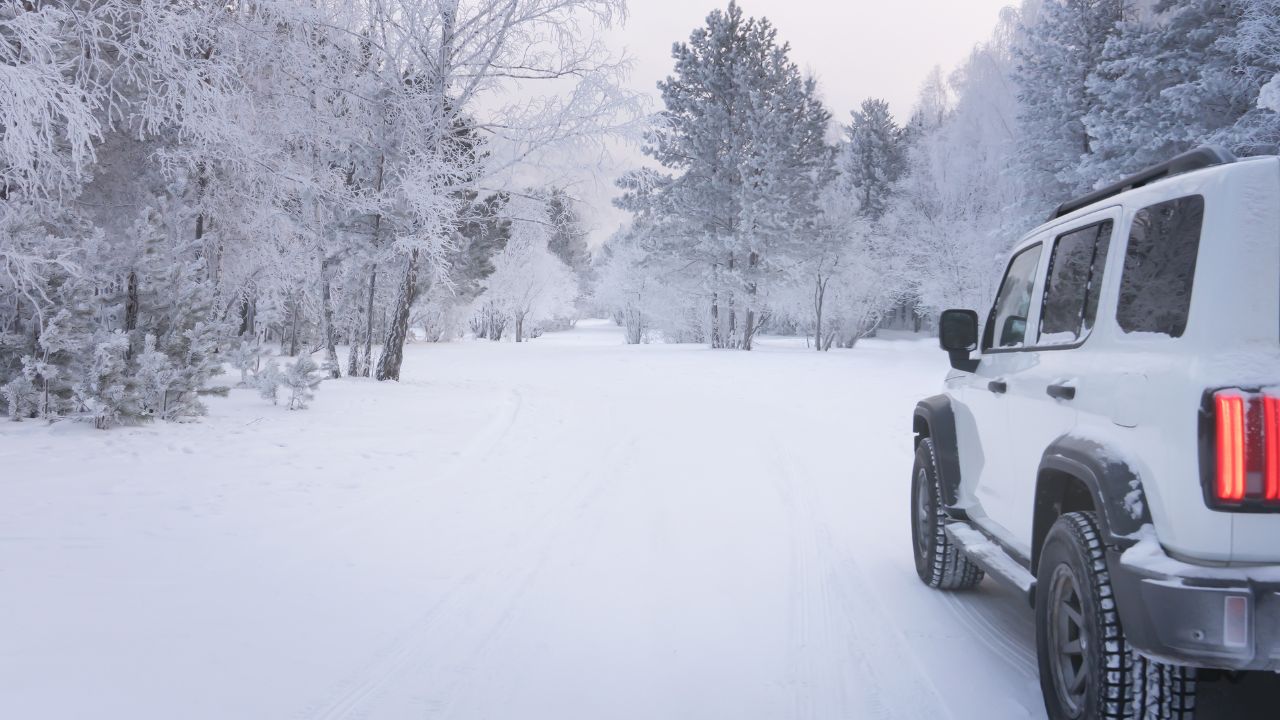
Meteorologists explain this storm setup as an “overrunning situation.” An upper-level disturbance from the West will merge with a deep dip in the jet stream, bringing in arctic cold air.
Moisture from the Gulf of Mexico will interact with this cold, setting up ideal conditions for the storm. The combination of cold air, moisture, and dynamic lift is rare, making this storm especially dangerous and likely to cause severe impacts.
Timeline and Scope
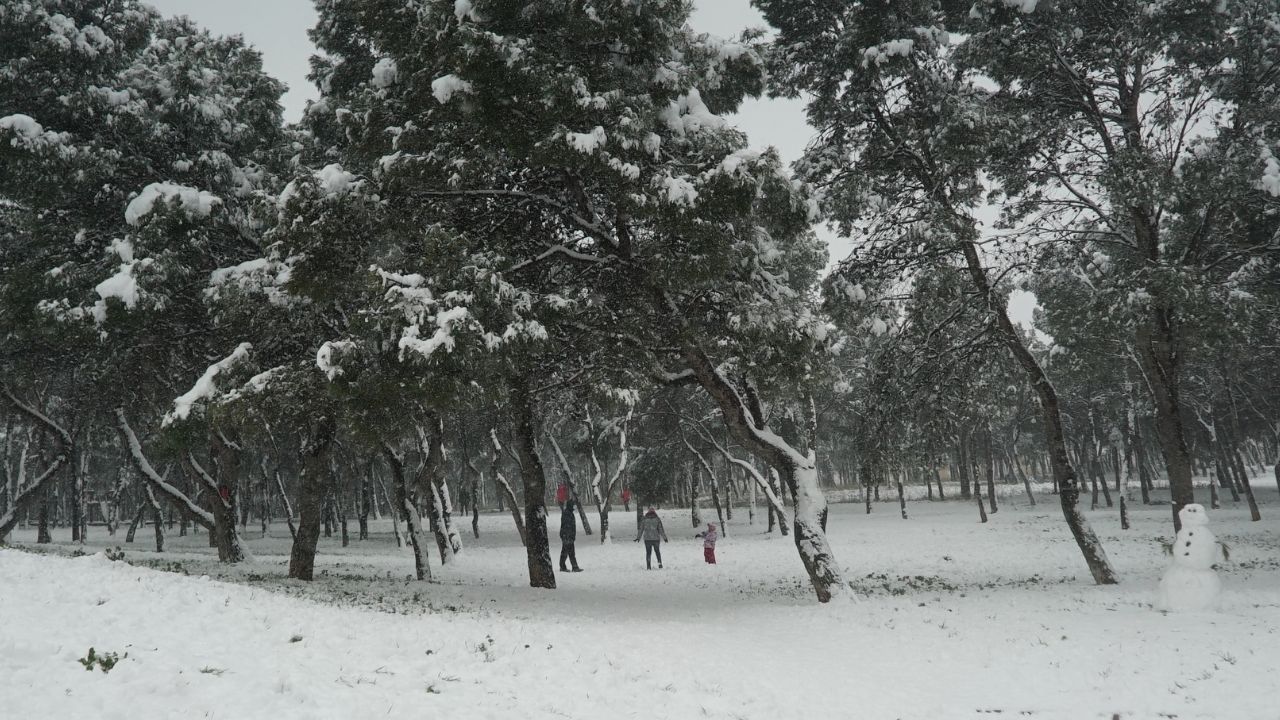
The storm will roll out in stages, starting in Texas on Friday morning and spreading eastward. By Saturday, the storm will affect the Southeast, bringing ice to Georgia, South Carolina, and North Carolina.
By Sunday and Monday, the storm will impact the Mid-Atlantic and Northeast. Lasting through Monday, this storm will disrupt travel, power, and daily life for millions across the eastern two-thirds of the country.
The Coldest Blast Yet
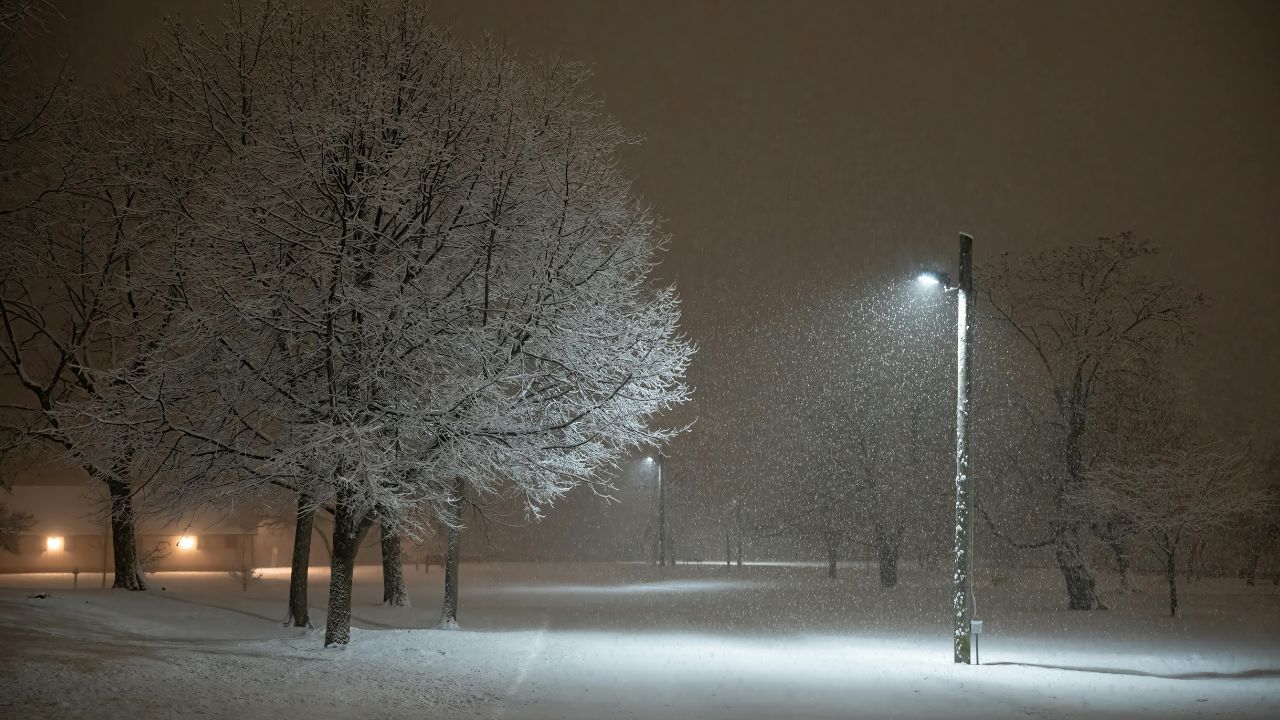
Following the storm’s snowfall and ice, temperatures will plummet, 30 to 40 degrees below normal across the East. In Texas, lows will dip into the teens and 20s. Cities like Atlanta are bracing for temperatures near 22°F, with wind chills near -40°F in northern states.
This intense cold will lock in, preventing snow and ice from melting, prolonging hazardous conditions and creating significant risks for stranded travelers and those without power.
Southern Plains Under Siege

The first wave of the storm will hit the Southern Plains Friday night. Texas, Oklahoma, Arkansas, and Louisiana are under Winter Storm Watches, with snow expected to accumulate rapidly.
The worst snow will fall north of Interstate 20, with Dallas and Oklahoma City bracing for over a foot of snow.
For Oklahoma City, this could become one of the top five largest snow events in recorded history, making it a historic storm for the region.
Southeast Braces for Ice
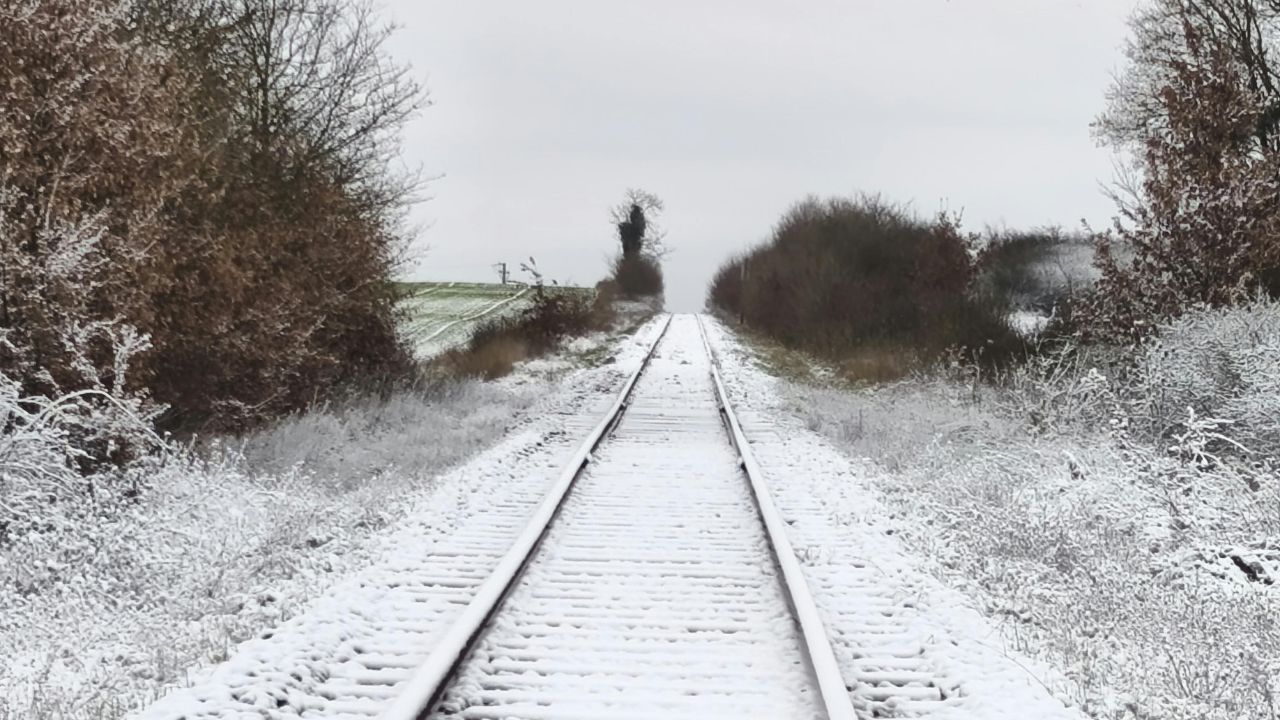
As the storm moves east, ice will become a serious concern in Georgia, South Carolina, and North Carolina by Saturday.
Over a foot of snow could accumulate in parts of Tennessee and the Carolinas, and ice will create dangerous travel conditions.
South Carolina’s utility companies are activating emergency resources, preparing for prolonged power outages, and urging residents to stock up on essentials ahead of the storm’s arrival.
Major Airports Face Disruption
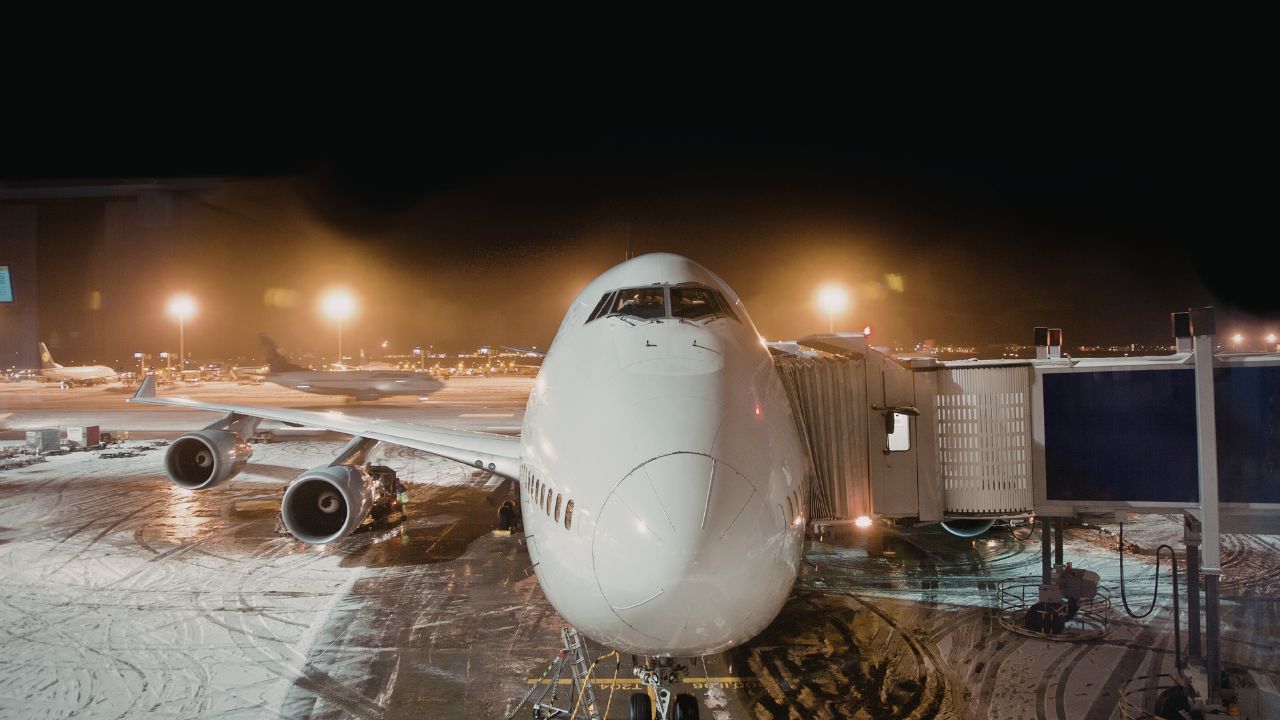
The storm will disrupt major airports, including Dallas/Fort Worth, Atlanta Hartsfield-Jackson, Memphis, and Charlotte Douglas. Flight cancellations, delays, and ground stops are expected as ice and snow make runways unsafe.
These airports serve millions of passengers each week, and disruptions will cascade through the U.S. aviation system. Airlines are already offering travel waivers, urging passengers to reschedule flights before Friday.
Power Grid at Risk
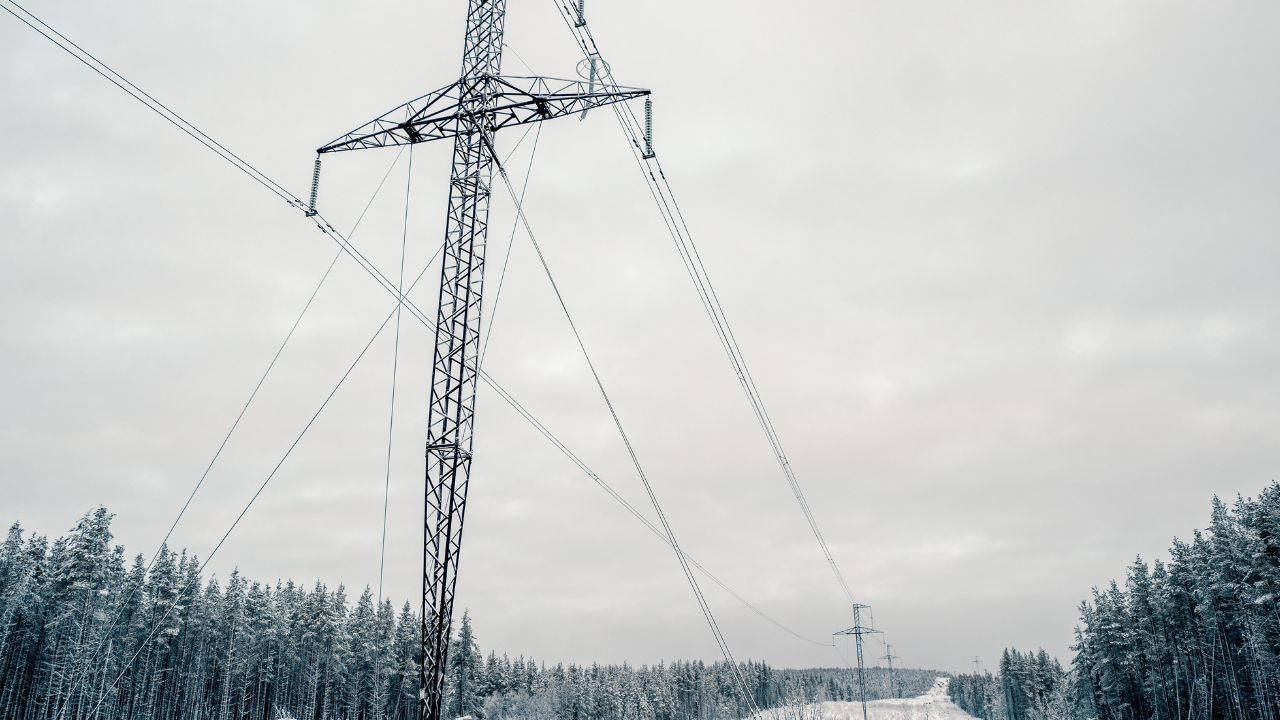
As ice accumulates on power lines and trees, the risk of widespread outages increases. Utility crews are preparing for a major response in Texas, Louisiana, Georgia, and the Carolinas.
The weight of the ice could snap power lines, leading to multi-day outages. Power failures during sub-zero temperatures could be life-threatening for vulnerable populations, including the elderly and those reliant on medical devices.
The Unprepared South
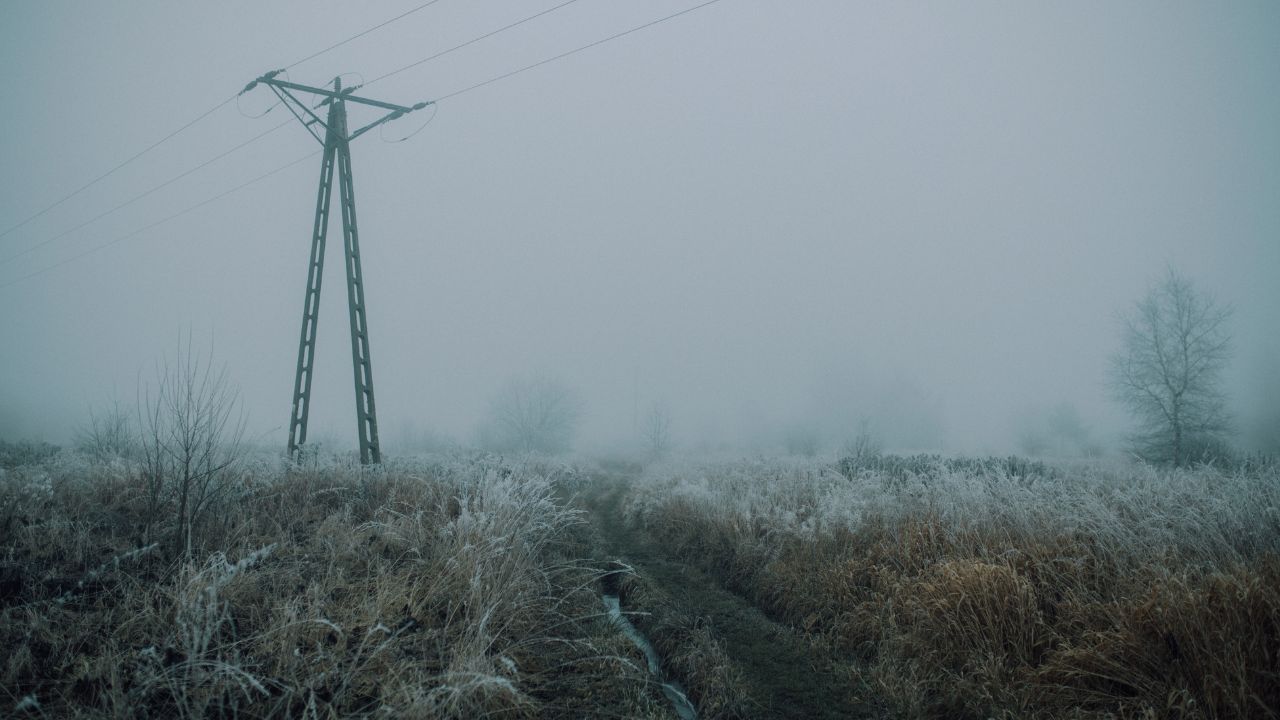
The South, unaccustomed to severe winter weather, is particularly vulnerable. Cities here lack snow plows, road salt, and the experience to quickly respond to ice storms.
With infrastructure ill-equipped to handle such a storm, emergency management agencies are urging residents to prepare for slow recovery and difficult conditions. Schools, businesses, and utilities are all ill-prepared to cope with the prolonged impacts of the storm.
Transportation Paralysis
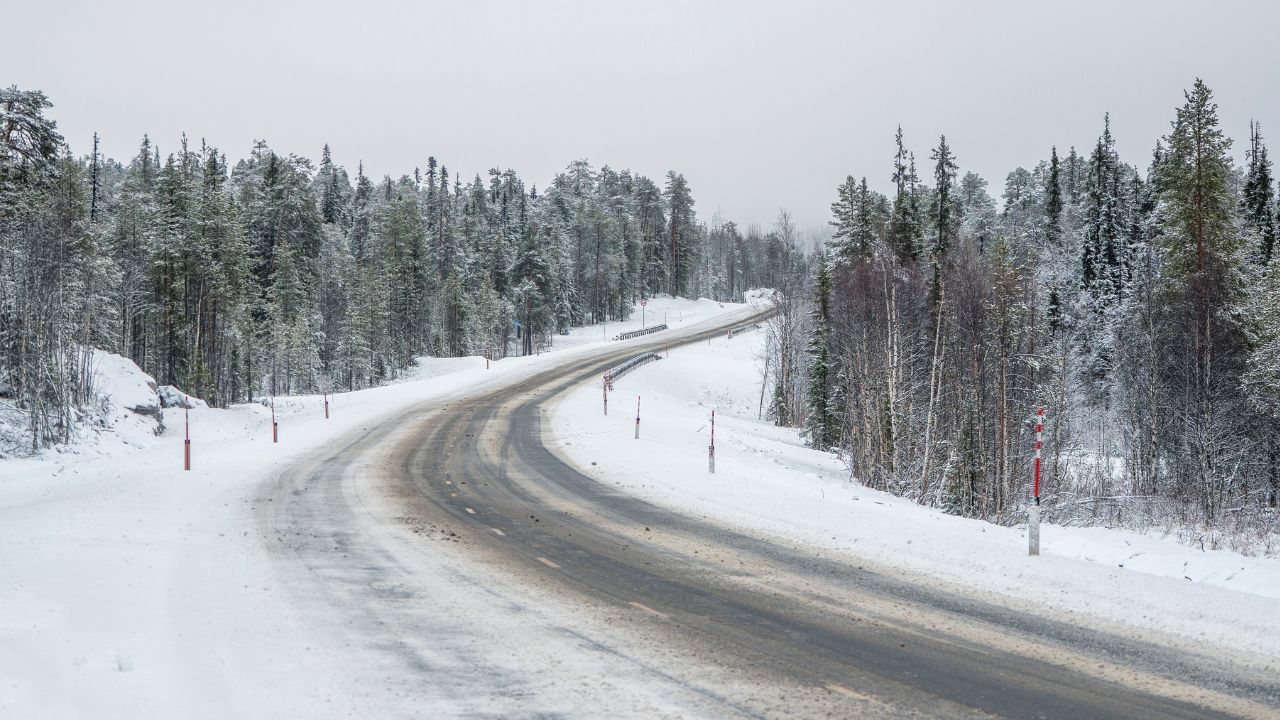
Highways in the South are expected to become dangerously slick, and travel will be treacherous. A recent 100-vehicle pileup in Michigan on January 19 foreshadowed the chaos to come.
Interstate 35, 40, and 95—key corridors for both commercial and passenger traffic—will become hazardous. Emergency responders warn that rescue operations will be difficult, and residents are urged to stay off the roads unless absolutely necessary.
State Emergency Declarations
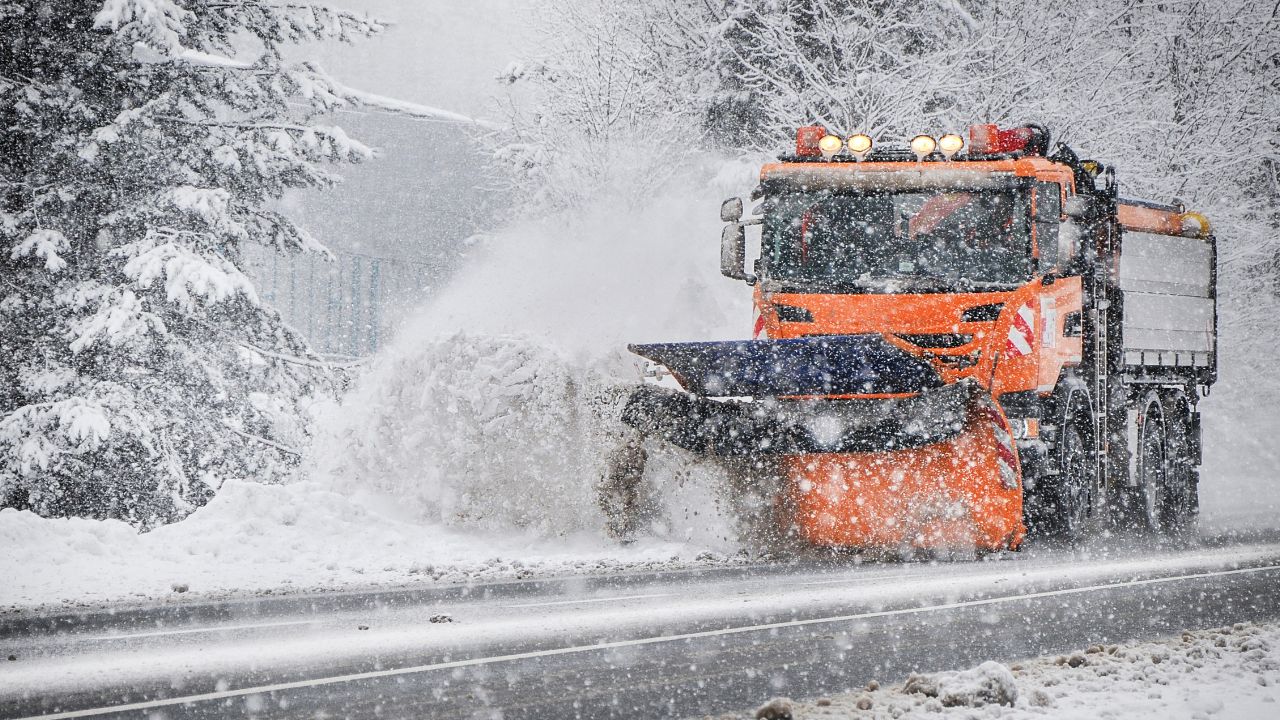
In anticipation of the storm, Texas has already activated its state emergency response resources. Governor Greg Abbott has directed agencies to ensure residents have access to essential supplies.
Emergency management agencies across the South are coordinating efforts with utilities, transportation departments, and the National Guard to provide assistance.
These proactive measures indicate the severity of the storm and the seriousness with which state officials are approaching the event.
Expert Warnings Escalate
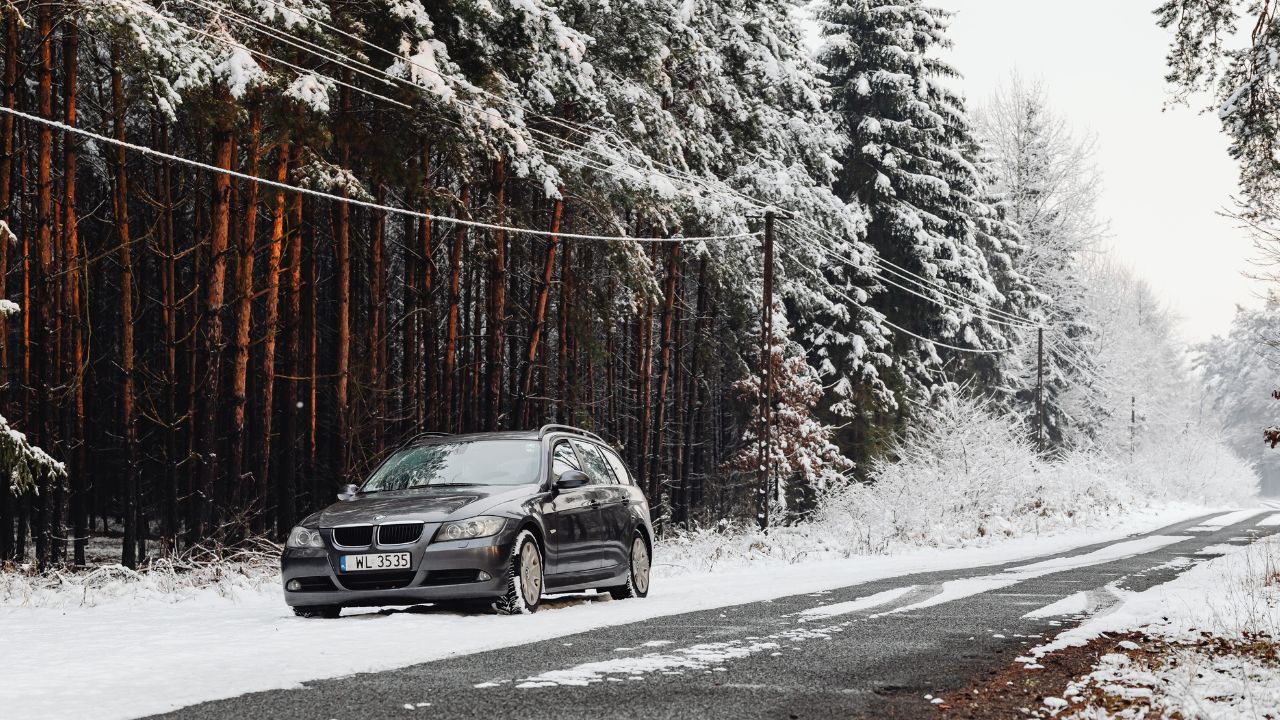
Experts are describing the storm as a “widespread, potentially catastrophic event.” Meteorologists from the National Weather Service and former NOAA officials are warning that this is an extreme weather event, even for the peak of winter.
The combination of severe ice, snow, and arctic temperatures is rare and poses a serious threat to millions of people across the South and East Coast.
Mid-Atlantic Uncertainty

The storm’s exact path remains uncertain. If the storm stays farther south, the Mid-Atlantic and Northeast will see snow with less ice.
However, if the storm shifts north, areas from Virginia to southern New Jersey could experience significant snow accumulation.
This uncertainty will affect millions, especially along the I-95 corridor, with more details expected as forecasts are refined.
What Comes Next?
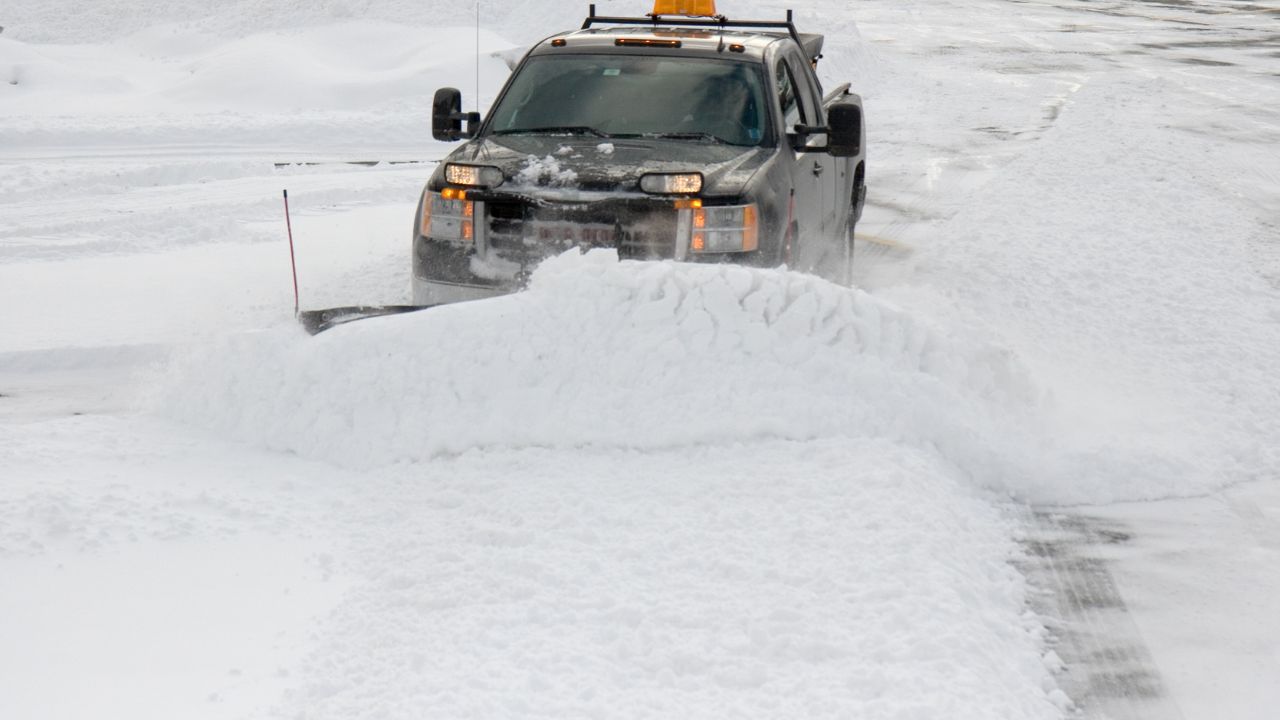
After the storm passes early next week, a prolonged deep freeze will continue across the eastern U.S. Temperatures will remain well below normal, preventing the melting of ice and snow.
Hazardous conditions are expected to persist through the end of January, prolonging travel disruptions and the threat of power outages.
The big question remains: Will southern infrastructure be able to handle the aftermath, or will it face further challenges as recovery begins?
Sources:
“Forecasters warn of a ‘potentially catastrophic’ storm from Texas to the Carolinas.” Associated Press, 20 Jan 2026.
“Major snow, ice storm to affect more than 150 million people in southern, eastern US.” AccuWeather, 20 Jan 2026.
“Potentially catastrophic winter storm now threatens over 35 states from South to East Coast.” Fox Weather, 19 Jan 2026.
“Governor Abbott Activates State Emergency Response Resources Ahead of Winter Weather Threat.” Office of the Texas Governor, 20 Jan 2026.