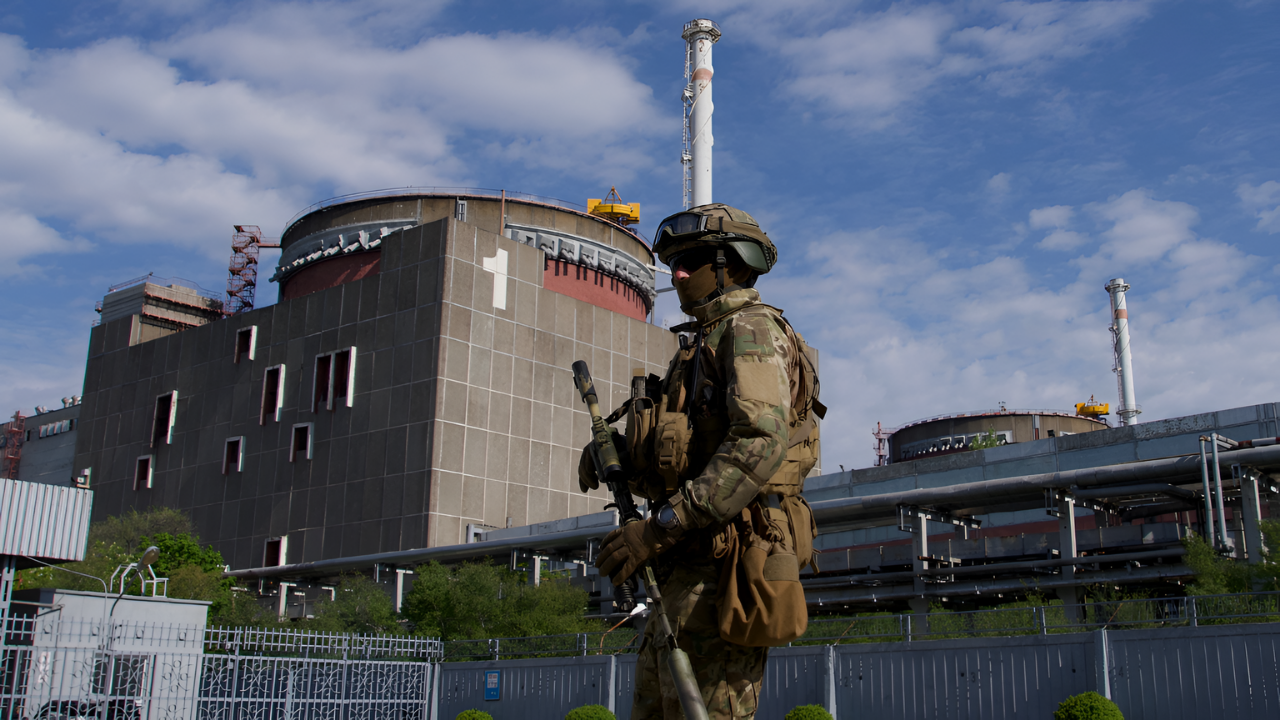
Ukrainian forces have shifted the battlefield into the enemy-held territory’s electricity grid, delivering a stunning tactical blow: over 200,000 households in Russian-occupied Zaporizhzhia plunged into winter darkness.
The move signals a dramatic reversal in the “weaponised winter” campaign that Russia has waged for nearly four years. Control of power becomes control of survival when temperatures plummet.
Escalating Drone Warfare

Russia’s response underscores the intensity: the Kremlin unleashed over 1,300 attack drones, roughly 1,050 guided aerial bombs, and 29 missiles against Ukraine in a single week. Civilian infrastructure on both sides now lies exposed to long-range precision strikes.
The escalation suggests neither side is backing away from infrastructure warfare despite diplomatic overtures. Winter becomes a race to break the opponent’s will.
The Nuclear Vulnerability
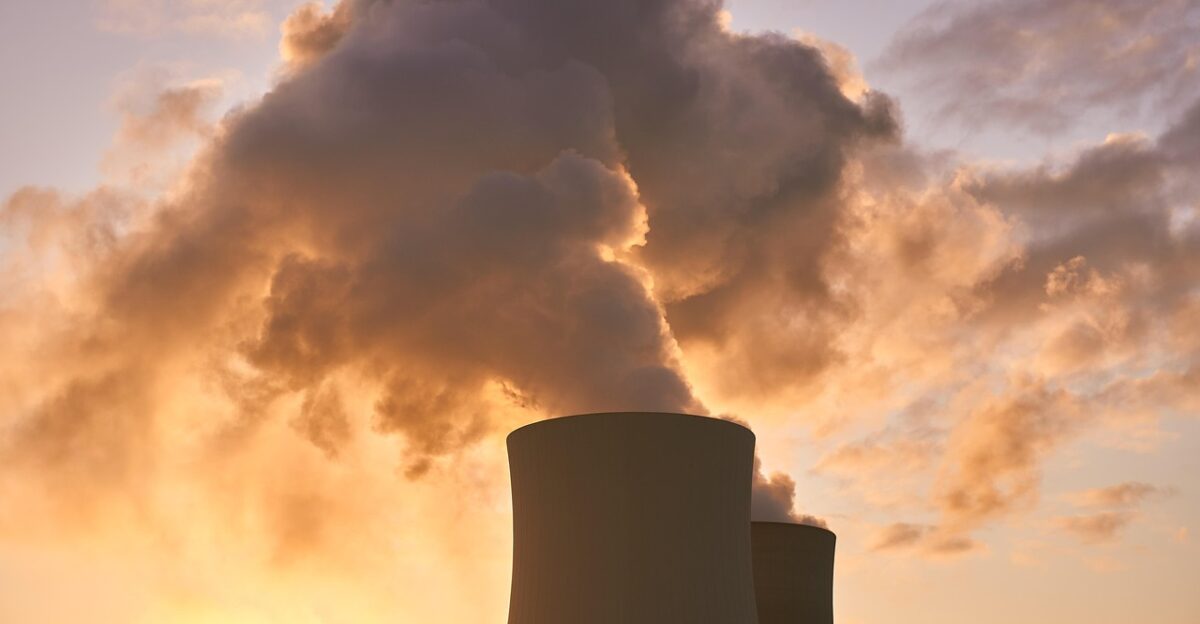
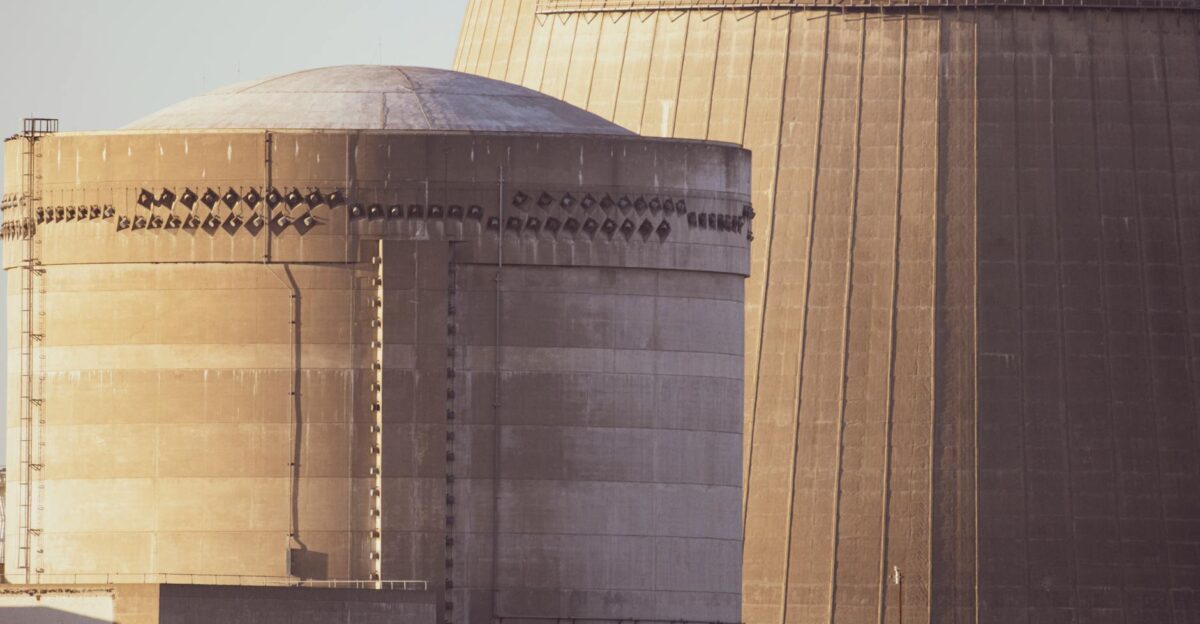
At the heart of the conflict’s energy arena sits Zaporizhzhia Nuclear Power Plant, Europe’s largest generating facility by capacity. The plant sits in Russian-occupied territory but has remained a shared concern of both Ukraine and Russia, and international monitors.
Any significant disruption to its power supply risks cooling-system failure across six reactors, a scenario that could trigger environmental catastrophe across the continent. The plant’s electricity lifeline has become a critical bargaining chip.
Backup Line Crumbling
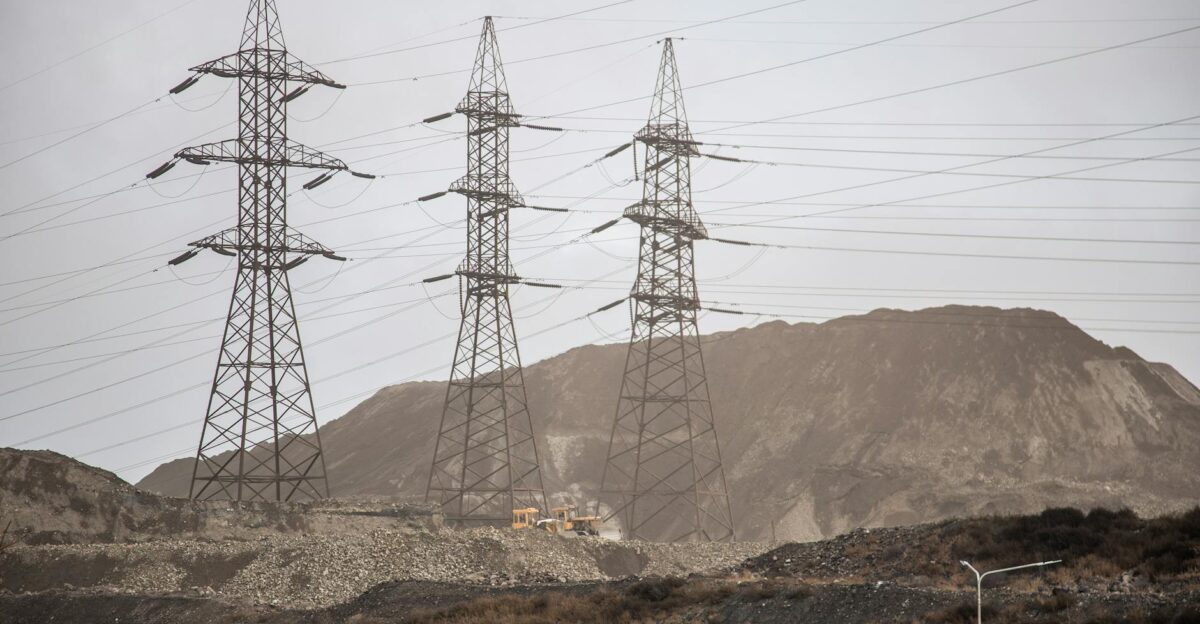
Military activity in early January severed the Ferosplavna-1 330 kilovolt backup power line feeding Zaporizhzhia NPP, leaving the plant dependent on a single 750 kV main transmission line for external electricity.
Engineers and international monitors warned that loss of that final line would force the facility to rely entirely on on-site diesel generators. The International Atomic Energy Agency (IAEA) described repairs as “crucial” but risky, as any new strike could re-sever the grid again. The plant operates in a state of controlled fragility.
The Ceasefire Window Opens
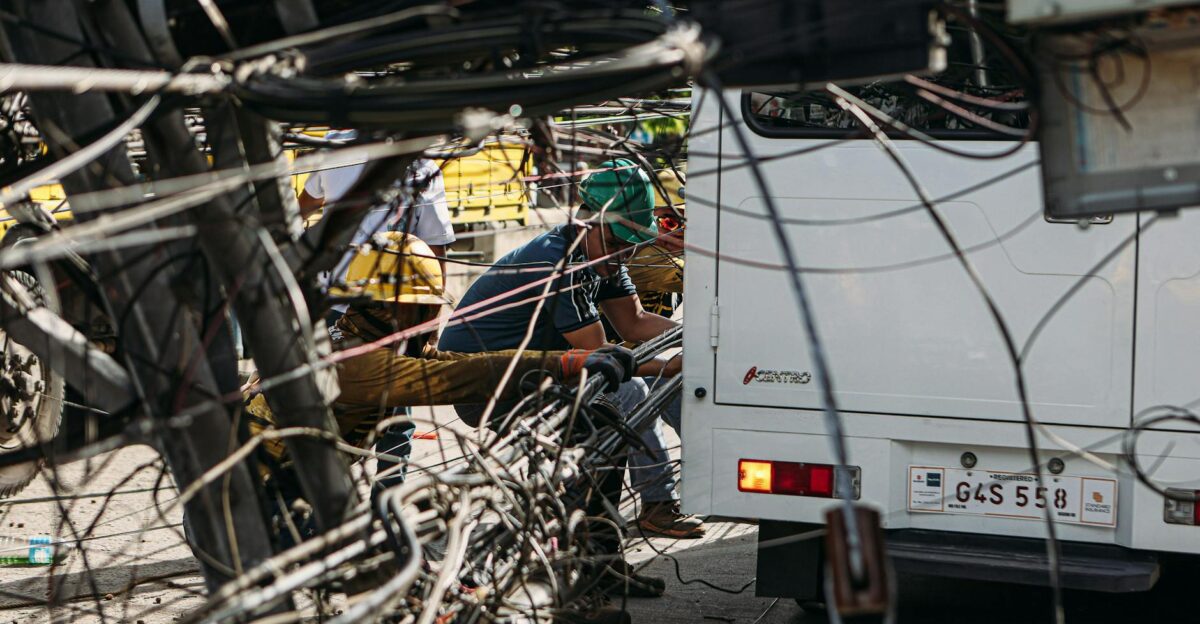
On January 16–18, under an IAEA-brokered local ceasefire agreement, Ukrainian and Russian technicians began emergency repairs on the 330 kV backup line. Both sides recognized that a cascading reactor emergency could threaten the region regardless of military gains.
The repair window represents a rare moment of practical cooperation amid near-total war. Yet this fragile détente exists only because both belligerents understand the catastrophic stakes. The question is whether the window will hold long enough to finish the work.
A Region Plunged Into Cold
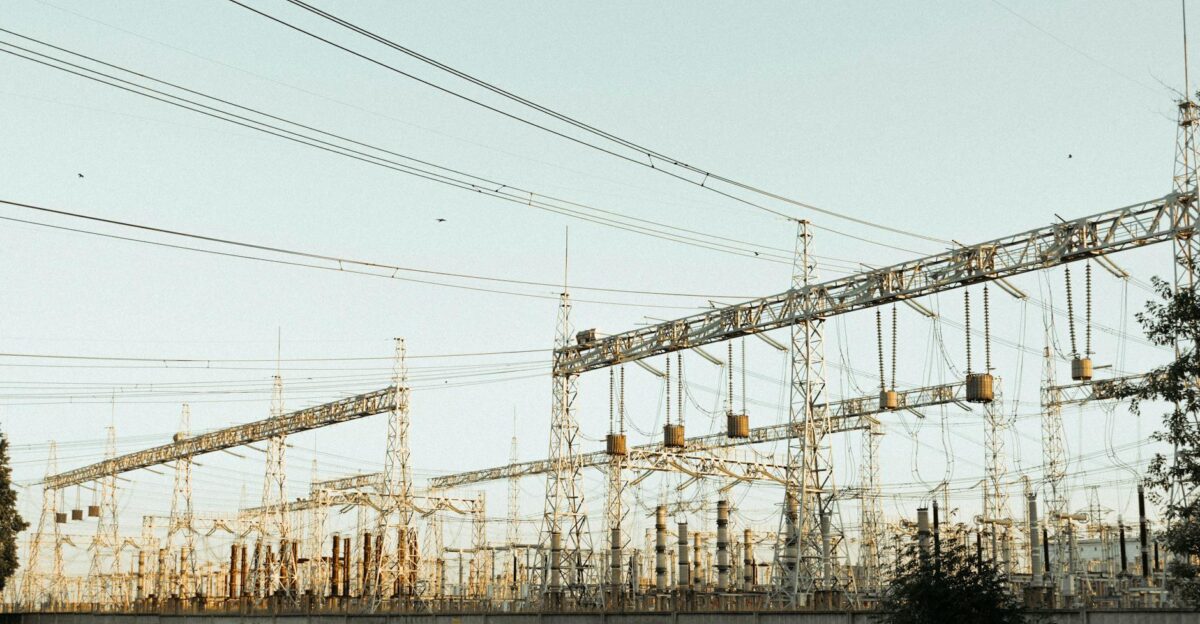
On Sunday, January 19, Ukrainian drone strikes destroyed or damaged major power substations and transmission lines across Russian-occupied southern Zaporizhzhia. Kremlin-installed Governor Yevgeny Balitsky reported that nearly 400 settlements, towns, villages, and hamlets went dark simultaneously.
The outage affected more than 200,000 households in the dead of winter, with temperatures likely near or below freezing. For civilians in occupied areas, the blackout meant no heat, no light, and no access to water pumps dependent on electricity.
Civilian Collateral on Both Sides

Russia’s retaliatory strikes left their own casualties: at least 2 people killed and 6 wounded across multiple Ukrainian regions in overnight attacks. In North Ossetia, Russia’s Caucasus region, drone debris struck a residential building, injuring two children and one adult and forcing the evacuation of 70 residents.
Moscow and Kyiv both weaponize energy infrastructure, knowing full well that civilians freeze, starve, and flee. Neither side has hesitated to target or defend power grids regardless of human cost.
The IAEA’s Diplomatic Gambit
The International Atomic Energy Agency, the UN-affiliated nuclear watchdog, brokered the localized truce specifically to allow repairs. Director General Rafael Grossi has made Zaporizhzhia a personal priority, visiting the plant and negotiating directly with both governments.
The IAEA cannot enforce ceasefires but can appeal to each side’s rational self-interest: a reactor meltdown respects no political borders and ruins both victors and vanquished. This diplomatic leverage, the threat of mutual catastrophe, is one of the few tools that still works.
A Four-Year War of Attrition
Ukraine’s power grid has been targeted relentlessly since Russia’s invasion in February 2022. Successive waves of strikes have destroyed or degraded most of the nation’s large thermal and hydro plants, forcing rolling blackouts and rationing.
Yet the occupied territories have proven even more vulnerable, with fewer redundancies and repair capacity. Russia’s strategy of “weaponising winter,” systematically dismantling energy infrastructure to freeze civilian morale, has now become a two-way street. Ukraine has learned the same brutal lesson and applied it in reverse.
The Diplomatic Implication
Even as drones rained down and families huddled in the dark, Ukrainian President Volodymyr Zelensky dispatched a high-level delegation to the United States for peace talks. The possibility of U.S.-Ukraine security agreements being signed next week at the Davos World Economic Forum suggests that beneath the artillery and drone strikes, both sides are exploring off-ramps.
Yet the timing raises a stark question: Can diplomacy hold if the nuclear plant loses its last power line before the ceasefire repairs are complete?
The Repair Team’s Race Against Time

Ukrainian workers, under IAEA supervision and the fragile ceasefire agreement, have begun reconnecting the severed 330 kV backup line to Zaporizhzhia NPP. The work is technically hazardous, involves exposure to high-voltage infrastructure in an active war zone, and is politically fraught.
Any new drone strike, missile impact, or artillery round could sever the line again before repairs are complete. The repair teams know that their success or failure could reshape the nuclear and diplomatic landscape. The clock runs faster than usual.
Russia’s Counternarrative
Moscow claims that Ukraine is deliberately targeting Zaporizhzhia’s power infrastructure to create an international incident or force Russia into nuclear blackmail. Russian officials and media argue that Ukrainian drone strikes are reckless and intended to destabilize the entire region.
Russia also reported shooting down 63 Ukrainian drones in a single night, a claim that cannot be independently verified. The competing narratives over who is responsible for the nuclear plant’s fragility undermine any unified international response.
The Winter Endgame Strategy

Military analysts note that winter favors whoever can last longest without power and heat. Russia controls the occupied Zaporizhzhia and can, in theory, prioritize power restoration for military assets and loyal officials.
Ukraine, though bleeding electricity itself, hopes that occupied-territory blackouts will erode civilian morale and reduce Russian logistical capacity. Zaporizhzhia’s nuclear plant becomes a macabre tiebreaker: whoever loses it loses the region. Both sides accept the risk because the alternative of losing the war is unthinkable.
The International Audience
NATO allies, the European Union, and the United States are acutely aware that a reactor meltdown would dwarf any battlefield victory. European leaders have pressured both Russia and Ukraine to protect nuclear infrastructure, but pressure alone has not stopped strikes.
Some analysts argue that Western military aid to Ukraine implicitly enables strikes on occupied infrastructure, including near-nuclear facilities. Others contend that Russia, as the occupier, bears primary responsibility for civilian safety. The international community remains divided on accountability even as the stakes climb.
What Happens if the Repairs Fail?

If the 330 kV backup line is not restored before the next major Ukrainian strike on the grid, Zaporizhzhia NPP will lose all external power supply simultaneously and fall entirely back on diesel generators. Those generators are designed as temporary emergency backup, typically rated for days or weeks, not months.
In a prolonged outage, generator fuel could run low, forcing a controlled shutdown of reactor cooling, a scenario that risks long-term environmental damage and an international incident. The repair window is finite; the consequences of missing it are existential.
The Peace Talks Gamble
Ukrainian President Zelensky has warned that any Russian stalling in diplomacy should trigger “more aid for Ukraine and more pressure on the aggressor.” His tone suggests Kyiv will continue military operations regardless of peace overtures.
Yet the dispatch of a delegation to the U.S. signals that Zelensky sees a diplomatic path worth pursuing. The timing, mid-winter, mid-campaign, mid-nuclear-crisis, suggests both sides are clock-watching. Winter will not last forever, and neither will public support for perpetual war.
The European Security Architecture

A nuclear accident at Zaporizhzhia would reshape European energy policy overnight. Nuclear power supplies roughly 50% of EU electricity in some countries. Any meltdown or radiation release would vindicate critics of atomic power and accelerate renewable-energy investments, but at a terrible cost.
Conversely, the plant’s survival under wartime stress might vindicate nuclear advocates who argue that modern reactors are resilient. The outcome of this crisis will influence European energy debates for a generation, far beyond the Ukraine conflict itself.
The Precedent for Hybrid Warfare
Targeting power grids and nuclear infrastructure as part of hybrid warfare is not new, but the scale in Ukraine is unprecedented. Israel has targeted power plants in Gaza and Syria; the U.S. has struck electrical infrastructure in Iraq and Afghanistan. Yet no conflict has placed the world’s largest European nuclear plant at risk for so long.
If Ukraine and Russia both survive this crisis without a meltdown, militaries worldwide will study how power-grid warfare can be waged near nuclear facilities. The doctrinal implications are profound and troubling.
The Human Toll Beyond Numbers

Behind the 200,000 households and nearly 400 settlements lie millions of individual stories: older adults dependent on electric heating, families with infants, patients using electric medical devices. Officials in Russian-occupied territory are scrambling to open warming centers and distribute fuel, but the logistics are fragile.
Ukraine faces its own energy crisis and cannot easily aid civilians in occupied zones. The humanitarian dimension of people freezing, rationing food, and losing access to clean water often vanishes in military and nuclear-safety discourse. Still, it defines the actual cost of infrastructure warfare.
What the Crisis Really Reveals
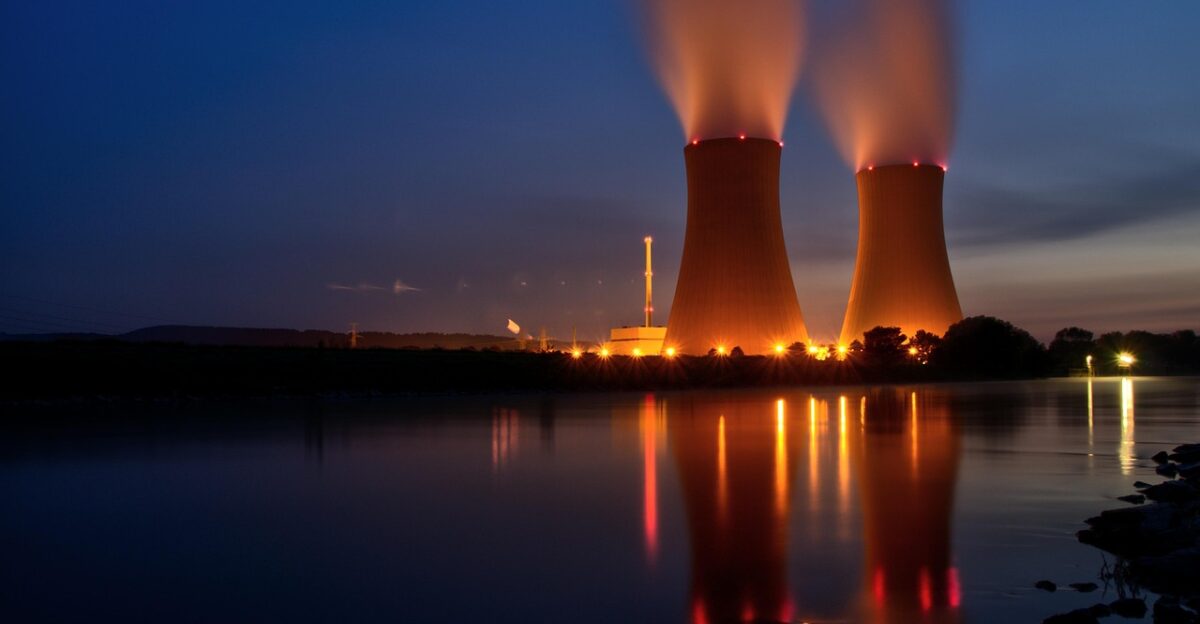
The blackout of 200,000 occupied households and the fragile ceasefire at Europe’s largest nuclear plant together expose a bitter truth: modern warfare has erased the boundary between military and civilian targets, between victory and mutual ruin.
Both Ukraine and Russia have weaponised energy because it works; neither will stop unless forced by diplomacy, exhaustion, or catastrophe. The repair crews working under the IAEA ceasefire are not solving the underlying conflict; they are buying time. The real question is whether that time will be used for peace or simply for the next round of strikes.
Sources:
1News – Ukrainian drone strikes cut power to hundreds of thousands
Los Angeles Times – Ukrainian drone strikes cut power to hundreds of thousands in Russia-occupied Ukraine
Kyiv Independent – Ukrainian crew begins ‘crucial’ repairs on Zaporizhzhia nuclear plant backup line
Euromaidan Press – Russia’s week of terror: 1,300 drones, 1,050 bombs, and a strained grid
Xinhua English – IAEA says localized ceasefire enables repairs at Zaporizhzhia
Deutsche Welle – Russia strikes 6 Ukrainian regions, killing at least 2