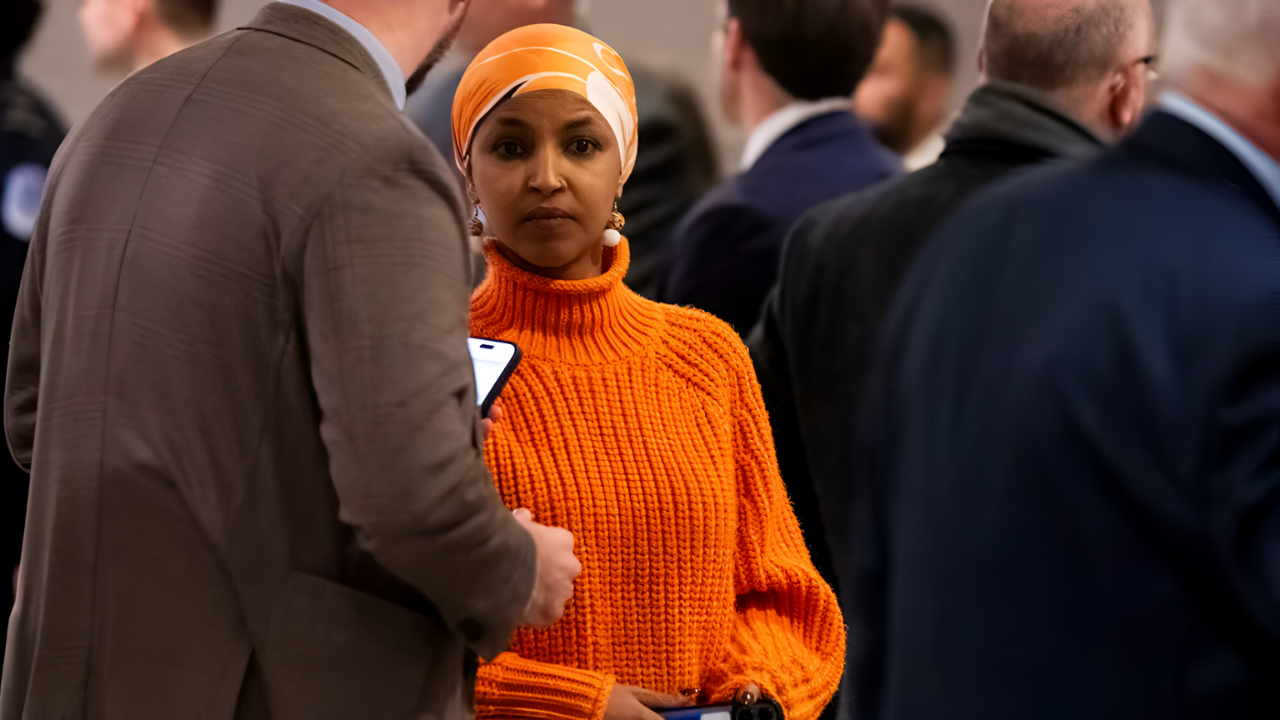
A roughly $1 million earmark sits in the middle of a sprawling $184 billion Commerce, Justice, Science (CJS) spending package, threatening to derail it just weeks before a January 30 government shutdown deadline.
With Washington facing that cutoff, House appropriators scramble, debating whether a small, local project in Minneapolis—backed by Rep. Ilhan Omar—can stay in the bill. Republicans accuse the measure of “hidden pork,” warning that one earmark could imperil the entire package, setting the stage for a rare showdown in Congress.
Shutdown Stakes
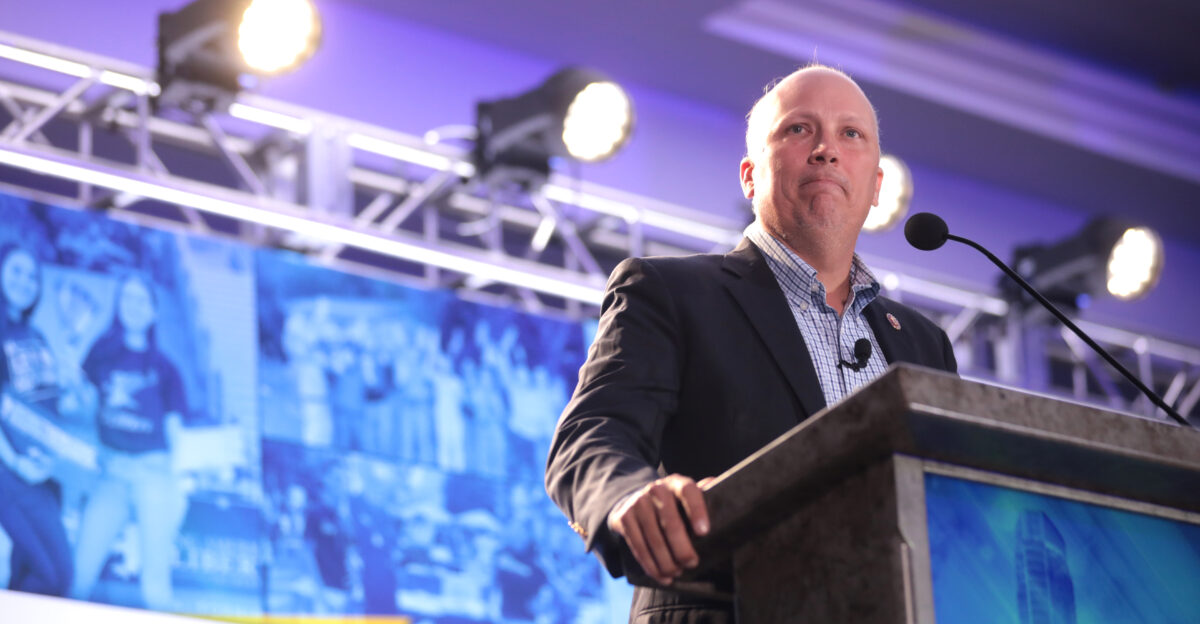
With January 30 looming, Congress races to fund the government or risk a partial shutdown. The CJS minibus covers agencies from commerce to science and law enforcement. Tensions spike over earmarks, often branded “community project funding.”
Rep. Chip Roy calls them the “currency of corruption,” vowing to block questionable requests. Deadlines compress negotiations, forcing lawmakers to weigh billions in critical spending against small, yet controversial, local projects that could stall the entire bill.
Earmark Revival

After a decade-long ban, earmarks returned in 2021 under a new name. Members can now direct funds to local initiatives, often citing community needs. FY2026 packages are packed with thousands of such allocations.
Minnesota’s Somali community has sought support for programs addressing opioid addiction, mental health, and youth services, reflecting broader efforts to tailor services to local needs. History, however, reminds Congress of the risks: pork-barrel politics can invite waste, fraud, and partisan clashes, turning seemingly minor local funding into national controversy.
Minnesota Fraud Shadow
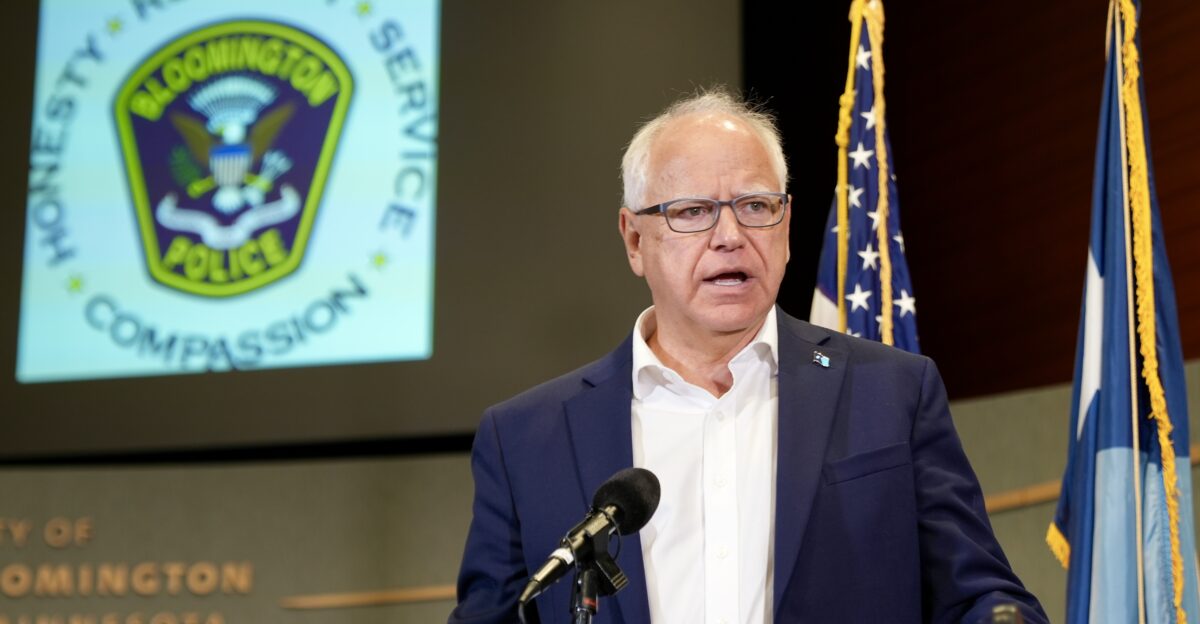
Minnesota faces scrutiny over large pandemic‑era fraud scandals, including a high‑profile “Feeding Our Future” case estimated at around a quarter‑billion dollars in allegedly stolen funds. Somali‑led or Somali‑affiliated groups have been mentioned in some fraud and oversight discussions, prompting calls for tougher scrutiny of public funds.
Governor Tim Walz announced on January 5 that he would not seek reelection, a move widely linked in political coverage to mounting pressure over social‑program fraud and questions about his administration’s oversight. Nonprofits in the opioid recovery space are under additional scrutiny, heightening skepticism about federal aid. As Congress reviews earmarks, Minnesota’s recent fraud record casts a shadow over proposals, complicating decisions on local funding requests like those in Minneapolis.
Earmark Exposed
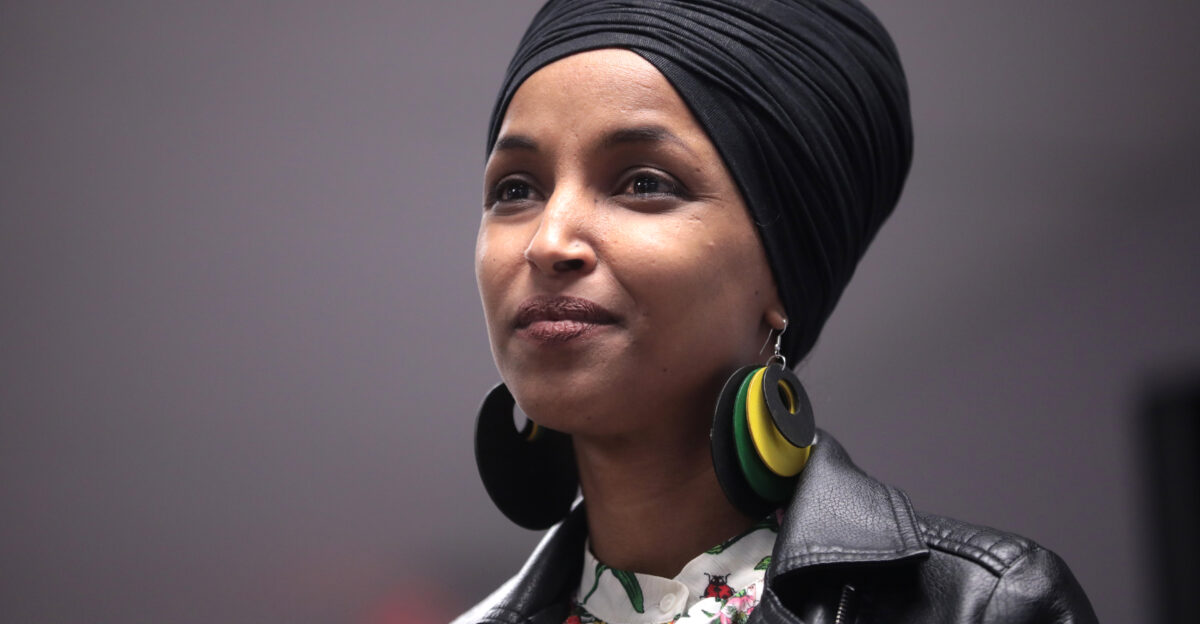
In early January 2026, House appropriators stripped Rep. Ilhan Omar’s earmark for the Somali‑led nonprofit Generation Hope from the CJS bill. Omar initially requested $1,460,877 for the “Justice Empowerment Initiative” in Minneapolis, but the line item was commonly described on Capitol Hill as a roughly $1 million project.
Republicans, led by Rep. Chip Roy, flagged potential fraud and mismanagement risks. The move marks one of the first high‑profile earmark removals in this Congress, emphasizing how even a fraction of the $184 billion package can become a flashpoint for oversight and partisan conflict.
Minneapolis Focus

The earmark targeted Minneapolis, home to a large Somali community. Generation Hope operates addiction recovery and reentry‑focused programs at sites in the city, including space associated with Somali‑owned businesses, according to critics and local reporting.
Local fraud investigations and Minnesota’s broader scandals amplify doubts, fueling national attention. While the programs are intended to assist justice‑involved residents with culturally specific treatment, the unusual arrangements and recent financial scrutiny raise questions about transparency and whether taxpayer dollars are being properly safeguarded.
Community Voices
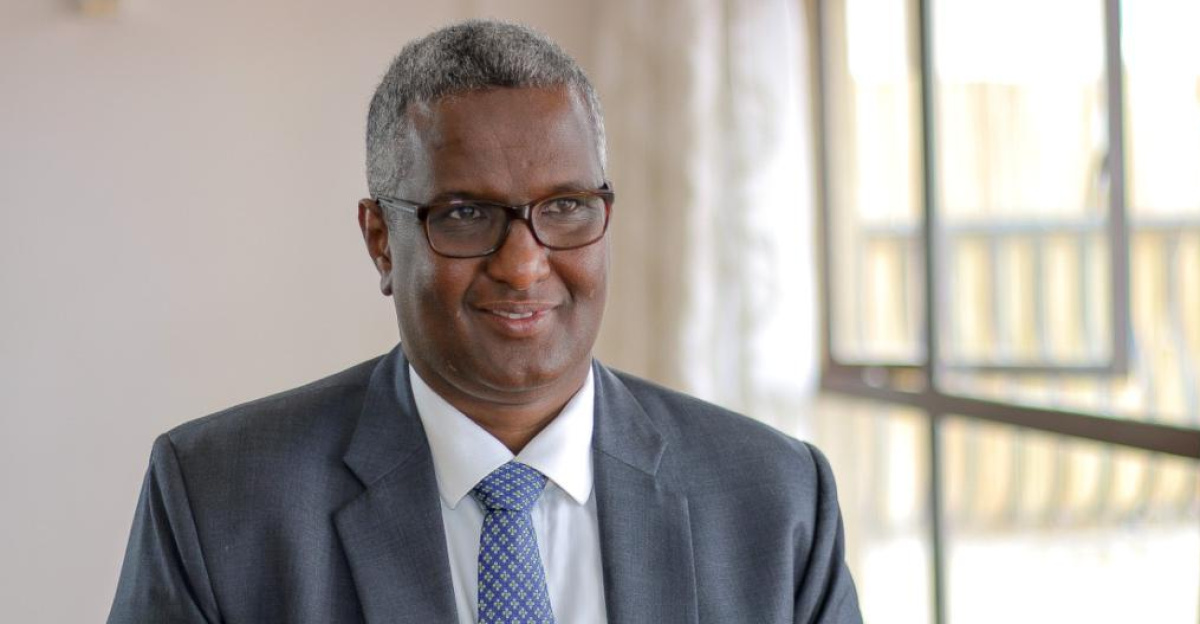
Generation Hope, founded in 2019 by Abdirahman Warsame and Khadar Abi, targets East African youth and justice‑involved residents with services tailored to their culture. Omar sought federal funding for job training, mental health, and housing support to reduce recidivism.
Public filings indicate that Generation Hope has reported relatively modest annual revenue and a small leadership team, raising questions among critics about its capacity to manage a seven‑figure federal grant. Supporters highlight the importance of culturally informed recovery programs in underserved communities, intensifying the debate over federal funding priorities.
GOP Pushback
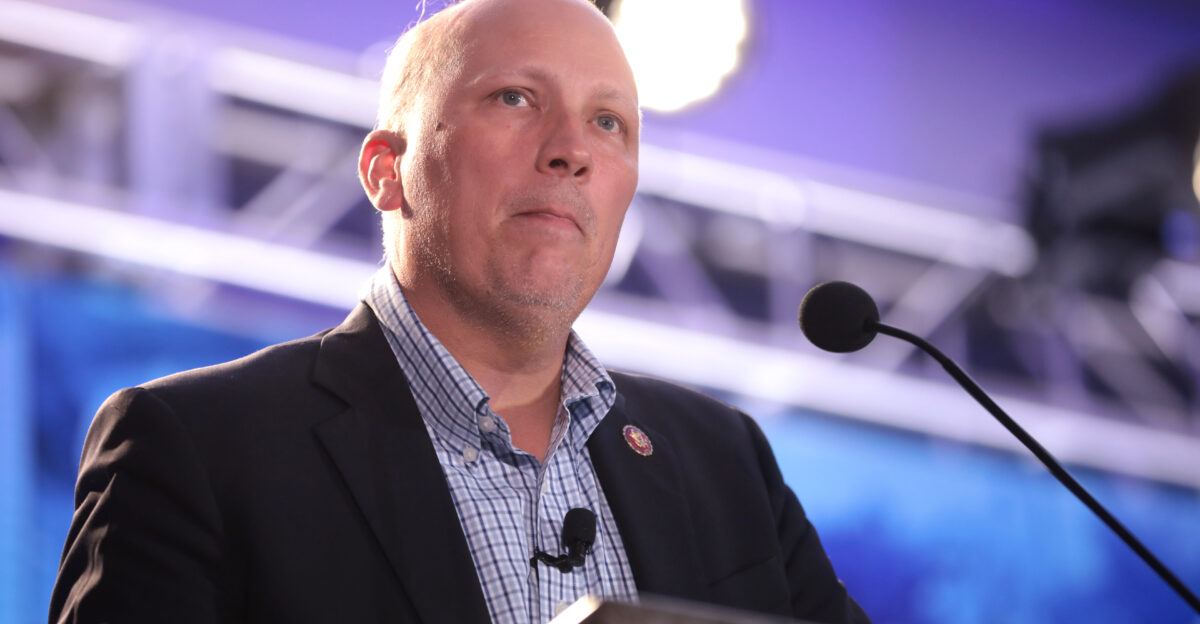
Rep. Chip Roy spearheaded a concentrated effort in early January to remove Omar’s earmark. House Appropriations Chair Tom Cole warned that he could not afford to let a roughly million‑dollar project jeopardize a multibillion‑dollar package.
Senate backers, including Sens. Amy Klobuchar and Tina Smith, saw their support questioned as the earmark became a political lightning rod. The conflict illustrates the delicate balance of bipartisan deals: even minor allocations can threaten the passage of essential spending bills when partisan scrutiny is high.
Broader Pork Hunt
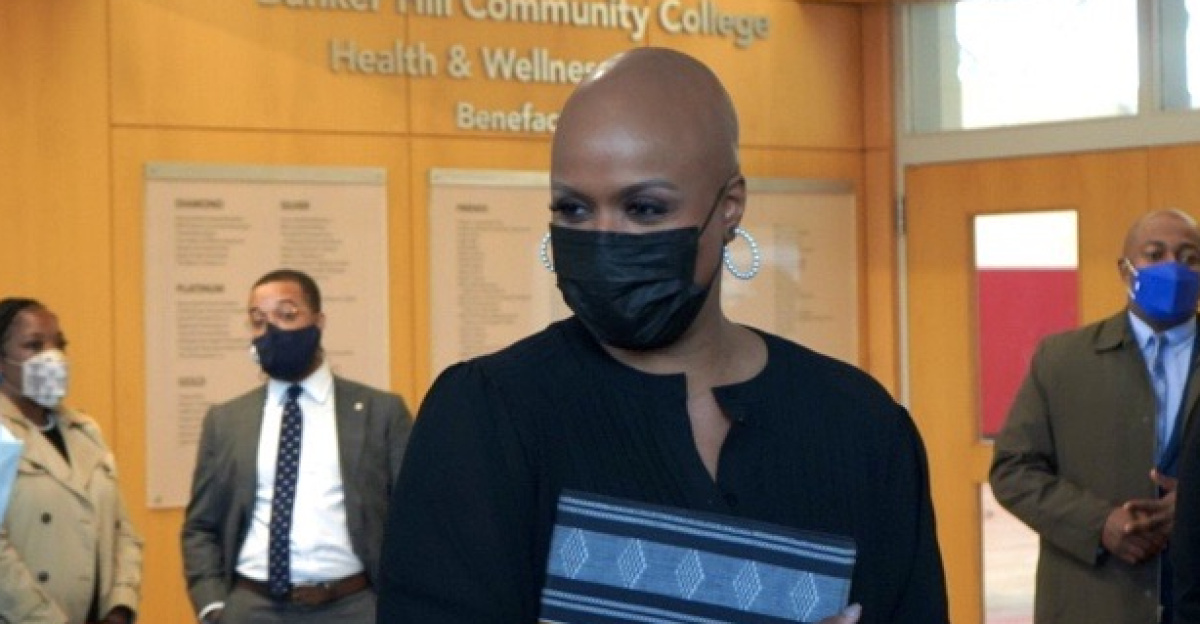
Thousands of earmarks populate the CJS bill, echoing past controversies. Rep. Ayanna Pressley pushes for a $1 million Climate Corps Fellowship, while Sen. Bernie Sanders seeks $2 million for immigrant‑focused legal services, according to project lists.
Republicans, holding a fragile House majority, tolerate some requests to maintain bill passage prospects. The Generation Hope earmark becomes emblematic of a larger debate: how to balance local funding with transparency and prevent small allocations from triggering large‑scale political fallout.
Fraud Probe
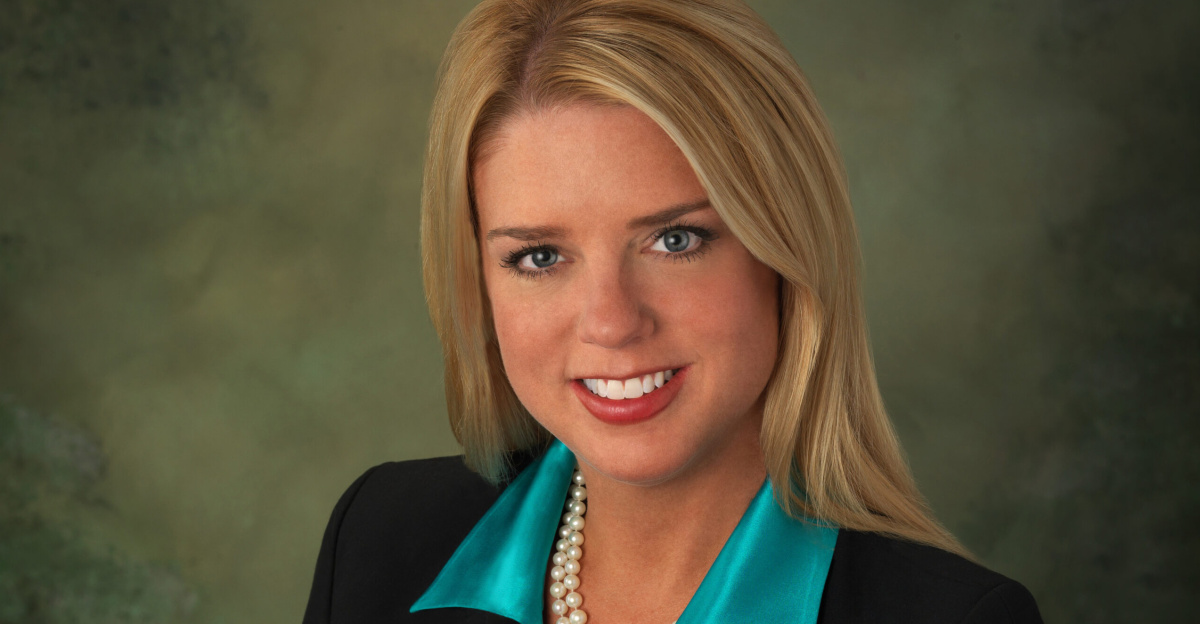
Sens. Joni Ernst and Mike Lee requested a Justice Department review of Generation Hope in January 2026, sending a letter to Attorney General Pam Bondi that cited potential “red flags.” Concerns include shared or overlapping business space, overlapping addresses for founders, and a high share of spending on contractors and professional fees.
One founder’s brother was previously linked to an ISIS‑related plot in 2015, adding political sensitivity noted in press accounts. Ernst pushed to redirect the earmark funds to DOJ fraud enforcement, signaling heightened oversight and raising national attention on small, targeted funding requests amidst broader Minnesota fraud investigations.
Omar Defends

Rep. Ilhan Omar, a Somali refugee, defended the earmark as vital for “wraparound services” addressing addiction and reentry in Minneapolis. Senators Klobuchar and Smith supported it for justice‑involved residents.
Omar emphasized local impact but offered limited further comment amid backlash. The episode highlights the tension between local community‑focused initiatives and congressional oversight, especially when small sums can trigger scrutiny over fraud, effectiveness, and the broader integrity of massive federal funding packages.
Leadership Weighs In
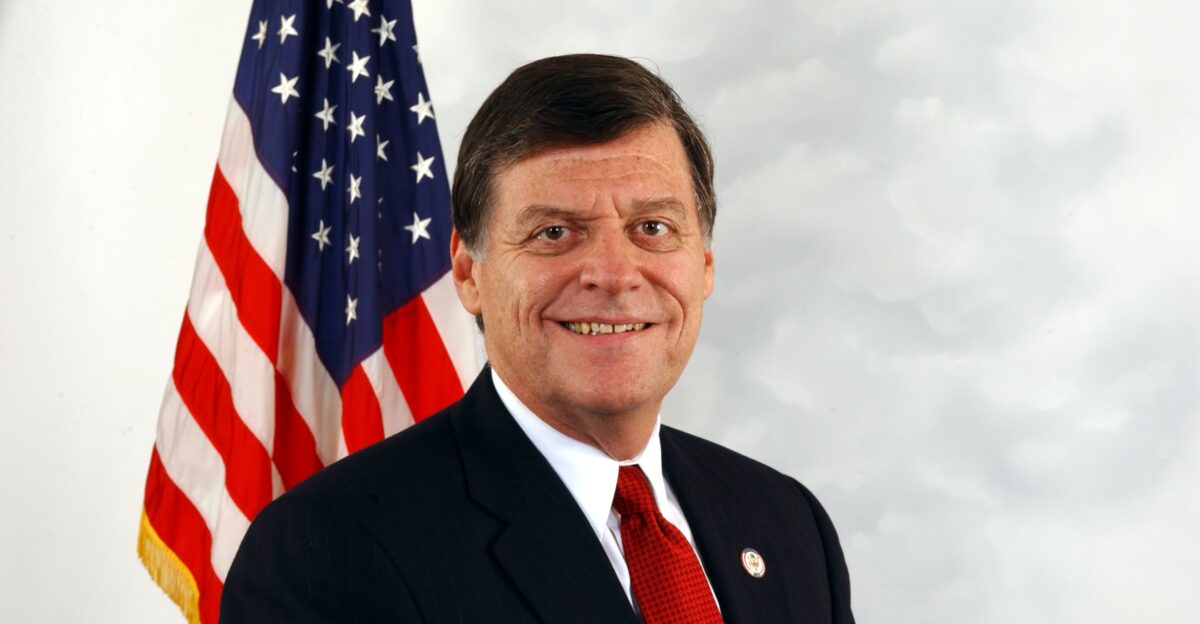
House Appropriations Chair Tom Cole prioritized overall bill passage over preserving a single earmark, warning it could jeopardize the $184 billion package. Senators and appropriators signaled more rigorous review processes going forward, with Ernst vowing further scrutiny of earmarks and asking what other “nefarious groups” might be funded.
A Senate amendment redirected the $1 million to DOJ fraud‑related enforcement, demonstrating Congress’ willingness to remove individual projects to protect bipartisan spending agreements from collapse.
Bill Survival Plan
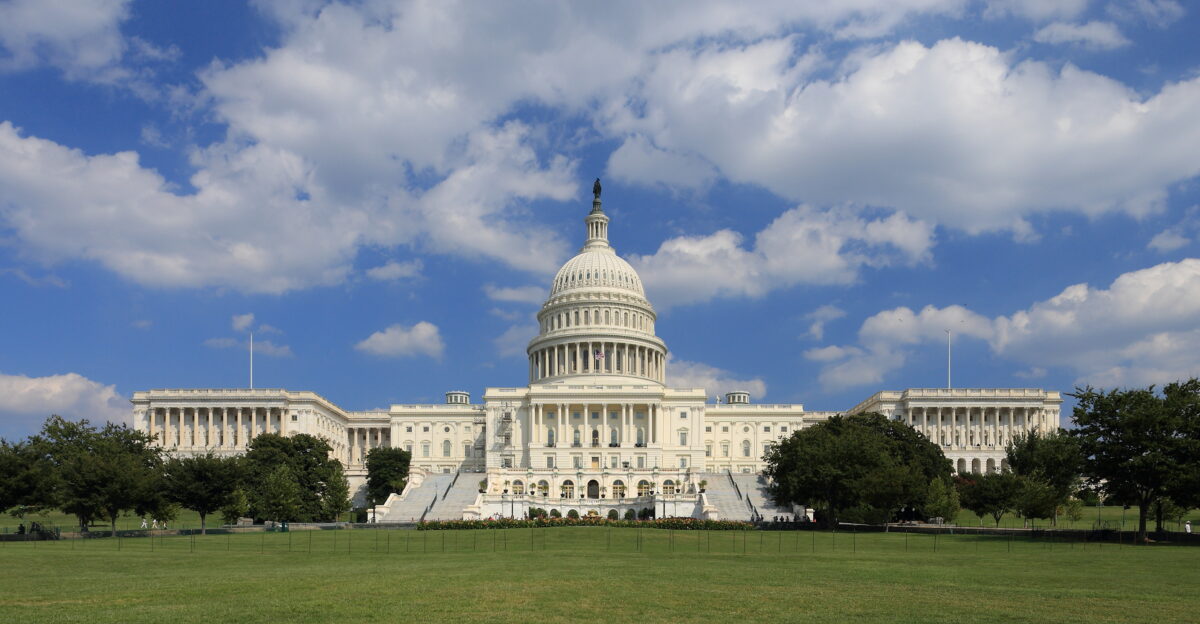
With Omar’s earmark removed, the CJS package moved toward a late‑January vote. The White House indicated readiness to sign, despite imperfections, to prevent a shutdown.
Bipartisan negotiations held, but pressure on local projects increased. This case underscores how even minor funding allocations—less than 0.001% of the total bill—can threaten multi‑hundred‑billion‑dollar legislation. Congress must weigh the broader public interest against politically sensitive local requests under tight deadlines.
Skeptics Speak
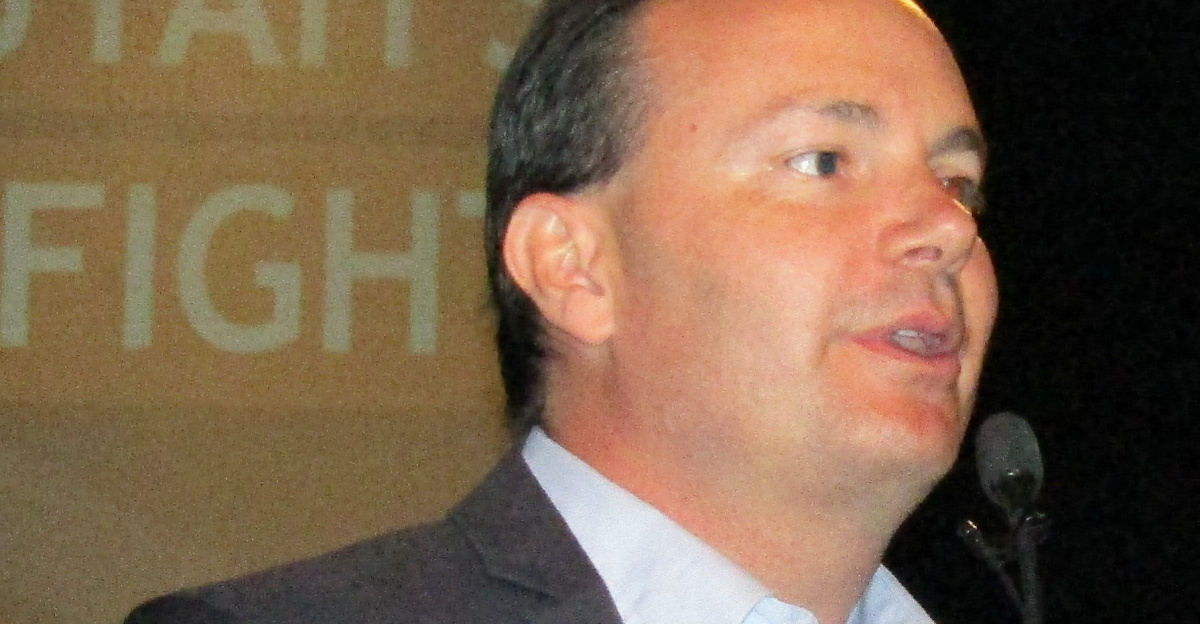
Sen. Mike Lee argued that stopping funds is not enough and that every red flag should be pursued. Experts and critics note Generation Hope’s limited track record and smaller financial footprint compared with other million‑dollar recipients.
IRS filings and public records point to a short operational history, a small leadership team, and significant reliance on contractors and professional fees relative to its size. The scrutiny highlights the challenges in evaluating small community projects with large federal implications, illustrating the balance lawmakers must strike between targeted aid, accountability, and political optics in funding decisions.
Funding Horizon
Observers are asking whether FY2026 will usher in stricter earmark vetting. DOJ inquiries and potential investigations could expose additional instances of Minnesota program fraud beyond the Feeding Our Future case, as officials review broader allegations in Medicaid and other programs.
Congress debates tighter rules or partial bans as deadlines loom, while taxpayers monitor outcomes closely. The Generation Hope case may become a precedent for how small, local initiatives are assessed within massive federal packages. Lessons from Minnesota underscore that culturally specific programs must meet transparency and capacity standards to secure federal support without triggering political or legal controversy.
Policy Ripples
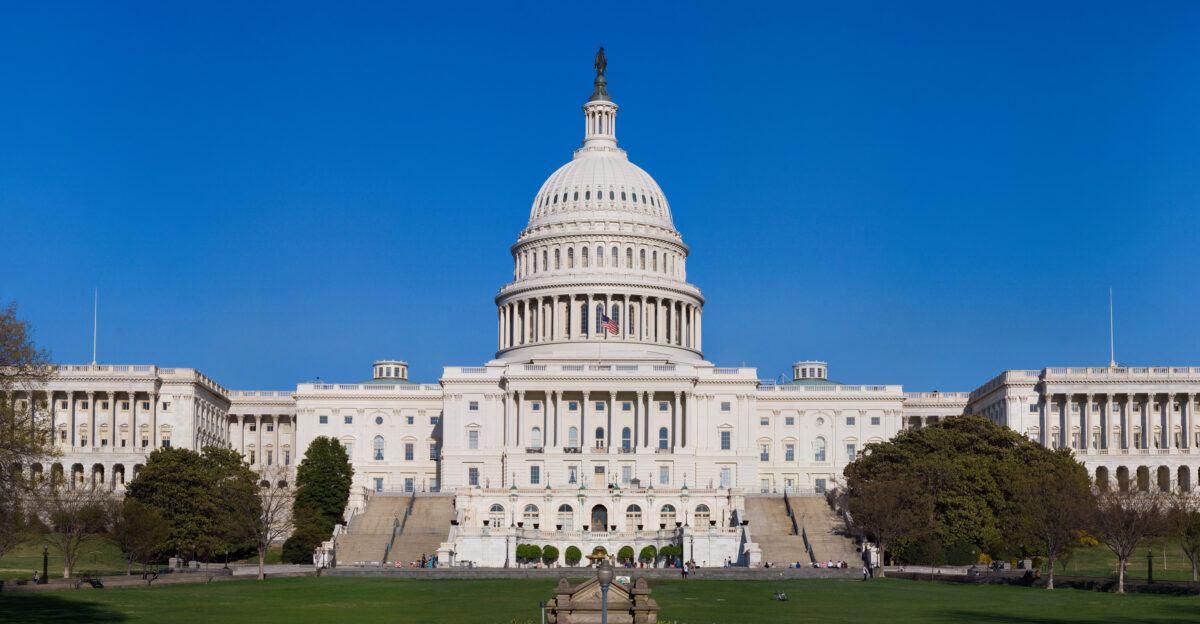
The controversy reignites debate over earmarks in a Republican‑led Congress with fragile majorities. While some Trump allies push for agency cuts, appropriators increased Commerce funding to about $10.5 billion from roughly $8.5 billion requested, reflecting competing priorities.
The Generation Hope clash demonstrates the political and policy ripple effects a single project can have, influencing oversight reforms, inter‑party negotiations, and the balance between federal investment in local communities and the need for fiscal accountability.
National Fraud Echo
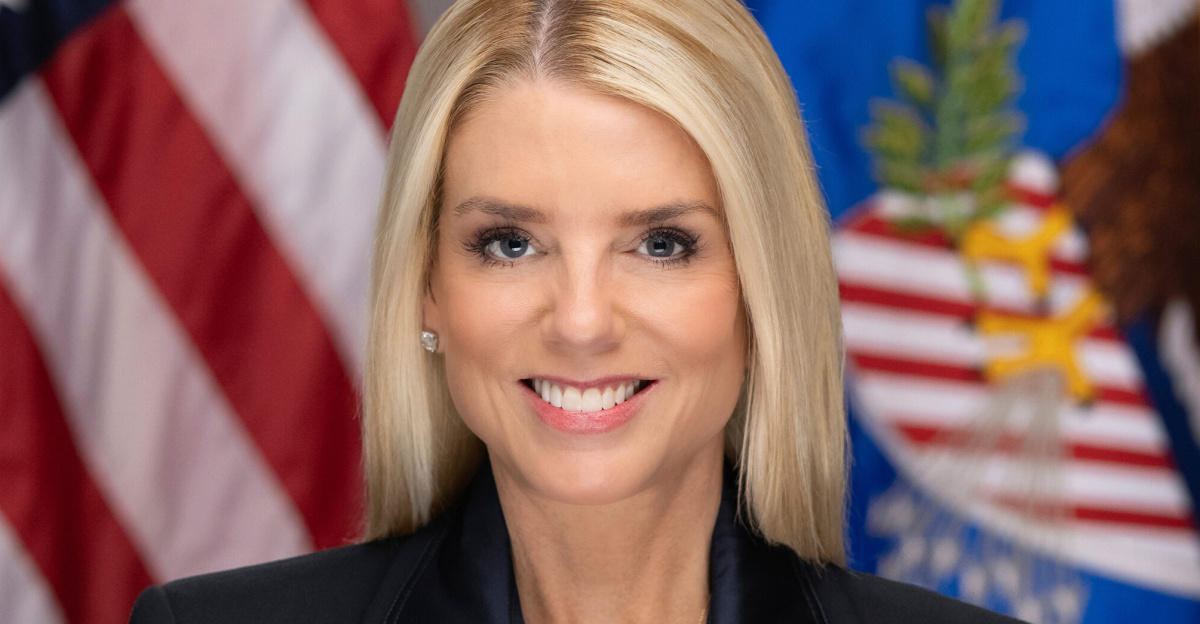
Minnesota’s roughly quarter‑billion‑dollar Feeding Our Future fraud case, and broader investigations hinting at large amounts of questioned payments in Medicaid and other programs, draw national attention. Somali‑affiliated organizations face intensified scrutiny, with federal and state programs under review.
DOJ, led by Attorney General Pam Bondi, has highlighted pandemic and social‑program fraud as a priority area, raising the stakes for congressional appropriators as localized funding decisions intersect with fraud prevention and federal oversight.
Legal Scrutiny

The Ernst‑Lee letter cites IRS Form 990 concerns and heavy contractor or professional‑fee use at Generation Hope, drawing parallels with prior Minnesota fraud schemes. Investigators and lawmakers note that the organization has little or no confirmed history of receiving large federal grants.
Legal experts suggest the case may set precedent for stricter vetting, illustrating how federal appropriations oversight now extends beyond budget totals into the operational and organizational integrity of small community nonprofits receiving taxpayer dollars.
Cultural Tensions
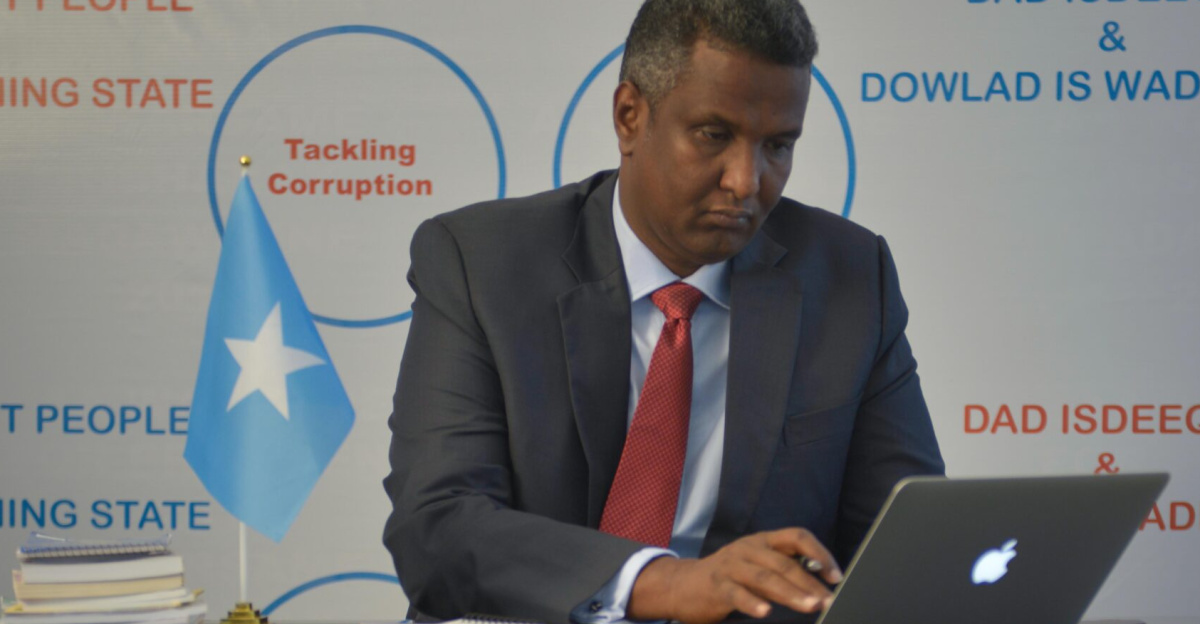
Somali‑led nonprofits aim to build trust in underserved communities but confront stereotypes amplified by high‑profile fraud scandals. Abdirahman Warsame’s recovery‑focused programs stand in contrast to his brother’s prior ISIS‑related case, yet the association intensifies scrutiny in some media coverage and political rhetoric.
Cultural initiatives risk perception challenges when ethnic or immigrant‑led organizations face investigation. The tension underscores a delicate balance: supporting culturally specific programs while maintaining public confidence in taxpayer‑funded projects, especially when political and fraud concerns intersect.
Reform Signal
The earmark clash over Generation Hope highlights vulnerabilities in rushed federal bills. It exposes perceived fraud risks in targeted aid and pressures Congress toward stricter accountability measures.
With shutdown deadlines imminent, lawmakers face a choice: maintain flexibility for local projects or impose sweeping reforms to safeguard federal funds. This episode signals a broader push to tighten oversight and prevent even minor allocations from threatening multi‑hundred‑billion‑dollar federal packages, aiming for greater transparency for taxpayers and stakeholders alike.
Sources:
The Hill, GOP backlash to Omar earmark slows government-funding bill, 2026-01-07
Washington Times, Senators request fraud probe of Minneapolis charity favored by Ilhan Omar, 2026-01-18
IRS Criminal Investigation, Minneapolis woman pleads guilty in $250 million Feeding Our Future fraud scheme, 2025-02-25
Yahoo News, House advances minibus package after Johnson wins over conservatives, 2026-01-07
Fox News, Nearly $180B funding package passes House after GOP rebellion over Minnesota fraud fears, 2026-01-07
Politico, GOP earmark angst rears ahead of spending package votes, 2026-01-07