Federal immigration enforcement is facing unprecedented legal pressure over how agents use force against protesters.
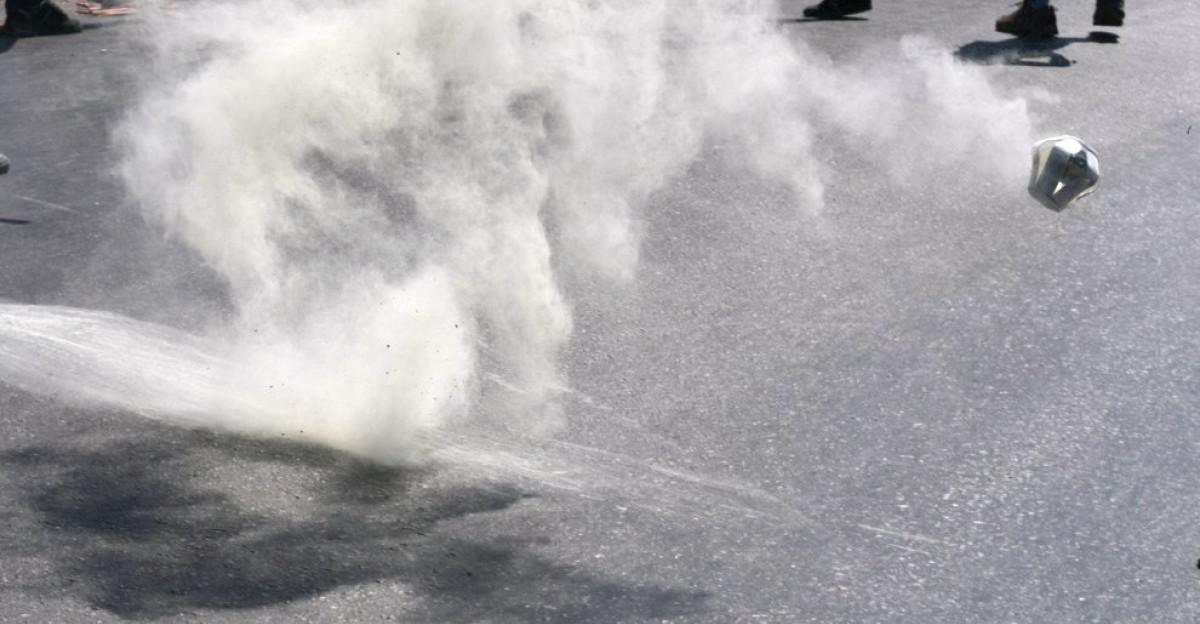
As immigration detention raids intensify across U.S. cities, civil rights advocates and federal judges increasingly scrutinize the tactics deployed during these operations. Tear gas and pepper spray have become flashpoints in a broader debate over First Amendment protections and law enforcement authority.
A Commander’s Public Vow
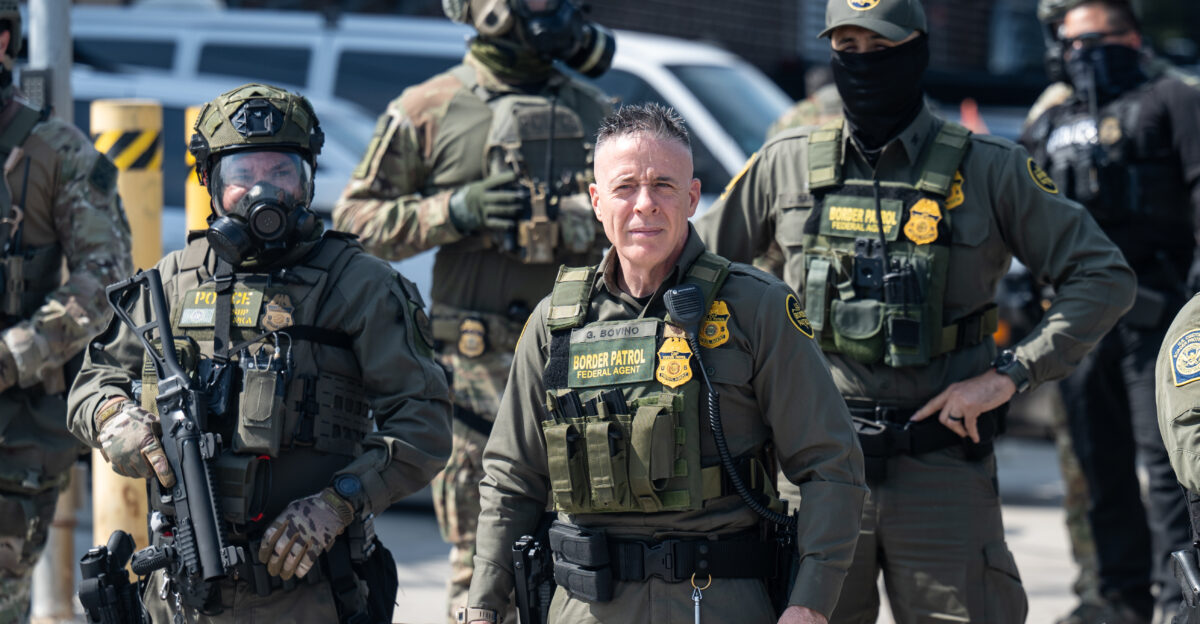
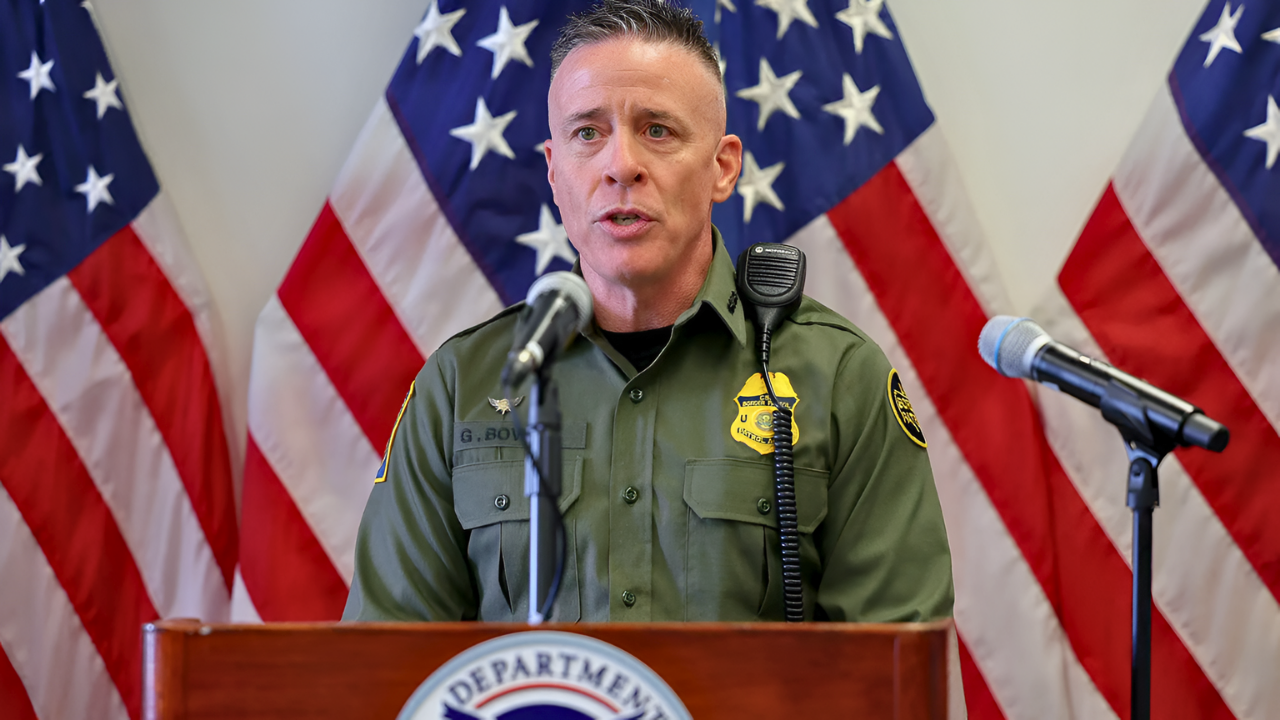
The stakes escalated sharply when senior Border Patrol Gregory Bovino publicly vowed to continue using what he called the “minimum amount of force necessary,” including less-lethal munitions such as tear gas, despite recent court restrictions on using such agents against peaceful protesters.
Federal officers are now operating in a legal gray zone where judges’ orders and operational directives collide. This tension between judicial oversight and enforcement practices raises critical questions about chain of command compliance.
Years of Escalating Tactics
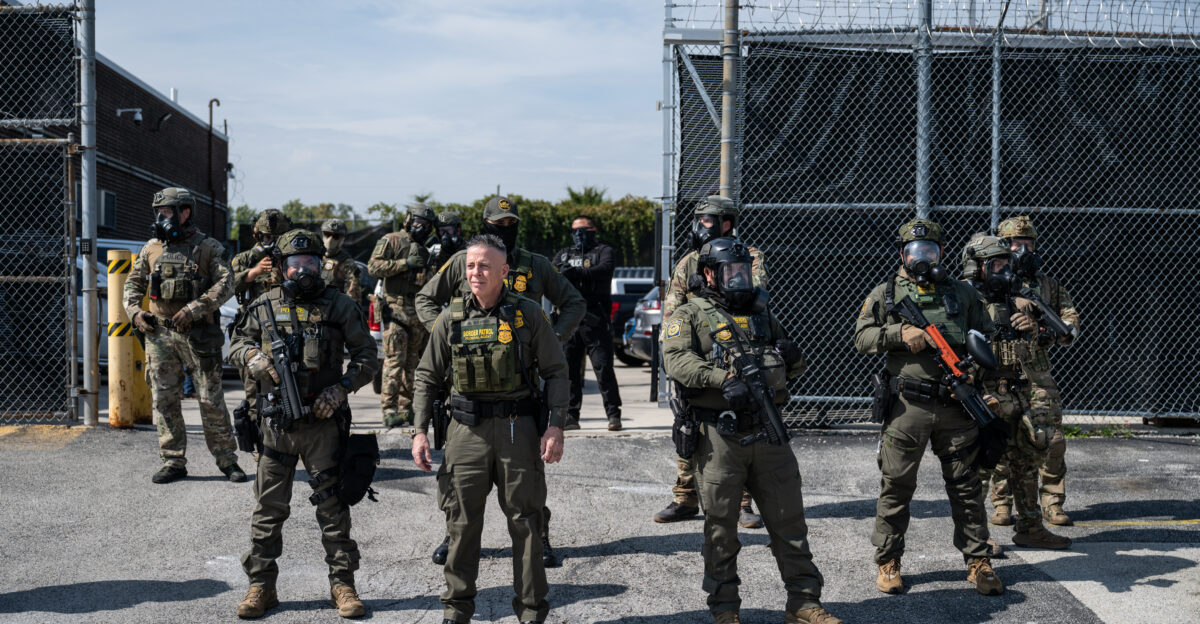
The use of tear gas and riot-control munitions by federal immigration agents expanded under Trump-era and later enforcement initiatives, according to court filings and multiple news reports.
Operations in major cities, including Chicago, have been documented in court filings and news reports as involving chemical agents during immigration enforcement actions, drawing significant criticism. These tactics drew immediate criticism from immigrant-rights groups and led to a series of legal challenges.
Courts Begin to Push Back
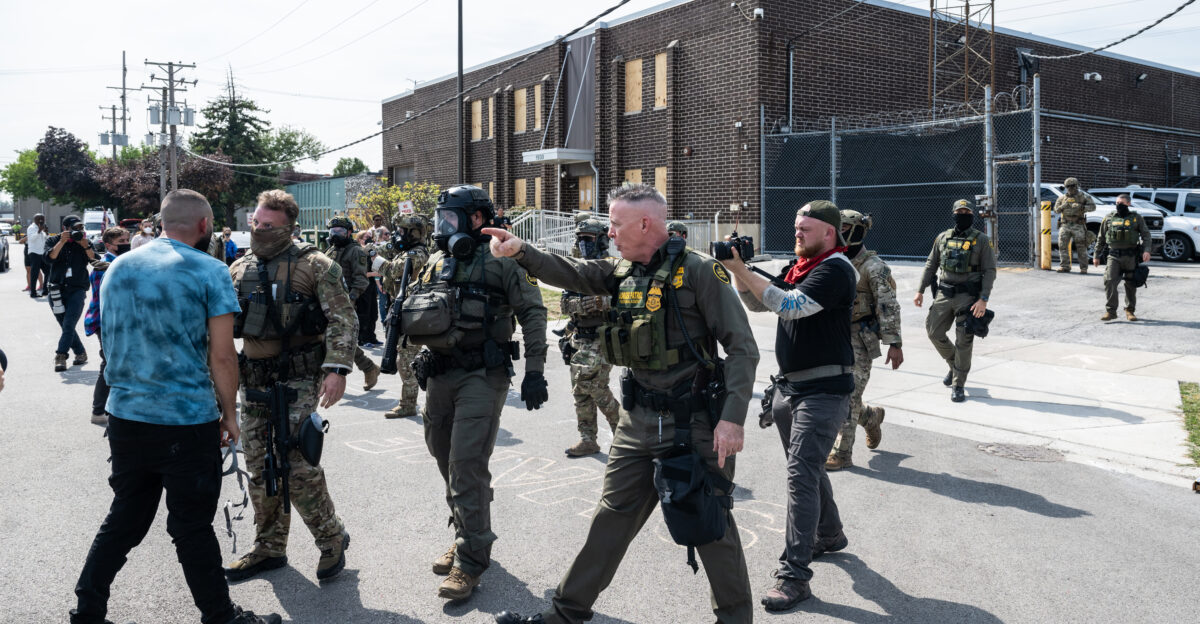
Between October 2025 and January 2026, federal judges in at least two jurisdictions issued injunctions restricting certain uses of tear gas and other force by immigration agents.
In Chicago, Judge Sara Ellis issued a temporary restraining order and later a preliminary injunction limiting when federal agents could deploy chemical munitions. These rulings required immediate threat findings and, in many situations, advance warnings to protesters before any force was used.
The Minnesota Ruling and Bovino’s Response
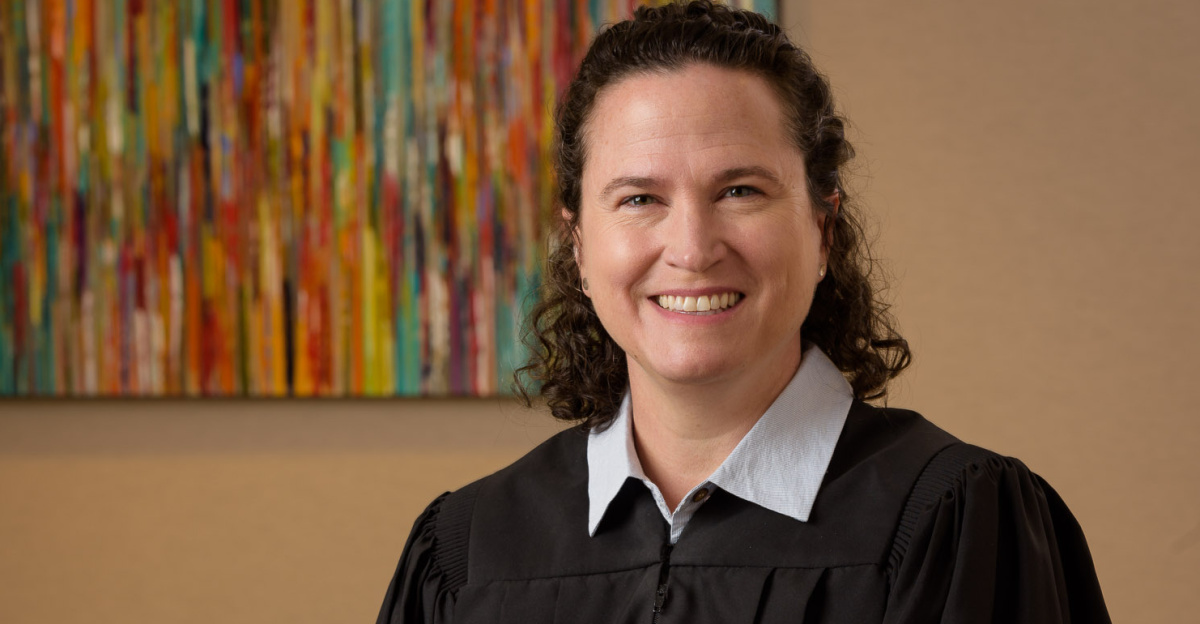
On January 16–17, 2026, U.S. District Judge Kate Menendez issued an order prohibiting federal officers involved in a Minneapolis-area immigration operation from detaining or using tear gas on peaceful protesters who are not obstructing law enforcement, including those merely observing.
Days later, Border Patrol commander Gregory Bovino, who has served as a senior official and tactical commander in operations including Chicago, publicly stated, in an interview on Fox News, that agents would “continue to use that minimum amount of force necessary to accomplish our mission” and would still use less-lethal munitions such as tear gas against protesters he deems violent. His comments have been interpreted by critics as signaling resistance to broad readings of the court’s restrictions, while he has insisted he would not target peaceful demonstrators.
Impact on Minneapolis Protesters
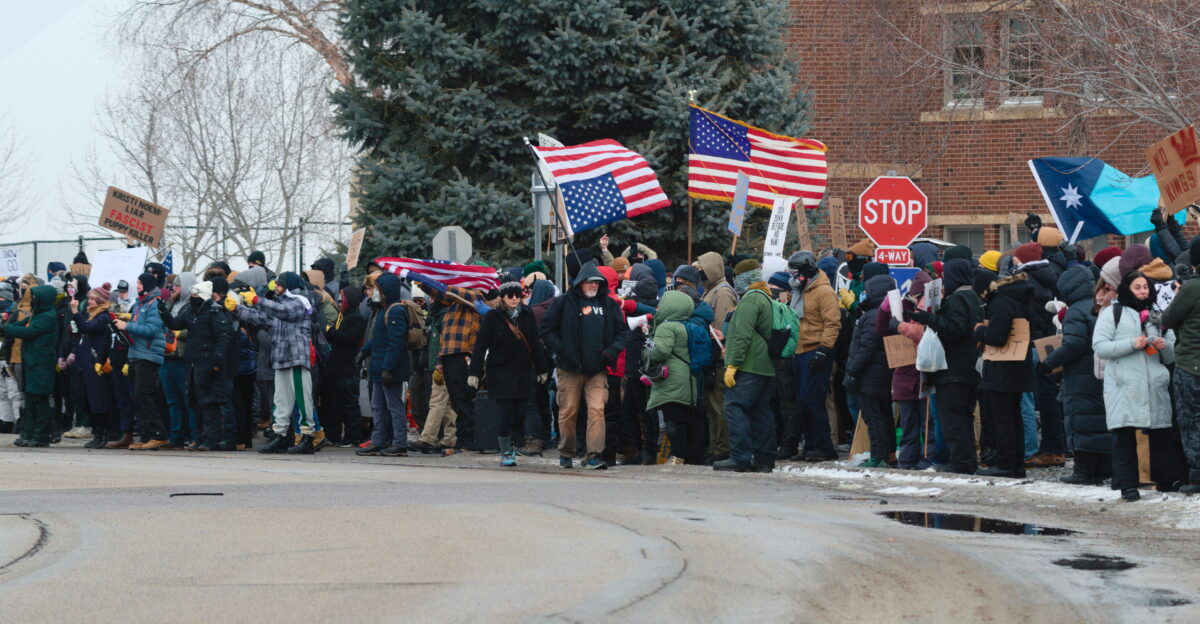
The Minnesota injunction directly protects demonstrators and observers who are not obstructing law enforcement or engaging in violence.
Federal agents covered by the ruling can no longer detain such individuals or use tear gas against peaceful protesters absent probable cause or reasonable suspicion of criminal activity or interference. Civil rights organizations have filed formal complaints documenting prior incidents where they claim tear gas was deployed against nonviolent participants.
Bovino’s Track Record Under Scrutiny
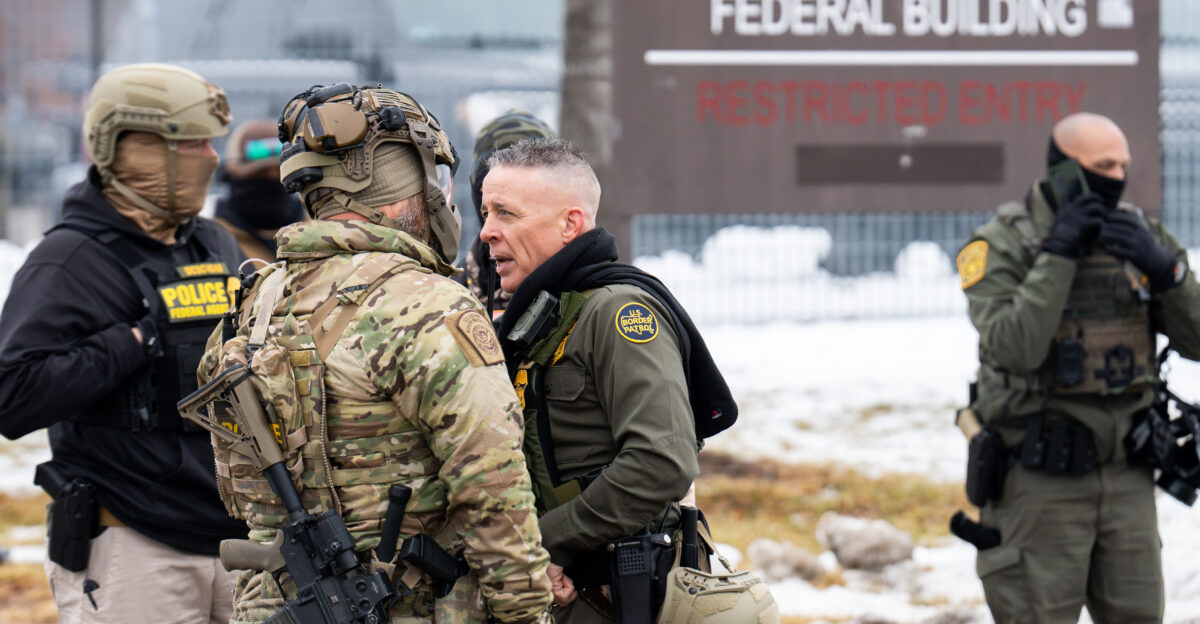
Video evidence presented during Chicago litigation appears to show Bovino throwing a gas canister at protesters, raising concerns about compliance with Judge Ellis’s earlier temporary restraining order.
ABC News and other outlets reported that, in proceedings discussed publicly on November 6, 2025, Ellis said Bovino admitted he initially lied about when he was struck by a rock in relation to the tear gas deployment. This apparent breach of a prior court order raises questions about his current assurances of compliance with the new Minnesota injunction.
A Pattern Across Multiple Jurisdictions
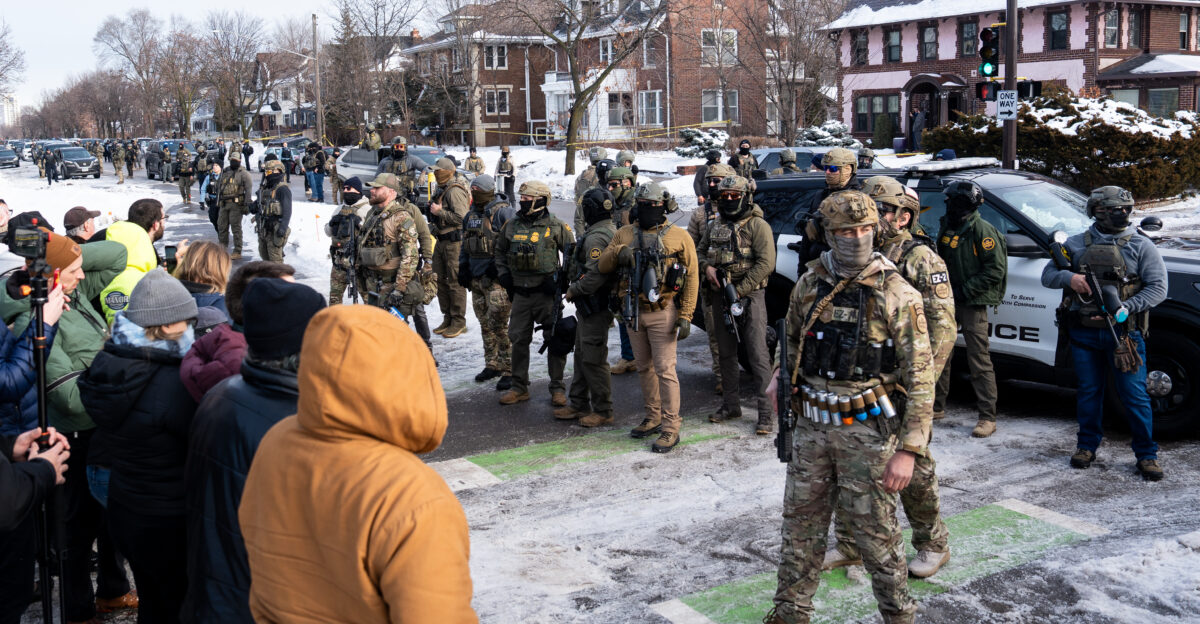
Chicago and Minneapolis are not isolated cases. Federal courts from Illinois to Minnesota are imposing similar restrictions on immigration enforcement tactics, particularly around the use of chemical munitions on peaceful protesters.
Judges consistently cite First Amendment concerns and excessive-force doctrine when limiting tear gas deployment.
The Administration’s Immigration Stance
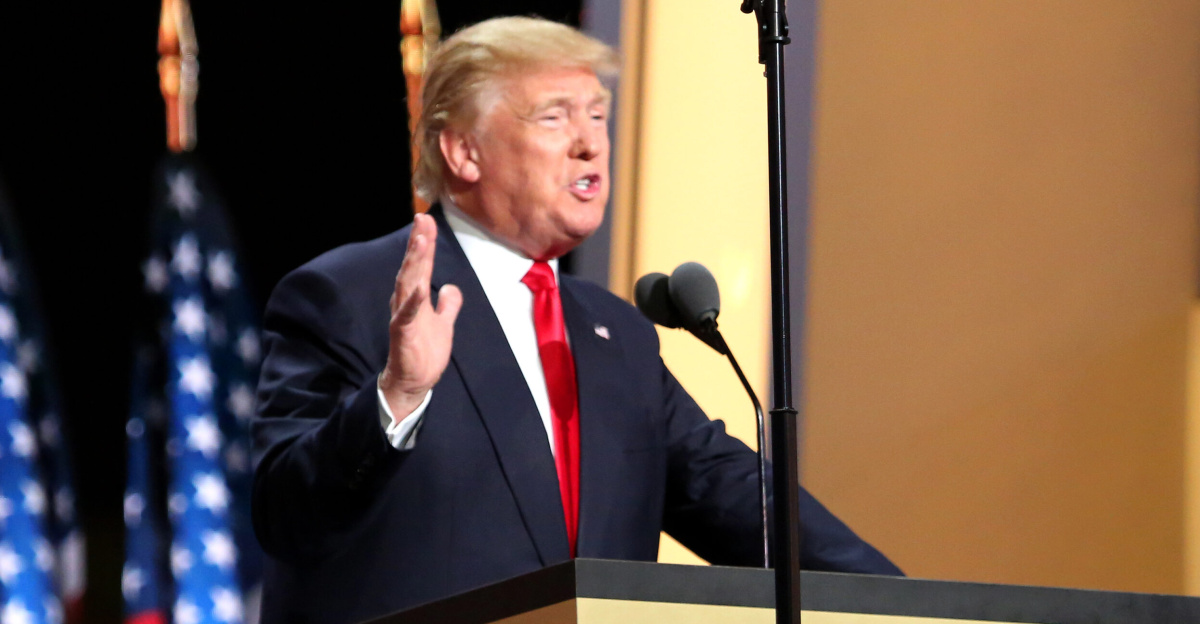
The Trump administration has pursued aggressive immigration enforcement tactics that rely heavily on large-scale operations and robust crowd-control measures, according to administration statements and litigation records.
Under this approach, federal agents have used tear gas as a standard tool during certain raids and border or interior enforcement operations. Recent judicial rulings have forced executive agencies to recalibrate tactics in some jurisdictions, but field commanders like Bovino appear reluctant to abandon practices they view as operationally necessary.
‘Never Against Peaceful Protesters’
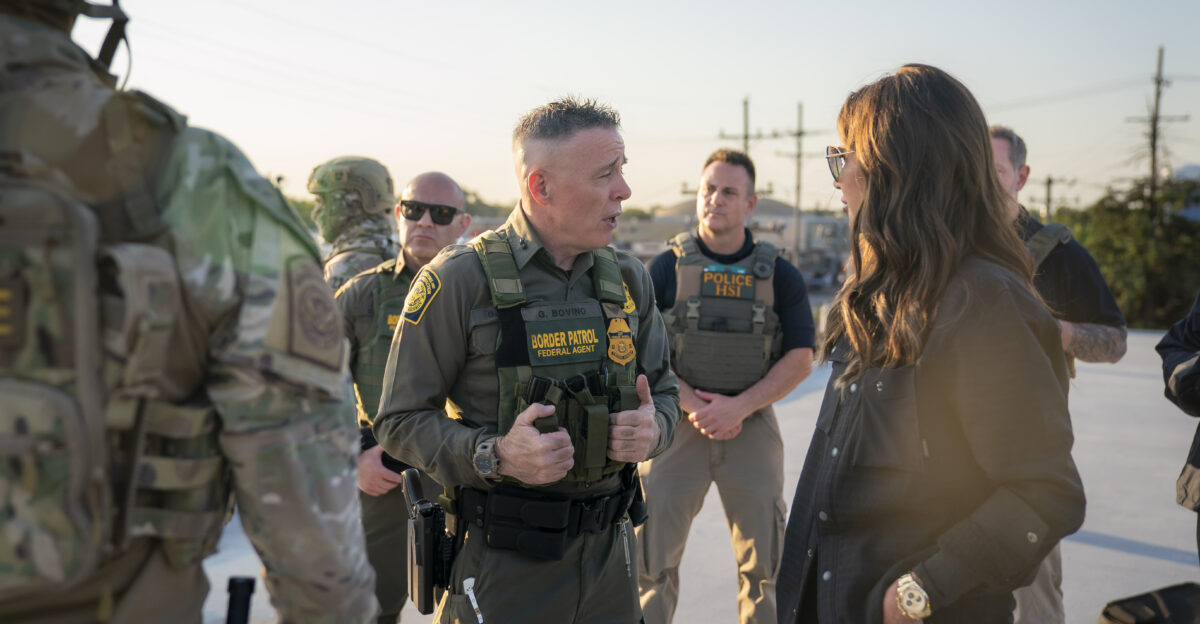
In a public statement, Bovino claimed that agents had “never” deployed tear gas against peaceful demonstrators, asserting that force was used only when protesters became violent or “crossed the line.”
Multiple civil rights organizations and plaintiffs, however, allege that tear gas has been used on people they describe as nonviolent or merely observing operations, in complaints and lawsuits. This contradiction between official claims and on-the-ground reports suggests either a definitional dispute over who counts as “peaceful” or a potential compliance failure.
Internal Dissent and Morale Concerns
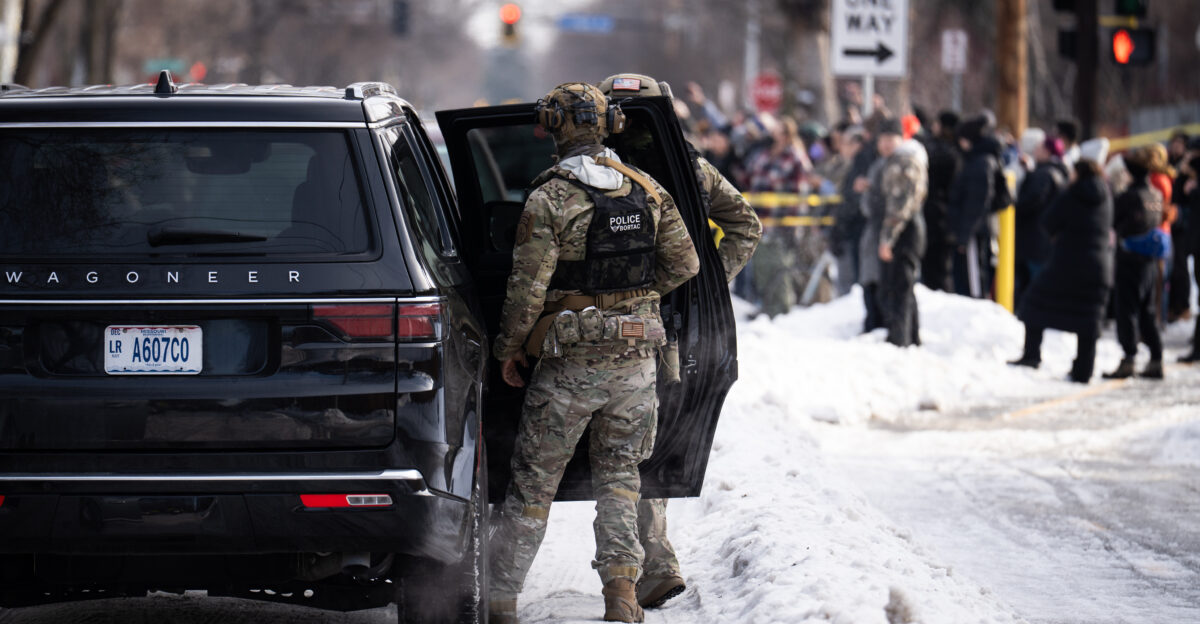
Reports and internal communications from CBP and ICE, described in media and advocacy accounts, indicate ongoing tension within the agencies regarding the interpretation and implementation of judicial orders while maintaining operational effectiveness.
Some federal officers have expressed concerns that excessive caution could impede legitimate law-enforcement actions, while others fear legal liability for violations. This internal conflict mirrors broader debates within U.S. law-enforcement agencies nationwide about force policies.
The Role of Attorney General and DHS Leadership
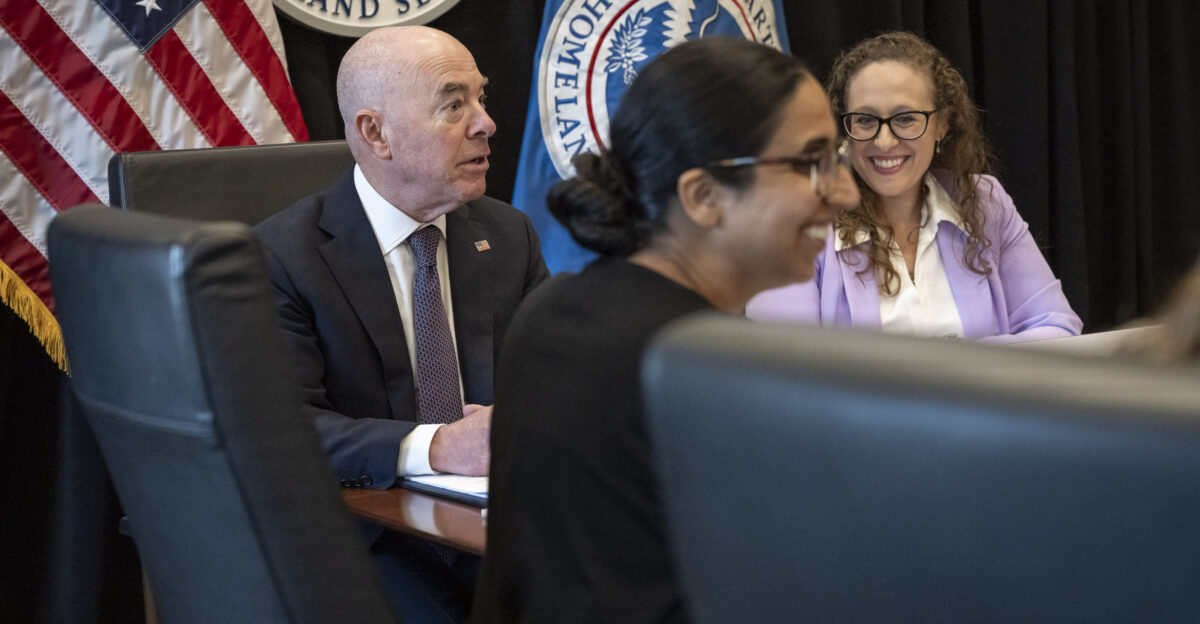
The Department of Homeland Security and the Attorney General’s office have not yet issued detailed public guidance specifically addressing how field commanders like Bovino must adjust tactics under the Minnesota order.
This relative silence suggests either strategic ambiguity or ongoing internal discussion about enforcement priorities and litigation risk. Clearer direction from top leadership would likely pressure Bovino and other commanders to align more visibly with court directives.
Legal Arguments Over “Violent” vs. “Peaceful”
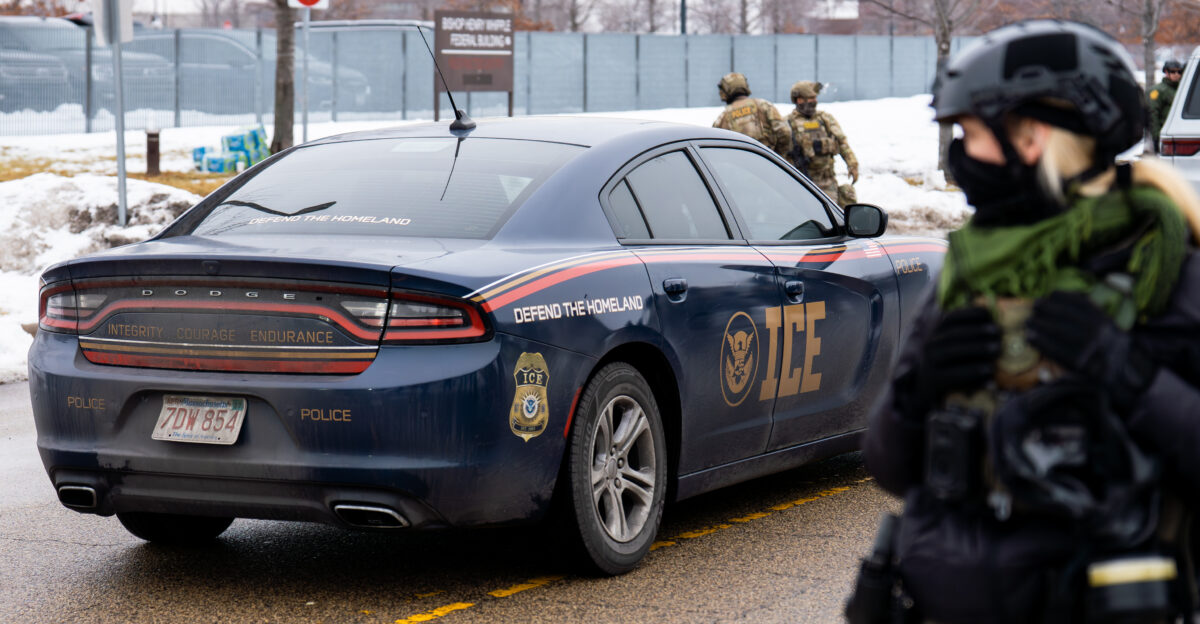
A core flashpoint is how courts and commanders define violent behavior. Federal agents and their defenders argue that certain forms of interference with operations—such as blocking roads or refusing to disperse after warnings—can justify the use of chemical force.
Judges, however, have emphasized that force against protesters requires evidence of actual violence, immediate threats, or concrete obstruction, especially when orders protect “peaceful” demonstrators. This definitional gap allows commanders to claim compliance while still using tear gas in borderline situations.
Expert Skepticism on Compliance
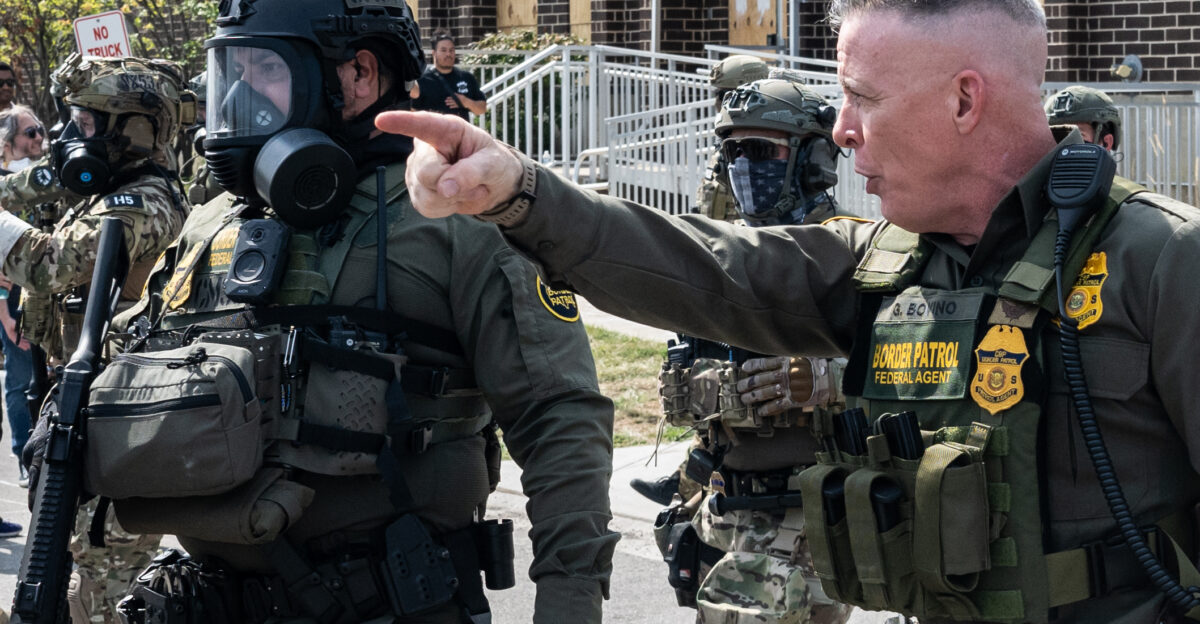
Legal experts and civil rights analysts quoted in press coverage have expressed doubt that Bovino’s public pledge reflects a substantial operational shift.
His framing—“we will continue to use force, but only against those who deserve it”—leaves room for continued tear gas use through narrower definitions of who qualifies as “peaceful.” Compliance audits and independent oversight are likely to be necessary to verify actual adherence to court orders.
What Happens If Bovino Violates Again?
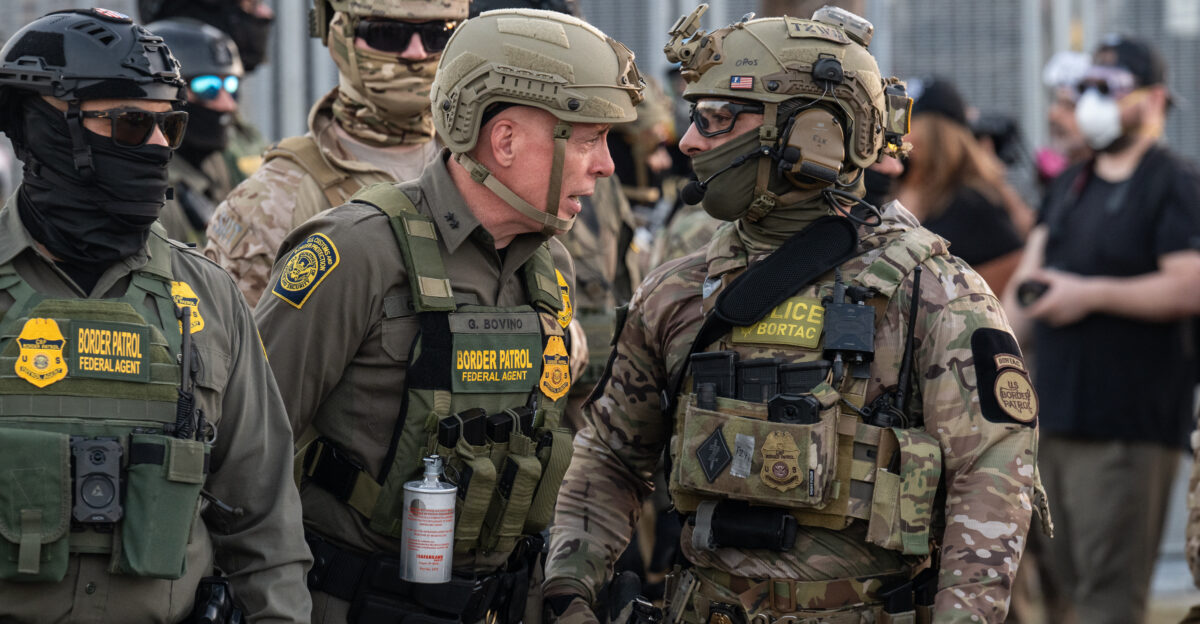
If federal agents continue to deploy tear gas or other banned tactics against protesters covered by injunctions, civil rights organizations have pledged to pursue contempt motions against Bovino and the agencies involved.
Federal judges retain power to hold officials in contempt, impose sanctions, and escalate remedies in response to proven violations. The next documented breach could trigger serious consequences, including potential personal liability for the commander.
Political Implications and 2026 Elections
The tear gas controversy sits at the intersection of immigration, First Amendment rights, and executive power—all highly salient election issues.
Republicans may frame judicial limits as handcuffing law enforcement, while Democrats may argue they protect constitutional rights and prevent abuses in immigration operations. This case could become a touchstone in debates over federal authority and judicial oversight throughout the 2026 election cycle.
International Perspective: Human Rights Scrutiny
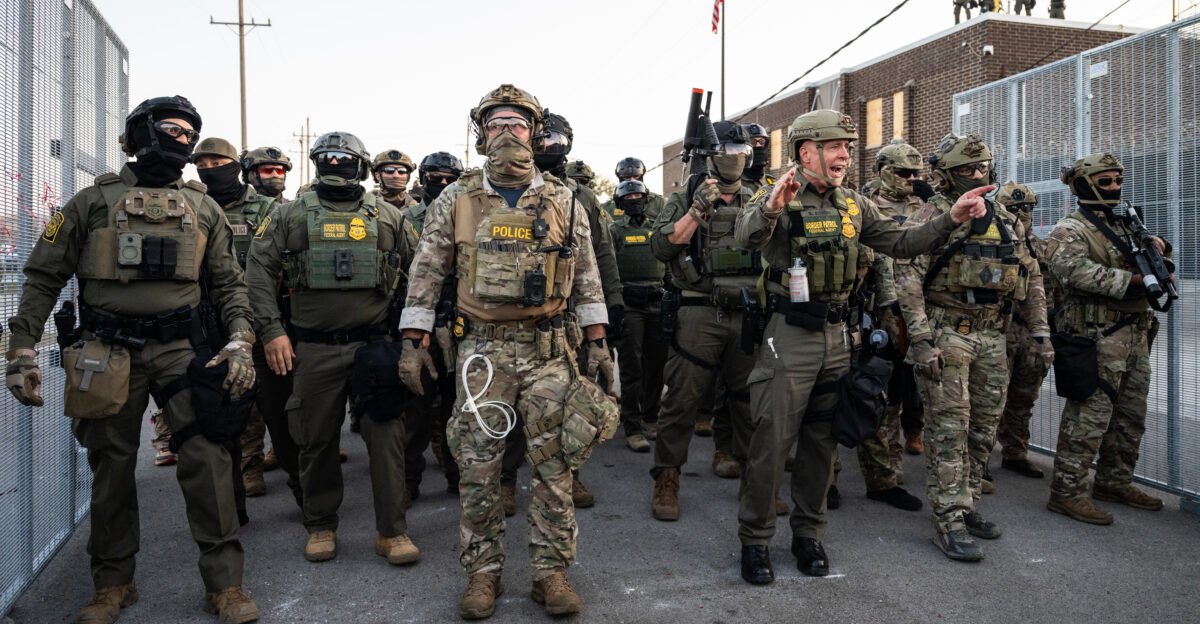
Human rights organizations, such as Amnesty International and Human Rights Watch, have previously voiced concerns about the use of chemical agents by U.S. law-enforcement on protesters, citing potential violations of international norms.
The Minneapolis litigation and Bovino’s public stance add to ongoing global scrutiny of U.S. immigration and crowd-control practices.
Precedent for Civil Settlements and Damages
Previous cases alleging excessive force by federal immigration agents and related law-enforcement units have resulted in civil lawsuits and financial settlements.
If Bovino or other agents are found to have violated injunctions repeatedly, the government may face class-action exposure and substantial damage awards. This potential financial liability could further motivate compliance at the highest levels of DHS and CBP.
The Broader Shift in Judicial Oversight
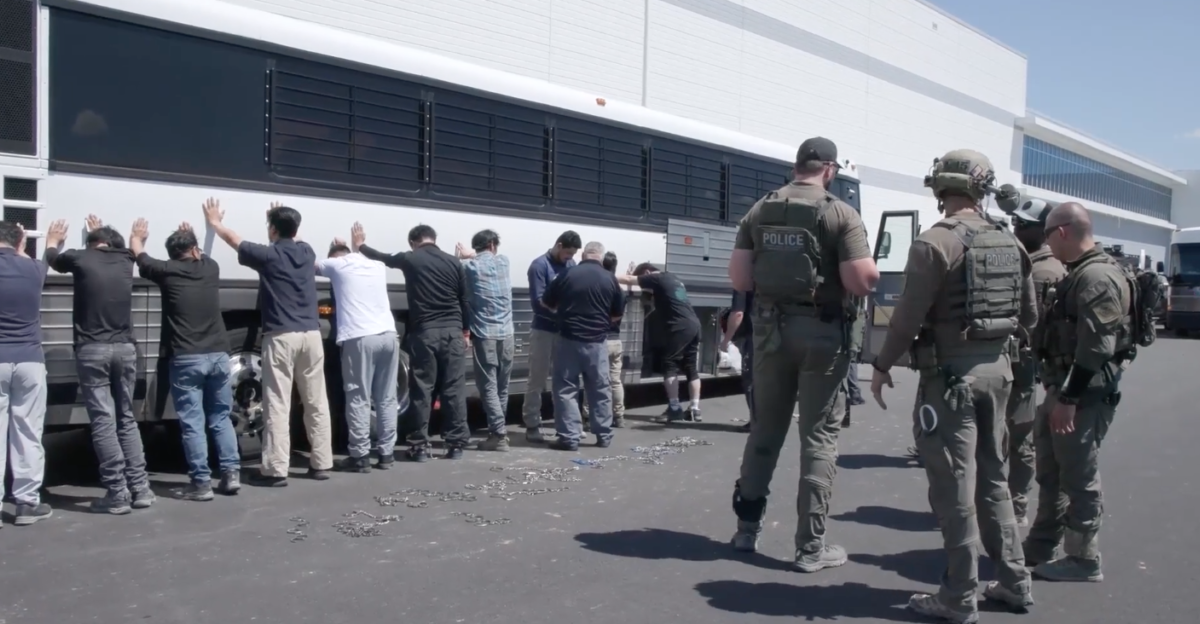
Federal judges nationwide are increasingly willing to impose operational restrictions on immigration enforcement when they find constitutional violations or excessive force.
This trend reflects a broader shift in how courts balance security concerns against free-speech and civil-rights protections. Future commanders and agencies will likely face similar injunctions, making this case a template for how judicial-executive tension will play out across the country.
What This Standoff Really Signals

Bovino’s stance, coupled with his prior credibility issues identified by Judge Ellis, suggests that voluntary compliance from federal commanders cannot be assumed.
Courts may need to actively monitor field operations, and Congress could choose to clarify agency obligations through legislation if conflicts persist. This case highlights the limits of executive self-regulation and points toward a future requiring more robust judicial and legislative oversight of immigration enforcement.
Sources:
Fox News – Border Patrol commander vows to continue tear gas use in Minneapolis immigration crackdown – 2026-01-16
NPR – Judge rules immigration officers in Minneapolis can’t detain peaceful protesters – 2026-01-16
Al Jazeera – US judge orders curbs on ICE agents’ actions against Minnesota protesters – 2026-01-17
The New York Times – Judge Sara Ellis Rules Greg Bovino Lied About Tear Gas Usage in Chicago Operation – 2025-11-06
ABC News – Border Patrol commander admitted he lied about tear gas incident in Chicago – 2025-11-06
Yahoo News – Border Patrol Chief Vows to Keep Using Tear Gas and Pepper Spray on ‘Anarchists’ – 2026-01-17