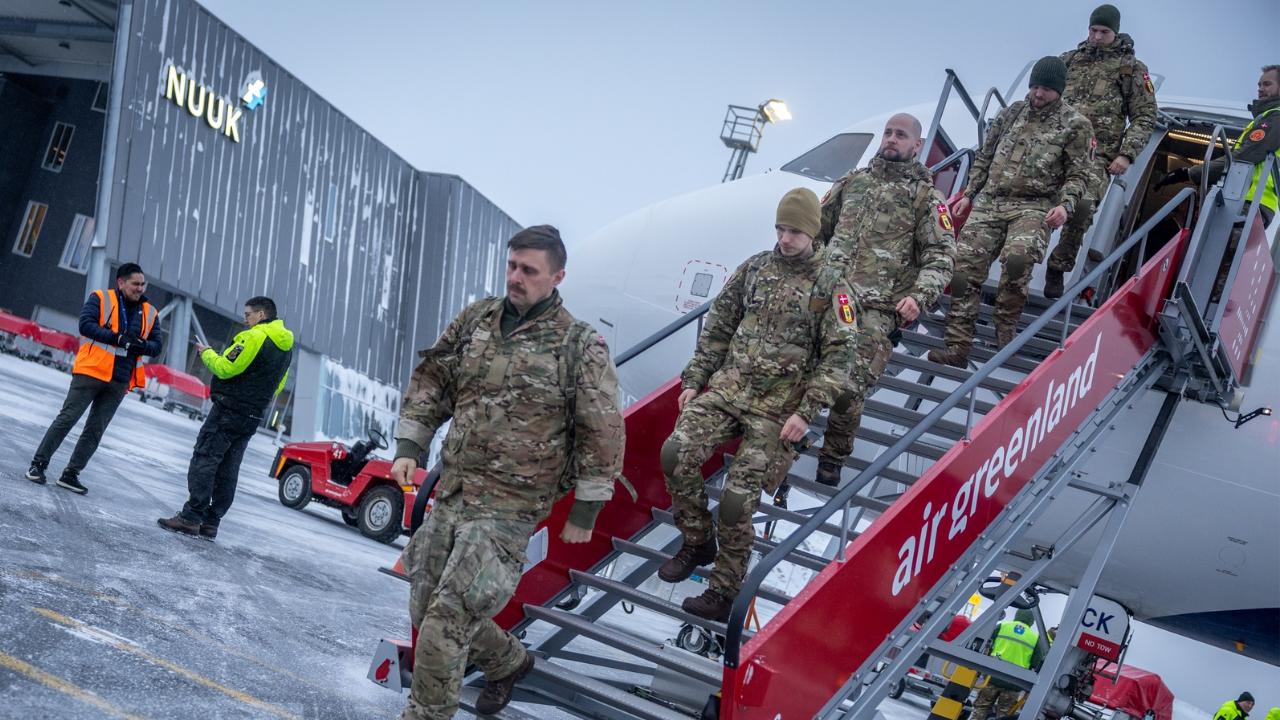
Snow swirled around the runway at Pituffik Space Base as NORAD aircraft descended onto Greenland, just days after President Donald Trump refused to rule out using military force to assert control over the Danish territory.
The mission is officially “routine,” but the timing has turned a standard deployment into a flashpoint with global stakes. What happens next could reshape Arctic security for years.
Why NORAD Aircraft Are in Greenland Now
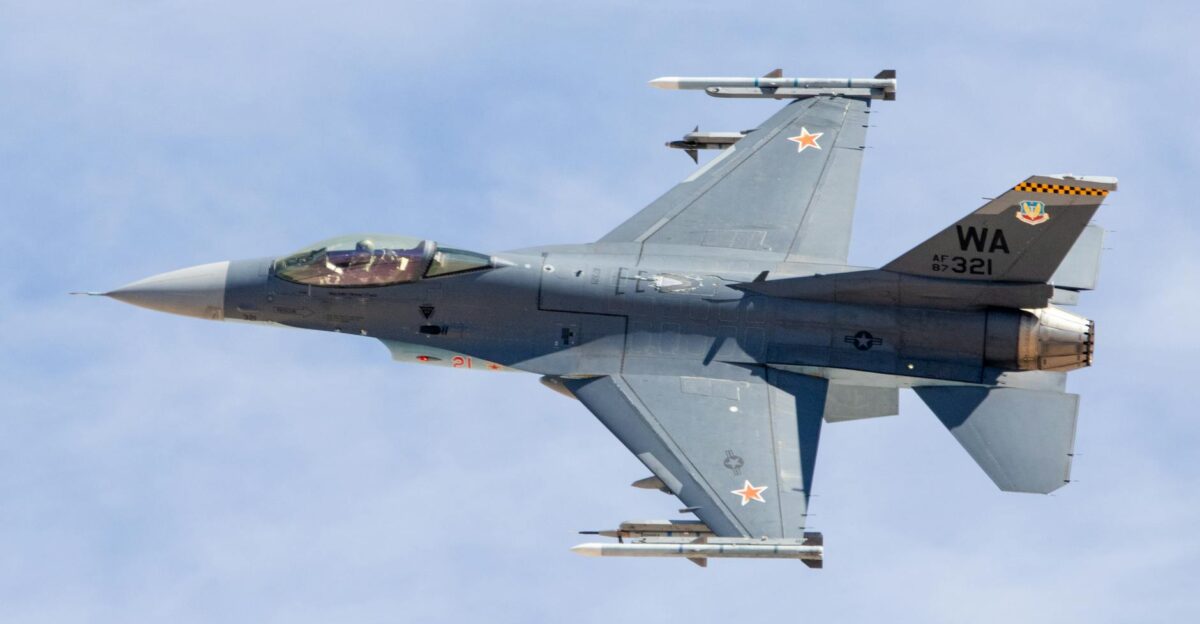
NORAD says its aircraft are deploying to Pituffik Space Base for “various long-planned activities,” describing the mission as part of a routine, sustained, and dispersed air-defense posture across North America.
The planes will operate alongside assets in the continental United States and Canada, integrating Greenland more tightly into continental defense while NATO allies watch closely.
Where the Tension Is Coming From

The deployment comes immediately after Trump, in a televised interview, declined to dismiss the possibility of using force to take Greenland, responding “no comment” when asked if he might seize the island militarily.
Denmark has repeatedly stressed that Greenland is not for sale and warned that any forcible move would jeopardize NATO’s existence, turning a defense posture question into an alliance-crisis risk.
Pituffik’s Strategic Role in Arctic Defense
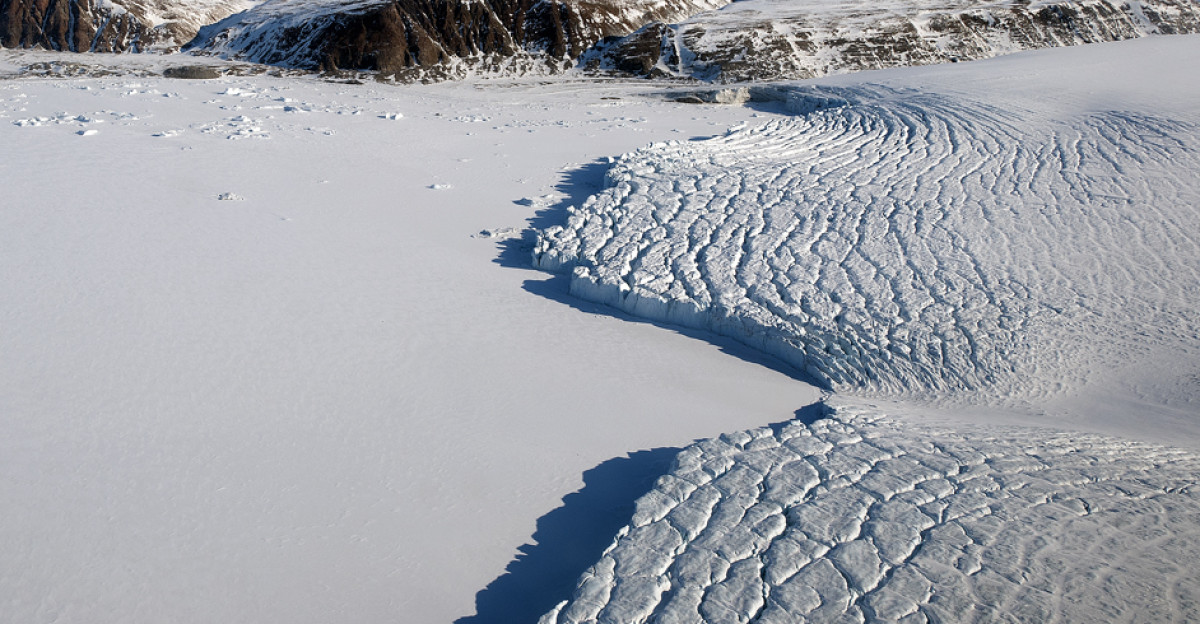
Pituffik, formerly known as Thule, is the U.S. military’s northernmost base and hosts roughly 150 American personnel, with numbers rising when it supports large exercises like Operation Noble Defender.
The base provides radar, missile warning, and space-tracking capabilities that U.S. Northern Command has called “vital” to defending the North American homeland in an era of long-range missiles.
A Harsh Environment, Upgraded Infrastructure
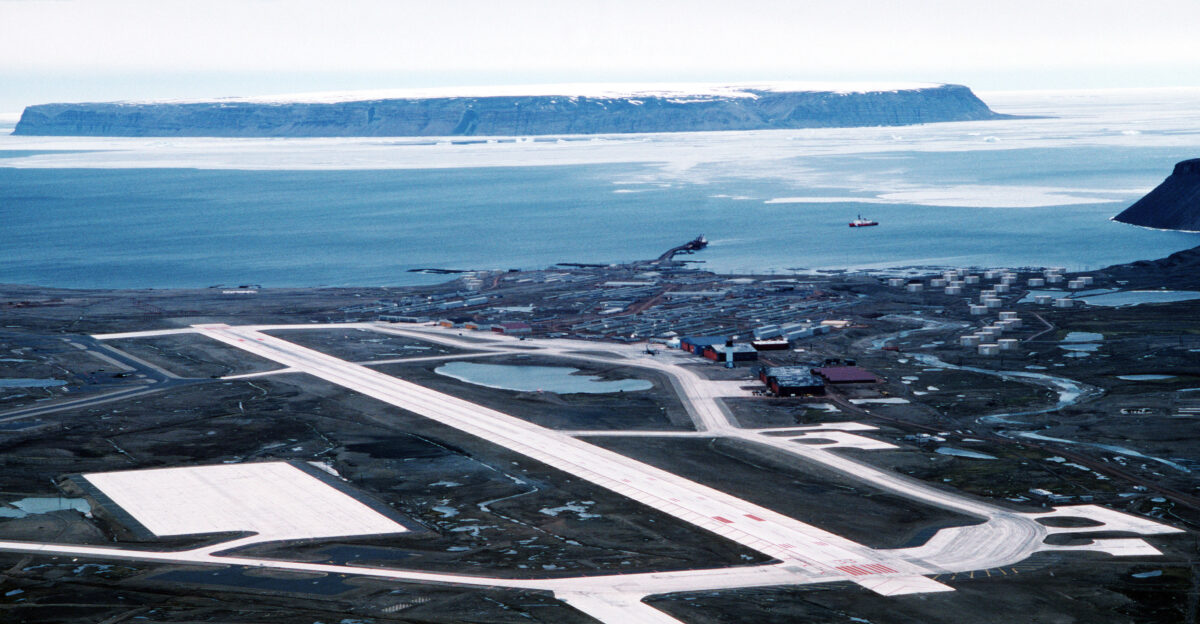
Located in northwestern Greenland, Pituffik endures months of darkness, extreme cold, and fierce winds, yet its long runway makes it a critical Arctic aviation hub.
In recent months, the U.S. military has issued contracting bids for major upgrades to the base’s runways and infrastructure, signaling an intention to sustain and possibly increase operational tempo in the High North.
Greenland’s Shift to US Northern Command
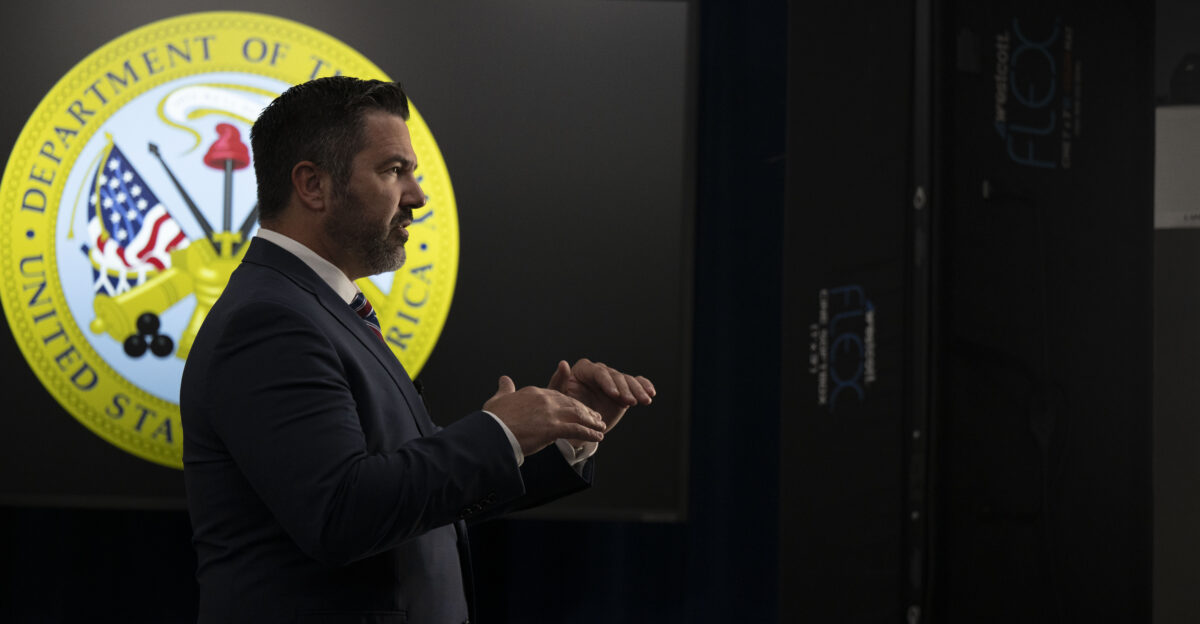
In June 2025, the Pentagon moved Greenland from U.S. European Command to U.S. Northern Command, the organization responsible for defending the U.S. homeland.
Pentagon spokesperson Sean Parnell said the change “will strengthen the Joint Force’s ability to defend the U.S. homeland,” and deepen ties with Arctic allies, effectively elevating Greenland’s role in homeland defense planning.
How Denmark Is Reinforcing the Island
Denmark has responded by dispatching more forces to Greenland, including at least 58 soldiers arriving in Kangerlussuaq as part of the multinational exercise Operation Arctic Endurance, on top of around 60 already deployed.
Defense Minister Troels Lund Poulsen has announced increased military activity “in and around Greenland,” citing a more unpredictable security environment and the need for visible deterrence.
NATO Allies Edge Closer to the Arctic
NATO partners are also stepping up their presence, with Denmark and other allies discussing a potential alliance mission in Greenland and the wider Arctic.
These moves aim to reinforce deterrence against any unilateral change to the island’s status while avoiding a direct clash with Washington, underscoring how one territory now sits at the center of alliance politics.
Trump’s Pressure Campaign on Allies

Trump has coupled his Greenland ambitions with threats of tariffs on several European countries unless they agree to negotiations over the island, raising the risk of a parallel trade conflict.
Proposed tariffs of 10 percent, potentially rising to 25 percent, would hit key NATO economies and add economic pressure to an already sensitive security standoff.
EU and Denmark Push Back
European Union leaders are preparing emergency discussions on their response, including retaliatory tariffs and use of the bloc’s anti-coercion tools.
Denmark’s foreign minister Lars Løkke Rasmussen has warned that Trump “will not achieve his Greenland aims by threatening Europe,” calling instead for renewed dialogue grounded in international law and allied solidarity.
Expert View: Greenland as a Cornerstone
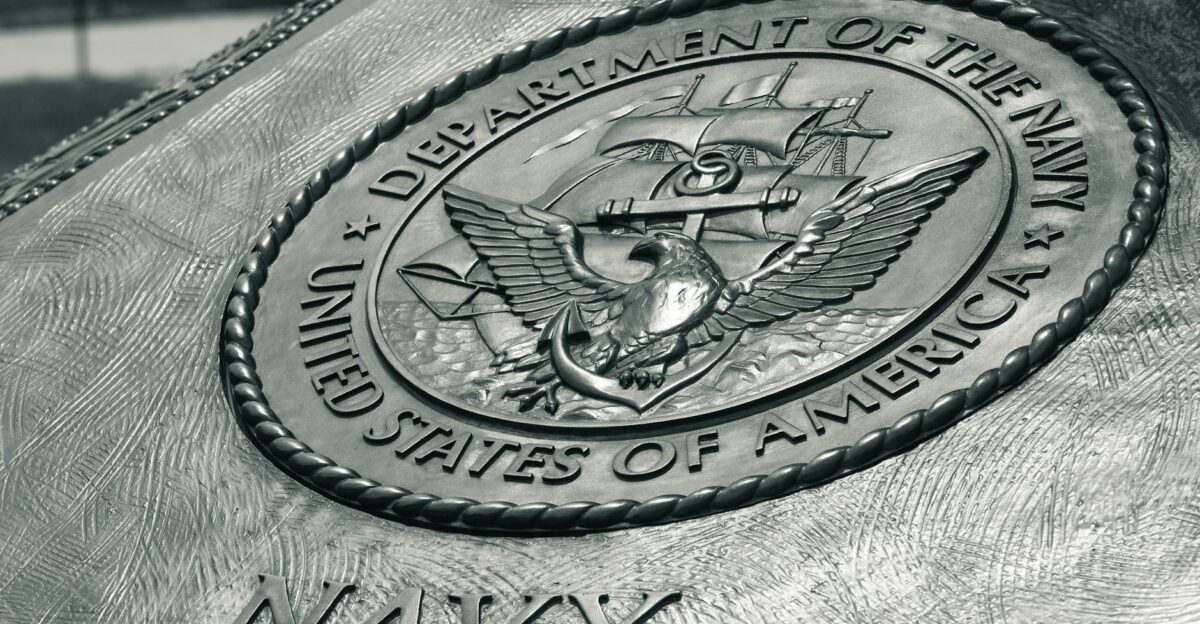
Iris Ferguson, a former Pentagon Arctic official, has argued that the command shift means Greenland will be treated “not as an outpost, but as a cornerstone of U.S. security posture in the High North.”
At the same time, she cautioned that moves seen as sidelining Denmark could strain relations with key European partners whose cooperation is essential for Arctic stability.
NORAD’s Message: Routine but Resolute

In its public statements, NORAD has emphasized that the deployment is “routine” and “long-planned,” coordinated with Denmark, and supported by all necessary diplomatic clearances.
A NORAD spokesperson stressed that the Government of Greenland has been informed of the activities, highlighting that the mission is being conducted within established defense frameworks rather than as a unilateral land-grab.
NATO Leadership Stresses Unity
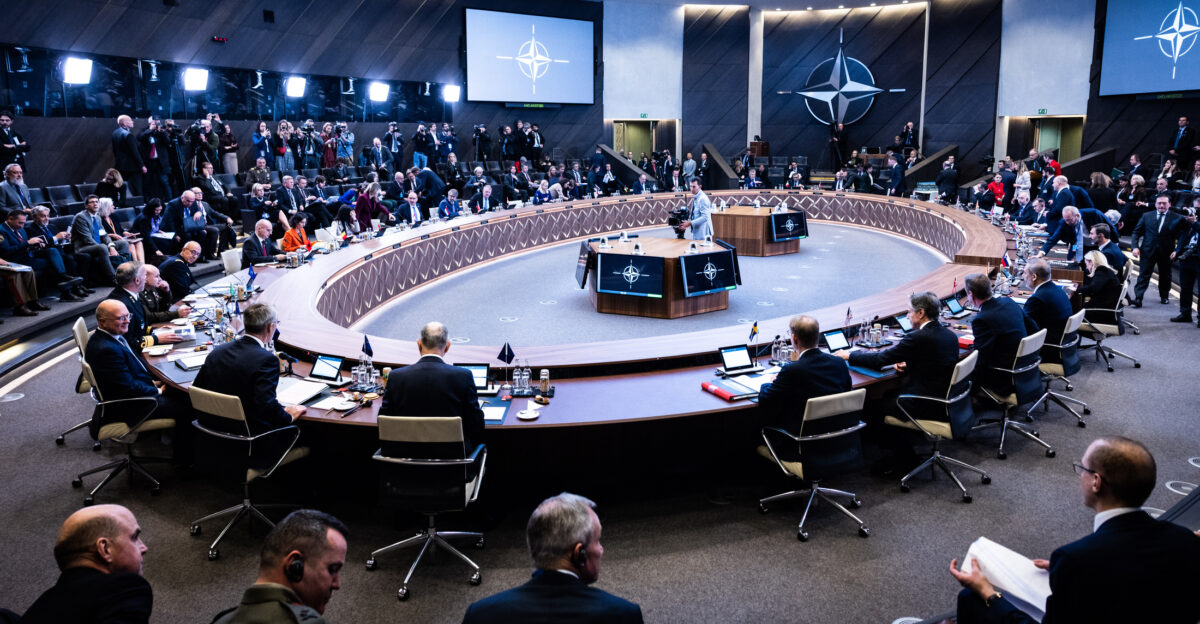
After meeting Danish and Greenlandic officials, NATO Secretary-General Mark Rutte said the Arctic is “vital for our collective security” and praised Denmark’s investments in Greenland’s defense.
“We will continue collaborating as Allies on these critical matters,” Rutte noted, signaling that the alliance intends to remain closely engaged as tensions evolve.
Greenlanders’ Perspective on US Control

Greenland is a self-governing part of the Kingdom of Denmark, and local leaders have firmly rejected the idea of joining the United States.
Polling reported in Danish media shows strong public opposition on the island to any U.S. takeover, underscoring that the sovereignty debate is not only about Washington and Copenhagen, but also about Greenlandic self-determination.
Market and Industry Implications of Arctic Militarization
The standoff is drawing renewed attention from energy, shipping, and mining companies, which view Greenland’s mineral resources and sea routes as long-term strategic assets.
A more militarized Arctic could mean higher security costs and tighter regulations, but also accelerated investment in dual-use infrastructure such as ports, airfields, and satellite networks across the region.
Impact on Transatlantic Trade and Tech
Potential EU–U.S. tariff clashes over Greenland could spill into sectors far beyond defense, including technology, automotive, and green-energy supply chains.
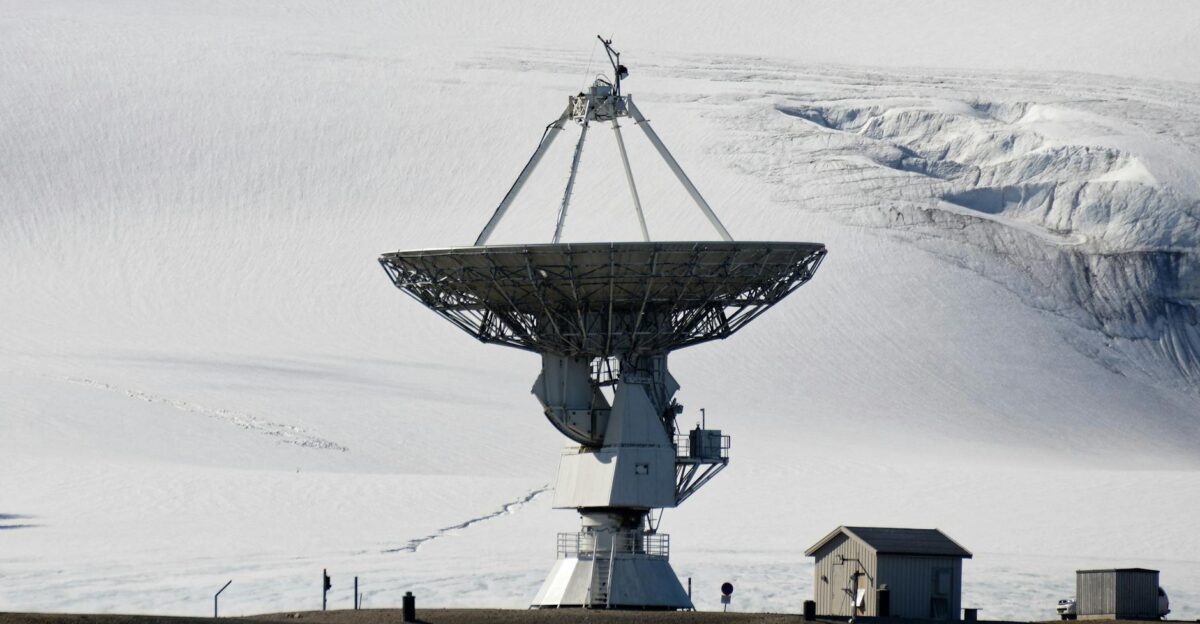
Companies with Arctic research, telecommunications, and climate-monitoring projects may face increased political risk as contracts, data-sharing agreements, and satellite access become entangled in broader geopolitical negotiations.
What This Signals for Global Security

The Greenland dispute highlights a larger trend: great-power competition moving into previously peripheral regions such as the Arctic, where climate change is opening new sea routes and access to resources.
As the ice recedes, states are racing to secure basing rights, sensor networks, and legal claims, making once-remote airfields like Pituffik central to global strategy.
How Allies May Try to De-escalate
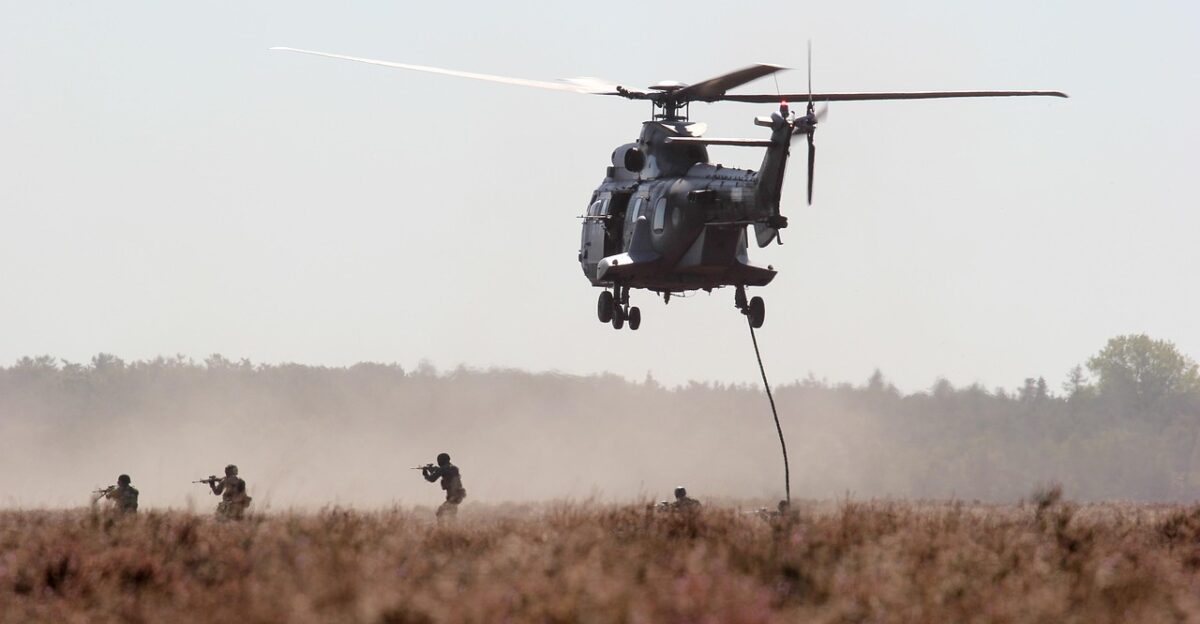
In the coming months, diplomats are likely to prioritize confidence-building steps, including increased transparency on exercises, enhanced consultation within NATO, and possible joint Arctic missions.
If successful, these measures could keep NORAD’s “routine” activities from becoming triggers, turning Greenland into a test case for managing disputes within an alliance rather than a point of fracture.
What to Watch Next in Greenland
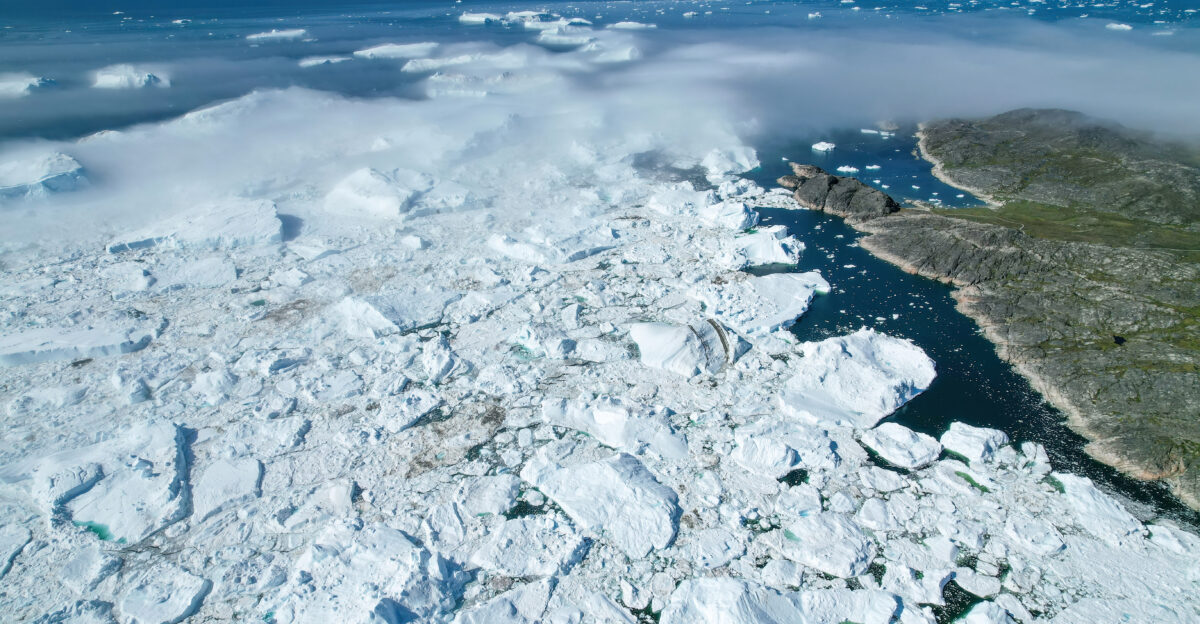
Key indicators to monitor include any change in the scale or duration of U.S. deployments at Pituffik, Danish announcements on new Arctic capabilities, and EU decisions on trade countermeasures.
Together, these moves will signal whether the crisis is drifting toward accommodation, prolonged standoff, or a more serious breakdown in transatlantic trust.
Why NORAD’s “Routine” Flights Matter Now
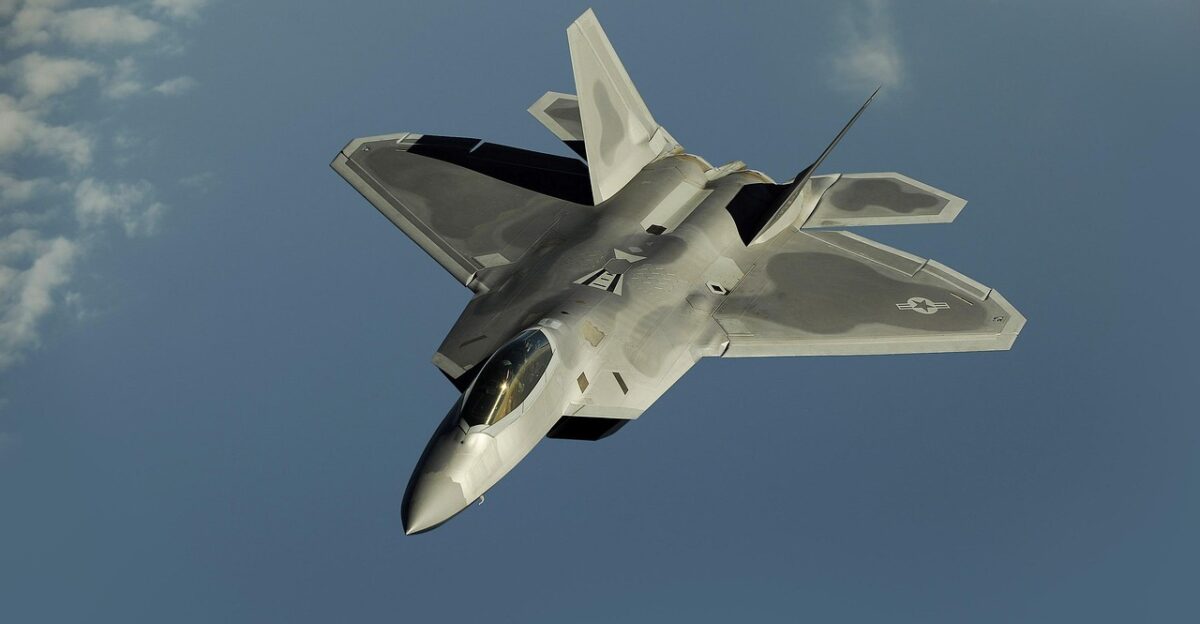
NORAD’s aircraft may be conducting long-planned drills, but their presence over Greenland now doubles as a visible symbol of shifting power, contested sovereignty, and alliance stress in the Arctic.
For governments, militaries, and industries betting on polar routes and resources, the question is no longer whether Greenland matters—but how this icy island will shape the next chapter of global security.
Sources:
“Weekly U.S. Influenza Surveillance Report (FluView).” Centers for Disease Control and Prevention, late Nov 2025.
“Deadly ‘Super Flu’ Surge Forces Schools to Close and Triggers Mask Mandates Across the U.S.” MSN, 2025.
“Hospitals overwhelmed as flu virus outbreak spreads from China.” The Express, 2025.
“‘Super Flu’ Forcing Schools To Close, Hospitals To Enact Restrictions.” KISS FM RGV / iHeartRadio, 10 Dec 2025.