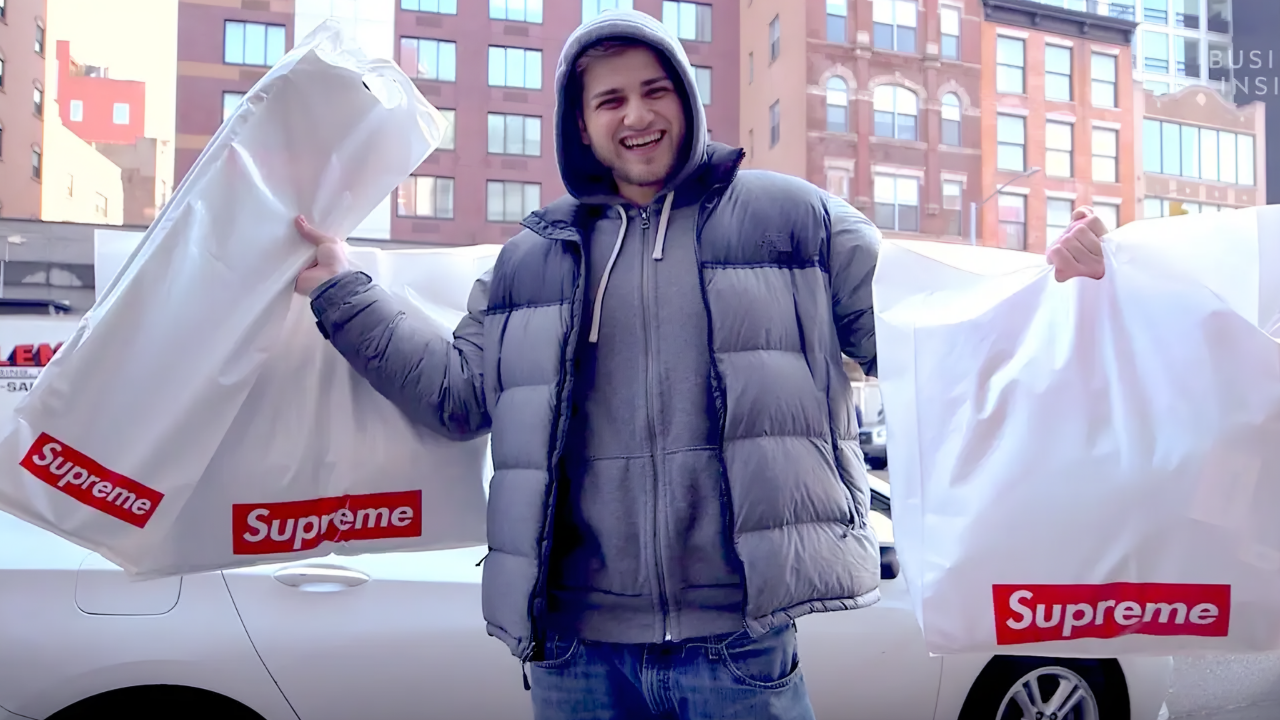
At the start of 2026, nearly half of U.S. consumers report feeling more financially stressed, while average unsecured debt has climbed to $33,000. Against that backdrop, displays of luxury—from logo-drenched fashion to high-end cars—have come to signal something unexpected: economic fragility. A growing body of research and financial analysis shows that visible status symbols often reveal financial insecurity rather than wealth.
The Status Symbols of Strain

Former analyst and writer Avery White identifies eight telltale behaviors that give away shaky finances masquerading as affluence. Oversized designer logos top the list. Studies link prominent branding to lower financial self-esteem—people who feel less secure in their status are more likely to wear items that proclaim cost. True affluence, by contrast, tends toward subtle fabrics and unmarked luxury.
Cars provide another visible marker. In late 2025, more than one in five new U.S. car buyers took on payments exceeding $1,000 a month, pushing auto debt toward unsustainable levels. Many buyers are stretching budgets through high-interest loans just to appear successful. Data show delinquencies are rising fastest in this group, while genuinely wealthy drivers favor practicality over flash.
Similarly, constant mention of prices—the “$900 jacket” refrain—suggests an appeal for validation rather than confidence. Research shows that price talk often compensates for doubt about a purchase’s affordability. Financially stable people seldom highlight what they spend because doing so feels unnecessary.
The Psychology Behind Trend-Chasing

Frequent wardrobe overhauls and obsessive trend-following have also become indicators of precarious finances. Replacing usable items to mirror fast fashion cycles is common among consumers seeking social approval. Studies find that lower-income spenders devote a higher share of earnings to trendy goods than wealthier counterparts, a pattern that drains resources while chasing short-lived prestige.
Performative luxury experiences—lavish vacations, gourmet dinners, or social media–ready moments—carry similar signals. Research links higher status-signaling motives with double the rate of credit card delinquency. In practice, many of these experiences are financed by debt, not disposable income. The visible excess often conceals invisible strain.
The Debt Penalty of Conspicuous Living

Economists describe a measurable “debt premium” associated with status signaling. Data from Singaporean consumer records show that individuals strongly motivated by conspicuous consumption hold 7 percent more credit card debt and a striking 108 percent more delinquent debt than those guided by practicality. The pattern crosses borders: people least able to afford status spending pay the heaviest long-term price.
This financial spiral starts with anxiety. Large-scale U.S. health surveys find that financial worry strongly correlates with psychological distress. That stress, in turn, fuels compensatory behaviors—purchases meant to project success externally when it feels absent internally. The cycle feeds on itself: insecurity drives spending, spending increases debt, and debt deepens insecurity.
Old Theory, New Inequality

The phenomenon traces back more than a century to economist Thorstein Veblen’s theory of conspicuous consumption. In his view, the upper class once used visible abundance to confirm social rank. Today, as inequality widens, the equation has inverted. Lower- and middle-income households now engage most heavily in visible consumption, using borrowed money to approximate security they don’t possess.
Generationally wealthy families reverse the pattern. They often prize understatement, buy secondhand, or drive modest cars because they don’t need to signal success. Financial comfort internalizes status; those with inherited wealth can disregard appearances because their confidence doesn’t depend on consumption.
Middle-income earners, however, sit at the most vulnerable intersection. Studies cite them as most prone to unmanageable debt—they earn enough to qualify for credit yet lack the cushion to absorb it. In both the United States and countries like South Africa, large portions of the middle class report struggling to meet monthly obligations despite maintaining the trappings of prosperity.
Redefining Real Luxury
The modern inversion redefines what “luxury” truly means. White concludes that ease—not logos or possessions—marks genuine affluence: the freedom to rest, the absence of debt, and the confidence that bills are paid. Real wealth, in this view, is quiet.
For financial observers, recognizing the signals of insecurity—flashy branding, inflated car payments, fixation on price—offers more than social insight; it points to an economy where image often substitutes for stability. With rising costs and record debt, these visible markers have become collective signals of deeper strain.
The challenge ahead is not to shame appearance-driven spending but to understand what it reflects: a society where financial security is elusive, and status anxiety drives decisions that erode it further. Awareness of the mechanism—the urge to perform wealth rather than build it—may be the first step toward escaping the trap.
Sources:
VegOut Magazine – “8 things lower-middle-class people think look expensive that scream ‘trying too hard’ to anyone with real money” – January 18, 2026
NerdWallet – “2025 Household Credit Card Debt Study” – January 2026
Edmunds – “Auto Finance Report Q4 2025” – January 2026
Singapore Consumer Transactions Study – “Conspicuous Consumption and Household Indebtedness” – 2021
World Bank – “Borrowing to Keep Up with the Joneses: Inequality, Debt, and Conspicuous Consumption” – 2023
National Health Interview Survey – “Financial Worries and Psychological Distress Analysis” – 2022