On a cold January morning, the quiet of Romania’s Black Sea region shattered as fighter jets roared into the sky. Residents in northern Tulcea County watched their phones light up with a stark RO-Alert message: seek shelter, possible drone fragments may fall nearby.
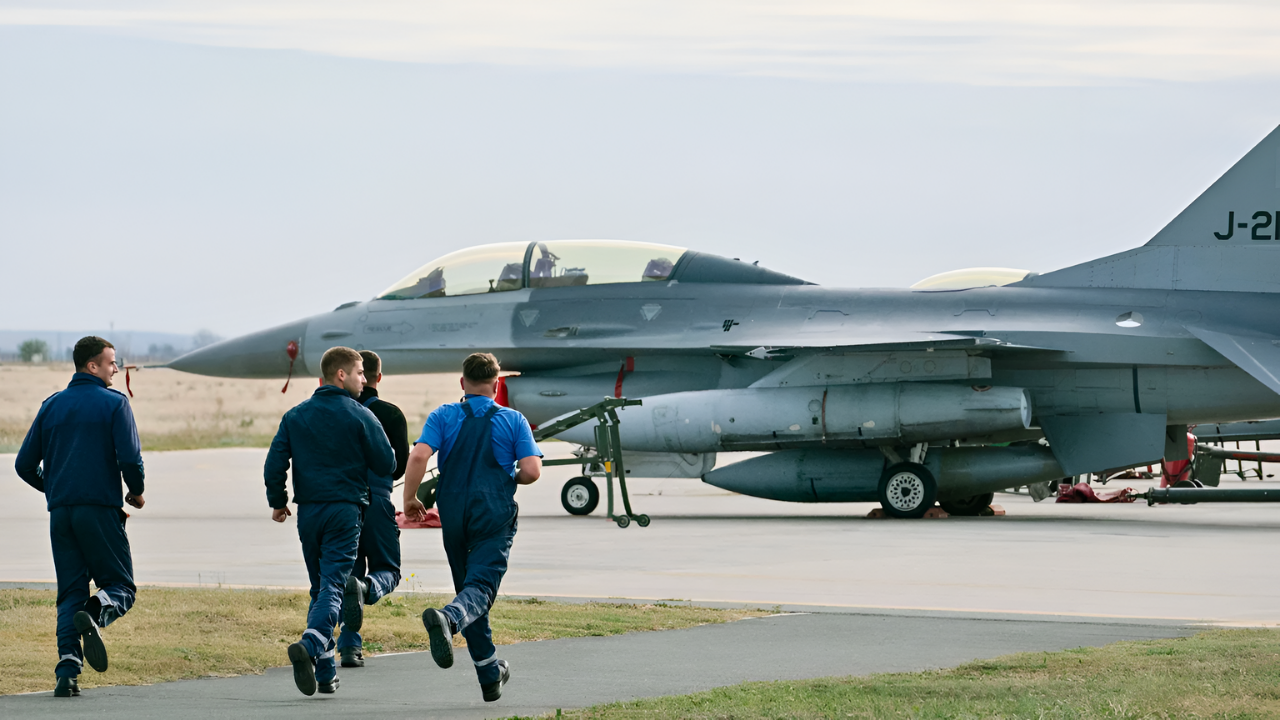
The alert reminded people just how close Russia’s war in Ukraine has come to NATO’s doorstep. Romanian F-16s, each worth tens of millions of dollars, scrambled from the 86th Air Base to shadow Russian drones striking Ukrainian ports just across the border. Officials later stressed that no hostile aircraft crossed into Romanian airspace, but the psychological impact was clear.
Eastern Flank on Edge
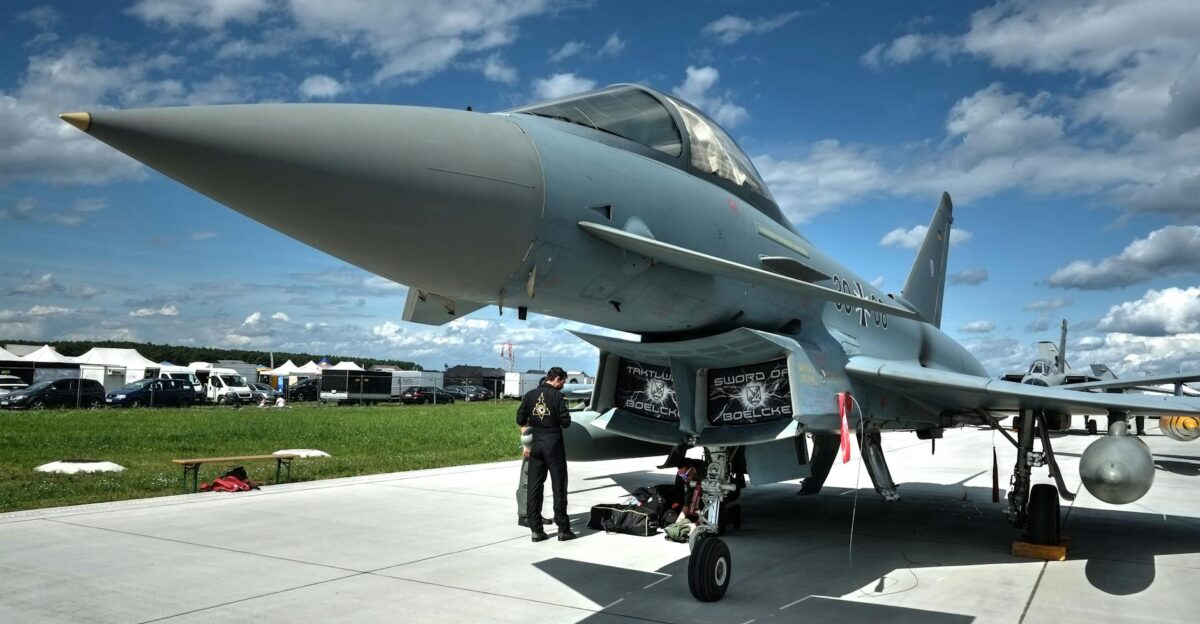
Along NATO’s eastern edge, Romania now lives with the war next door as a daily reality. Russian drones have repeatedly targeted Ukrainian ports along the Danube, just a short distance from Romanian towns that normally rely on river trade and agriculture, not air-raid alerts. These ports are crucial routes for Ukrainian grain that help feed markets across Europe, Africa, and the Middle East, making them strategic targets in a wider economic pressure campaign.
Each new strike raises anxiety among the roughly 19 million Romanians and nearly 1 billion citizens protected under NATO’s collective defense shield. Officials insist there is no immediate danger to Romanian territory, yet the proximity of the blasts tells a different emotional story.
NATO Watch on the Border
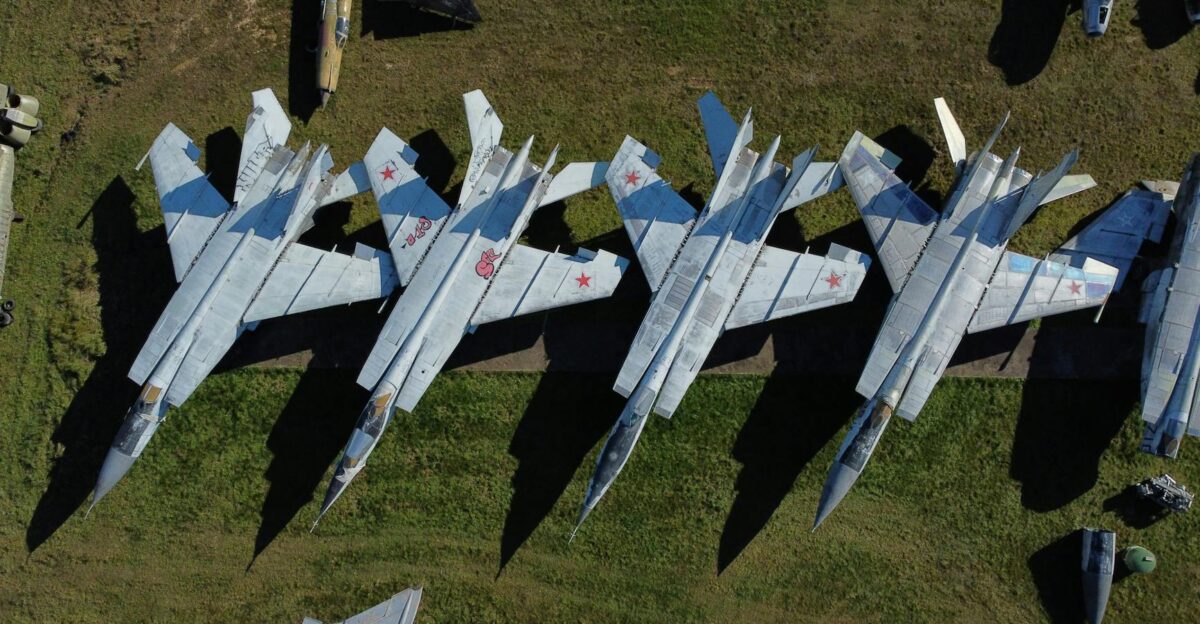
Since Russia’s full-scale invasion of Ukraine in 2022, NATO has quietly but steadily reinforced its defenses around the Black Sea. Romania, once reliant on aging Soviet-era MiG-21s, has transformed its air force, acquiring dozens of F-16s from Portugal, Norway, and the Netherlands.
At the 86th Air Base in Fetești, a European F-16 Training Center now trains both Romanian and Ukrainian pilots, turning the base into a hub for allied cooperation. Dutch officials called the joint training effort “a textbook example of successful collaboration,” emphasizing that it strengthens deterrence along the Black Sea.
Rising Drone Danger
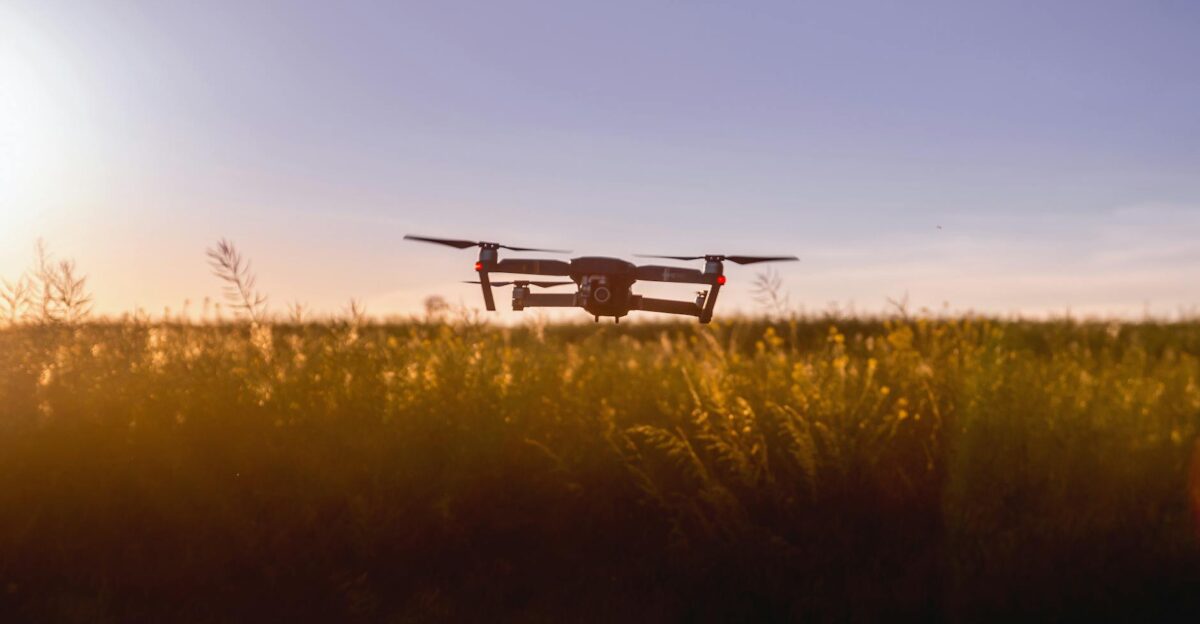
The drone war has become a defining feature of the conflict on NATO’s doorstep. Russia has increasingly used swarms of low-flying unmanned aircraft to hit Ukraine’s Danube grain corridor, striking ports that handle exports vital to the global food chain. These attacks are cheaper and risk fewer Russian lives than manned missions, yet they deliver powerful shockwaves through regional economies and international markets.
Romanian radar operators now track drone flight paths almost nightly, watching as the aircraft skim near the border without formally breaching alliance airspace. The line between close and too close grows thinner each month. NATO officials describe the situation as a constant test of resolve, where every incident could be the one that goes too far.
Scramble Confirmed
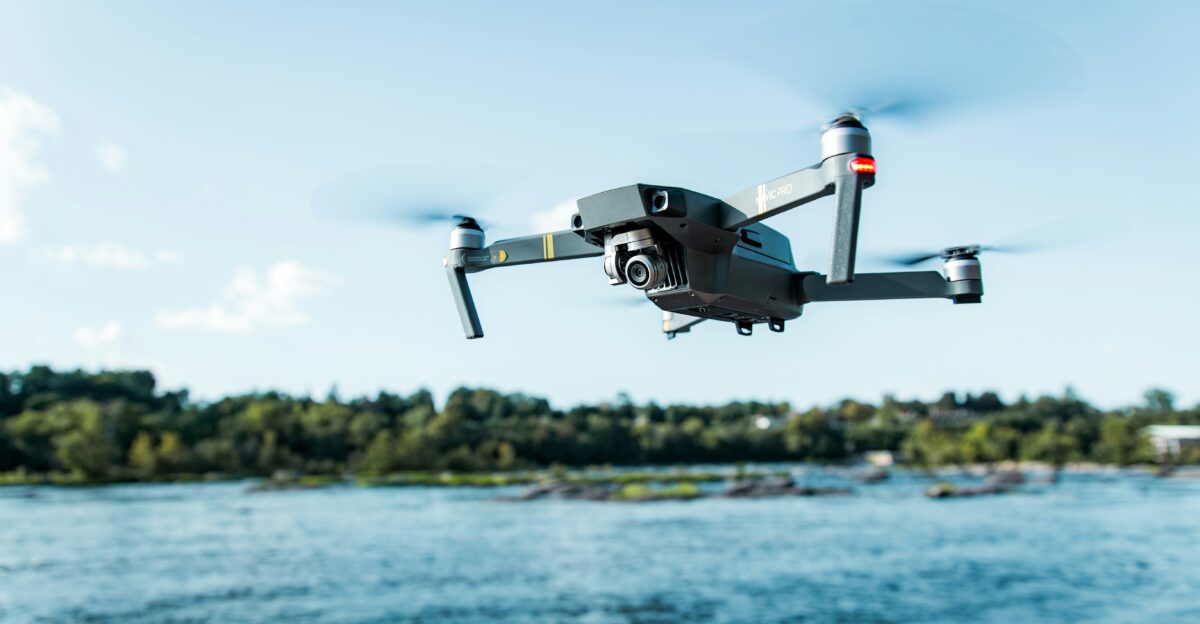
On January 19, 2026, that tension leapt from radar screens to the runway. At 11:50, two F-16s took off from Romania’s 86th Air Base after sensors detected Russian drones heading for Ukrainian ports close to Tulcea County. Within minutes, authorities pushed an emergency RO-Alert to residents in the region, warning them of possible falling debris and urging caution.
The warning lasted 32 minutes, long enough to disrupt routines, empty streets, and send parents rushing to check on children. In the air, the F-16 pilots’ mission was strictly to monitor, not engage. Each jet represents part of a fleet worth billions of dollars in total, yet on this day their greatest value was symbolic: visible proof to citizens that NATO’s shield was active.
Shockwaves in Tulcea

For people living in Tulcea County, the alert was more than a line in a military log, it was a jolt to everyday life. Around 200,000 residents suddenly found themselves under instructions to take cover, as social media filled with screenshots of the RO-Alert message and questions about what was happening nearby. Businesses paused operations, river traffic slowed, and parents hurried to collect children from schools and kindergartens.
The Danube ports across the water in Ukraine, repeatedly hit by Russian drones, are vital to regional trade and jobs, linking local livelihoods to a global conflict. Every blast across the border feels like a warning that war is not as distant as many once believed.
Lives Behind the Alerts

Behind every air-raid notification are families weighing impossible choices: stay put and hope, or seek shelter and disrupt daily life once more. In Tulcea, residents report jolting awake at night to the blare of alarms, scrolling news feeds to find out whether explosions are across the river or something closer. For many, memories of past regional conflicts stir fears of what might come next.
On the Ukrainian side, President Volodymyr Zelensky has tried to balance resolve with reassurance, telling citizens that a peace deal with Russia is 90 percent ready, but warning that the final terms will “determine the fate of peace, the fate of Ukraine and Europe.” In the same address, he insisted Ukraine does not want peace at any cost, but the end of the war, not the end of Ukraine.
Watching the Skies

Romania’s military insists it is in control of its airspace, even as threats loom close. The Ministry of National Defense has repeatedly clarified that recent F-16 deployments were for monitoring purposes only and that no unauthorized drones or aircraft have been allowed to operate over Romanian territory during these events.
NATO has stepped up air policing missions, rotating allied jets through bases like Fetești and Câmpia Turzii to reinforce the message that the skies are firmly guarded. Turkey and other alliance members are preparing additional deployments to Romania, adding layers of deterrence along the border with Ukraine.
Patterns of Escalation
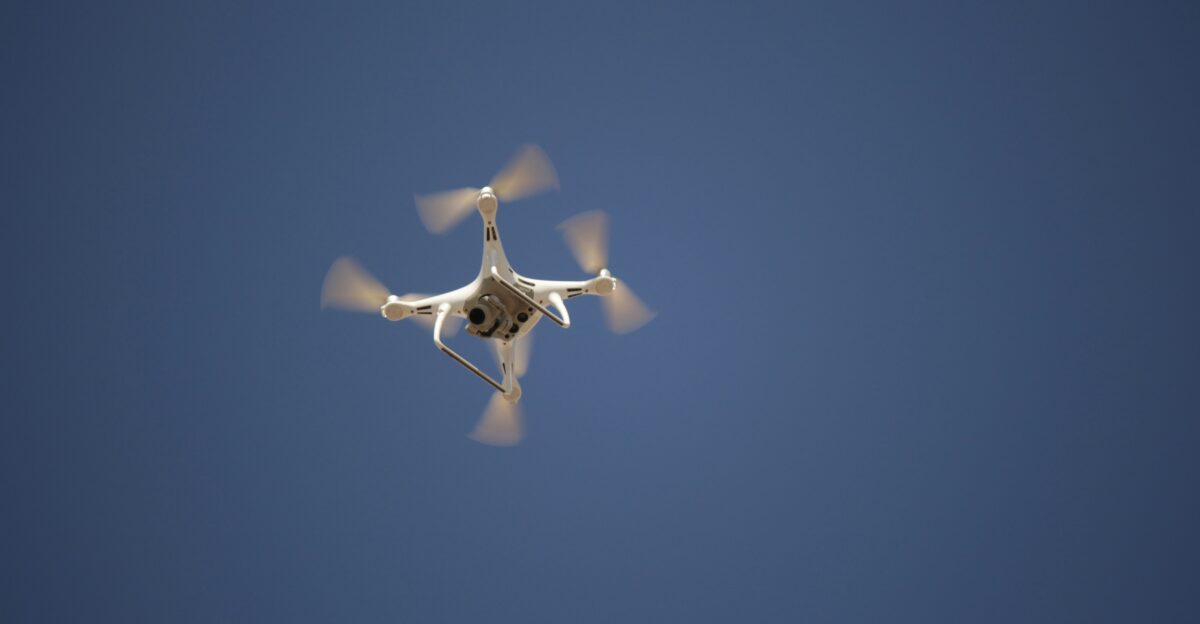
The January scare in Tulcea fits into a broader pattern that has been building since 2022. Russian drone and missile strikes on Ukraine’s ports and infrastructure have risen in waves, with the Danube corridor becoming a key target as Moscow seeks leverage over global food supplies.
Training Ukrainian pilots at the Fetești center symbolizes a deeper partnership, turning the base into both a school and a frontline outpost. Analysts tracking the data see no sign of genuine de-escalation in Russian tactics, despite periodic talk of negotiations.
Kharkiv and Beyond
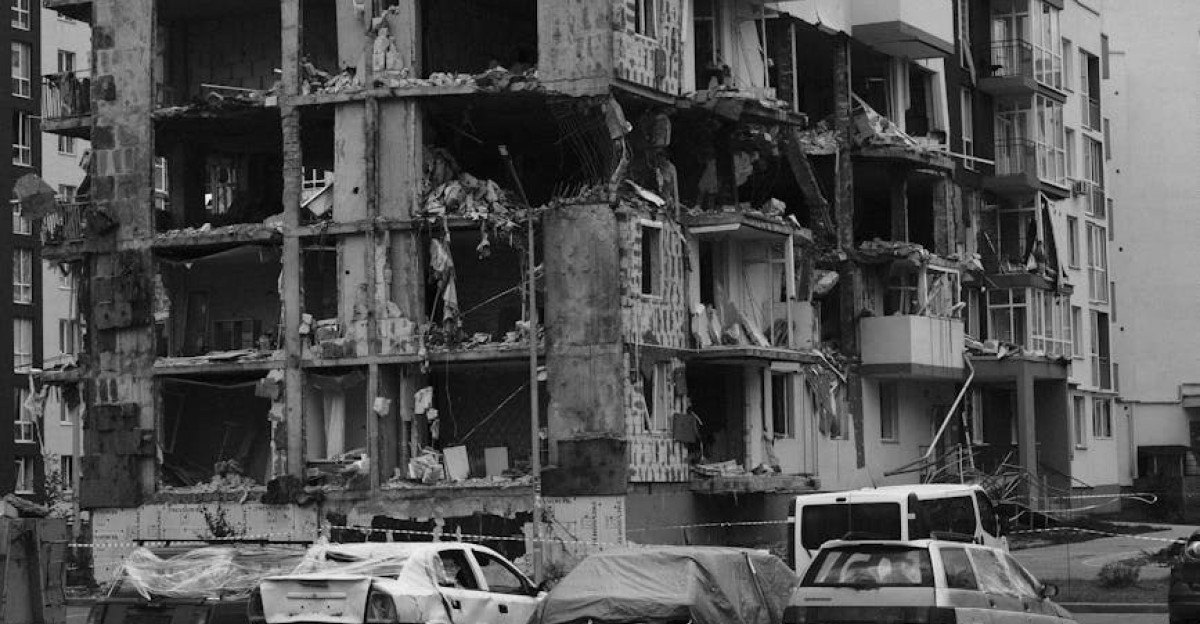
While attention focused on drones near NATO territory, Ukraine faced fresh tragedy deeper inside its borders. On the same day as the Tulcea alert, a Russian missile slammed into a residential area of Kharkiv, leaving emergency crews to pick through the rubble in search of survivors. Images of shattered apartment blocks and dazed residents added another chapter to a grim catalogue of civilian suffering.
Moscow, meanwhile, accused Ukraine of carrying out a deadly strike that it said killed dozens in an occupied village in Kherson region, claims that Kyiv dismissed as a provocation.
Tension in the Town Square

In Tulcea’s town squares and cafés, frustration is starting to bubble over. Residents complain that repeated RO-Alerts disrupt sleep, work, and schooling, with little clear information on when the next warning will come. Some locals fear their county is becoming a permanent buffer zone, caught between NATO’s caution and Russia’s aggression.
Romanian officials push back, arguing that the alerts, however disruptive, are essential to protecting all 19 million citizens from the potential fallout of nearby attacks. NATO leaders echo that line, describing the measures as necessary caution rather than panic.
Diplomacy in the Balance

Even as fighter jets take off and sirens sound, diplomacy remains very much in play. President Zelensky has repeatedly said that a peace agreement with Russia is close, describing it as “90 per cent ready” but warning that the remaining issues are decisive. “Those 10% contain, in fact, everything,” he said, adding that “signatures under weak agreements only fuel war.”
Romanian defense officials, meanwhile, oversee the day-to-day monitoring of their airspace while coordinating closely with NATO headquarters. Alliance leaders stress that their enhanced posture on the eastern flank is designed to prevent, not provoke, an Article 5 conflict.
Strategy at the 86th Base
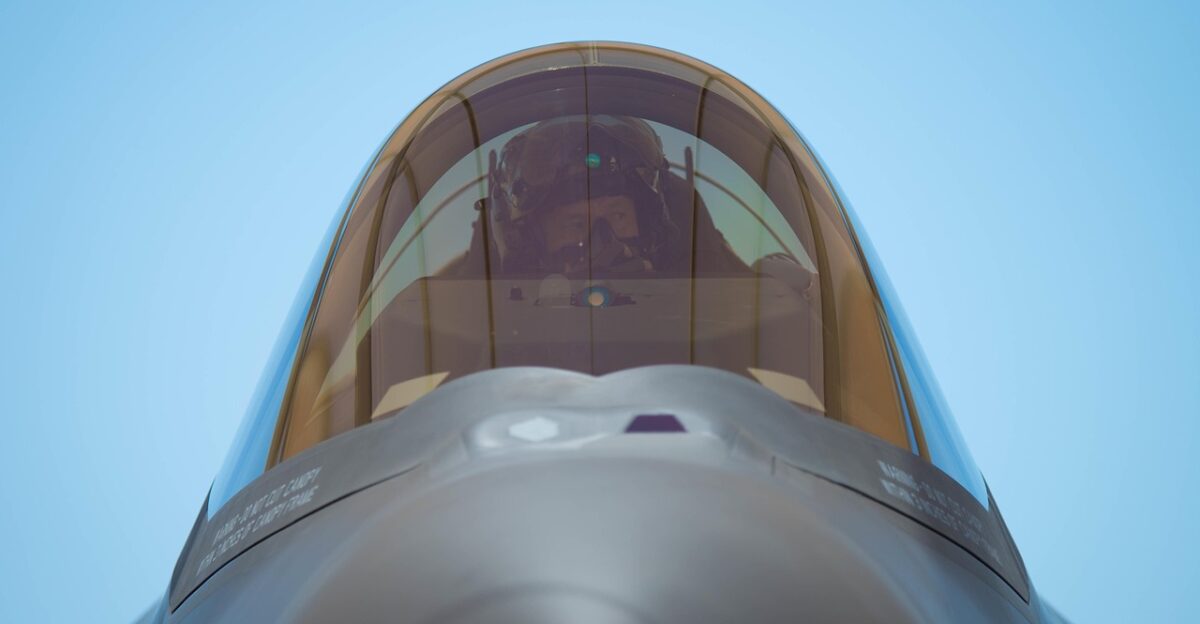
The 86th Air Base at Fetești has become a symbol of Romania’s shift from legacy hardware to a modern NATO force. Once home to Soviet-designed MiG-21s, it now hosts advanced F-16s, including 18 aircraft transferred by the Netherlands in a landmark deal that cemented Romania’s role in training allied and Ukrainian pilots.
Dutch and Romanian officials hailed the handover as a milestone for Black Sea security, noting that the jets were transferred for a symbolic one euro as part of a wider NATO effort. Norway has also agreed to supply dozens of upgraded F-16s, further expanding Romania’s fleet and allowing older aircraft to rotate into training roles at the European F-16 Training Center.
Doubts About Deterrence
Despite the robust response, not everyone believes NATO’s current posture is enough to keep the conflict contained. Security analysts warn that repeated near-miss incidents, drones skimming borders, debris falling close to villages, airspace briefly breached, create what one called a “razor-thin margin” before a potential Article 5 crisis.
Romania’s rapid scrambles earn praise as demonstrations of competence, but experts question how sustainable such high-tempo vigilance will be if drone attacks intensify. At the same time, global markets watch nervously as Russian strikes threaten Ukraine’s grain exports, a key factor in food prices from Cairo to Cape Town.
Next Flashpoint?

The question hanging over the region is no longer whether there will be another incident, but what kind. With drones flying ever closer to NATO territory and peace talks stalled over the most contentious issues, the risk of miscalculation is rising. Romania’s F-16s stand ready on the tarmac, part of a broader NATO air defense network designed to intercept any aircraft that actually crosses into alliance airspace.
For now, leaders prefer to keep Article 5, the clause that treats an attack on one member as an attack on all, in the background, unspoken but unmistakably present. The hope is that visible readiness will deter Russia from testing that red line.
Sources:
Aerospace Global News, Romania receives Dutch F-16s and expands F-16 Training Center, November 2025
Aerotime.aero, Analysis of Russian drone strikes on Ukrainian ports and NATO air posture, November 2025
The Defense Post, Romania’s 86th Air Base and modernization of F-16 operations, May 2025
Arise News, “Zelensky: Ukraine Russia Peace Deal 90 Percent Ready”, 1 January 2026
BBC News, “Zelensky says peace deal is 90% ready in New Year address”, 1 January 2026