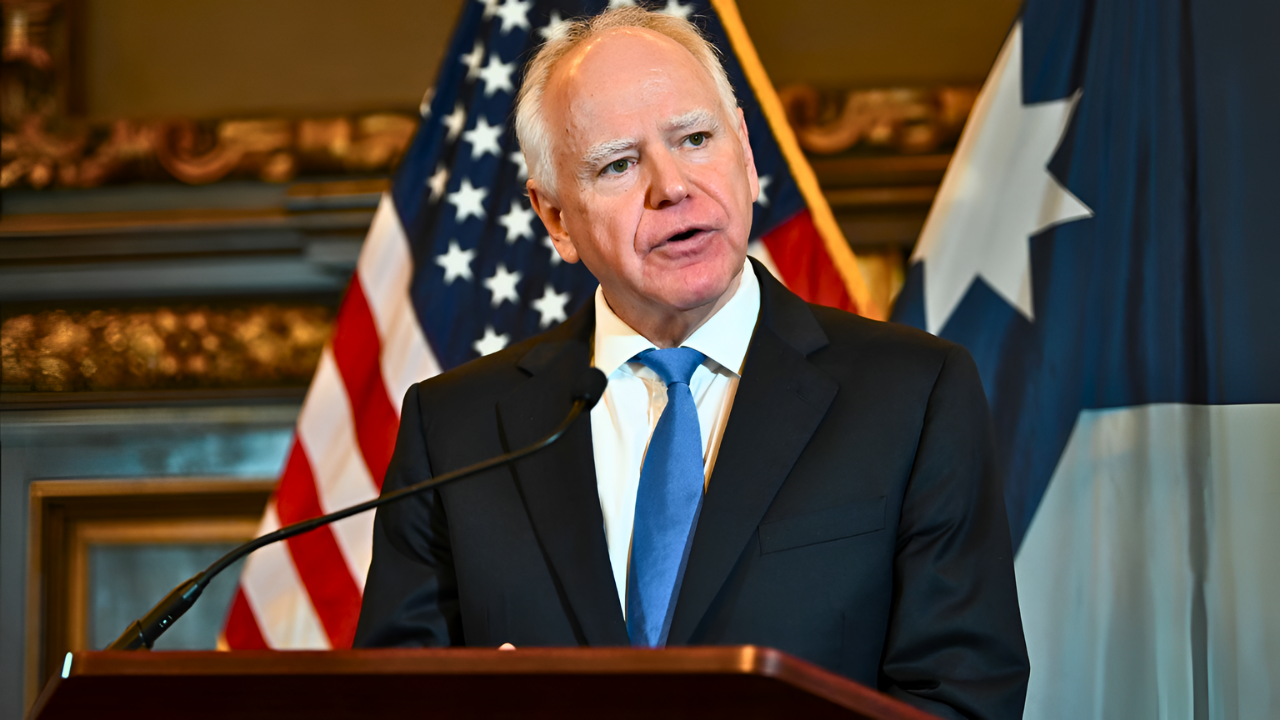
The Department of Homeland Security has publicly accused Minnesota Governor Tim Walz and Minneapolis Mayor Jacob Frey of undermining federal immigration enforcement through sanctuary-style policies.
DHS argues these policies have limited cooperation with ICE and allowed removable non-citizens to remain in communities. Walz and Frey reject the accusation, saying their approach reflects constitutional limits on federal authority over state and local officials rather than any effort to obstruct the law.
Minneapolis As Ground Zero

Federal officials have made the Minneapolis–St. Paul metro area the focal point of a large-scale immigration enforcement campaign.
DHS describes the effort as the largest immigration operation in Minneapolis history, both in personnel deployed and arrests reported. The operation reflects a strategic decision to concentrate resources in jurisdictions where DHS believes cooperation with immigration authorities has been limited for years.
Arrest Totals And Timeframe

DHS Secretary Kristi Noem has stated that more than 10,000 non-citizens have been arrested in Minnesota since the start of the second Trump administration.
According to DHS, roughly 3,000 of those arrests occurred during an intensive six-week surge launched just after Thanksgiving 2025. While thousands of arrests have been publicly confirmed, comprehensive case-level data has not been fully released.
Federal Agencies Involved

The enforcement push includes multiple DHS components, primarily ICE Enforcement and Removal Operations, Homeland Security Investigations, and Customs and Border Protection.
DHS says the multi-agency approach allows immigration arrests to be paired with broader criminal and fraud investigations. State and local leaders argue the size and visibility of the federal presence has heightened fear and disrupted communities.
Scale Of Federal Deployment
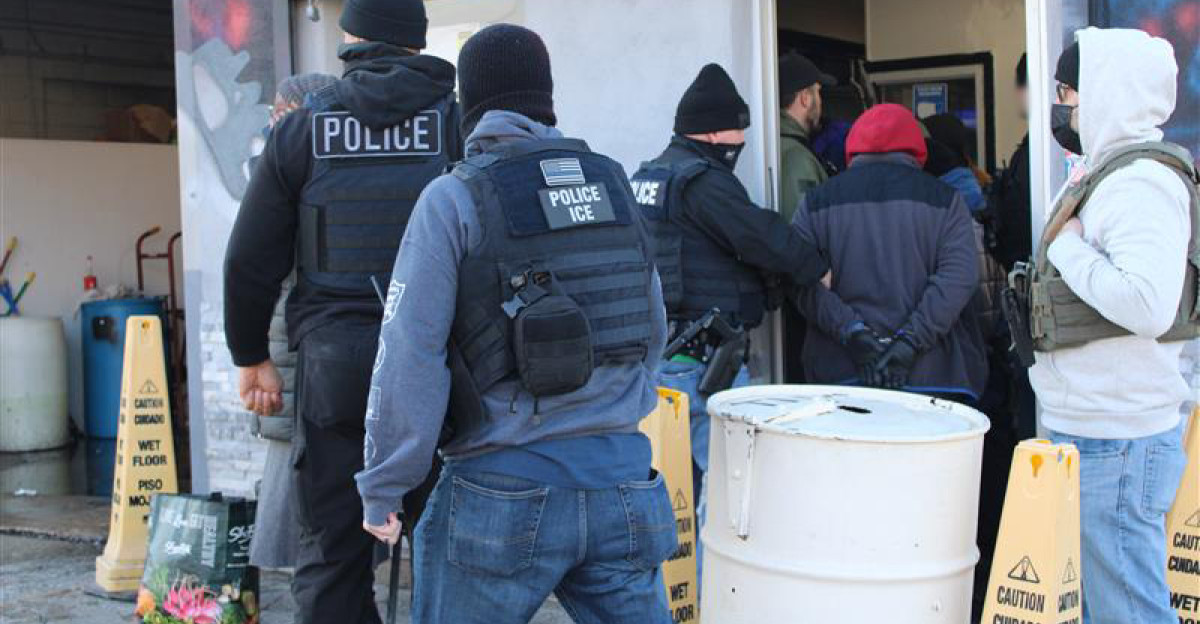
Public DHS statements and reporting describe approximately 2,000 to 3,000 federal agents and officers deployed to Minnesota during the surge.
Officials say the staffing level reflects the scope of enforcement priorities and investigative leads. Critics counter that the unprecedented concentration of agents is unnecessary and politically driven, rather than based on demonstrable public-safety needs.
Sanctuary Policy Dispute

Minneapolis is widely characterized by DHS as a sanctuary jurisdiction, meaning local authorities generally decline to honor ICE detainer requests without a judicial warrant.
City officials say this policy is meant to avoid unconstitutional detention and preserve trust between police and residents. DHS argues the policy limits enforcement efficiency and delays the removal of deportable individuals.
ICE Detainers And DHS Claims
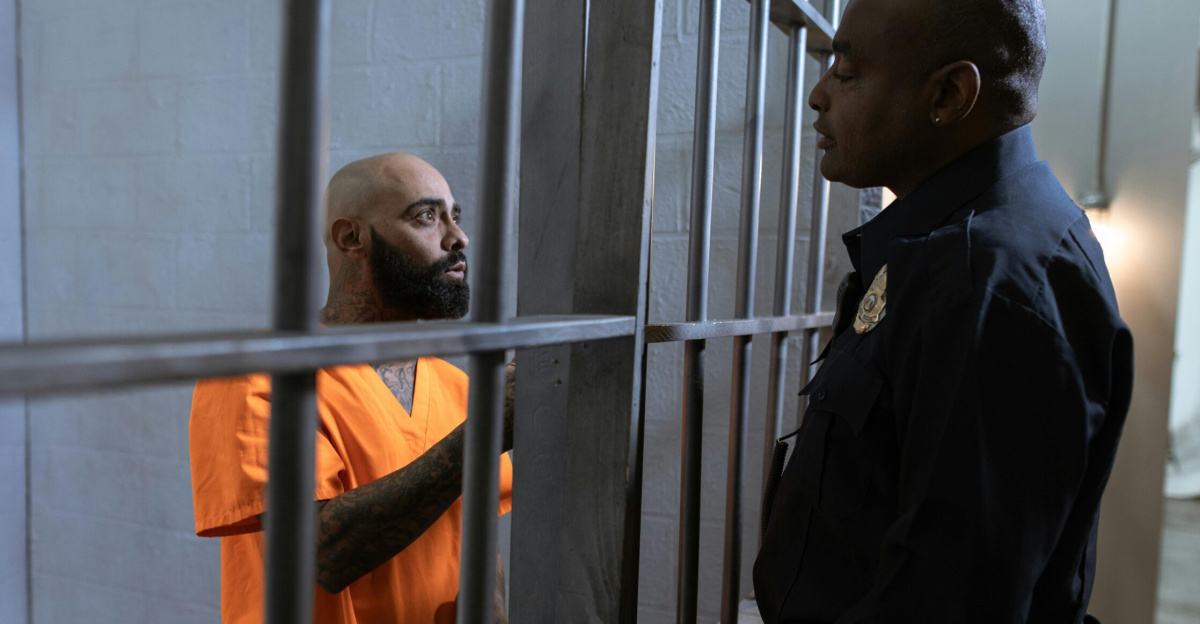
DHS and Secretary Noem have claimed that Minnesota jails declined to honor more than 1,360 ICE detainers involving individuals labeled “criminal illegal aliens.”
Federal officials cite this figure as evidence that state and local policies have allowed deportable offenders to be released. Minnesota officials respond that detainers are civil requests and compliance decisions are governed by constitutional law.
DOJ Scrutiny And Legal Tension

Federal officials have indicated the Department of Justice is examining whether Minnesota leaders unlawfully impeded federal immigration enforcement.
DHS frames the issue as potential obstruction, not mere non-cooperation. Walz and Frey dismiss the inquiry as political pressure, arguing Supreme Court precedent bars the federal government from forcing states or cities to enforce federal immigration law.
Public-Safety Messaging

To defend the operation, DHS and ICE have highlighted arrests of non-citizens accused or convicted of serious crimes, including violent offenses.
Officials say these cases show enforcement priorities are focused on public safety threats. Critics argue the emphasis on extreme cases can misrepresent the broader population affected by large-scale immigration enforcement actions.
“Worst Of The Worst” Framing

DHS leaders have repeatedly described some arrestees as the “worst of the worst.” The agency uses this language to argue sanctuary-style policies pose real safety risks.
Civil-rights advocates counter that the phrase is rhetorical and does not reflect the full range of cases included in the arrest totals, many of which involve nonviolent or civil immigration violations.
Fraud Allegations Linked To Enforcement

Alongside immigration arrests, DHS officials have pointed to allegations of massive fraud in Minnesota’s human services programs.
Secretary Noem and President Trump have cited figures as high as $19 billion. Federal prosecutors have publicly referenced a lower, confirmed figure of roughly $9 billion tied to specific cases, highlighting that investigations remain ongoing.
Confirmed Vs. Estimated Figures

The $9 billion figure cited by the U.S. Attorney reflects identified losses connected to documented investigations.
The higher $19 billion number represents an estimate promoted by DHS leadership as investigations expand. Officials acknowledge the larger figure is not yet fully substantiated, underscoring the distinction between confirmed findings and broader investigative projections.
“Tip Of The Iceberg” Claim

Secretary Noem has characterized the arrests and fraud findings as only the “tip of the iceberg.” DHS uses the phrase to suggest additional removable non-citizens and unresolved fraud cases remain undiscovered.
Officials concede the claim is strategic rather than statistical, reflecting expectations based on investigative leads rather than a precise, verifiable count.
National Implications

Federal officials have signaled that Minneapolis could serve as a model for future enforcement actions in other sanctuary jurisdictions.
DHS argues the operation shows federal authority can be asserted even without local cooperation. State and city leaders nationwide are closely watching, aware that legal outcomes may shape how aggressively the federal government pursues similar crackdowns.
What Happens Next

The conflict now moves toward courts, continued investigations, and possible expansion of enforcement. Arrest totals may rise, fraud cases may grow, and legal rulings could clarify the limits of federal pressure on states and cities.
DHS insists the operation is far from over, while Minnesota officials brace for a prolonged legal and political fight over immigration policy.
Sources:
- “Noem hammers Walz, Frey for ignoring 1,360 ICE detainers and protecting criminal migrants, DHS says” – Yahoo News
- “US justice department investigating Minnesota Democrats over alleged immigration obstruction” – BBC News
- “DOJ subpoenas Walz, Frey, Her and others in probe of Minnesota’s immigration policies” – CBS News Minnesota
- “2000 federal agents sent to Minneapolis area to carry out ‘largest immigration operation ever’” – PBS NewsHour
- “Minneapolis ICE crackdown: What we know about federal operation in Twin Cities” – CNN
- “More guns, less butter: How massive federal funding increases for ICE are costing taxpayers” – Minnesota Budget Project
- “ICE AI hiring error sent untrained recruits into field, law enforcement sources allege” – Police1