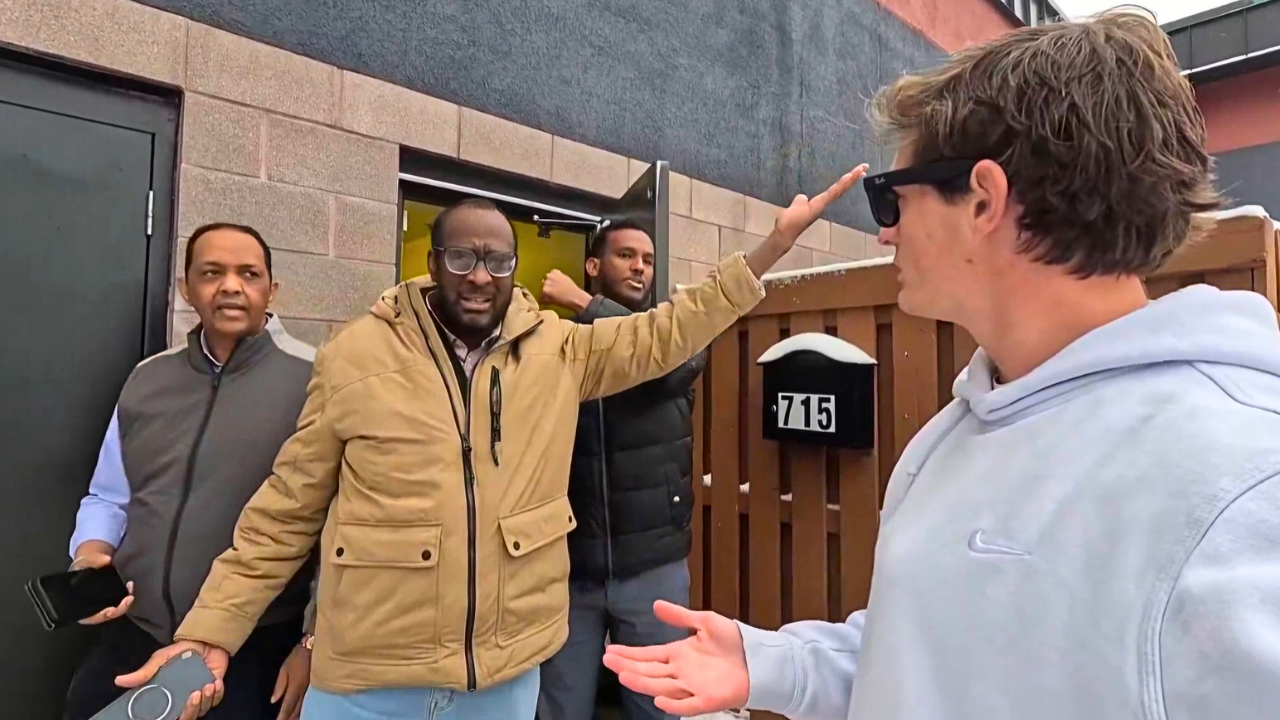
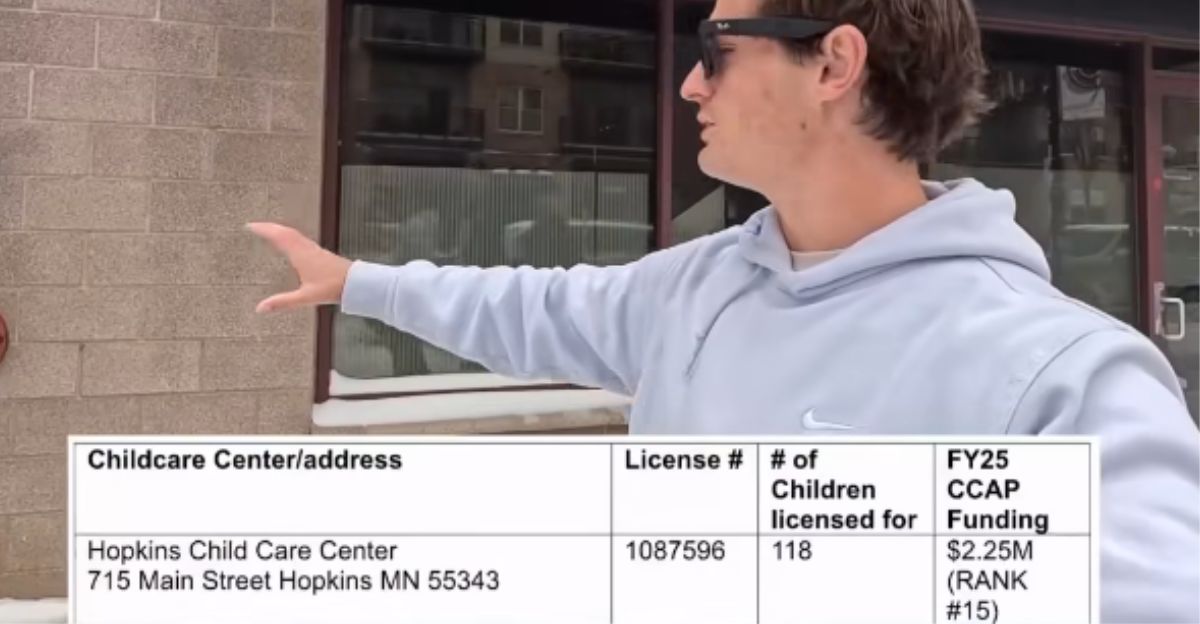
At this moment, a House Judiciary subcommittee is investigating how $2.25 million in taxpayer grants could vanish into a Minneapolis daycare claiming 118 children—yet showing zero evidence of any kids.
The hearing, titled “When Public Funds Are Abused,” directly targets Hopkins Childcare Center, where investigator Nick Shirley found blacked-out windows, empty parking lots, and undisturbed snow with no children’s footprints. The scandal has already ended Governor Tim Walz’s political career.
The Simple Question That Exposed Everything
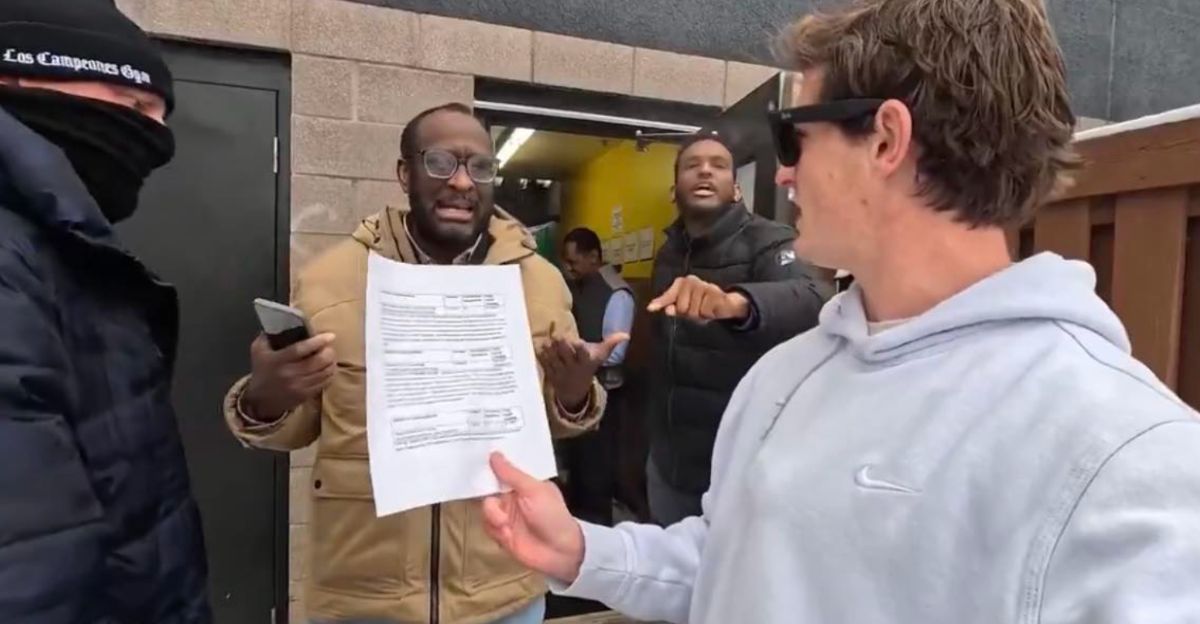
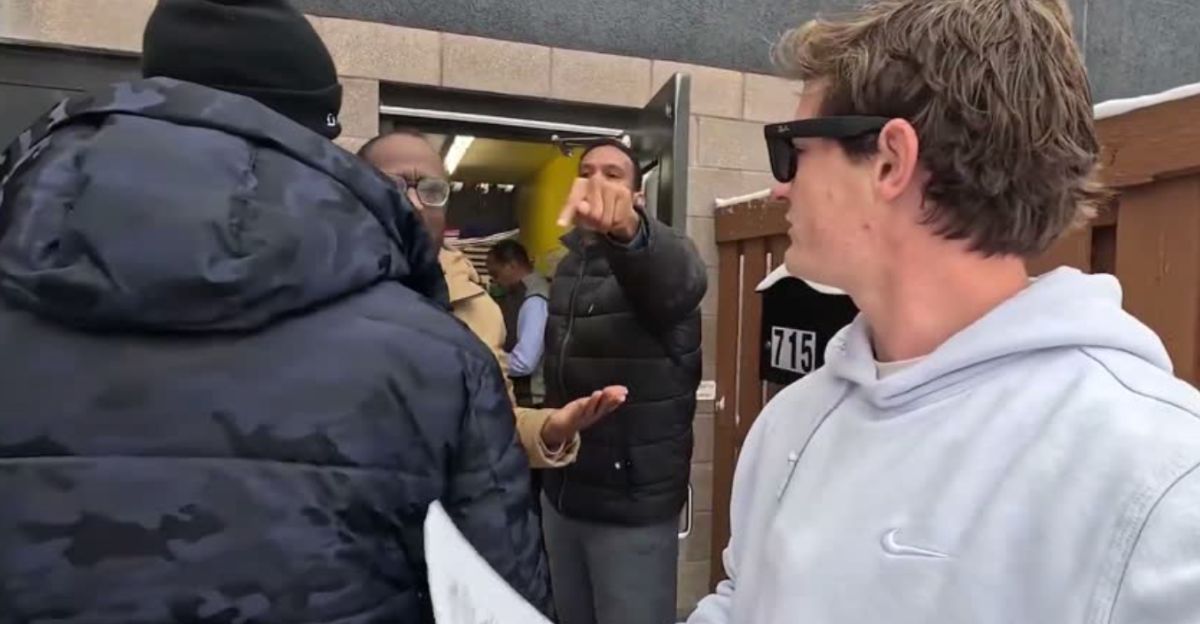
Three weeks ago, YouTuber Nick Shirley knocked on the back door of Hopkins Childcare Center and asked what seemed obvious: where are the 118 children taxpayers are funding? Several men emerged. One told him to leave.
When Shirley mentioned the $2.25 million in public funding, the man replied: “I don’t give a s**t.” Then they locked the door. That 30-second interaction—captured on video—has short-circuited a governor’s career and triggered a $9 billion federal investigation.
What $2.25 Million Actually Looks Like

That’s $6,164 flowing into this facility every single day. The median Minnesota household earns $81,000 annually. This single daycare—real or phantom—consumes roughly eight years of median family earnings in taxpayer assistance. Yet no state investigator had ever verified whether those 118 children actually existed.
The system paid based solely on enrollment paperwork. The math is staggering: $19,068 per claimed child, far above typical subsidy rates of $10,000–15,000.
The Physical Evidence That Doesn’t Lie

When Shirley arrived on a winter morning, he documented what government auditors missed: blacked-out windows, no sounds from inside, and an empty parking lot. Snow covered the ground—capturing every footprint. Not one small shoe mark. Not even a child’s handprint on a window.
Just undisturbed white snow surrounding a building supposedly serving 118 children. The visual evidence was undeniable: either the world’s quietest daycare or a phantom operation.
From Viral Video To Federal Freeze
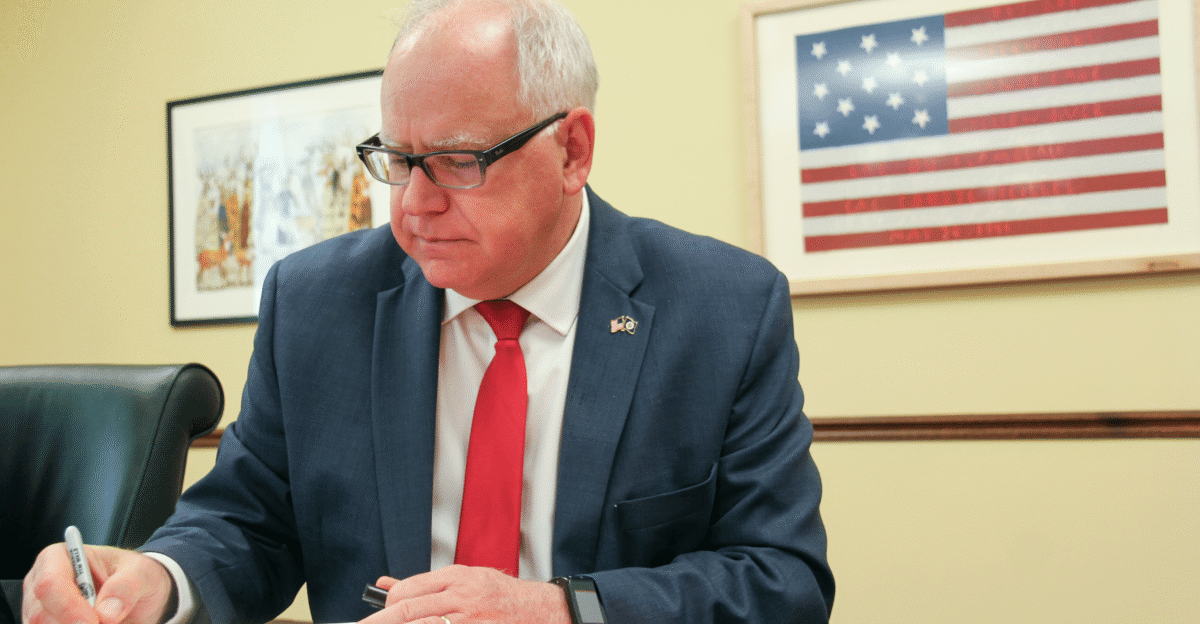
Within 48 hours of Shirley’s footage spreading, federal authorities announced investigations into nine childcare centers. Within one week, Governor Tim Walz withdrew from his reelection bid. Within two weeks, HHS froze all $185 million in Minnesota childcare payments affecting 19,000 children.
The speed revealed something alarming: officials knew the system was broken but only acted when public pressure became unbearable. The enrollment-based payment loophole had made fraud inevitable.
The Loophole That Became A Superhighway

Until January 2026, federal rules allowed states to pay providers based on enrollment numbers—children listed on paper—rather than verified attendance. Providers received payment before kids walked through the door. This created a financial incentive to inflate numbers with zero penalty. Approximately $19.3 billion flowed nationwide under this rule with minimal verification.
The system wasn’t designed to catch fraud; it was designed to move money quickly, making phantom children profitable.
Four Investigators, $185 Million, Zero Chance
Minnesota assigned just four full-time investigators to monitor fraud across the entire Child Care Assistance Program. Four people handling a $185 million annual budget serving 19,000 children across thousands of providers.
Over five years, they recovered only $2.4 million and referred an average of five cases per year for prosecution. A 2012 federal audit had warned that 19% of childcare funding—$16 million—was misallocated due to failure to verify attendance. Thirteen years later, nothing changed.
The State’s Conflicting Response
State investigators claim they visited nine facilities from Shirley’s video and found children at eight of them. But Hopkins remains under scrutiny. This tension—between concerning optics at Hopkins and contrary findings elsewhere—raises a critical question: is this about isolated fraud or systemic verification failure?
What we know for certain: $2.25 million flows to Hopkins annually, it claims 118 children, and no mechanism has ever verified that those children existed.
The Human Cost Behind The Numbers

Before the federal freeze, 19,000 Minnesota children depended on childcare assistance. Their parents are teachers, nurses, warehouse workers—people who need subsidized care to work. Now those families are caught in limbo while governments fight over who failed to catch what. The scandal isn’t just about phantom children or misallocated funds.
It’s about collateral damage to families who played by the rules, punished for a system they didn’t create.
When Immigration And Fraud Enforcement Collide
On January 13, the Trump administration announced it would end Temporary Protected Status for Somali nationals, effective March 17. This affects 2,471 individuals currently protected and 1,383 with pending applications. The timing—weeks after the daycare fraud investigation became national news—is significant.
Some individuals facing fraud charges, along with community members unconnected to wrongdoing, now face potential deportation while investigations unfold.
Organized Networks, Not Isolated Actors
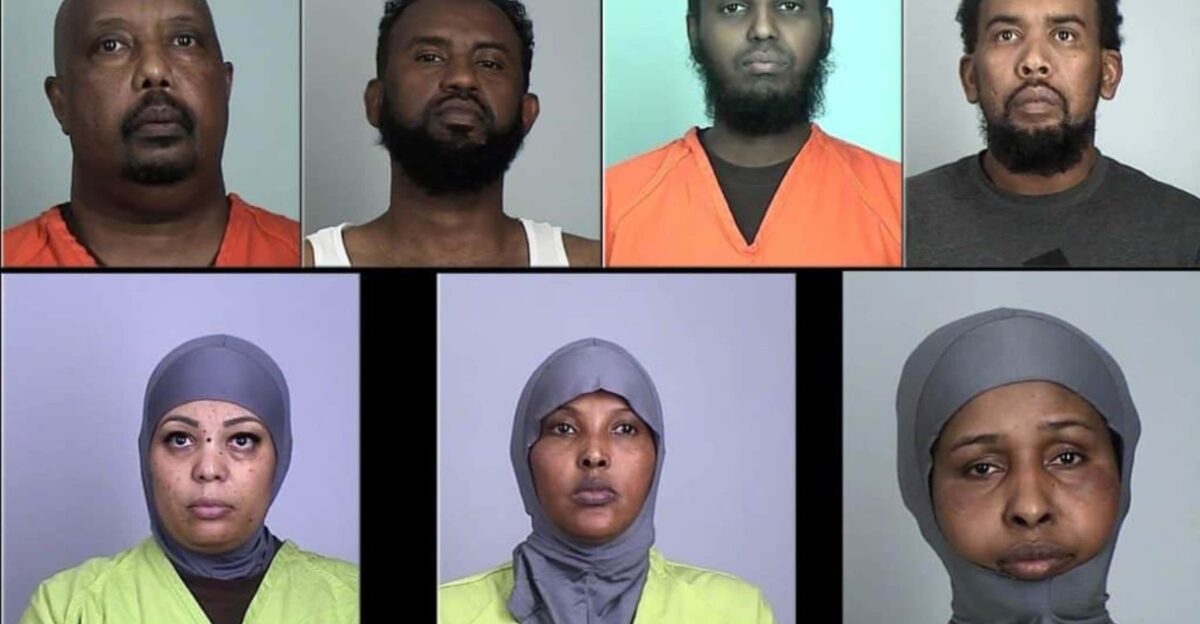
Of 92 individuals charged in Minnesota fraud schemes, 82-85 are Somali Americans. This reveals coordinated networks, not scattered incidents. Many defendants worked across multiple programs—meal subsidies, childcare, autism therapy services—suggesting interconnected schemes.
One organization, Feeding Our Future, sits at the center of both the $240 million meal fraud scandal and multiple childcare centers under investigation. The scale suggests industrial-level fraud.
The Governor’s Reckoning
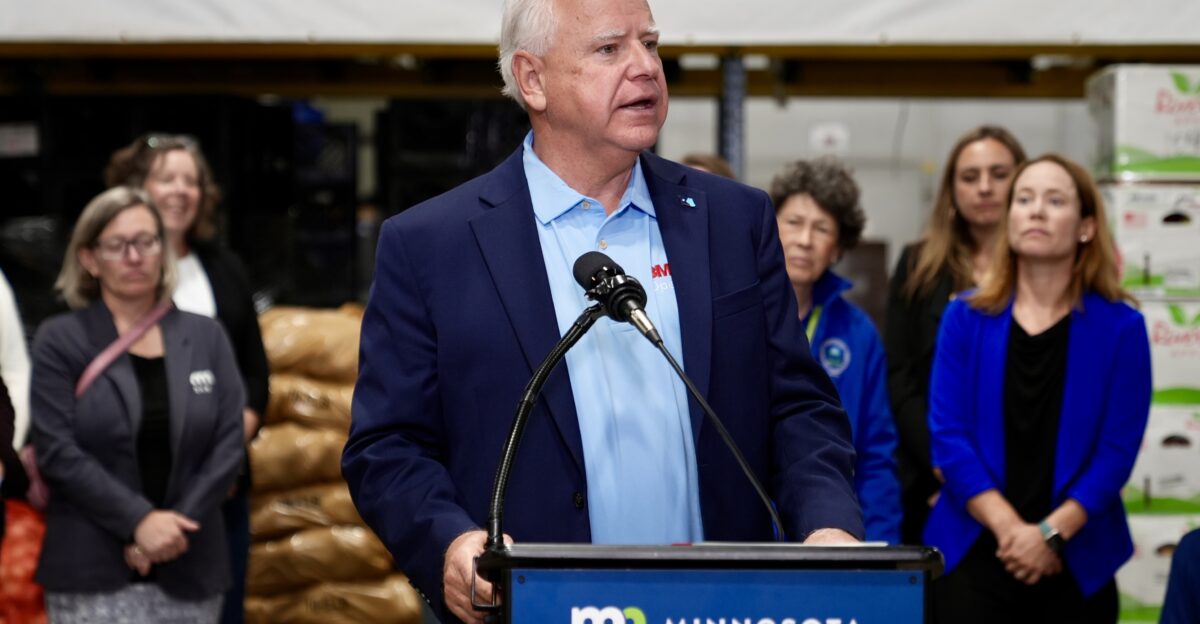
Tim Walz built his reputation on his expertise in social services and fraud prevention. Yet when Shirley’s video went viral, Walz had already publicly acknowledged in a December 12 op-ed that Minnesota had been exploited by organized fraudsters.
He said the right things, but the video showed something his policies failed to prevent. Within a week of the video, Walz withdrew from the governor’s race, citing the crisis. The daycare scandal short-circuited a political career.
From Local Mystery To National Crisis
What began as a simple question—where are the kids?—has exploded into the largest multi-committee congressional fraud investigation in recent memory. Four separate congressional committees are now investigating: Judiciary (hearing today), Oversight (hearing January 6), Energy & Commerce (investigation launched January 18), and Government Operations (hearing January 12).
The Hopkins video didn’t just expose one facility; it opened a Pandora’s box.
The Document Fabrication Scandal

This month, a bombshell audit revealed Minnesota’s Department of Human Services backdated documents and awarded $680,000 without proof that any work was performed. The state employee who approved the payment resigned days later to work for that same grantee.
House Oversight Chairman Comer called it “fabricating evidence.” This suggests the cover-up may be as systemic as the fraud itself, with officials potentially creating paperwork after the fact to mislead auditors.
Campaign Finance Corruption Allegations
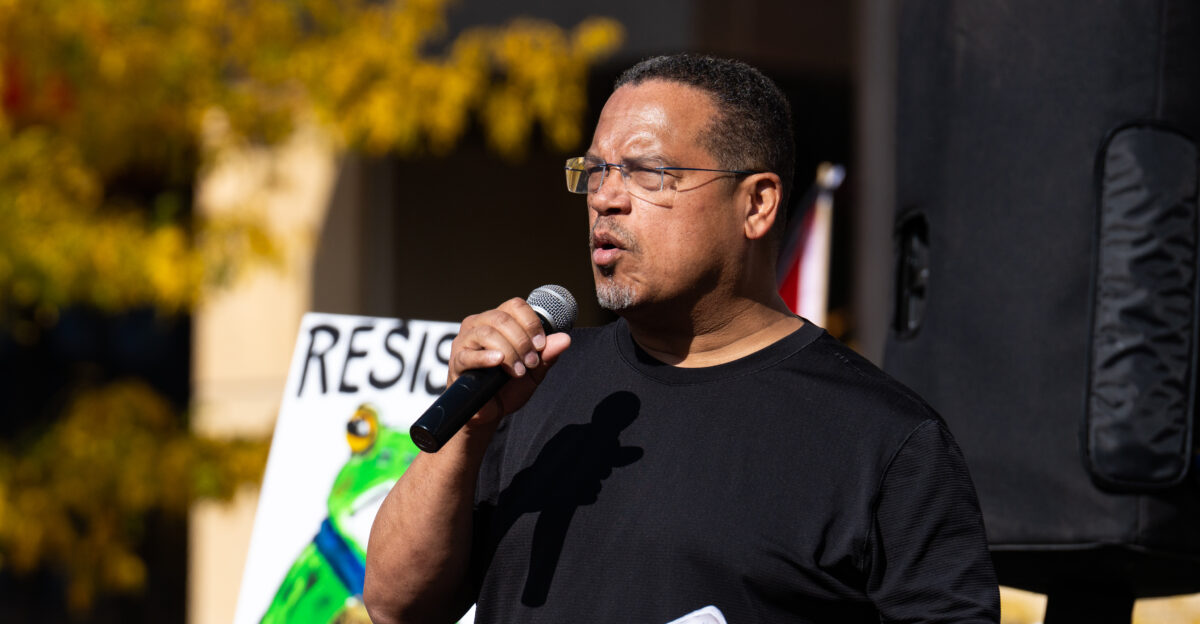
State lawmakers testified that Attorney General Keith Ellison met with Feeding Our Future affiliates, with audio recordings showing he focused on “keeping money flowing.” Weeks later, Feeding Our Future donated to Ellison’s campaign.
Republicans allege Walz fired an official scheduled to testify at fraud hearings. These allegations, if proven, suggest political corruption enabled the fraud to continue and raise questions about whether campaign cash influenced enforcement decisions.
Whistleblower Retaliation
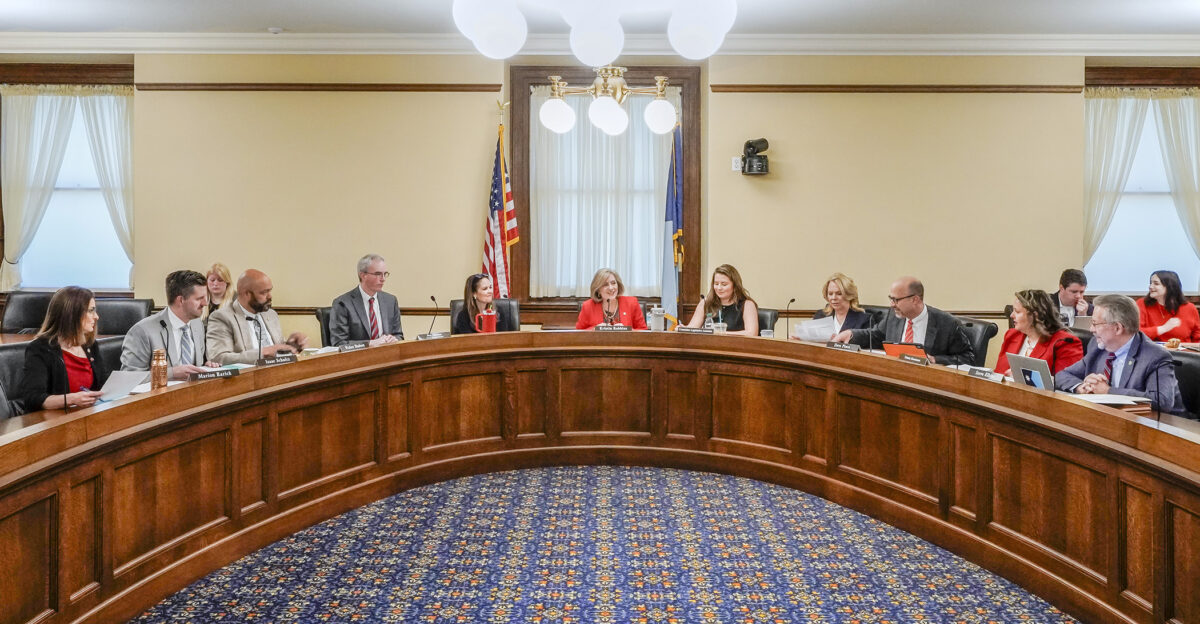
Whistleblowers—many of whom are current Walz administration employees—allegedly came forward to expose fraud and were ignored or retaliated against. State lawmakers testified that Walz fired an official who was scheduled to testify at fraud hearings.
This isn’t just about phantom daycares; it’s about a government that allegedly silenced its own employees trying to protect taxpayer dollars, creating a culture where fraud could flourish unchecked.
The International Money Trail

State lawmakers testified that fraud proceeds were used to buy luxury real estate in Turkey and apartment complexes in Kenya. Allegations emerged that funds were diverted to “terrorist networks overseas.”
This transforms the story from local welfare fraud into potential international money laundering and terrorism financing—federal crimes that could trigger much more serious charges and international investigations into where Minnesota’s welfare dollars actually went.
The $18 Billion Question Beyond Daycare

While America focused on phantom daycares, investigators discovered fraud had infected 14 separate Medicaid programs worth $18 billion since 2018. Federal prosecutors believe more than half may be fraudulent—over $9 billion. These programs include adult companion services, mental health/rehab, night supervision, and recuperative care.
The daycare scandal may be the tip of an iceberg that dwarfs initial estimates and suggests systemic corruption across Minnesota’s entire social services infrastructure.
The Subpoena Countdown

Congress has given Walz and Ellison until February 10, 2026, to testify voluntarily. Chairman Comer is threatening subpoenas if they refuse. This sets up a constitutional showdown: Will a sitting governor take the Fifth Amendment? Will he refuse to appear and force Congress to compel his testimony?
The stakes extend far beyond Minnesota—this could define the limits of congressional oversight and determine whether elected officials face consequences for failing to prevent massive fraud.
The Question That Still Haunts

$2.25 million in taxpayer grants. 118 children claimed on paper. Zero footprints in the snow. Zero visible children. Zero accountability—until one journalist showed up and asked the obvious question.
The real scandal isn’t just what happened at Hopkins Childcare Center. It’s that this could happen at all. That a system could exist where phantom children generate real money, and nobody asks where they are—until someone does.
Sources:
House Judiciary Committee, “When Public Funds Are Abused: Addressing Fraud and the Theft of Taxpayer Dollars” Hearing, January 21, 2026
Minnesota Department of Children, Youth and Families Investigation Report, January 2026
U.S. House Committee on Oversight and Accountability Hearing Transcript, January 6, 2026
Legislative Auditor Report on Minnesota DHS Grant Programs, January 5, 2026
U.S. Department of Health and Human Services Child Care Payment Freeze Announcement, December 29, 2025
Federal Jury Verdict in Feeding Our Future Case, U.S. District Court Minnesota, March 18, 2025