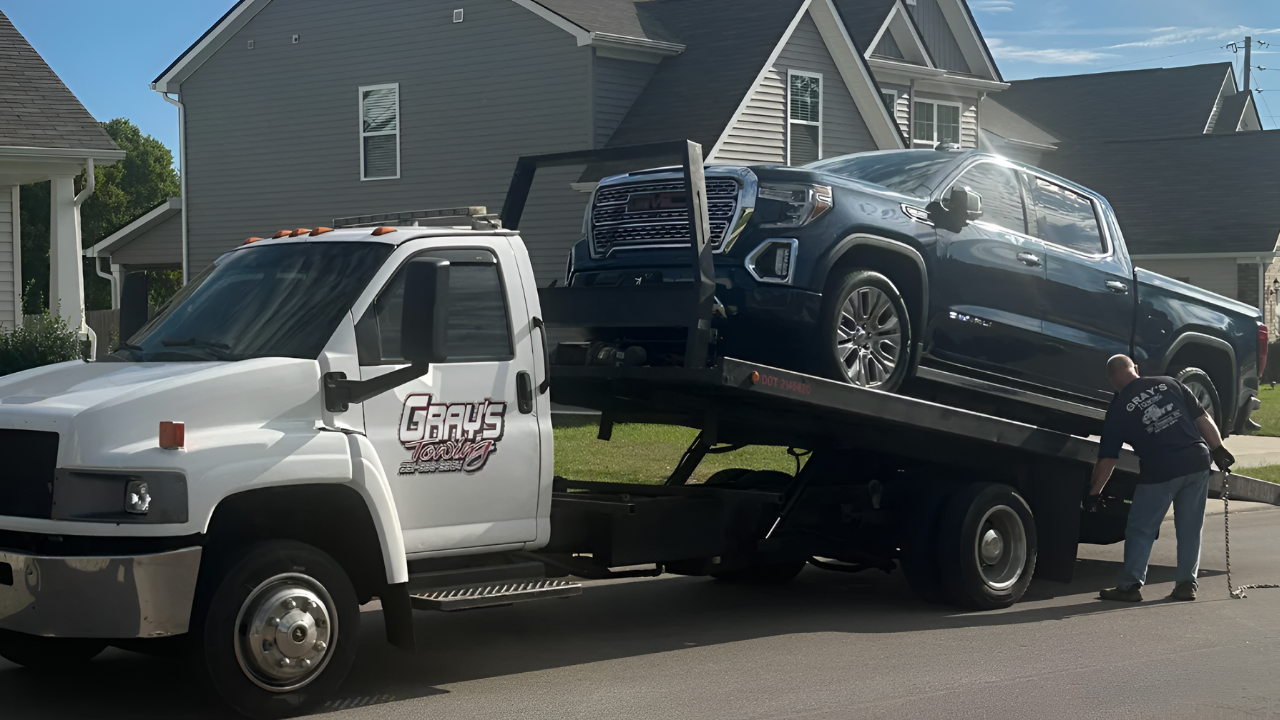
General Motors faces a deepening crisis as nearly 600,000 vehicles equipped with its 6.2-liter L87 V8 engine remain under investigation by federal safety regulators, even after the automaker attempted to fix the critical defect last year. What began as a massive recall in April 2025 has now transformed into a compounding nightmare, as owners report engines still failing despite completing GM’s remedy. The scale becomes clearer fast.
High-Dollar Trucks Suddenly Feel Risky
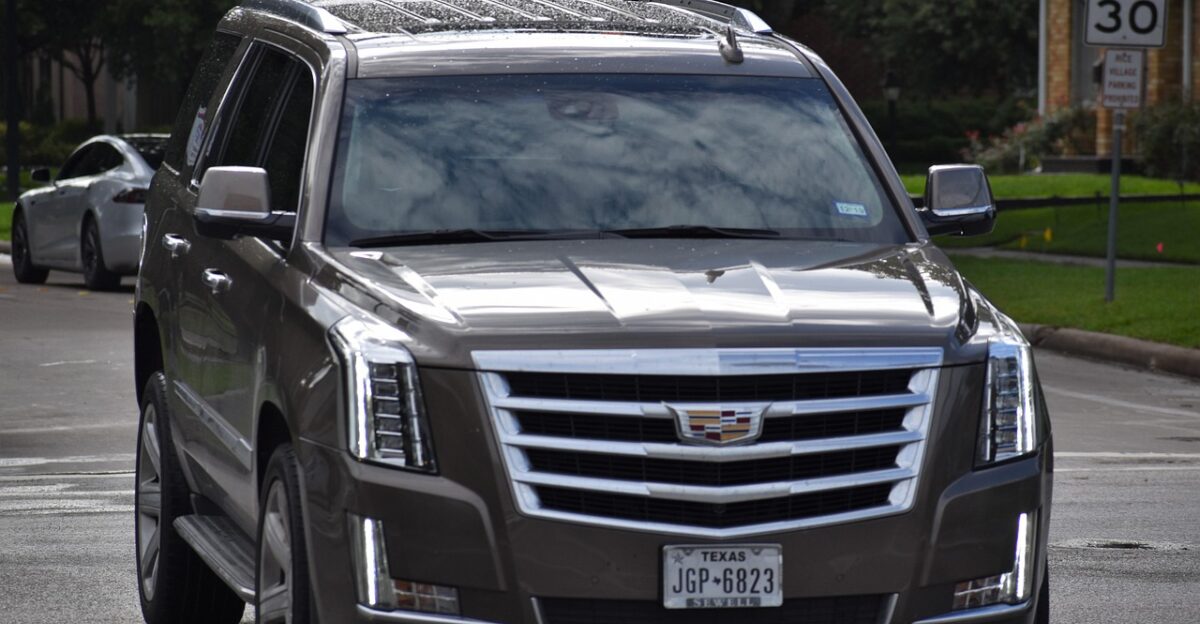
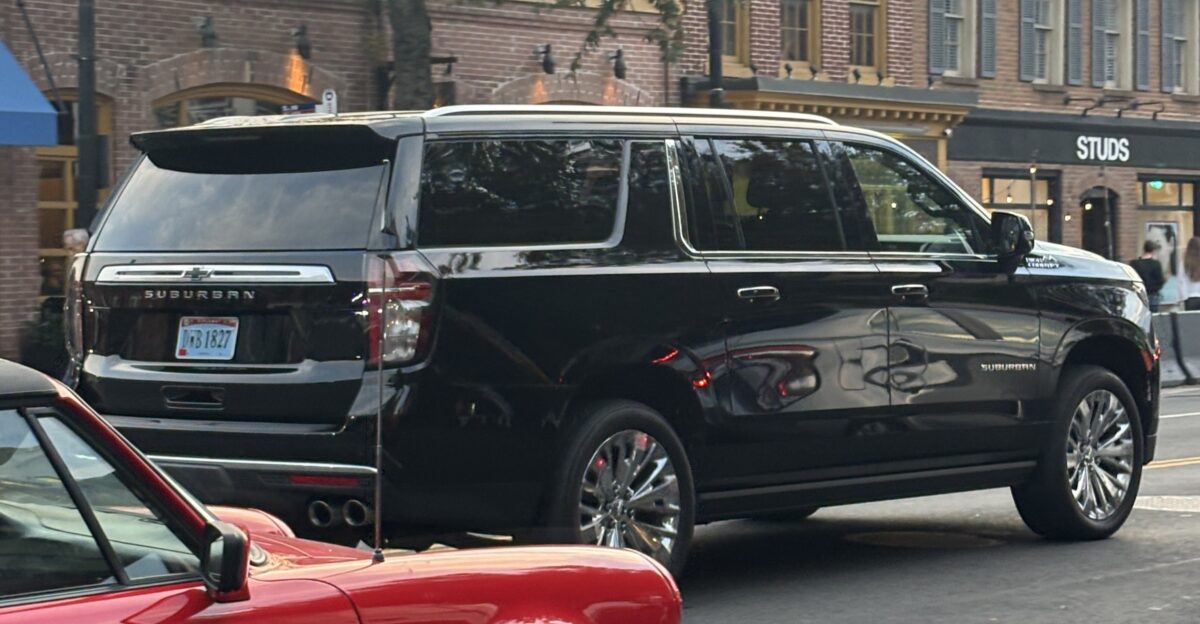
General Motors issued a massive recall in April 2025 affecting 597,630 vehicles in the United States equipped with the defective 6.2-liter L87 V8 engine. Affected models span 2021–2024 across Escalade, Silverado, Suburban, Tahoe, Sierra, and Yukon variants, with 721,000 vehicles globally. Many cost $90,000 to $120,000. Owners now question whether they are safe.
The Trouble Started Earlier Than Buyers Knew
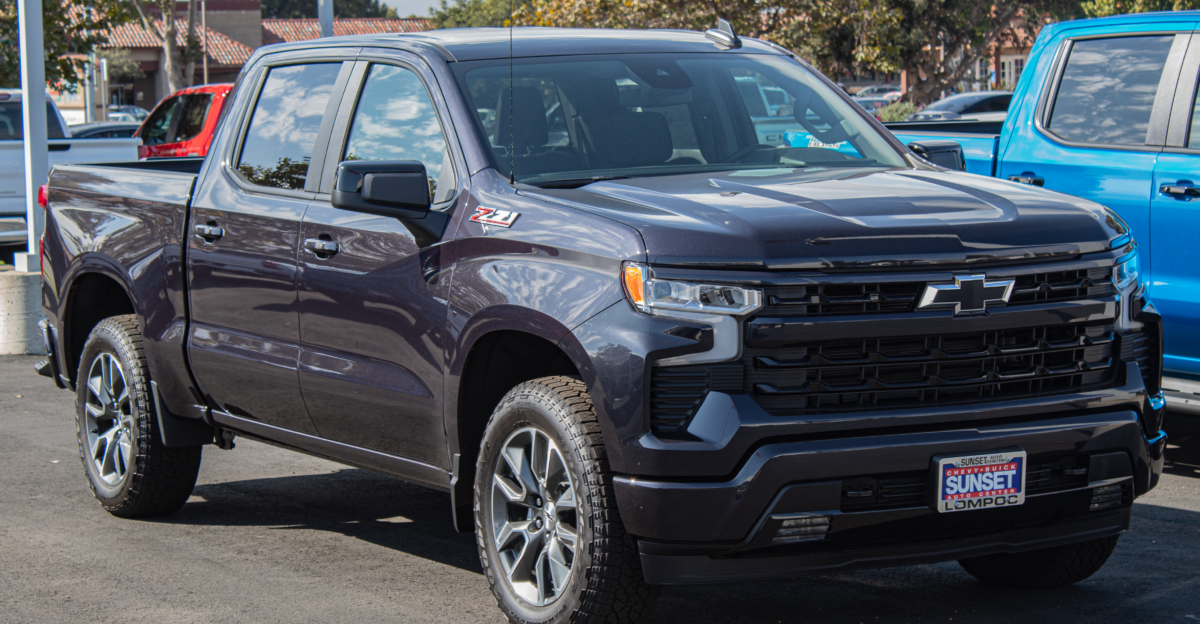
A supplier first flagged a potential manufacturing issue in December 2022, followed by GM beginning internal investigations in February 2023, as returned engines showed consistent failures. Engines built March 1, 2021, through May 31, 202,4 were implicated. GM closed 3 investigations in February 2022, June 2023, and July 2024 without recalling. Why wait so long?
A Canadian Plant Became The Key Clue
The root cause was traced to manufacturing defects at GM’s St. Catharines Propulsion Plant in Ontario. Two issues emerged: rod-bearing damage from sediment contamination in connecting rods and crankshaft oil galleries, and crankshafts out of specification with inadequate surface finishes. GM said problems were corrected on or before June 1, 2024, yet similar failures are reported later.
The Complaint Count Was Already Staggering
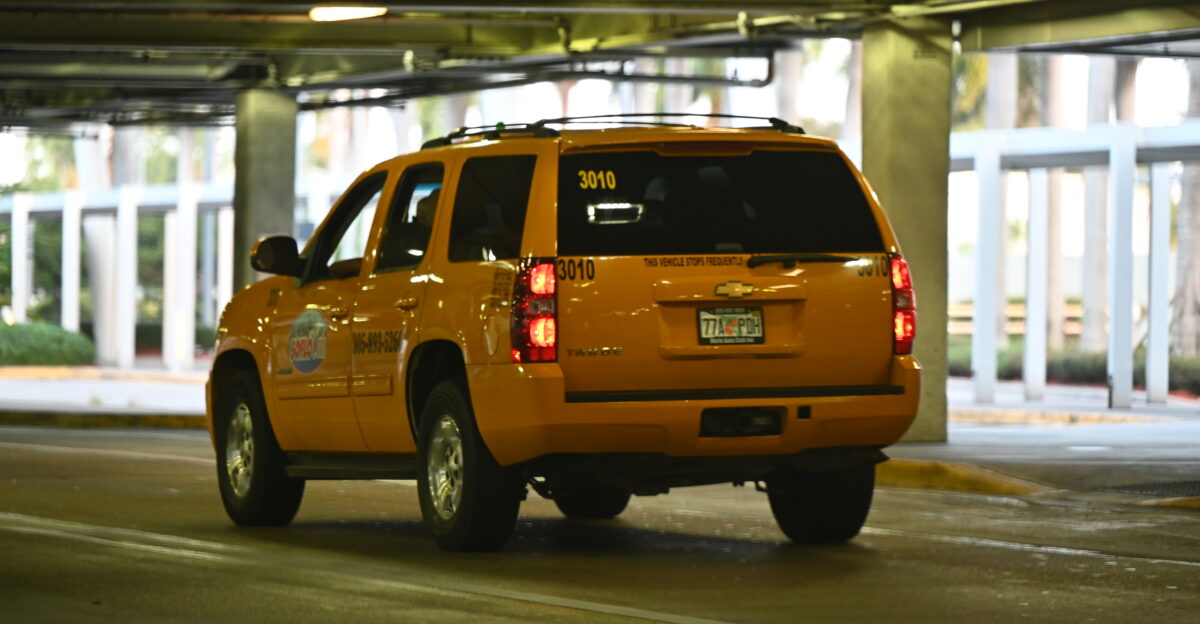
Before the April 2025 recall, GM identified 28,102 potentially related U.S. field complaints involving L87 failures. Of those, 14,332 alleged loss of propulsion while driving. GM also documented 12 crashes, 12 injuries, and 42 fires potentially related. One customer reported failure at 4 miles, essentially new. That detail changed how many viewed it.
“Higher Viscosity Oil” Became The Band-Aid
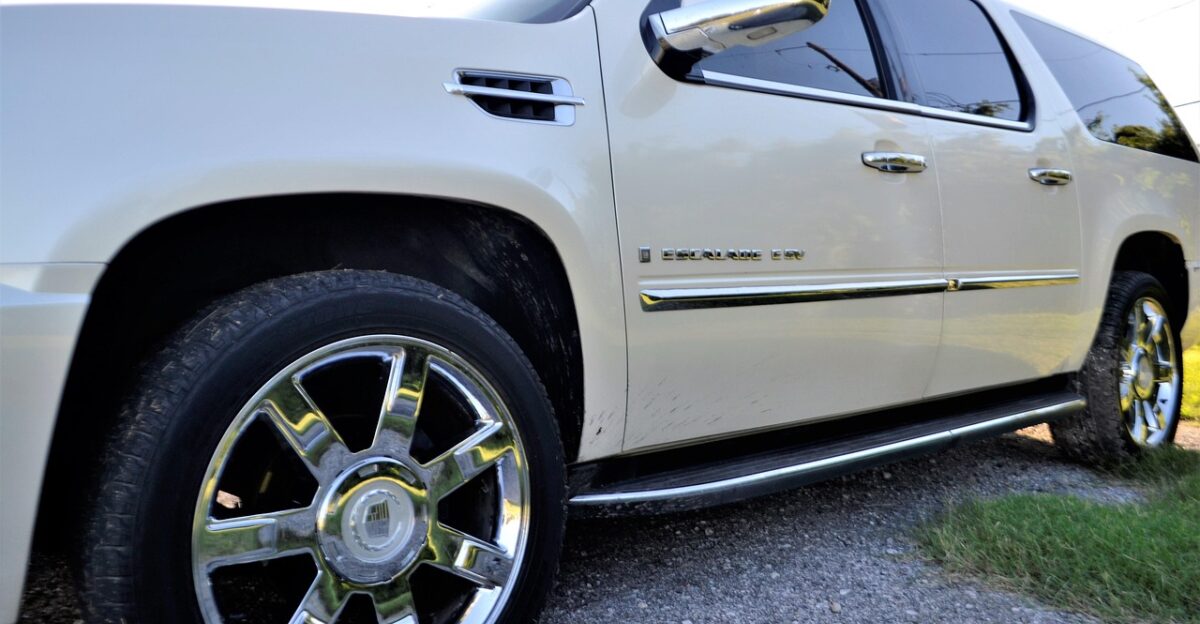
GM prescribed 2 remedies: engines that passed inspection got 0W-40 Mobil 1 Supercar oil, a new oil cap, filter replacement, and manual update; engines showing defects were replaced. Thicker oil can increase costs, reduce fuel economy, and does not fix defective rods or crankshafts. One owner said, “A change in oil viscosity will not fix this, only prolong its inevitable failure.” Was that right?
Repairs Were Done, Then Engines Failed Anyway
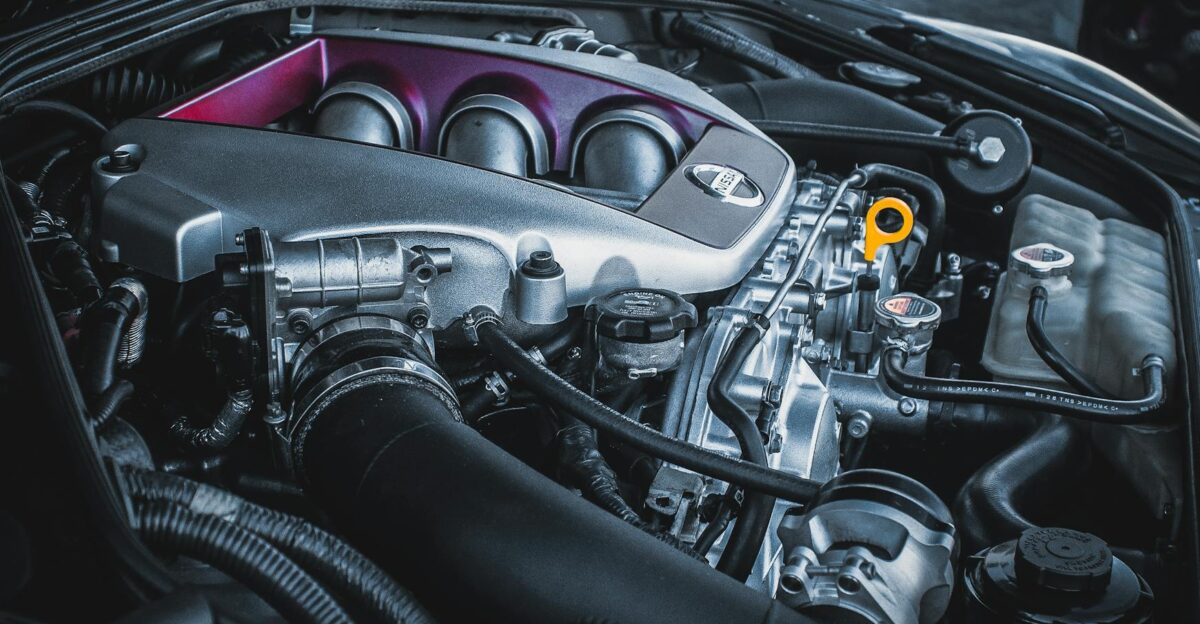
By January 2026, NHTSA received 36 new complaints alleging engines failed even after the recall remedy was completed. Investigators noted “the engine had the recall remedy completed prior to the reported failure incident,” meaning owners followed instructions and still suffered catastrophic failure. Some said replacement engines failed with the same symptoms. That made the remedy itself the next target.
Regulators Opened A Fresh Federal Query
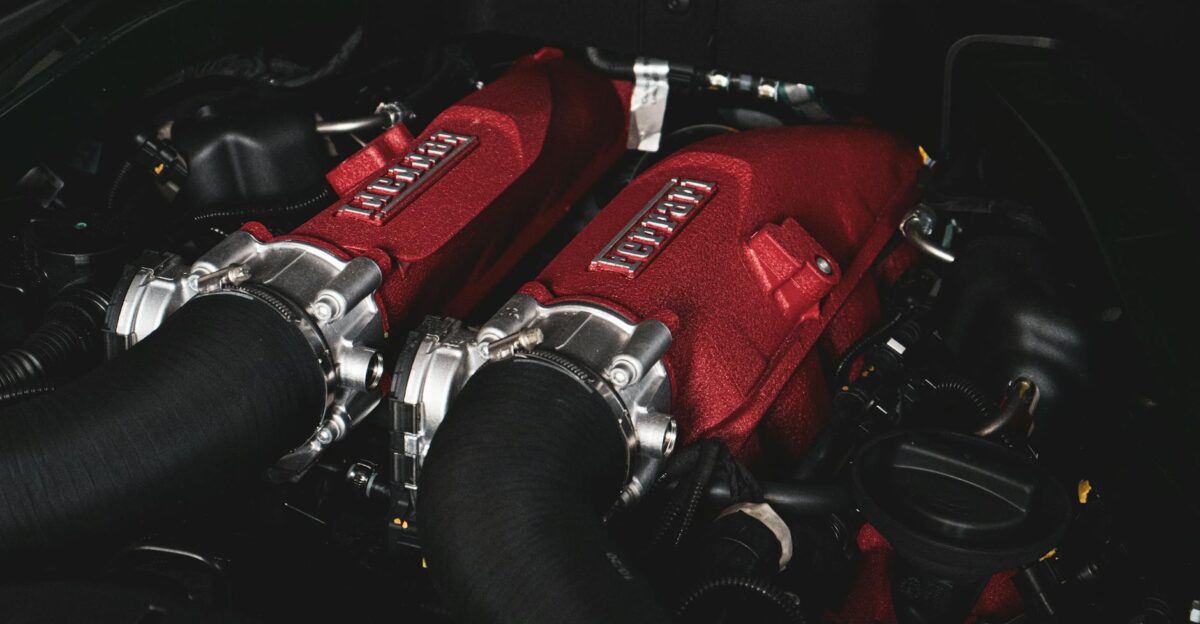
NHTSA opened a new recall query on January 16, 2026, RQ26001, to investigate the 36 post-remedy failures and evaluate “the adequacy of the remedy” for the April 2025 recall. Officials are reviewing whether replacement components were defective, whether inspections missed issues, or whether GM misunderstood the root cause. Could the original fix have been built on incomplete assumptions?
Engines Went On Backorder Across The Country
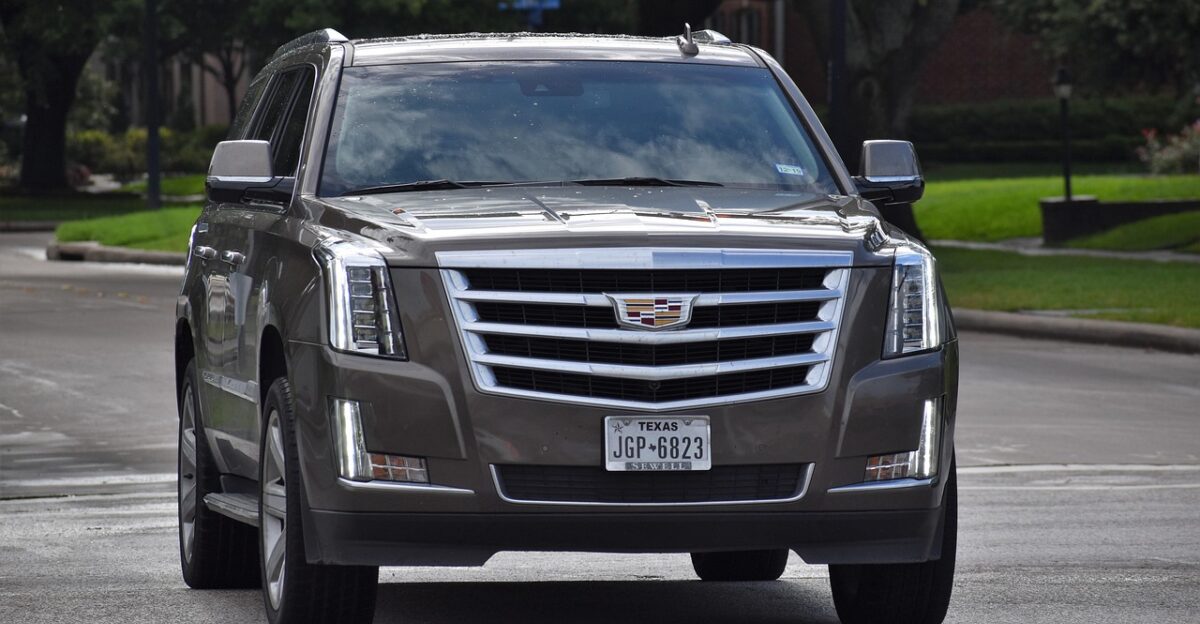
As replacement demand surged, GM hit a supply crunch. The Tonawanda Engine Plant ran overtime, yet dealers reported 60 to 90 day waits for appointments and months for engines. One 2023 Escalade owner was told no estimated delivery date. Businesses replaced vehicles entirely to avoid downtime. The shortage turned a recall into prolonged limbo for many.
Lawsuits Claim Owners Paid Twice For Defects
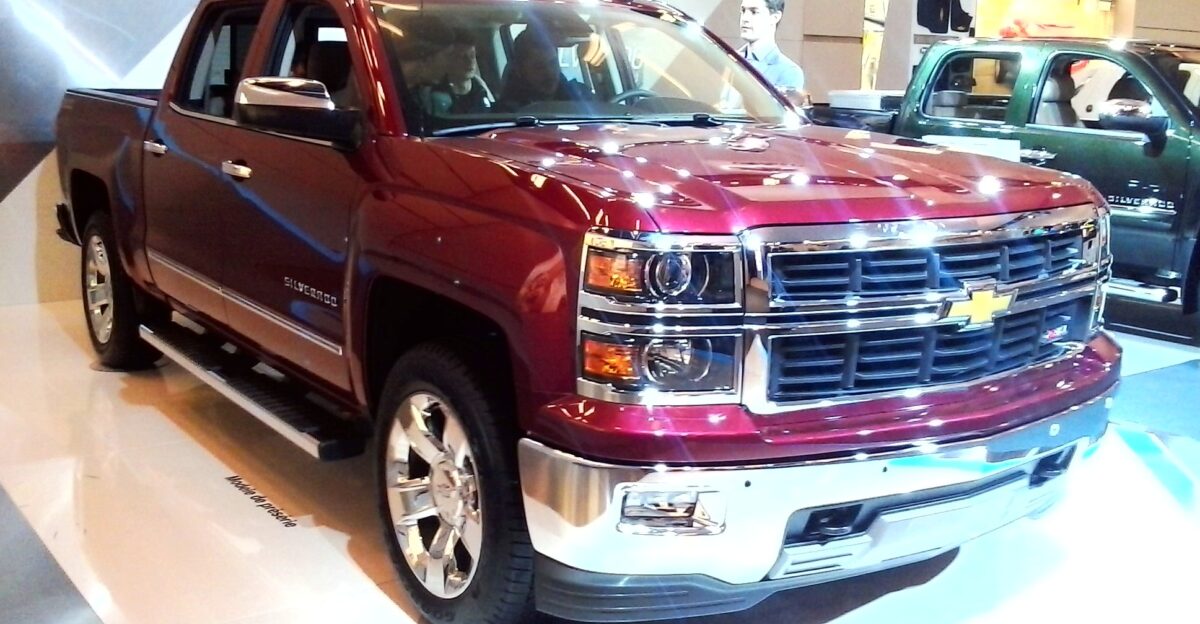
Multiple class actions allege defects and an inadequate remedy caused financial harm. Hagens Berman filed an amended complaint June 24, 2025, and on November 13, 2025, it was appointed interim class counsel with 3 firms, the “Miller Slate.” Plaintiffs cite loss of use, reduced value, and repair costs. Some report $17,000 trade-in hits and higher oil-change costs. The market reacted next.
Recall Stigma Hammered Trade-In Prices
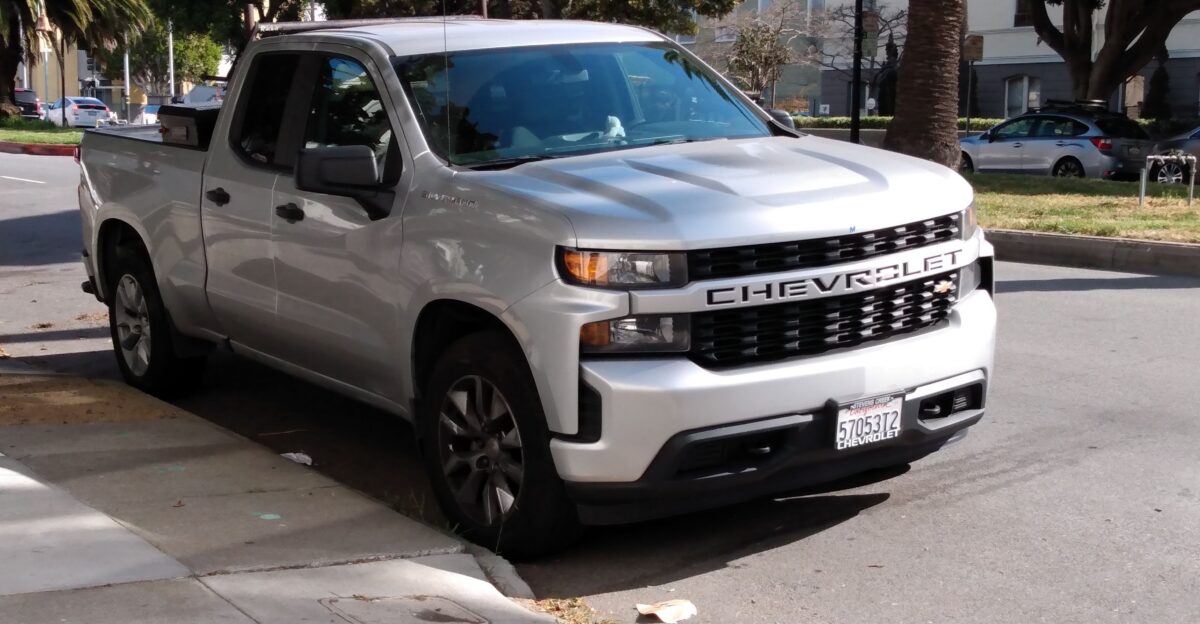
Owners report $10,000 to $25,000 losses when selling or trading recalled vehicles. Even after inspection or replacement, dealers value them below comparable models. One owner traded a 2021 Silverado with 5,251 miles and lost $17,000. Escalades priced $120,000+ face 20% to 30% penalties. For financed buyers, negative equity becomes a trap. But which models were left out?
Missing Model Years Created New Suspicion
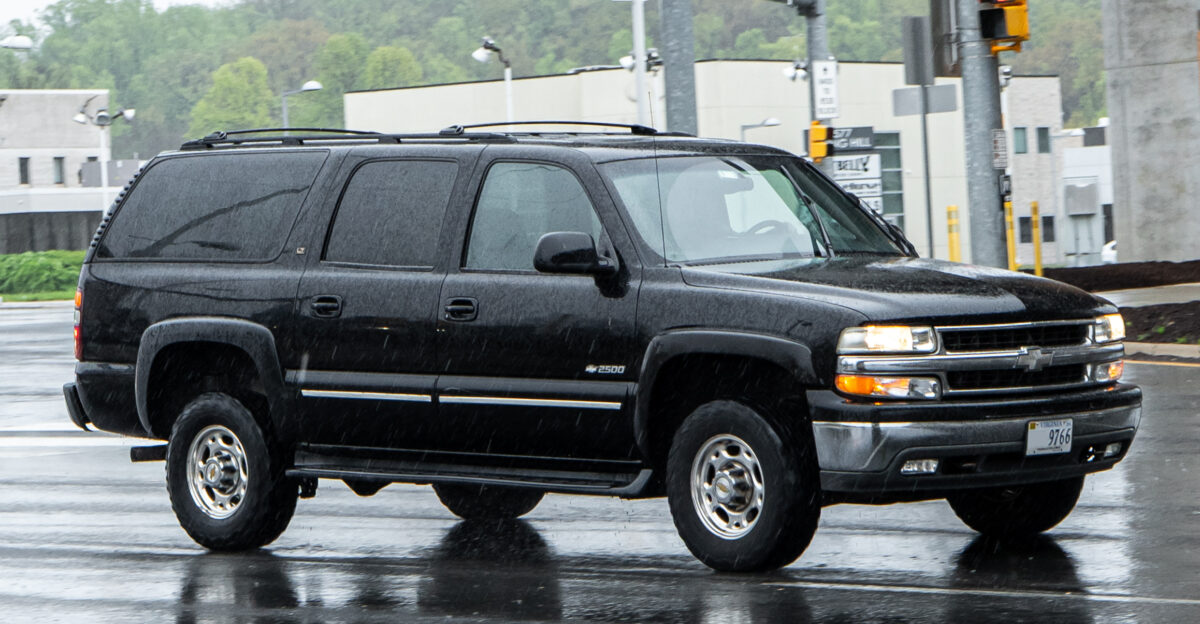
The April 2025 recall covered 2021–2024 models, excluding 2019, 2020, and 2025 L87 vehicles. GM said improvements implemented on or before June 1, 2024 addressed contamination and quality issues. Some 2019 owners report similar failures but lack eligibility. Meanwhile, complaints and videos document failures in 2026 vehicles allegedly built after the correction date. If fixes were real, why repeat failures?
GM’s Official Line Sounded Too Familiar
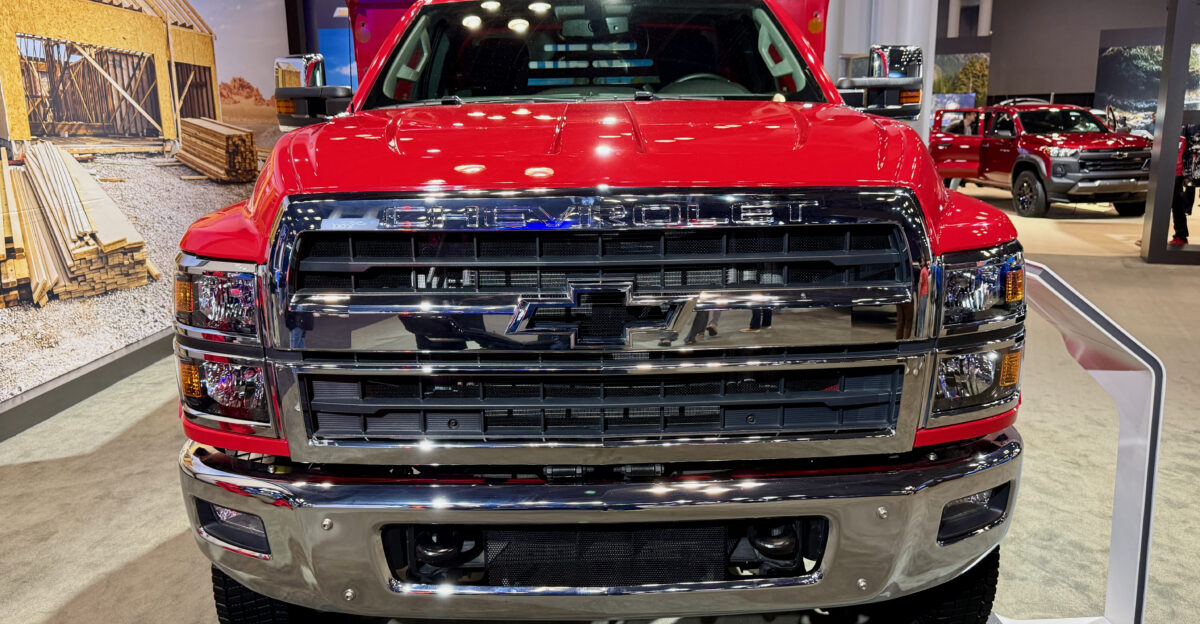
GM said “the safety and satisfaction of our customers are the highest priorities for the entire GM team, and we continue to cooperate with NHTSA’s evaluation of this matter.” It offered a special coverage program of 10 years or 150,000 miles, but it does not solve downtime, backorders, or lost resale value. No buyback plan emerged. The warranty promise hints at a larger bet.
Collision Shops Got Pulled Into The Chaos
Collision facilities now verify recall status at intake to document risk and liability. If warning signs appear, customers may be sent back to dealers before body repairs proceed. With engines on backorder 60 to 90 days or longer, shops cannot release vehicles waiting on dealer work. Combined collision plus engine costs can push repairs past total-loss thresholds. That ripple effect is still unfolding quietly.
When Connecting Rods Fail, It Gets Violent
Mechanics have documented alarming failure modes. In a teardown of a 2023 Escalade with 4 miles, connecting rod failure was so severe that a piece fell out of the engine block when the harmonic balancer was removed. The suspected culprit was an improperly installed wrist pin. Other cases show rods breaching blocks, triggering oil loss and seizure. Seeing a rod knock at 4 miles suggests assembly defects, not wear. The human impact followed.
Crashes, Injuries, And Fires Put Faces On It

GM identified 12 potentially related crashes, 12 injuries, and 42 fires tied to the failures. Drivers describe a sudden loss of propulsion on highways, leaving them exposed to fast traffic with limited escape. One owner reported being stranded on Interstate 5 in rain beside a guardrail and truck lane. Another described being next to an 18-wheeler when the vehicle went into neutral. Fires add another layer of danger. How did so many engines trace back to one place?
One Plant Fed Multiple Model Years At Once
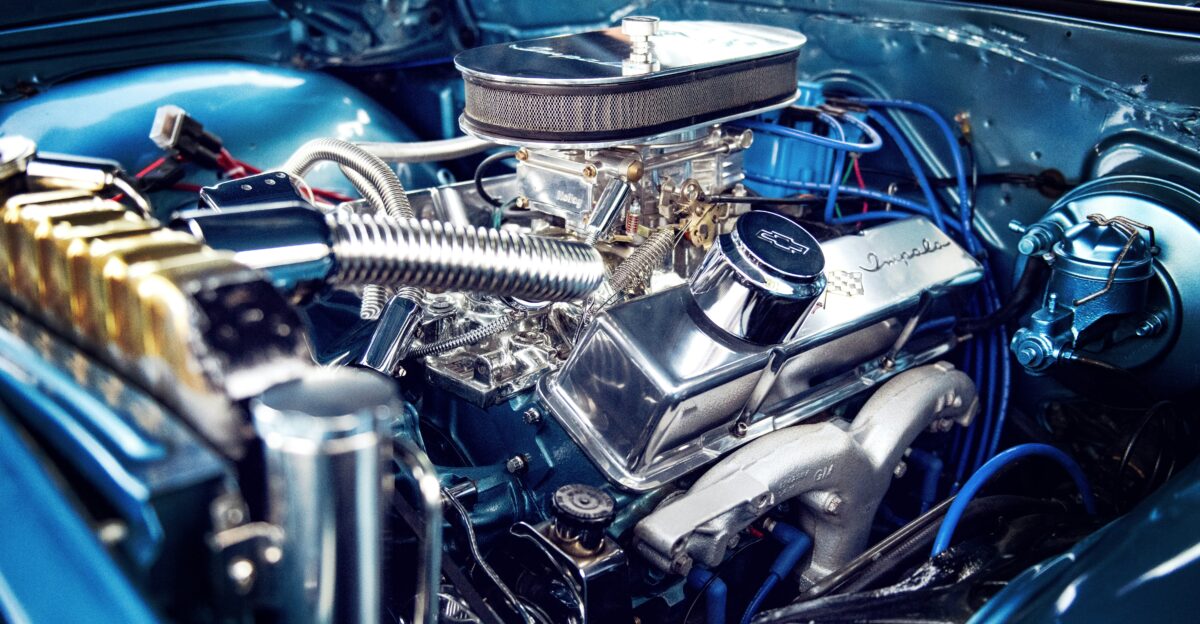
St. Catharines produced L87 engines for 2021–2024 models from March 1, 2021, through May 31, 2024. Defects appeared intermittently over a 39-month period, suggesting systemic quality failures rather than a single bad run. The facility machines, blocks, and critical passages, and sediment contamination in oil galleries point to inadequate cleaning or inspection. Because the same engines powered the Escalade, Silverado, Sierra, Suburban, Tahoe, and Yukon lines, one plant issue spread across all of them. That raised questions about oversight beyond GM.
Why Did Regulators Move So Slowly?
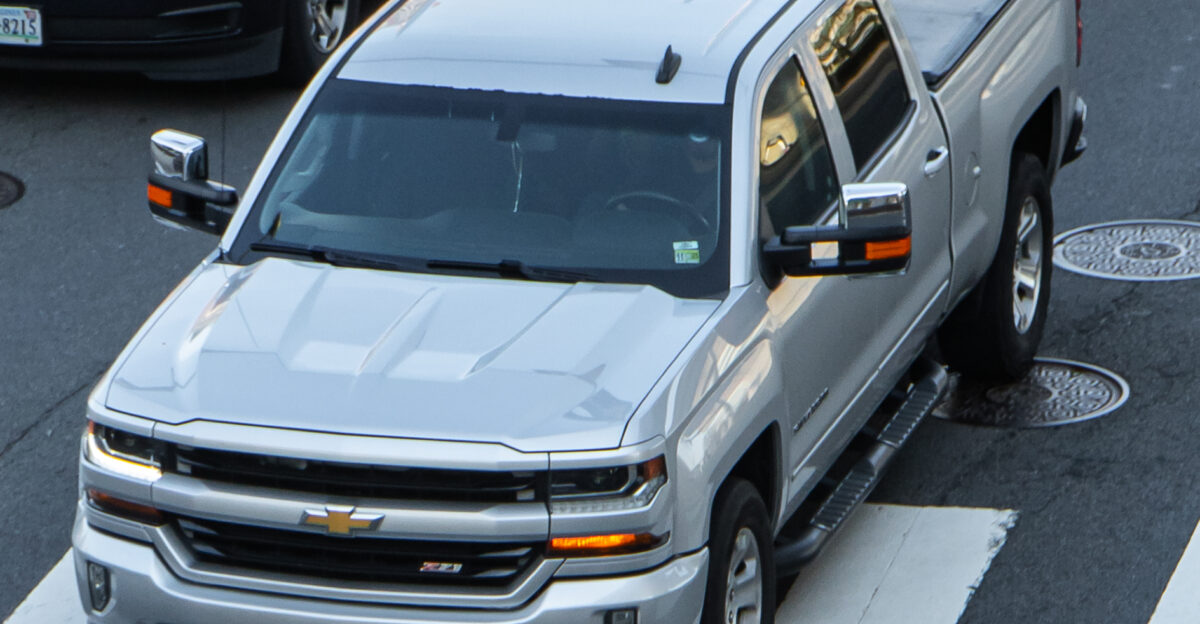
Critics ask why NHTSA did not act faster as complaints grew. A 2015 Department of Transportation report cited weaknesses in ODI, including inadequate data analysis, insufficient statistical training, and lack of standardized procedures for defect trends. Those issues may help explain why NHTSA opened its initial L87 investigation in January 2025 despite earlier complaints. When post-remedy failures emerged, the new probe still waited until January 16, 2026. Was delay built into the system?
Total-Loss Math Could Remove Vehicles From Roads
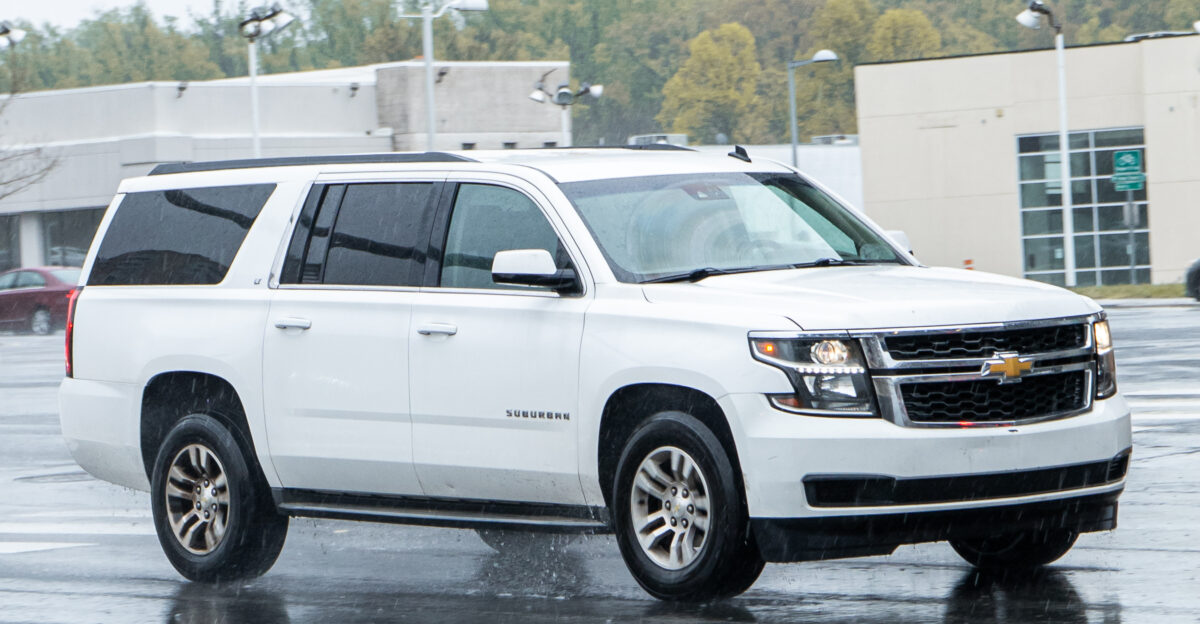
Insurers compare repair costs plus salvage value to actual cash value to decide total loss. When collision damage pairs with engine replacement, totals can exceed 75% or 80% thresholds, and insurance may refuse repairs. An example shows $8,000 collision plus $6,000 engine work, with salvage, against $9,000 value, triggering total loss. For $120,000 Escalades, the combined hit can be brutal. Yet the same process may quietly pull risky vehicles off roads. The investigation’s next step could be bigger.
A Wider Recall Now Looks Possible
NHTSA’s RQ26001 will determine whether the original remedy was adequate and could lead to expanded or revised recalls. If replacement components or inspections are flawed, regulators could require broader action, tighter parts requirements, stop-sale orders, or even buybacks. Investigators may also consider whether 2019, 2020, and 2025 models should have been included, potentially pushing the scope beyond 597,630 U.S. vehicles. Every month adds more failures, complaints, and legal exposure. GM’s 2026 is being defined by what comes next.
A Crisis Still Defining GM’s Year
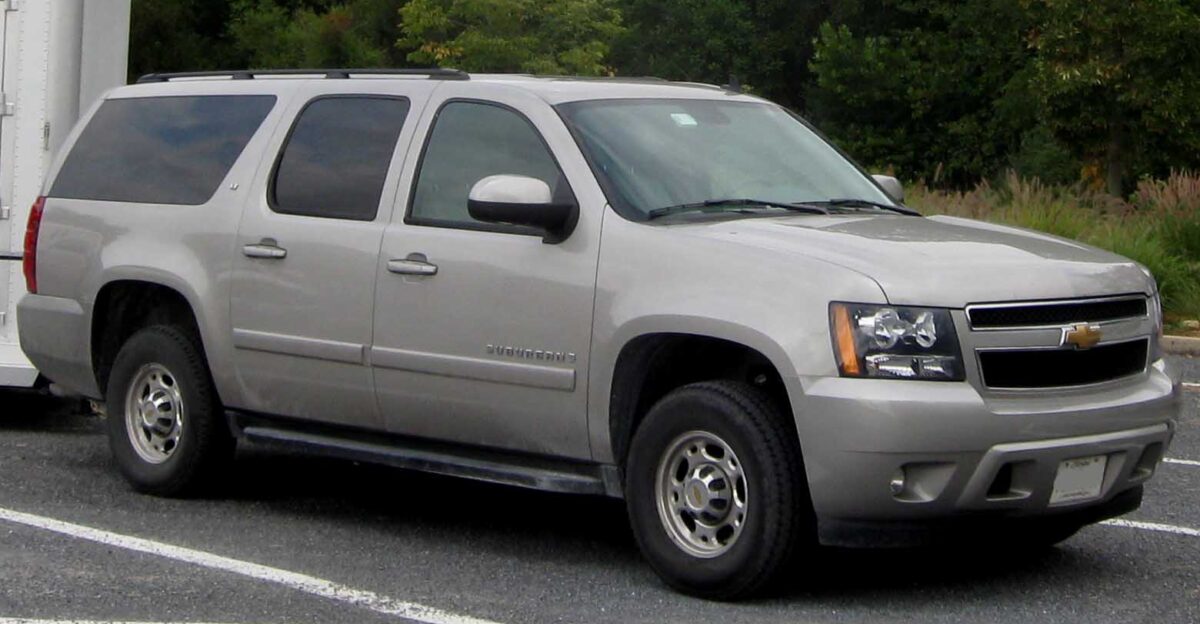
Six months into 2026, GM faces 597,630 recalled vehicles, 36 post-repair failures under federal review, months-long engine backorders, and class actions alleging major losses. Owners report $10,000 to $25,000 resale hits, while the initial fix of inspection, thicker oil, and selective replacement looks increasingly shaky. Analysts warn total costs, including settlements, fines, and lost sales, could approach $10 billion. What started as a defect now risks becoming a defining scandal. The final verdict may hinge on what regulators uncover.
Sources
Safety Recall N252494001 L87 Engine Loss of Propulsion. National Highway Traffic Safety Administration, April 24, 2025
NHTSA Investigating Post-Recall GM 6.2L L87 Engine Failures. GM Authority, January 16, 2026
Federal Government Opens New Investigation Into GM’s 6.2-Liter V-8. Road & Track, January 16, 2026