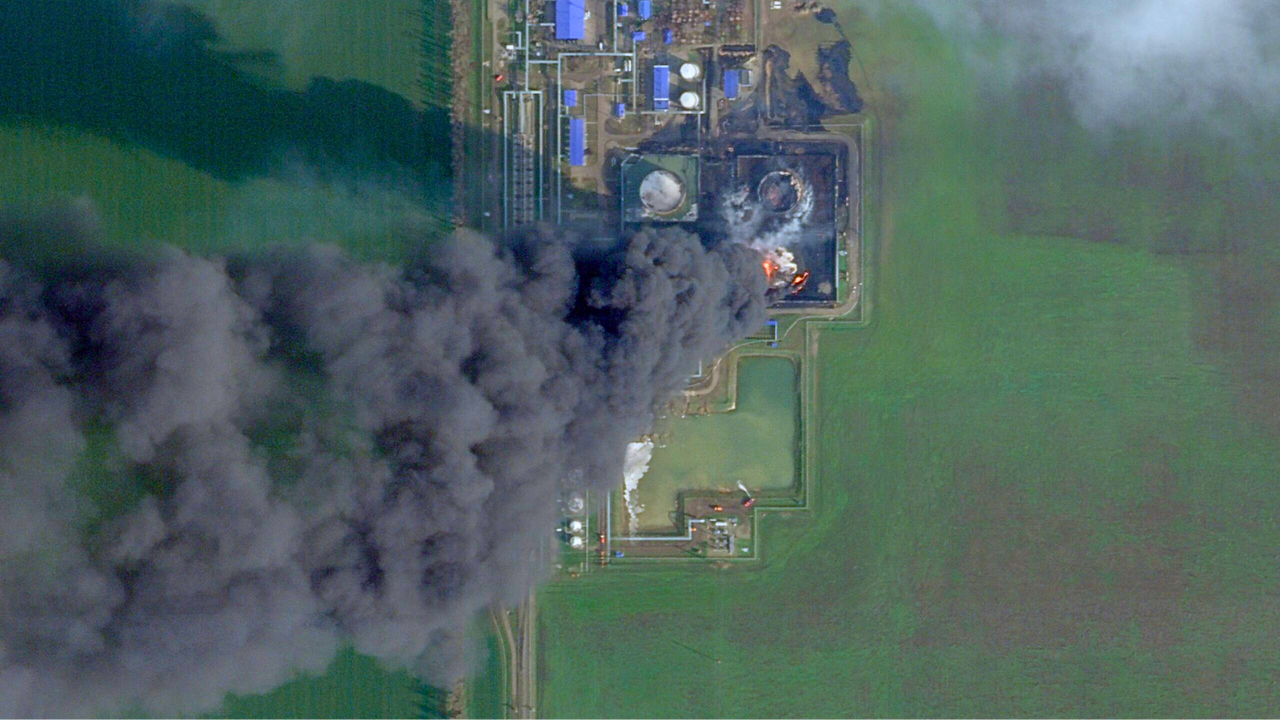
In the darkness of January 14-15, 2026, Ukrainian drones pierced deep into southern Russia, slamming into the Nevinnomyssk Azot chemical plant in Stavropol Krai. Massive fires erupted, jeopardizing a key link in Moscow’s artillery production chain and exposing vulnerabilities in its rear defenses.
Why Target Chemical Plants?
Ukraine’s military approach has shifted toward Russia’s industrial backbone, zeroing in on facilities like Nevinnomyssk Azot that produce acetic and nitric acids. These chemicals form the core of explosives used in artillery shells and missiles. By striking these sites, Ukraine disrupts ammunition flows without engaging frontline forces, eroding Russia’s war sustainment over time.
Immediate Impact on Artillery Production
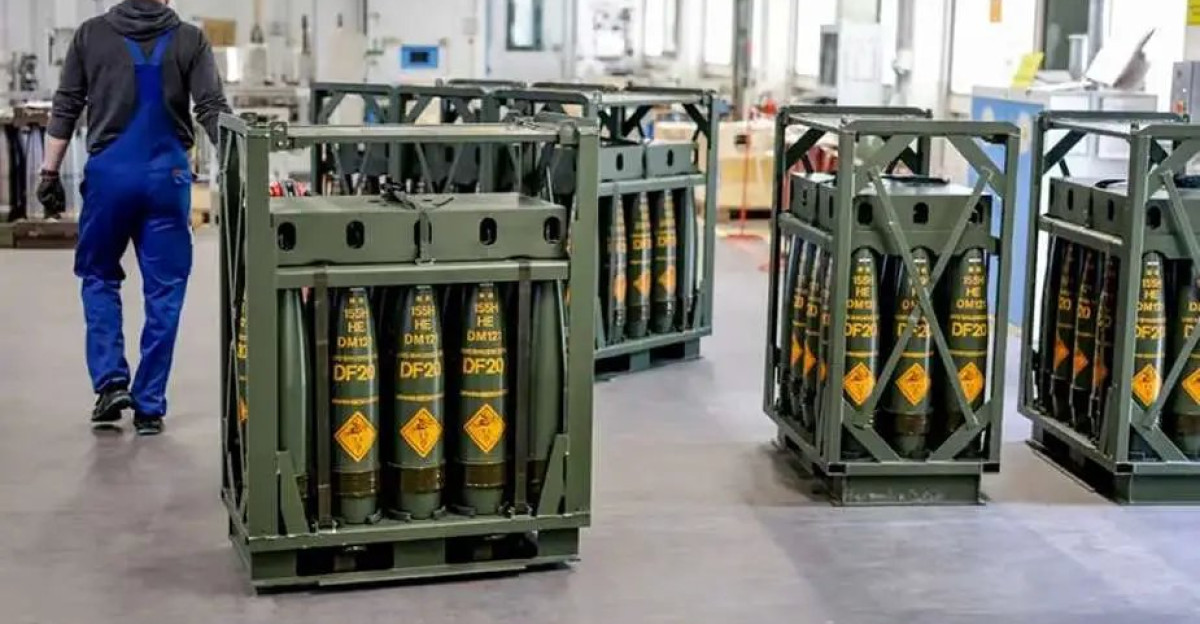
Visual evidence captured widespread fires ravaging the plant, confirming damage to infrastructure vital for explosive manufacturing. This halt ripples directly to the battlefield, where shell deliveries could slow or stop. The facility’s role in the supply chain makes the strike a precise cut at Russia’s firepower advantage.
Disruptions for Defense Contractors

Russian arms makers, reliant on Nevinnomyssk Azot’s output, now confront production bottlenecks. Sourcing replacements means higher costs and inefficiencies, potentially creating ammunition shortages. Battlefield readiness suffers as contractors scramble, with delays compounding under existing pressures from sanctions and logistics strains.
Challenges in Finding Alternatives

Military logisticians seek domestic backups or imports from partners like Iran and Belarus, but options fall short. Local capacities are limited, while foreign shipments face delays, elevated expenses, and sanction hurdles. These constraints tighten Russia’s overtaxed supply network, amplifying every delay.
Broader Repercussions

The breach underscores gaps in Russia’s air defenses, as drones evaded radar and missiles to reach deep territory. Politically, it invites scrutiny of defense spending and site protections, fueling domestic criticism. Economically, repair costs and pricier inputs strain budgets, possibly forcing trade-offs in other military areas. Civilians brace for fallout too: fertilizer and fuel shortages could drive up prices amid inflation. Environmentally, fires at chemical facilities raise potential pollution concerns, with health impacts for nearby residents dependent on official assessments and the nature of materials involved.
As Ukraine refines this economic warfare—pairing strikes with Western long-range aid—the conflict’s dynamics evolve. Russia must bolster industrial safeguards and diversify supplies to endure. The Nevinnomyssk Azot hit signals how precision attacks on infrastructure could redefine endurance in prolonged wars, with global supply chains and alliances under new strain.
Sources:
“Russian Offensive Campaign Assessment, January 15, 2026.” Institute for the Study of War / Critical Threats Project, 15 Jan 2026.
“Drones Set Fire to Russian Plant That Feeds Explosives Into Missile and Artillery Production.” United24Media, 14 Jan 2026.
“Drone strike hits Russia’s Nevinnomsky Azot chemical plant in Stavropol region.” Caliber.az, 14 Jan 2026.
“The Russian billionaires whose chemical factories fuel Russia’s war machine.” Reuters, 30 Dec 2024.