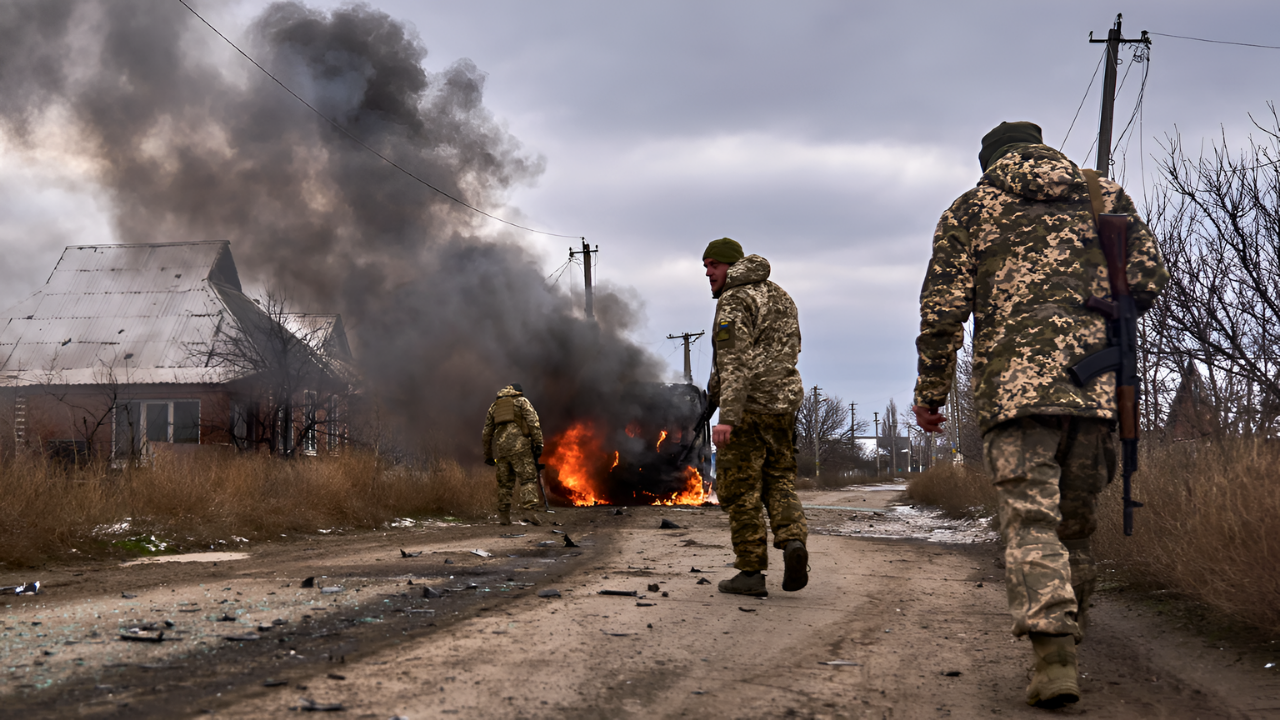
Russian forces unleashed one of the war’s most intense barrages last week, firing over 1,300 kamikaze drones, about 1,050 guided aerial bombs, and 29 missiles at targets nationwide. This sustained assault, the heaviest since the 2022 full-scale invasion, lit up skies over Ukrainian cities with trails of interceptors and explosions, testing defenses and civilian endurance amid winter’s grip.
One Night, Six Regions Hit

A single overnight attack spanned six regions—Sumy, Kharkiv, Dnipro, Zaporizhzhia, Khmelnytskyi, and Odesa—launching more than 200 drones. The strikes killed two people and injured dozens, including children, as debris scattered into residential areas. Air defenses downed many threats, but survivors ignited fires, shattered windows, and tore up streets in cities long marked by conflict.
Power System Under Siege

Since late 2022, Russia has targeted Ukraine’s power grid with winter-timed strikes on transformers and thermal plants. Nearly every major facility has been hit at least once, disrupting electricity rerouting from safer western areas to the east. Recent attacks in October, December, and January destroyed generation units and key transmission lines. Frontline zones have endured days without heat or power in sub-zero conditions, as repair crews battle snow and ongoing fire.
Record Week of Firepower
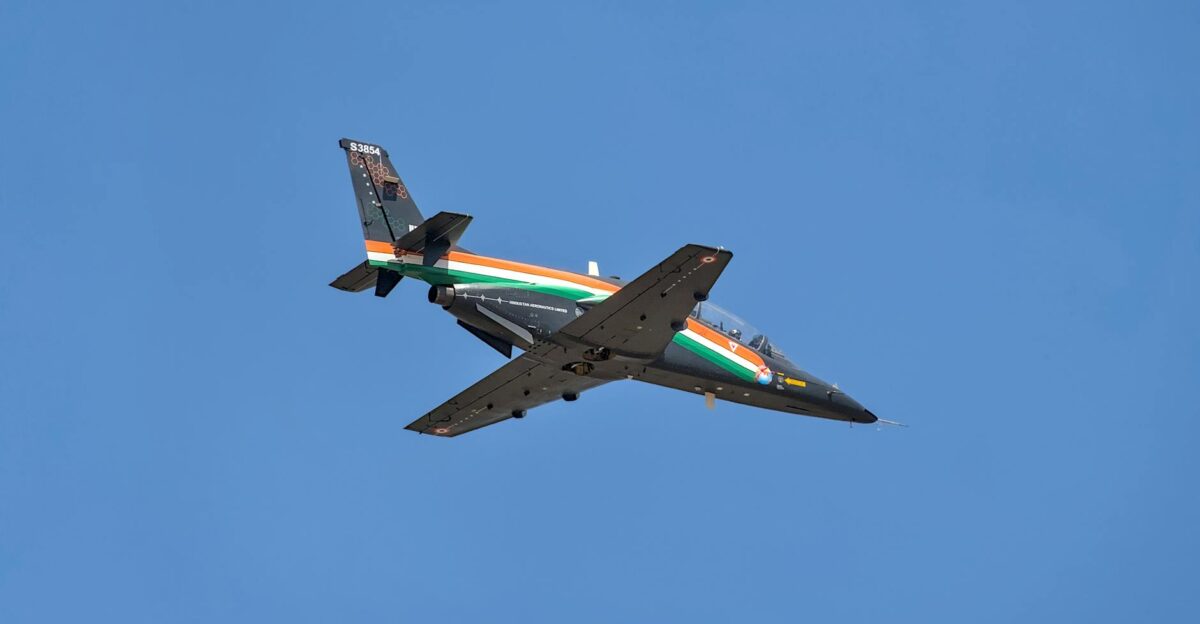
The week’s total—nearly 2,400 munitions—highlighted Russia’s shift to low-cost Shahed drones, designed in Iran, for mass launches. These cheap weapons overwhelm radar and defenses in overlapping waves, a tactic analysts at the Center for Strategic and International Studies call a “new salvo war.” Expensive missiles are saved for high-value sites. The strategy aims to deplete Ukraine’s air defenses, forcing tough choices on protecting cities.
Cities Across the Map in Pain
Northeast regions like Kharkiv and Sumy face repeated hits on power and industry, with drone debris landing in courtyards and playgrounds. Central Dnipro and Zaporizhzhia saw damage to railways and warehouses, hindering logistics. Western Khmelnytskyi, once safer, now absorbs strikes on energy transfer points. Odesa’s Black Sea port endured outages, halting water pumps and plunging areas into darkness. Hundreds of thousands have faced outages exceeding 24 hours, silencing radiators, elevators, and stoves in freezing weather. Hospitals run on generators, straining fuel supplies.
Air Defenses Near the Limit
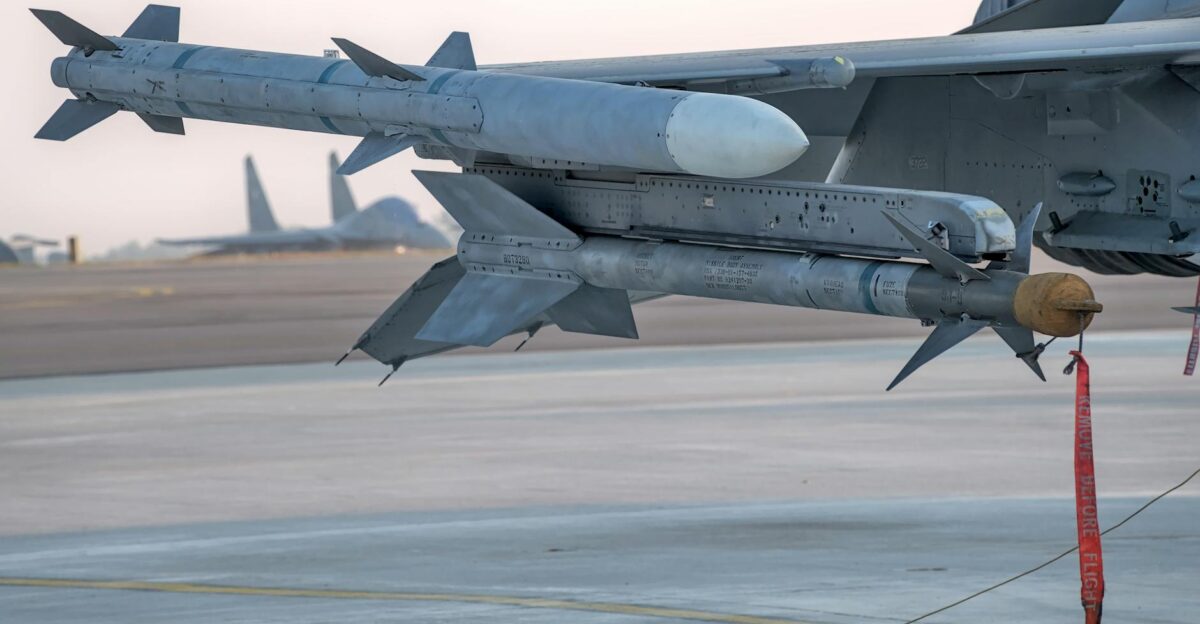
Western-supplied systems like Patriots, IRIS-T, and NASAMS have intercepted many threats, but volume and economics pose challenges. Shahed drones cost tens of thousands of dollars each, far less than interceptors. As launches intensify, stocks dwindle, prioritizing key sites. Ukraine counters with its own drones, striking Russian fuel depots, airfields, and power infrastructure in occupied areas like Zaporizhzhia. One such hit blacked out over 200,000 consumers across 400 settlements in sub-zero cold, showing mutual vulnerability in energy warfare. Human rights groups note risks of blurring military and civilian targets.
The grid now covers only 60 percent of demand, prompting an energy emergency. Former prime minister Denys Shmyhal leads crisis response, imposing rolling blackouts while prioritizing hospitals and transport. Imports from neighbors rise, alongside calls for conservation. Repair teams work under threat, deploying mobile generators and warming centers. Plans include more domestic generation, imports for next season, and decentralized solar for resilience.
President Zelenskyy has urged partners for more air defense missiles, framing strikes as winter weapons against civilians. Diplomatic talks continue, including U.S. discussions on peace frameworks amid shifting Washington politics. Experts warn of prolonged “terror campaigns” without bolstered defenses and strikes on drone production. As winter deepens, Ukraine races to repair and adapt, balancing survival with retaliation, while both sides’ infrastructure hangs in precarious balance.
Sources:
Al Jazeera, “Two killed, dozens wounded in large Russian drone attacks across Ukraine”, 18 Jan 2026
Prismedia/Investing.com syndication, “Ukraine’s grid meets only about 60% of demand after fresh strikes”, 16 Jan 2026
Reuters, “Ukraine able to meet only 60% of electricity need after …”, 16 Jan 2026
Center for Strategic and International Studies (CSIS), “The New Salvo War: Russia’s Evolving Punishment Campaign”, 8 Jul 2025
Republic World, “2 Killed, Dozens Injured Overnight In Russian Drone Strikes Across Ukraine”, 17 Jan 2026