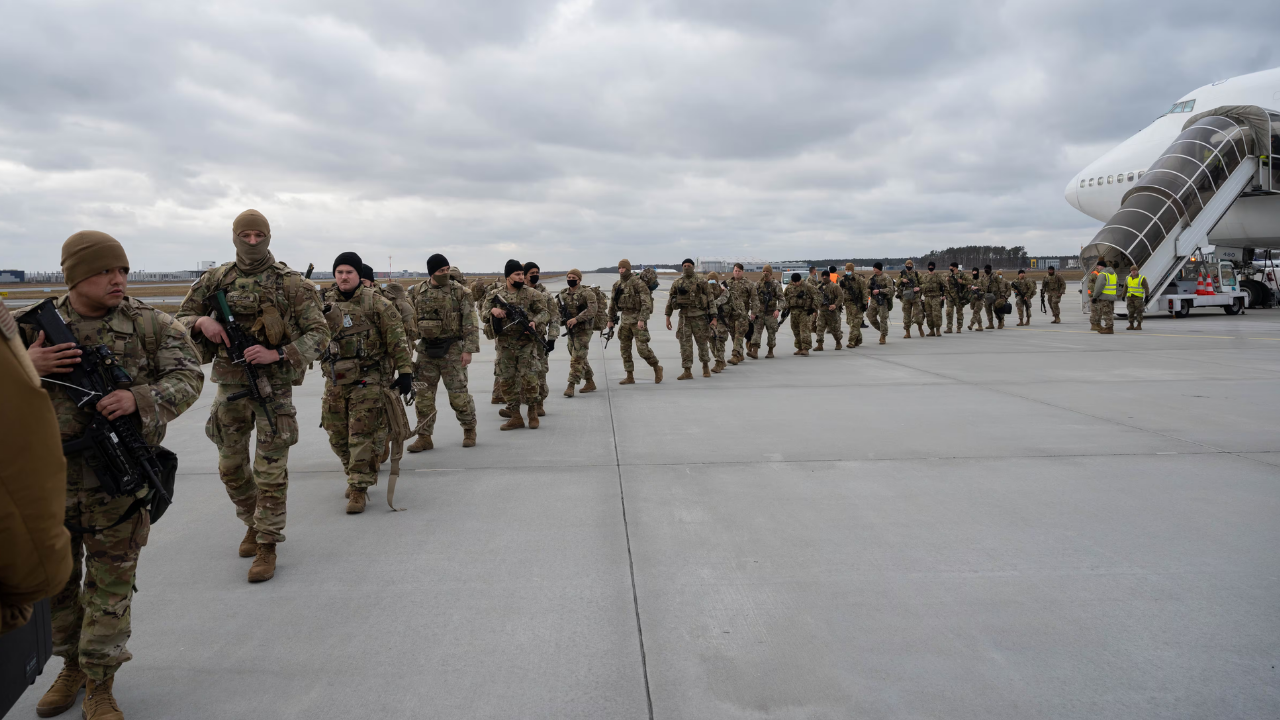
On January 18, 2026, approximately 1,500 active-duty soldiers from the U.S. Army’s 11th Airborne Division received standby orders for potential deployment to Minnesota. The directive marked the first time in more than three decades that America’s Arctic warfare specialists have been positioned for domestic law enforcement operations, underscoring the severity of a crisis unfolding nearly 3,000 miles from their Alaska base.
The deployment order follows weeks of escalating confrontations in Minneapolis, where roughly 3,000 Immigration and Customs Enforcement agents have flooded the Twin Cities under “Operation Metro Surge,” an enforcement operation the Department of Homeland Security described as the largest in U.S. history. Two separate shooting incidents involving federal agents transformed the crackdown into a national flashpoint, triggering sustained protests and an unprecedented standoff between federal authorities and Minnesota officials.
Two Shootings Ignite a City
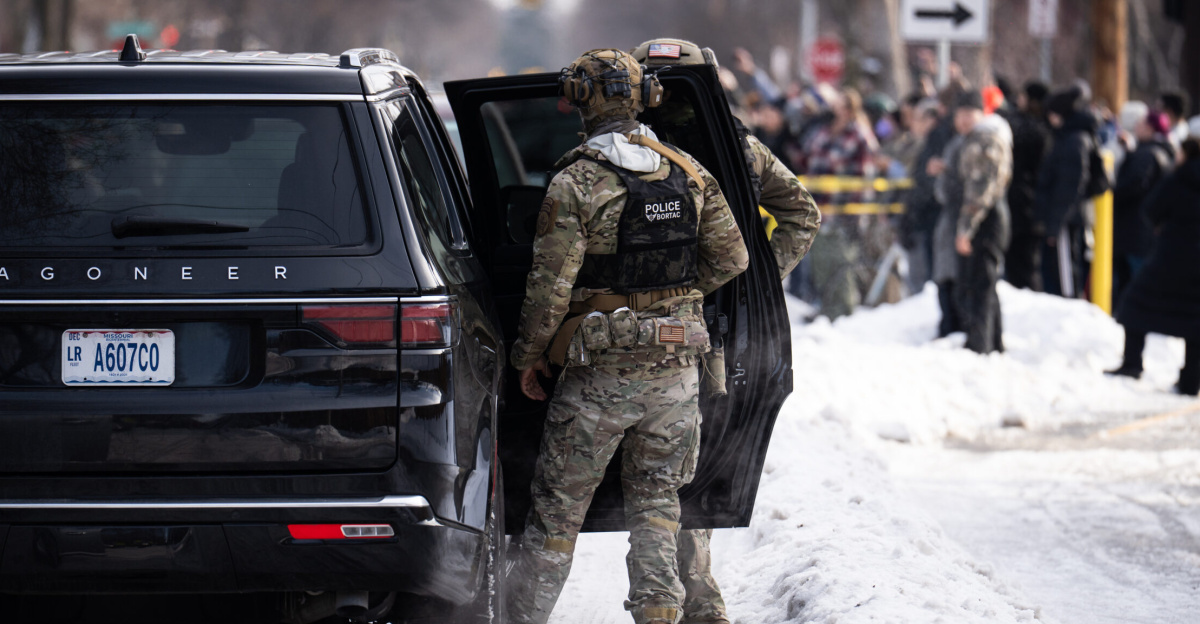
The crisis erupted on January 7 when ICE officer Jonathan Ross fatally shot Renée Nicole Good, a 37-year-old mother of three, during an enforcement action in north Minneapolis. According to emergency call records and witness accounts, Ross fired multiple shots at Good while she was inside her vehicle, striking her in the chest, arm, and possibly the head. Video footage showed Ross positioned outside the vehicle’s path as he discharged his weapon through the windshield and driver’s side window at close range.
Federal authorities initially characterized Good’s actions as domestic terrorism, claiming she attempted to run over agents. Minnesota officials disputed this account, citing video evidence indicating Good was reversing away when shots were fired. Good was pronounced dead approximately one hour after the shooting.
Tensions escalated further on January 14 when federal agents shot Julio Cesar Sosa-Celis in the leg during what authorities described as a violent confrontation involving multiple individuals. According to the Department of Homeland Security, Sosa-Celis and two others allegedly assaulted an agent with a shovel and broomstick before the officer fired a defensive shot. Family members and witnesses offered conflicting accounts, stating Sosa-Celis was inside his home when he was shot through a closed door.
Federal Escalation and Legal Pushback
President Donald Trump responded to mounting protests by threatening to invoke the Insurrection Act on January 15. In a Truth Social post, Trump stated he would deploy troops if Minnesota officials failed to stop what he called professional agitators and insurrectionists from attacking ICE personnel. The Insurrection Act of 1807, which permits presidents to deploy active-duty forces for domestic law enforcement, has been invoked sparingly throughout U.S. history, most recently during the 1992 Los Angeles riots.
Within 24 hours, Trump moderated his position, telling reporters he did not believe the act was immediately necessary but would use it if needed. Instead of immediate deployment, the Pentagon placed two infantry battalions from the 11th Airborne Division on standby. Pentagon spokesman Sean Parnell confirmed the military stands ready to execute presidential orders if called upon.
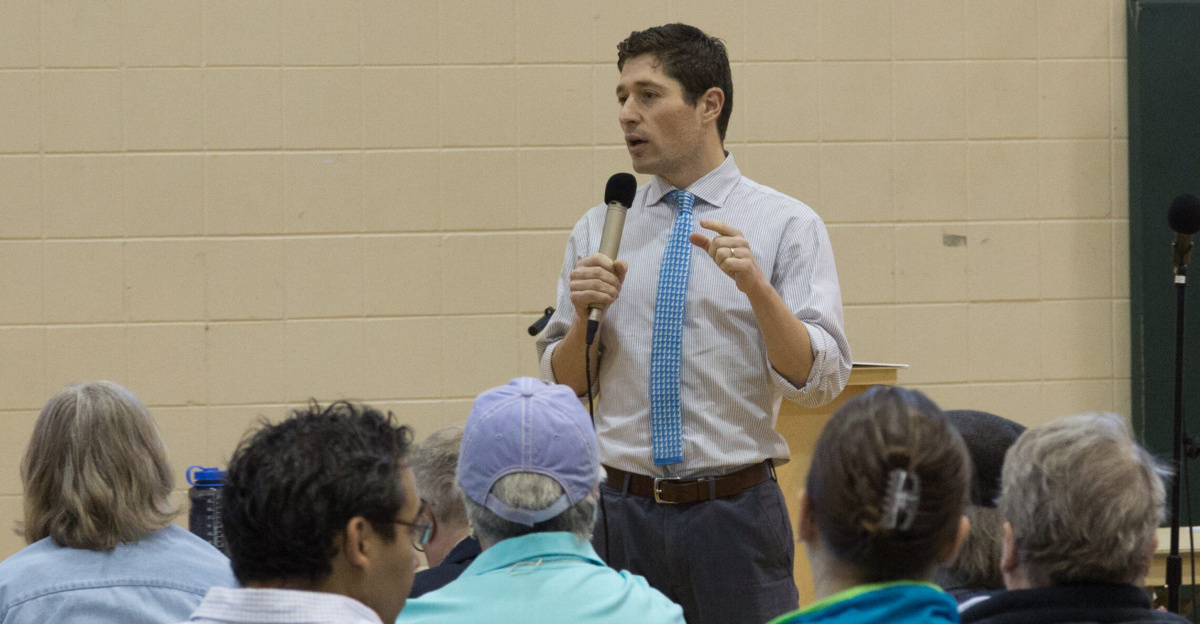
Minneapolis Mayor Jacob Frey described the situation as untenable, noting that approximately 600 Minneapolis police officers were attempting to maintain order while 3,000 federal agents conducted aggressive enforcement operations citywide. Frey characterized the federal presence as an occupying force and criticized the administration for creating chaos rather than improving public safety.
A federal judge issued a temporary restraining order limiting ICE’s use of tear gas and pepper spray during enforcement operations, marking an unusual judicial intervention in federal law enforcement tactics. The Justice Department immediately appealed, arguing the restrictions endangered agents and undermined enforcement capabilities. Minnesota Governor Tim Walz placed the National Guard on standby to support local authorities, attempting to keep the crisis under state control rather than federal military command.
Constitutional and Strategic Implications
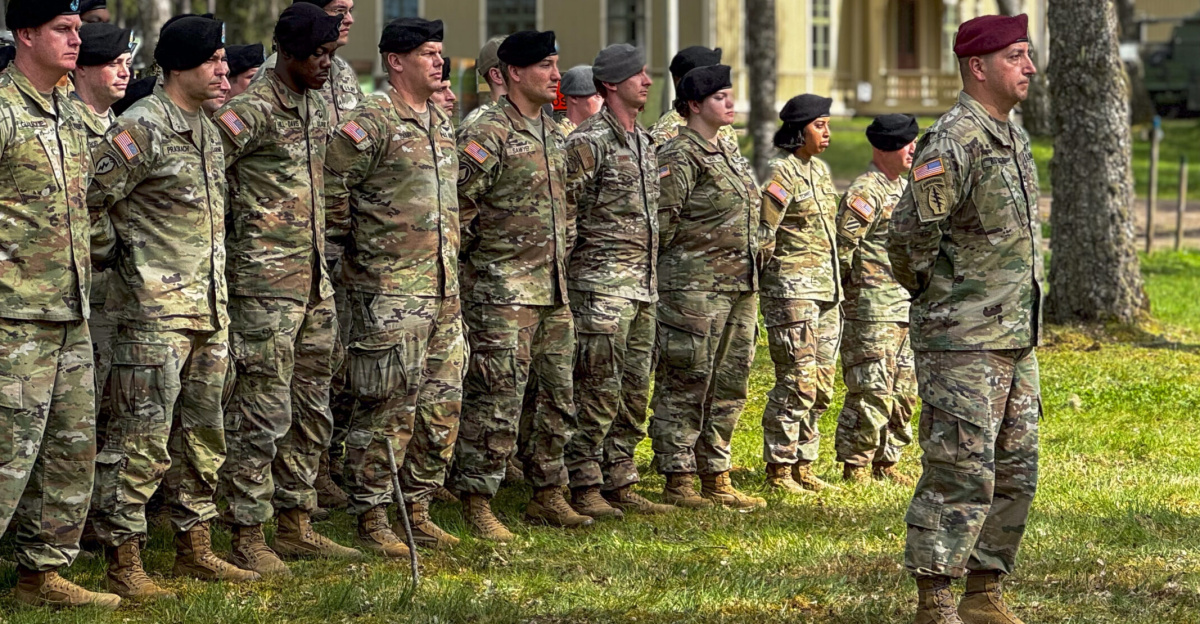
The selection of Arctic-trained infantry for potential Minneapolis deployment raised questions among military analysts. While some viewed the choice as symbolic, others noted practical advantages including cold-weather discipline and stress-tested command structures suitable for January operations in Minnesota.
International observers monitored the situation closely, recognizing that domestic military deployment would signal instability and provide material for geopolitical rivals. The crisis has also exposed sharp divisions within Minneapolis, with younger demonstrators overwhelmingly rejecting ICE’s legitimacy while older residents expressed concern about both federal overreach and prolonged disorder.
What Lies Ahead
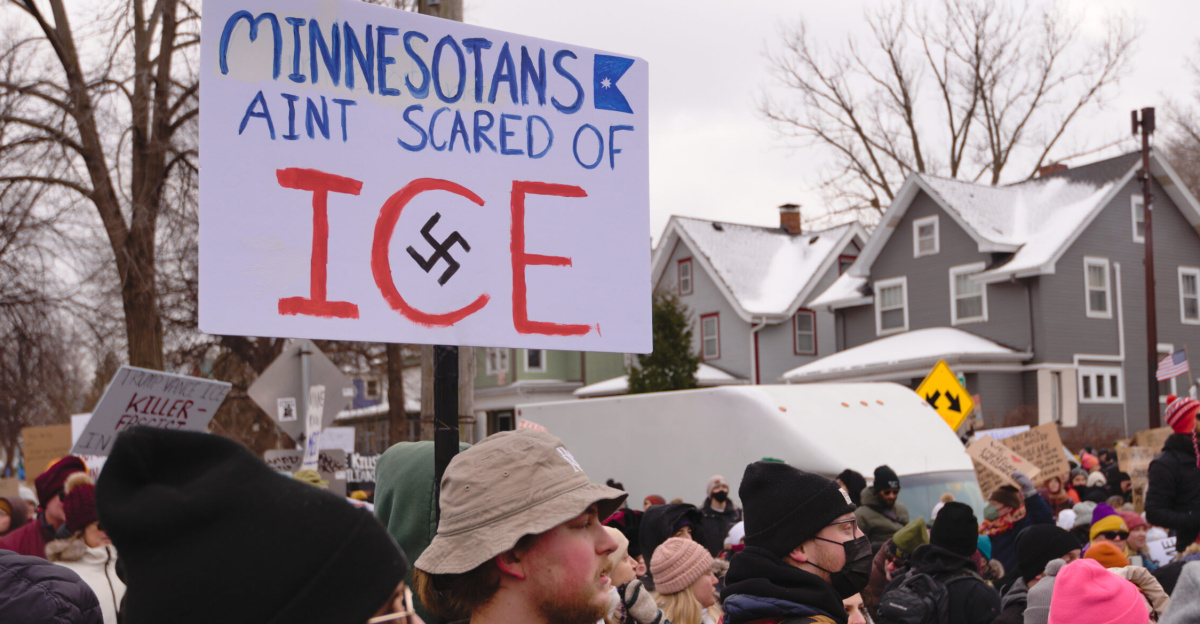
As standby orders continue, Minneapolis remains suspended between federal pressure and local resistance. Civil rights organizations, labor unions, and faith groups have coordinated sustained protests and legal challenges, raising the political cost of military escalation. The State of Minnesota and the cities of Minneapolis and Saint Paul filed lawsuits alleging Operation Metro Surge violates the First and Tenth Amendments, as well as the Administrative Procedure Act.
Whether Trump ultimately invokes the Insurrection Act depends on factors including sustained violence, political calculations, and legal challenges. For now, the city waits as Arctic-trained soldiers remain on alert—a military option that has not been exercised on American soil in 34 years.
Sources:
Washington Post, “1,500 troops prepare to possibly deploy to Minnesota,” January 18, 2026
BBC News, “Around 1,500 soldiers on standby for deployment to Minneapolis,” January 18, 2026
ABC News, “Minneapolis ICE shooting: A minute-by-minute timeline of how Renée Nicole Good was killed,” January 8, 2026
PBS NewsHour, “2,000 federal agents sent to Minneapolis area to carry out ‘largest immigration operation ever,'” January 6, 2026
Al Jazeera, “Trump threatens to use Insurrection Act in Minnesota: What it means,” January 16, 2026
NBC News, “Judge orders federal agents to stop pepper spraying, retaliating against peaceful Minnesota protesters,” January 16, 2026