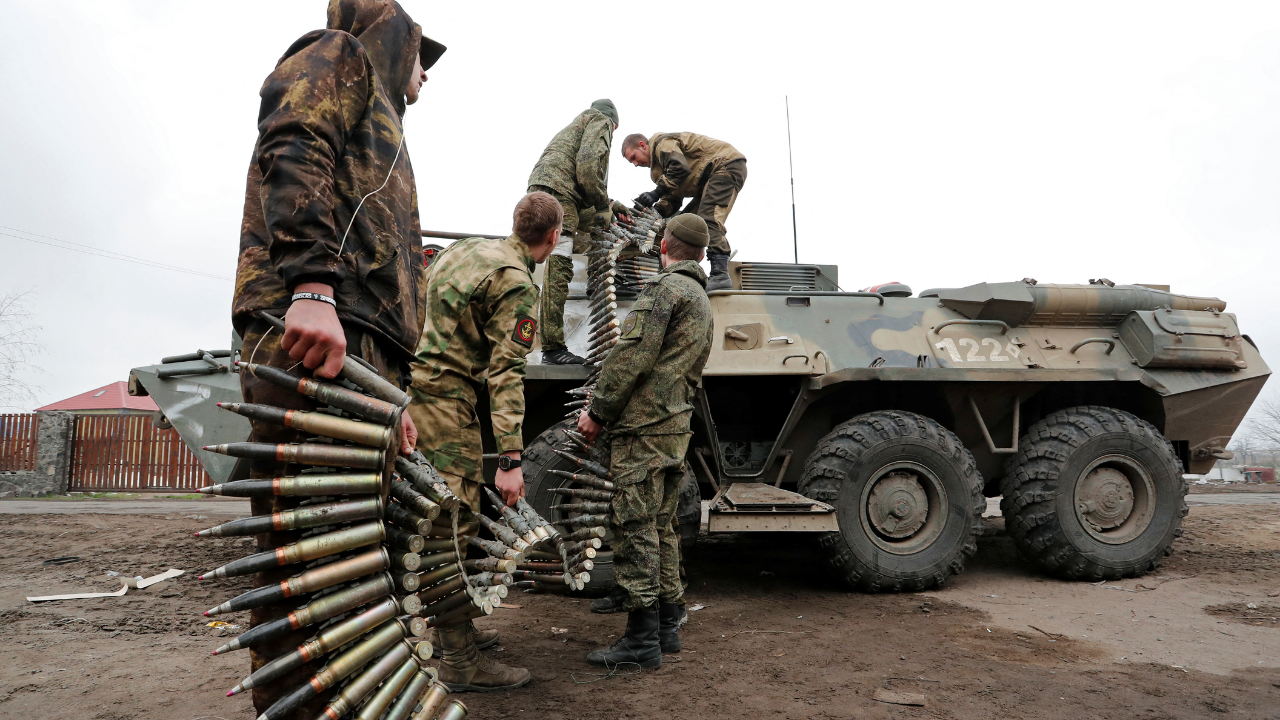
Fighting around the city of Pokrovsk in eastern Ukraine has become one of the most intense parts of the war. Ukrainian troops say Russian forces attack again and again but often get pushed back, especially in the northern parts of the city and nearby areas like Myrnohrad. Russia brings in more soldiers and equipment to try to break Ukrainian defenses, yet the front lines move only slowly. Streets, factories, and apartment blocks have turned into strongpoints where small infantry groups fight at close range, supported by artillery and drones.
Winter adds another layer of danger. Temperatures drop below 20 degrees Fahrenheit, making movement difficult and increasing the risk of frostbite and equipment failure. Both armies struggle to keep their soldiers supplied with warm clothing, heating gear, and enough food and ammunition. Ukrainian units say good logistics and planning help them cope better with the cold than some Russian units, which sometimes lack proper winter gear.
Ukraine’s 7th Rapid Response Corps, an elite Air Assault formation, plays a central role in this sector. Its brigades, including the 25th Sicheslav and 79th Tavriia, say they have stopped many Russian assaults and infiltration attempts around Pokrovsk and nearby villages. Ukrainian commanders report that these units use artillery, drones, and small counterattacks to wear down Russian forces rather than allow them to mass for a large breakthrough.
Civilians Trapped and Cut Off
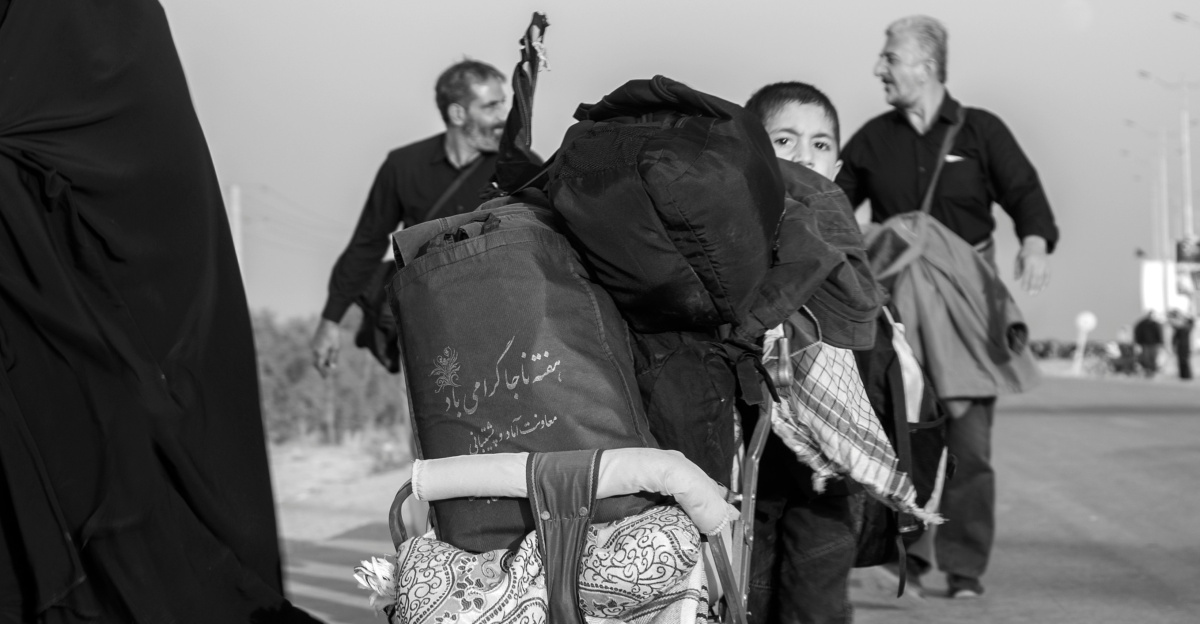
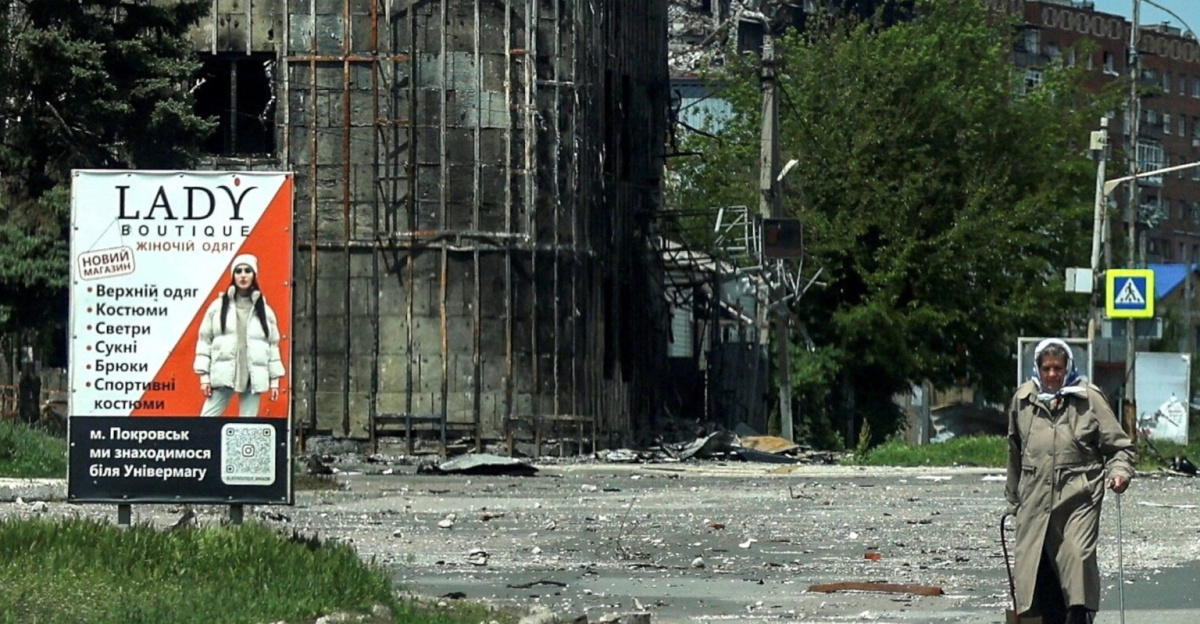
Before the war, roughly 100,000 people lived in the broader Pokrovsk–Myrnohrad urban area, but most have fled. Local officials now estimate that about 1,200–1,300 civilians remain in Pokrovsk, with similar numbers in nearby towns. Regional authorities say evacuation is “nearly impossible” because Russian artillery and drones hit roads and routes out of the city. Anyone who tries to leave faces serious danger from shelling, mines, or drone strikes, so most families shelter in basements or other makeshift hiding places.
Power and water often fail, and repairs are hard to carry out under constant fire. Aid groups and local volunteers say they rely on small vehicles and drones to move food, water, and medicine into frontline neighborhoods. This trickle of help keeps people alive but cannot fully meet their needs. Human rights groups describe this situation as a kind of humanitarian choke point, where Russia uses heavy attacks on infrastructure and roads to trap civilians and limit Ukraine’s options.
Because civilians remain scattered through residential areas, Ukrainian commanders must be careful with heavy weapons in the city. They try to avoid large bombardments in districts where people still live, which limits the types of strikes they can use. Russian forces have been accused of using less restrictive methods, including shelling built‑up areas more freely, which adds to the civilian toll and destruction. This imbalance makes Ukraine’s defense of the city more complex and slows efforts to push Russian units back from densely populated zones.
Attrition, Drones, and an Uncertain Future
The fighting around Pokrovsk has become a grinding battle of attrition. Ukraine’s General Staff reports that Russia can lose close to 1,000 soldiers killed or wounded across all fronts in a single day, with a significant share of those losses on the Donetsk axis, which includes Pokrovsk. Ukrainian units also take casualties, and analysts warn that both armies face long‑term strain if this level of fighting continues. Precise casualty numbers for each side and each sector are hard to verify, but independent monitoring groups agree that losses remain very high.
Drones play a major role in how both sides fight here. Russian forces use them to spot Ukrainian positions, direct artillery fire, and guide small assault groups through ruined streets. Ukrainian troops rely on drones to find Russian units, adjust their own artillery, and strike supply lines or gathering points. Reports from the front say Ukrainian Air Assault units have destroyed many Russian drones and some drone operators, but Russia can tap a larger pool of recruits, while Ukraine must conserve its experienced pilots.
Analysts such as the Institute for the Study of War say Russian momentum on the Pokrovsk axis slowed in mid‑January as casualties mounted and cold weather set in. Ukrainian forces still hold key ground in northern Pokrovsk and continue to block direct assaults on nearby settlements, such as Hryshyne, but they operate under constant pressure. The future of the battle is uncertain: the situation could stay a stalemate for months, or it could change quickly if either side suffers a sharp drop in manpower, ammunition, or morale.
Sources:
Euromaidan Press, Ukrainians repel Russian assaults in Pokrovsk and Myrnohrad, inflict 370 casualties over past week – military says, 19 January 2026
Institute for the Study of War / Critical Threats, Russian Offensive Campaign Assessment, January 19, 2026, 19 January 2026
Ukrinform, Russian army loses 990 soldiers and five air defense systems in war against Ukraine in one day, 13 January 2026
Ukrinform, 1200 civilians remain in Pokrovsk, evacuation nearly impossible due to security situation, 4 November 2025
RBC-Ukraine, Russia’s losses in Ukraine as of January 14 – +990 troops, 13 January 2026
Doctors Without Borders, Mass evacuation from Pokrovsk as fighting approaches, 22 August 2024