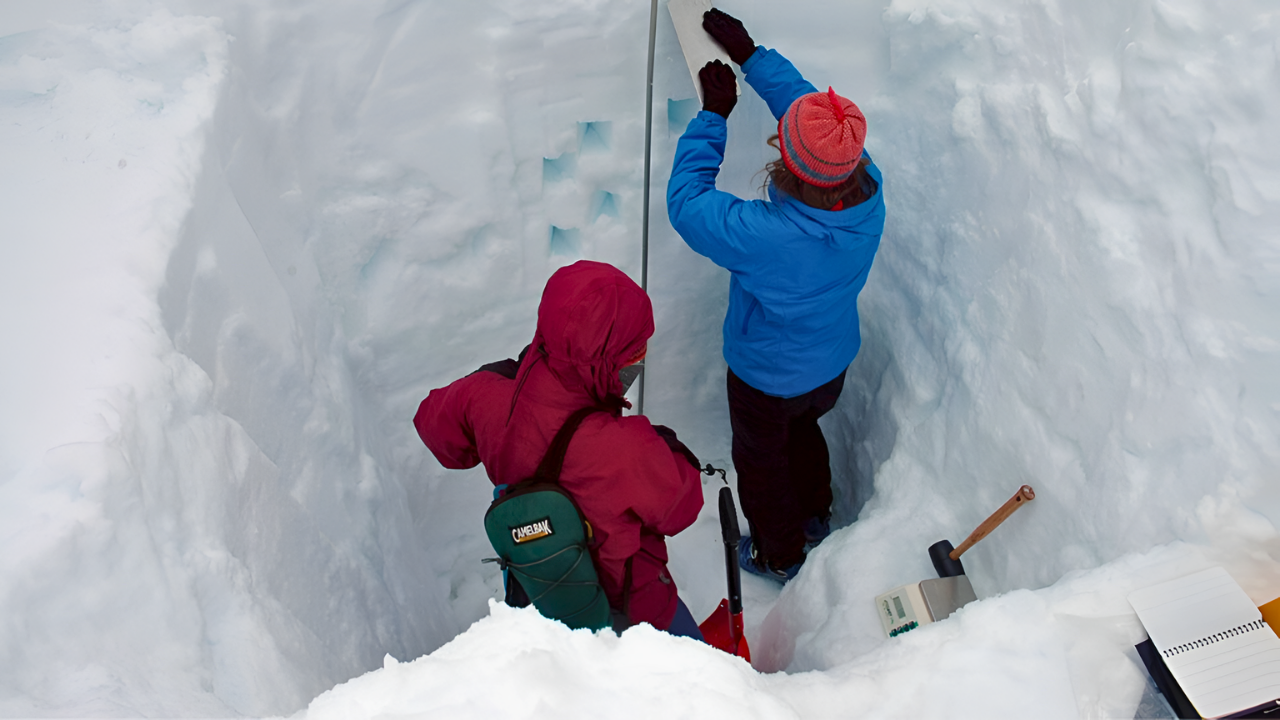
Antarctica is known today as a frozen continent, but its ice holds a long record of past climates. Scientists drilling through more than 2,000 yards of ice have found signs that the icy era is much younger than once thought. Evidence from pollen, plant waxes, and roots shows that rivers, forests, and cool-climate plants survived there until about 34 million years ago. This discovery suggests that Antarctica stayed green longer than many researchers expected. It also helps scientists test how ice sheets respond when global temperatures and carbon dioxide rise.
Beneath the East Antarctic Ice Sheet, which covers an area roughly the size of Australia, radar and deep drilling reveal a hidden landscape. Ancient river valleys, mountains, and traces of vegetation lie buried under thick ice. Explorers had already found some clues at the surface, such as tree fossils collected near the South Pole in 1912. The new deep samples now give a clearer picture of how and when the continent changed from forested land to permanent ice. That detail allows climate models to better estimate how quickly large ice sheets might shrink in the future.
How Antarctica Turned to Ice
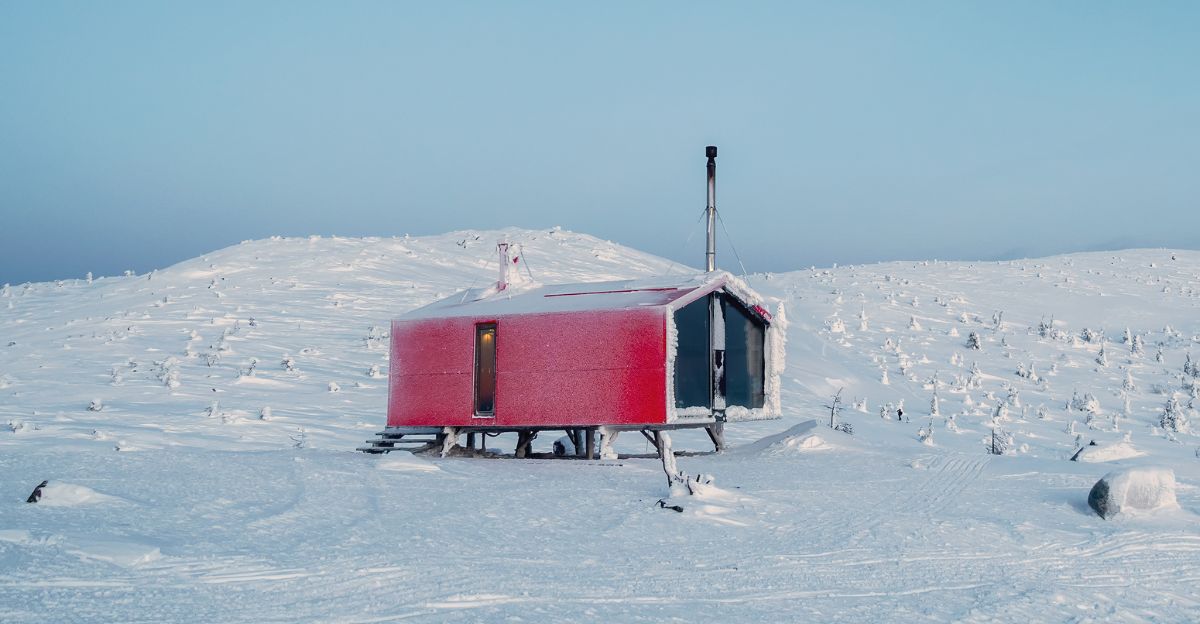
During the warm Eocene epoch, Antarctica supported lush ecosystems with forests and flowing rivers. Around 34 million years ago, at the boundary between the Eocene and Oligocene, the climate cooled sharply. Falling carbon dioxide levels, changes in ocean currents, and shifts in continents, including the opening of the Drake Passage, helped trigger rapid glaciation.
Some studies suggest that large ice sheets may have formed in as little as a few hundred thousand years. Scientists still debate exactly what Antarctica looked like just before the ice took over, but new cores narrow the timing of this shift.
In early 2025, an international team at Little Dome C drilled through more than 9,000 feet of ice to reach very old sediments. Mapping work by Stewart Jamieson and colleagues used radar to show rugged landscapes beneath nearly 9,000 feet of ice near Dome C. The recovered material includes pollen, roots, and other plant remains that indicate woody, cool-adapted forests, more like modern boreal forests than tropical jungles.
Sediment grains indicate the presence of mountain ranges and river systems that once crossed the area. These records fit with other projects, including a 2020 discovery of a roughly 90‑million‑year‑old rainforest in West Antarctica and pollen found in subglacial lakes that dates to about 34 million years ago. Together, they show that much of Antarctica was once green.
Why These Discoveries Matter Today
Several major drilling efforts now operate in Antarctica, including Europe’s Beyond EPICA project at Little Dome C and Australia’s Million‑Year Ice Core project farther north. These teams aim to obtain ice and sediment records extending back more than 1 million years.
Their goal is to understand how past greenhouse gas levels and temperatures influenced the size of Antarctic ice sheets. The Eocene‑Oligocene shift ranks among Earth’s biggest climate turning points. Today, rising carbon dioxide levels may push conditions closer to those of ancient times, raising concern that large parts of the ice sheet could eventually cross critical thresholds.
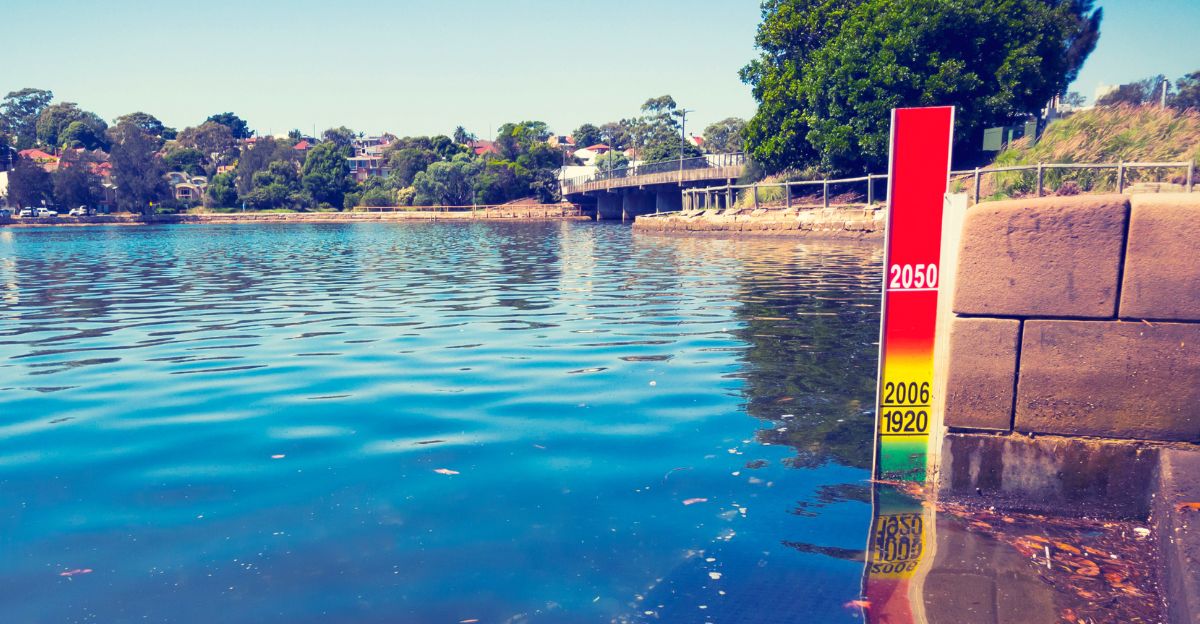
The East Antarctic Ice Sheet was once considered very stable, but new evidence suggests it has been more sensitive to warming than assumed. If it melted completely, global sea level could rise by roughly 190 feet, while a major loss of West Antarctic ice could add several tens of feet more over the coming centuries. These outcomes would reshape coasts and challenge cities such as Rotterdam and Miami, as well as low‑lying islands like Tuvalu and Kiribati.
Hot‑water drilling, which consumes a lot of energy and raises environmental concerns, remains under review, and many researchers favor radar where possible. Even so, deep cores provide uniquely detailed records. Policymakers use this information to weigh strong defenses and support for vulnerable regions against the need for balanced, realistic responses as the world plans for future climate risks.
Sources:
- Beyond EPICA Consortium, Press Release/Scientific Updates, January 2026/2025
- British Antarctic Survey, Antarctic Research Updates, 2025/May 2015
- Nature Communications, Ancient Antarctic Landscapes Study, October 2023/2023
- Science Magazine, Antarctic Ice Drilling Coverage, January 2026
- Imperial College London, Antarctic Rainforest Discovery/Antarctic Research, December 2025/April 2020
- Copernicus Climate Change Service, Climate Analysis Reports, September 2024/2024