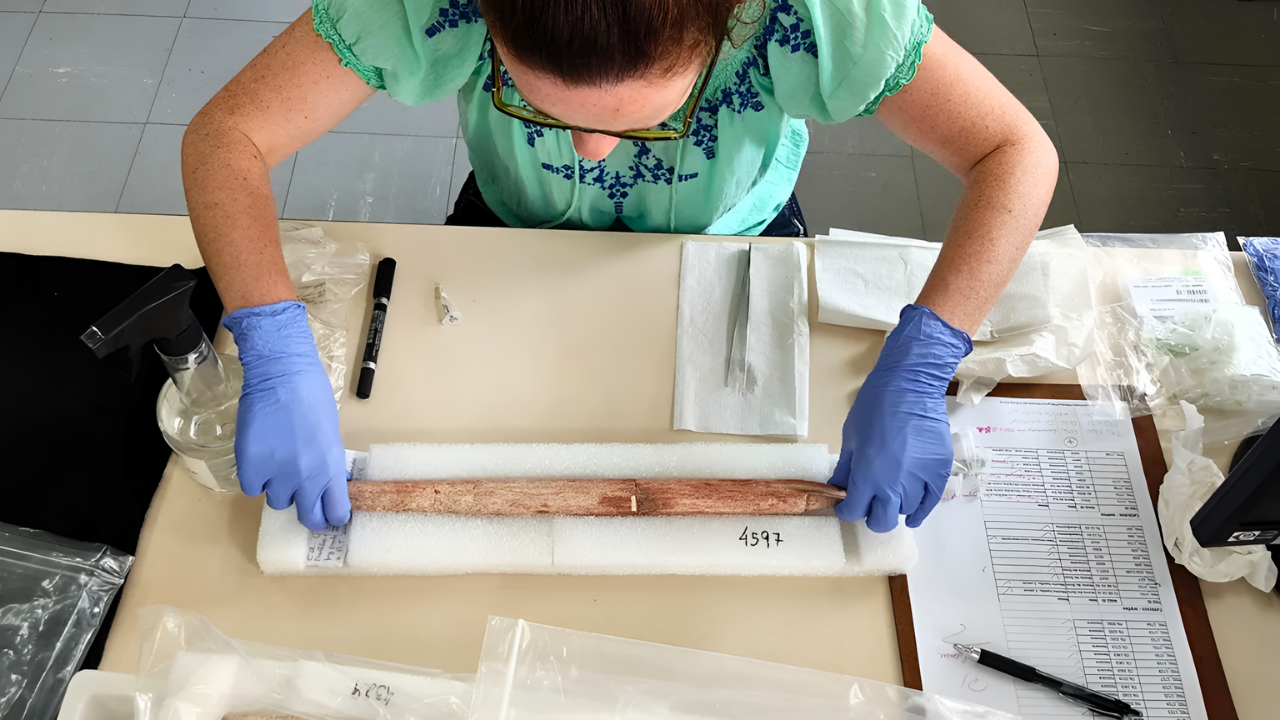
A wolf puppy’s frozen stomach contents have upended theories on the woolly rhinoceros extinction, revealing a genetically healthy population that vanished abruptly around 14,000 years ago.
Paleogeneticists at Stockholm University analyzed a 14,400-year-old mummified wolf cub from Siberian permafrost near Tumat, discovered between 2011 and 2015. Inside its gut, they found a 4-by-3 centimeter chunk of woolly rhinoceros tissue, the youngest such specimen known. This marked the first full Ice Age animal genome sequenced from a predator’s digestive tract. The wolf, one of two “Tumat Puppies” later confirmed as wild cubs via bone and tissue analysis, likely died shortly after eating the rhino flesh, sealing the sample intact.
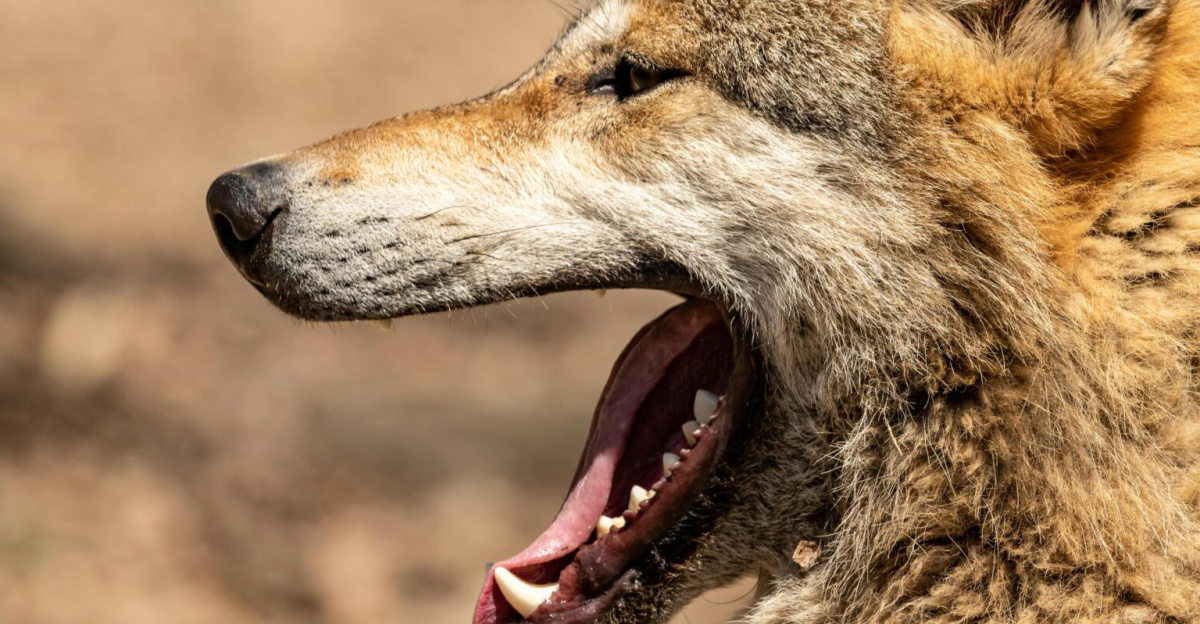
Challenges of Stomach Preservation Extracting DNA from the tissue proved arduous due to the wolf’s acidic gut, which fragmented sequences and introduced about 2.3% wolf contamination on average. Researchers generated 20 DNA extracts from various fragments, yielding roughly 88 million reads per extract with depths of 55 to 150 million. Strict filtering separated rhino sequences from wolf DNA, enabling identification of 22 million single nucleotide polymorphisms across three rhino genomes. These hurdles yielded a high-coverage rhino genome at about 10 times depth.

The Lead Researcher’s Breakthrough Master’s student Sólveig Guðjónsdóttir from Stockholm University’s Centre for Palaeogenetics spearheaded the effort as part of her thesis in the Nordic Master’s Programme in Biodiversity and Systematics. She spent six months in the lab before analysis and writing, turning the project into a peer-reviewed paper. The Tumat cub’s rhino meal, possibly a pack-fed scrap, created an unexpected genetic archive from one of the last known woolly rhinos.Genomic Stability Across Millennia
Comparisons with two older Siberian rhino genomes—one 18,000 years old, the other 49,000 years old—showed no genetic decline. All three had about 0.4 heterozygous sites per 1,000 base pairs, with rare long runs of homozygosity indicating low inbreeding over tens of thousands of years. Demographic models pinpointed a population crash between 114,000 and 63,000 years ago, reducing effective size from 15,600 to 1,600 individuals. It then stabilized at around 10,600 breeding rhinos from 29,700 to 18,530 years ago, persisting stably until the end.
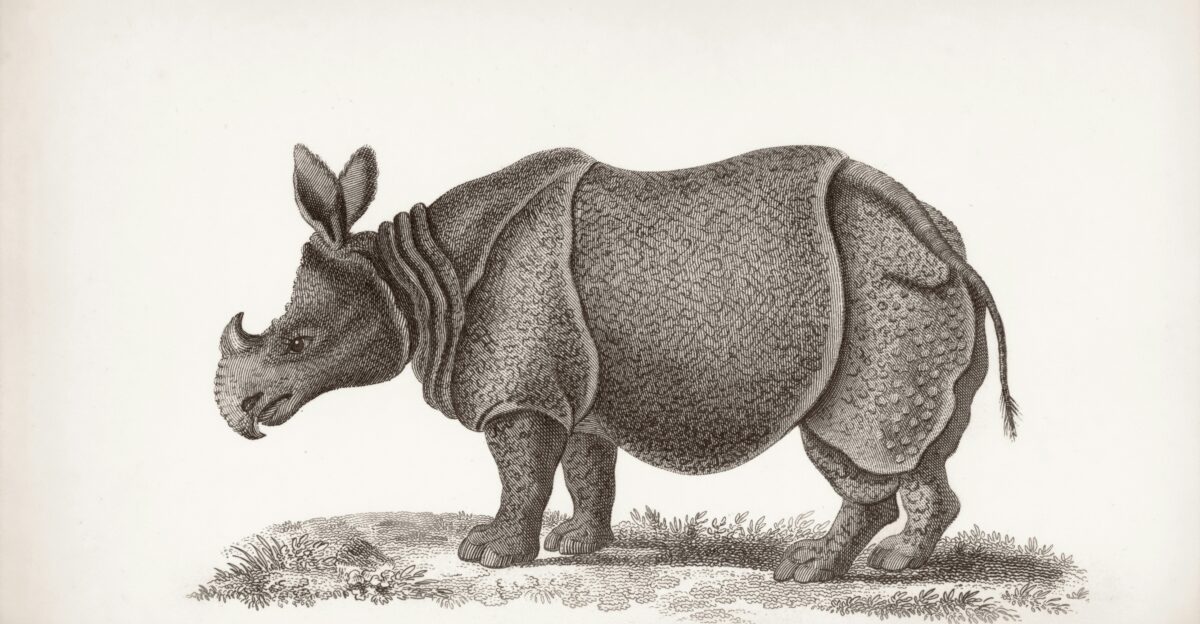
Climate Shock Over Human Impact Humans arrived in northeastern Siberia around 31,600 years ago, yet rhino populations showed no decline for 15,000 years alongside them. The extinction aligned with the Bølling–Allerød interstadial, a rapid warming starting 14,700 years ago that raised temperatures by 2 degrees Celsius overall, and up to 5-10 degrees in northern areas. Permafrost thawed, converting steppe grasslands to shrublands and forests, eroding habitat for these 2-metric-ton cold-adapted herbivores with thick fur, fat humps, and genes for cold tolerance. The Tumat rhino lived just 400 years before final disappearance around 14,000 years ago, with no genomic signs of prior weakening—suggesting a swift collapse too rapid for clear signals.
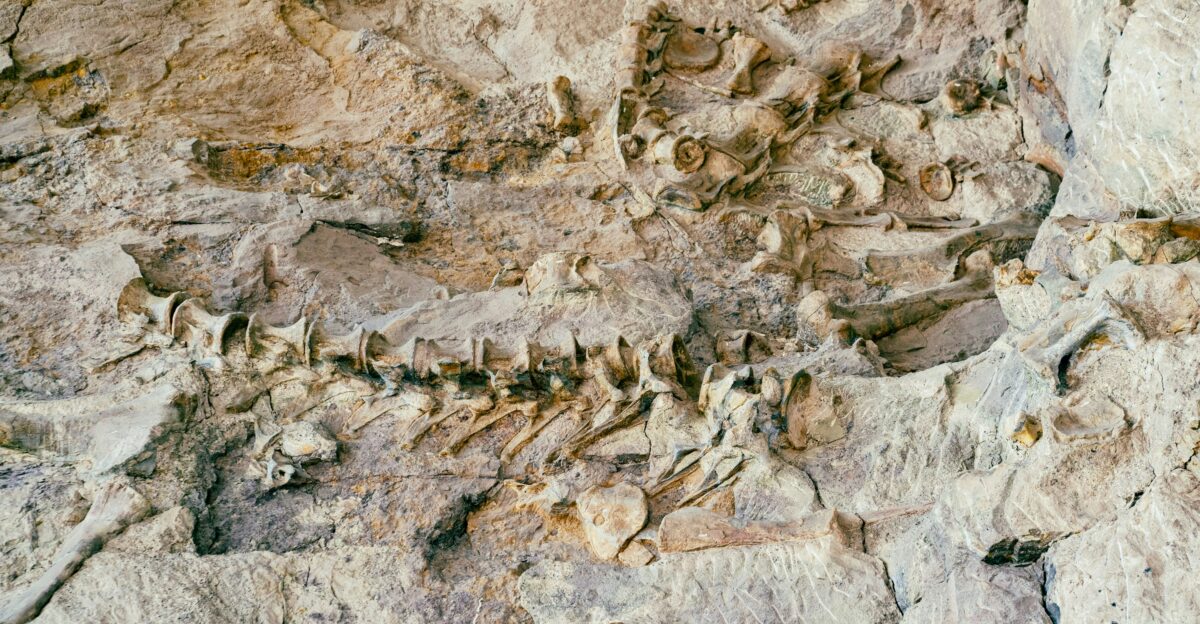
The findings challenge human-hunting theories prominent in some megafaunal extinction studies, which note losses from 57 species 50,000 years ago to 11 today. Woolly rhino data instead implicates climate, fitting patterns where Late Pleistocene megaherbivores in frigid zones failed to adapt to grassland loss. Late Pleistocene extinctions varied globally—65% of species worldwide, 72% in North America, 83% in South America, 88% in Australia, but only 21% in Africa, hinting at multiple drivers by region and species. Advances in paleogenomics, now tapping unconventional sources like predator stomachs, refine these timelines. For modern conservation, the case underscores that genetic robustness offers no shield against sudden habitat shifts, urging strategies that prioritize ecosystem stability amid warming.
Sources:
Genome Shows no Recent Inbreeding in Near-Extinction Woolly Rhinoceros Sample Found in Ancient Wolf’s Stomach. Genome Biology and Evolution, January 2026
Woolly rhino genome recovered from Ice Age wolf stomach. Stockholm University Communications Office, January 15, 2026
Masters student in the forefront of research. Stockholm University News, January 16, 2026