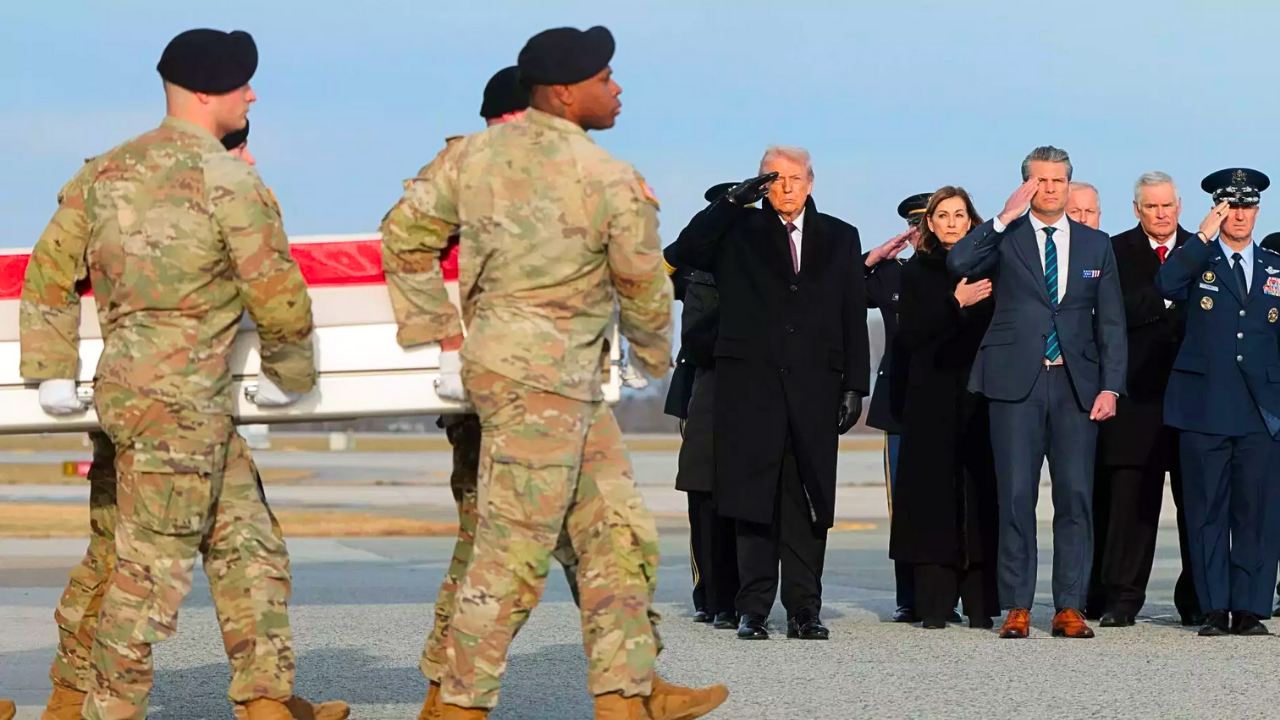
Gunfire shattered the desert quiet near Palmyra on December 13, 2025. A lone ISIS-linked gunman opened fire on a joint patrol, killing two U.S. soldiers and a civilian interpreter before being shot dead. Sgt. Edgar Brian Torres-Tovar and Sgt. William Nathaniel Howard of the Iowa National Guard fell alongside interpreter Ayad Mansoor Sakat.
Three others were wounded. In seconds, a routine mission turned into one of the deadliest U.S. losses in Syria in years.
Retaliation Promised
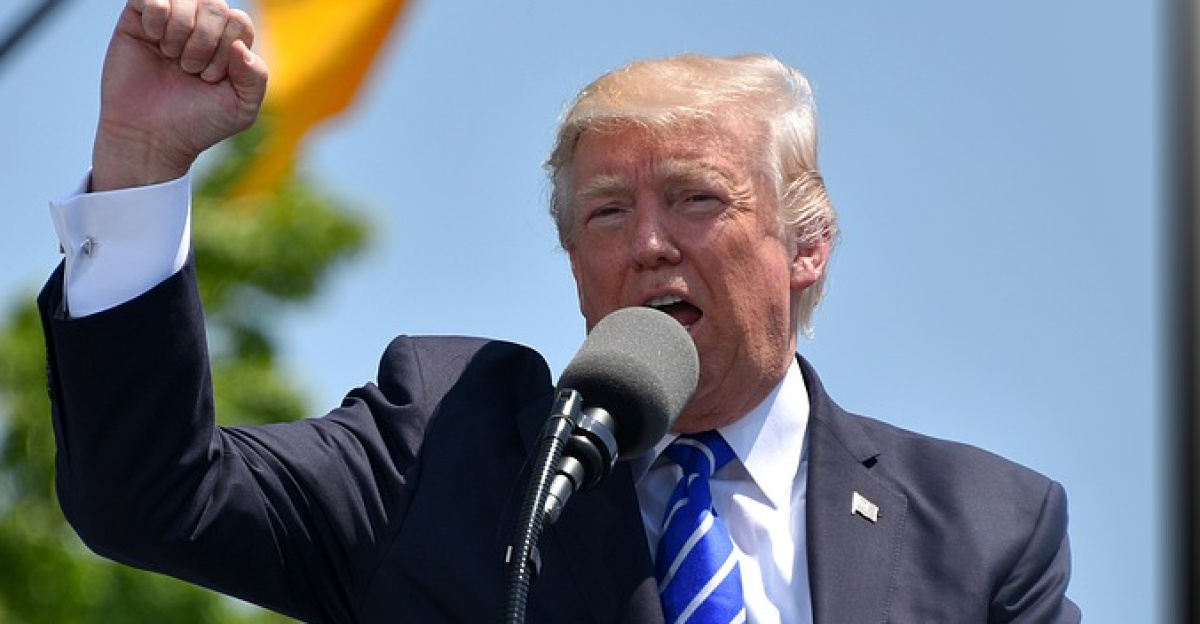
Within hours, the response reached the highest level. President Donald Trump vowed “very serious retaliation” in a Truth Social post, calling the attack an assault on American forces and resolve. The ambush also killed a Syrian officer, underscoring its broader impact.
Though the gunman was neutralized on site, U.S. officials made clear the threat extended far beyond one attacker—setting the stage for a sweeping counterterror campaign.
Syria After Assad
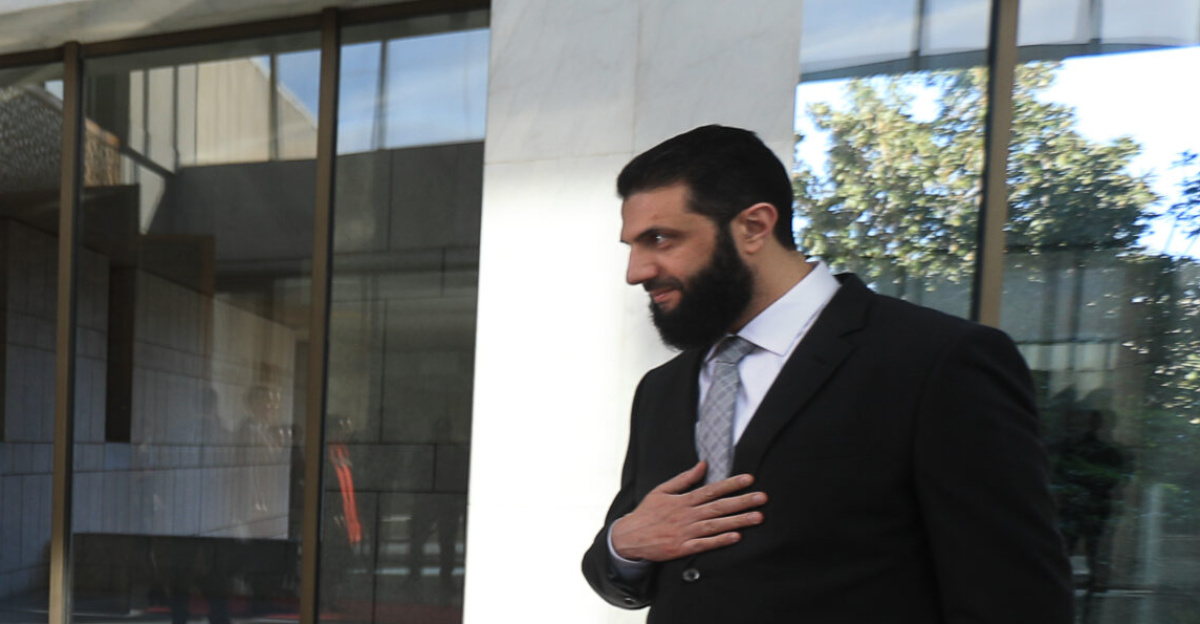
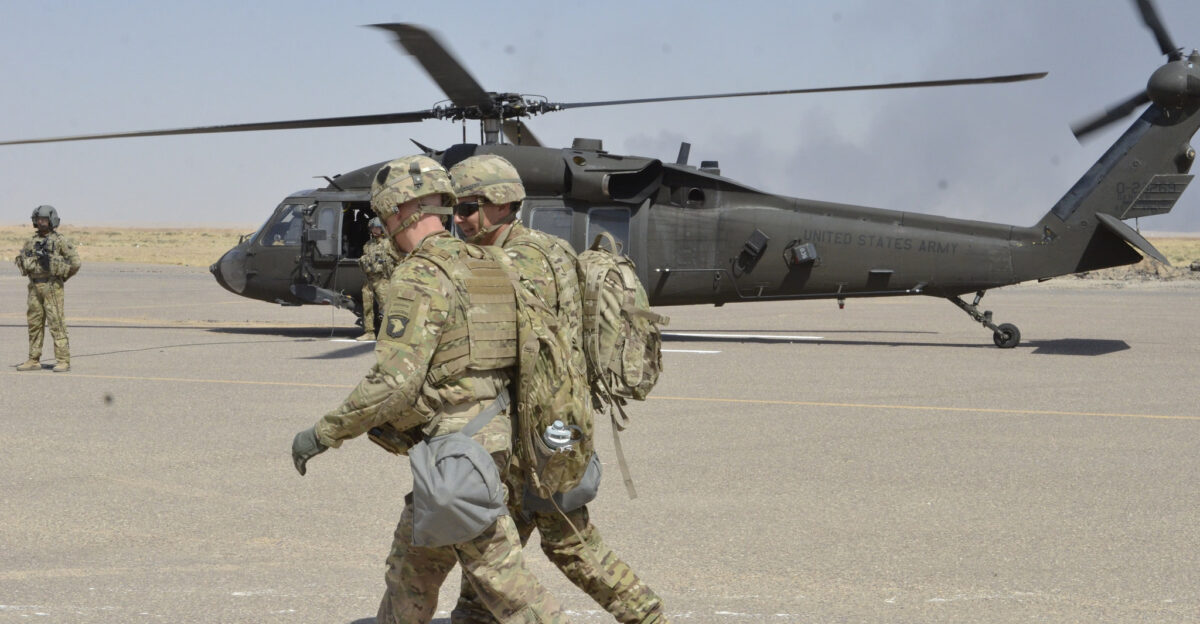
The attack unfolded in a radically changed Syria. Bashar al-Assad had been ousted a year earlier, and transitional President Ahmad al-Sharaa now leads a government cooperating with U.S. forces. The Pentagon revealed in December 2024 that approximately 2,000 American troops were in eastern Syria—double the publicly stated figure.
A drawdown to fewer than 1,000 was announced in April 2025. These forces train Kurdish allies and target ISIS remnants, marking an unprecedented post-Assad alignment as both sides confront a resurging extremist threat.
ISIS Exploits the Chaos
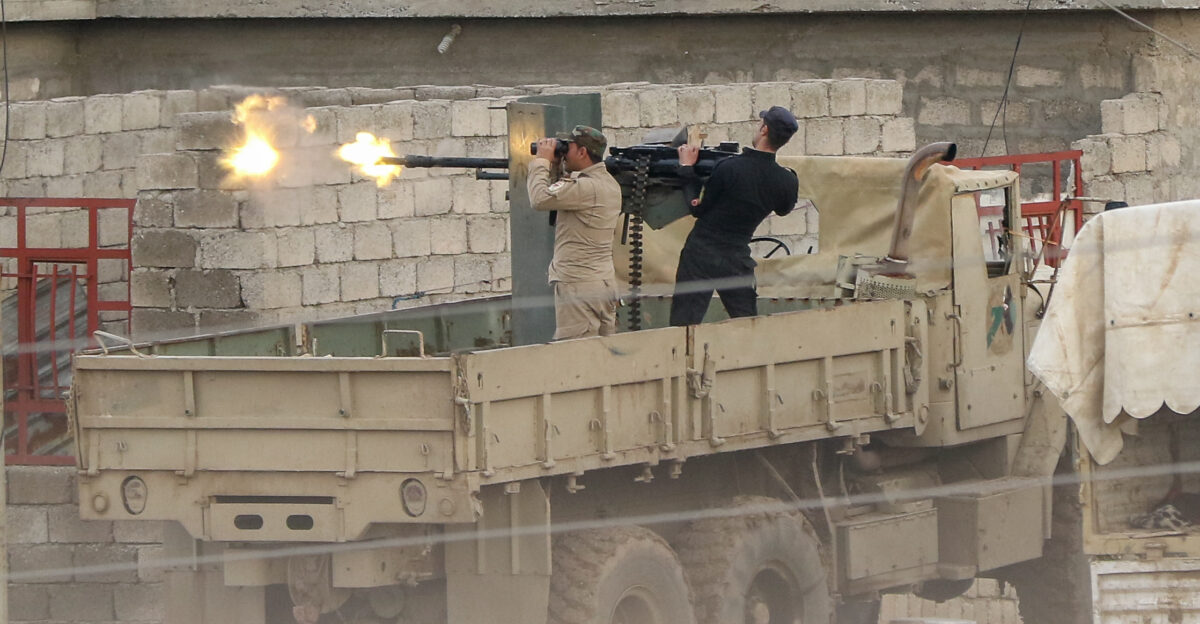
ISIS cells have used Syria’s instability to regroup quietly. Fighters have reemerged in desert corridors near Palmyra, Jabal al-Amour, Ma’adan in Raqqa, and al-Hammad in Deir ez-Zor.
U.S. officials warn the group’s presence is stronger than publicly acknowledged. Though no longer a territorial “caliphate,” ISIS has rebuilt networks capable of coordinated attacks, exploiting gaps left by regime collapse.
Terror Leader Tracked
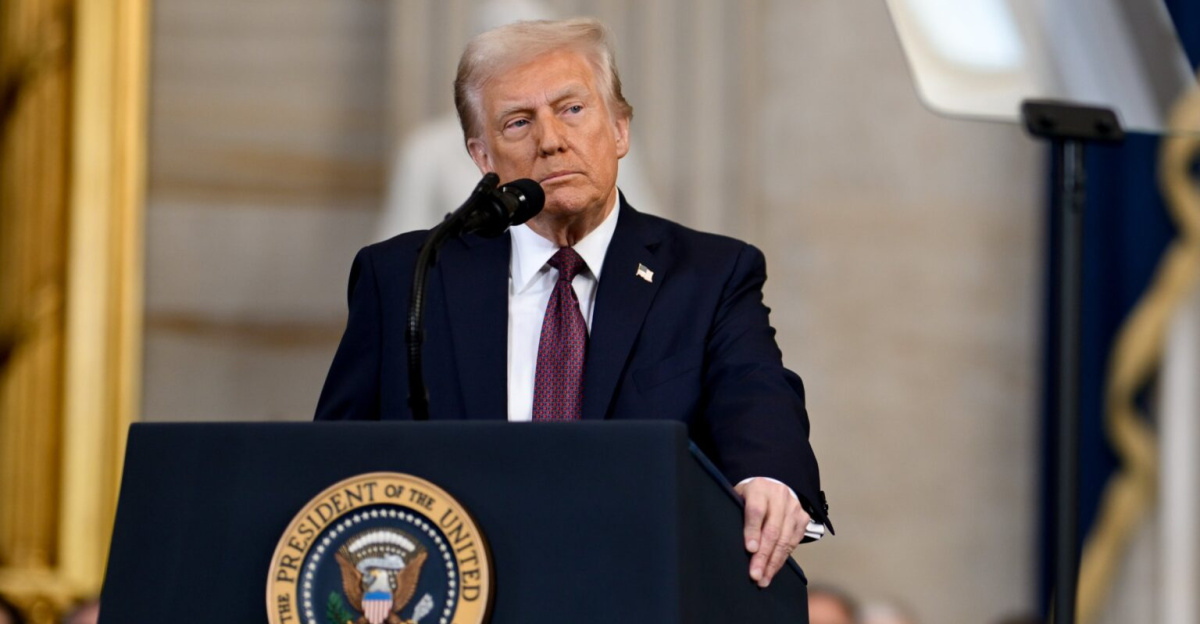
Thirty-five days after the ambush, U.S. Central Command struck back. On January 16, 2026, a precision strike in northwest Syria killed Bilal Hasan al-Jasim, an al-Qaeda-affiliated leader directly tied to the Palmyra attack.
CENTCOM confirmed he had operational links to the gunman. His death marked the third major retaliatory action under Operation Hawkeye Strike, ordered by President Trump.
Operation Hawkeye Strike
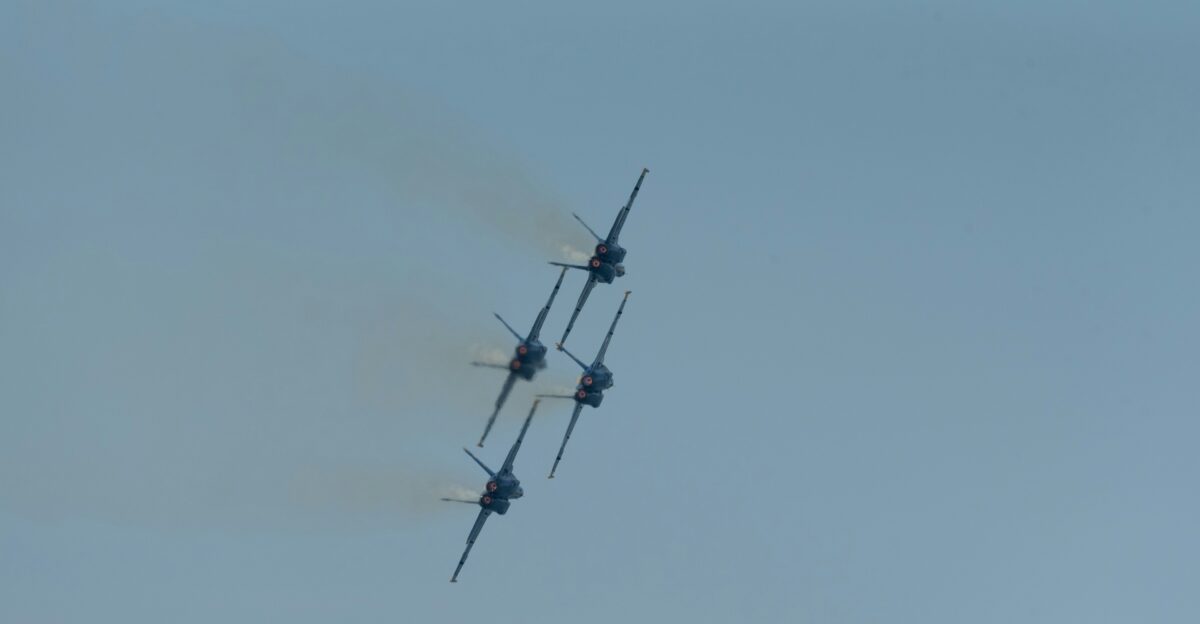
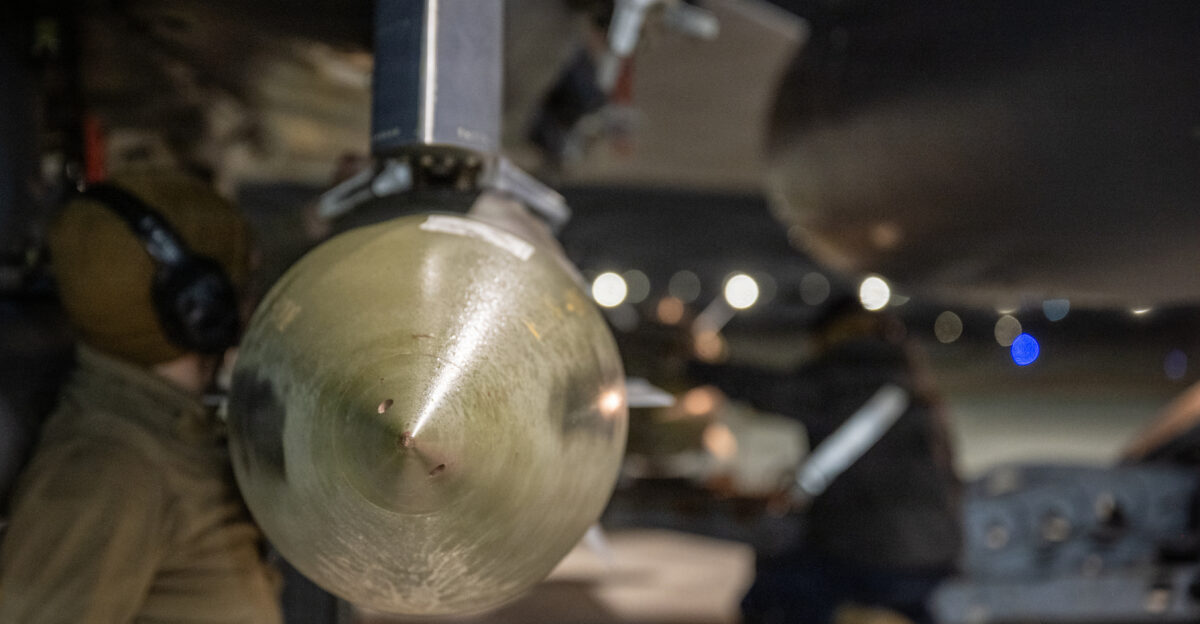
Operation Hawkeye Strike rapidly expanded. Across multiple waves, U.S. and coalition forces hit more than 100 ISIS targets using over 200 precision-guided munitions. Command centers, weapons depots, training camps, and drone facilities were destroyed across central and eastern Syria.
During the past year across Syria, CENTCOM reports more than 20 ISIS fighters killed and over 300 captured, dealing a significant blow to the group’s infrastructure.
Honoring the Fallen
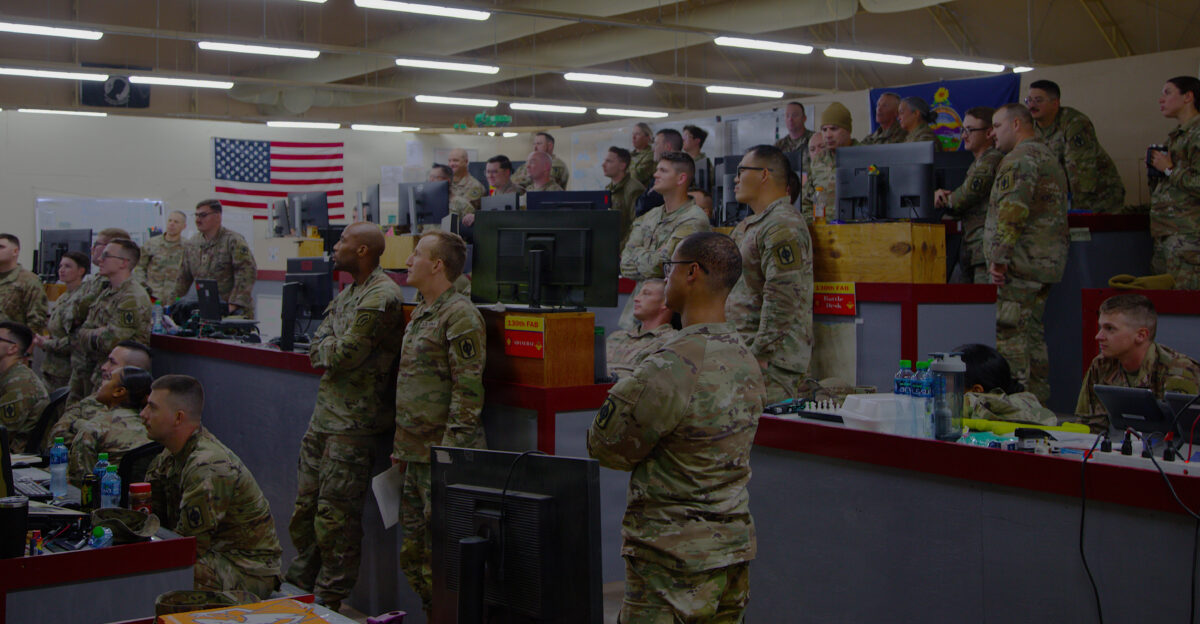
The campaign carries a human cost. Sgt. Torres-Tovar and Sgt. Howard, both members of the Iowa National Guard, were on deployment when they were killed. Interpreter Ayad Mansoor Sakat, a civilian partner supporting U.S. forces, died alongside them.
Adm. Brad Cooper, CENTCOM commander, pledged accountability, saying the elimination of those responsible “demonstrates our resolve” to protect American lives.
Jordan Enters the Fight
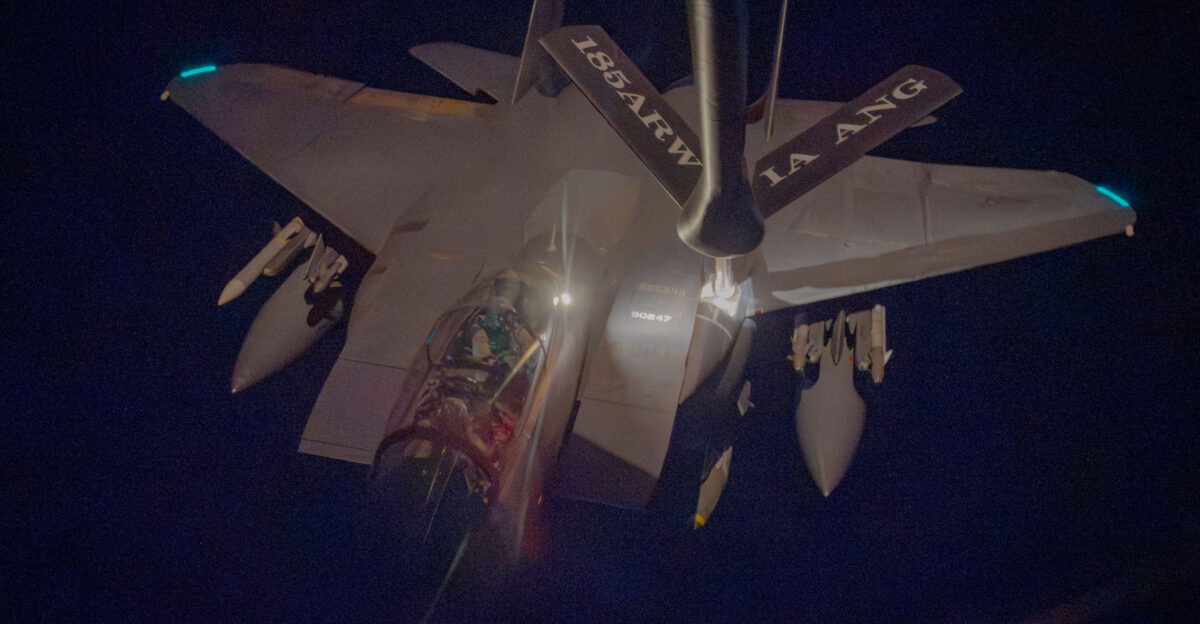
Jordan emerged as a key coalition partner. Its F-16s joined U.S. aircraft in Hawkeye Strike waves designed to block ISIS launch corridors.
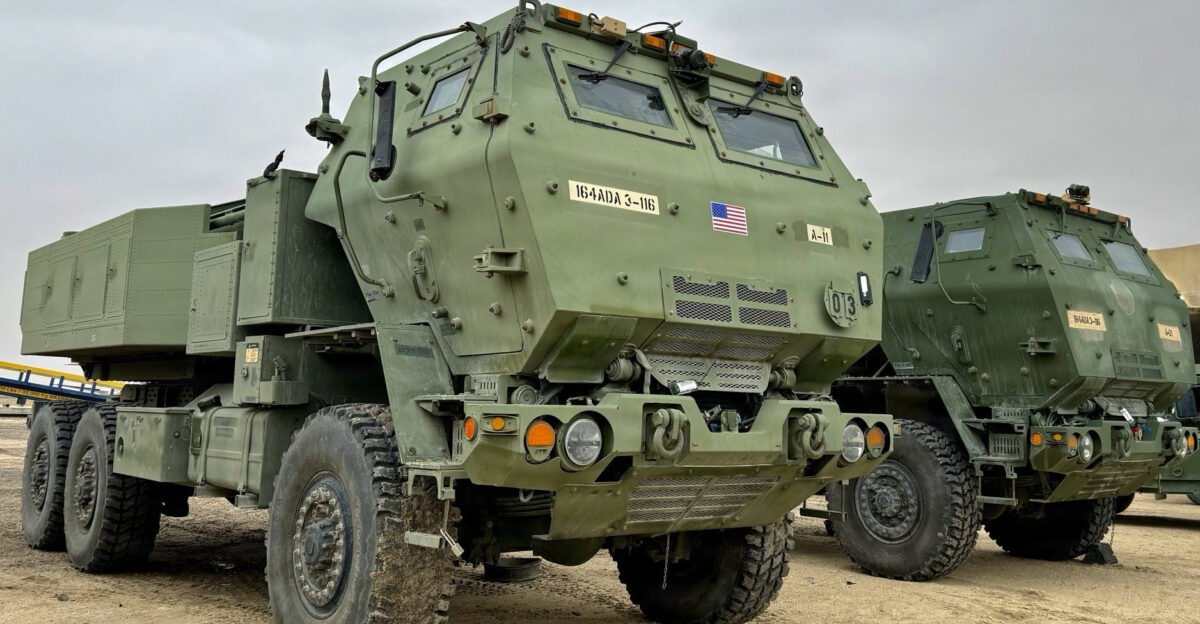
The first round on December 19, 2025, hit roughly 70 targets using A-10s, F-16s, Apaches, and HIMARS. A second wave on January 10 struck 35 more sites with 90 munitions, showcasing deep regional coordination.
Damascus Cooperates
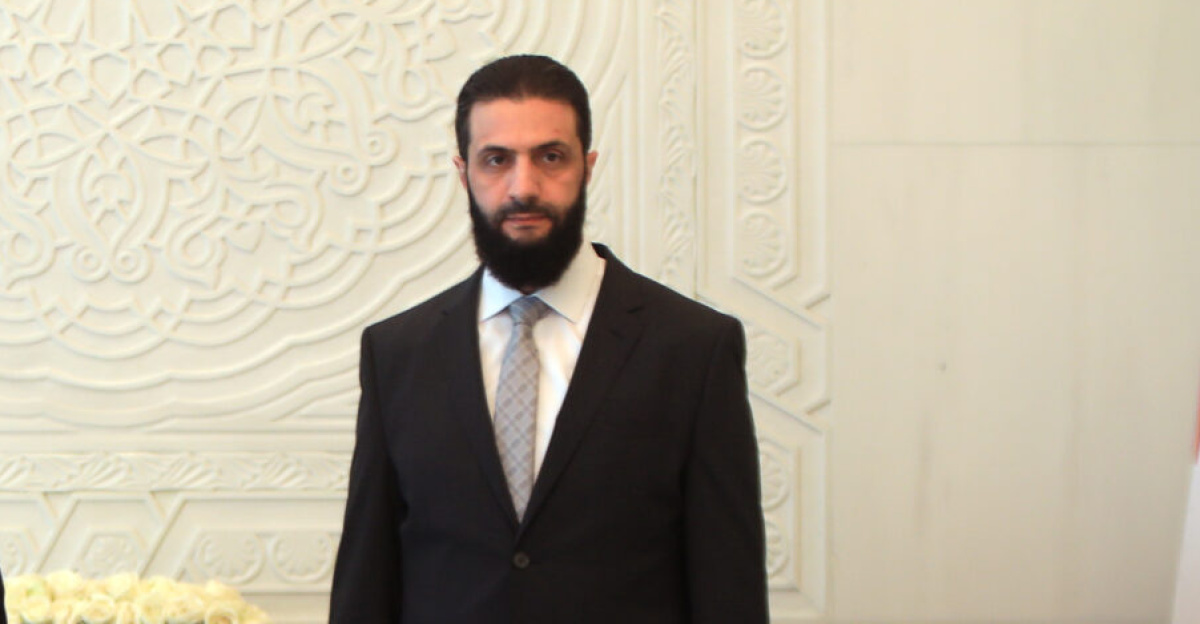
President Ahmad al-Sharaa’s government pledged that Syria would not serve as an ISIS safe haven. Syrian forces intensified operations while maintaining dialogue with U.S. commanders to avoid escalation in contested regions.
Analyst Nanar Hawach describes al-Sharaa’s position as a “thin line,” balancing domestic hardliners with foreign partners. Still, post-Assad realities have opened space for unprecedented joint counterterror efforts.
A Hybrid Threat
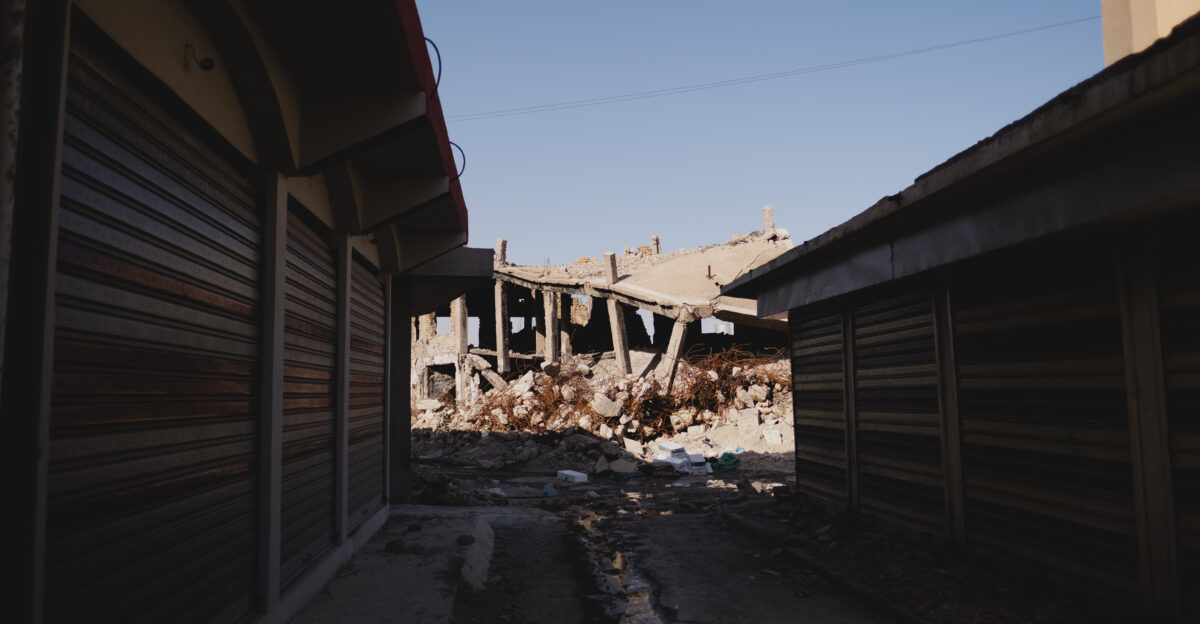
The killing of al-Jasim exposed a troubling development: operational overlap between ISIS and al-Qaeda networks. CENTCOM confirmed his direct connection to the Palmyra attacker, revealing hybrid collaboration once thought unlikely.
Recent strikes involved more than 20 aircraft, underscoring the scale of the response. The revelation complicates counterterror strategies, forcing planners to confront evolving alliances among extremist groups.
Forces on Edge
U.S. troops remain on heightened alert. The American presence in Syria saw the Pentagon reveal in late 2024 that roughly 2,000 personnel were deployed—double previous public estimates.
A drawdown to fewer than 1,000 was announced in April 2025. Iowa Guard units felt the impact directly, as former Trump Syria adviser Andrew Tabler warned ISIS remains “stronger than people realize.”
Trump’s Directive
President Trump personally ordered Operation Hawkeye Strike following the ambush. Defense Secretary Pete Hegseth described the campaign as “a declaration of vengeance,” not the beginning of a new war.
Execution fell to Adm. Brad Cooper and CENTCOM, with clear guidance: respond decisively, protect U.S. forces, and dismantle any network linked to the December attack.
Firepower in the Sky
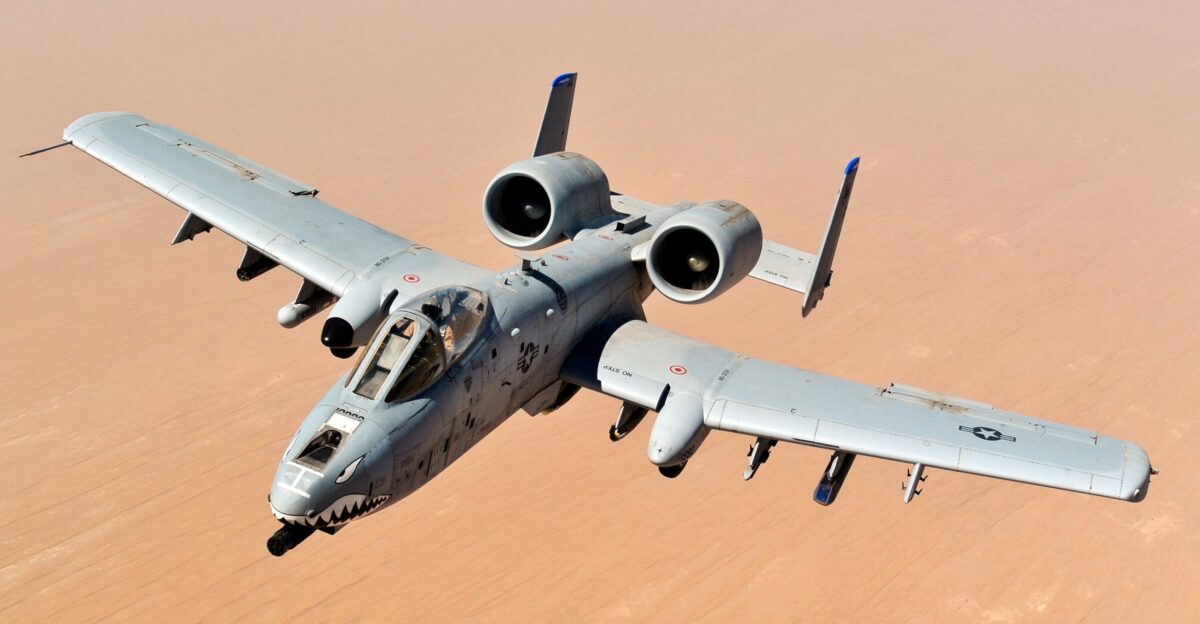
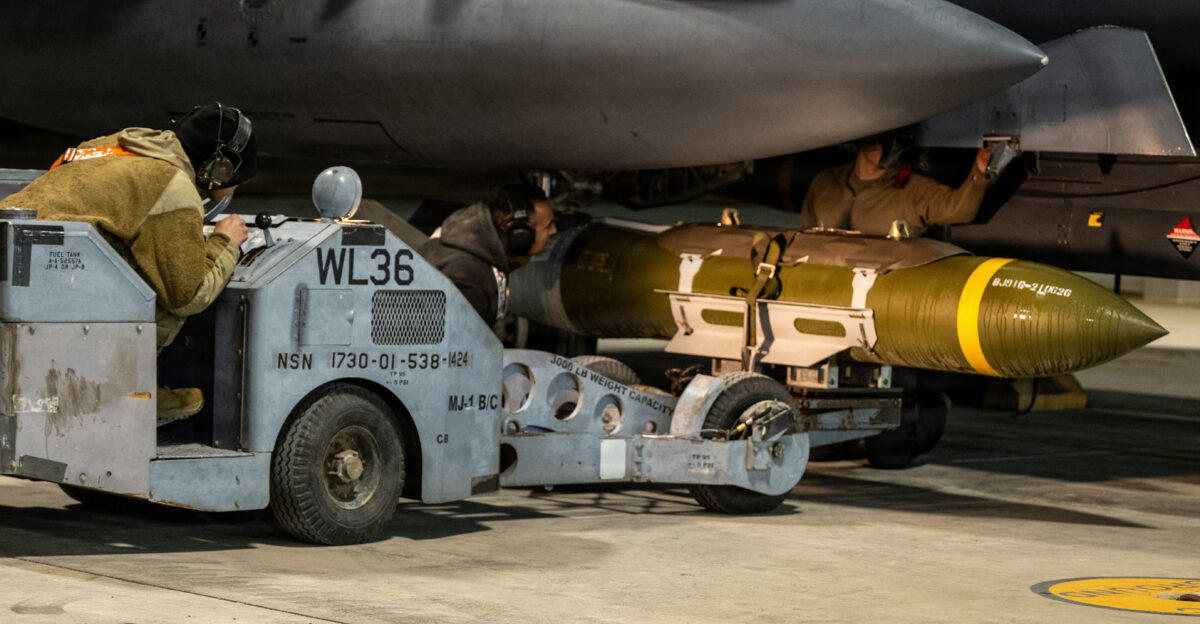
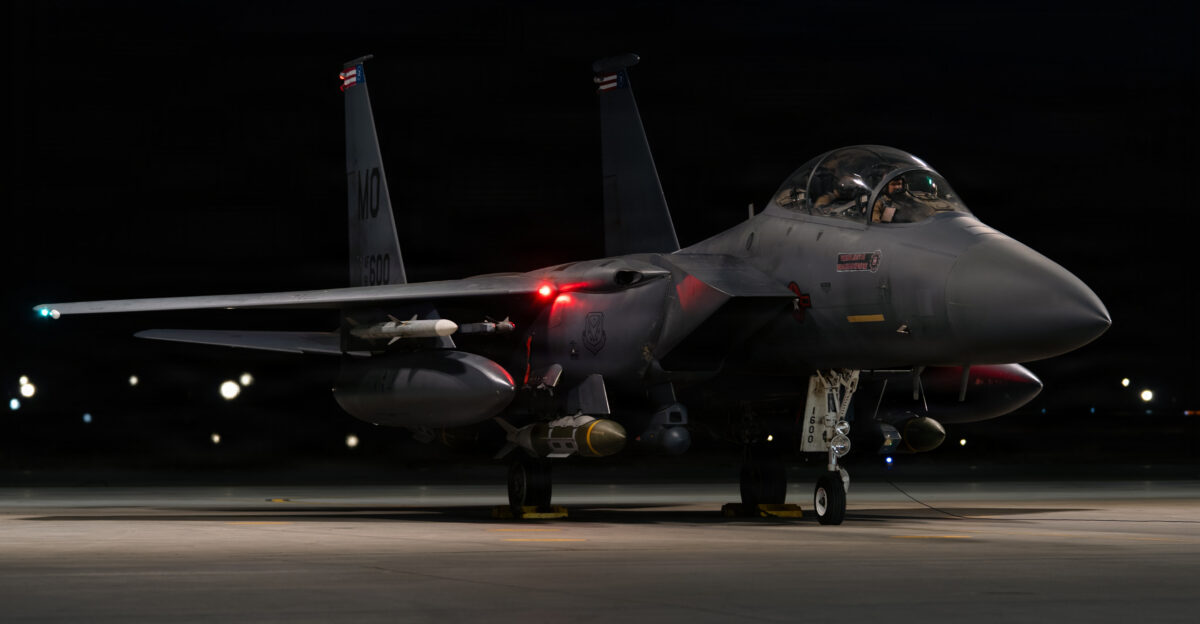
The January 10 strike wave showcased U.S. airpower. A-10 Thunderbolt II aircraft and F-15E Strike Eagles delivered precision-guided munitions on ISIS targets.
Video released by DVIDS showed clean, deliberate strikes. Coalition aircraft added firepower, while ground forces focused on capturing fighters and disrupting escape routes.
Skeptical Voices
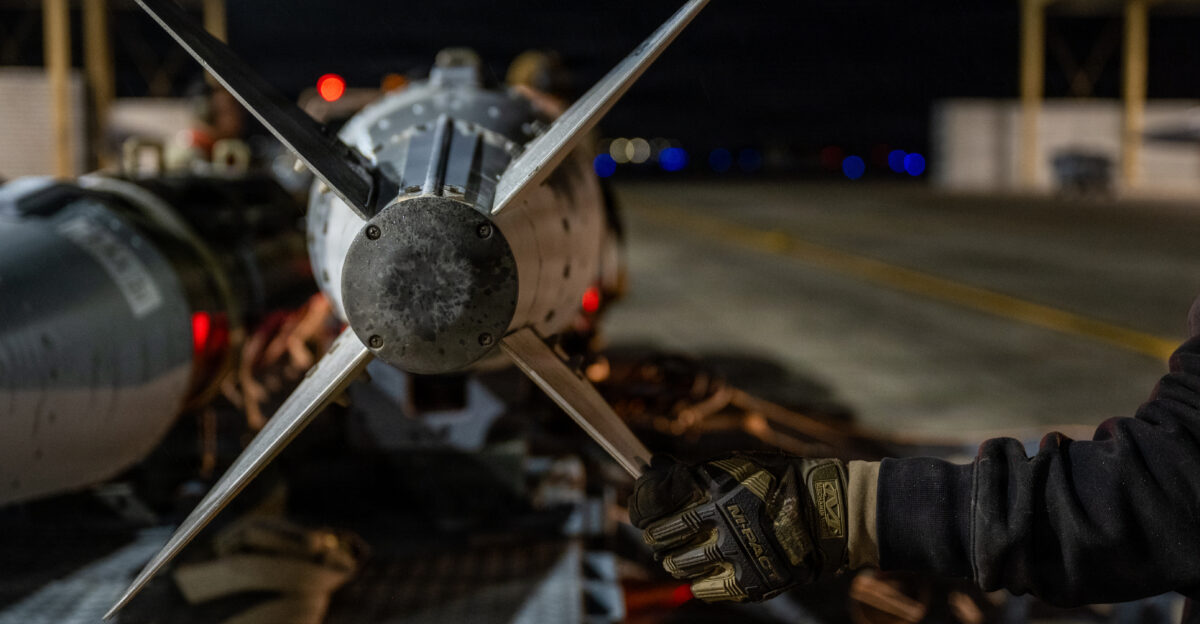
Some experts caution against declaring victory too soon. Andrew Tabler argues the sheer volume of strikes suggests ISIS was underestimated.
The Syrian Observatory for Human Rights reported early casualties, including a drone-cell leader. Adm. Cooper emphasized sustained pressure and Syrian cooperation as essential.
Is Stability Possible?
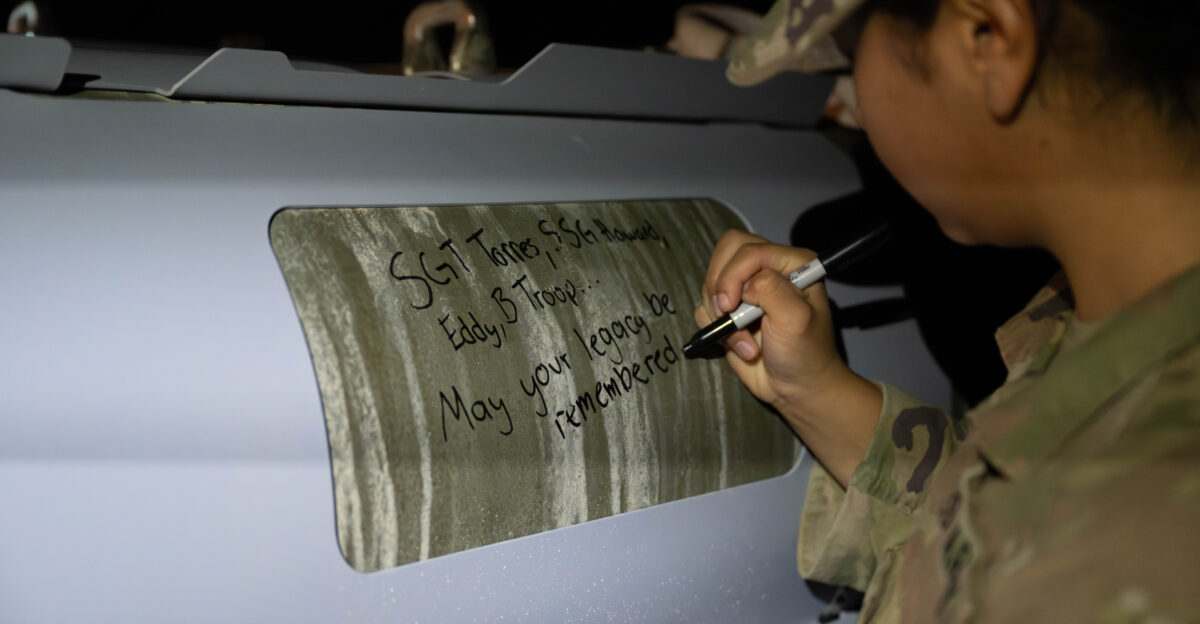
The question now is whether Syria can stabilize under joint pressure. Adm. Cooper emphasized the strategic stakes, stating that “a Syria at peace with itself and its neighbors is essential to peace and stability across the region.”
Operation Hawkeye Strike tests whether swift retaliation can translate into long-term security. For the U.S. troops still deployed, the answer carries immediate consequences.
A Policy Shift
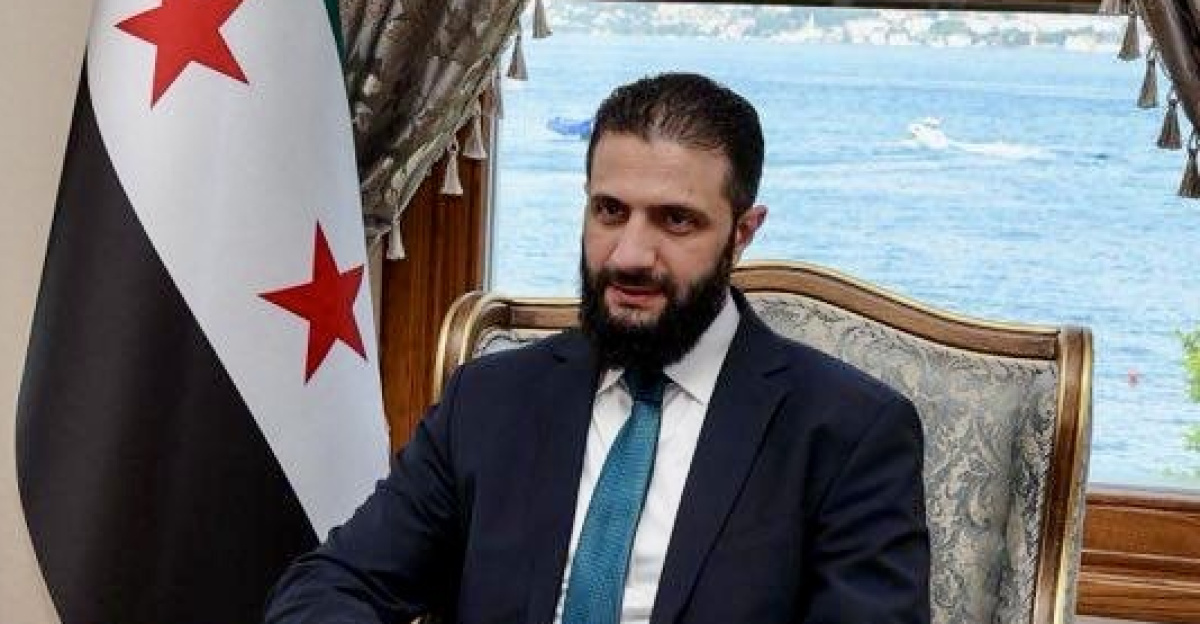
Post-Assad Syria has forced a U.S. policy recalibration. Under Trump, Washington moved from isolation to limited military cooperation with Damascus.
Al-Sharaa must counter extremists while maintaining legitimacy at home. The strikes echo the 2019 defeat of the ISIS caliphate, signaling zero tolerance for resurgence.
Regional Shockwaves
Jordan’s involvement reflects regional alarm over ISIS’s southern expansion. Syrian officials vowed deeper operations, while Trump praised strikes against “thugs regrouping.”
Neighboring states are watching closely for spillover effects. As the coalition grows, so does resistance from hardliners opposed to Western intervention.
Legal Justification
U.S. officials emphasize the strikes fall under existing counterterrorism authorities designed to protect American personnel. No new declaration of war was issued.
Jordan and other partners framed their participation as defensive. CENTCOM cited direct links between al-Jasim and the Palmyra ambush, though debates over civilian risk continue.
The Moral Toll
Beyond strategy, the ambush left lasting scars. Families of the fallen soldiers and interpreter confront the human cost of an enduring conflict.
Analysts note shifting norms as forces face hybrid terror threats. Public debate lingers over whether vengeance deters future attacks or perpetuates the cycle.
“No Safe Place”
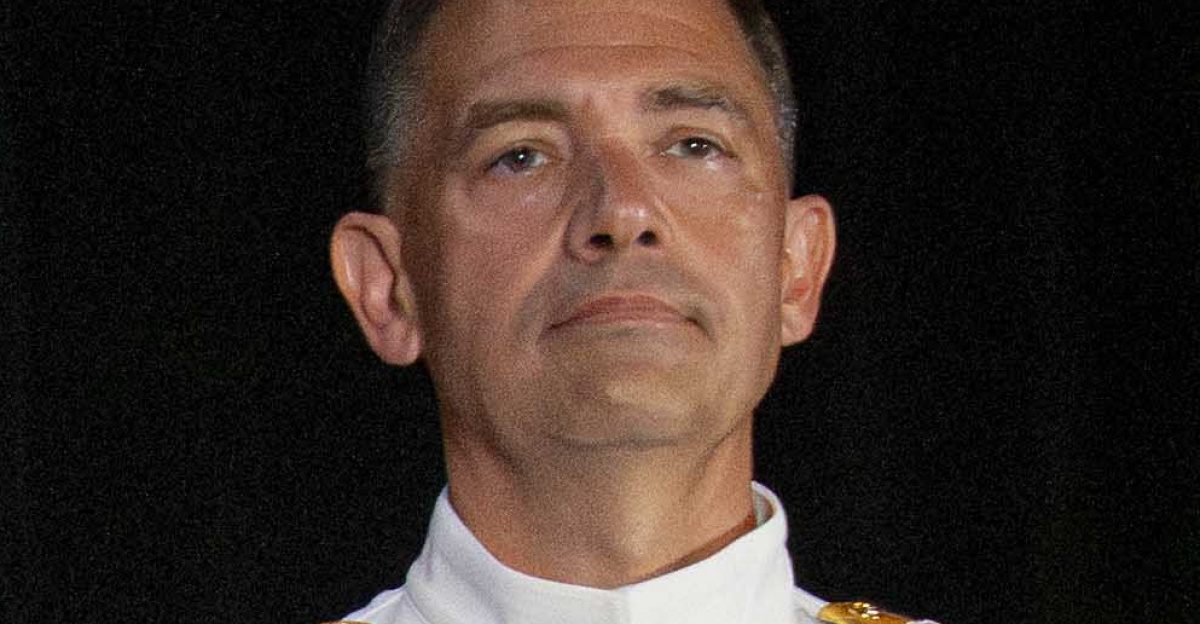
Adm. Brad Cooper’s warning defines the moment: “There is no safe place for those who conduct, plot, or inspire attacks on American citizens and our warfighters. We will find you.”
Operation Hawkeye Strike sends that message across Syria. As ISIS and al-Qaeda links surface, the focus turns to sustaining coalitions and preventing the next ambush.
Sources:
U.S. Central Command | U.S. Forces Kill Al-Qaeda Affiliate Leader Linked to ISIS Ambush | January 16, 2026
U.S. Central Command | CENTCOM launches Operation Hawkeye Strike against ISIS in Syria | December 18, 2025
U.S. Army | Army Identifies Two Casualties | December 14, 2025
Iowa Governor’s Office | Two Iowa Guard soldiers killed in attack in Syria, three others wounded | December 13, 2025
BBC News | Syria to join coalition to defeat IS group after Trump meeting | November 10, 2025
Pentagon/Defense One | US force in Syria is larger than previously known, Pentagon says | December 19, 2024