A seismic shift swept through U.S. housing finance in mid-January 2026 as mortgage applications surged 28.5% in one week—the steepest jump since September 2024. The catalyst: a presidential directive that sent the 30-year fixed mortgage rate plummeting to 6.06%, its lowest mark since September 2022. Refinancing applications soared 40% as homeowners raced to capture rates that had seemed out of reach just days earlier.
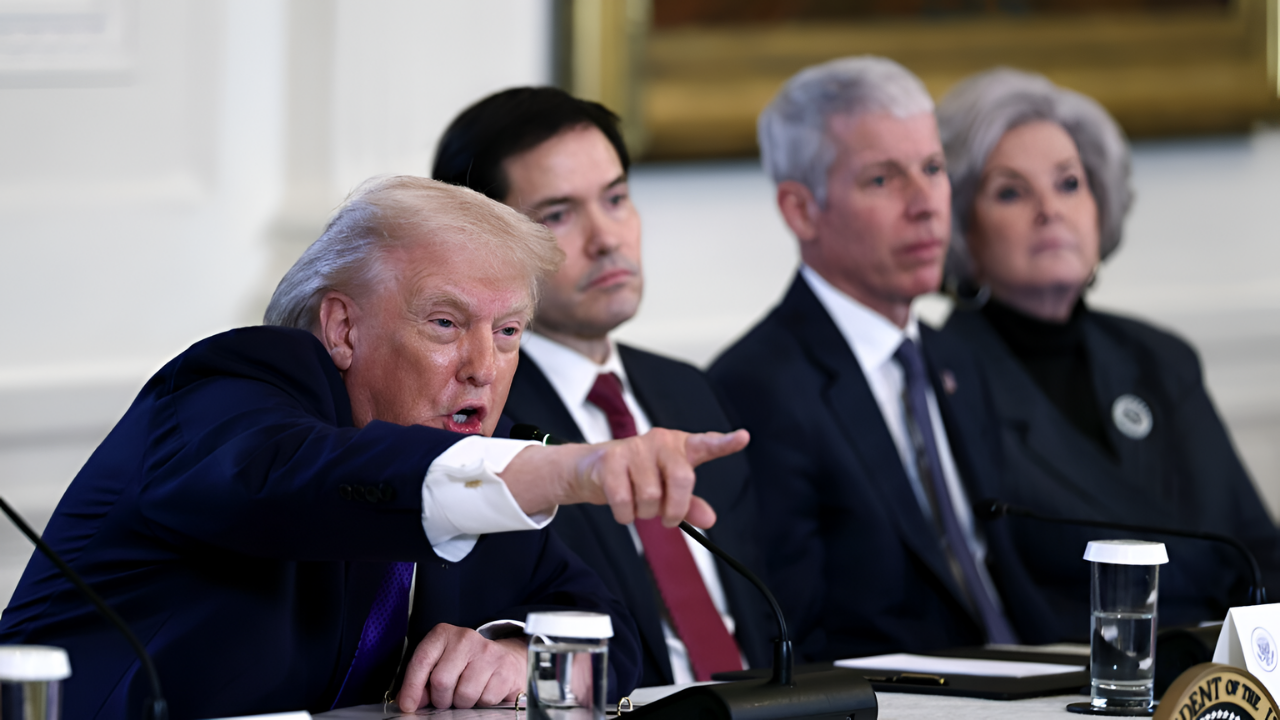
The trigger was an unprecedented intervention by President Donald Trump, who ordered government-backed mortgage giants Fannie Mae and Freddie Mac to deploy $200 billion in market purchases—a move that rattled economists, energized borrowers, and ignited fierce debate over executive power in financial markets.
Presidential Order Triggers Market Upheaval
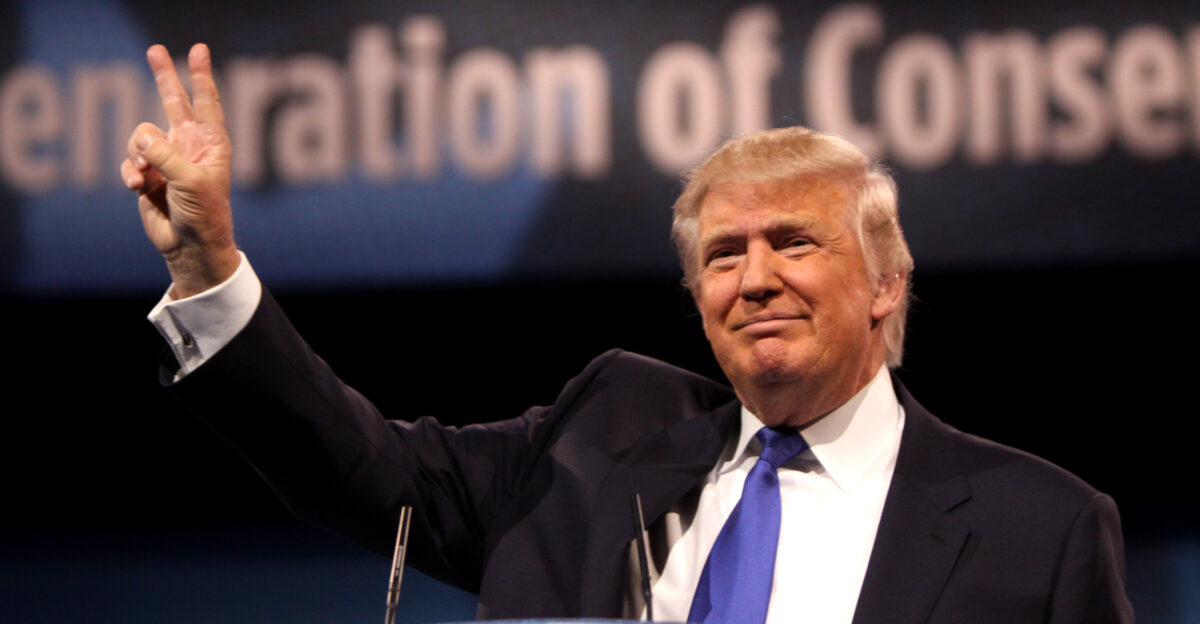
On January 8, 2026, Trump announced via Truth Social that he was directing the government-sponsored enterprises to purchase $200 billion in mortgage-backed securities, claiming they possessed “$200 BILLION DOLLARS IN CASH” and promising lower borrowing costs for Americans. Within 24 hours, Federal Housing Finance Agency Director Bill Pulte executed a $3 billion initial purchase.
Markets responded immediately: the 30-year fixed rate dropped from 6.16% to 6.06% for the week ending January 15, while the 15-year rate fell to 5.38%. Purchase applications jumped 16% week-over-week and climbed 13% year-over-year, signaling renewed housing market momentum.
The Mechanics of Rate Suppression

When Fannie Mae and Freddie Mac increase purchases of mortgage-backed securities, elevated demand pushes bond prices higher and compresses yields. Because lenders price mortgages at spreads above MBS yields, lower yields translate directly to reduced borrowing costs. At 6.06%, a $360,000 mortgage generates monthly principal and interest payments of approximately $2,172—delivering $230 monthly savings compared to a 6.6% rate.
Over 30 years, borrowers save roughly $84,000 in total interest costs, making refinancing suddenly viable for millions carrying higher-rate loans from 2023-2024. However, Trump’s cash reserve claim significantly overstates reality: third-quarter 2025 filings reveal the GSEs held combined cash and equivalents of less than $17 billion as of September 30, 2025—with Fannie Mae reporting $12.2 billion and Freddie Mac $4.6 billion.
Systemic Risks and Economic Concerns

Economists and industry leaders issued sharp warnings about the intervention’s potential consequences. Mohamed El-Erian characterized the initiative as “People’s QE”—applying quantitative easing not to stabilize financial markets during crises but to finance political objectives ahead of midterm elections. Michael Bright, CEO of the Structured Finance Association, cautioned the $200 billion purchase “exposes Fannie and Freddie to the exact same risks that got them blown up” in 2008, when the GSEs’ accumulation of mortgage-backed securities contributed to their insolvency and required a $190 billion federal bailout.
Peter Schiff warned that deploying $200 billion means “$200 billion less available for purchasing Treasuries,” potentially reducing demand for government securities and elevating Treasury yields. The policy depletes cash reserves designed as buffers against economic downturns precisely when housing valuations remain historically elevated.
Supply Shortage Undermines Rate Relief

The fundamental housing crisis remains unaddressed by financial interventions. Goldman Sachs Research estimates the United States faces a shortage of 3 to 4 million housing units—equal to 2% to 2.6% of current housing stock—necessary to restore pre-crisis affordability levels. Restrictive zoning regulations, construction bottlenecks, and decades of underbuilding following 2008 created this structural deficit.
Chris Salviati, chief economist at Apartment List, explained the policy’s flaw: by subsidizing borrowing costs without expanding supply, the intervention risks driving prices higher “by bringing more demand into the market.” Peter Schiff argued that the core U.S. housing issue is “not the elevated mortgage rates but the high home prices themselves.” Enabling buyers to overpay through subsidized financing sustains unsustainable valuations and delays necessary market corrections. Nearly 20% of young adults currently live with parents—double the historical 10% norm.
The intervention’s durability remains uncertain. Mortgage rates began climbing from the sub-6% level by January 20-21, driven by oil price expectations and inflation concerns, with the 30-year average returning to approximately 6.07% by January 16. Chief economists project rates will stabilize around 6.3% throughout 2026—down from 6.6% in 2025 but far above pandemic-era levels. The directive indefinitely delays long-discussed plans to privatize Fannie Mae and Freddie Mac, with Mike O’Rourke of JonesTrading stating: “If the GSEs can act as a financial tool for Presidential initiatives, we should not anticipate their return to private status anytime soon.”
Heading into 2026 midterm elections with Republicans holding a narrow House majority and Trump’s approval at 40%, housing affordability emerged as a top voter concern. Whether this unprecedented peacetime use of executive authority to manipulate mortgage markets delivers lasting relief or compounds long-term systemic risks will depend on implementation pace, Federal Reserve responses, and whether Washington finally confronts the nation’s acute housing supply crisis.
Sources:
“Mortgage rates hit 3-year low after Trump’s bond-buying announcement” – Yahoo Finance
“Trump orders his ‘Representatives’ to buy $200 billion in mortgage bonds” – Reuters
“Trump ‘instructing’ his ‘Representatives’ to buy $200B in mortgage bonds” – CNBC
“US 30-year fixed-rate mortgage drops to near 3-1/2-year low” – Reuters
“Pulte confirms Fannie and Freddie will buy $200 billion of mortgage bonds” – Scotsman Guide
“The Outlook for US Housing Supply and Affordability” – Goldman Sachs Research