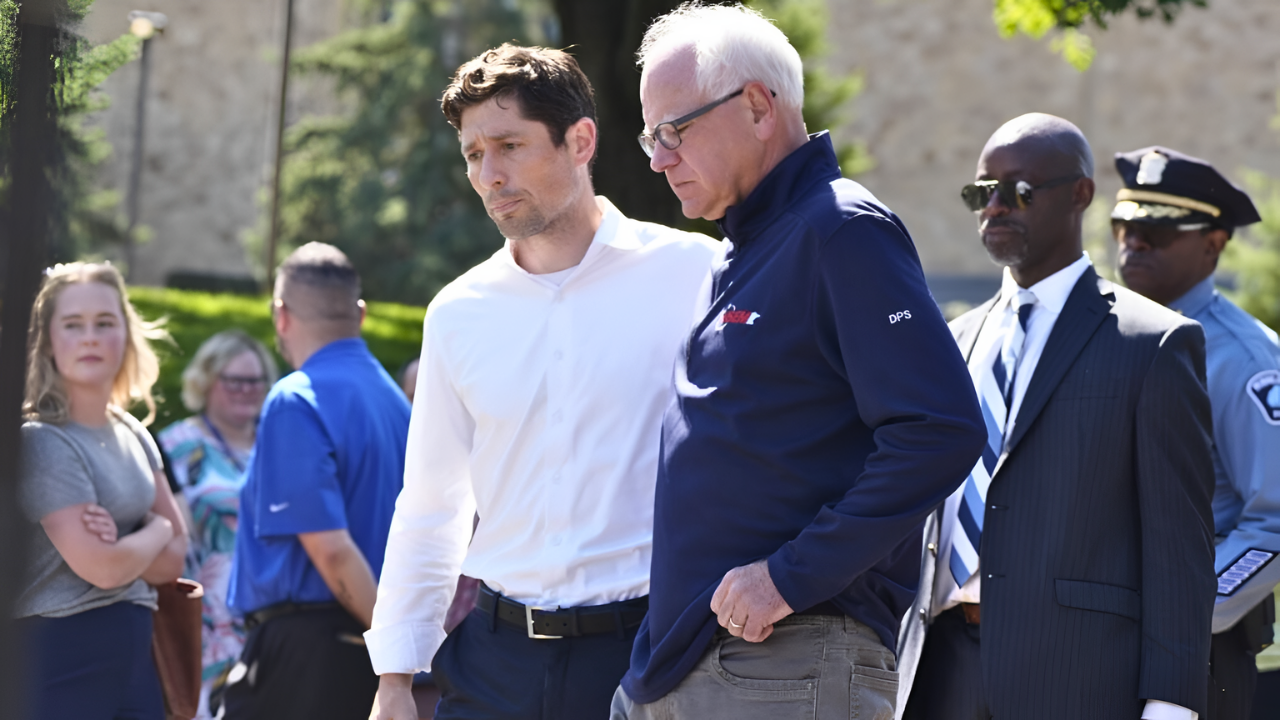
In January 2026, the U.S. Department of Justice crossed a line that had never been crossed before—issuing federal grand jury subpoenas to a sitting governor for his public statements about immigration enforcement.
Governor Tim Walz and Minneapolis Mayor Jacob Frey now face criminal investigation, accused of obstructing federal law through rhetoric alone. The charge: conspiracy to impede federal officers. Can public criticism become a federal crime?
Unprecedented Legal Theory

While governors have faced federal criminal investigations before, legal experts say this marks the first instance where federal prosecutors have attempted to use federal obstruction statutes against a sitting governor based solely on rhetorical criticism of federal law enforcement operations.
David Schultz, a First Amendment expert at Hamline University and the University of St. Thomas School of Law, stated: “There’s no case on record that has taken mere criticism to be equivalent to obstruction of justice.”
Agents Flooded Minnesota’s Streets
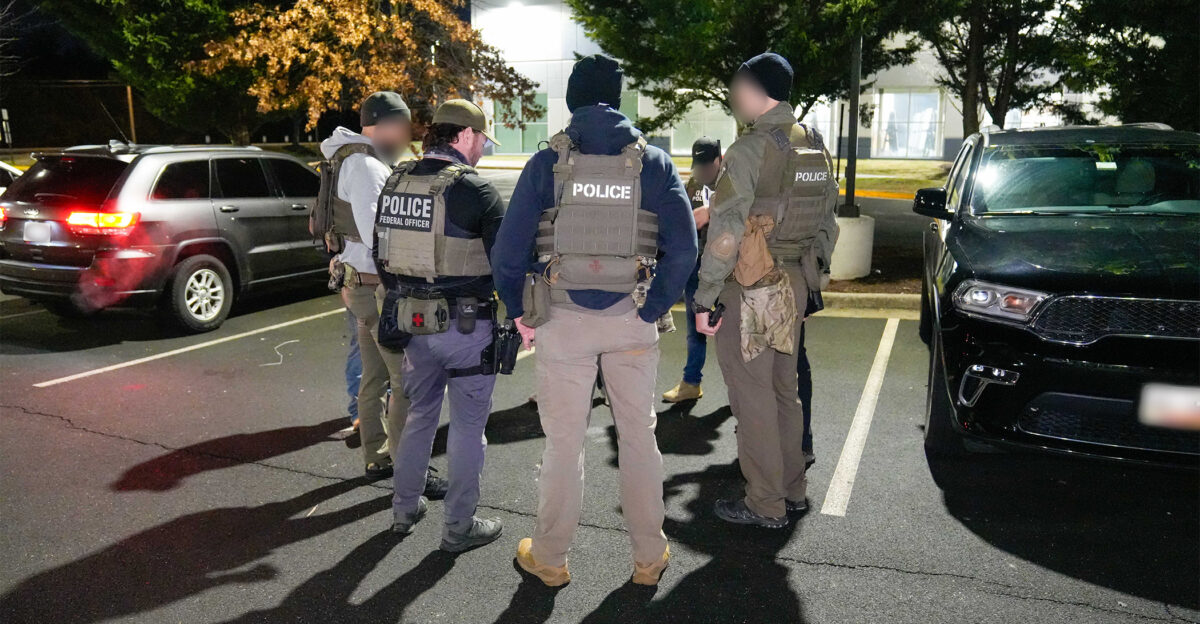
On January 2, 2026, approximately 3,000 federal immigration officers began arriving in Minneapolis—nearly five times the entire Minneapolis Police Department. Operation Metro Surge was billed as targeting violent criminals and child predators. But residents watched their streets flood with unprecedented federal firepower.
It looked like an occupation. State officials immediately pushed back. The stage was set for a collision between the local authority and the federal force.
The Moment That Changed Everything
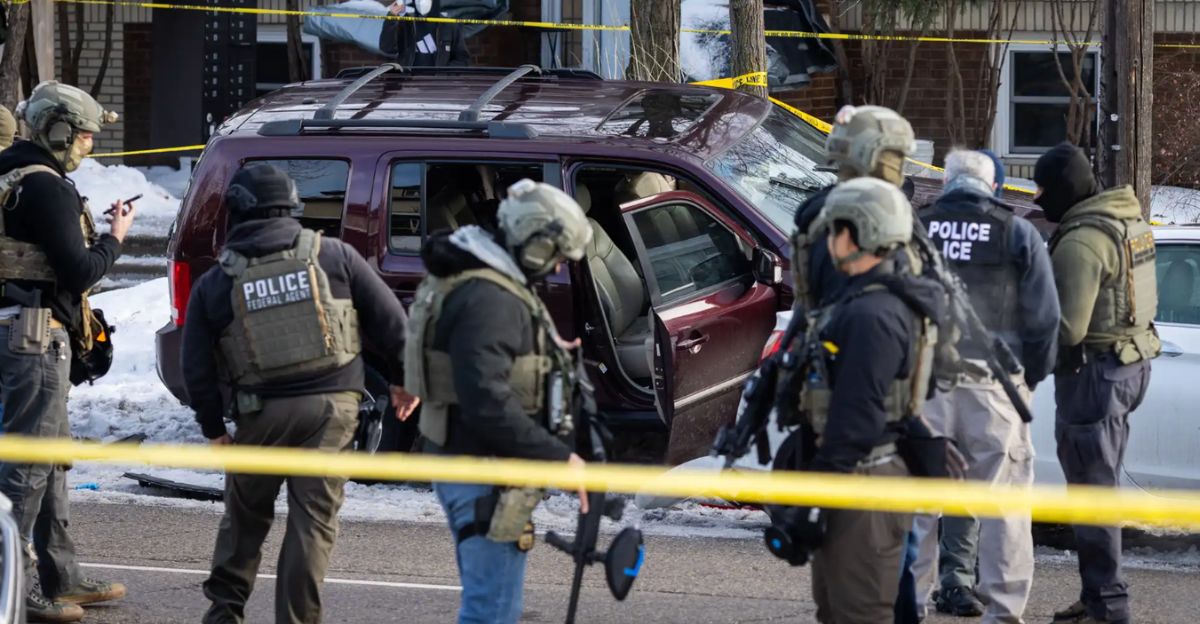
On January 7, 2026, ICE agent Jonathan Ross shot and killed Renee Good, an unarmed mother of three, during an immigration operation. Ross claimed self-defense, stating that Good drove her vehicle toward him as she attempted to flee.
Video evidence from multiple angles disputed his threat assessment, according to law enforcement sources. The shooting was supposed to trigger an investigation into the officer’s conduct. Instead, the DOJ would investigate everyone except the man who pulled the trigger.
Walz Fought Back. Then The Subpoenas Came.
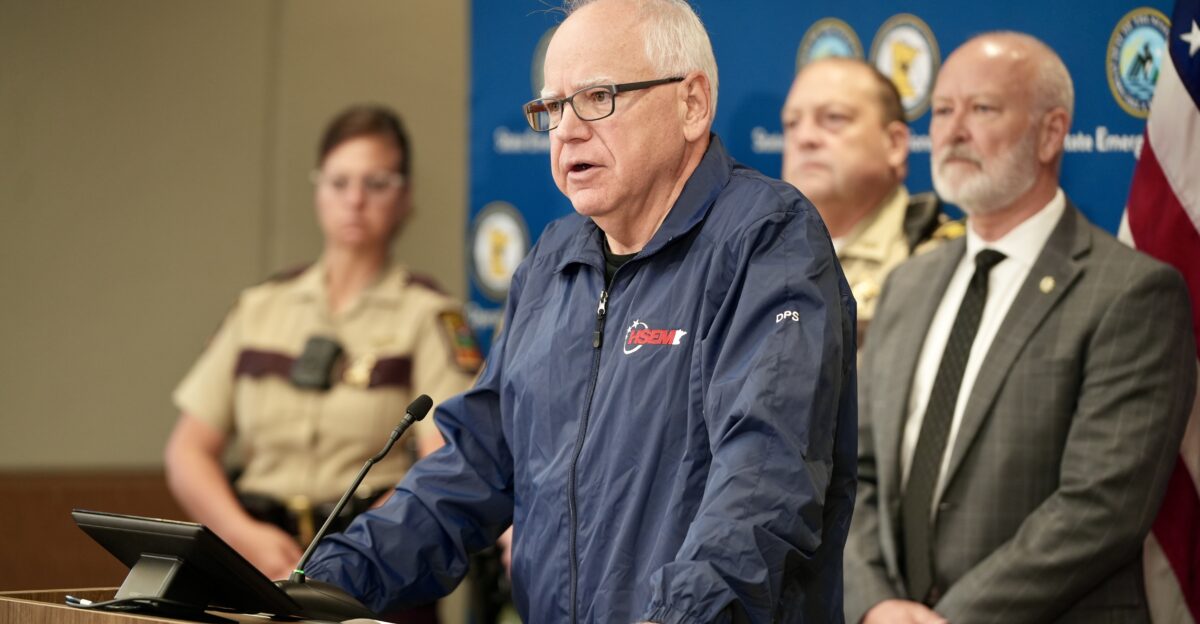
“Weaponizing the justice system and threatening political opponents is a dangerous, authoritarian tactic,” Governor Walz declared. “Five days ago, it was Elissa Slotkin. Last week it was Powell. Before that, Mark Kelly. Now us. This is authoritarianism.”
His warnings about DOJ weaponization echoed across the political landscape, but they also became a liability.
The Mayor’s Defiance Became Evidence Against Him
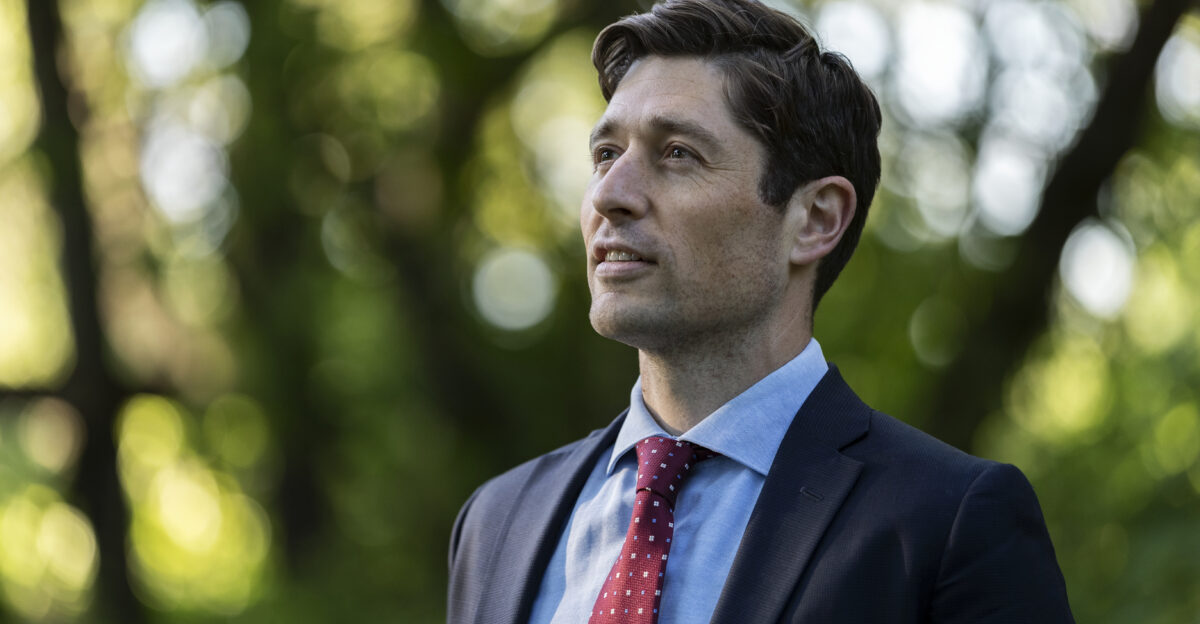
Mayor Jacob Frey stood before Minneapolis residents and demanded that the federal agents leave. His language was blunt: “Get out of Minneapolis.” In a statement to DOJ investigators, he amplified his resistance: “This is an obvious attempt to intimidate me for standing up for Minneapolis against the chaos and danger this Administration has brought to our streets. I will not be intimidated.”
Federal prosecutors framed his words as the smoking gun of a conspiracy to obstruct justice.
Six Prosecutors Quit In One Week
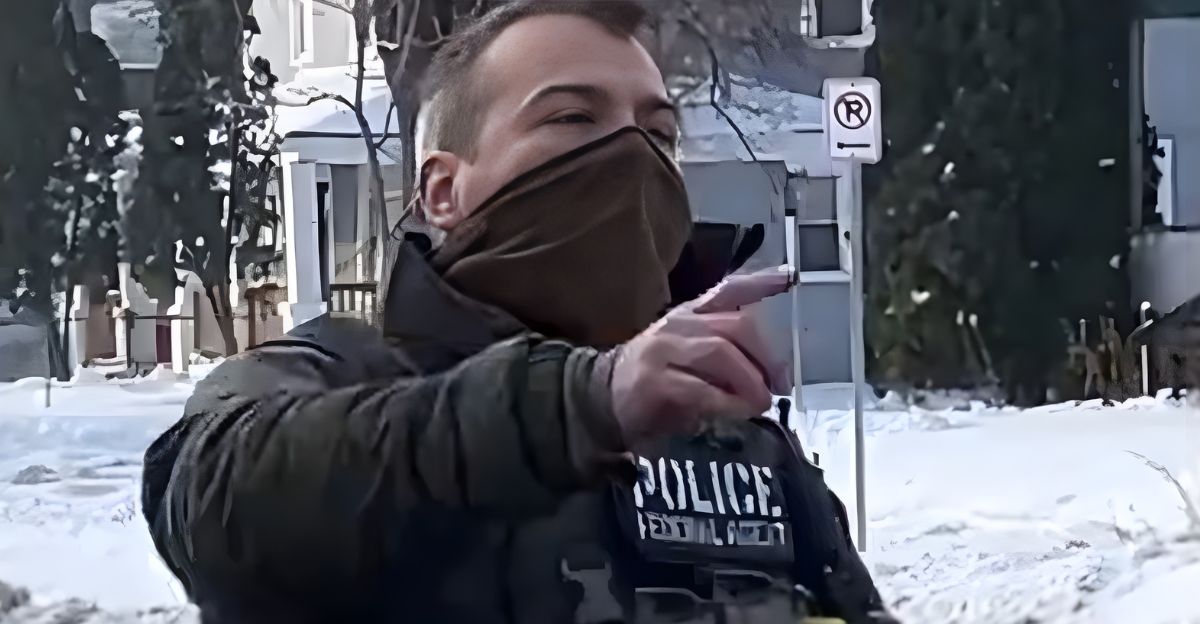
Six prosecutors in Minnesota’s U.S. Attorney’s Office resigned in one week—including Mel Williams, who led the criminal division, and Joe Thompson, who convicted targets in the Feeding Our Future scandal. Their reason: they were ordered to investigate the wrong people.
DOJ leadership pressured them to pursue Renee Good’s widow, Becca Good, for alleged ties to activist organizations. Meanwhile, the agency resisted examining the ICE agent who killed her.
The Widow Under Investigation. The Shooter, Not So Much
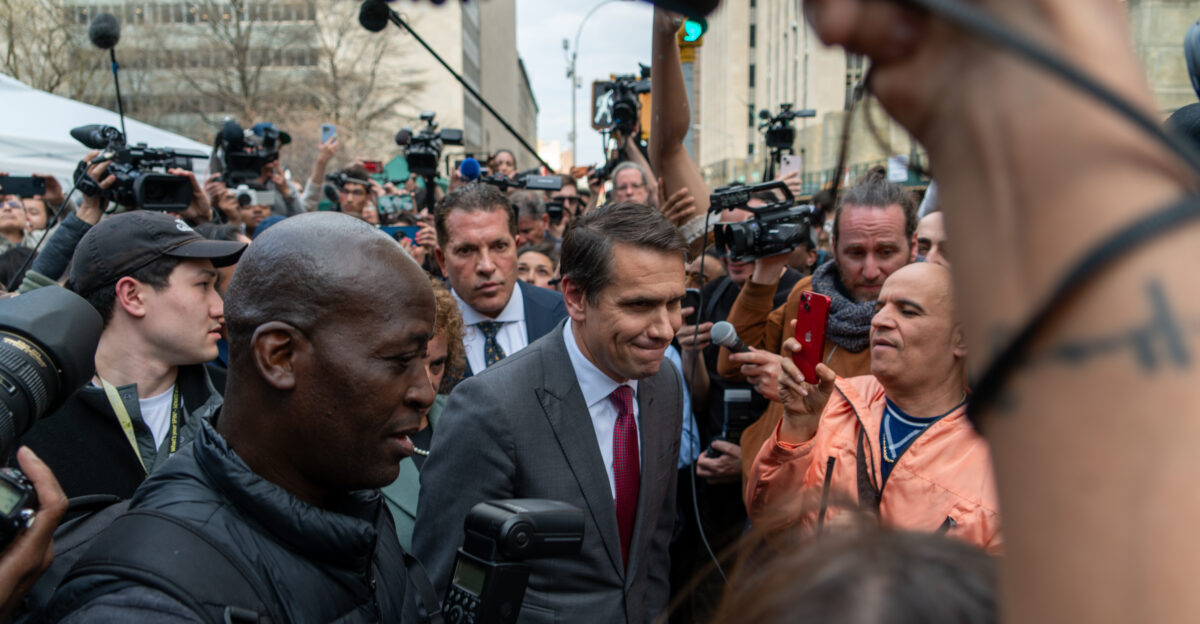
The logic was inverted. ICE agent Jonathan Ross faced no criminal civil rights investigation. Instead, DOJ leadership targeted Becca Good, the widow, searching for connections to activist groups, which is not itself illegal.
Assistant Attorney General Todd Blanche was blunt: “There is no basis for a criminal civil rights investigation” into the officer’s conduct.
A Former Senator Sounds The Alarm
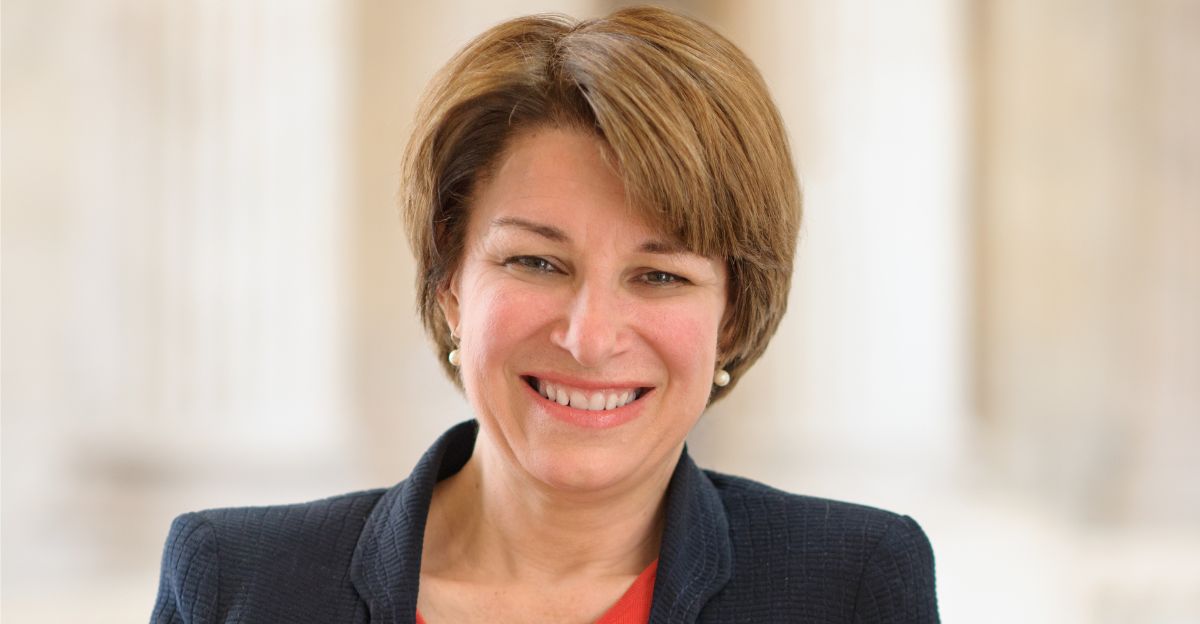
Former U.S. Senator Amy Klobuchar, herself a former prosecutor from Minnesota, publicly objected to the investigation’s direction. She pointed to the state law enforcement’s departure from the case. When state investigators are removed, and only federal prosecutors remain, when the victim’s family becomes the target, something has rotted at the core of the inquiry, she warned.
Her criticism underscored concerns that the investigation had become a political tool.
Political Rhetoric Is A Federal Crime
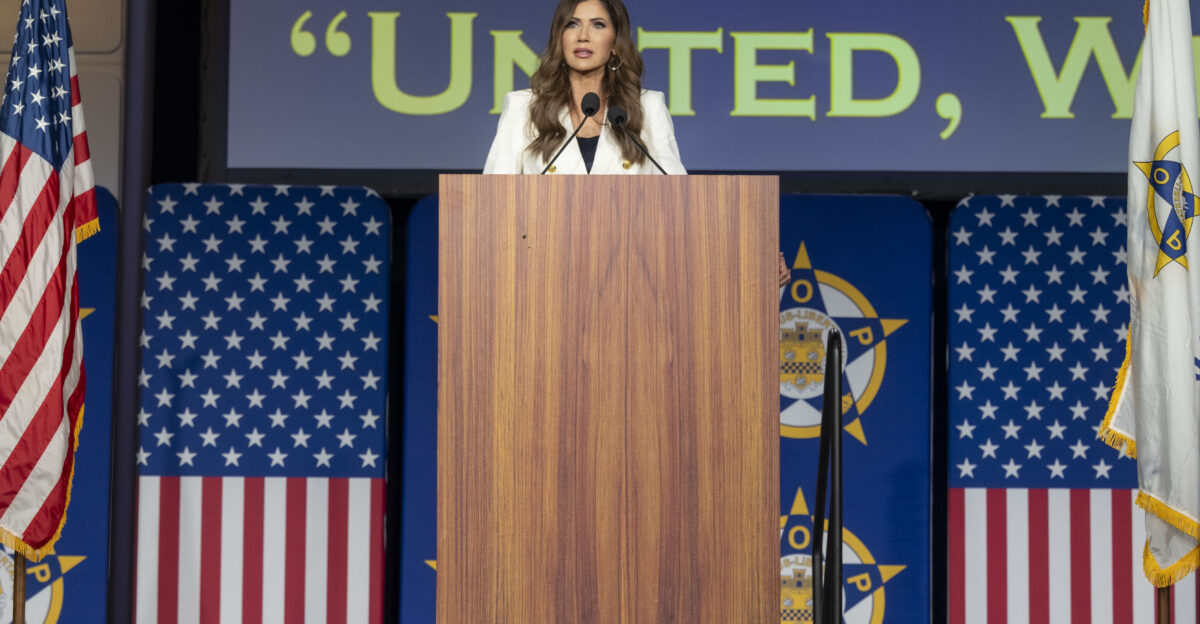
Homeland Security Secretary Kristi Noem framed the DOJ’s accusation in stark terms: “Mayor Frey and Governor Walz have to get their city under control. They are inciting obstruction and violence against our law enforcement, which constitutes a federal crime, a felony.”
Deputy Attorney General Todd Blanche reinforced it: “We will PROSECUTE anyone attacking or obstructing” federal officers. The implication was clear—talking counts as obstructing.
The Specific Words Now Under Criminal Scrutiny
Mayor Frey’s demand that federal agents “get out of Minneapolis” was profane and direct. Governor Walz’s characterization of federal enforcement as “authoritarian” and “weaponized” was withering.
These statements became the centerpiece of the DOJ’s case. But prosecutors faced a legal problem: the statute they invoked, 18 U.S.C. § 372, requires proof of conspiracy—coordinated action between two or more people, not merely critical speech. The legal bar is high.
Trump’s Deadline: February 1.
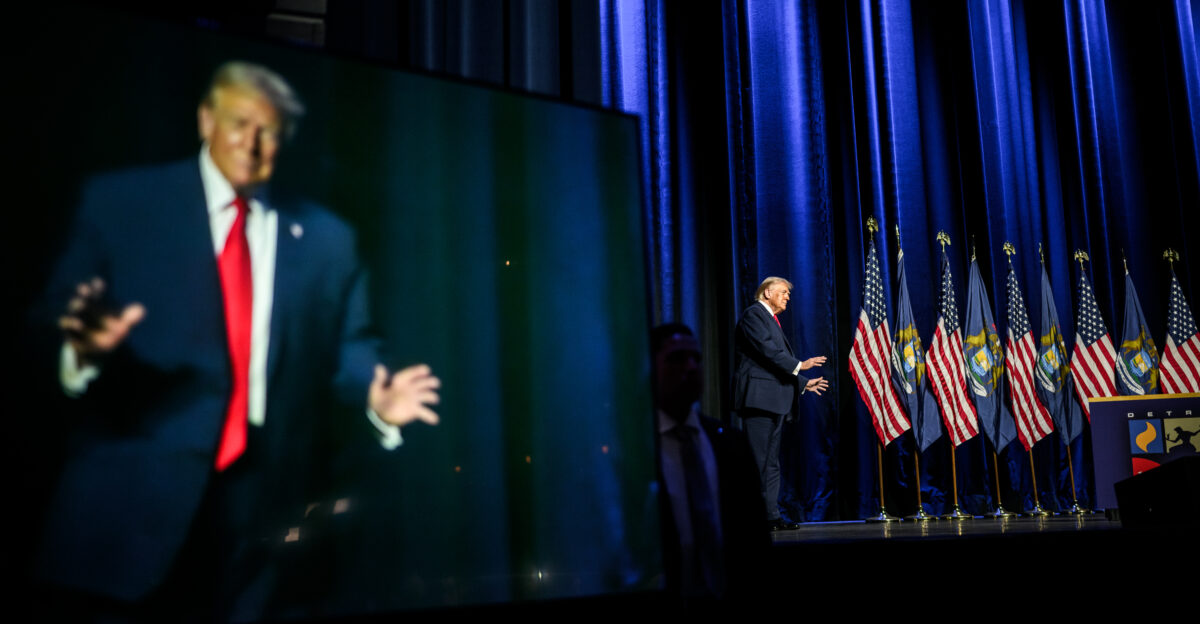
While the investigation proceeded, President Trump announced the real leverage. Starting February 1, 2026, his administration would revoke federal funding from any state containing sanctuary cities. “We’re not making any payments to sanctuary cities or states having sanctuary cities because they do everything possible to protect criminals,” Trump said at the Detroit Economic Club.
Minnesota was explicitly named as a target. The message was unmistakable: fall in line or lose everything.
5.7 Million Minnesotans Face A Funding Cliff

What does a federal funding freeze mean for ordinary people? Minnesota receives an estimated $15-20 billion annually in federal support. Programs at immediate risk: SNAP food assistance, Medicaid, Medicare, child care subsidies, and research grants.
The Centers for Medicare and Medicaid Services indicated plans to withhold funding from high-risk Medicaid programs. Minnesota officials vowed to fight in court. But families wondered if they could afford to eat.
Can Words Become A Conspiracy?
The statute at the center—18 U.S.C. § 372—prohibits conspiracies to prevent federal officers from performing duties through “force, intimidation, or threat.” It exists to protect law enforcement from coordinated violence. But prosecutors are stretching it.
They argue that Walz and Frey’s public statements constitute the “threat” element. If this theory holds, what political speech is safe?
Five Democratic Targets In Five Weeks
Walz and Frey are not alone. The DOJ has opened investigations targeting U.S. Senators Elissa Slotkin and Mark Kelly, Federal Reserve Chair Jerome Powell, and other Democratic officials. The timing is not random. The targets are not bipartisan.
Legal scholars have asked whether this represents genuine law enforcement or selective prosecution based on political affiliation. Walz’s comparison is not an exaggeration. It’s a documented pattern.
What Comes Next
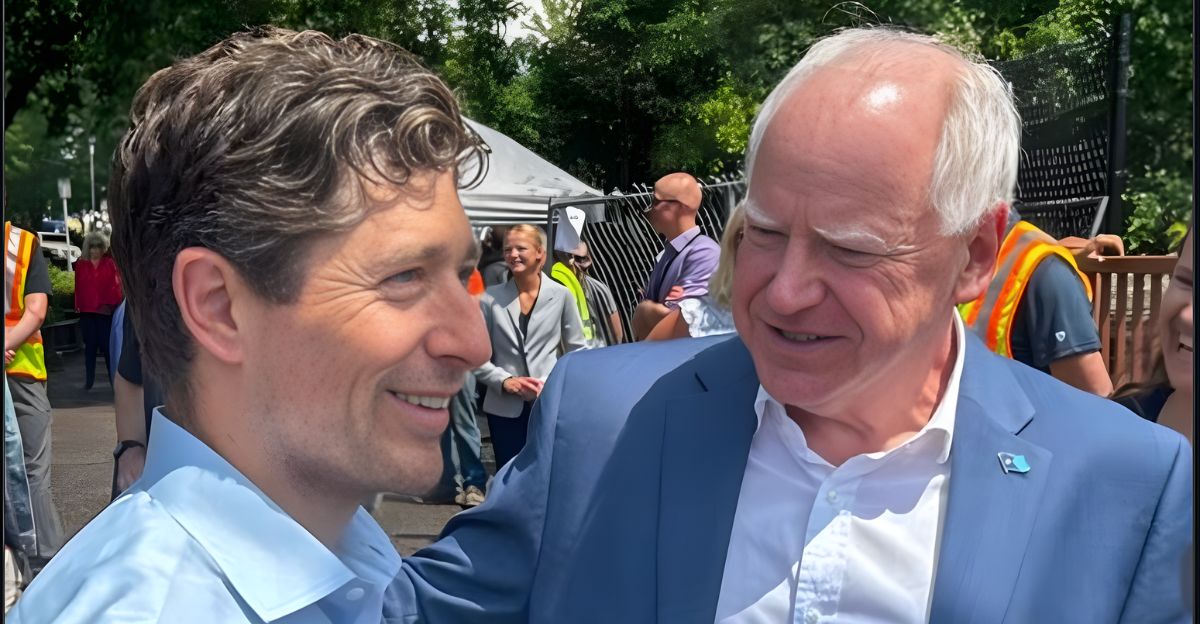
Walz and Frey now hold federal grand jury subpoenas demanding documents and testimony. Both have indicated they will fight through their legal teams, challenging the subpoenas on constitutional grounds. The grand jury will convene in the coming weeks to determine whether to recommend formal charges.
If charges are brought, the trial becomes a watershed moment: Does a governor’s criticism constitute conspiracy to obstruct justice? Can federal law prosecute political opposition? The answers will reshape American federalism.
Sources
CBS News – DOJ investigating Gov. Tim Walz, Minneapolis Mayor Jacob Frey
New York Times – DOJ Opens Criminal Investigation Into Minnesota Governor
CNN – DOJ investigating Minnesota governor, Minneapolis mayor over ICE statements
BBC – Video filmed by ICE agent who shot Minneapolis woman
Hamline University/St. Thomas Law School – David Schultz First Amendment analysis
X/Twitter – Deputy Attorney General Todd Blanche prosecution statement