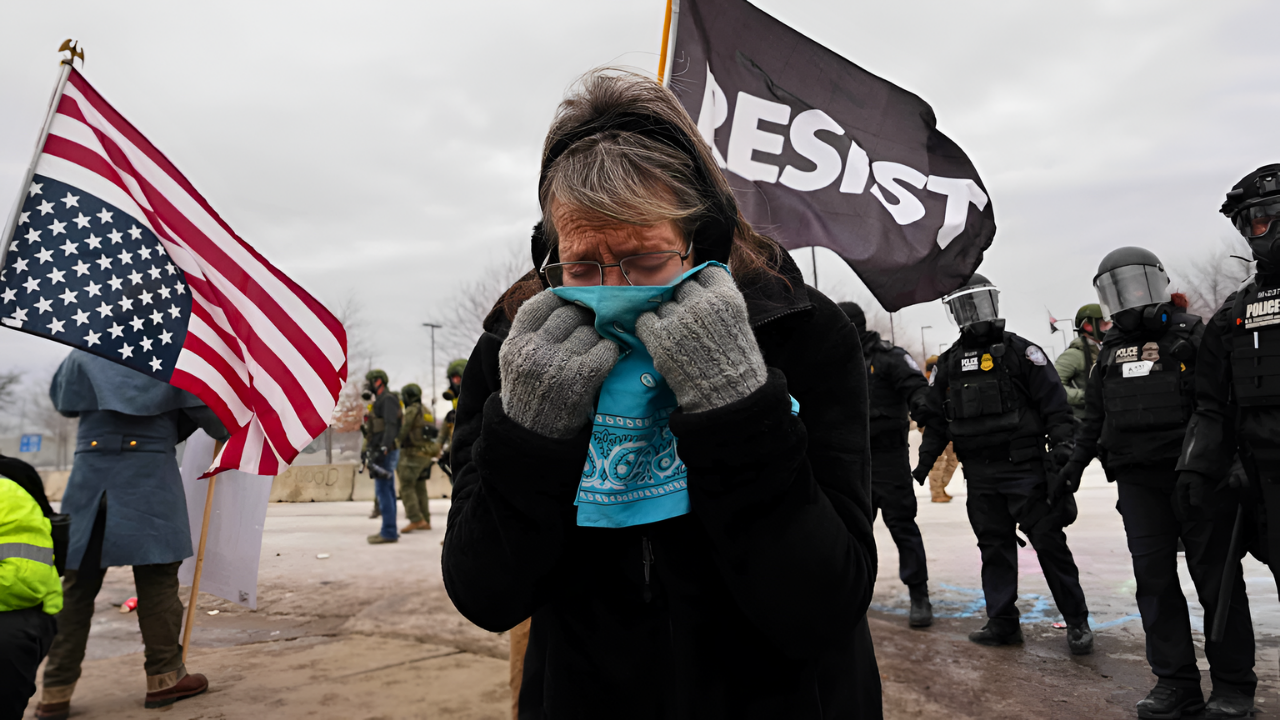
Nearly 3,000 federal immigration agents arrived in Minneapolis-St. Paul in December 2025. The Department of Homeland Security called it “the largest immigration operation in U.S. history.” Operation Metro Surge had five times as many agents as the entire Minneapolis Police Department.
Masked, armed agents conducted raids and stops across the Twin Cities. Community members started watching patrols to document what was happening. Within days, these observers faced violent pushback from federal agents. This conflict would lead to a major court battle.
Constitutional Crisis
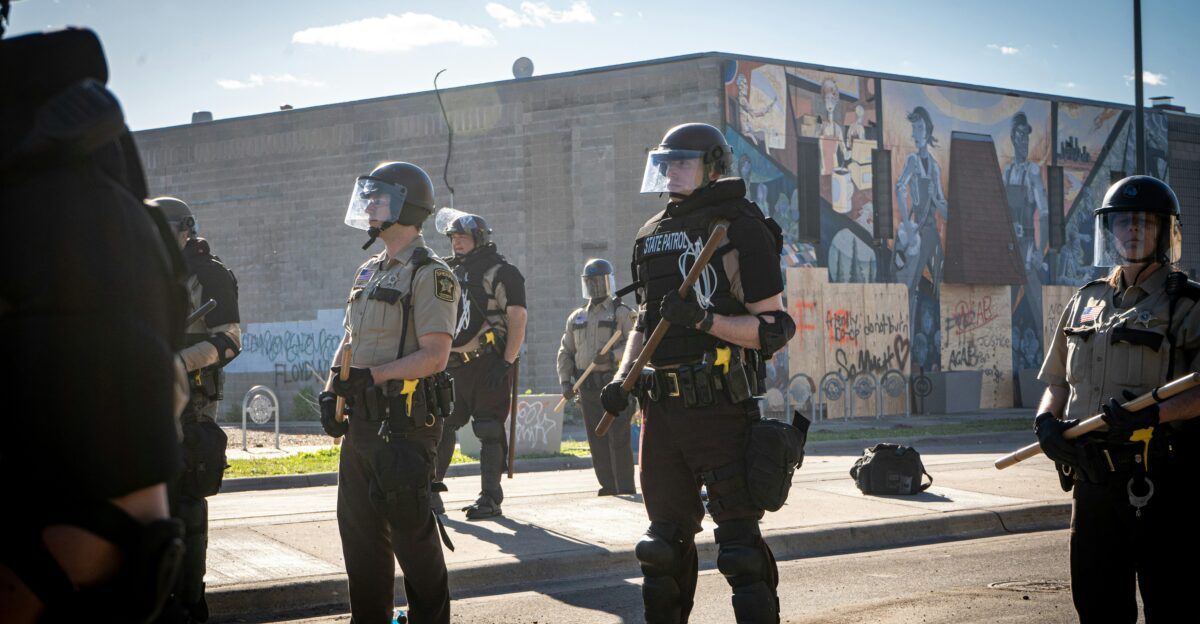
Susan Tincher walked onto her North Minneapolis sidewalk at 6:30 a.m. on December 9, 2025. She wanted to observe an ICE operation near her home. Within seconds of asking “Are you ICE?” agents threw her to the ground.
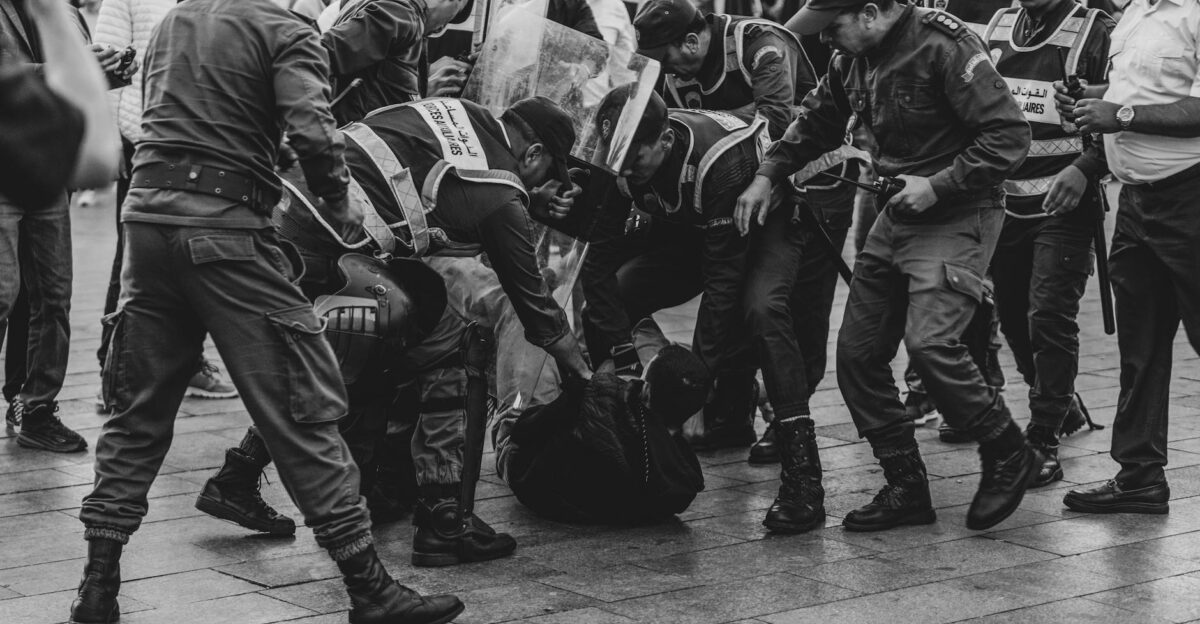
The 55-year-old Rotary Club leader was handcuffed and detained for five hours. No charges were filed against her. Her husband searched for her all morning. Across the Twin Cities, other observers reported similar treatment. They were pepper-sprayed, had guns pointed at them, and received threats simply for watching.
Community Watchdogs
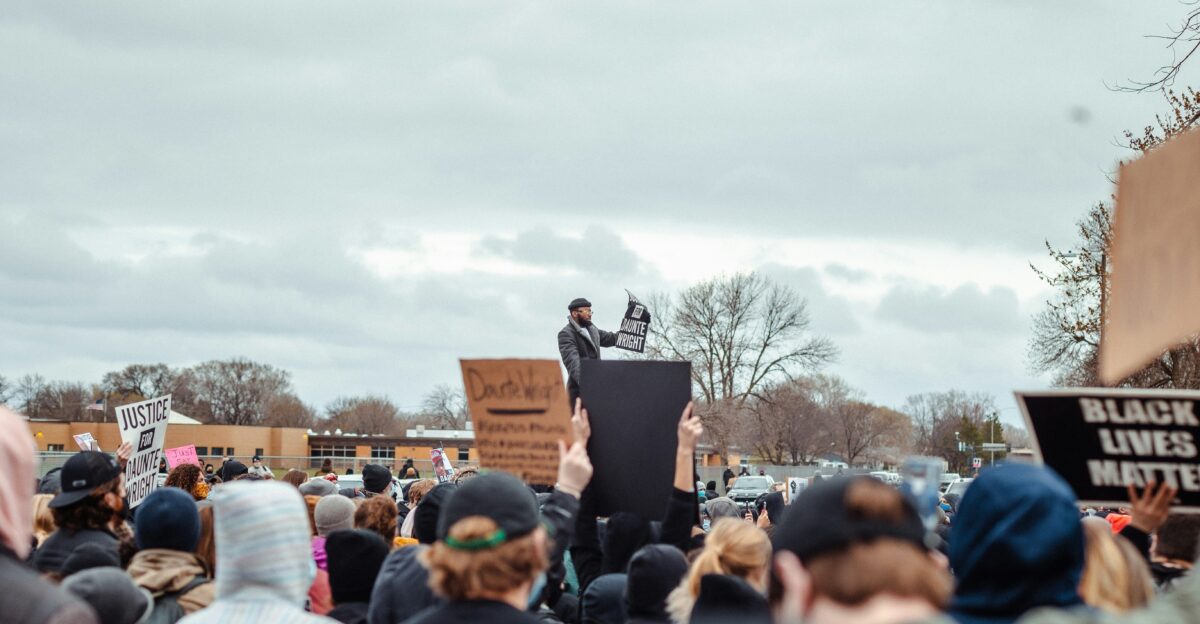
Observation networks grew through encrypted Signal messaging groups. These groups alerted community members when ICE operated in their neighborhoods. Participants included retirees, professionals, students, and activists. They all wanted the same thing: to document immigration enforcement operations.
John Biestman, 69, and his wife Janet Lee, 67, heard about ICE activity near their Linden Hills home on December 7. The retired banker and speech therapist drove to observe. When they entered Roosevelt Park, ICE vehicles surrounded them. Masked officers with semiautomatic weapons surrounded their car. One agent said, “We have your license plate, we know where to find you.”
Pattern of Retaliation
By mid-December, a clear pattern emerged. Federal agents were not just doing immigration enforcement. They were systematically targeting people who observed or filmed their activities. Alan Crenshaw, a 35-year-old student, stood on a roadside to watch. ICE vehicles stopped, and agents pepper-sprayed him directly.
Abdikadir Abdi Noor, a 43-year-old U.S. citizen from Fridley, was arrested while observing. He is a Somali American. DHS Secretary Kristi Noem made a public statement. She said, “Violence is anything that threatens ICE officers.” She listed videotaping operations as one form of “violence.”
The Court Strikes Back

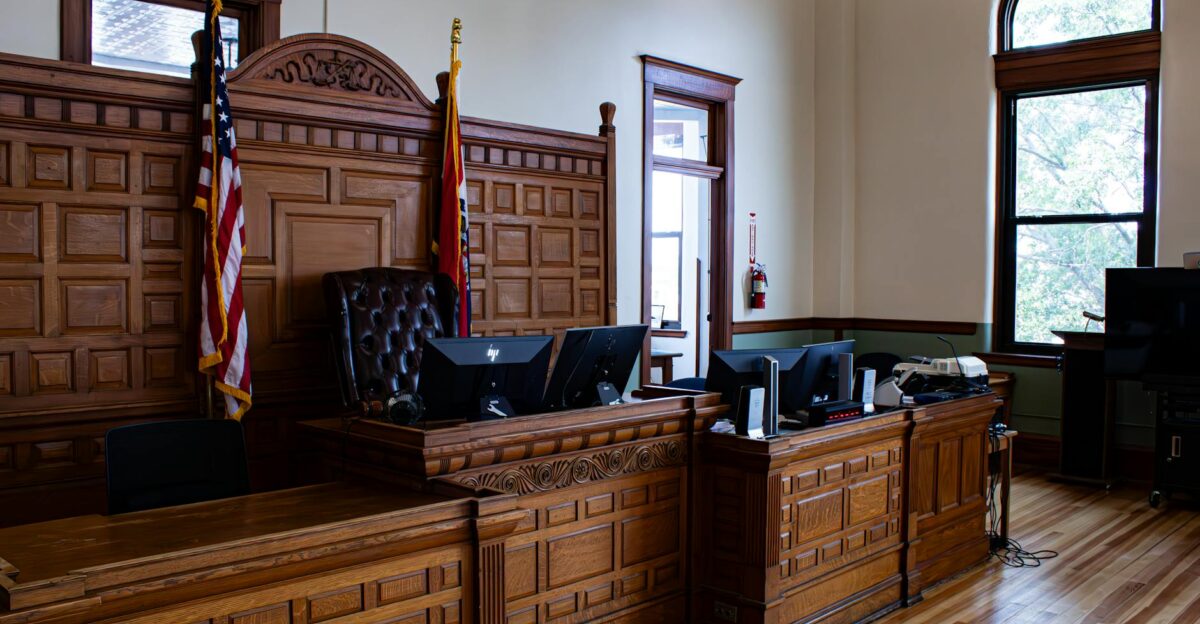
On January 16, 2026, federal Judge Katherine Menendez issued a major order. The 83-page preliminary injunction covered Operation Metro Surge in Minnesota. It ordered federal agents to immediately stop several actions. They could not arrest or detain peaceful protesters. Could not use pepper spray or tear gas on observers and, they could not retaliate against people engaging in protected protest.
The ruling came from a lawsuit filed on December 17, 2025. Six community members sued on behalf of this case. The judge found that agents were likely to have violated the First and Fourth Amendment rights. The order stays in effect until Operation Metro Surge ends.
What the Order Does
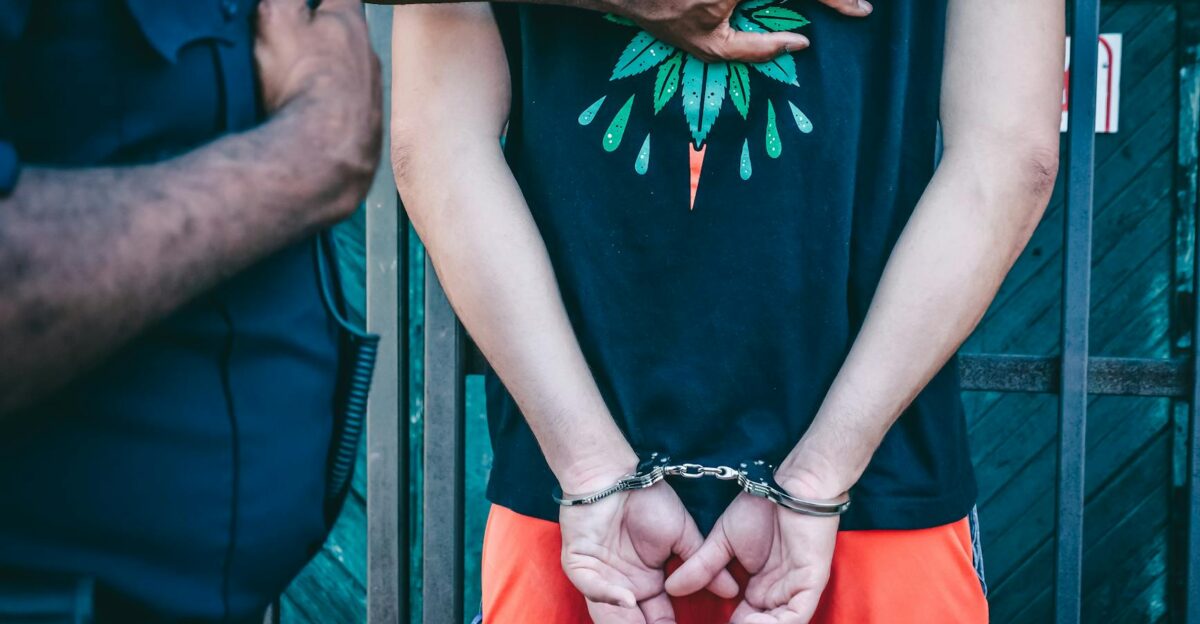
Judge Menendez’s order bans specific actions by federal agents during Operation Metro Surge. Agents cannot arrest or detain peaceful protesters without probable cause. Agents may not use pepper spray, tear gas, or other chemical irritants against observers. They cannot stop vehicles from following them at a safe distance.
Agents cannot retaliate against people doing peaceful, non-obstructive protests. The 83-page order details many constitutional violations committed by agents. The judge emphasized an important point: following officers at a safe distance does not justify police action. Citizens exercising First Amendment rights deserve protection from these actions.
Tragedy That Changed Everything
The court hearing was scheduled for January 8. Then tragedy struck Minnesota. On January 7, ICE agent Jonathan Ross shot and killed Renee Nicole Good. Good was a 37-year-old mother of three. She was in her SUV during an ICE operation. The video shows Ross standing outside the path of her vehicle. He fired three shots. The first went through her windshield.
The second came through her open driver’s window at close range. Emergency calls at 9:39 a.m. captured witnesses describing the scene. Good died approximately one hour after the shooting. That afternoon, protesters chanted, “Say it once, say it twice: We will not put up with ICE.”
The Judge Behind the Ruling
Judge Katherine Menendez brought a unique experience to the bench. She was born in 1971 in Emporia, Kansas, worked as a federal public defender in Minnesota for nearly two decades and became a magistrate judge in 2016. President Biden nominated her to the District Court in September 2021. Congress confirmed her in December 2021.
She argued cases twice before the U.S. Supreme Court. In 2015, one case won a major victory, striking down part of the federal law. In 2021, she wrote a report recommending freedom for a Sudanese immigrant held by ICE. Her background shaped her views on protecting citizens from government overreach.
Rare Legal Victory
Judge Menendez’s Minnesota order provides the strongest protection for immigration observers yet issued. A few similar court orders have been attempted recently. A Los Angeles court issued a temporary restraining order in July 2025. The U.S. Supreme Court cancelled that order just two months later. Judge Menendez’s 83-page ruling covers more ground and provides more specific protections.
The order’s findings about constitutional violations are detailed. It specifically protects people following vehicles and recording video. Earlier court orders only focused narrowly on racial profiling. Legal experts say few federal judges have issued such broad restrictions on immigration enforcement.
The Political Targeting Theory
Minnesota has the lowest percentage of undocumented immigrants of any major state. About 1.5 percent compared to the national average. Yet nearly 3,000 federal agents went there. That equals one agent for every 1,000 Twin Cities residents. Minnesota Attorney General Keith Ellison filed a separate lawsuit. He said the Trump Administration focused on Minnesota for political reasons.
Ellison stated the focus “appears driven by a desire to retaliate against perceived political adversaries.” He said it was not genuine immigration enforcement. From January 7 to 9 alone, local police worked over 3,000 overtime hours. They responded to the federal operation.
Federal Pushback Intensifies

The Department of Justice said it would appeal Judge Menendez’s order. The appeal goes to the Eighth Circuit Court of Appeals. DHS spokesperson Tricia McLaughlin defended the agents. She said they “used minimum force necessary” and took “appropriate constitutional measures.” On January 18, President Trump made a threat.
He said he would invoke the Insurrection Act if Minnesota leaders did not act. He called protesters “professional agitators” and “insurrectionists.” The Pentagon ordered about 1,500 active-duty soldiers to prepare for deployment. This escalated tensions between federal and state leaders.
Multiple Legal Fronts
The six plaintiffs’ lawsuit is one of several court challenges. On January 11, Minnesota Attorney General Ellison filed another lawsuit. It covered the state, Minneapolis, and Saint Paul. It sought to halt all of Operation Metro Surge. Judge Menendez denied that request. She said the legal issues were too complex for quick action. On January 15, the ACLU filed a separate class-action lawsuit.
It covered three Minnesota residents. Two were Somali men, and one was Latino. The suit challenged racial profiling and unlawful arrests. Renee Good’s family hired attorney Ben Crump. He represented George Floyd’s family. Now he will pursue claims against ICE.
The Activists’ Strategy
The six plaintiffs drove the legal challenge from the start. Susan Tincher was thrown to the ground on December 9. Within one week, they connected through community networks. They carefully documented their experiences in detail. They worked with ACLU of Minnesota and law firms. The law firms were Ciresi Conlin, Forsgren Fisher, and Riach Law.
The activists provided detailed statements, video evidence, and eyewitness testimony. This became the foundation of the court order. Each plaintiff testified about their experiences in court. Their voices and faces clearly showed constitutional violations. Catherine Ahlin-Halverson works for ACLU Minnesota. She said: “Federal agents’ conduct sweeping up Minnesotans through racial profiling violates fundamental rights.”
Uncertain Legal Future
Legal experts note the Eighth Circuit has conservative leanings. They may view this order differently than Judge Menendez did. The government might ask to pause the order. This could happen while the appeal proceeds. Key legal questions remain unsettled. Does observing police activity trigger First Amendment protection? What counts as “obstruction” versus lawful monitoring?
Similar cases have produced mixed results. The Supreme Court stayed the Los Angeles court order in September 2025. An Illinois case found that ice protests were not “rebellion.” Minnesota’s Assistant Attorney General Brian Carter said, “The temperature needs to be lowered.” He may prove correct as appeals continue.
A Test Case for Civil Liberties

The Minnesota order asks a basic question about rights. Can people document government enforcement without arrest or harm? The six plaintiffs have become public faces for a larger movement. They assert that constitutional rights apply during immigration operations. Susan Tincher, John Biestman, Janet Lee, Lucia Webb, Abdikadir Abdi Noor, and Alan Crenshaw lead this effort.
Judge Menendez’s protections may not survive appeal. If they do, they will shape immigration enforcement nationwide. Thousands of Americans now observe ICE operations. They believe they have constitutional rights to do so. Operation Metro Surge continues with over 2,500 arrests since December. The legal battle these six activists forced into federal court has only just begun.
Sources:
- ACLU Minnesota, Tincher v. Noem Complaint, December 17, 2025
- NBC News, Judge orders federal agents to stop pepper spraying and retaliating against peaceful protesters, January 16, 2026
- Time Magazine, Judge Rules ICE Can’t Arrest Peaceful Protesters in Minneapolis, January 16, 2026
- CNN, Reports show how ICE agent Jonathan Ross fatally shot Renee Good, January 17, 2026
- Minneapolis government website, State of Minnesota Minneapolis and Saint Paul sue to halt immigration operation, January 11, 2026
- Xinhua News, Judge bars U.S. immigration agents from using force against peaceful protesters, January 17, 2026