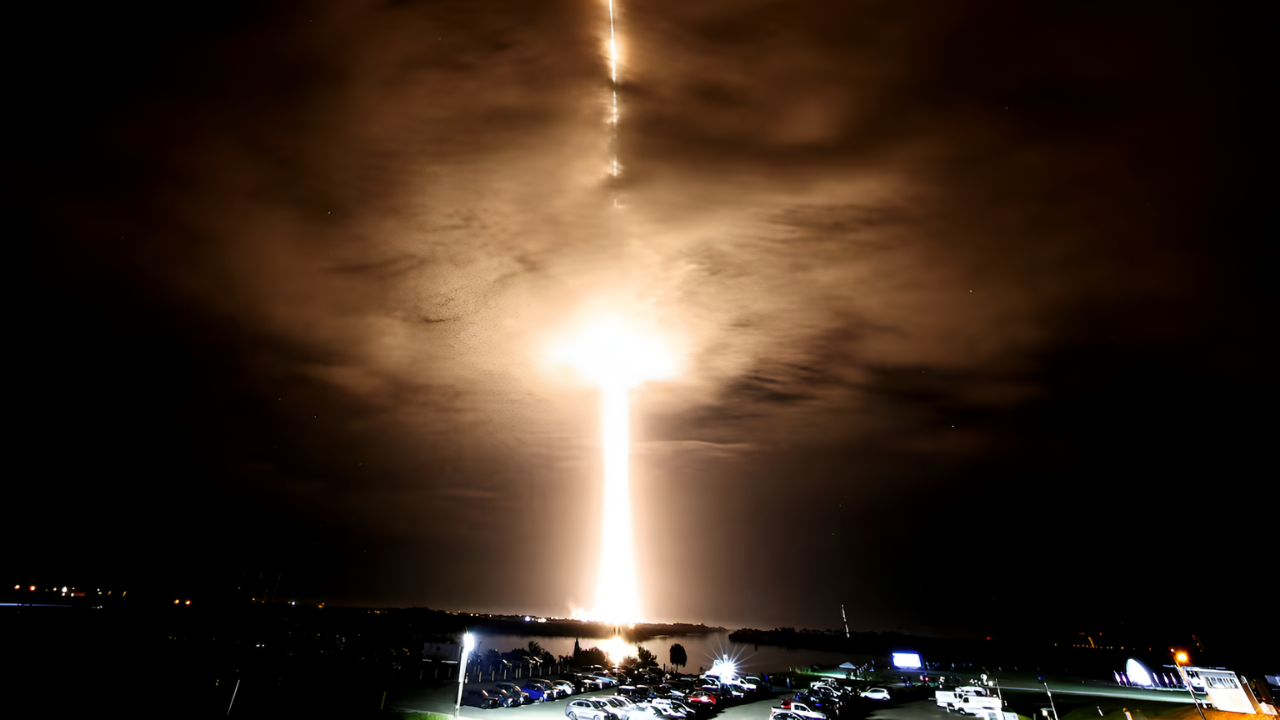
SpaceX engineers watched as newly launched satellites tumbled toward Earth’s atmosphere, unable to escape an invisible force pulling them down. In February 2022, 38 spacecraft worth millions of dollars were lost within days of deployment.
These satellites never reached operational altitude and never served customers. Atmospheric drag increased 50 percent in hours, trapping satellites in a fatal spiral. This disaster exposed a major vulnerability. Scientists would later study what caused this sudden atmospheric expansion.
Record Storm
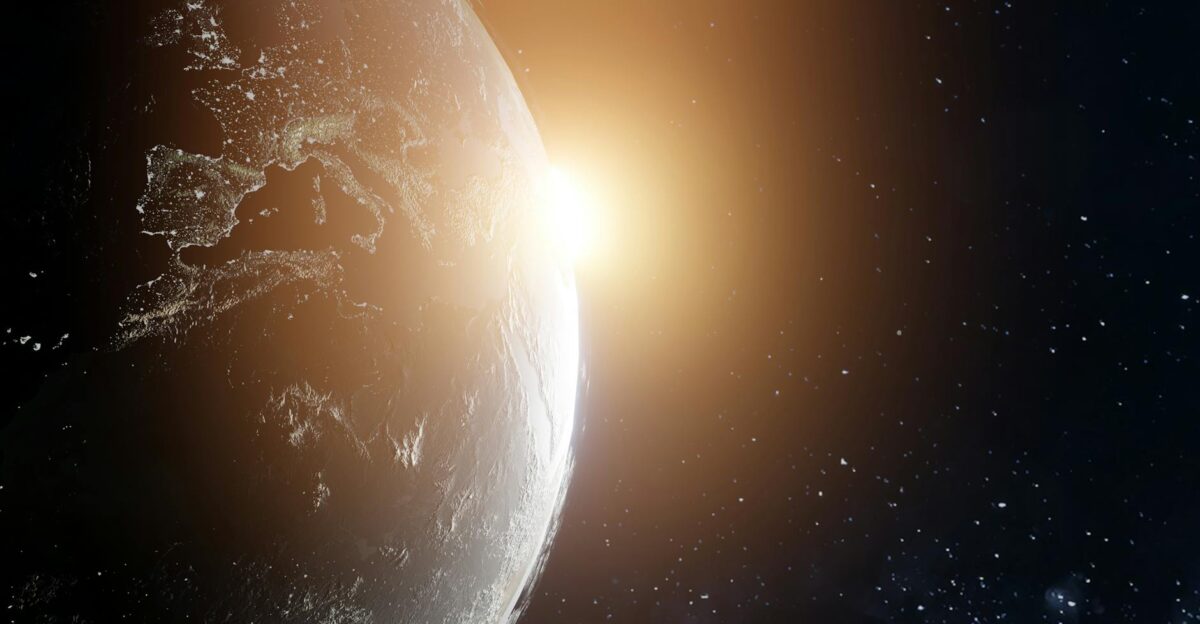
Two years later, the Sun unleashed massive fury. In May 2024, Earth experienced the strongest geomagnetic storm since 2003. This G5-class event generated magnetic disturbances below -400 nanoTeslas and heated the thermosphere to over 3,780 degrees Fahrenheit.
Vivid auroras lit skies from Florida to Johannesburg. Behind this beautiful spectacle, critical systems failed. GPS signals disappeared. Midwest tractors stopped mid-planting. Railway operators feared signal malfunctions. The storm hit during peak agricultural season, when timing matters most.
Invisible Threat
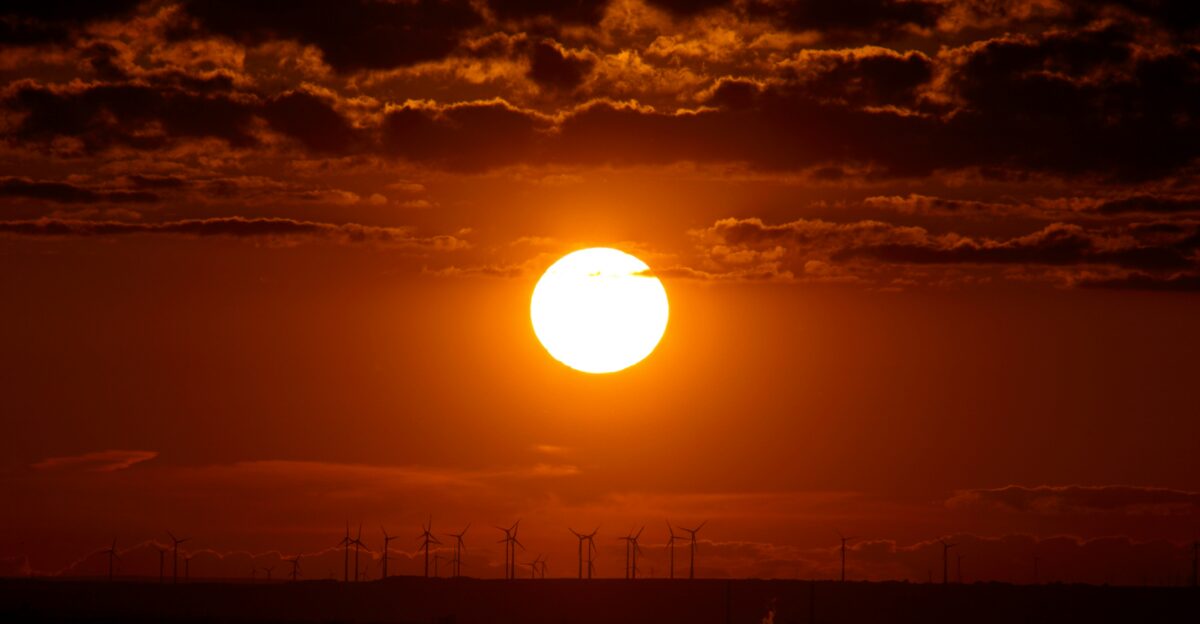
Space weather operates on a scale most people never consider. Unlike earthly storms with darkening skies, solar storms travel invisibly across 93 million miles. Specialized instruments detect them by monitoring the Sun’s surface. Unstable sunspots release X-class flares—electromagnetic eruptions releasing energy equal to billions of nuclear bombs.
These flares trigger coronal mass ejections (CMEs). CMEs hurl billions of tons of magnetized plasma toward Earth at speeds exceeding 466 miles per second. The journey takes one to three days, giving forecasters a narrow window to issue warnings.
Cycle Rising
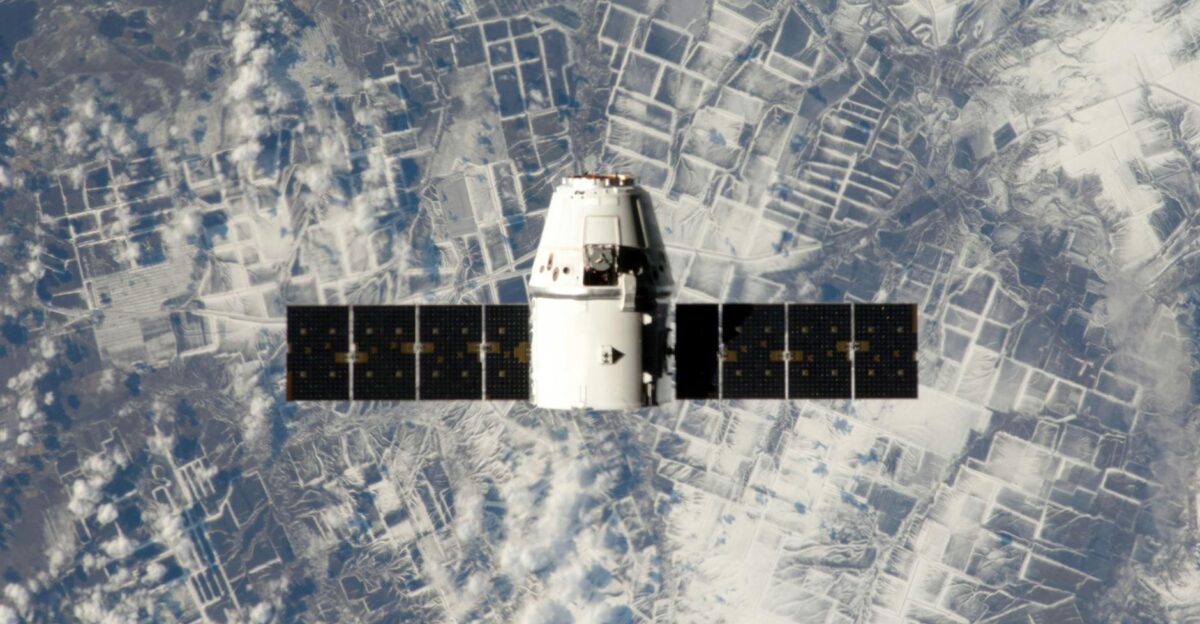
Solar Cycle 25 began in December 2019. Experts predicted it would be quiet with below-average activity. They were wrong. By 2022, solar activity had already exceeded forecasts. More sunspots, flares, and CMEs occurred than predicted. Magnetic processes beneath the Sun’s surface remain poorly understood.
Plasma currents generate fields that twist, merge, and explode unpredictably. As 2025 approached, satellite operators, power utilities, and agriculture companies faced an uncomfortable reality. Modern infrastructure has never been tested against sustained solar maximum conditions.
Two Events
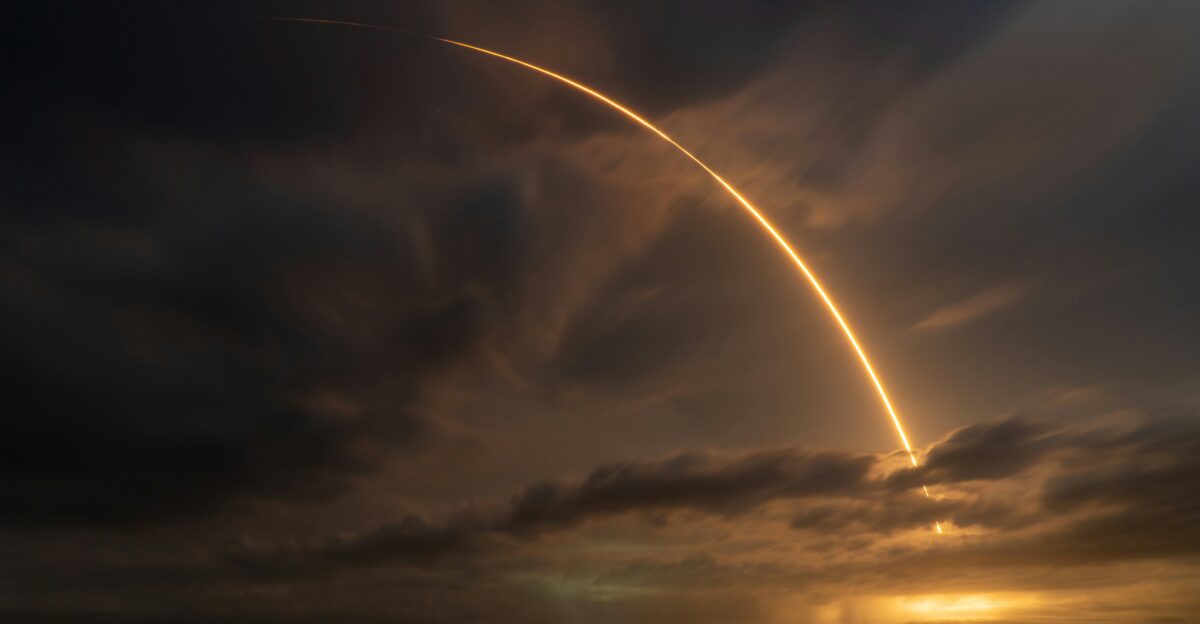
The satellite destruction and record storm were separate events 27 months apart. On February 3–4, 2022, SpaceX launched 49 Starlink satellites into a low 131-mile orbit during a moderate G1 geomagnetic storm. Routine space weather coincided with unfortunate deployment timing.
Thirty-eight satellites succumbed to atmospheric drag before reaching operational altitude. They never entered service and caused no customer outages. Then, on May 10–11, 2024, the genuine “worst storm in 20 years” struck with G5 intensity. Zero Starlink satellites were destroyed. The entire fleet weathered the storm with less than one minute of service disruption.
Midwest Chaos
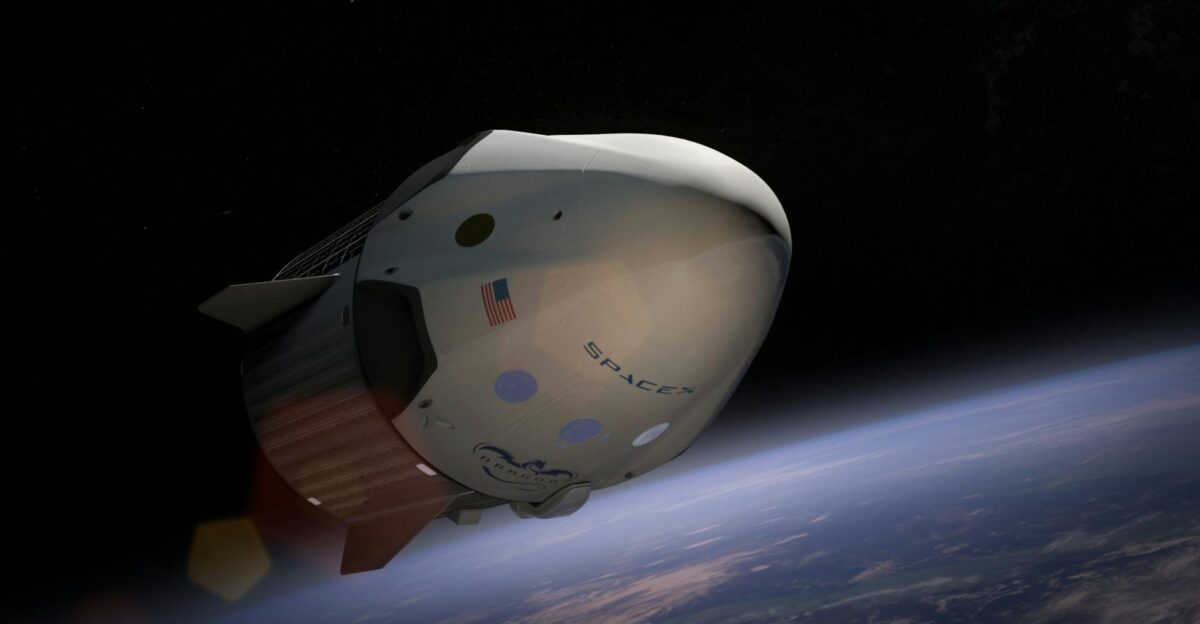
Kevin Kenney stood in his Nebraska cornfield on May 10, 2024, watching his $400,000 John Deere tractor sit motionless. “The tractors are shut down because of the storm. No GPS. We’re in the middle of corn planting,” he told reporters. Across the Midwest, the scene repeated thousands of times.
Precision agriculture equipment that normally plants in perfectly straight rows suddenly couldn’t determine its position. Older StarFire SF3000 and SF6000 GPS receivers were most affected. They couldn’t process signals passing through the ionosphere’s charged particle “fog.”
Equipment Failed
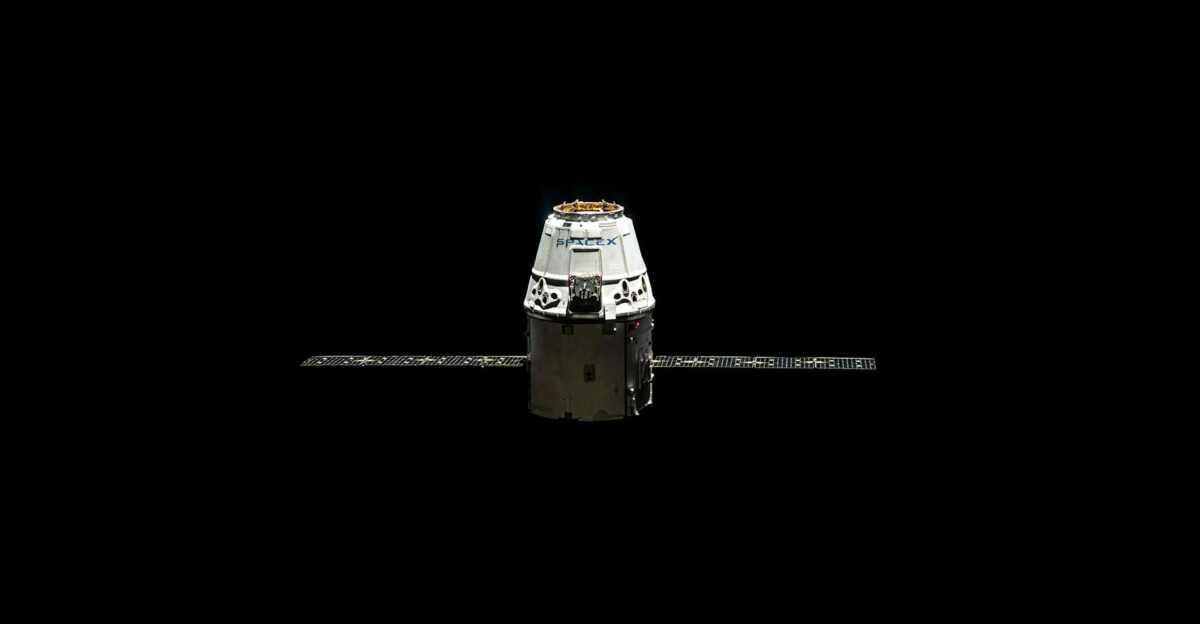
“Our tractors acted possessed,” one Midwest farmer told SpaceWeather.com. AutoSteer features suddenly veered left or right without warning. Photos from May 10 showed corn rows planted in zigzags rather than straight lines. The chaos continued beyond the storm’s peak.
John Deere’s AutoPath tool, which uses historical GPS data for guidance lines, became unreliable. Ethan Schmidt, a John Deere service manager, estimates over 80 percent of Midwest farms use GPS technology. At least 50 percent rely heavily on it for daily operations.
Hidden Costs

The financial toll extended beyond stuck tractors. Terry Griffin, a Kansas State University agricultural economist, calculated that GPS outages during peak planting could risk over $100 million of peanut production in the Southeast alone. Peanut farmers need sub-centimeter RTK GPS accuracy.
This guides harvest rows planted months earlier. Without it, farmers leave at least 11 percent of nuts in the ground. Across all affected crops, preliminary estimates suggest the May 2024 storm cost farmers approximately $500 million. Railway operators in multiple countries also raised alarms about potential signal malfunctions.
Record Watch
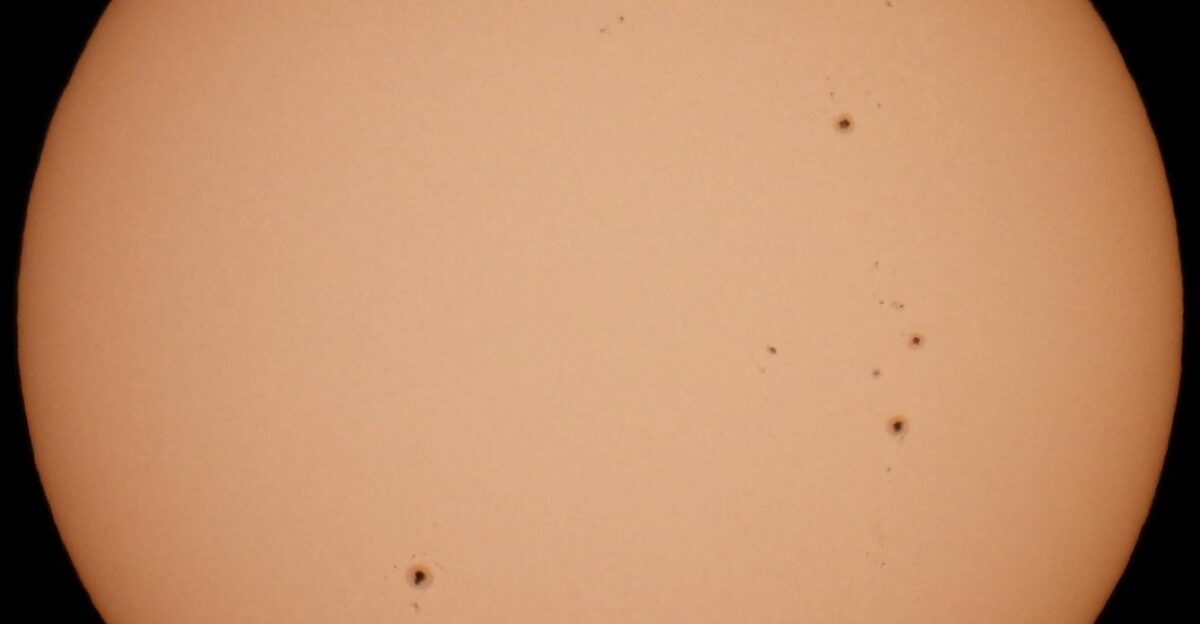
Scientists achieved an unprecedented milestone: tracking a single solar active region for 94 consecutive days. An international team led by ETH Zurich used coordinated observations from ESA’s Solar Orbiter and NASA’s Solar Dynamics Observatory.
They followed region NOAA 13664 from its birth on April 16, 2024, through three complete solar rotations until its decay on July 18. The region produced 969 solar flares, including 38 X-class events and the strongest flare of Solar Cycle 25—an X8.7 eruption on May 20. Researcher Ioannis Kontogiannis called it “a milestone in solar physics.”
Dual Vulnerabilities
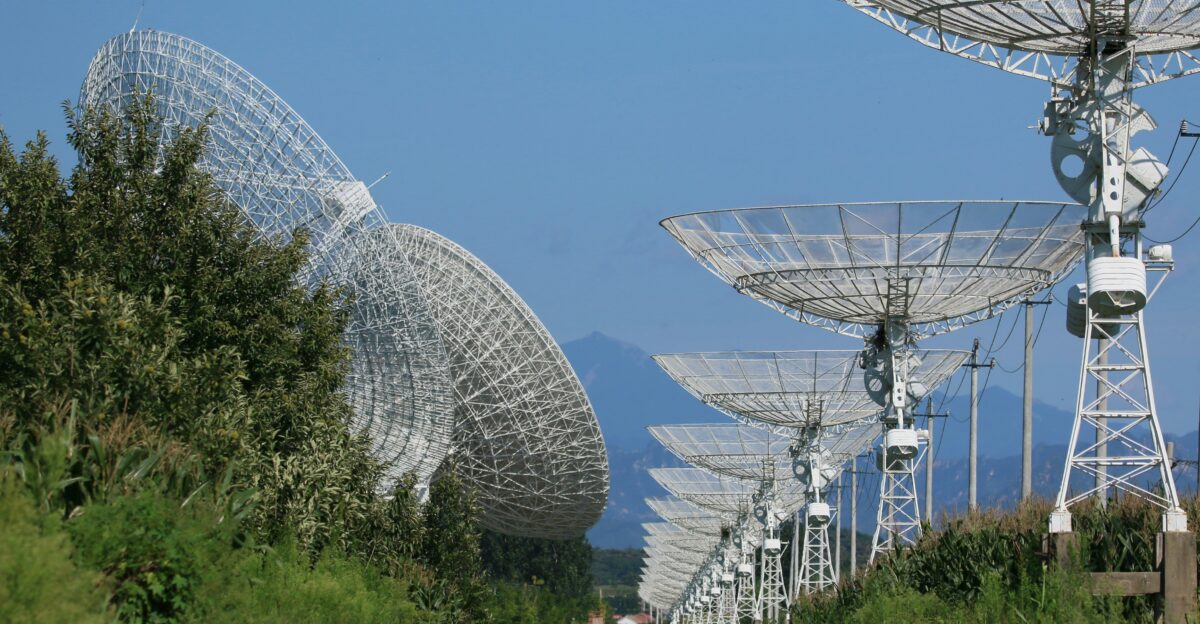
The two incidents revealed a crucial insight: space weather threatens satellites and ground infrastructure through completely different mechanisms. Low-altitude satellites face atmospheric drag when solar radiation heats the thermosphere. Ground-based GPS systems fail when charged particles distort radio signals, creating “scintillation.”
This prevents receivers from locking onto satellites. Starlink’s 2022 losses resulted from the first mechanism combined with deployment timing. The 2024 agriculture chaos stemmed entirely from the second mechanism. Modern civilization sits vulnerable to both failure modes simultaneously.
Lessons Learned
SpaceX absorbed expensive lessons from February 2022. The company deliberately chose low-altitude deployment to demonstrate responsible debris mitigation. Satellites start at 131 miles before boosting to their 341-mile operational orbit. If satellites fail during deployment, they deorbit within days rather than become space junk.
This safety feature became a liability during moderate space weather. After losing 38 satellites worth tens of millions of dollars, SpaceX refined its deployment procedures. The company enhanced coordination with the Space Force’s 18th Space Control Squadron and improved space weather monitoring prior to launches.
Orbital Strategy

In January 2026, SpaceX announced a major reconfiguration of its constellation. The company will lower approximately 4,400 satellites from 341-mile orbits to 298 miles throughout the year. Michael Nicolls, SpaceX’s vice president of Starlink engineering, explained the safety logic.
As the solar cycle approaches minimum, atmospheric density decreases. Dead satellites take longer to deorbit naturally at 341 miles—over four years. Lowering to 298 miles reduces “ballistic decay time” by over 80 percent, to just months. This strategy minimizes collision risks if satellites malfunction.
Forecasting Gap
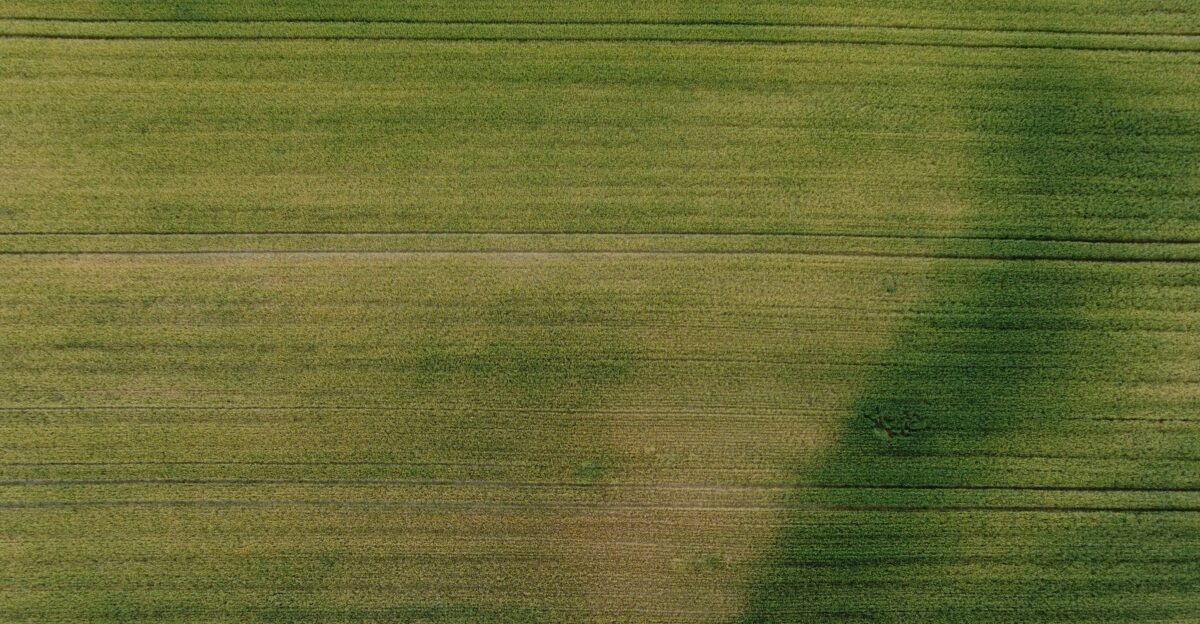
Agriculture technology companies scrambled to develop early warning systems after May 2024. Farmers check weather apps religiously. Space weather alerts weren’t integrated into decision-making tools. Terry Griffin proposes “duration nowcasts.” These would tell farmers in real time whether GPS outages last 2 hours or 2 days.
Farmers could then decide whether to wait or continue with less precise methods. John Deere highlighted that newer StarFire SF7000 Series receivers track 40 satellites simultaneously. They can discard degraded signals and maintain sub-inch accuracy during moderate space weather.
Infrastructure Upgency
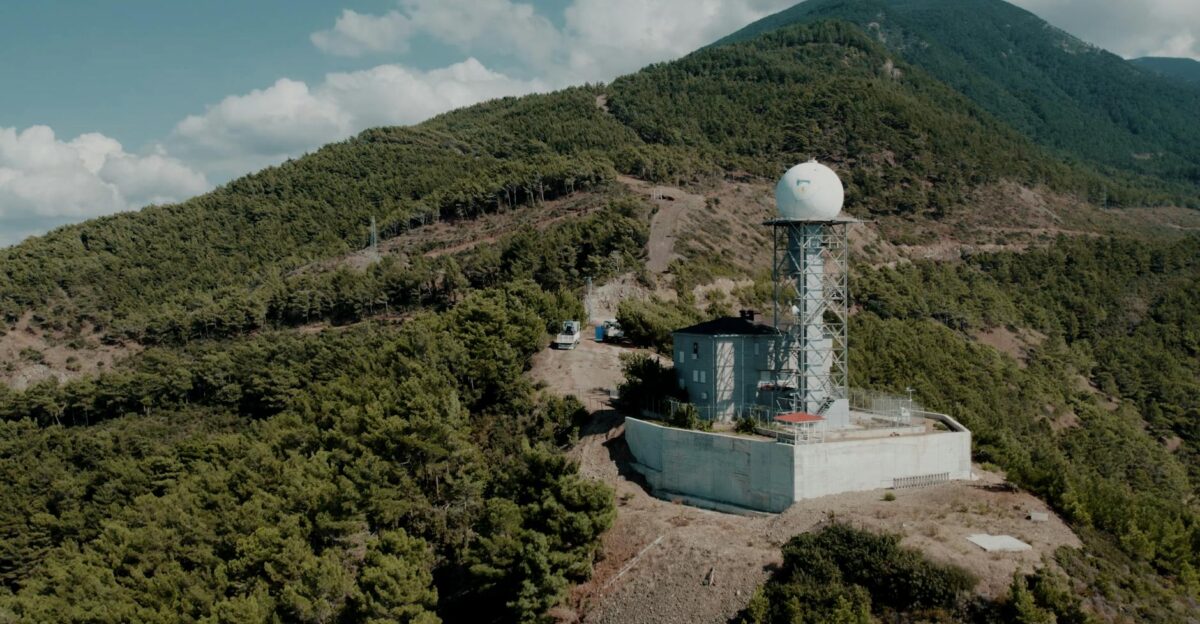
NOAA’s Space Weather Prediction Center faces mounting pressure to improve forecast accuracy and lead time. The agency’s SWFO-L1 satellite, scheduled for launch in 2025 to the Lagrange L1 point, promises earlier detection of solar storms. NASA’s Space Weather Next program and ESA’s planned Lagrange mission at L5 would provide “side-on” views of the Sun.
This detects active regions before they rotate into Earth’s view. A 2020 economic analysis estimated thatNOAA’s space weather forecasts help the electric power industry avoid losses from $111 million to $27 billion.
Living Together
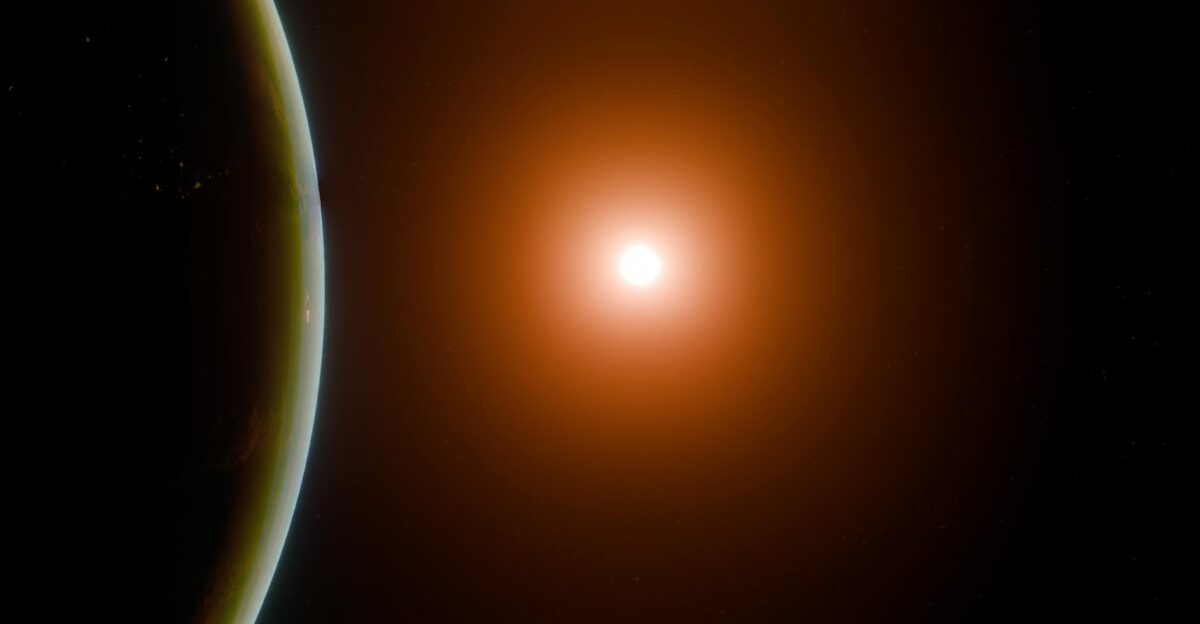
“The sun is the only star that influences our activities,” Ioannis Kontogiannis reflected after completing the 94-day observation. “We live with this star, so it’s important we observe it and understand how it affects our environment.” Solar Cycle 25 continues ramping toward its predicted peak between November 2024 and March 2026.
More powerful storms may still arrive. Modern civilization has never navigated a solar maximum with such profound dependence on GPS-guided tractors, satellite internet, and interconnected grids. Can forecasters close the gap between space weather’s speed and society’s reaction time?
Sources:
- ETH Zurich, Longest observation of an active solar region, January 2026
- Scientific American, Longest-Ever Look at Stormy Region on the Sun, January 2026
- Space.com, Inside the $100 million solar storm peanut problem, November 2025
- Agriculture Dive, Geomagnetic storm scrambles tractor navigation systems, May 2024
- John Deere, Older GPS Receivers Disrupted by Solar Storm (official statement), June 26, 2024
- Phys.org, Active solar region observed for record 94 days, January 2026