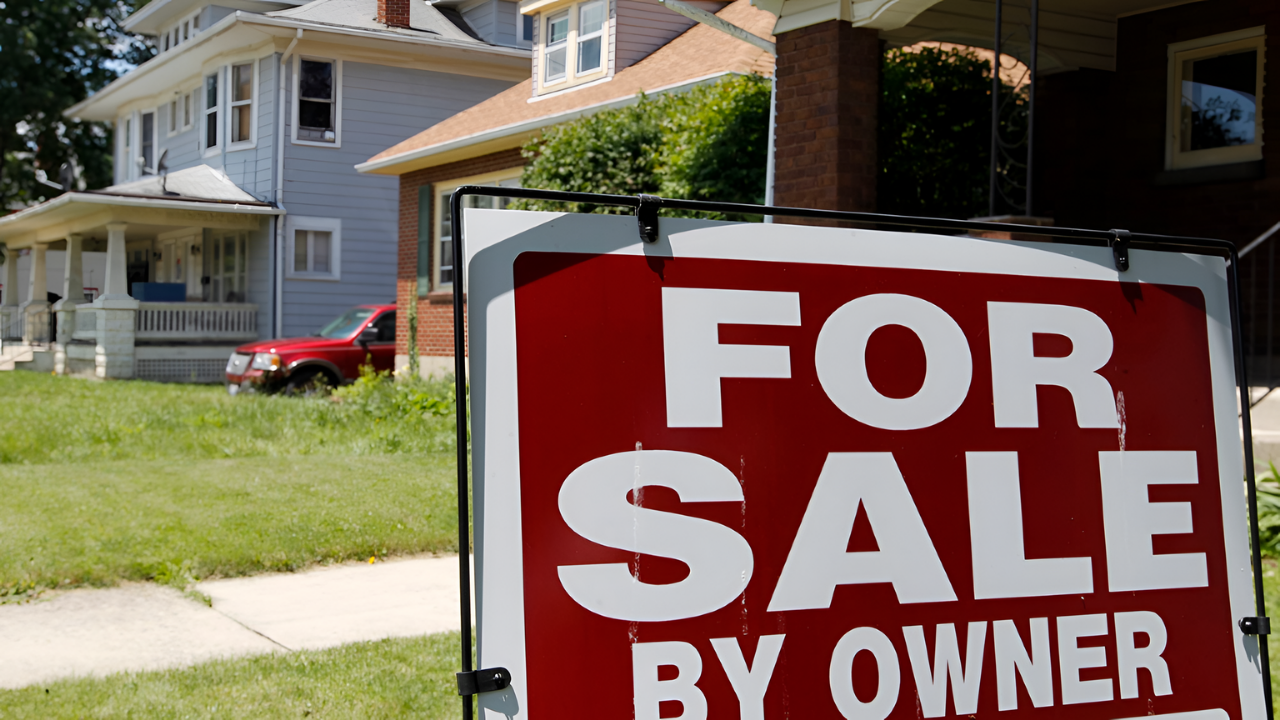
Mortgage applications exploded 28.5% in a single week—the sharpest spike since September 2024—as rates crashed to 6.06%, the lowest level in over three years.
Refinancing applications rocketed 40% higher while lenders scrambled to process the flood of borrowers racing to lock in rates that seemed impossible just days earlier. But what triggered this unprecedented market convulsion?
Trump’s $200 Billion Gambit Upends Housing Finance
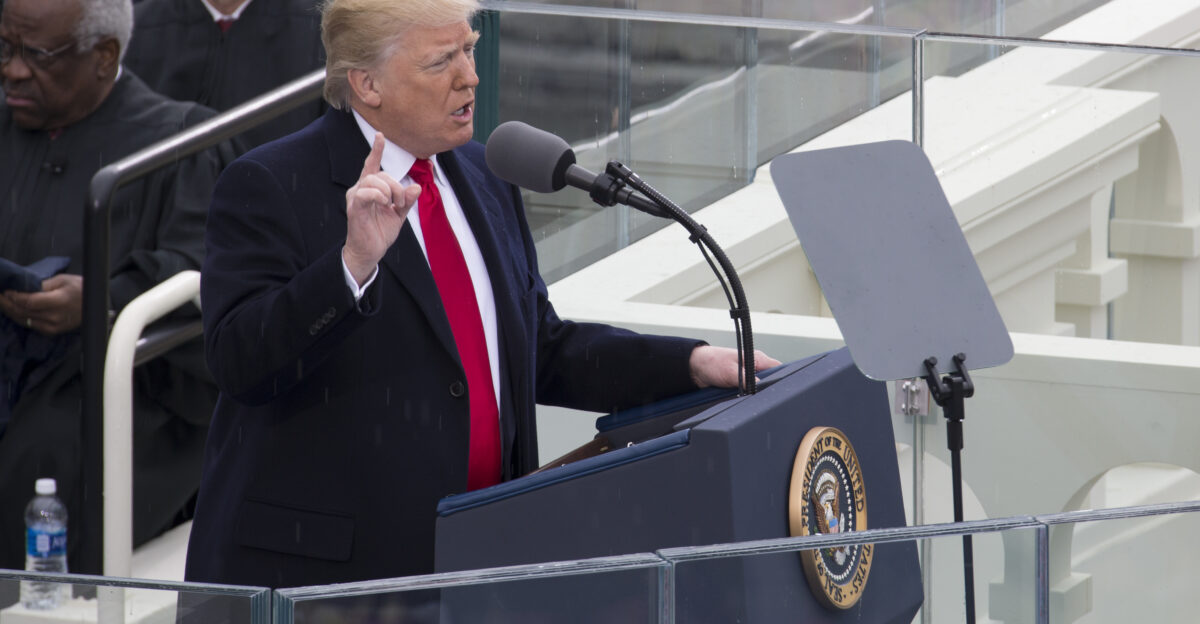
On January 8, 2026, President Donald Trump announced via Truth Social he was directing Fannie Mae and Freddie Mac to purchase $200 billion in mortgage-backed securities, claiming the government-sponsored enterprises held “$200 BILLION DOLLARS IN CASH” and promising the move would drive down borrowing costs. Within 24 hours, FHFA Director Bill Pulte executed a $3 billion initial purchase.
Markets React Within Hours of Announcement

The 30-year fixed-rate mortgage plummeted from 6.16% to 6.06% for the week ending January 15—a level unseen since September 2022 when the Federal Reserve was aggressively hiking rates to combat inflation.
The 15-year fixed rate fell to 5.38%, down from 5.46% the previous week. Purchase applications jumped 16% week-over-week and stood 13% higher year-over-year.
Breaking Down the $230 Monthly Savings

At 6.06%, a $360,000 mortgage generates monthly principal and interest payments of approximately $2,172—delivering $230 monthly savings compared to a 6.6% rate.
Over the loan’s 30-year term, borrowers save roughly $84,000 in total interest costs. For millions of homeowners carrying higher-rate loans from 2023-2024, refinancing suddenly became financially viable again.
How GSE Bond Purchases Manipulate Rates

When Fannie Mae and Freddie Mac increase purchases of mortgage-backed securities from public markets, elevated demand pushes bond prices higher and compresses yields.
Since lenders price mortgages at spreads above MBS yields, lower yields translate directly to reduced borrowing costs. Asavesh Acharya, a consumer lending executive, explained: “When the demand for MBS increases, the yield that investors seek diminishes.”
The $200 Billion Cash Reserve Discrepancy

Trump’s claim that the GSEs possess “$200 BILLION DOLLARS IN CASH” significantly overstates their actual liquidity position.
Third-quarter 2025 financial filings reveal Fannie Mae and Freddie Mac held combined cash and cash equivalents of less than $17 billion as of September 30, 2025—with Fannie Mae reporting $12.2 billion and Freddie Mac $4.6 billion.
Unprecedented Executive Intervention Outside Fed Authority
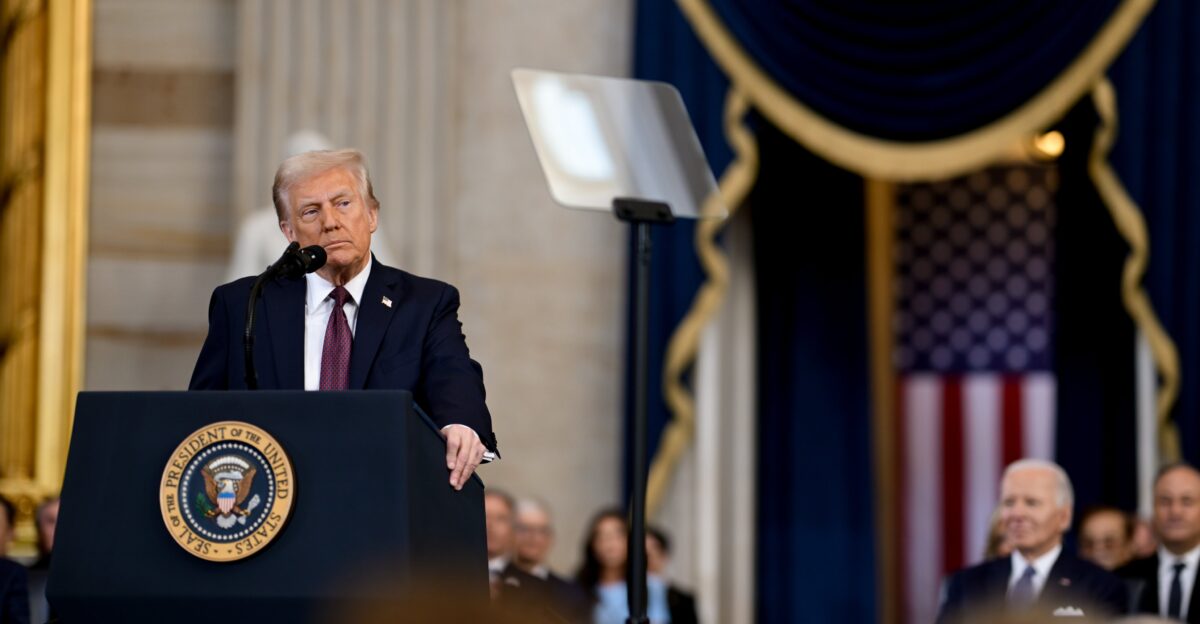
Trump’s directive represents the first peacetime use of executive authority to manipulate mortgage markets outside Federal Reserve channels during strong economic conditions.
Nick Timiraos, chief economics correspondent for The Wall Street Journal, noted: “What stands out about this intervention is that it is occurring amidst relatively robust economic conditions and without significant stress in credit markets”.
Economists Label Policy “People’s QE”

Mohamed El-Erian characterized the initiative as “People’s QE”—applying quantitative easing not to stabilize financial markets during crises but to finance political objectives ahead of midterm elections.
This distinguishes Trump’s intervention from Federal Reserve crisis-era programs that purchased $2.7 trillion in MBS to prevent systemic collapse during 2008 and the pandemic.
Inflation and Treasury Market Concerns
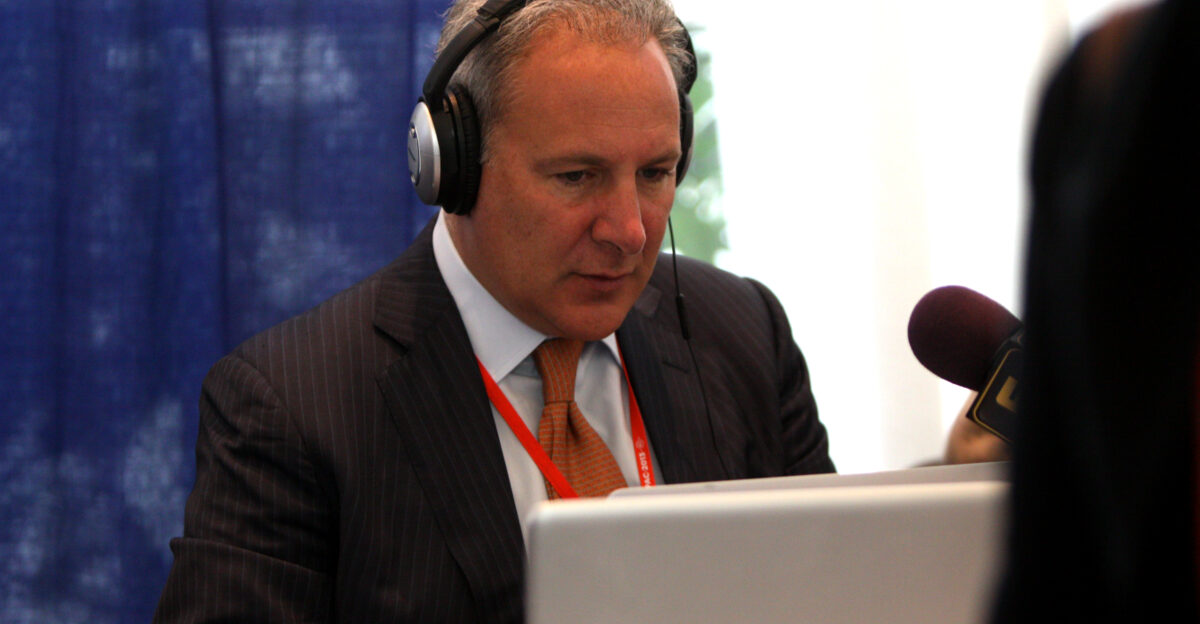
Economist Peter Schiff warned that deploying $200 billion to purchase mortgage bonds means “$200 billion less available for purchasing Treasuries,” potentially reducing demand for government securities and elevating Treasury yields.
Higher Treasury yields would increase borrowing costs economy-wide, partially offsetting intended mortgage rate benefits and potentially exacerbating inflation pressures.
“The Exact Same Risks That Got Them Blown Up”

Michael Bright, CEO of the Structured Finance Association, cautioned the $200 billion purchase “exposes Fannie and Freddie to the exact same risks that got them blown up” in 2008. The GSEs’ pre-crisis accumulation of mortgage-backed securities—particularly higher-risk products—contributed directly to their insolvency when housing markets collapsed, requiring a $190 billion federal bailout.
Spending the Buffer Against Future Downturns

The policy depletes cash reserves designed to serve as buffers against economic downturns precisely when housing valuations remain historically elevated.
CBS News analysis noted: “The plan could carry risk because Mr. Trump would be spending the cash reserves that are supposed to help be a buffer against an economic downturn akin to what happened during the Great Recession”.
Fed Independence Under Unprecedented Assault

The intervention coincides with escalating tensions between Trump and Federal Reserve Chair Jerome Powell, who faces Justice Department subpoenas over congressional testimony.
Powell issued a forceful defense: “The threat of criminal charges is a consequence of the Federal Reserve setting interest rates based on our best assessment of what will serve the public, rather than following the preferences of the president”.
The 3-4 Million Home Shortage Nobody’s Addressing

Goldman Sachs Research estimates the United States faces a shortage of 3 to 4 million housing units—equal to 2% to 2.6% of current housing stock—necessary to restore pre-crisis affordability levels.
Restrictive zoning regulations, construction bottlenecks, and decades of underbuilding following 2008 created this structural deficit that financial interventions cannot resolve.
Lower Rates Risk Fueling Price Inflation

Chris Salviati, chief economist at Apartment List, explained the policy’s fundamental flaw: “That would, if anything, potentially even drive prices up further by bringing more demand into the market”.
By subsidizing borrowing costs without expanding supply, the intervention risks perpetuating elevated home prices rather than enhancing genuine affordability for first-time buyers.
“The Core Issue Is High Home Prices”

Economist Peter Schiff argued: “The core issue in the U.S. housing market is not the elevated mortgage rates but the high home prices themselves.” Enabling buyers to overpay for properties through subsidized financing sustains unsustainable valuations and delays necessary market corrections.
Nearly 20% of young adults currently live with parents—double the historical 10% norm.
GSE Privatization Plans Collapse

The directive indefinitely delays long-discussed plans to privatize Fannie Mae and Freddie Mac through an initial public offering potentially worth $30 billion. Mike O’Rourke of JonesTrading stated: “If the GSEs can act as a financial tool for Presidential initiatives, we should not anticipate their return to private status anytime soon”.
Midterm Electoral Calculations Drive Timing

Heading into 2026 midterm elections, Republicans hold a narrow House majority while Trump’s approval rating stands at just 40%. An AP-NORC poll identified housing costs among voters’ top concerns, making affordability measures politically imperative.
Historical patterns strongly favor losses for the president’s party, intensifying pressure for tangible economic relief.
Rates Already Rebounding From Brief Low

Mortgage rates began climbing from the sub-6% level by January 20-21, driven by oil price expectations and inflation concerns.
Matthew Graham, COO of Mortgage News Daily, noted: “The situation could have been worse today if not for a relatively favorable CPI report showing inflation remained stable in December”. The 30-year average returned to approximately 6.07% by January 16.
Industry Forecasts Rates Stabilizing at 6.3%

Chief economists project mortgage rates will remain in the low-6% range throughout 2026. Danielle Hale of Realtor.com estimates the average 30-year fixed rate will settle around 6.3% for the year—down from 6.6% in 2025 but well above pandemic-era levels.
Whether Trump’s program can sustain lower rates depends on implementation pace and concurrent Federal Reserve policy decisions.
The Unattainable Path Back to 2019 Affordability

Realtor.com analysis calculated that restoring 2019-level affordability would require median incomes rising 56% to $132,171, home prices falling 35% to $273,000, or mortgage rates dropping to 2.65%—none of which are plausible scenarios.
Jenny Schuetz of Arnold Ventures emphasized: “There aren’t enough homes to go around. The problem is that they don’t have a lot of levers over supply”.
Sources:
“Mortgage rates hit 3-year low after Trump’s bond-buying announcement” – Yahoo Finance
“Trump orders his ‘Representatives’ to buy $200 billion in mortgage bonds” – Reuters
“Trump ‘instructing’ his ‘Representatives’ to buy $200B in mortgage bonds” – CNBC
“US 30-year fixed-rate mortgage drops to near 3-1/2-year low” – Reuters
“Pulte confirms Fannie and Freddie will buy $200 billion of mortgage bonds” – Scotsman Guide
“The Outlook for US Housing Supply and Affordability” – Goldman Sachs Research