
For years, $20,000 acted as the mental cap for what counted as a reasonable new car for first‑time buyers and working families. That line has effectively disappeared. Entry‑level models like the Mitsubishi Mirage and Nissan Versa, once among the last truly sub‑$20,000 cars, have been dropped from U.S. showrooms, with automakers shifting toward pricier crossovers and SUVs instead.
As cheaper models vanish, shoppers increasingly encounter higher base prices, mandatory options, and destination fees that push even the most basic vehicles far above what many households once considered attainable.
Tariffs as a Hidden Extra Tax

Trump’s 25% tariffs on imported vehicles and auto parts function like a stealth tax built into every stage of building and selling a car. The administration argues these duties are meant to protect U.S. jobs and national security, but they also raise costs on engines, batteries, electronics and other key components that modern vehicles rely on.
A Reuters analysis found the tariffs cover more than $460 billion in imports, from complete cars to essential parts, forcing automakers to decide whether to eat the higher costs or pass them on to buyers. J.P. Morgan Global Research estimated that the combined vehicle and parts tariffs will cost the industry about $41 billion in the first year alone, ultimately pushing up new‑vehicle price inflation by around 3%.
New‑Car Prices Smash Records
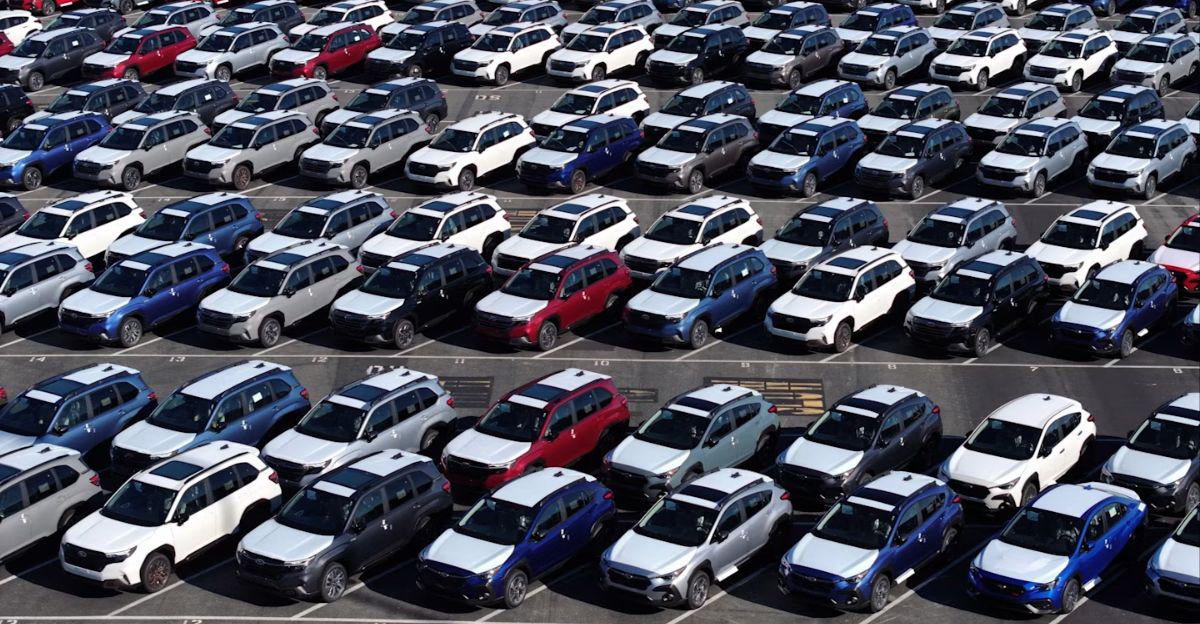
The average price paid for a new vehicle in the U.S. has surged to unprecedented levels, topping $50,000 for the first time in history in late 2025. Kelley Blue Book data show the average transaction price reached about $50,080 in September, up more than 3% from a year earlier and far above the roughly $40,000 average just five years ago.
Luxury vehicles and expensive electric models, which often carry price tags well above the norm, are pulling the average higher, while even mainstream pickups now often sell north of $60,000. USA Today reported that the average monthly payment for new cars has climbed to roughly $749, underscoring how far average prices have drifted from average household budgets.
When Car Prices Outgrow Paychecks

In many metro areas, the typical new‑car price now rivals, or in some cases exceeds, the median annual income, turning what used to be a manageable purchase into a long‑term financial strain. As car prices climb faster than paychecks, households are forced to devote larger shares of their income to transportation or settle for older, less reliable vehicles.
The burden falls heaviest on young families and low‑ to middle‑income workers, for whom a new car was once the safest and most predictable option. Instead, they increasingly face hard choices: take on heavy debt for a new vehicle, compete in a tight used‑car market, or delay car ownership altogether.
Sticker Shock Meets Interest Shock
High prices are only half the story; elevated interest rates are the other. New‑car borrowers are now paying some of the steepest rates in years, which magnify the impact of already‑inflated sticker prices. To keep monthly payments looking manageable, lenders are stretching auto loans to six, seven, or even eight years, locking families into long‑lasting debt on vehicles that lose value far faster than the loan shrinks.
Data show that a growing share of buyers now have payments above $700 a month, and an increasing number are signing up for $1,000‑plus payments, particularly on trucks and SUVs. ABC News reported that the average monthly new‑car payment has climbed to around $749, while about one in four new‑car owners owes more on their loan than the vehicle is worth.
Carmakers Step Away from Budget Buyers
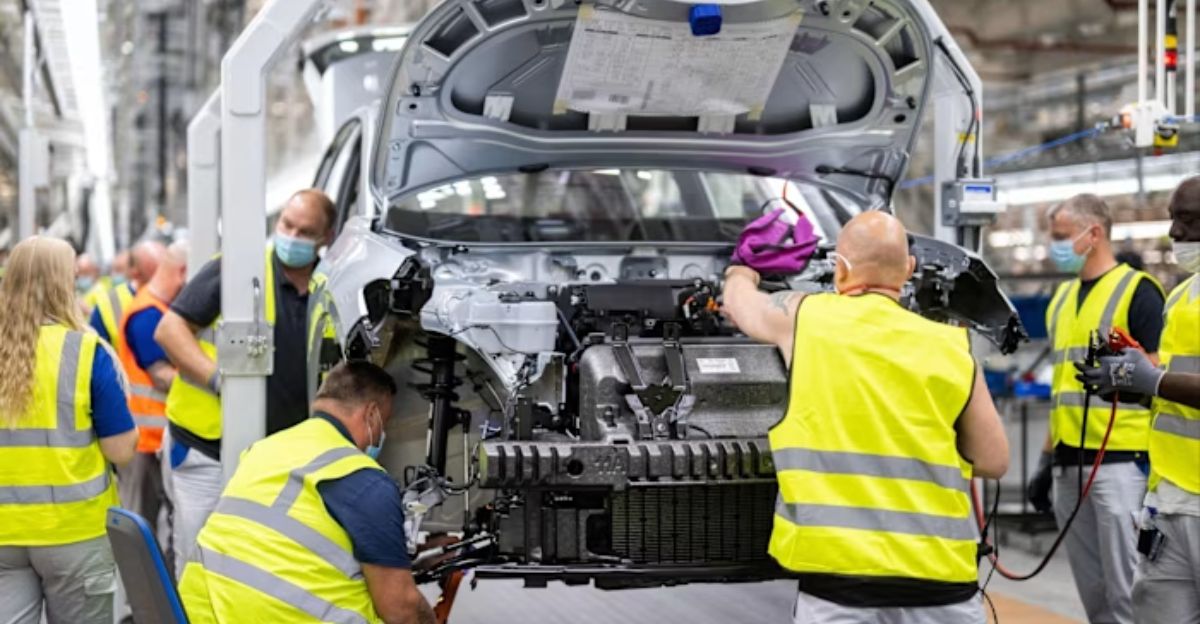
Automakers say they face rising costs from safety rules, emissions standards, new technology and now tariffs, making it harder to profit from small, low‑margin cars. As a result, many companies are reallocating factory capacity toward higher‑profit SUVs, pickups and premium trims, leaving fewer truly budget‑friendly models on dealer lots.
Executives argue that consumers vote with their wallets by choosing bigger and more feature‑laden vehicles, but that framing ignores buyers who have been priced out entirely. The shift means that the traditional entry‑level sedan has been replaced by basic crossovers that often start well above the old $20,000 benchmark.
How Tariffs Reshape What Gets Built

Because the 25% tariffs fall hardest on imported small cars and key components, they tilt the economics of what automakers choose to build. Larger, domestically assembled SUVs and trucks can more easily absorb the extra costs in their higher profit margins, while compact, low‑priced imports become far less attractive to sell. Over time, this nudges companies to favor bigger, more expensive models and discourages investment in the cheapest commuter cars.
The U.S. International Trade Commission previously warned that a 25% tariff on imported vehicles and parts could cut imports by nearly 75% and raise average prices by about 5%, reshaping the market in ways most consumers never voted for.
The Disappearing “Starter Car”
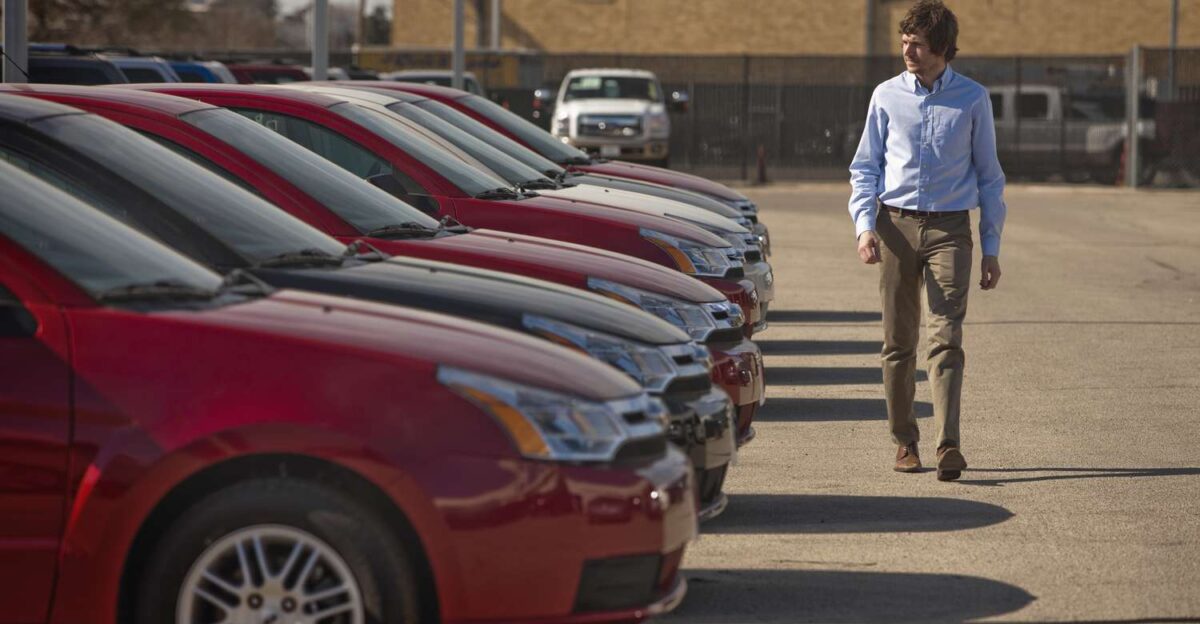
Not long ago, college graduates and first‑time buyers could walk into a dealership and find new compact sedans priced in the high‑teens or low‑twenties. Those true “starter cars” are now either gone or thousands of dollars more expensive, moving entry‑level shoppers into a much higher price band. As prices climb, many young adults delay buying a car, hold on to aging vehicles longer, or turn to risky loans with long terms and thin financial cushions.
The loss of a simple, no‑frills starter car also has social consequences: it makes it harder for people just entering the workforce to take jobs far from public transit, and it raises the barriers to mobility for those starting out with student loans or modest incomes.
Used‑Car Market Feeling the Strain
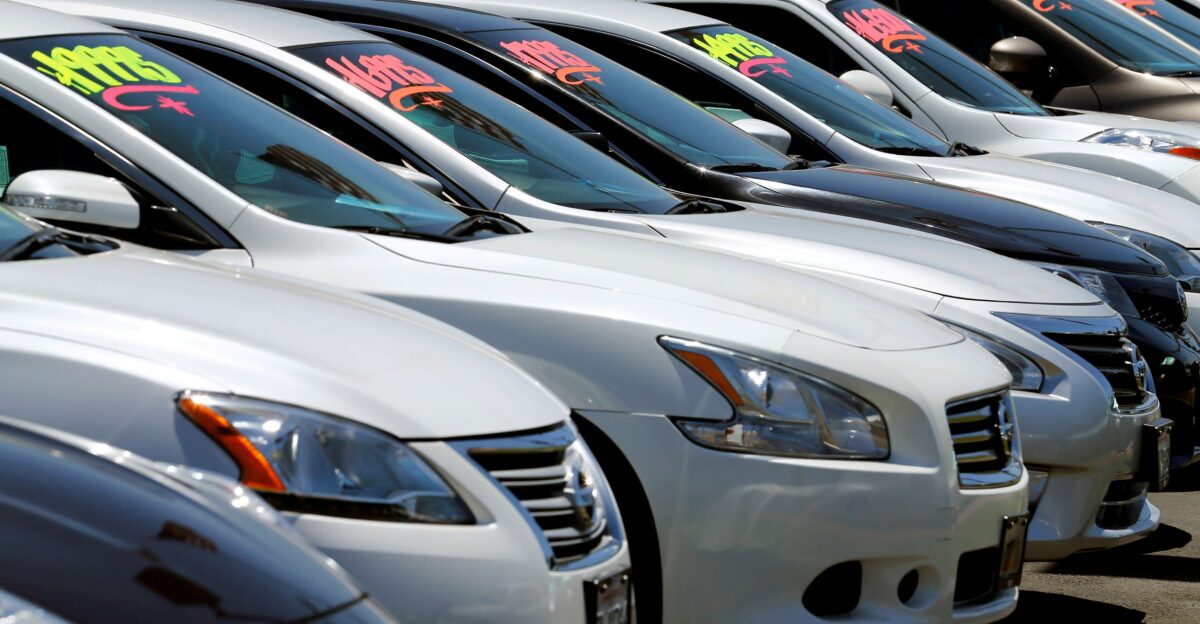
The shortage of cheap new cars is now rippling through the used‑car market, shrinking the supply of three‑ to five‑year‑old vehicles priced under $20,000. Because fewer low‑priced cars were sold in recent years, and those that were sold carried higher MSRPs, the pool of affordable used inventory has tightened.
One study cited by analysts found that models which once had about half of their three‑year‑old inventory priced at or below $20,000 now have only a small single‑digit share in that range. That scarcity pushes more buyers into bidding wars for the same limited stock, keeping used‑car prices elevated even as new‑car discounts slowly reappear in some segments.
Family Budgets Under Severe Stress

As car payments rise, they now compete directly with rent, mortgages and other essential bills. USA Today reports that a typical new‑car payment in the high‑$700 range can rival monthly housing costs in many parts of the country, especially for renters and first‑time homebuyers. When a basic vehicle demands that kind of cash, families often respond by cutting back on savings, postponing medical appointments, or running down already thin emergency funds.
This comes on top of higher prices for groceries, insurance and utilities, intensifying the pressure on household budgets. Financial planners warn that a car payment consuming too large a share of income can push households from fragile stability into outright distress.
Where Drivers Feel It Most

The pain of rising car costs is not spread evenly. Long‑distance commuters, rural residents and people living in car‑dependent suburbs are hit hardest, because they have few realistic alternatives to driving. In many of these areas, public transit is limited or nonexistent, making a reliable car less of a luxury and more of a lifeline to work, school and medical care.
For them, higher car prices and loan costs operate almost like a targeted tax on mobility, effectively charging more just to participate in the economy. Analysts say these communities are also more likely to rely on pickups and larger vehicles for work, which tend to be among the most expensive models and most exposed to price hikes.
Political Promises vs. the Showroom Floor
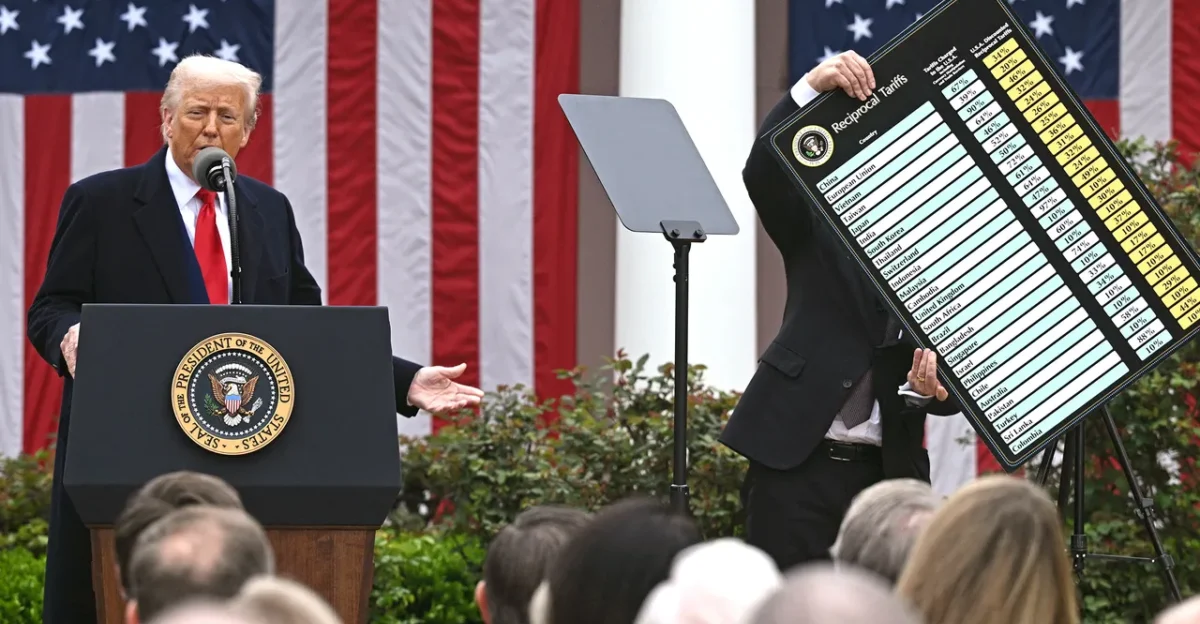
Trump and his advisers argue the tariffs will revive American auto manufacturing, protect jobs and eventually bring prices down. They point to strong overall sales, factory investment announcements and targeted discounts on certain models as signs the strategy is working.
The U.S. International Trade Commission previously warned that broad auto tariffs were likely to raise prices and reduce imports, and private forecasters say those predictions are now playing out. “Tariffs are escalating expenses and uncertainty,” S&P Global noted, cautioning that higher costs could ultimately erode demand.
Who Really Pays the Tariff Tab

While carmakers and suppliers initially absorb some of the higher tariff costs, thin profit margins and investor pressure limit how much they can swallow. Over time, much of the added expense filters down to consumers in the form of higher sticker prices, fewer discounts and more expensive trims.
Analysts expect automakers and customers to effectively “share the burden,” with roughly half of the tariff impact ultimately showing up in what buyers pay. J.P. Morgan estimates that this will translate into a noticeable bump in new‑vehicle inflation, on top of the price increases already seen since the pandemic.
The Fading American Dream on Four Wheels

For generations, driving off the lot in a modest new car symbolized a piece of the American dream: independence, opportunity and upward mobility on four wheels. That vision is harder to realize in a market where average prices sit above $50,000, loan terms stretch toward a decade and genuine budget models are disappearing.
ABC News notes that a growing share of buyers are “underwater” on their auto loans, owing more than their vehicles are worth, a far cry from the security that car ownership once promised.
How Buyers Can Fight Back—For Now

Until policies change or the market resets, car shoppers have to get more strategic. Experts urge buyers to cast a wide net: compare prices across multiple dealers, be flexible on brands and trims, and negotiate every line item, including fees.
Many households may find better value in certified pre‑owned vehicles, which can offer warranty protection at lower prices than new models, though even used‑car costs remain elevated. Improving credit scores before buying can unlock lower interest rates, saving thousands over the life of a loan.
Sources:
ABC News, Average new car price hits $50,000, a record high, data shows, 2025-10-15
Kelley Blue Book / Cox Automotive, New-Vehicle Average Transaction Price Hits Record High, 2025-10-15
Kelley Blue Book, The Sub-$20,000 Car Will Disappear This Summer, 2025-07-14
Nasdaq (via Money), New Cars Under $20000 Are About to ‘Go Extinct’, 2025-07-18
The Independent, Last remaining new car below $20000 in U.S. to disappear by end of summer, 2025-07-15
Cox Automotive / Kelley Blue Book, As America Spends a Record $15 Billion on New Vehicles in December, Average Transaction Price Hits All-Time High, 2026-01-11