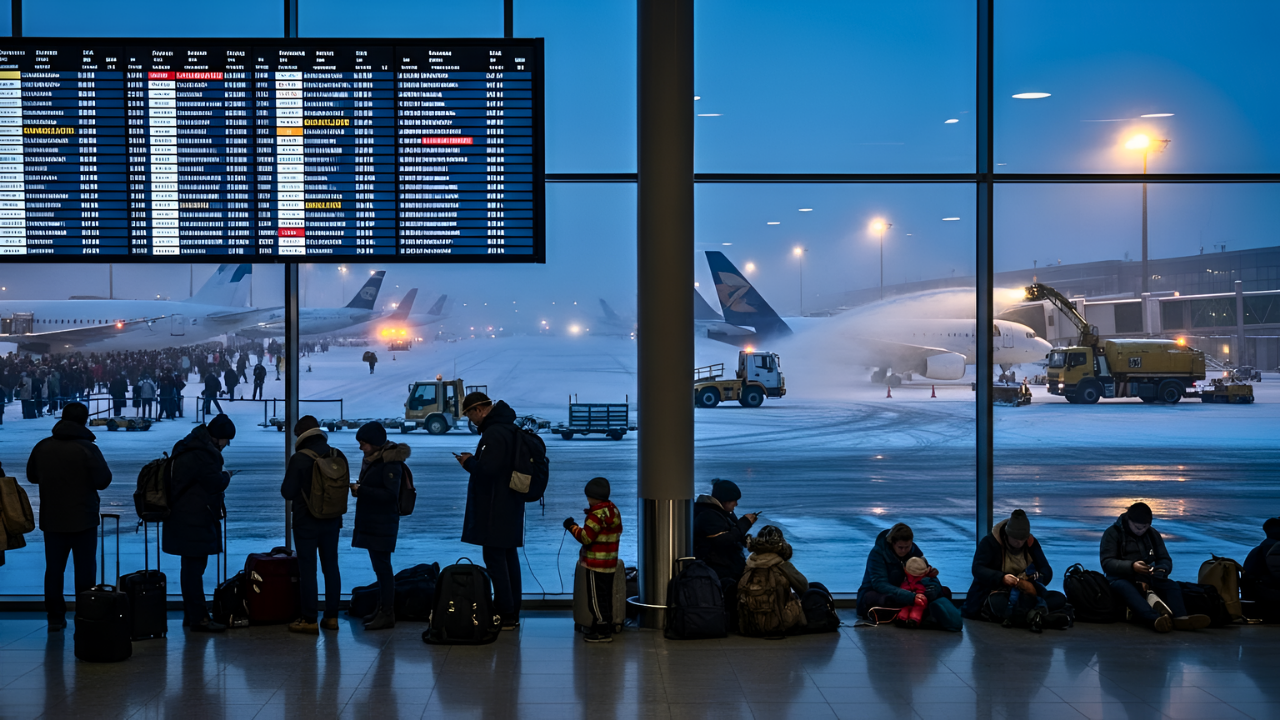
The Northeast faced a crisis during peak holiday travel. Airports became crowded with worried passengers. Roads grew dangerous fast. Weather forecasters warned of a major winter system approaching the Tri-State region on December 26, 2025.
The National Weather Service issued winter storm watches for New York, New Jersey, and Connecticut. Social media showed stranded travelers posting about delays. Airlines began offering travel waivers. Nobody yet knew how bad the disruption would get as the storm grew stronger Friday afternoon.
Cascade Effect

By mid-afternoon Friday, the problem became clear. Flight tracking data showed widespread cancellations across major U.S. airlines. JetBlue, Delta, American, and United all canceled many flights. The tri-state’s three largest airports—Newark, LaGuardia, and JFK—became centers of chaos.
Thousands of passengers tried to rebook flights. Hotels near airports raised prices dramatically. The disruption kept spreading beyond New York. What exactly caused this massive wave of flight cancellations?
Winter’s Backdrop

The Northeast had faced winter storms before. In December 2022, heavy snow fell on New York City. That storm dropped roughly the same amount of snow as forecasters predicted for this week. But timing mattered greatly: December 26 fell during the busiest holiday travel period.
Millions of Americans were traveling between Christmas and New Year’s. The region’s systems faced maximum stress. Airlines typically operate at near-capacity during this window. Major weather now would hurt the entire system.
Pressure Mounting
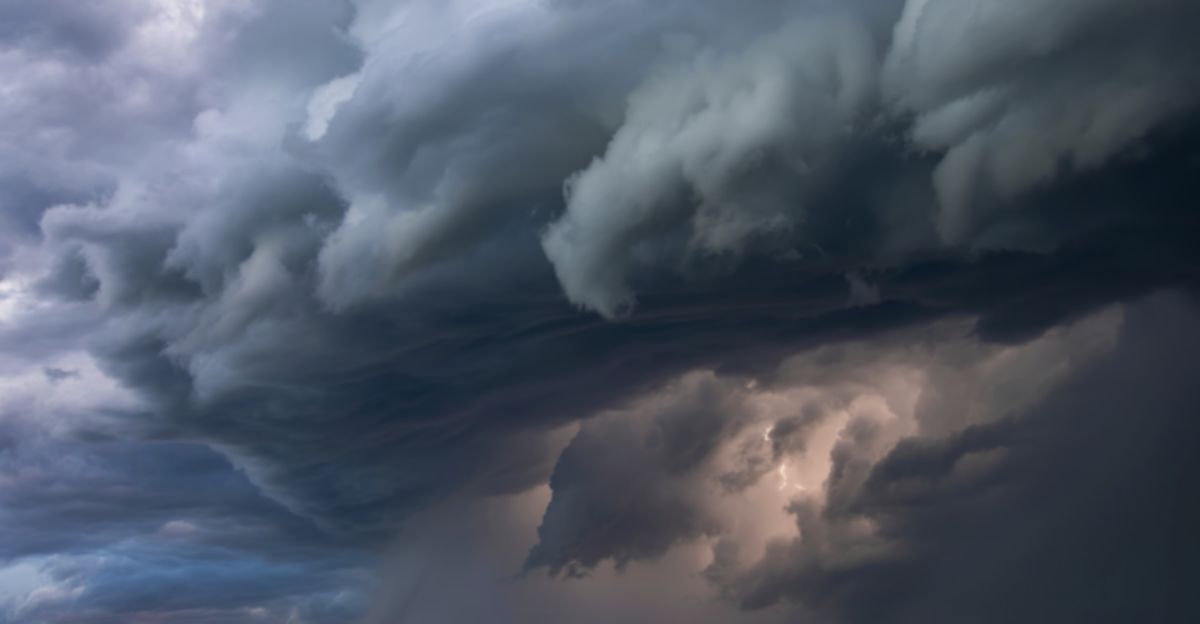
Forecasters’ warnings grew more serious Thursday evening. The National Weather Service predicted 1-2 inches of snow per hour. Wind gusts would reach 40-50 mph, creating blizzard conditions. Visibility would drop sharply. Road surfaces would quickly become slick and dangerous.
The system showed no signs of weakening. States began preparing emergency plans. Governors’ offices reviewed disaster declarations. Emergency teams prepared resources. Officials knew Friday would test the region’s strength. What happened when the storm actually arrived?
The Storm Arrives
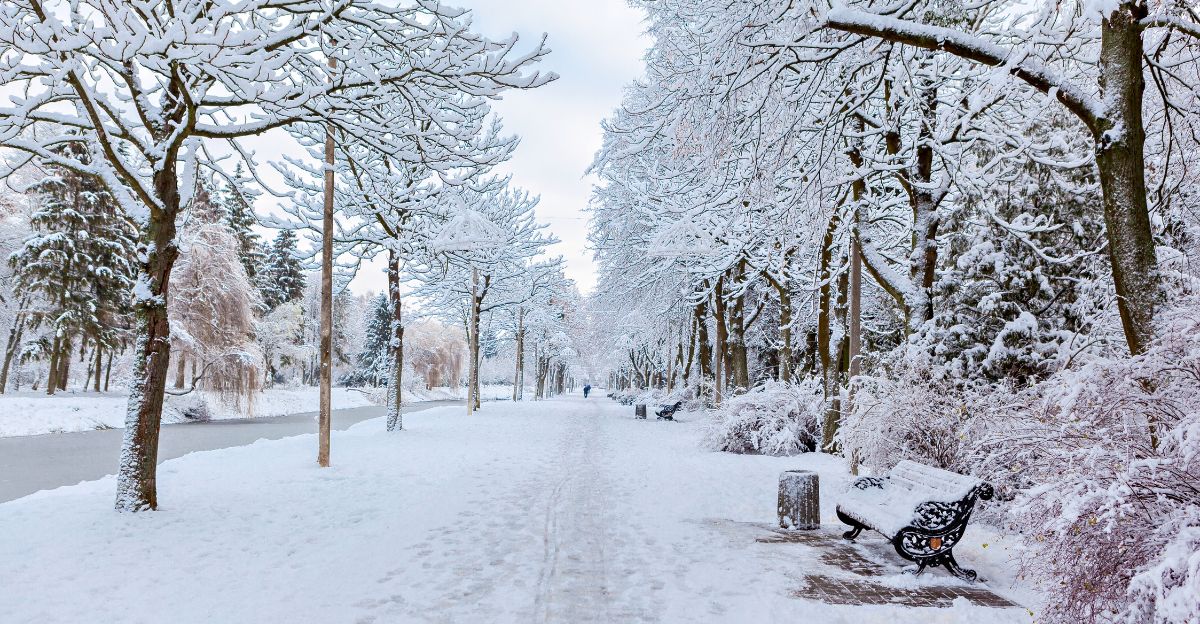
Winter Storm Devin hit the Tri-State region on December 26-27, 2025. Snow fell up to 9.1 inches across Connecticut, New Jersey, and New York. Central Park got 4.3 inches—the most snow in nearly three years. Snowfall rates peaked at 1-2 inches per hour on Friday afternoon.
Wind gusts reached 50 mph across the region. Black ice formed on untreated roads. Visibility dropped to near-zero in some areas. The National Weather Service issued blizzard warnings. This was New York City’s biggest snowstorm since 2022.
Aviation Paralysis
Airports across the Northeast became stuck. JFK International Airport canceled 387 flights on December 26 alone. Newark Liberty International Airport canceled 240 flights. LaGuardia Airport canceled 232 flights. Nationwide, 1,802 flights were canceled by 4:04 PM ET on Friday.
This exceeded the early 886-flight estimate. All major carriers canceled flights: JetBlue canceled flights 225-227, Delta canceled flights 212-215, American canceled flight 146, and United canceled flight 97. Passengers faced rebooking waits lasting days. Holiday plans fell apart in hours.
Human Toll

Thousands of travelers found themselves stuck at regional airports. Families are separated from holiday gatherings. Business travelers missed important meetings. Many passengers slept in terminal chairs. They couldn’t find hotel rooms because of high prices. Social media is filled with firsthand accounts of chaos and frustration.
One passenger waited eight hours for rebooking information. Another documented case of luggage piling up at baggage claim. Airlines offered meal vouchers and rooms, but supplies ran short. Emotional stress and financial losses affected tens of thousands of people.
Government Response

State officials acted fast. Governor Kathy Hochul declared a state of emergency for New York. She issued Executive Order No. 55 on December 26, 2025. The declaration covered 36 counties and allowed emergency resource deployment. Acting Governor Tahesha Way declared a State of Emergency for New Jersey.
She issued Executive Order No. 409 at 1:00 PM on December 26. The declaration covered all 21 New Jersey counties. Both authorized highway restrictions and emergency teams. Mayor Eric Adams activated NYC’s snow response. Connecticut Governor Ned Lamont issued travel advisories but did not declare a formal state of emergency.
Infrastructure Mobilization
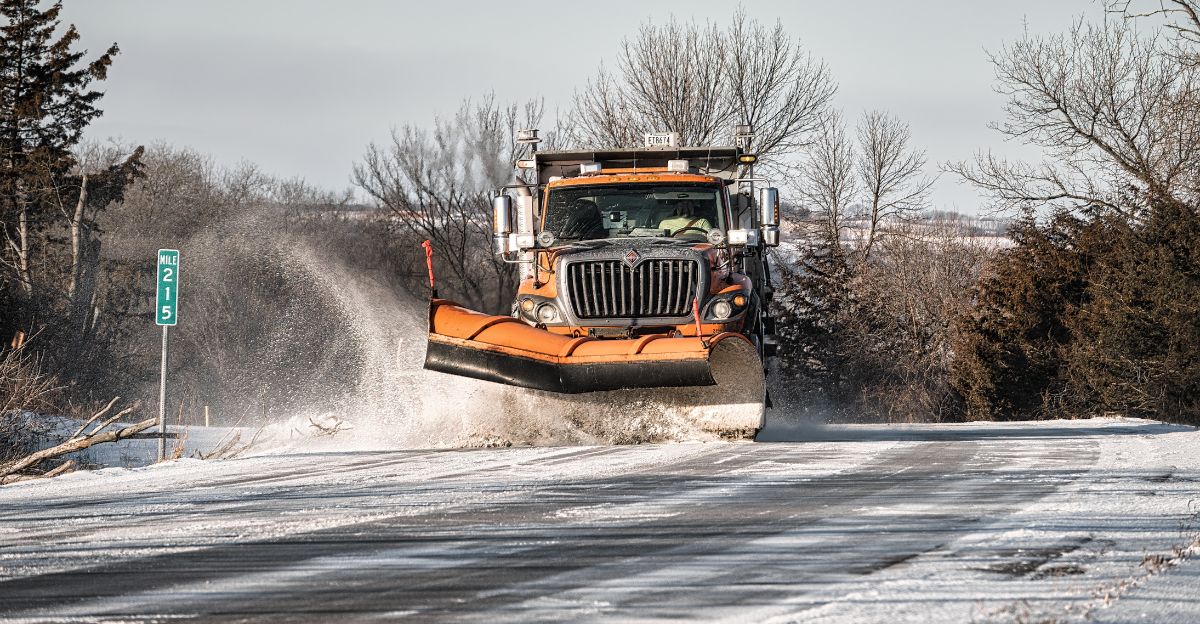
New York City’s Department of Sanitation deployed 2,700 workers on 12-hour shifts starting Friday morning. The agency positioned 700 salt spreaders and 2,200 snow plows across city streets. The city stockpiled 50 million pounds of salt for the response. Transportation authorities closed or restricted multiple interstate highways.
New Jersey banned commercial vehicles on I-78, I-80, I-280, I-287, and Route 440 at 3:00 PM on December 26. New York implemented similar restrictions on major highways. The Port Authority suspended non-essential operations at regional airports. Power companies pre-positioned repair crews for potential ice-related outages. This was a region-wide mobilization unseen in years.
The Forecast Miscalculation
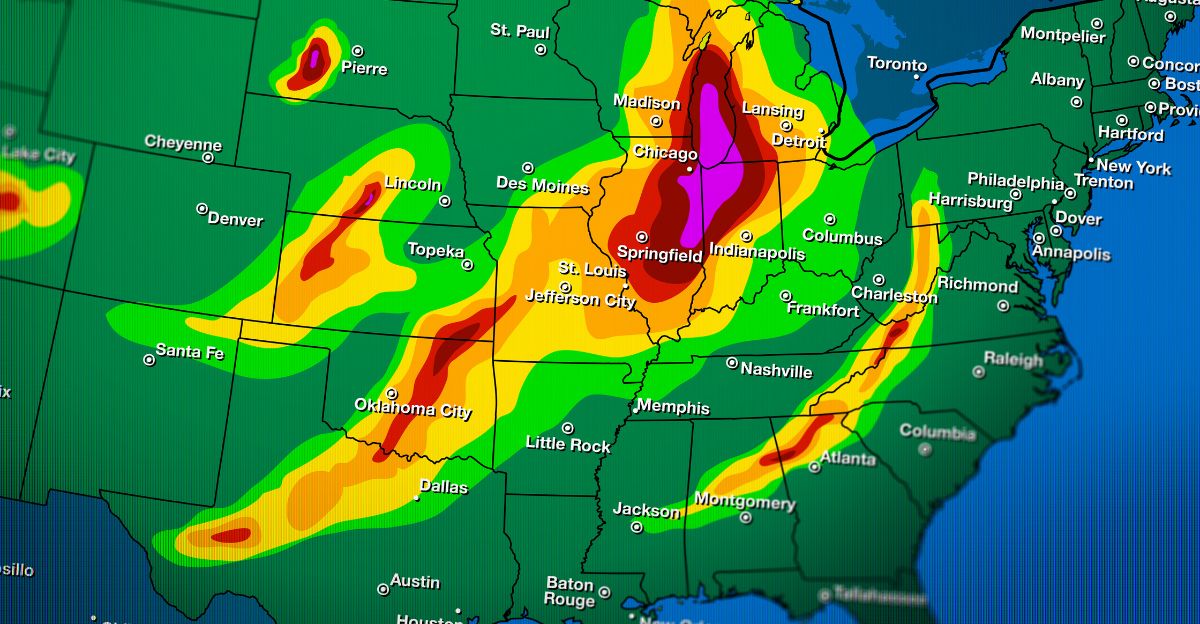
Early forecasts predicted 5-7 inches of snow in NYC and up to 10 inches across Connecticut. Some areas received predictions of up to 12 inches. Yet actual accumulation told a different story. Central Park got 4.3 inches—roughly 60 percent of the predicted maximum. Wind gusts and blizzard conditions created a paradox: lower-than-expected snowfall, but higher-than-expected winds.
This brought dangerous blowing snow, reduced visibility, and treacherous black ice. These conditions proved more disruptive than raw snow totals suggested. The storm’s power came from velocity and cold, not accumulation alone.
Supply Chain Strain

Ground transportation networks remained clogged through Saturday. Commercial vehicle bans stayed in effect on major corridors. Trucking companies rerouted shipments, extending delivery times by 24-48 hours. Regional distribution centers reported operational delays. Retail supply chains felt the pressure. Hospitals and medical facilities reported staff shortages as workers couldn’t safely commute.
Emergency services handled increased call volumes for weather-related incidents—accidents on slick roads, stranded motorists, and medical emergencies. The National Guard received a standby alert in New York. Nursing homes requested additional staff. The storm’s ripple effects spread across every economic sector.
Regional Variations
Connecticut’s situation differed from New York and New Jersey. New Fairfield, Connecticut, received 9.1 inches—the region’s highest recorded accumulation. Stamford declared a local snow emergency. However, Governor Ned Lamont’s administration did not issue a formal state-level declaration. The decision reflected Connecticut’s lower urban density and different infrastructure capacity.
Coastal areas experienced different impacts than inland regions. Elevation variations meant snow accumulated unevenly—higher areas got more, while coastal areas saw mixed rain and snow. Power outages clustered in specific towns rather than affecting the entire state. This geographic variance complicated emergency response coordination across the tri-state.
Airline Recovery Strategy

Major carriers faced immense backlogs on Saturday morning. Airlines announced enhanced staffing for rebooking centers. Some carriers waived change fees for affected passengers. Others offered travel credits valid for one year. The industry projected full flight schedule recovery by Tuesday, December 30. However, some passengers remained stranded through the weekend.
Crew scheduling complications cascaded through Monday’s operations. Aircraft positions were disrupted across the network. Some flights remained canceled into Sunday. Airlines coordinated with airports on de-icing fluid supply and ground support equipment. Recovery would take days, not hours, despite optimistic initial estimates.
Expert Assessment
Meteorologists at the National Weather Service characterized Winter Storm Devin as the region’s most significant winter system in four years. However, they emphasized that it was not a “bomb cyclone”—a technical term that requires an atmospheric pressure drop exceeding 24 millibars in 24 hours.
The storm’s primary hazard came from wind speed and snow accumulation rate rather than explosive intensification. Climate scientists noted that the event reflected broader patterns of increasing winter storm intensity. A subsequent storm (December 28-29) did meet bomb cyclone criteria. Forecasters warned that climate change patterns may increase such winter events.
Looking Ahead

As the Tri-State region dug out and recovered, critical questions emerged. Did airports need enhanced weather resilience protocols? Should holiday travel seasons include mandatory buffer days? How will climate change reshape winter weather patterns and infrastructure planning? Airlines announced internal reviews of storm response procedures.
Municipal governments arecommitted to evaluating snow response readiness. The Federal Aviation Administration began examining whether policies needed adjustment. The December 26, 2025, winter storm revealed vulnerabilities in how the Northeast’s systems handle major weather events. The next significant winter weather event will test whether lessons were learned and applied.
Sources:
- National Weather Service, Winter Storm Watches and Warnings, December 25-27, 2025
- Reuters, US Airlines Cancel Flights Due to Winter Storm, December 26, 2025
- FlightAware, Flight Tracking Data, December 26, 2025
- ABC News NY / ABC7 NY, Winter Storm Coverage, December 26-27, 2025
- Governor Hochul Executive Order No. 55, Declaring Disaster Emergency, December 26, 2025
- NJ Governor Executive Order No. 409, State of Emergency Declaration, December 26, 2025