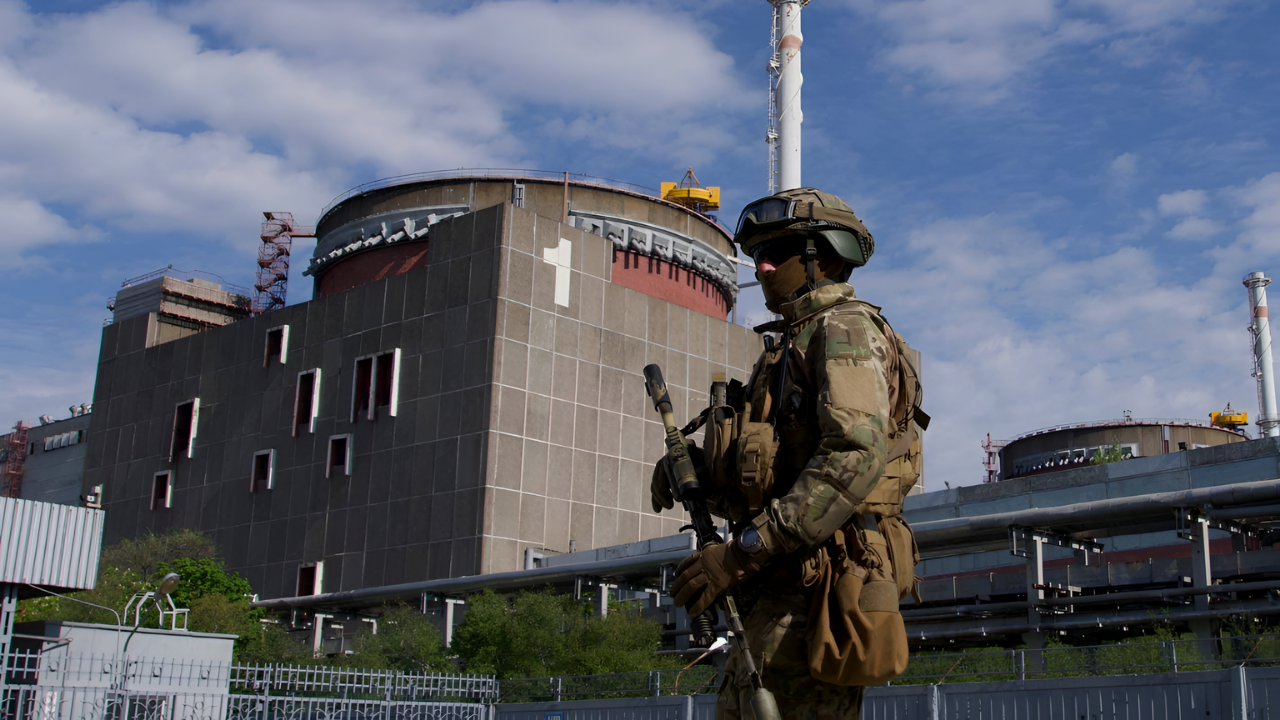
Russia is preparing to sever the power lines that keep Europe’s largest nuclear plant alive and Ukrainian intelligence says it could happen tonight. If those lines go dark for weeks, the fuel rods inside Zaporizhzhia’s six reactors will begin to overheat, potentially triggering a meltdown that could render hundreds of kilometers uninhabitable across an entire continent.
Forty million Ukrainians are already freezing in minus-20-degree darkness, huddled under blankets with no heat, no electricity, no way to cook or bathe their children. Moscow’s message is clear: keep hitting our oil fields, and we destroy your entire power grid—and your nuclear plant becomes our weapon.
Why Tonight Matters
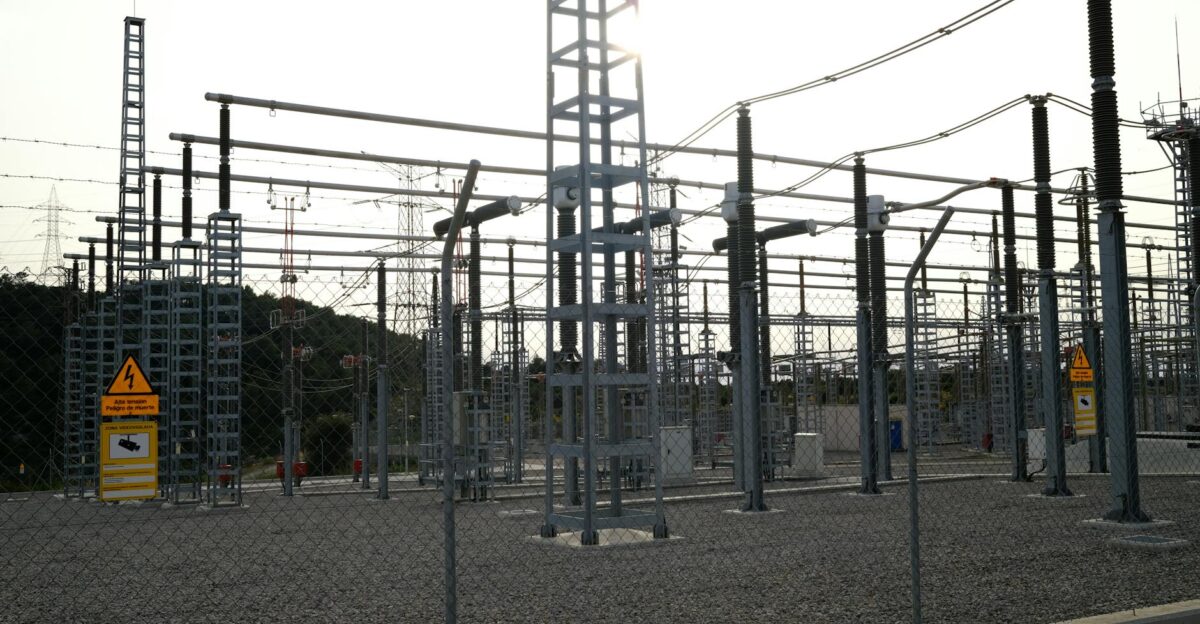
On January 17, Ukraine’s Main Directorate of Intelligence identified ten high-voltage transmission substations across nine regions as Russian targets. Severing these points doesn’t require hitting the reactors directly—just cutting the infrastructure that keeps them cool.
A source with direct knowledge told Fox News the strike window spans mere hours to days. The fourth IAEA-brokered ceasefire, signed just days earlier to repair backup power, could collapse before repairs finish.
Russia’s Strategic Leverage
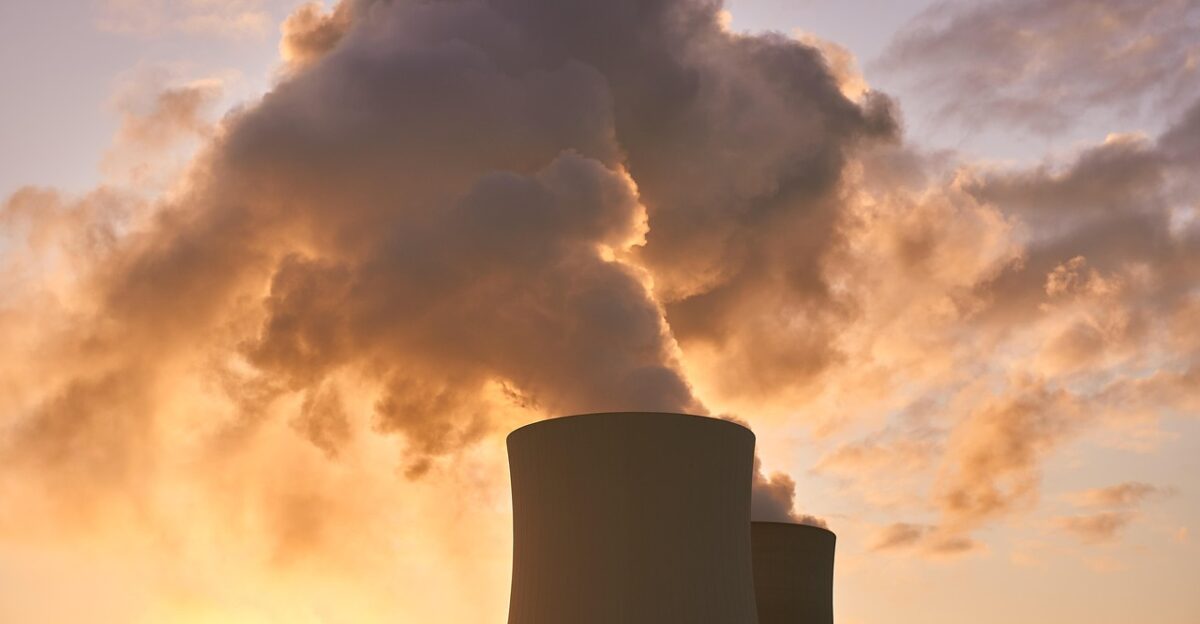
This isn’t random aggression—it’s calculated blackmail. With Ukraine needing 18 gigawatts during winter but generating only 11 gigawatts, disconnecting nuclear plants would trigger cascading blackouts across the nation.
Families already enduring five-hour daily power rotations would face total collapse. Vulnerable populations—elderly, children, disabled—face decisions between unheated homes and perilous journeys to warming centers.
Families In Survival Mode
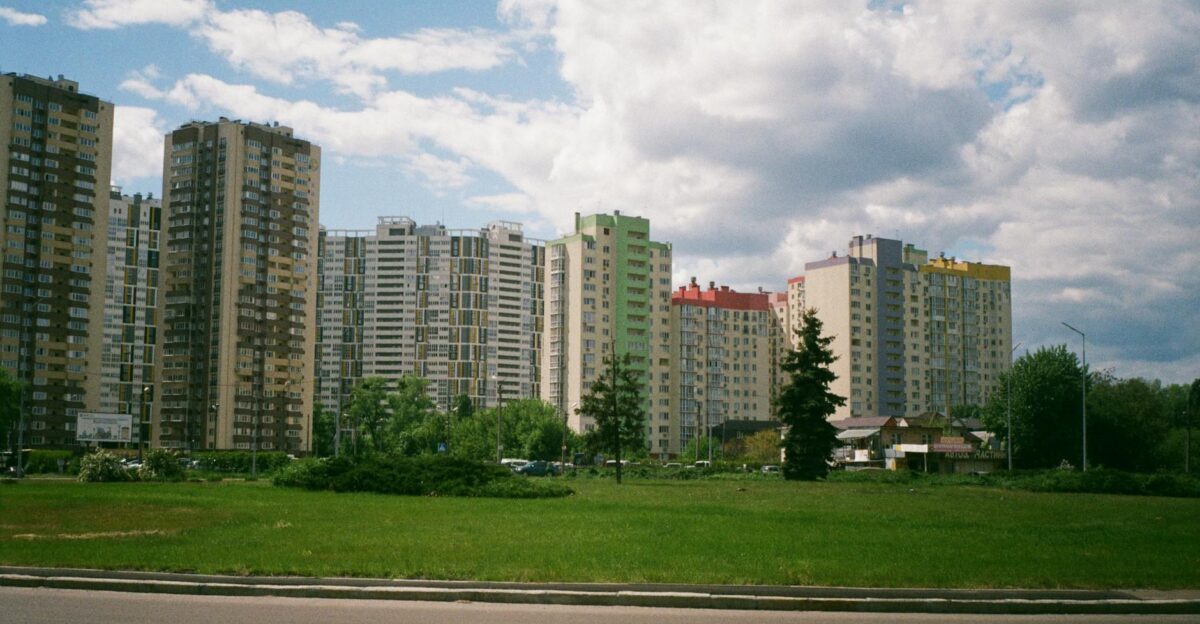
Nearly 300 high-rise buildings in Kyiv lack heating as temperatures hit minus 15 degrees Celsius. UNICEF reports that Ukrainian children face the “hardest winter of war,” pushed into “constant survival mode” by power strikes coinciding with deadly cold.
Parents stuff toys into windows for insulation. Families gather under every blanket at night, unable to prepare meals or bathe young children. When electricity briefly returns for four hours, residents switch on all appliances, overloading the fragile grid until it fails again.
What Reactors Need To Survive
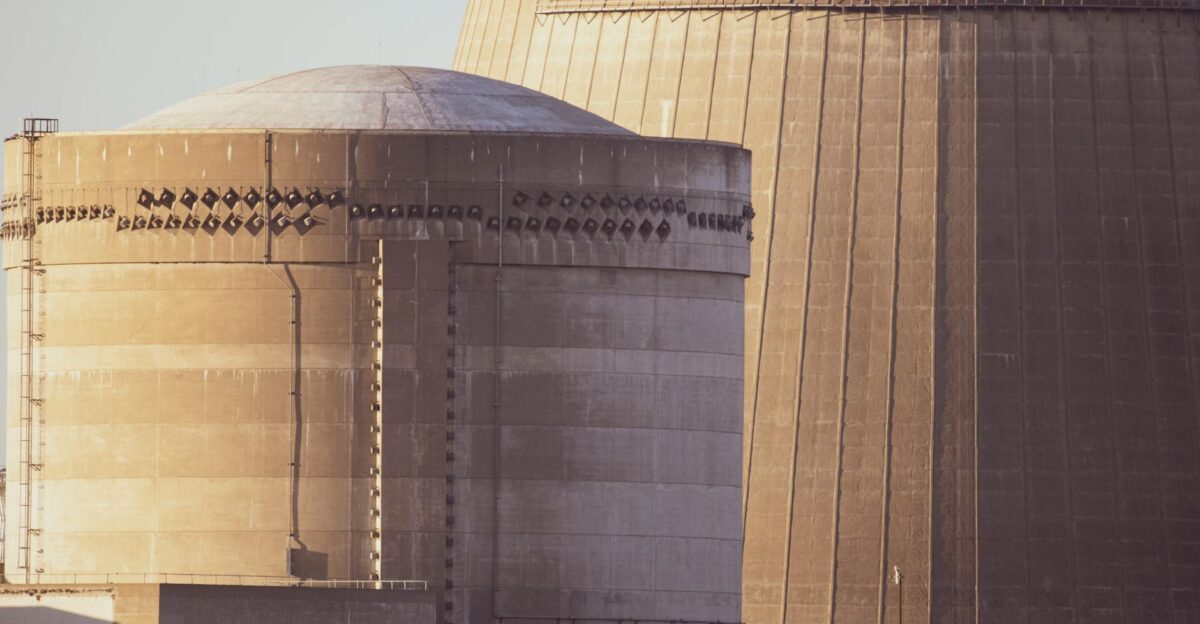
The six VVER-1000 reactors no longer generate electricity, but they still demand external power for cooling systems protecting spent fuel pools. The facility houses 20 backup diesel generators with enough fuel for 10 to 20 days of operation.
Previous blackouts have occurred 12 times since Russia’s invasion; emergency generators activated each time. A prolonged power loss lasting weeks could trigger reactor overheating and release radioactive material across Europe.
Why VVER Isn’t Chernobyl
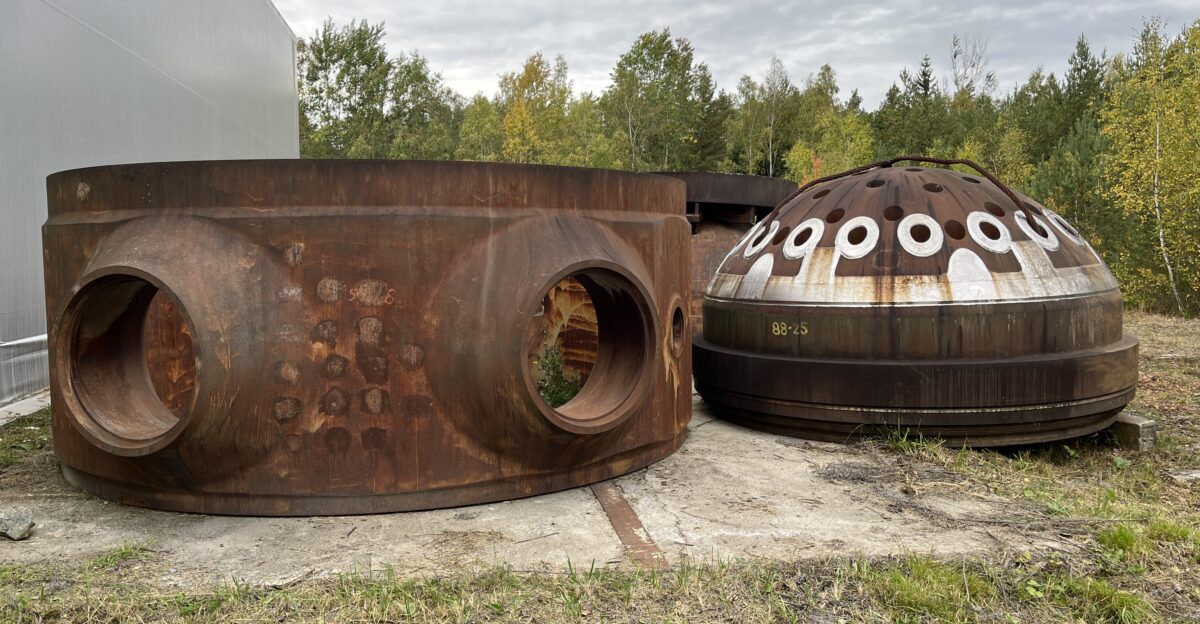
All six Zaporizhzhia reactors are VVER-1000 models, fundamentally different from Chernobyl’s RBMK design. VVER reactors sit in meter-thick concrete shells that prevent runaway chain reactions and contain radiation even if the hull ruptures.
There is no graphite to ignite—unlike RBMK reactors where graphite burned for ten days, spreading contamination across two weeks. Nuclear engineers confirm that for physical reasons, Chernobyl-scale meltdowns cannot occur in VVER reactors.
Worst Case Spans Continents
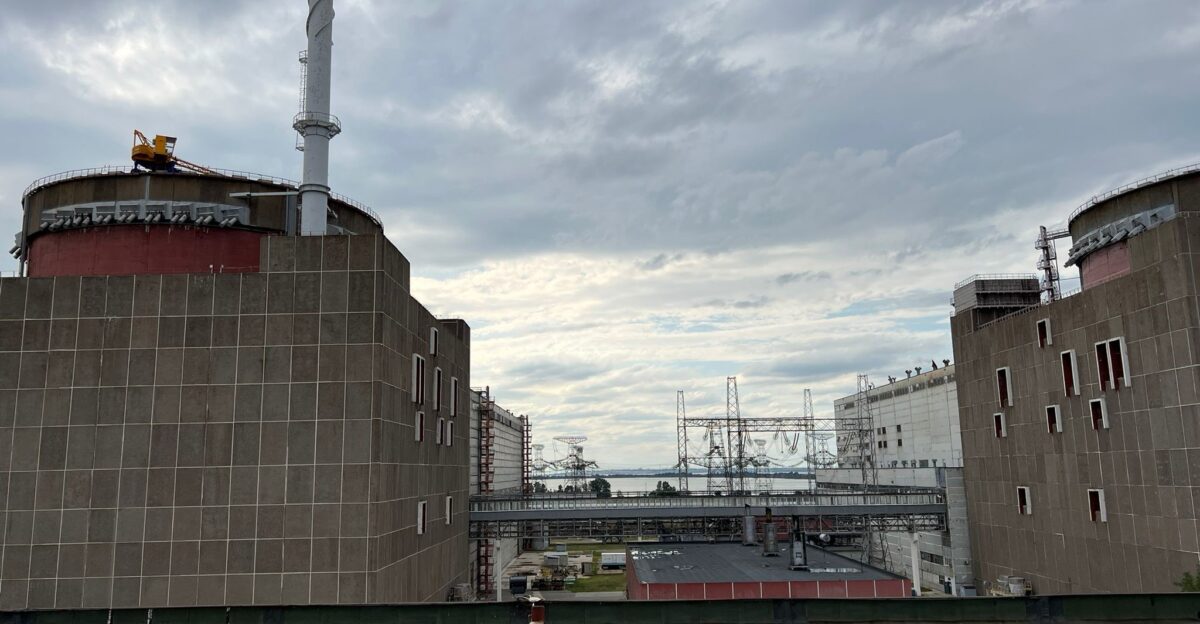
But a Zaporizhzhia disaster could still exceed Fukushima in severity. Greenpeace analysis finds that if explosions destroy reactor containment and cooling systems simultaneously, radioactivity from both cores and spent fuel pools could escape freely into the atmosphere.
Prevailing winds could make a vast area of Europe—including parts of Russia—uninhabitable for decades, potentially affecting hundreds of kilometers radius. The Dnipro River, Europe’s fourth largest, runs nearby; contamination could reach the Black Sea.
Evacuation Zones Of The Past
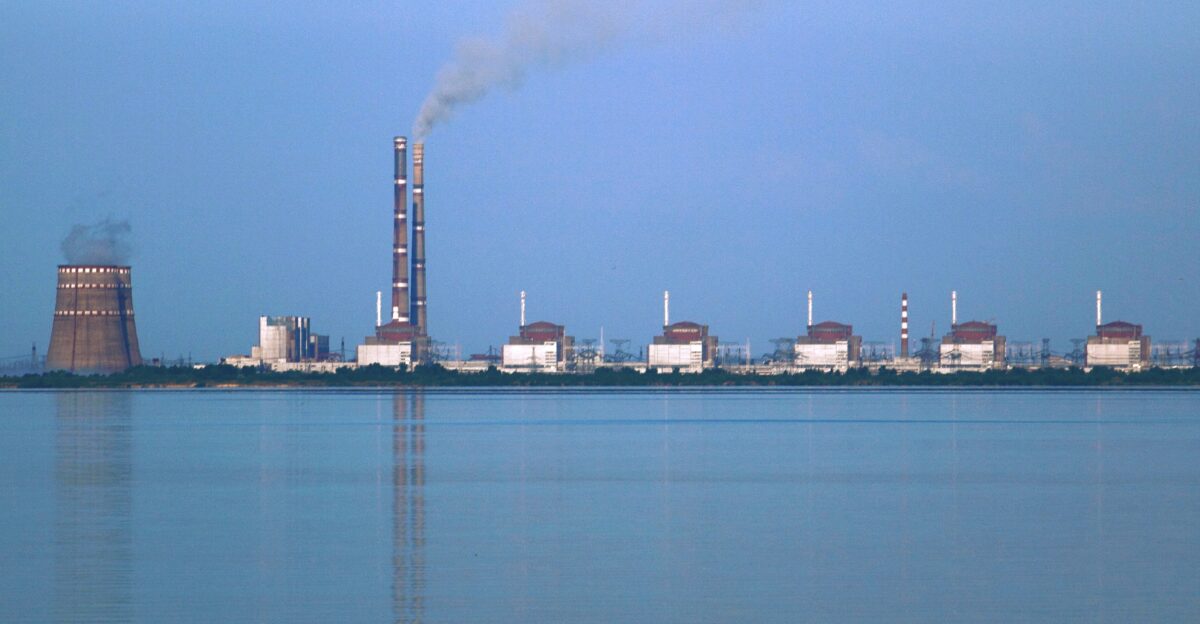
Chernobyl forced evacuation of 30 kilometers radius, displacing 68,000 people and creating a 2,600-square-kilometer exclusion zone. Fukushima evacuated 165,000 people within 20 kilometers and established a 300-square-mile outer exclusion zone. A Zaporizhzhia meltdown during active warfare offers no safe evacuation path.
Families cannot flee frontline zones. Medical services, water supplies, and communication networks would collapse simultaneously. Unlike historical nuclear disasters, this one unfolds amid ongoing military operations.
Russia’s Surgical Strategy

Ukrainian intelligence identified Russia’s plan as surgical infrastructure sabotage designed to avoid direct reactor strikes—which would trigger international intervention. By fracturing Ukraine’s power grid into isolated “energy islands,” Russia intensifies the humanitarian crisis while maintaining plausible deniability.
This hybrid tactic weaponizes civilian suffering without crossing the threshold that forces Western escalation.
The IAEA’s Crumbling Authority

IAEA Director General Rafael Grossi established five concrete principles for nuclear safety during armed conflict. Russia has compromised at least six of the seven foundational pillars underpinning plant security. Russian troops occupy grounds near reactor buildings, use the facility as drone-operator training base, and deny IAEA full site access.
Military equipment positions near containment structures violate international humanitarian law protecting nuclear facilities. The agency’s continuous presence since 2022 documents violations daily, yet enforcement mechanisms remain absent.
Russia’s Long-Term Endgame
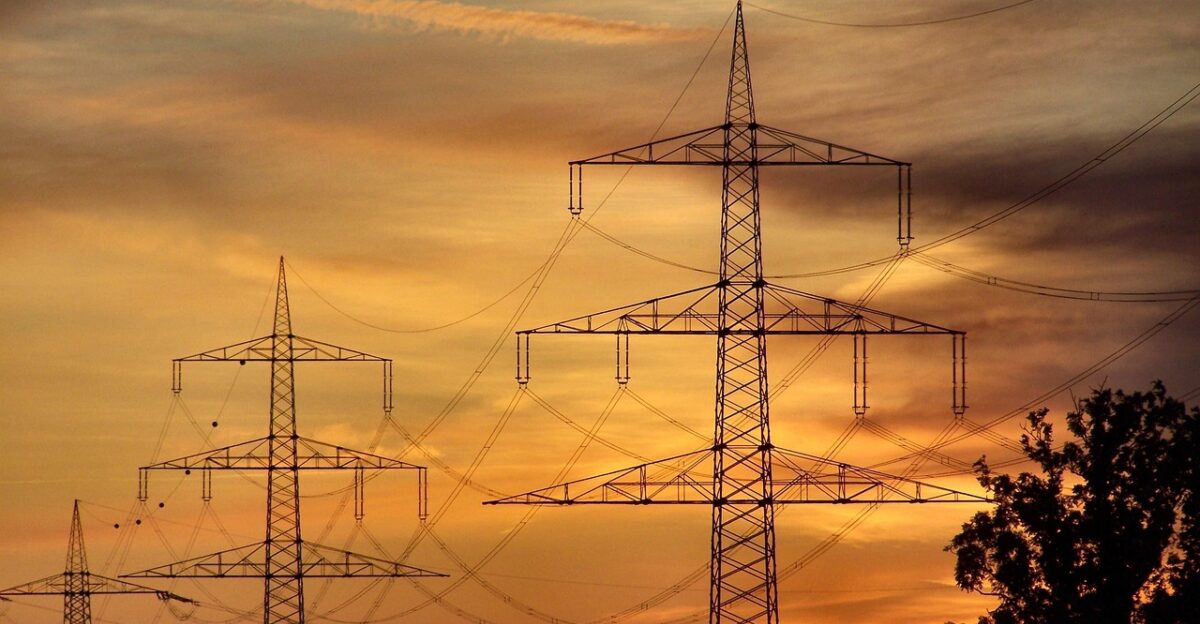
Despite occupation spanning four years, Russia views Zaporizhzhia as a permanent strategic asset. Rosatom, Russia’s state nuclear company, will operate the facility long-term and reconnect it to Russian grids instead of Ukraine’s. Construction crews have already built 90 kilometers of new transmission lines through occupied territory toward Melitopol and Mariupol.
Putin issued decrees transferring the plant to Russian control in October 2022. This strike threat is leverage to force Kyiv toward capitulation while securing Europe’s largest nuclear facility for Moscow.
Grid Collapse Cascades
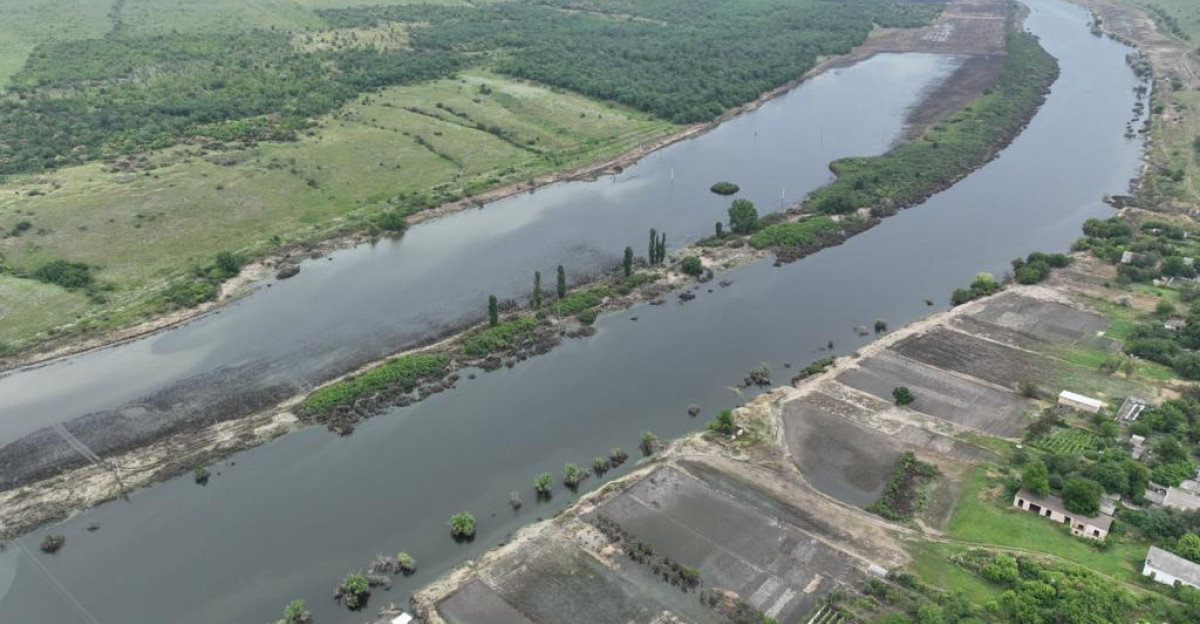
Russian strikes have destroyed 256 energy targets since October: 11 hydroelectric plants and 45 major thermal stations. Disconnecting nuclear reactors would eliminate hundreds of megawatts from a system already 39% short of demand.
Rolling blackouts would intensify from hours daily to days-long total outages. Cascading infrastructure failures would disable water treatment, hospitals, emergency services, and transportation networks simultaneously.
Facing Extreme Cold

UNICEF warns that unpredictable power cuts disrupt medical services and isolate vulnerable families who cannot call for help. Children face heightened risk of hypothermia, frostbite, and respiratory illness in unheated apartments. Schools close when heating fails; shops and cafes that provide warmth shut down.
Even diesel generators freeze when temperatures reach minus 19 degrees Celsius. The elderly, disabled, and chronically ill face “greatest risk,” forced into impossible choices between staying in freezing homes or traveling through dangerous conditions for shelter.
Nuclear Coercion In Winter War
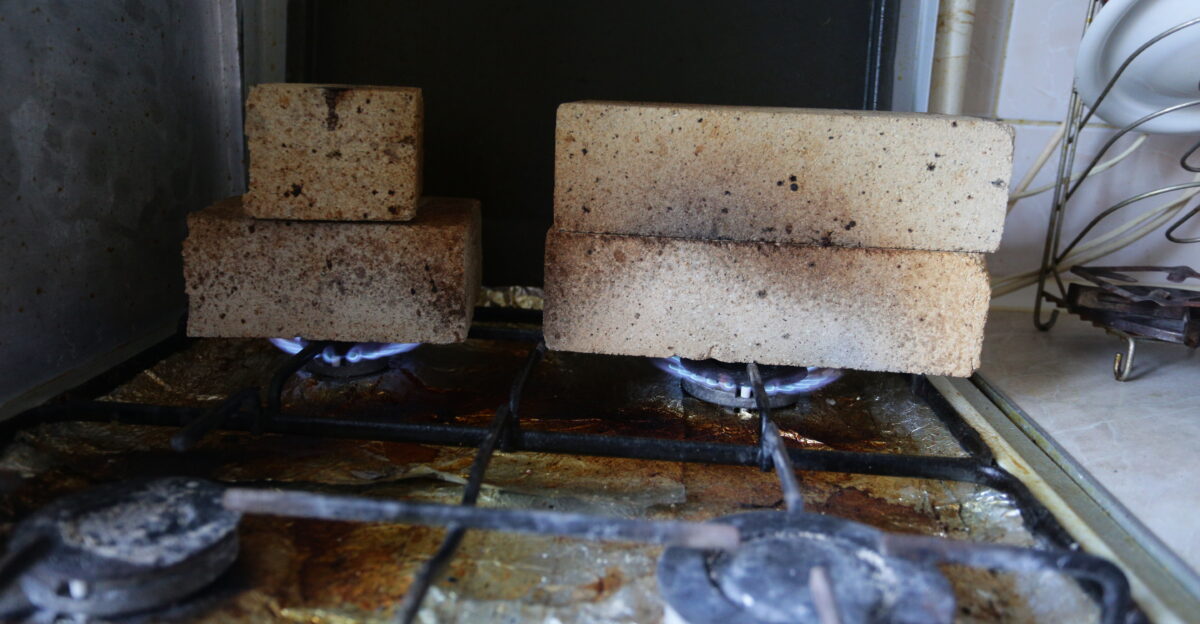
Russia weaponizes infrastructure—energy, water, heating—against civilians during the season when human survival itself hangs in balance. Striking power lines serving nuclear plants amplifies psychological pressure by combining imminent energy collapse with potential continental catastrophe.
Officials acknowledge the timing is deliberate: synchronized attacks during the “hardest winter” force families into survival mode while threatening nuclear escalation. Europe faces unprecedented dual threat: humanitarian emergency in Ukraine and potential nuclear disaster affecting neighboring countries.
Without Intervention, Escalation Becomes Inevitable
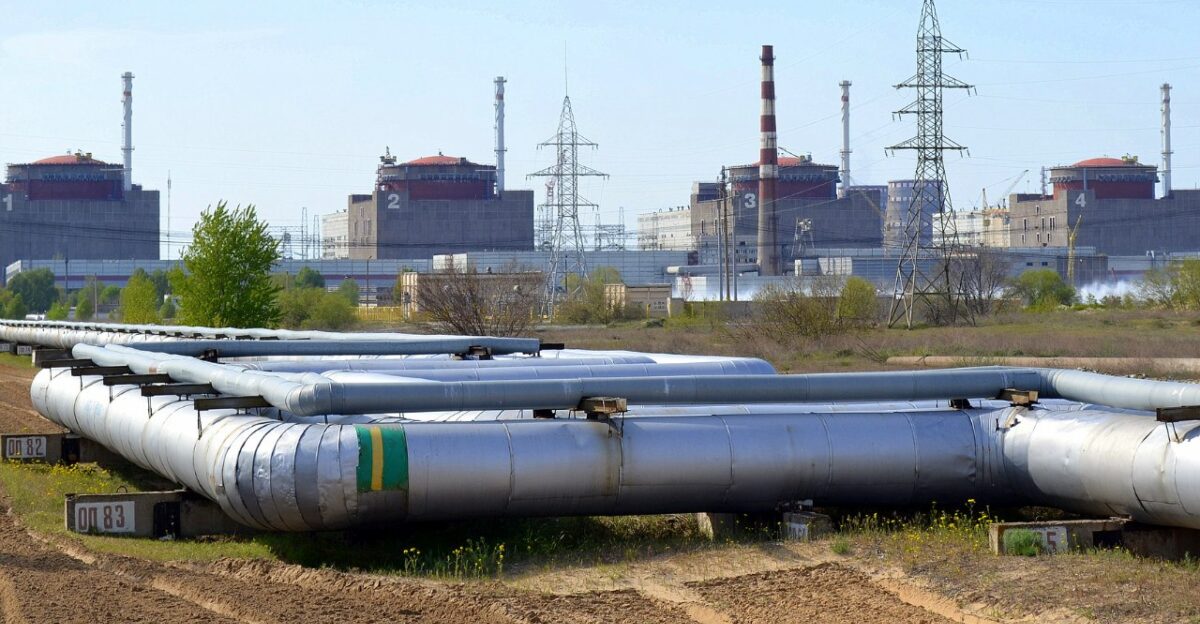
Four years into occupation, Zaporizhzhia remains the world’s first and only nuclear plant held hostage in active armed conflict. Every strike threat, every blackout, every family freezing in darkness represents the convergence of conventional and nuclear coercion.
The fourth ceasefire in days failed to resolve underlying vulnerability. Western nations must mobilize: enforce IAEA access, deploy peacekeepers, and eliminate Russia’s ability to weaponize the facility. Without immediate intervention, nuclear escalation becomes inevitable.
Sources:
Update 337 – IAEA Director General Statement on Situation in Ukraine – International Atomic Energy Agency (IAEA)
New analysis on severe nuclear hazards at Zaporizhzhia nuclear power plant in Ukraine during Russian military invasion – Greenpeace International
Russia plots major strike on Europe’s largest nuclear plant power lines – Fox News
Ukraine: Families in ‘survival mode’ amid Russian strikes and deadly cold – United Nations / UNICEF
Ukrainian crew begins ‘crucial’ repairs on Zaporizhzhia nuclear plant backup line under IAEA-brokered ceasefire – The Kyiv Independent