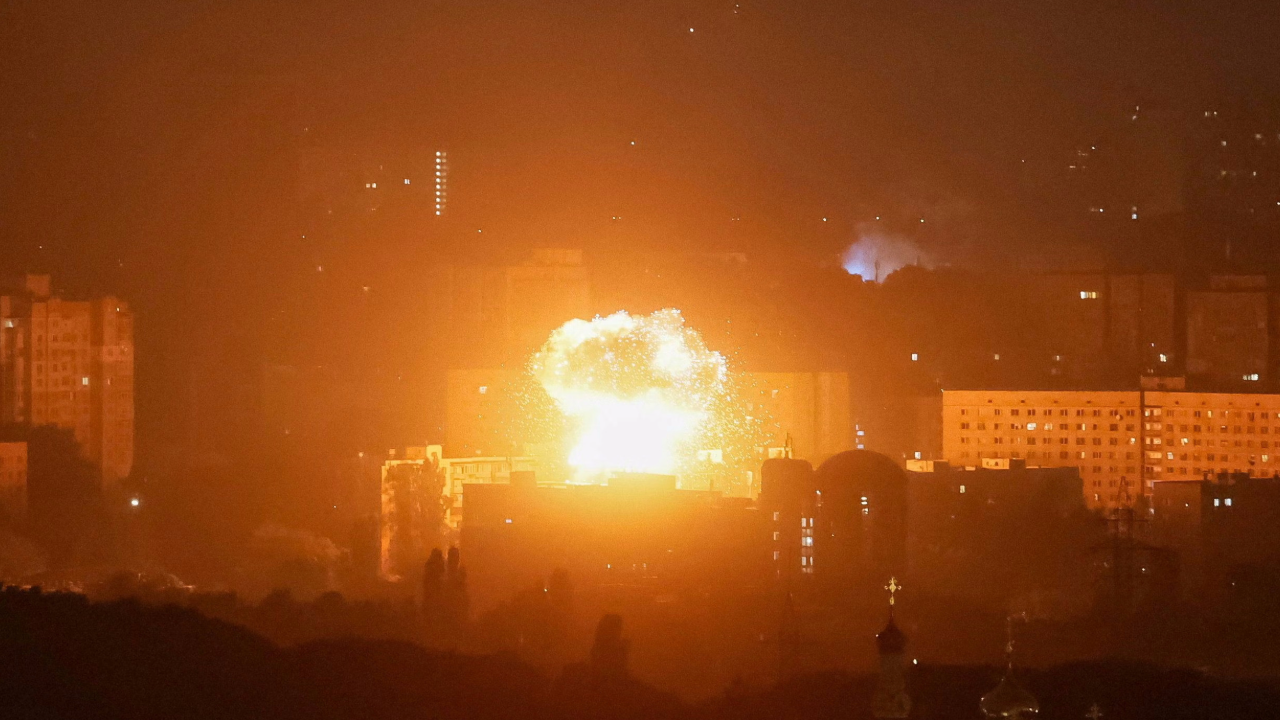
Ukrainian long-range drones struck power substations in Russian-controlled areas of Luhansk, Donetsk, and Zaporizhzhia on January 12-13, 2026, leaving more than 213,000 residents without electricity during nighttime temperatures of minus 18°C. Emergency crews worked amid the freeze to restore power, as families huddled for warmth in the escalating energy conflict between Kyiv and Moscow.
Freezing Crisis
Daytime chills hit minus 12°C, turning homes into iceboxes without heat or light. In Zaporizhzhia, Moscow-appointed governor Yevgeny Balitsky reported blackouts across 386 localities, affecting 213,000 customers. Households lost essential services, prompting authorities to set up emergency heating points and deploy generators to hospitals and water systems. Repair efforts lagged under the threat of further strikes, leaving tens of thousands in Luhansk and Donetsk in prolonged darkness.
Energy War Escalation
Russia has systematically targeted Ukraine’s power grid for years, demolishing thermal plants and causing widespread outages. Ukraine’s response now mirrors this tactic with precise drone hits on distant infrastructure in occupied zones. This marks the fourth winter of mutual sabotage, where both sides exploit peak heating demands to amplify suffering. The January attacks represent Kyiv’s most ambitious push yet into enemy-held territory.
Drone Strikes Confirmed
Major Robert “Magyar” Brovdi, commander of Ukraine’s Unmanned Systems Forces, verified the operation on January 13. Drones hit the 330 kV Myrna and Azovska substations, severing power to over 213,000 people. Russian officials acknowledged impacts on “hundreds of thousands.” Ukraine describes these sites as dual-use, supporting both civilians and military logistics—a claim fueling debates on proportionality under international humanitarian law.
Broader Military Impacts
The same raids destroyed a Russian ammunition depot in occupied Makiivka, stocked by the 51st Combined Arms Army. Secondary explosions illuminated the night, disrupting supply lines. Ukrainian General Staff confirmed the hit as part of a coordinated strategy. Russia now redirects air defenses from front lines to guard energy nodes, straining resources. Partial power restorations followed in some areas, but high-voltage transformers require months for replacement, per grid experts.
In Kherson, governor Vladimir Saldo noted outages in 14 towns and 450 villages from related substation damage. Officials accelerated repairs despite the weather, while Ukraine signaled continued operations.
Future Risks
As drones proliferate, energy grids face sustained threats on both sides. Ukrainian Defense Intelligence warned on January 17 that Russia may target substations tied to Ukraine’s nuclear plants, prompting the International Atomic Energy Agency to plan inspections of 10 critical sites. This parity in infrastructure attrition raises grid collapse fears, testing repair capacities and diplomatic efforts amid winter’s grip.
Sources:
“More than 200,000 homes without power in Russian-occupied Ukraine, official says.” ABC News / The Associated Press, 17 Jan 2026.
“Drone strike cuts power supply in Russia-held parts of Ukraine’s Zaporizhzhia region.” Reuters, 18 Jan 2026.
“51st Army loses ammunition depot: Ukraine’s drone forces destroy Russia’s Makiivka stockpile.” Euromaidan Press, 13 Jan 2026.
“Russia considers strikes on substations serving Ukraine’s nuclear power plants, Ukrainian intelligence says.” Ukrainska Pravda, 17 Jan 2026.