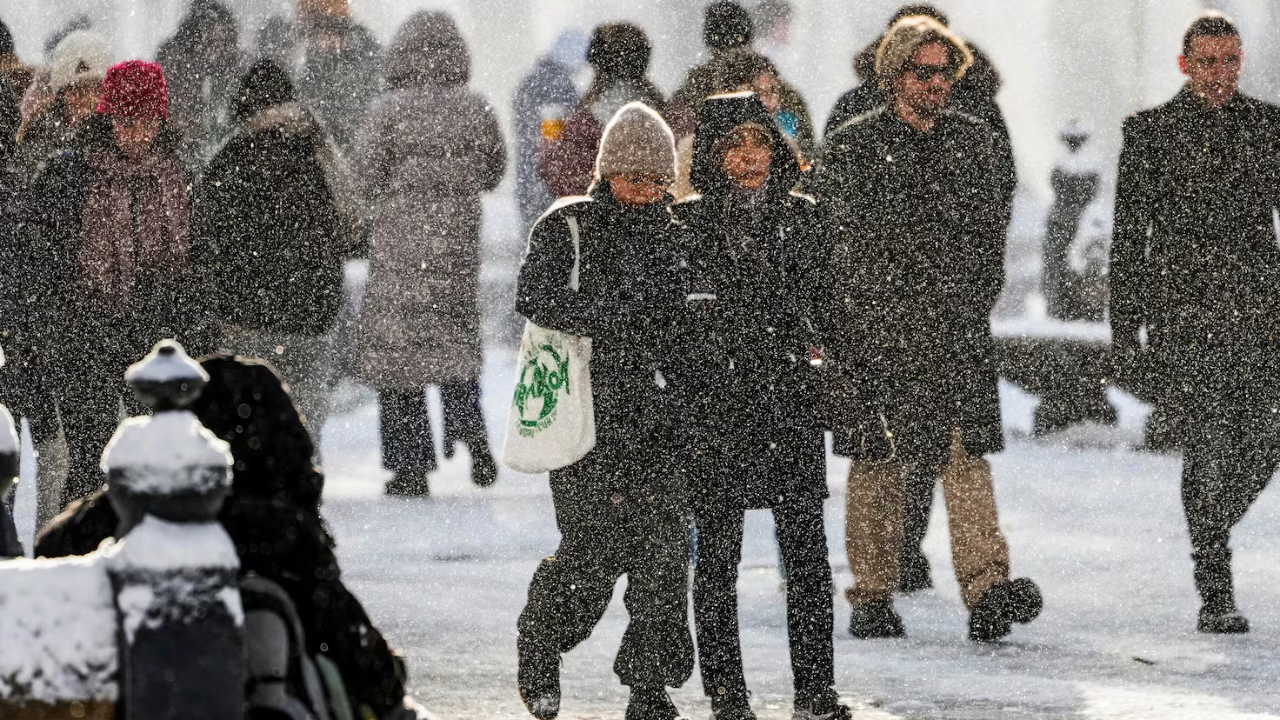
Thirteen states from the Dakotas to New England bear the brunt of a relentless winter storm, with the National Weather Service issuing blizzard warnings for Minnesota and North Dakota as heavy snow, fierce winds, and Arctic cold disrupt millions of lives across Minnesota, North Dakota, South Dakota, Wisconsin, Iowa, Michigan, Illinois, Indiana, Ohio, Pennsylvania, New York, Vermont, and Maine.
The storm system extends beyond these core states, affecting neighboring areas with lesser impacts, but these 13 states face the most severe conditions.
Blizzard Conditions Grip Upper Midwest
Winds howl across the Northern Plains and Great Lakes, with gusts exceeding 60 mph creating whiteout conditions across Minnesota and North Dakota. The National Weather Service warns of life-threatening travel conditions as blizzard warnings remain in effect through midweek for the Red River Valley region.
Lake-effect snow machines fire relentlessly across Michigan, New York, Wisconsin, Pennsylvania, and Ohio, channeling Arctic air over unfrozen waters to unleash bands of heavy accumulation. Michigan’s Upper Peninsula braces for one to two feet of snow, while areas downwind of Lake Ontario near Watertown, New York, could see similar totals through Wednesday.
Significant accumulations pile up across the Northern Plains and Midwest, with Iowa expecting 5 to 8 inches, Wisconsin’s lake-effect zones receiving 6 to 12 inches, and persistent bands burying portions of Pennsylvania, Indiana, Illinois, and Ohio under heavy snow. Vermont and Maine face moderate to heavy snow totals of 2 to 6 inches as the storm tracks through New England.
Travel Collapses, Motorists Stranded
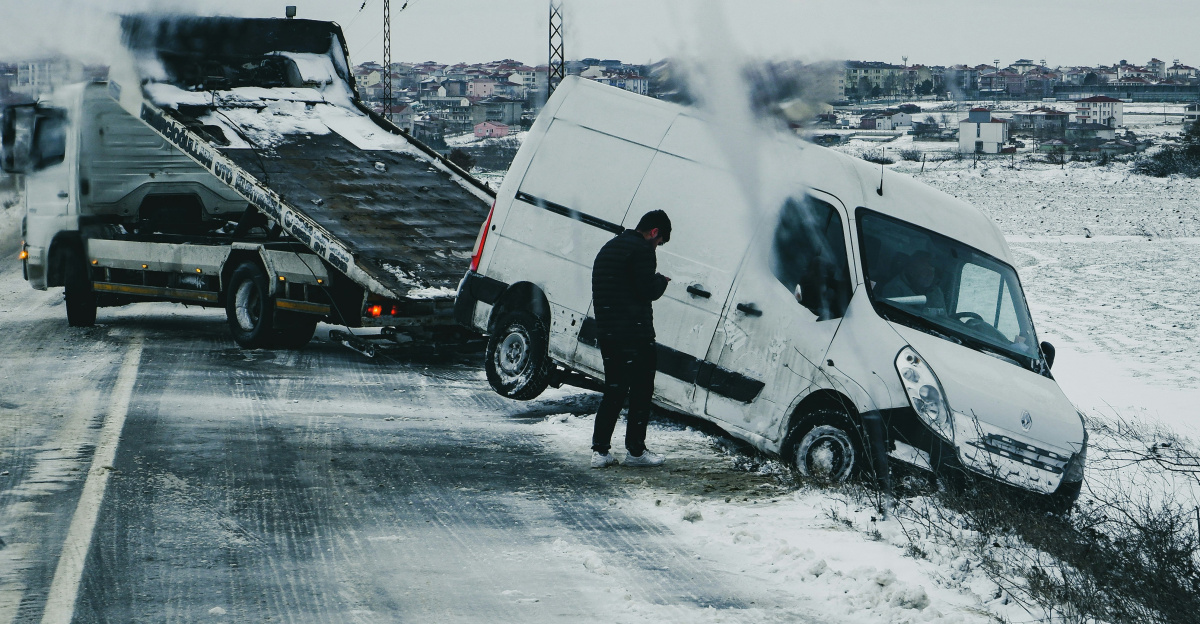
Roads become impassable as snow buries interstate corridors across all 13 states. Over 100 vehicles pile up on Interstate 196 in Michigan near Hudsonville as blinding snow fuels the Great Lakes disaster, leaving motorists stranded and semi-trucks jackknifed. Visibility plummets to near-zero in blizzard conditions that offer no respite until Wednesday.
Major transportation arteries through Iowa, Wisconsin, Minnesota, and the Dakotas grind to a halt, forcing state troopers to close highways and issue urgent warnings against travel. Schools across all 13 states shutter their doors, extending remote learning as conditions deteriorate.
Airlines, Retailers, and Supply Chains Scramble
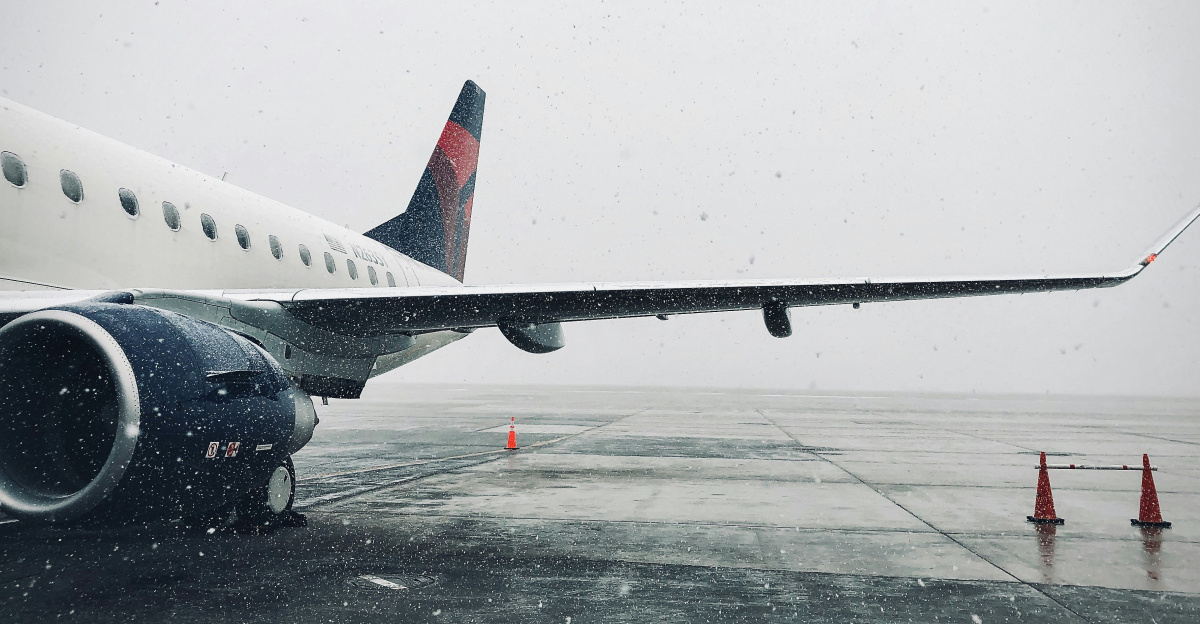
Detroit Metro Airport experiences hundreds of flight delays and dozens of cancellations as the storm system intensifies. Airlines at hubs serving the Great Lakes and Upper Midwest scramble to accommodate stranded passengers as conditions worsen across Michigan, Wisconsin, Illinois, Indiana, and Ohio.
Retailers shift operations to online fulfillment across the affected states, while municipal crews stockpile salt and deploy plows around the clock. Great Lakes ports see shipments stall, complicating auto parts distribution and broader logistics networks stretching from Michigan through Pennsylvania.
Energy Demand Surges, Utilities Strained
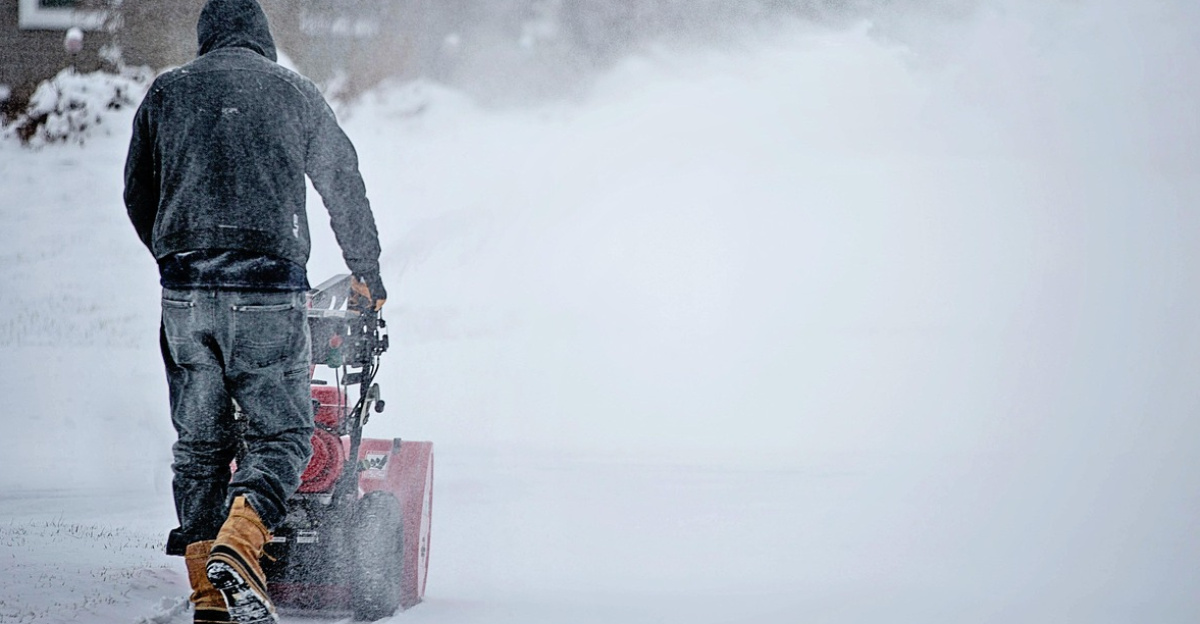
Demand surges for snowblowers and generators across Wisconsin, Illinois, Michigan, and neighboring states, alongside tire chains and insulated winter gear. Natural gas consumption hits seasonal peaks in Michigan, Illinois, Indiana, Ohio, Pennsylvania, and New York as temperatures plunge well below freezing, straining utilities across the region.
New England heating oil providers in Vermont and Maine race to fulfill orders as Arctic air settles in. Electricity grids face heightened demand across all 13 states, with particular strain on aging infrastructure in Pennsylvania, New York, and New England states.
Rural Communities Battle Elements
Ranchers across North Dakota, South Dakota, Minnesota, and Wisconsin battle blizzards to deliver livestock feed, their efforts unrelenting against the fury. Dairy operations in Minnesota and Wisconsin clear barns amid sporadic power failures, while rural households in Vermont and Maine stockpile firewood to outlast the siege.
These rural frontlines test community endurance as residents across the 13 most affected states hunker down against conditions expected to persist through midweek.
Emergency Response Coordinates Across Region
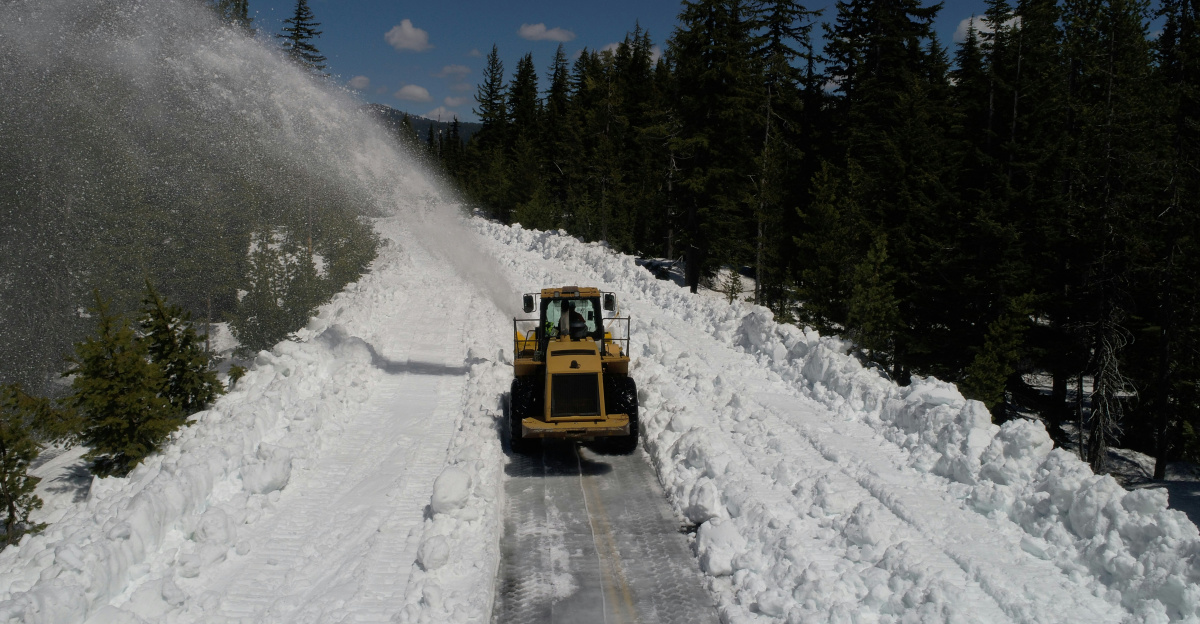
State and local agencies across all 13 states deploy salt trucks and plows around the clock, coordinating massive response efforts. The National Weather Service issues continuous updates for Minnesota, North Dakota, South Dakota, Wisconsin, Iowa, Michigan, Illinois, Indiana, Ohio, Pennsylvania, New York, Vermont, and Maine, emphasizing vigilance as conditions remain dangerous.
Snow removal crews in Wisconsin, Michigan, and Pennsylvania field overwhelming requests, with plows laboring nonstop against rapid accumulation rates reaching 1 to 3 inches per hour in lake-effect bands. Health officials warn residents across the affected states about cardiac risks from snow shoveling as emergency rooms report increased admissions.
Climate Science Context
Arctic air fueling persistent lake-effect bands carries signatures of shifting climate patterns. Scientists note that warmer Great Lakes surface temperatures and declining ice cover intensify lake-effect snow events across Michigan, Wisconsin, Illinois, Indiana, Ohio, Pennsylvania, and New York, even as polar air masses plunge southward.
Arctic warming, occurring three to four times faster than the global average, contributes to atmospheric instability that can displace polar vortex systems and drive extreme cold into the continental United States. Residents across the 13-state impact zone probe the limits of aging energy infrastructure against such extremes, while debates intensify on preparedness for increasingly volatile winter weather patterns.
Recovery Stretches Ahead
By Wednesday, January 21, weather alerts across the 13 hardest-hit states will begin easing, but recovery stretches well into the week ahead. Road crews face days of clearing operations, utilities work to restore power to thousands, and transportation networks labor to resume normal operations across Minnesota, North Dakota, South Dakota, Wisconsin, Iowa, Michigan, Illinois, Indiana, Ohio, Pennsylvania, New York, Vermont, and Maine.
This event underscores the critical value of precise forecasts and robust emergency plans, as governors across all 13 states coordinate disaster responses and assess requests for federal assistance. Businesses and households throughout the affected region weigh lessons learned and fortify preparations for future winter assaults from an unpredictable season
Sources:
“Blizzard Conditions Sunday.” National Weather Service, Grand Forks, ND, 17 Jan 2026.
“‘Brutal’ cold to continue as forecasters warn of late-week snow.” USA Today, 19 Jan 2026.
“Winter Storm Warning Issued As 20 Inches of Snow Set To Hit Georgia, Alabama, Florida, New York, Michigan.” Newsweek, 18 Jan 2026.
“Intense lake-effect snow returns as Arctic air grips Great Lakes.” FOX Weather, 18 Jan 2026.