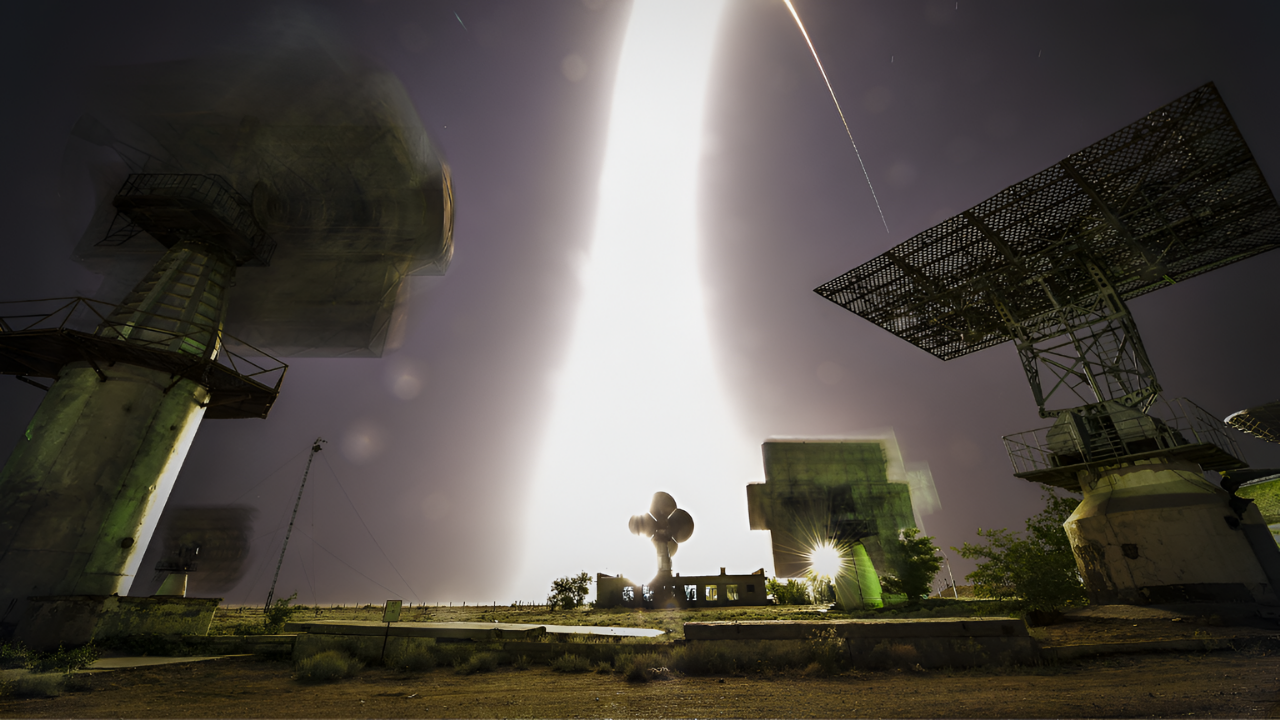
In May 2024, Earth experienced its most powerful geomagnetic storm in over two decades. Scientists at ESA and NASA watched as active region NOAA 13664 produced 11 X-class solar flares over just 7 days, triggering a G5 (“extreme”) classification—the first since 2003.
The storm disrupted GPS systems across North America, knocked agricultural drones offline during peak planting season, and caused spectacular auroras visible as far south as Switzerland.
Yet few Americans realized how close modern infrastructure came to cascading failures. Understanding what happened—and why it matters—requires separating two distinct solar events that the headlines often blur together.
The 94-Day Milestone
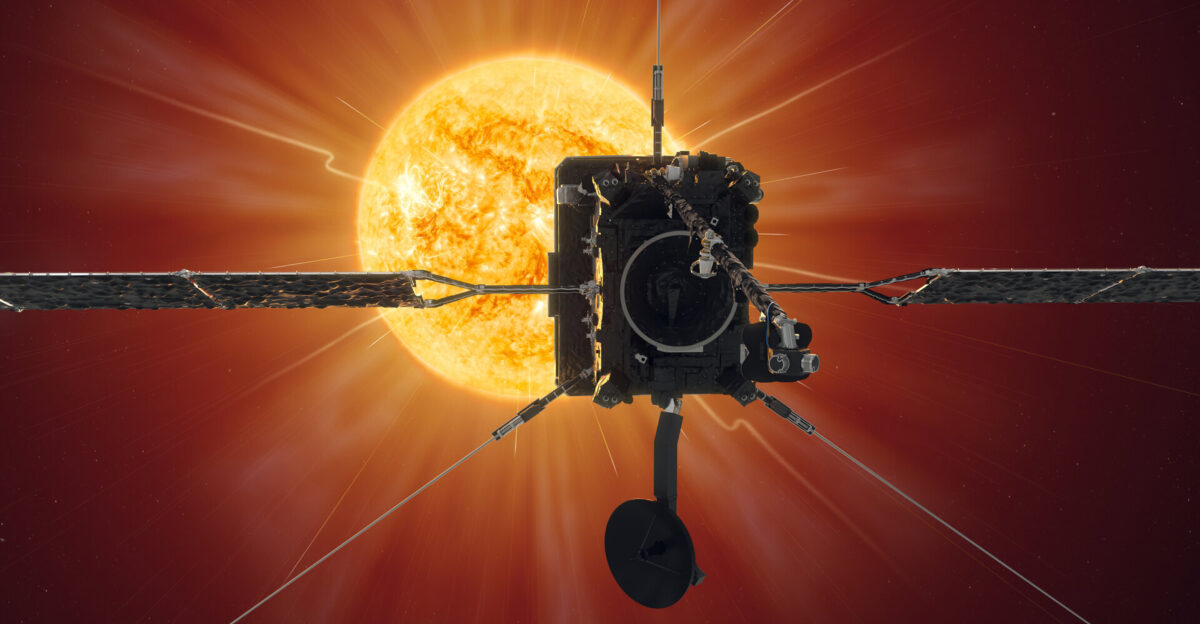
For the first time in solar physics history, scientists tracked a single active region continuously for 94 days—from April 16 through July 18, 2024.
Using ESA’s Solar Orbiter and NASA’s Solar Dynamics Observatory, researchers observed NOAA 13664 complete three full rotations around the Sun, documenting its birth, evolution, and eventual decay. This unprecedented observation window revealed internal magnetic structures never before captured so completely.
The data have fundamentally altered how scientists understand solar region development and eruption mechanics. Yet despite this breakthrough in observation, prediction remained elusive—a humbling reality that underscores how much scientists still don’t know.
A Distant Star’s Hidden Power
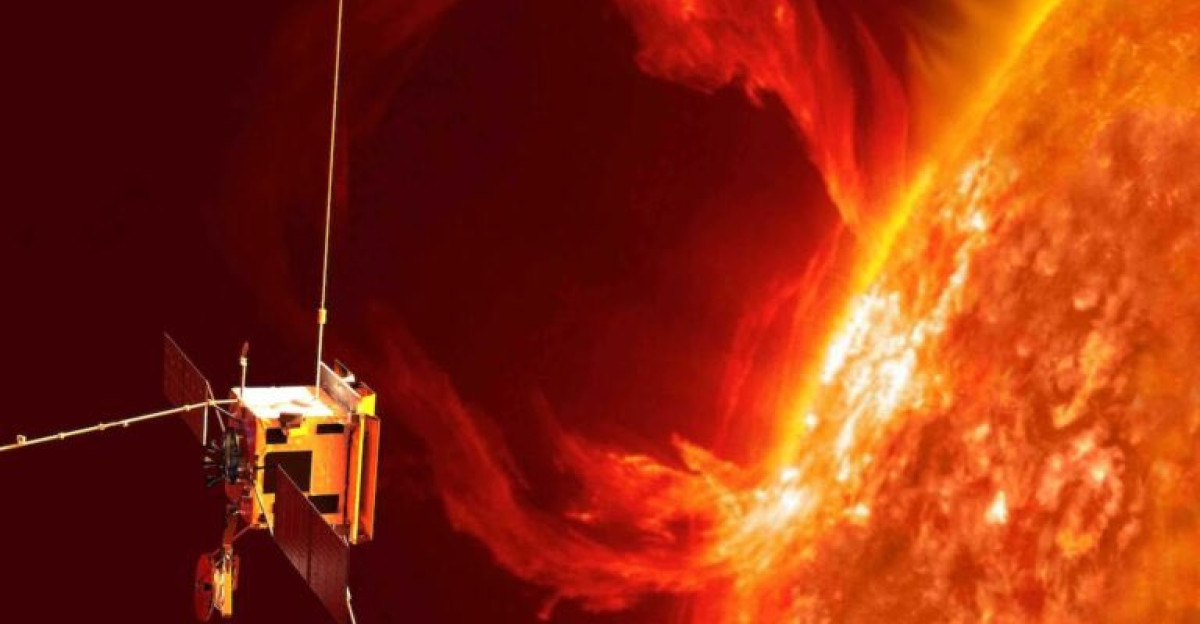
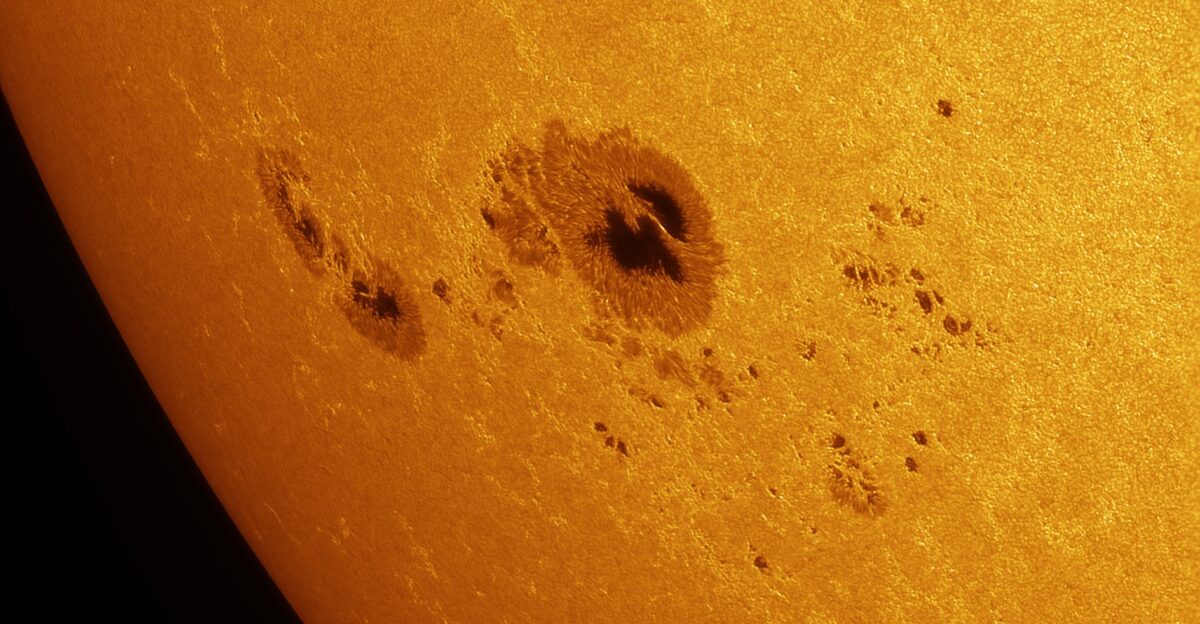
Solar active regions are concentrations of intense magnetic energy—twisted bundles of magnetic field lines capable of storing and releasing energy equivalent to thousands of nuclear weapons. They appear as dark sunspots on the solar surface and rotate with the Sun every 27 days.
NOAA 13664 was unusually complex, with multiple magnetic polarities creating instability. During May 2024, this region faced Earth directly, placing our planet in the line of fire.
Earth orbits the Sun at a distance of 93 million miles, yet its magnetic disturbances can disable satellites, scramble agricultural equipment, and trigger geomagnetically induced currents in power grids. This May’s storm proved that distance offers no protection.
The 2003 Baseline
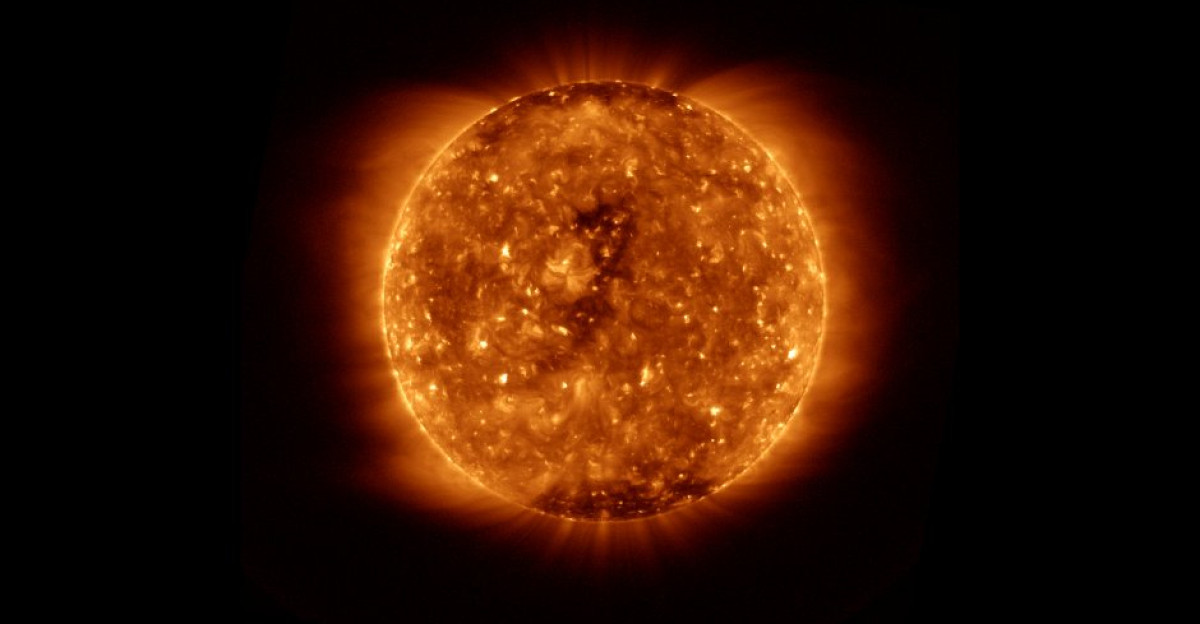
To understand why the May 2024 storm was historic, we must reference the last comparable event: the Halloween storms of October 2003. That G5 event caused temporary blackouts in Sweden, disrupted ATM networks, and forced satellites into safe mode.
For over 20 years, no geomagnetic storm reached that intensity. Solar Cycle 25 (which began in December 2019) is progressing toward its maximum around 2024–2026, meaning powerful storms are statistically more likely now than during the quiet years of 2010–2017.
Infrastructure operators, farmers, and governments remained largely unprepared for a major event despite decades of warnings from space weather researchers. The May 2024 storm would expose that vulnerability starkly.
The Forgotten Precedent: February 2022
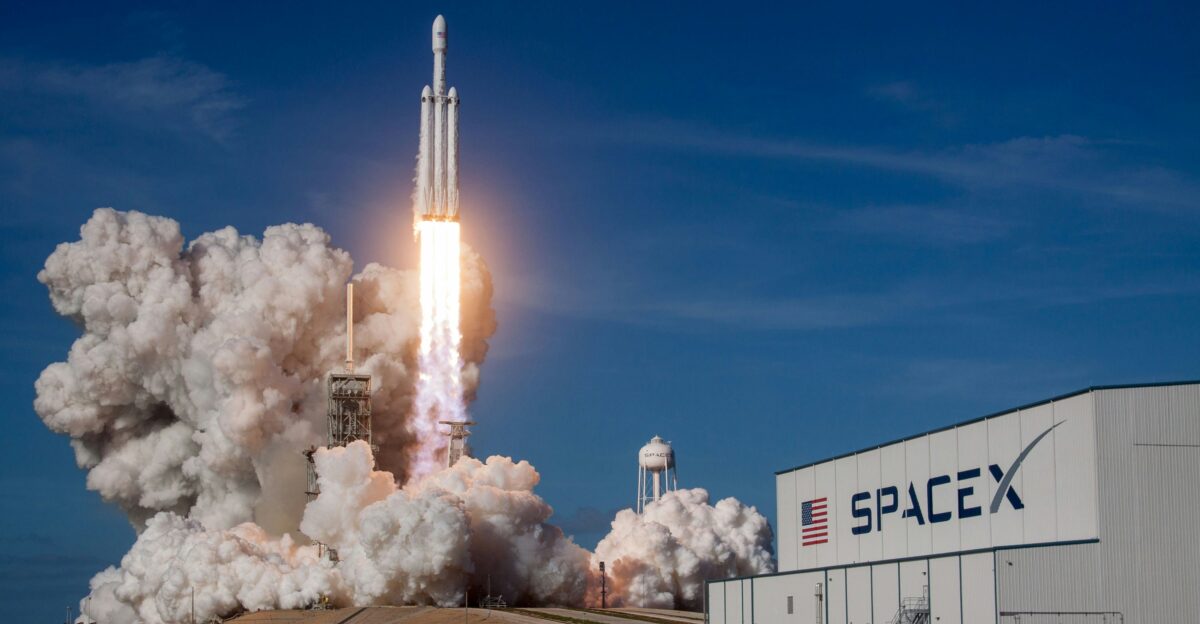
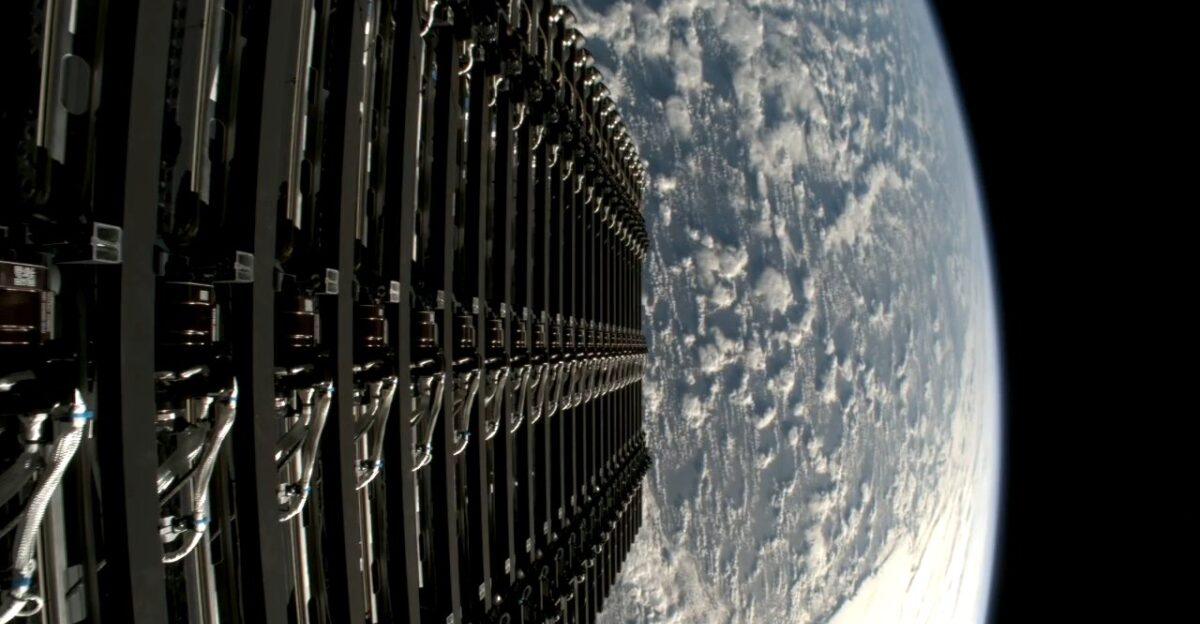
Here lies a critical fact that headlines often conflate with May 2024: on February 3–4, 2022, SpaceX launched 49 Starlink satellites from Florida into a low, temporary insertion orbit at approximately 200 kilometers altitude.
The next day, a far weaker G1-level geomagnetic storm (Kp index = 5) struck Earth. This minor storm caused the upper atmosphere to expand slightly, increasing atmospheric drag on the freshly deployed satellites.
Unable to climb to their operational orbit due to the increased drag, 38 of the 49 satellites eventually de-orbited and burned up in the atmosphere. SpaceX later said this was a learning experience but emphasized that it did not represent a systemic threat to their operational constellation. This 2022 loss—not the May 2024 storm—destroyed 38 Starlink satellites.
Why Headlines Blur the Timeline
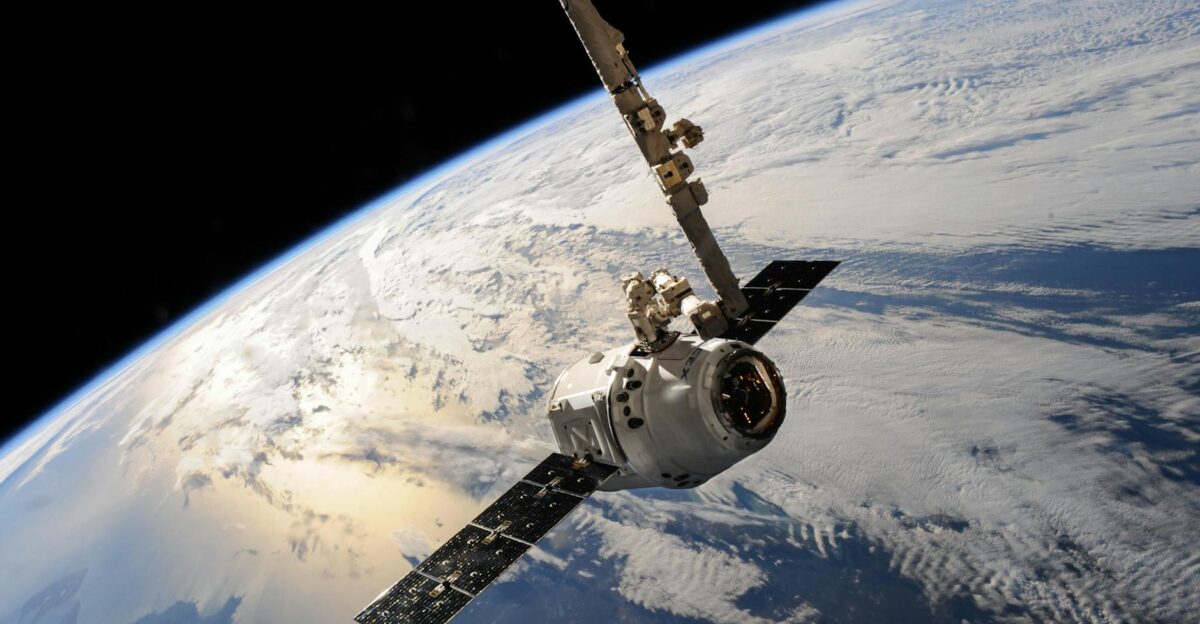
The juxtaposition of “38 Starlink Satellites” and “20-Year Solar Storm Peak” in headlines creates a false impression: that the most powerful recent storm destroyed satellites. In reality, the 2022 loss happened during a minor storm and was partly a deployment planning issue (low insertion altitude during a predicted geomagnetic uptick).
The May 2024 G5 storm—far more severe—did not destroy any satellites. Some headlines deliberately or carelessly link these separate events to amplify drama.
This matters because it misleads readers about both satellite vulnerability and storm severity. Understanding the actual timeline is essential for accurate risk assessment and infrastructure planning.
GPS Chaos in the Heartland

May 10–11, 2024, brought real, documented disruption—not to satellites, but to American agriculture. As NOAA 13664’s most powerful X-class flares erupted, the ionospheric disturbances corrupted GPS signals used by precision agriculture systems.
John Deere’s StarFire RTK (Real-Time Kinematic) receivers, which guide autonomous tractors and drones with inch-level accuracy, lost lock across the Midwest. In Minnesota, farmer Patrick O’Connor found his GPS-guided planter sitting idle during the critical planting window.
In Nebraska, equipment sat “at the ends of fields, shut down” because operators couldn’t navigate. Agricultural economists estimate the disruption costs farmers approximately $500 million in lost productivity, delayed planting, and yield impacts during that crucial 24–48 hour window. This represents ~0.1% of annual U.S. agricultural GDP ($1.3 trillion), reinforcing the “localized” characterization rather than “chaos.”
Railway Signals at Risk
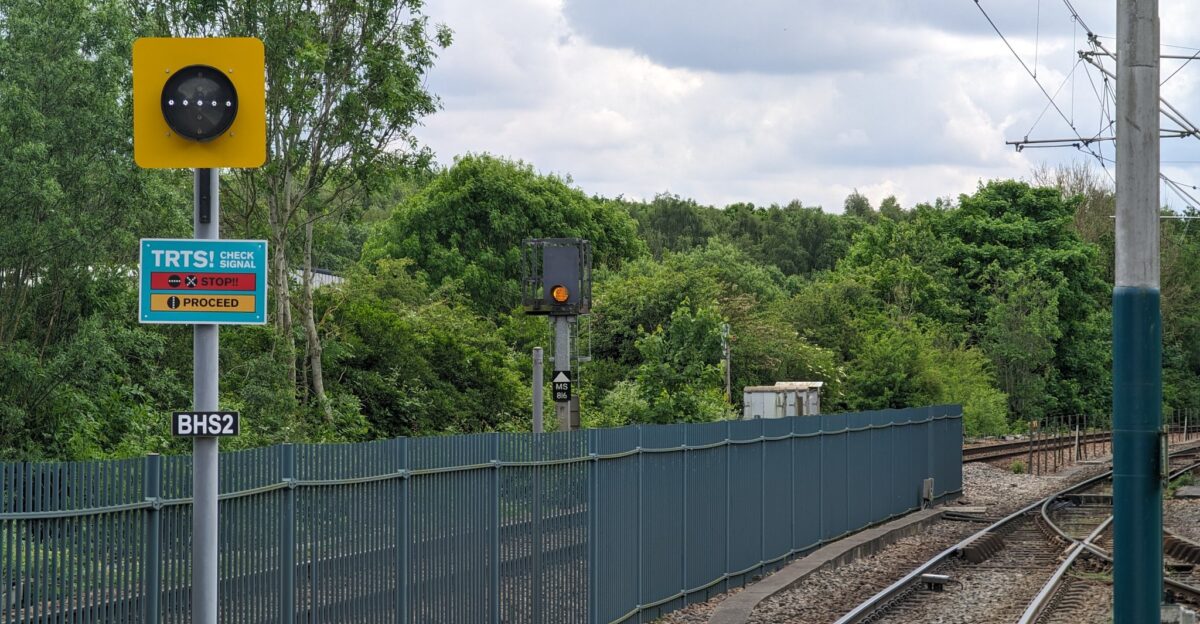
Railway signal systems are theoretically vulnerable to geomagnetic storms. These systems use low-voltage control circuits that can be disrupted by geomagnetically induced currents (GICs)—electrical surges triggered in ground conductors during magnetic storms.
In Canada and Scandinavia, historical storms have caused failures of railway signals. During the May 2024 event, U.S. freight and passenger rail operators monitored systems closely per NOAA alerts. While no major U.S. railway signal failures were documented during the May storm, the vulnerability remains real.
Power grid operators, similarly alerted by NOAA, took protective measures. Most U.S. power grids weathered the storm without major blackouts, though some regions reported minor voltage fluctuations. The preparedness efforts—while less dramatic than “chaos”—demonstrated that warning systems can mitigate damage.
Aviation and Communications Rerouted

Airlines operating trans-Atlantic routes face heightened radiation exposure and radio communication challenges during severe geomagnetic storms. On May 10–11, 2024, some carriers voluntarily rerouted flights southward to avoid the most affected polar regions, where high-frequency radio communications become unreliable.
While operational and economical, these reroutes were precautionary rather than emergency-driven. Satellite operators managed their constellations carefully—adjusting inclination, reducing power consumption, or entering safe mode as needed. Telecommunications companies in northern latitudes (Canada, Alaska, Scandinavia) experienced brief outages or degradation.
These impacts, while notable, fell short of infrastructure “chaos.” The response was professional mitigation, not crisis management. This distinction matters: the storm was powerful, but modern systems—when operating under alert—proved resilient.
The Unspoken Vulnerability: Prediction Failure
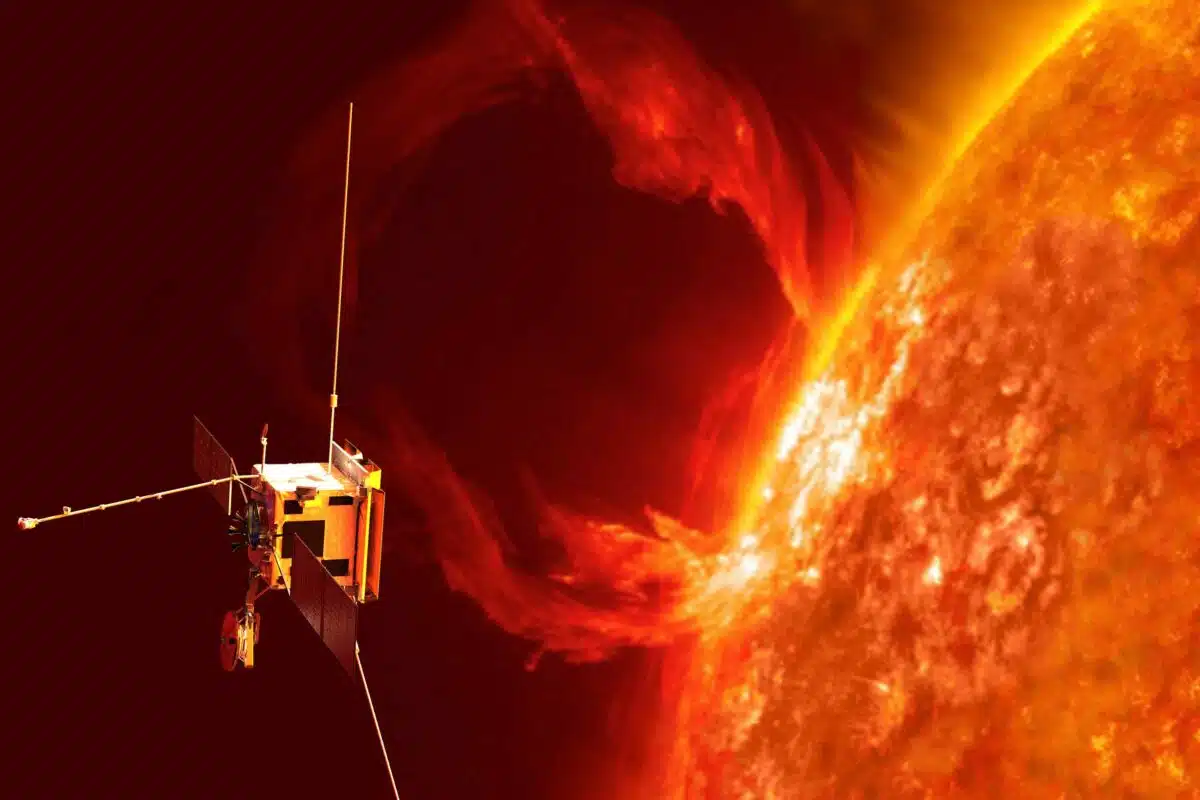
The most unsettling revelation from the May 2024 event: despite 94 days of continuous observation, scientists could not predict exactly when NOAA 13664 would erupt or how violently. The region’s internal magnetic structure revealed chaotic, turbulent dynamics that current physics cannot fully model.
Researchers could forecast that it would likely produce major flares, but not the precise timing or the moment it would deliver its most powerful X-class burst. Unlike weather forecasting, which can predict hurricane paths days in advance, solar eruption forecasting remains closer to earthquake prediction—we know the risk but not the timing. This gap in predictive power exposes a critical infrastructure dependency: modern economies rely on systems (power grids, satellites, agriculture) that depend on warnings often issued only hours or days in advance.
A storm arriving without warning—or one more severe than historical precedent—could cause genuine cascading failures affecting millions. This sobering reality underlies all the headlines and all the “bracing.”
The Farmer’s Dilemma
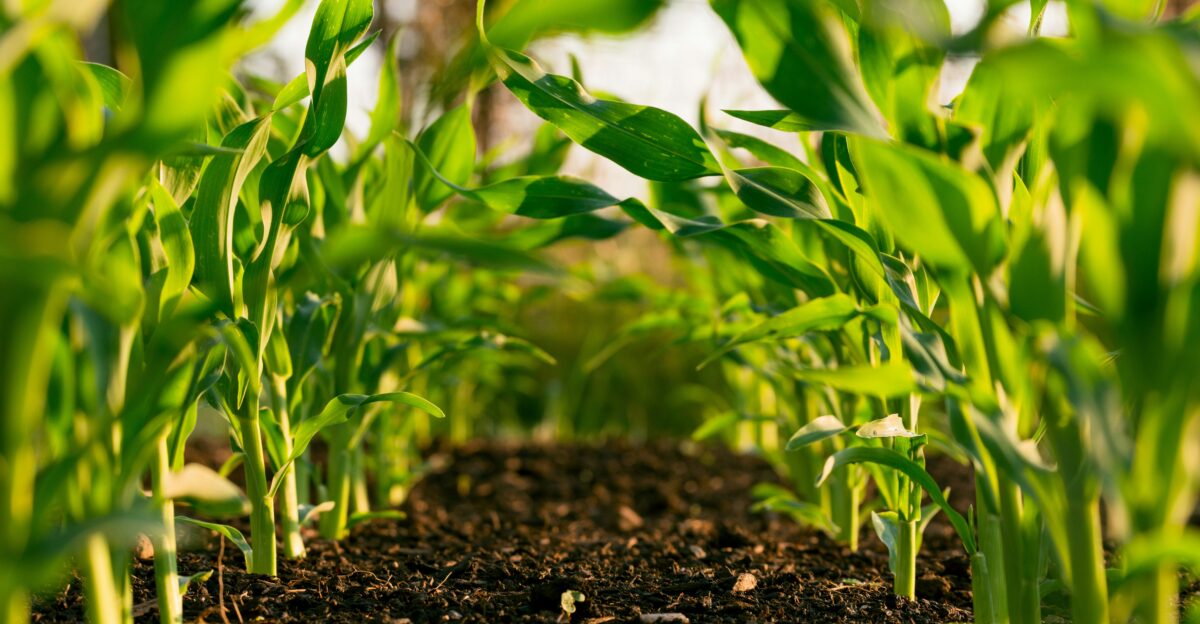
Patrick O’Connor, a Minnesota corn farmer, spoke to the New York Times about his experience during the May 10 GPS outage: “I’ve never dealt with anything like this.” His precision planter, normally accurate to within inches, became unusable.
Across the Midwest, similar stories multiplied. Equipment dealers fielded thousands of calls asking whether it was safe to replant, whether guidance systems would work again, and whether yields would suffer. The uncertainty was compounded because many farmers have no backup navigation method—they’ve outsourced their traditional field knowledge to GPS-guided autonomy.
For farmers with 3,000+ acre operations, a 24-hour GPS outage during planting season isn’t an inconvenience; it’s a financial crisis. Their frustration at being caught unprepared—despite government weather agencies and media warnings—reflects a larger problem: preparedness messaging doesn’t reach all end users equally.
Government and Corporate Response Gaps
Following the May 2024 disruption, the U.S. government commissioned an after-action review. FEMA and the Department of Energy published findings that infrastructure operators received adequate warning from NOAA (issued May 8, three days before peak impact) but that last-mile communication to farmers, small businesses, and individual consumers failed.
The Federal Communications Commission acknowledged that rural areas, in particular, lacked sufficient alert infrastructure. Some equipment manufacturers like John Deere began exploring redundant navigation systems and offline guidance modes. However, the response revealed that despite federal space weather preparedness offices operating since 2015, operational resilience remained fragmented.
Large utilities upgraded their systems; small rural cooperatives did not. Major airports had backup plans; regional carriers did not. This inconsistency—a patchwork of preparedness—became the defining problem of the 2024 post-storm review.
Scientific Breakthrough, Practical Humility

The 94-day observation of NOAA 13664 generated extraordinary scientific value. Papers published in Astronomy & Astrophysics, Nature Communications, and other top journals documented magnetic reconnection events, plasma dynamics, and eruption mechanisms never before captured so completely.
Universities worldwide are mining the data for doctoral theses. However, lead researcher Ioannis Kontogiannis of ETH Zurich emphasized: “We live with this star, so it’s really important we observe it and try to understand how it works and how it affects our environment.”
The data revealed that current models of flare prediction are fundamentally incomplete. One colleague observed that the 2024 breakthrough in observation paradoxically highlighted the inadequacy of prediction—a humbling reminder that scientific knowledge and operational readiness are not the same thing.
The Next Storm: How Ready Are We?
Solar Cycle 25 continues climbing toward its peak around late 2024–2025, meaning more powerful storms are statistically likely over the next 12–18 months. A storm equal to or exceeding May 2024’s strength could strike with little warning. If it impacts a different longitude than the 2024 event, or if it arrives during a different time of day, the consequences could differ dramatically.
A direct hit on the U.S. power grid during winter demand could trigger blackouts affecting tens of millions. A storm during harvest season could disrupt grain operations across the commodity markets. The National Academy of Sciences estimated that a Carrington-class event (like the 1859 super-storm) would cost the U.S. economy $1–2 trillion in recovery costs.
Current preparedness, though improved since 2024, remains insufficient for a worst-case scenario. The question facing policymakers: Is the incremental cost of hardening infrastructure worth the uncertain but potentially catastrophic risk?
Living with an Active Star
The May 2024 geomagnetic storm revealed both humanity’s technological fragility and its growing resilience. Ninety-four days of unprecedented solar observation gave us deeper insight into magnetic dynamics, but not the predictive power we need.
Thirty-eight Starlink satellites were indeed lost—but in February 2022, during a minor storm, not in May 2024. American farmers experienced real economic harm, but preparation efforts and industry adaptation are underway. The uncomfortable truth: we cannot prevent solar storms, and we cannot predict them with the precision needed to guarantee safety.
We can only observe, warn, and adapt. As solar physicists continue studying NOAA 13664’s data, the underlying question persists: When the next great storm arrives—and it will—will we have done enough? The answer may depend less on science than on whether society chooses to invest in resilience before the next catastrophe strikes.
Sources:
NOAA Space Weather Prediction Center, May 2024 and December 2025 briefings
NASA Solar Dynamics Observatory and Heliophysics Division reports
ESA Solar Orbiter mission data, January 2026
ETH Zurich Department of Physics research; Kontogiannis et al., Astronomy & Astrophysics, January 2026
New York Times, “Solar Storm Disrupts Some Farmers’ GPS Systems,” May 13, 2024
USDA impact assessments, June 2024
Agriculture Dive analysis, May 2024
SpaceX press releases and blog, February 2022