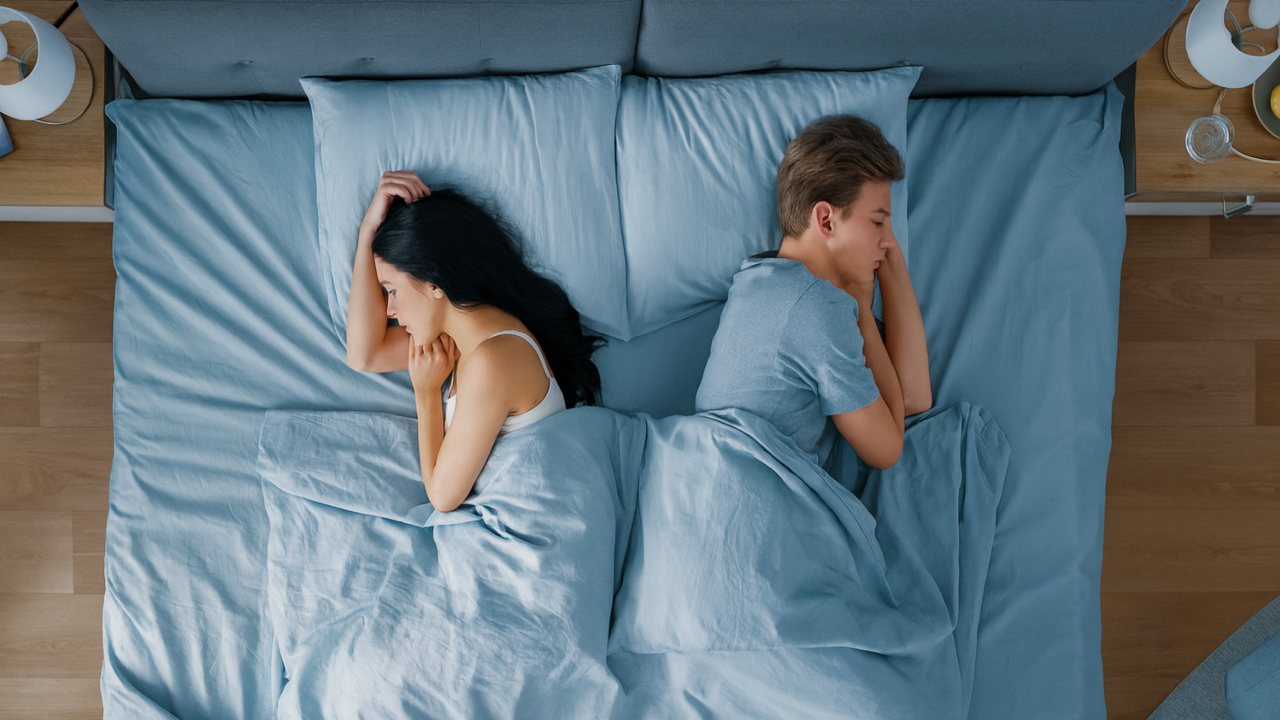
Disrupted sleep, tension, and frustration—for many couples, the nightly fight for comfort is more than physical. Sleep deprivation silently undermines relationships, triggering irritability, miscommunication, and escalating conflict. Yet an increasing number of partners are discovering an unconventional solution: separate beds. What was once viewed as a relationship red flag has gained credibility among sleep researchers and couples alike, challenging decades of cultural assumptions about what makes a healthy partnership.
1. Significantly Better Sleep Quality and Duration
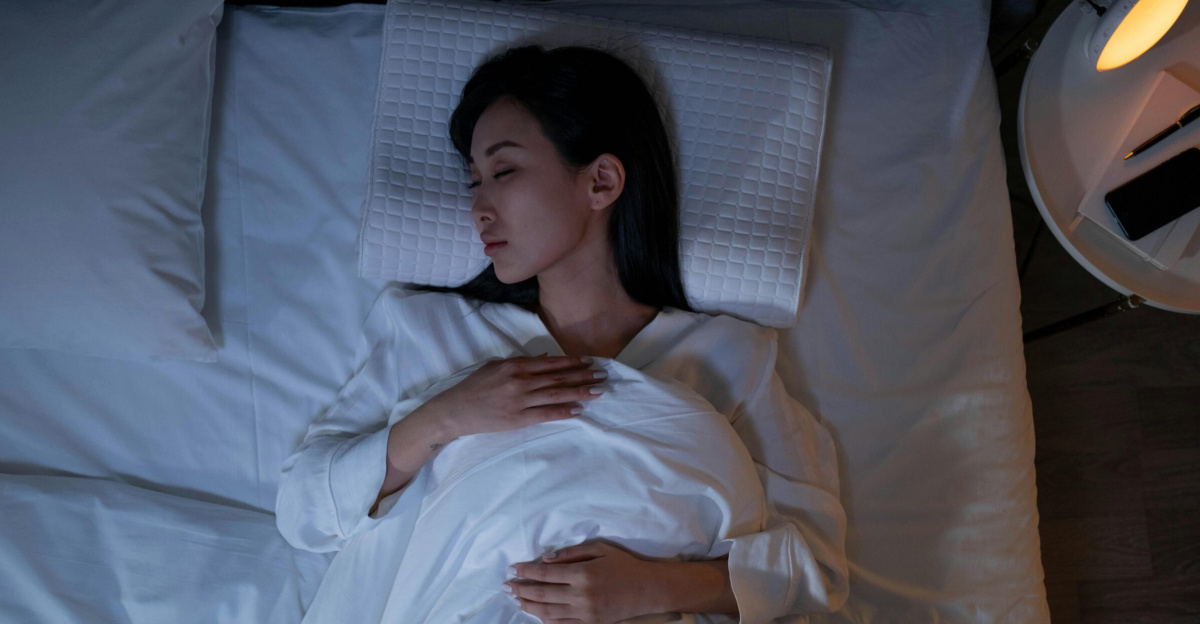
Studies confirm that couples sleeping separately gain an average of 37 minutes more rest each night. This seemingly modest increase delivers significant improvements in cognitive function, emotional regulation, and physical health. Research also shows that 52 to 60 percent of couples who maintain separate sleeping arrangements report better sleep quality compared to those who share a bed. The benefits extend beyond individual rest—they reshape how partners interact during waking hours.
2. Improved Emotional Regulation

Sleep deprivation wreaks havoc on emotional regulation. The impairment is neurological—sleep deprivation affects the prefrontal cortex and regions involved in evaluating emotional states, diminishing the brain’s ability to accurately interpret facial expressions. When tired, individuals are more likely to misinterpret neutral expressions and react negatively. Better sleep restores this emotional intelligence, allowing partners to respond with greater empathy and patience during stressful situations. When well-rested, couples are better equipped to support each other emotionally, fostering deeper affection and understanding.
3. Reduced Conflict and Better Resolution

Research from UC Berkeley reveals that couples suffering from sleep loss experience more conflicts and struggle to resolve disagreements. One experimental study found that sleep-deprived couples showed significantly higher cortisol levels during conflict discussions compared to well-rested pairs, along with fewer positive emotions before and after disagreements. By contrast, well-rested couples demonstrate greater capacity for constructive problem-solving and maintain more positive interactions even during disagreements.
4. Elimination of Sleep-Related Friction
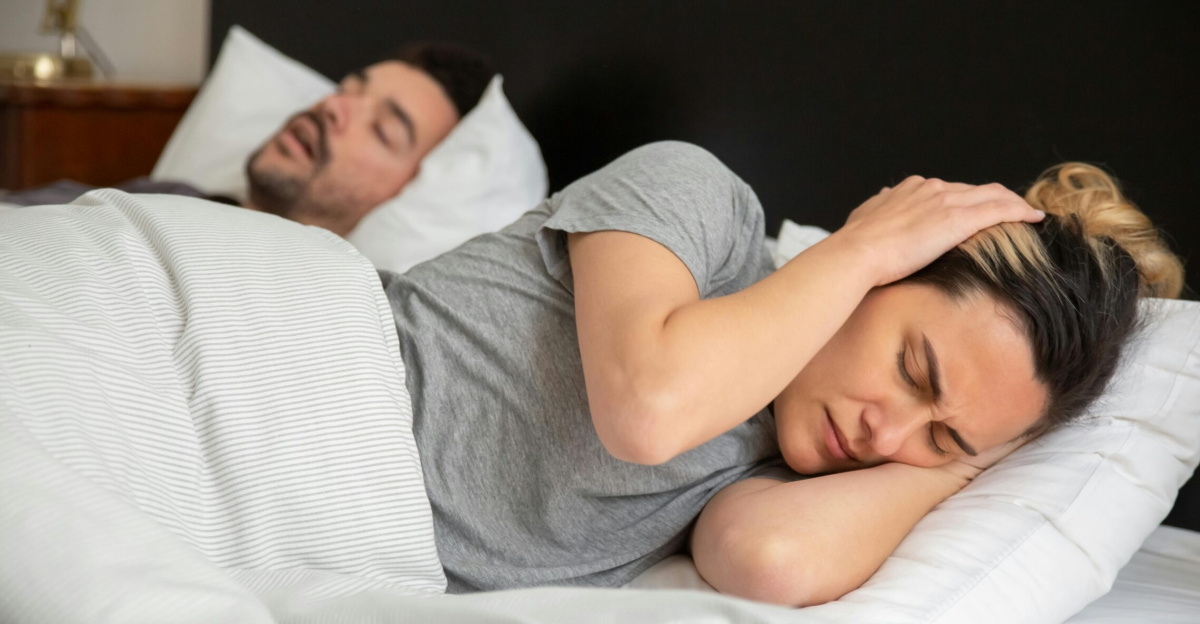
For many couples, shared sleeping brings constant disruptions—snoring, tossing, turning, and restless legs. Research confirms that 75 percent of people who share a bed with a snorer say the snoring impacts their sleep, and 77 percent report effects on their overall well-being. These nightly disturbances lead to frustration and increased stress, with partners of snorers reporting fatigue, moodiness, and depleted energy the following day. Eliminating sleep disruptions, whether through separate beds or other adjustments, results in calmer, more patient interactions and reduces relationship strain. Small annoyances like a partner’s phone light or snoring can escalate into major conflicts when sleep-deprived. By removing these recurring friction points, couples free up emotional energy for more meaningful interactions rather than fighting over trivial matters.
5. Preserved Autonomy and Individual Space
Healthy relationships require both togetherness and autonomy. Sleeping separately allows couples to maintain their individuality, which is essential for long-term satisfaction. When each partner has their own space to decompress and sleep without disturbance, it reinforces their sense of self, making them more engaged and present during shared moments.
6. More Intentional Intimacy
Contrary to common belief, separate sleeping does not necessarily decrease intimacy—for many couples, it can enhance it. When physical connection becomes a conscious choice rather than a nightly obligation, it feels more meaningful. Couples who sleep separately often report more intentional intimacy, with increased energy and enthusiasm for physical connection. Some couples find that missing each other can renew interest in physical closeness, while better rest translates to more engaged and affectionate interactions.
7. Enhanced Communication and Relationship Skills
The decision to sleep separately requires honest, vulnerable conversation about each partner’s needs. Couples who successfully navigate conversations about sleep arrangements often develop communication skills that benefit other areas of the relationship. This openness creates a foundation for discussing other sensitive topics with greater ease and understanding.
8. Better Long-Term Health Outcomes
Chronic sleep disruption has serious health consequences, including increased stress, anxiety, and cardiovascular risk. By addressing sleep challenges proactively through separate sleeping arrangements, couples safeguard their emotional and physical health. Better sleep reduces the risk of chronic health conditions that could otherwise strain the relationship over time.
A Growing Cultural Shift
For decades, separate beds were viewed as a sign of marital failure. Today, sleep experts are challenging this outdated cultural stigma. Recent surveys show that 31 percent of U.S. adults have opted for separate sleeping arrangements, with rates particularly high among younger couples who may be more open to negotiating unconventional relationship structures. Research now recognizes that separate sleep arrangements can improve a relationship, especially when sleep disruption is a primary concern.
Some couples who initially sleep apart eventually return to shared sleeping—about 25.7 percent. Among those who recouple, 34.9 percent report doing so because they missed each other. The stigma is fading as more partners recognize that thoughtful choices about sleep arrangements reflect relationship strength, not weakness. Whether couples choose separate or shared sleeping, the priority remains the same: finding solutions that support both individuals and the partnership they have built together.
Sources: Sleep Foundation Sleep Divorce Survey (January 2023); survey of 1,250 U.S. adults on separate sleeping arrangements, sleep duration, and recoupling patterns
Sleep Foundation Partner Snoring Survey (January 2024); survey of 1,000 U.S. adults on snoring impact, sleep quality, and relationship effects
University of California Berkeley Sleep and Relationships Research (2013); Gordon & Chen studies on sleep deprivation, conflict frequency, and emotional regulation in romantic couples
University of Geneva Affect Science Study (2021); Curotto et al. experimental research on sleep deprivation, cortisol levels, and interpersonal conflict in 30 couples, published in Affective Science Vol. 3(2)