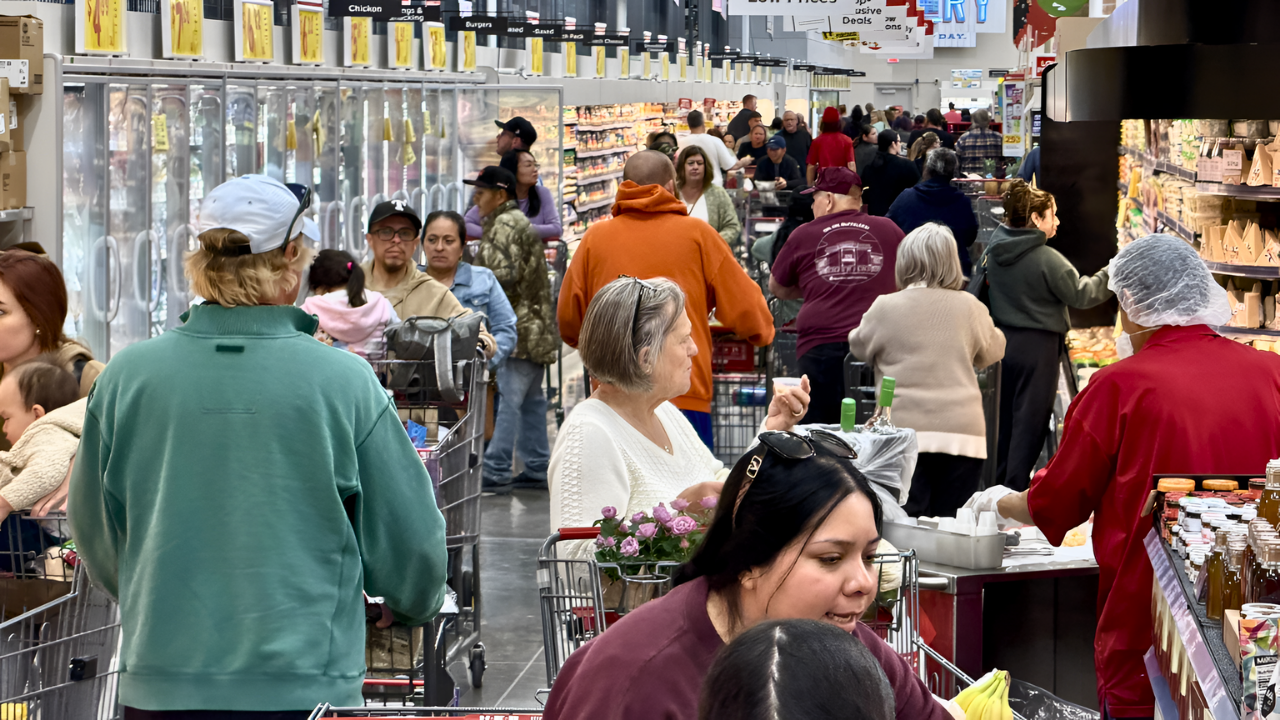
Americans fixate on Costco’s $60 annual membership, but the bigger picture is retail consolidation. The National Retail Federation’s 2025 Top 100 Retailers list shows 100 companies controlling $2.5+ trillion in U.S. sales. Walmart alone earns $568.70 billion. While debates rage over warehouse clubs, the top retailers are quietly reshaping how Americans spend. Here’s what’s going on.
The Investigation – What We Found
The National Retail Federation and Kantar Retail IQ ranked 100+ retailers by 2024 U.S. fiscal sales. Top 5 retailers control nearly $1.18 trillion—almost half the Top 100’s revenue. Walmart outsells Amazon by $295 billion domestically. Department stores collapse (-3% to -7%), discount chains surge (+10% to +14%). Retail consolidation, not memberships, drives the real shift.
The Top 5 At A Glance
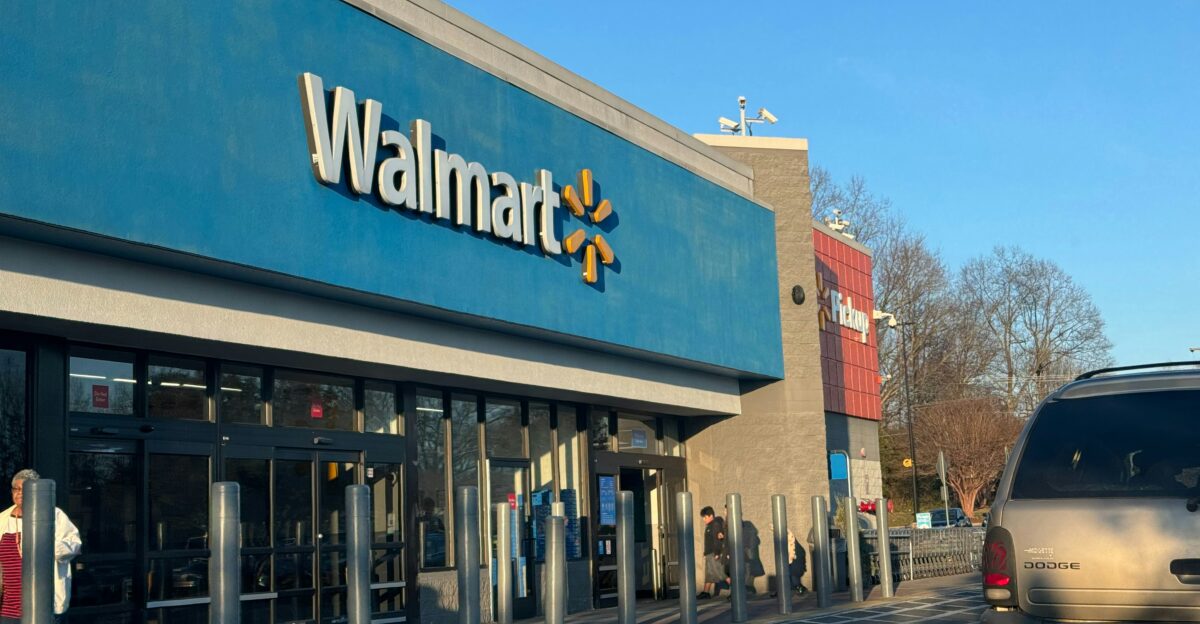
- Walmart: $568.70B U.S. sales (+7% YoY)
- Amazon: $273.66B U.S. sales (+9% YoY)
- Costco: $183.05B U.S. sales (+4% YoY)
- Kroger: $150.79B U.S. sales (+2% YoY)
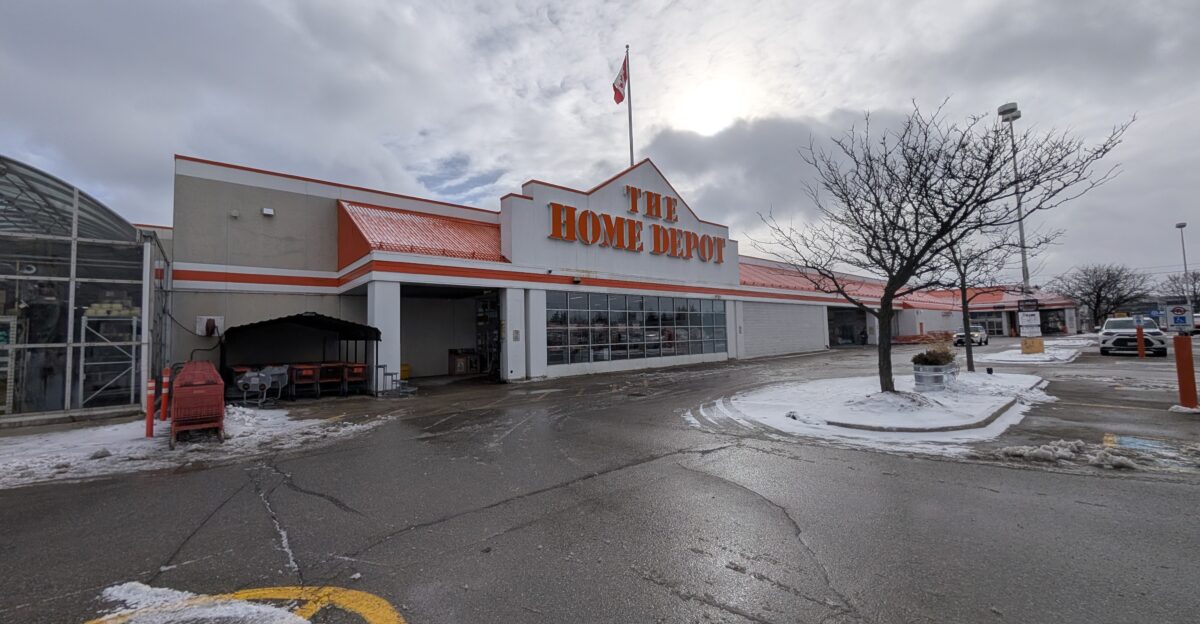
- Home Depot: $148.21B U.S. sales (+5% YoY)
Combined, these 5 retailers command $1.324 trillion. Walmart nearly doubles Amazon domestically. Costco’s membership model still lands #3. Kroger and Home Depot complete the tier, showing category dominance outweighs business model differences. Yet mid-tier chains reveal interesting gaps in revenue distribution.
Top 6-10 Major Players
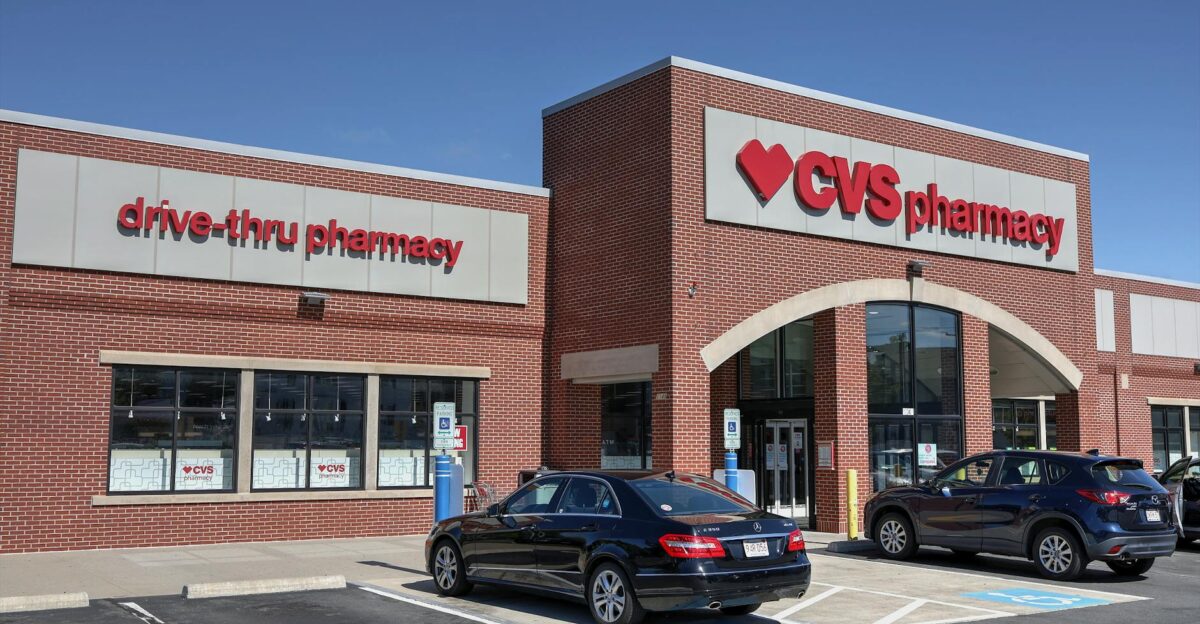
- CVS Health: ~$115B U.S. sales
- Target: ~$112B U.S. sales
- Walgreens: ~$105B U.S. sales
- Lowe’s: ~$95B U.S. sales
- Albertsons: ~$80B U.S. sales
Pharmacy, general merchandise, and grocery chains dominate mid-tier. CVS and Walgreens face Amazon pressure. Target holds steady. Lowe’s thrives with DIY projects alongside Home Depot. Albertsons anchors regional markets with thousands of grocery locations. These players illustrate resilience despite the retail shift favoring discount and off-price chains.
The Top 11-15 Major Players
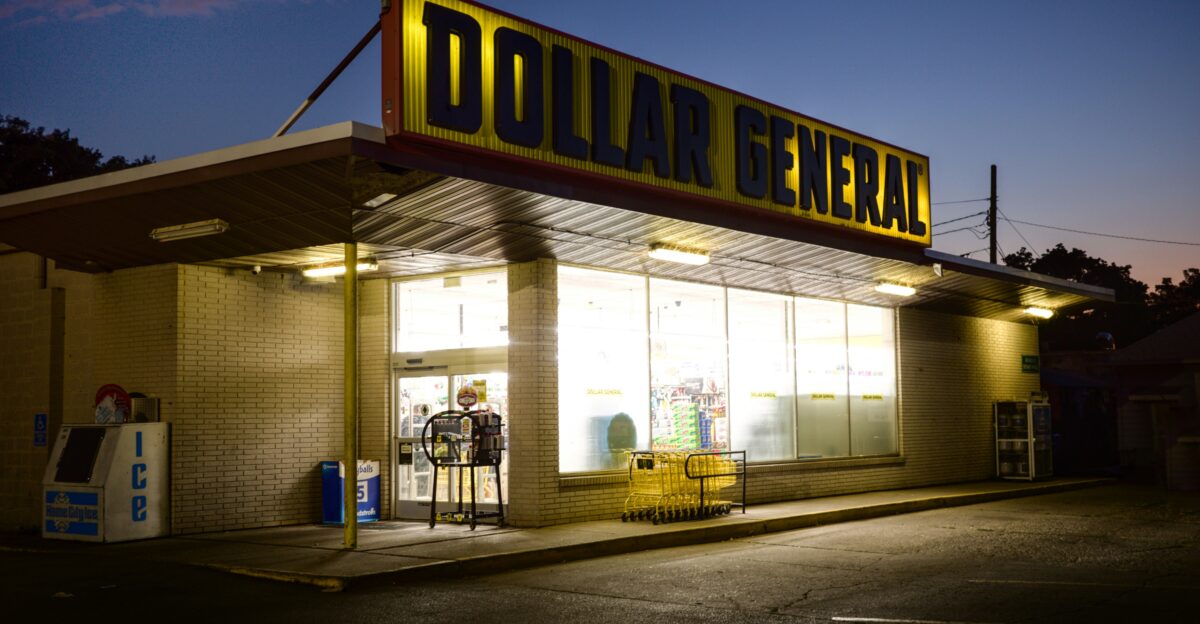
- Dollar General: ~$38B U.S. sales (+growth)
- Aldi: ~$32B U.S. sales (+14% YoY)
- Sprouts Farmers Market: ~$28B U.S. sales (+13% YoY)
- Grocery Outlet: ~$16B U.S. sales (+10% YoY)
- Best Buy: ~$28B U.S. sales (-5% YoY)
Discount grocers surge, signaling a shift toward value during economic uncertainty. Dollar General expands in rural America. Best Buy struggles as electronics sales decline. Aldi, Sprouts, and Grocery Outlet show off-price retail growth. Consumer preference increasingly favors affordability over traditional department store offerings.
The Top 16-20 Major Players
- TJX Companies: ~$50B U.S. sales (+growth)
- Ross Dress For Less: ~$25B U.S. sales (+growth)
- Burlington: ~$8B U.S. sales (+growth)
- Gap Inc.: ~$16B U.S. sales (mixed)
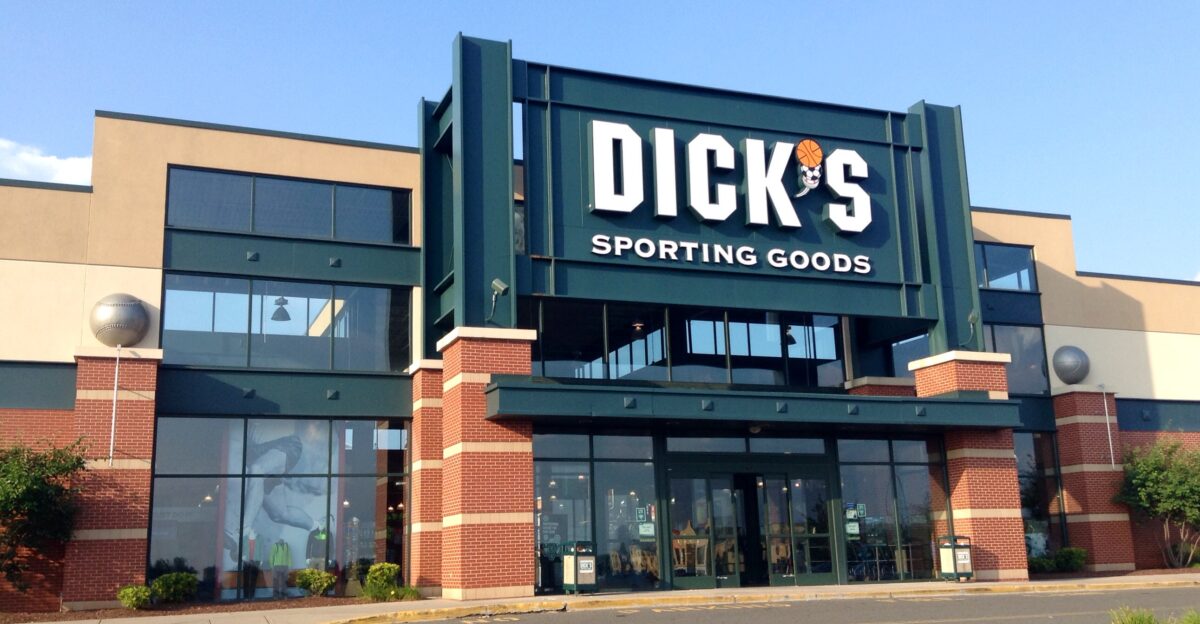
- Dick’s Sporting Goods: ~$15B U.S. sales (mixed)
Off-price retail thrives as consumers hunt deals. TJX leads expansion. Ross and Burlington gain share from faltering department stores. Gap and Dick’s struggle with apparel headwinds but maintain Top 20 positions. Winners exploit value positioning; losers fade. The apparel segment continues to divide sharply.
The Top 21-25 Major Players
- Trader Joe’s: ~$18B U.S. sales
- Whole Foods: ~$18B U.S. sales
- Wegmans: ~$15B U.S. sales
- Stop & Shop: ~$14B U.S. sales
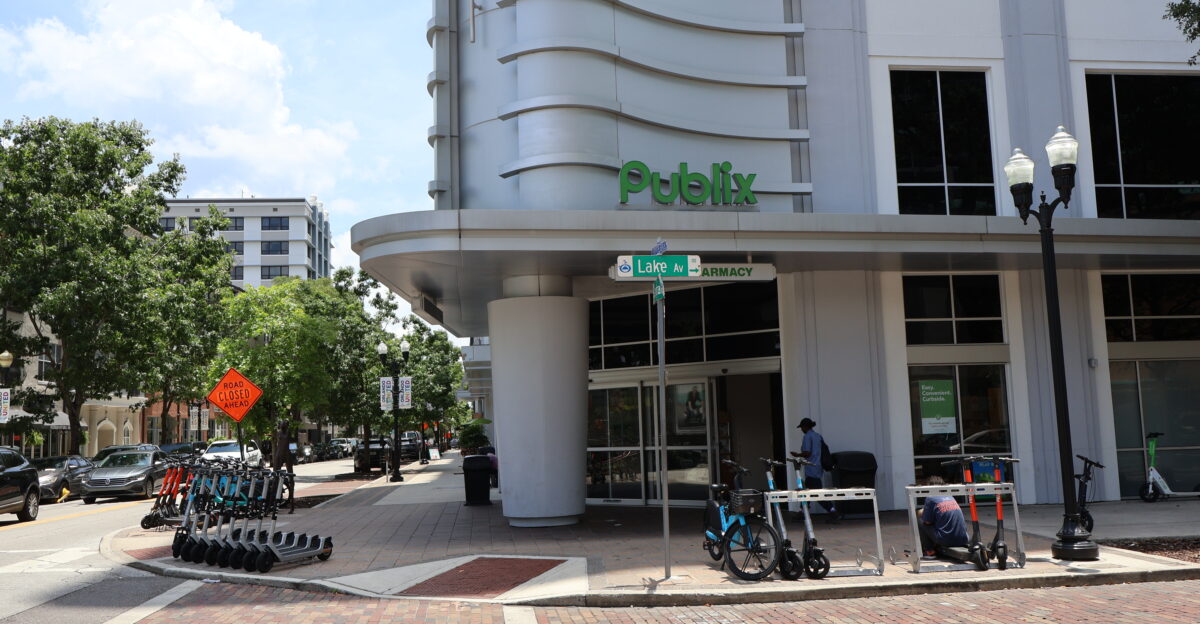
- Publix Super Markets: ~$40B U.S. sales
Regional grocery chains hold surprisingly strong positions despite Amazon’s grocery push. Trader Joe’s and Whole Foods command premium segments. Publix dominates the Southeast. Wegmans and Stop & Shop remain regional anchors. Even amid e-commerce disruption, grocery retail resilience stems from strong local presence and trusted essentials.
Top 26-30 Significant Retailers
- Macy’s: ~$20B U.S. sales (-3% YoY)
- Nordstrom: ~$16B U.S. sales (-1% YoY)
- Kohl’s: ~$8B U.S. sales (-7% YoY)
- Dillard’s: ~$7B U.S. sales (-4% YoY)
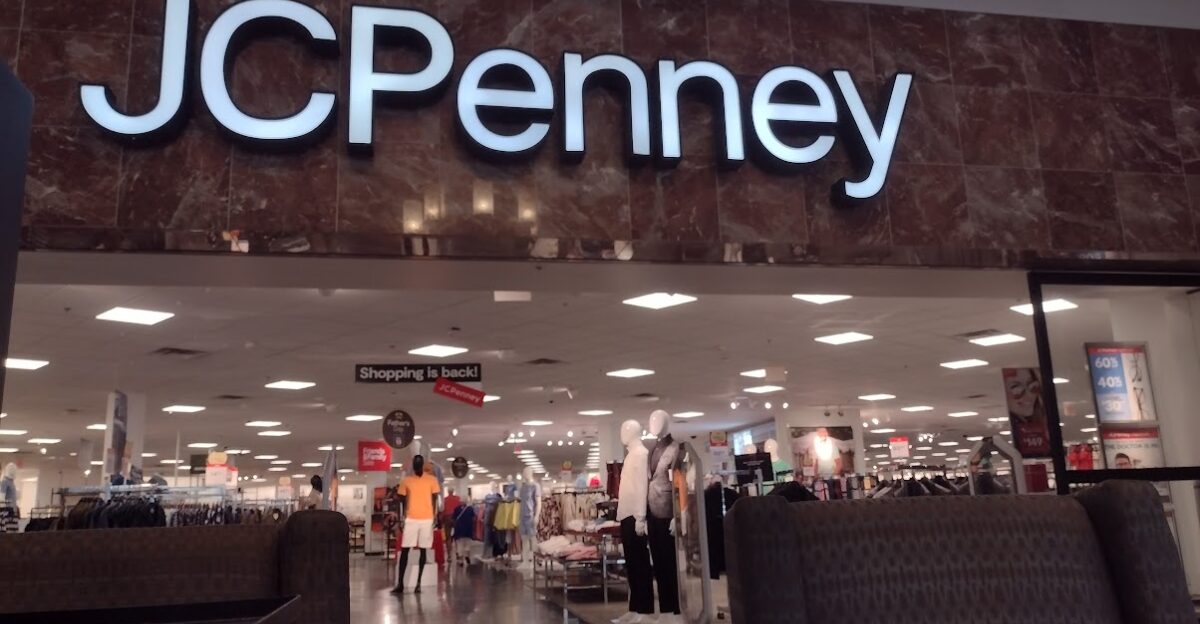
- J.C. Penney: ~$4B U.S. sales (-7% YoY)
Department stores hemorrhage sales. Macy’s and Nordstrom decline modestly, mid-tier Kohl’s and J.C. Penney plummet -7%. Dillard’s struggles. Combined, these 5 chains represent a declining retail model—mall-based and broad apparel-focused. Traditional department stores face existential pressure as off-price and discount alternatives rise.
Top 31-35 Significant Retailers
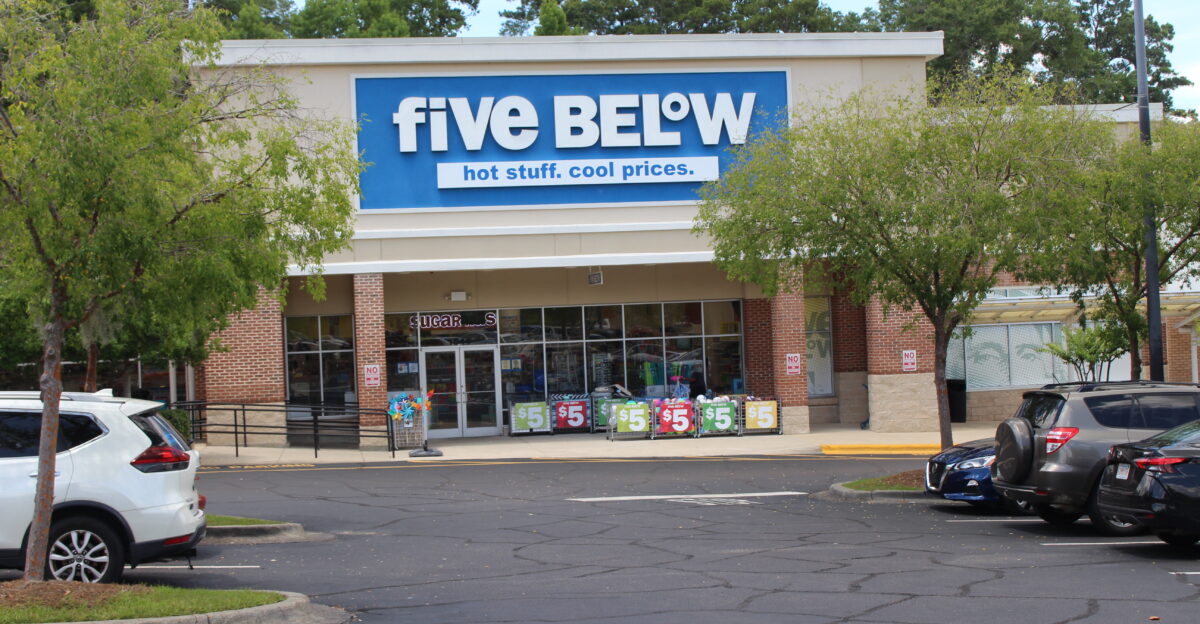
- Wayfair: ~$10B U.S. sales (online furniture leader)
- Five Below: ~$8B U.S. sales (+growth, youth retail)
- IKEA North America: ~$17B U.S. sales (-12% YoY)
- Sleep Number: ~$3B U.S. sales (specialty mattress)
- Pier 1 Imports: ~$0.8B U.S. sales (home decor, declining)
Online furniture gains share as Wayfair expands. Five Below thrives with youth-focused discount positioning. IKEA struggles with -12% decline—Swedish retailer faces North American headwinds. Sleep Number survives via direct-to-consumer model. Pier 1 Imports declines amid home decor retail pressures. Specialty retail increasingly requires online-first strategy or niche focus.
Top 36-40 Significant Retailers
- Ulta Beauty: ~$13B U.S. sales (+growth)
- Sephora (LVMH-owned, U.S. operations): ~$9B U.S. sales
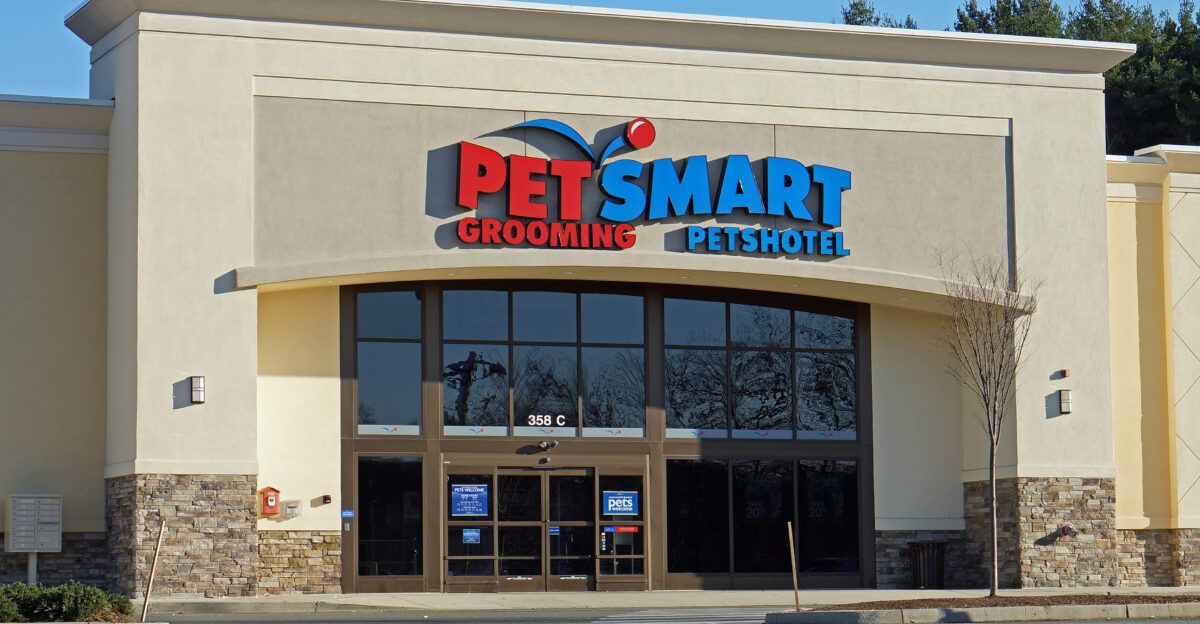
- PetSmart: ~$9B U.S. sales (stable)
- Academy Sports: ~$5B U.S. sales (regional)
- Rite Aid: ~$4B U.S. sales (-22% YoY, bankruptcy fallout)
Beauty retail surges—Ulta and Sephora thrive amid premiumization. PetSmart holds ground as pet spending climbs. Academy Sports serves regional consumers. Rite Aid’s -22% collapse shows pharmacy chain vulnerability. Even after steep decline, Rite Aid cracks Top 40—illustrating retail consolidation. Specialty wins; legacy pharmacy loses market share.
Top 41-45 Significant Retailers
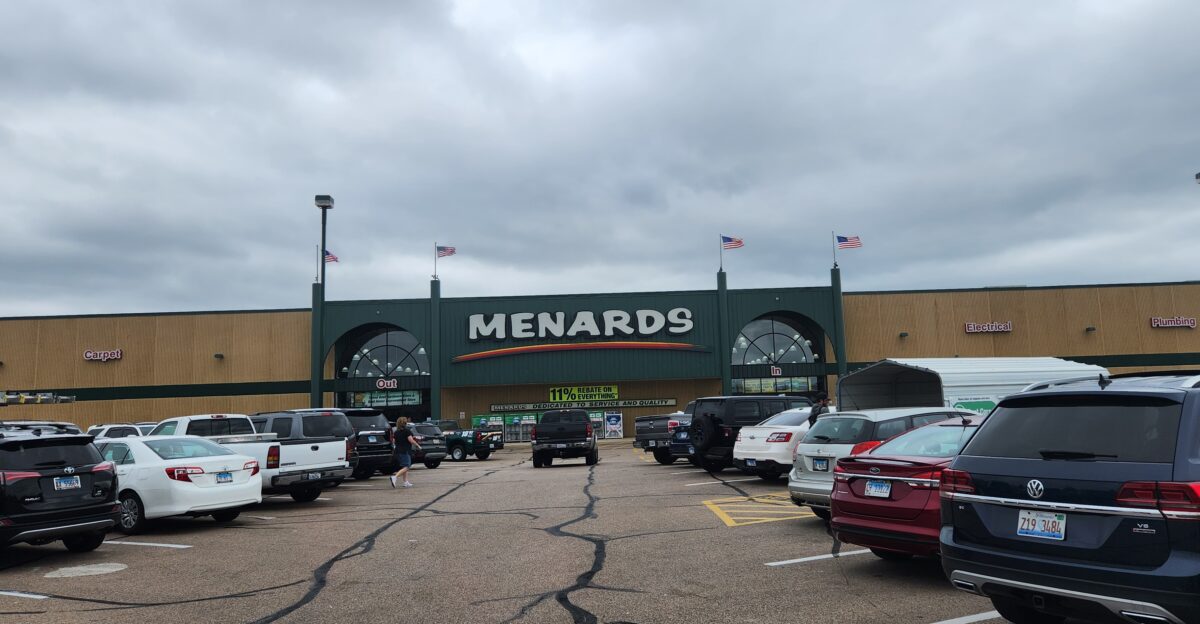
- Menards: ~$13B U.S. sales (Midwest home improvement)
- Bed Bath & Beyond: Restructuring (declined to ~$2.5B)
- Big Lots: ~$5B U.S. sales (closeout retail)
- Ollie’s Bargain Outlet: ~$2.5B U.S. sales (+growth)
- Stage Stores: Exiting (de-listed from Top 100)
Menards thrives in Midwest via independent model. Bed Bath & Beyond collapsed spectacularly, closing stores nationwide. Big Lots and Ollie’s represent bargain retail niches. Stage Stores exited market entirely. Regional players with tight geographic focus outperform national chains lacking differentiation. Independence and local focus increasingly matter.
Top 46-50 Significant Retailers
- Save-A-Lot: ~$2.5B U.S. sales (discount grocer)
- Weis Markets: ~$2.7B U.S. sales (regional Northeast)
- Piggly Wiggly: Franchised, regional positions (~$2B estimated)
- Food 4 Less / Ralphs (Kroger): ~$3B U.S. sales
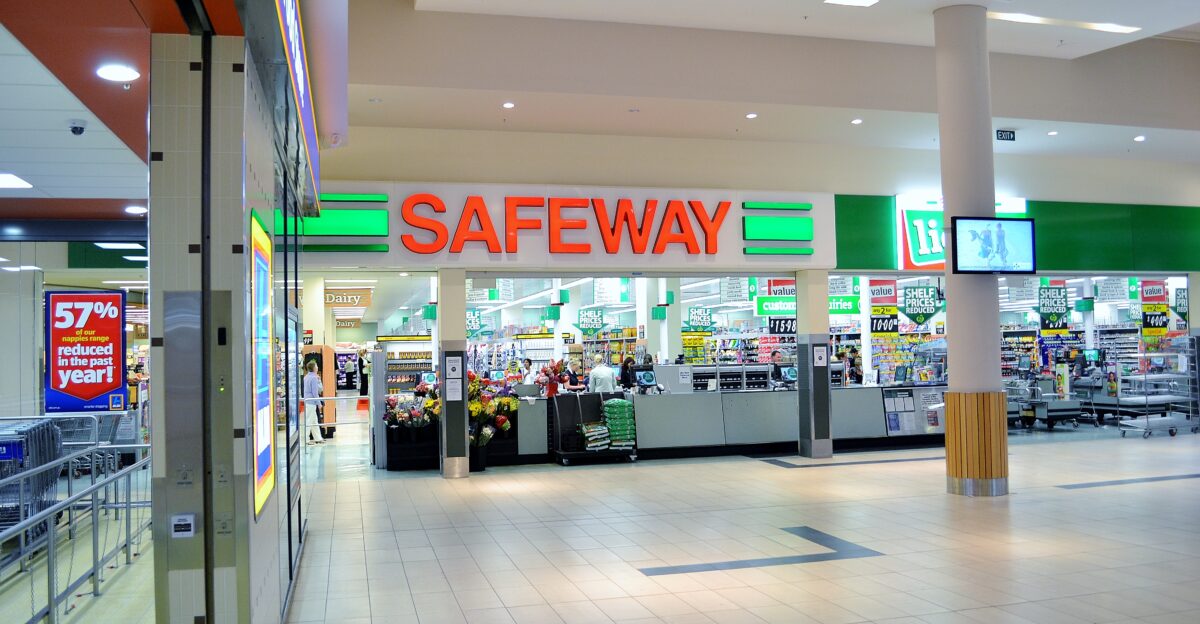
- Safeway / Vons (Albertsons): ~$3B U.S. sales
Discount grocers expand as inflation pressures budgets. Save-A-Lot grows despite small footprint. Weis Markets dominates Northeast. Piggly Wiggly operates via franchise model. Food 4 Less/Ralphs and Safeway/Vons anchor Kroger and Albertsons portfolios. Grocery consolidation drives efficiency but reduces competition. Value positioning increasingly defines survival.
Top 51-55 Significant Retailers
- H&M: ~$3B U.S. sales (struggling fast-fashion)
- Zara (Inditex, U.S. operations): ~$2.5B U.S. sales
- Uniqlo: ~$2B U.S. sales (expanding U.S. presence)
- Forever 21: ~$1.5B U.S. sales (after restructure)
- Rue21: ~$1.5B U.S. sales (teen fashion, declining)
Fast-fashion faces pressure—H&M struggles in U.S. market. Zara maintains stronger position via vertical integration. Uniqlo expands aggressively nationwide. Forever 21 survived bankruptcy and rebuilds market share. Rue21 declines amid teen spending pullback. Apparel retail bifurcates: premium fast-fashion (Zara) and ultra-cheap (Forever 21) survive; mid-tier (H&M, Rue21) struggle.
Top 56-60 Significant Retailers
- JD Sports: ~$6B U.S. sales (+51% YoY, Hibbett acquisition)
- Foot Locker: ~$1.5B U.S. sales (consolidating)
- Finish Line (Foot Locker): Merged, consolidated operations
- Lululemon: ~$2.5B U.S. sales (+15% YoY, athleisure boom)
- Nike Direct (U.S. operations): ~$5B U.S. sales (growing)
JD Sports’ +51% growth dominates 2024—acquisition of Hibbett transformed company into footwear/apparel powerhouse. Foot Locker consolidates amid retail pressure. Finish Line merged into Foot Locker’s operations. Lululemon thrives in athleisure category. Nike Direct expands direct-to-consumer model. Specialty athletic retail consolidates around winners.
Top 61-65 Notable Mentions
- Old Navy: ~$6B U.S. sales (Gap Inc., stabilizing)
- American Eagle: ~$6B U.S. sales (teen/young adult apparel)
- Hollister: ~$3B U.S. sales (Abercrombie & Fitch Inc.)
- Pacsun: ~$1B U.S. sales (struggling youth retail)
- Urban Outfitters: ~$4B U.S. sales (youth lifestyle retail)
Old Navy stabilizes within Gap Inc.’s portfolio. American Eagle maintains steady appeal among teens and young adults. Hollister (Abercrombie subsidiary) holds niche positioning. Pacsun struggles—another casualty of consolidated mall-based teen retail. Urban Outfitters thrives via lifestyle positioning and experiential stores. Apparel retail increasingly divides into category winners and losers.
Top 66-70 Notable Mentions

- Chewy: ~$12B U.S. sales (+growth, pet e-commerce)
- Etsy: ~$3B U.S. sales (online marketplace)
- Shein (U.S. operations): ~$3B U.S. sales (ultra-fast-fashion)
- Temu (U.S. marketplace): ~$2B+ U.S. sales (emerging)
- Wish: ~$1B U.S. sales (declining, discount marketplace)
Chewy dominates pet category online and threatens Petco’s traditional model. Etsy thrives via marketplace connecting sellers to buyers. Shein disrupts fast-fashion via ultra-cheap model. Temu emerges as controversial marketplace leader. Wish declines as consumer trust wanes. E-commerce natives and marketplaces increasingly dominate—traditional retail model under siege.
Top 71-75 Notable Mentions
- Petco: ~$5B U.S. sales
- Hobby Lobby: ~$5B U.S. sales
- Michaels: ~$5B U.S. sales
- Tractor Supply: ~$14B U.S. sales
- Ace Hardware: ~$6B U.S. sales
Petco holds ground vs. Chewy but loses share to online competition. Hobby Lobby and Michaels serve niche craft markets nationwide. Tractor Supply surges—rural America’s essential retailer during agricultural boom. Ace Hardware thrives via independent co-op franchise model—local advantage beats national chains. Specialty retail survives via deep category expertise or geographic/community focus.
Top 76-80 Notable Mentions
- Barnes & Noble: ~$3B U.S. sales (resurgent brick-and-mortar)
- Books-A-Million: ~$0.5B U.S. sales (independent bookstore network)
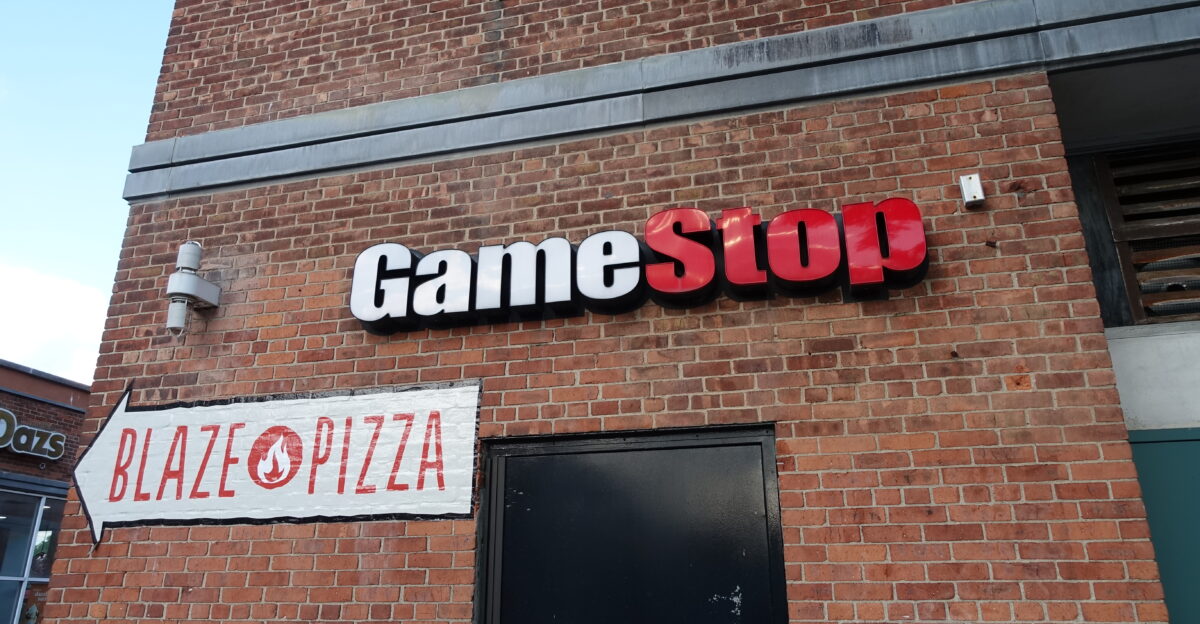
- GameStop: ~$2B U.S. sales (stabilizing post-meme stock era)
- Fandango: ~$1B U.S. sales (entertainment ticketing)
- Hot Topic: ~$1.5B U.S. sales (subculture retail, fandom-focused)
Barnes & Noble’s resurgence surprises—brick-and-mortar books thrive amid e-book fatigue. Books-A-Million operates independent bookstore network. GameStop stabilizes after meme-stock chaos and stock volatility. Fandango leads entertainment ticketing online. Hot Topic serves niche subculture and fandom segments. Entertainment retail fragments into category winners vs. losers.
Top 81-85 Notable Mentions
- B&H Photo Video: ~$2.5B U.S. sales (specialty electronics)
- Adorama: ~$0.8B U.S. sales (photography/electronics specialist)
- Micro Center: ~$1.5B U.S. sales (regional computer retail)
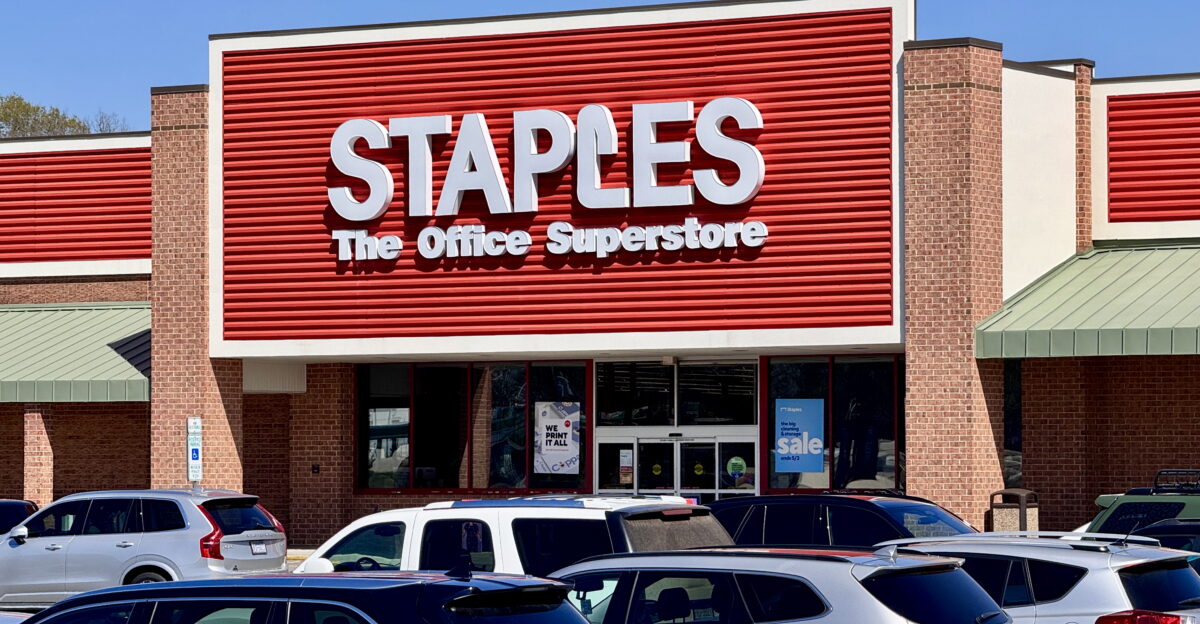
- Staples: ~$4B U.S. sales (office supplies, declining)
- OfficeMax (Staples): Merged, consolidated operations
B&H and Adorama thrive as photography/electronics specialists—deep expertise attracts professionals. Micro Center survives via regional focus and enthusiast positioning. Staples faces office supply decline as remote work reduces demand. OfficeMax merged into Staples operations. Consumer electronics retail consolidates: specialist retailers (B&H) beat big-box stores, and online (Amazon) beats both.
Top 86-90 Notable Mention
- Ashley Furniture: ~$3B U.S. sales (direct-to-consumer furniture)
- LaZ-Boy: ~$1.5B U.S. sales (recliners/furniture niche)
- Haverty: ~$0.8B U.S. sales (regional furniture)
- Conn’s HomePlus: ~$1.8B U.S. sales (furniture/appliances with financing)
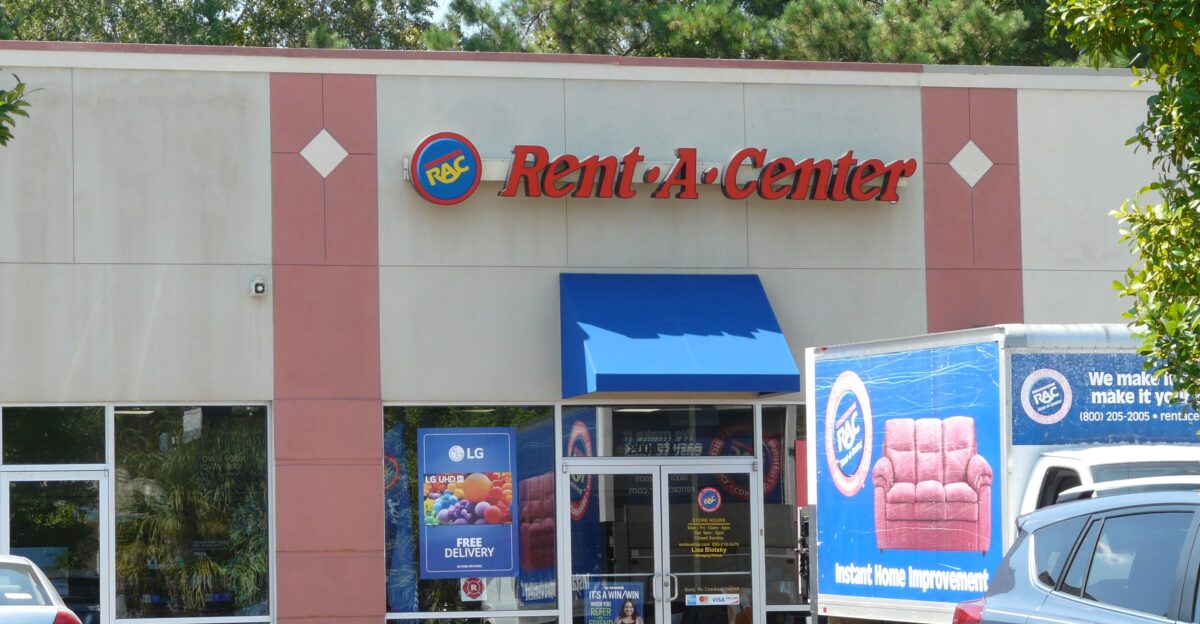
- Rent-A-Center: ~$2B U.S. sales (rent-to-own model)
Ashley Furniture thrives via direct-to-consumer model and store expansion. LaZ-Boy owns recliner category niche. Haverty serves regional South market. Conn’s succeeds via financing model—offers credit-challenged consumers alternative pathways. Rent-A-Center survives via lease-to-own positioning. Furniture/appliance retail increasingly offers financing or direct models to compete online.
Top 91-95 Notable Mentions
- Dollar Tree / Family Dollar: ~$27B U.S. sales (+growth)
- 99 Cents Only: ~$0.8B U.S. sales (West Coast)
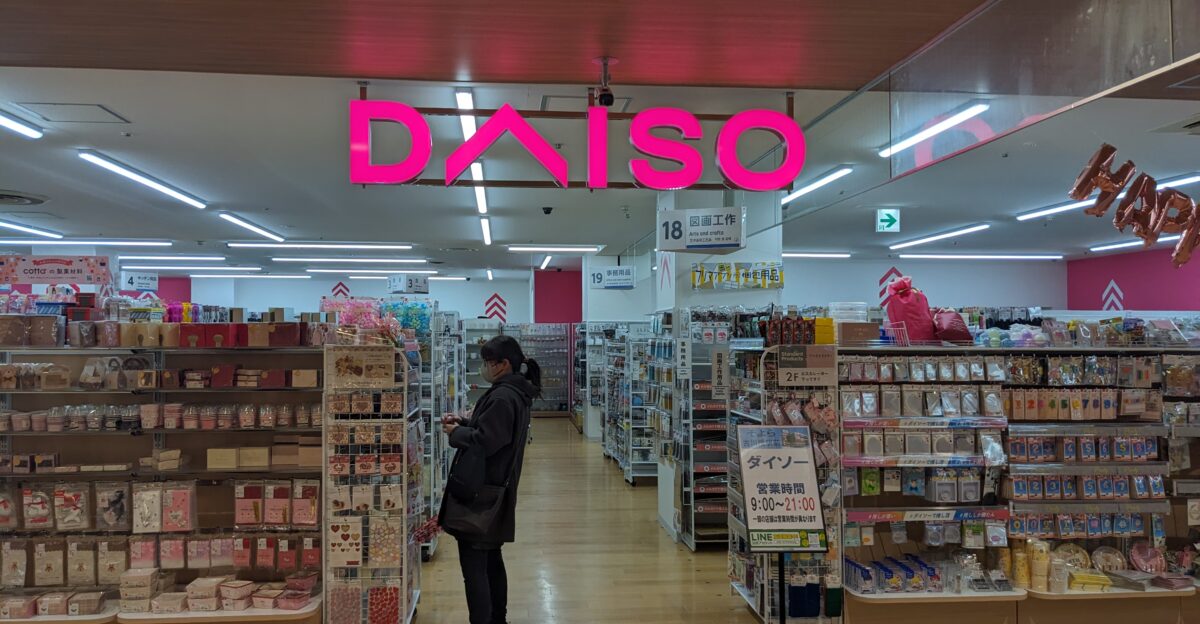
- Daiso (U.S. expansion): ~$0.5B U.S. sales (Japanese dollar store)
- Smart & Final: ~$4B U.S. sales (warehouse food format)
- Costway: ~$0.8B U.S. sales (online furniture/decor)
Dollar Tree / Family Dollar dominates dollar-store category at $27B. 99 Cents Only serves West Coast niche. Daiso expands U.S. footprint—Japanese dollar-store concept gaining traction. Smart & Final serves small businesses and budget consumers. Costway grows via online furniture/decor. Dollar stores prove inflation-proof—value positioning drives sustained growth across economic cycles.
Top 96-100 Notable Mentions
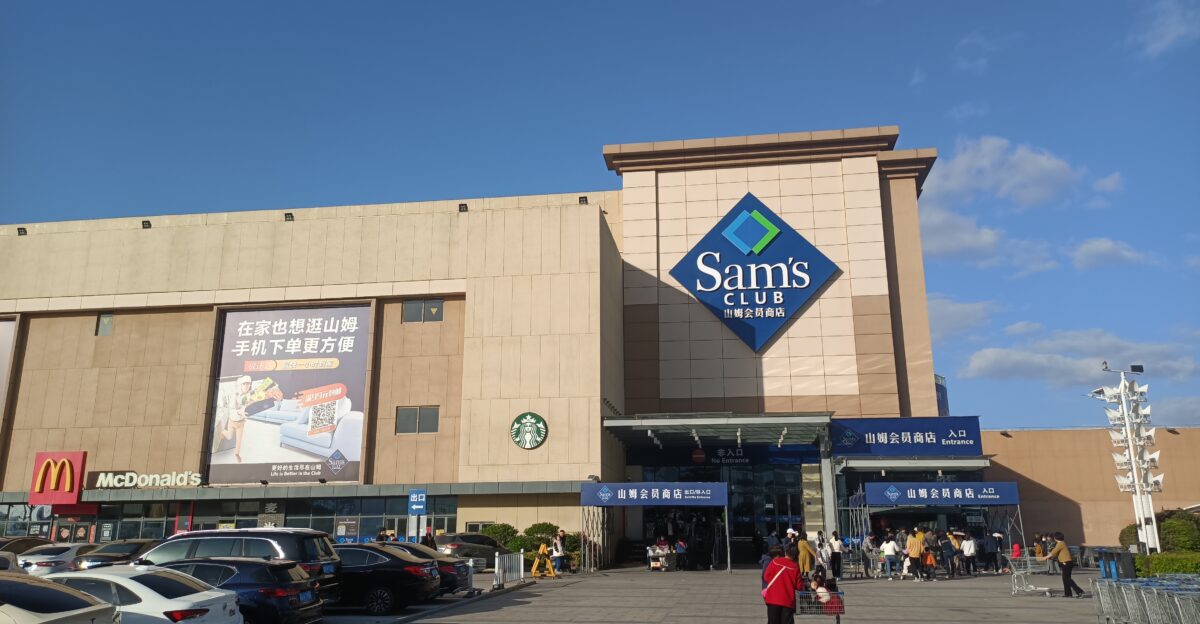
- BJ’s Wholesale Club: ~$15B U.S. sales (+growth, East Coast warehouse)
- Sam’s Club: ~$75B U.S. sales (+growth, Walmart subsidiary)
- WinCo Foods: ~$14B U.S. sales (employee-owned, West Coast)
- Sprouts Farmers Market: ~$28B U.S. sales (+13% YoY)
- Grocery Outlet: ~$16B U.S. sales (+10% YoY)
BJ’s Wholesale and Sam’s Club anchor warehouse category on East and nationwide respectively. Sam’s Club’s $75B reflects massive scale—competes directly with Costco. WinCo Foods succeeds as employee-owned cooperative in West. Sprouts and Grocery Outlet represent emerging grocery winners with strong growth trajectories. Top 100 threshold remains ~$2B+ annual sales.
The Costco Context
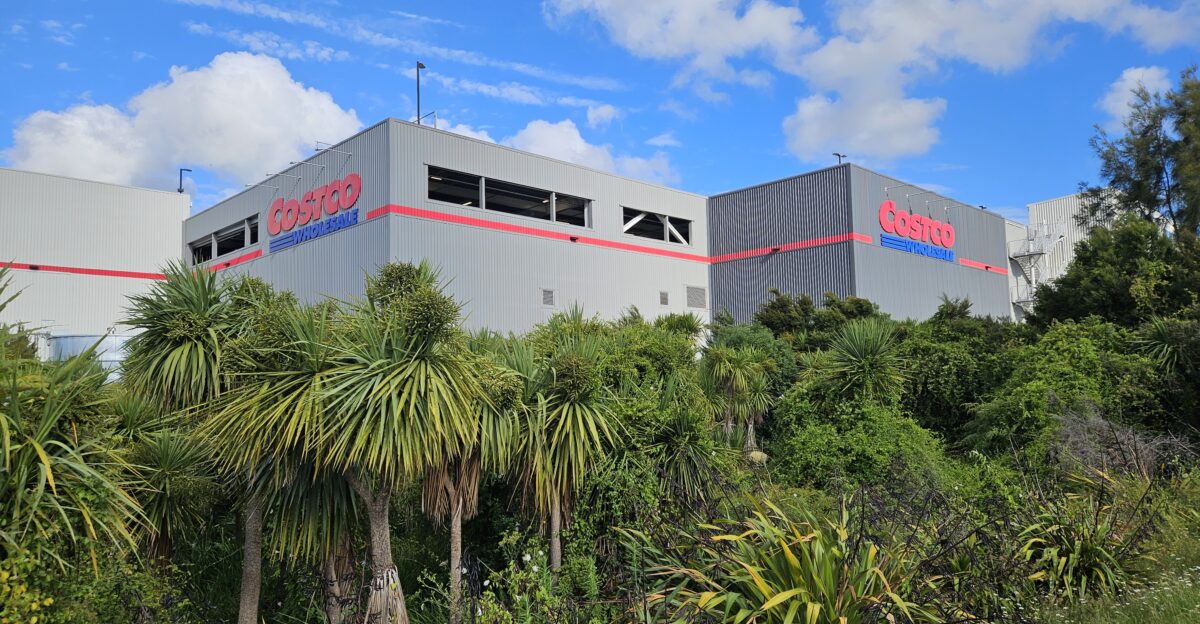
Costco’s $183.05B U.S. sales (+4% YoY) ranks #3 despite $60 annual fee. Comparable retailers: Amazon ($273.66B), Walmart ($568.70B). Costco thrives because membership strengthens loyalty and ROI perception. Growth (+4%) outpaces Kroger (+2%) and matches Home Depot (+5%). Debate over membership misses the bigger picture: traditional retail is collapsing while membership-based loyalty sustains growth.
Consolidation Changes How Americans Shop
Shoppers get lower prices but fewer choices. Costco membership protects pricing and data. Amazon, Walmart, Kroger dominate. Local stores vanish. Discount retail rises (Aldi, Dollar Tree). Online dominates general merchandise; brick-and-mortar survives via experience. Membership models lock loyalty. Retail now prioritizes efficiency over convenience. Consolidation reshapes daily shopping patterns and spending.
What This Means For Consumers
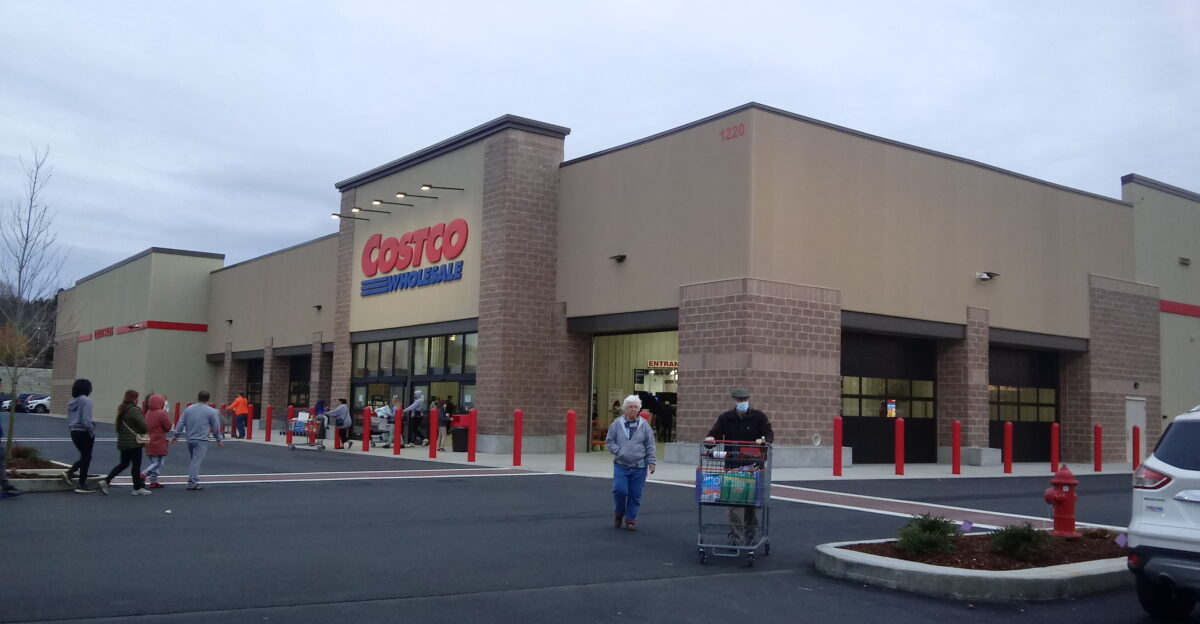
Consumers pay less as efficiency improves but face fewer choices. Costco membership protects pricing and loyalty. Amazon, Walmart, Kroger set market standards; local retailers decline. Discount retail expands (Aldi, Dollar Tree). Online shopping dominates general merchandise. Brick-and-mortar survives via experience (Barnes & Noble cafés, specialty focus). Membership programs (Costco, Amazon Prime, Chewy Autoship) lock in loyalty. Retail efficiency trumps convenience.
Costco Membership Scam? No. Retail Consolidation? Absolutely
Costco membership is not the problem. The real issue: 100 retailers control $2.5+ trillion; Top 5 capture nearly half. Membership aligns incentives: customers see ROI, Costco secures loyalty. Traditional retail collapses: department stores die, pharmacies struggle, Best Buy fades. Walmart, Amazon, Costco, Kroger, Home Depot dominate. This is a retail revolution, not a Costco scam.
Sources
National Retail Federation (NRF) 2025 Top 100 Retailers List. National Retail Federation, 2025.
Kantar Retail IQ. Top 100 Global Retailers Database. Kantar, 2024-2025.
U.S. Census Bureau. Quarterly Retail E-Commerce Sales Report. U.S. Census Bureau, Q3 2024.Yahoo Finance. Retail Stock Performance and Sales Data. Yahoo Finance, January 2026.
Reuters. U.S. Retail Sales and Department Store Performance. Reuters, December 2024.