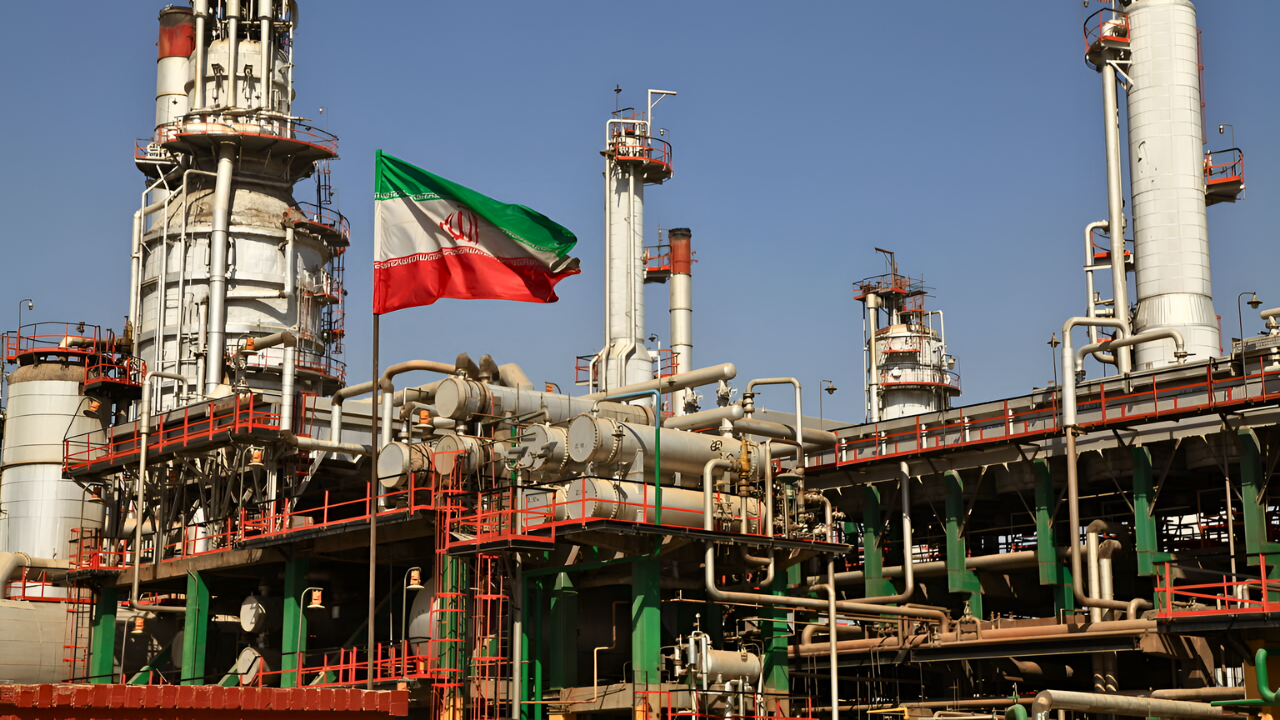
President Donald Trump has placed a significant oil producer in his military crosshairs with explicit strike threats, triggering emergency evacuations from U.S. bases and carrier deployments across a volatile region.
The country produces more than 3 million barrels per day despite crippling international sanctions and controls a maritime chokepoint through which one-fifth of global oil flows. Markets swung $6 per barrel in 48 hours as traders priced in chaos scenarios ranging from production disruptions to potential supply shocks.
Second OPEC Shakeup
This escalation arrives less than two weeks after U.S. Delta Force operators captured Venezuelan President Nicolás Maduro on January 3, toppling another OPEC member government in a pre-dawn raid on Caracas.
Trump announced the operation with a photograph of Maduro blindfolded aboard USS Iwo Jima, marking an unprecedented back-to-back destabilization of oil-producing nations. Venezuelan officials reported at least 23 security personnel killed during the strike, while 32 Cuban military advisors also perished in the assault.
Venezuela’s Collapse Context
Venezuela, holder of the world’s largest proven oil reserves at 303 billion barrels, saw production collapse from 3.5 million barrels per day in the 1970s to just 934,000 barrels per day in November 2025, according to OPEC secondary sources.
Decades of mismanagement, corruption, and sanctions devastated infrastructure, transforming a once-dominant exporter into a marginal supplier. Despite its vast reserves, Venezuela now accounts for only 1% of global oil demand, rendering its political upheaval largely inconsequential for international energy markets.
Mounting Geopolitical Pressures
OPEC’s January 4 meeting, held one day after the Venezuela raid, emphasized a “cautious approach” amid “geopolitical uncertainty,” though the statement avoided mentioning Venezuela explicitly. Analysts noted the cartel faces unprecedented fragility as two member states experience simultaneous destabilization.
Energy experts warned that while Venezuela’s low output minimized global supply shocks, the precedent of military intervention in oil-producing countries introduces unpredictable volatility that markets struggle to price accurately.
Iran Enters Target Zone
The country in Trump’s crosshairs is Iran, the world’s sixth-largest oil producer and holder of 209 billion barrels in proven reserves, third-largest globally. Iran produces 3.2 million barrels per day, 3.4 times Venezuela’s output, and contributes approximately 4% of global crude oil supply.
On January 2, Trump declared the U.S. was “locked and loaded and ready to go” if Iran killed protesters. By January 13, Pentagon officials presented the president with strike options targeting nuclear facilities and ballistic missile sites.
Immediate Market Reaction
Oil prices surged above $61 per barrel on Wednesday, January 14, following Trump’s explicit threats, then fell 4% to below $60 on Thursday after the president signaled no imminent strike, stating that the U.S. would “watch it and see what the process is.”
This volatility recalled June 2025, when crude spiked 7% to $74 per barrel during Israel-Iran tensions, then retreated after the U.S. struck three Iranian nuclear facilities in Operation Midnight Hammer while deliberately avoiding oil infrastructure.
Human Catastrophe Escalates
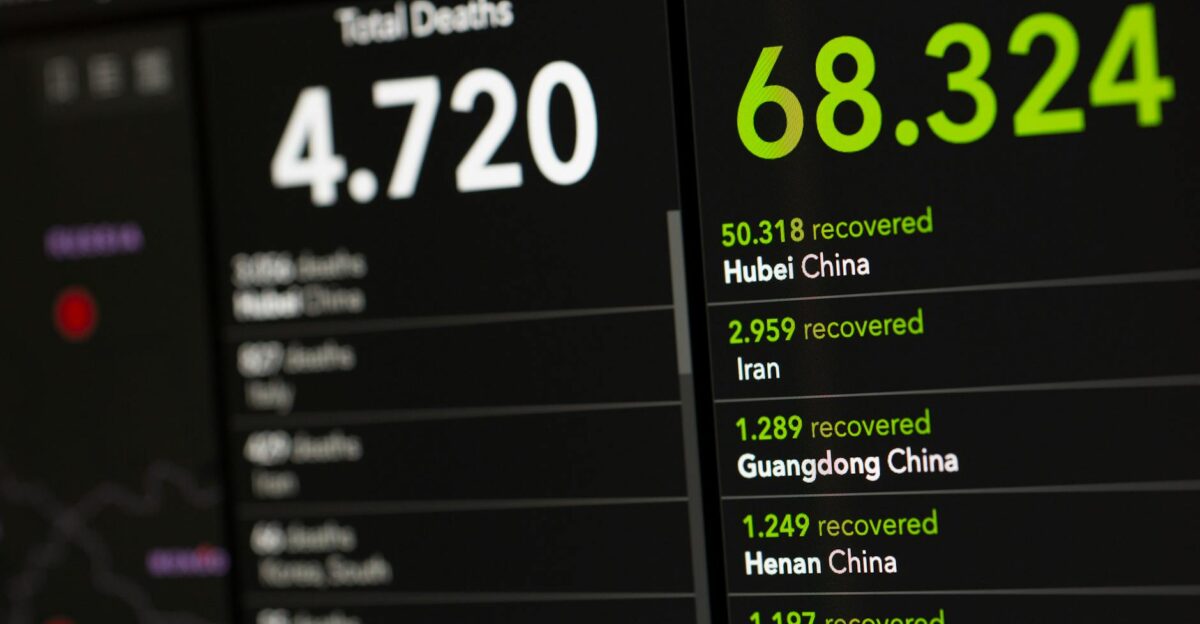
Nationwide protests erupted in Iran on December 28 after the rial currency crashed, quickly evolving into demands for ending clerical rule. An Iranian official confirmed to Reuters on January 18 that at least 5,000 people, including 500 security personnel, have been killed in the government crackdown, the highest death toll from civil unrest in Iran in decades.
Human Rights Activists News Agency verified 3,766 deaths and documented 24,348 arrests, though internet blackouts implemented on January 8 have severely limited casualty reporting.
China’s Critical Dependency
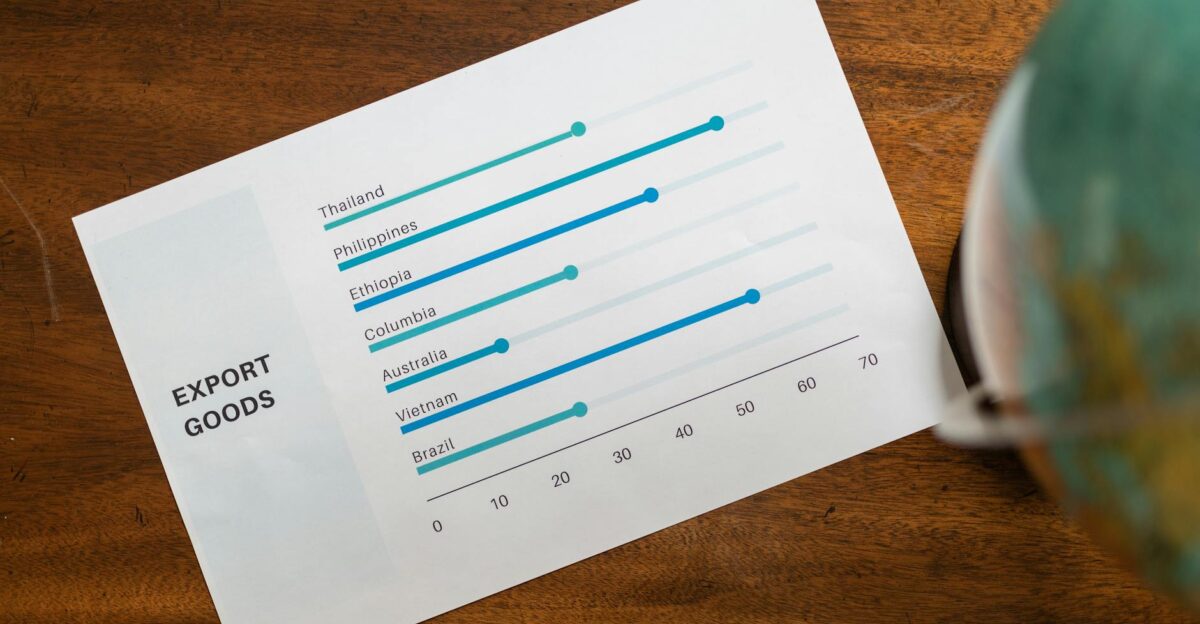
China purchased 1.38 million barrels per day of Iranian oil in 2025, representing 13.4% of China’s total seaborne crude imports and constituting 89% of Iran’s export market, according to analytics firm Kpler. Small independent “teapot” refineries buy Iranian oil after it’s blended with crude from other countries to avoid sanctions designation in Chinese customs.
These refineries operate on razor-thin margins and have exhausted over 90% of their 2024 import quotas, making them particularly vulnerable to supply disruptions from military escalation.
Strategic Vulnerability Exposed

“Iran ranks as the third-largest oil producer in OPEC, contributing about 4% to global oil demand, while Venezuela accounts for merely 1%,” states Andreas Goldthau, head of Willy Brandt School of Public Policy at the University of Erfurt.
Iran exports approximately 2 million barrels daily, compared to Venezuela’s 350,000, meaning a halt in Iranian production would reverberate far more acutely across global markets than Venezuela’s collapse ever could.
Hormuz Chokepoint Threat
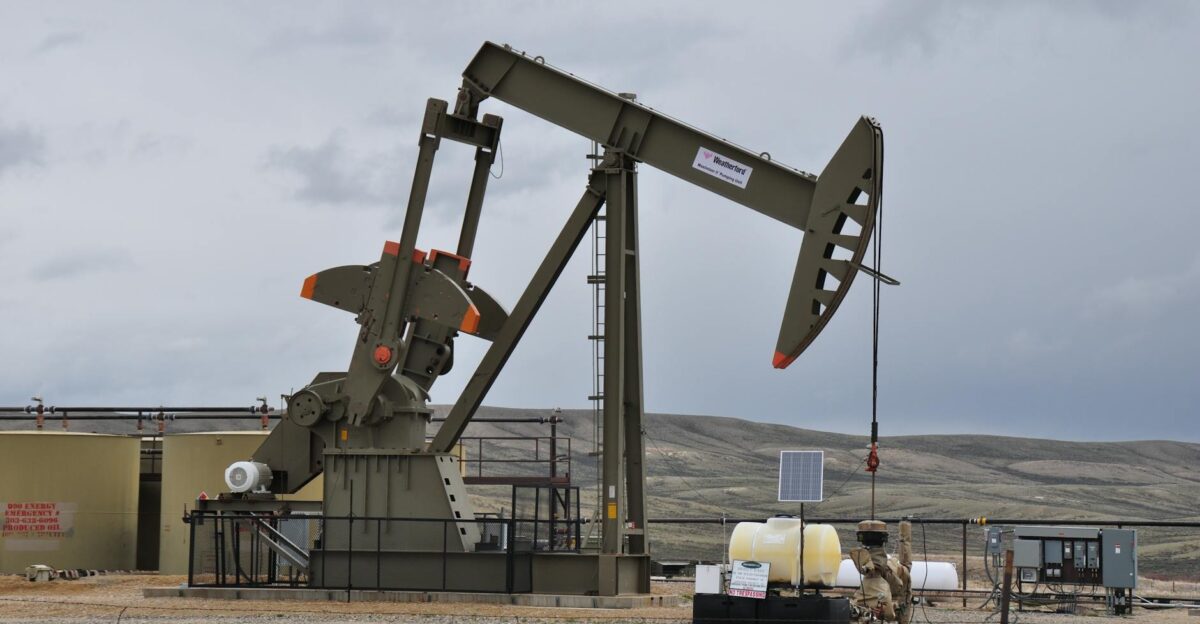
Iran controls the northern portion of the Strait of Hormuz, through which 20 million barrels of crude transit daily, equivalent to 20% of global petroleum consumption, according to the U.S. Energy Information Administration.
Approximately 84% of crude flowing through Hormuz supplies Asian markets, with China, India, Japan, and South Korea accounting for 69% of total flows. Energy analysts warn that even temporary obstruction could spike oil prices by $10 to $20 per barrel, with worst-case blockades potentially driving crude to $120.
“Chaos” Warning Issued

“Iran’s ability to cause chaos in the oil markets is significant if they choose to lash out,” warned Dan Pickering, founder and chief investment officer of Pickering Energy Partners, in mid-January.
Pickering noted that oil market oversight has become “akin to wagering on disorder,” with traders preparing for scenarios where the Strait of Hormuz shifts “from a shipping corridor to a strategic pressure point that could constrict global supply,” according to Nigel Green, CEO of financial advisory firm deVere Group.
Regime at Weakest Point
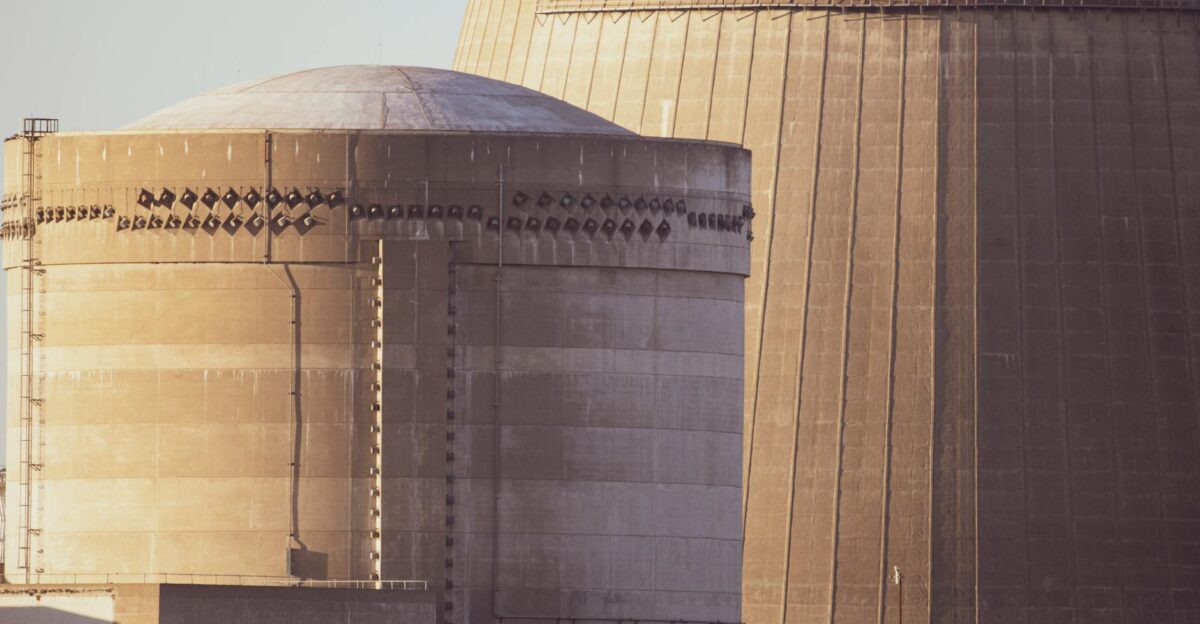
Iran’s Islamic Republic finds itself strategically exposed in ways not seen for years, according to Chatham House analysis. Sustained Israeli strikes since October 2023 degraded Iran’s “axis of resistance” proxy network, while Operation Midnight Hammer in June 2025 saw U.S. forces strike Iranian nuclear facilities at Fordo, Natanz, and Isfahan with bunker-buster bombs and cruise missiles.
Trump subsequently declared Iran’s nuclear program “effectively buried,” reflecting the administration’s belief that sustained pressure has pushed Tehran into a strategically constrained position with diminished deterrence capabilities.
Military Preparations Accelerate
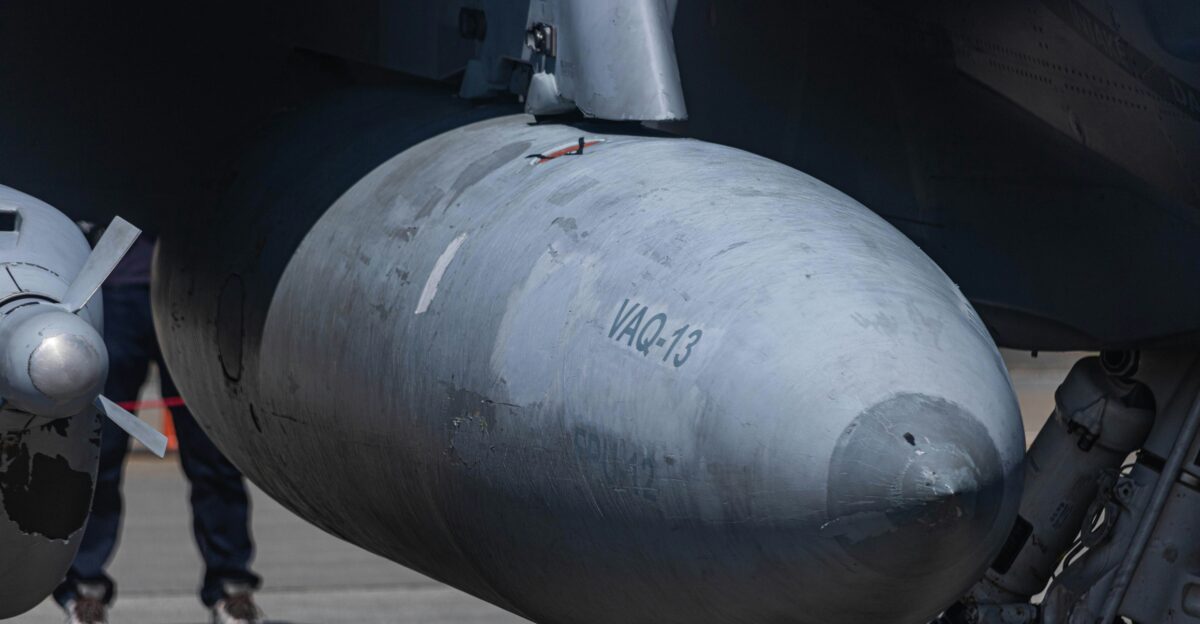
The USS Abraham Lincoln carrier strike group deployed toward the region, with 12 additional F-15 fighter jets arriving in Jordan by mid-January. The Pentagon evacuated several hundred military personnel from Al Udeid Air Base in Qatar as a precautionary measure against potential Iranian retaliation.
Iran warned that “U.S. military bases and forces across the entire region will be legitimate targets” if strikes occur, while also privately warning Qatar and Saudi Arabia that it would strike U.S. interests on their territory.
Infrastructure Advantage Over Venezuela
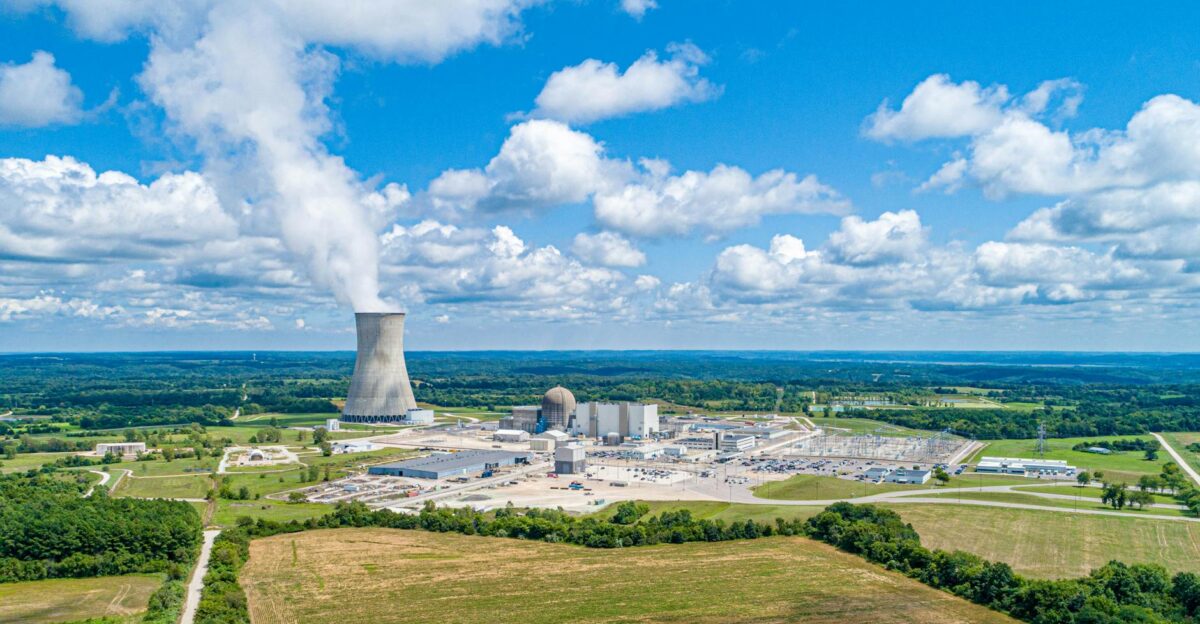
Unlike Venezuela’s crumbling oil sector, Iran’s infrastructure remains in “decent shape” despite decades of sanctions, positioning any future government to restore production capacity relatively quickly.
Iran currently produces roughly half its mid-1970s peak of 6.5 million barrels per day, suggesting that 3.3 million barrels per day of untapped capacity could return to markets under different political circumstances. However, analysts emphasize that political stability and Western sanctions relief must precede any significant investment by international oil companies.
What Comes Next?

Trump’s decision calculus remains opaque. On January 15, White House Press Secretary Karoline Leavitt confirmed “all options, including military responses, were still on the table.” The Wall Street Journal reported Trump ordered strike preparations completed on January 13 but held off executing them, creating what analysts describe as “strategic ambiguity” designed to keep Iran’s leadership guessing while preserving Trump’s ability to act when and how he chooses.
The threat level remains elevated, with U.S. Central Command directed to maintain 24/7 high-level operations planning.
International Law Questions
Legal experts have raised concerns about the operation’s compliance with international law. UK Lawyers for Israel director Natasha Hausdorff explained in a January 15 interview that while Article 51 of the UN Charter recognizes the inherent right of self-defense, the “general prohibition on the use of force under Article 2(4)” creates complex legal questions for humanitarian intervention.
Multiple UN officials stated the Venezuela raid violated the UN Charter and Venezuelan sovereignty, establishing a precedent that could similarly apply to potential Iran strikes absent direct threats to U.S. interests.
Global Diplomatic Fractures
Iran’s envoy Gholamhossein Darzi warned that military intervention would breach international law and urged the international community to prevent U.S. action. Pakistan condemned potential strikes as “a threat to regional peace,” while European allies expressed concerns about escalation without offering explicit support.
Russia’s foreign ministry issued warnings about a broader conflict, though the Biden administration’s June 2025 strikes on Iranian nuclear facilities received mixed global reaction, with some leaders welcoming the atomic program’s incapacitation while others condemned the unilateral action. China, Iran’s largest customer, has remained conspicuously silent.
Energy Transition Implications
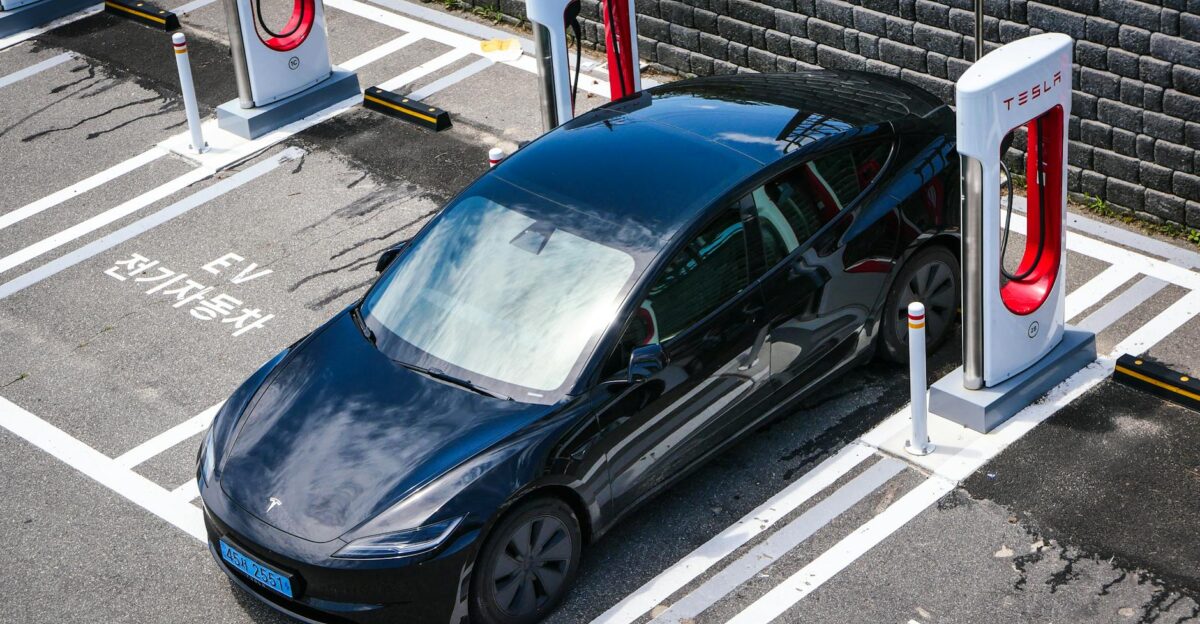
The potential disruption arrives as global energy markets navigate transition away from fossil fuels, creating paradoxical dynamics. Short-term oil price spikes from Iranian supply disruptions could accelerate renewable energy investments and electric vehicle adoption, potentially undermining long-term demand for the resource at the center of the conflict.
Conversely, economic instability from energy price shocks could derail climate investments in developing economies. Analysts note that China’s gradual phase-out of inefficient “teapot” refineries for environmental reasons already threatened Iranian export markets before military tensions emerged.
Generational Divide in Iran
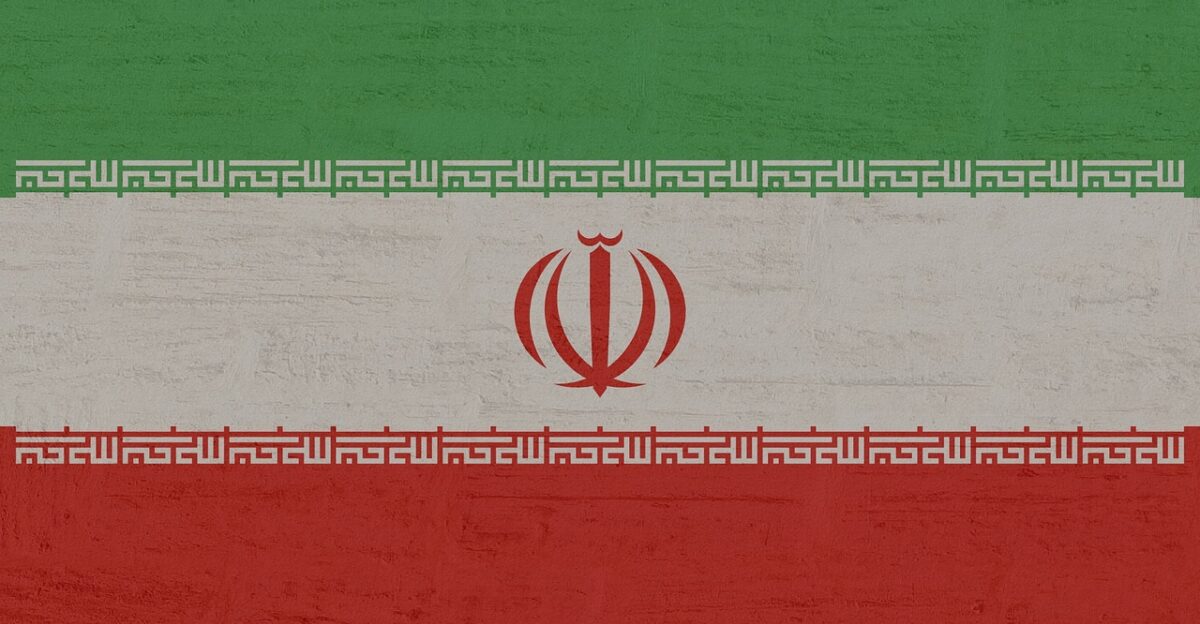
The protests reflect deep generational divides, with younger Iranians who constitute a majority of the population demanding fundamental reforms to the theocratic system their parents and grandparents established in 1979. HRANA reported that most verified deaths occurred among Iranians under age 30, while the Kurdish regions of northwestern Iran experienced the heaviest casualties and most intense confrontations.
This demographic reality suggests that, regardless of U.S. intervention, Iran’s internal pressures may prove unsustainable for the aging clerical establishment led by 86-year-old Supreme Leader Ayatollah Ali Khamenei.
Precedent’s Shadow
The dual OPEC interventions, Venezuela’s forcible regime change, and Iran’s targeting signal a fundamental shift from sanctions-based coercion to direct military action in oil-producing states. This precedent introduces radical uncertainty into global energy governance, where markets have historically relied on the sanctity of sovereign control over resources despite political disagreements.
Whether this approach yields stability or mirrors the prolonged chaos following interventions in Iraq and Libya will shape not just Middle Eastern geopolitics, but the entire framework through which the world manages energy security in an increasingly multipolar era.
Sources
CNN: Trump is threatening to attack a country that produces three times more oil than Venezuela
ABC News: Trump warns US is ‘locked and loaded’ if Iran kills peaceful protesters
Reuters: Iranian official says verified deaths in Iran protests reaches at least 5000
U.S. Energy Information Administration: Amid regional conflict, the Strait of Hormuz remains critical to global oil supply
Wall Street Journal: How Trump Went From ‘Locked and Loaded’ to Hitting Pause
Chatham House: Trump’s objective is to force Iran into strategic submission