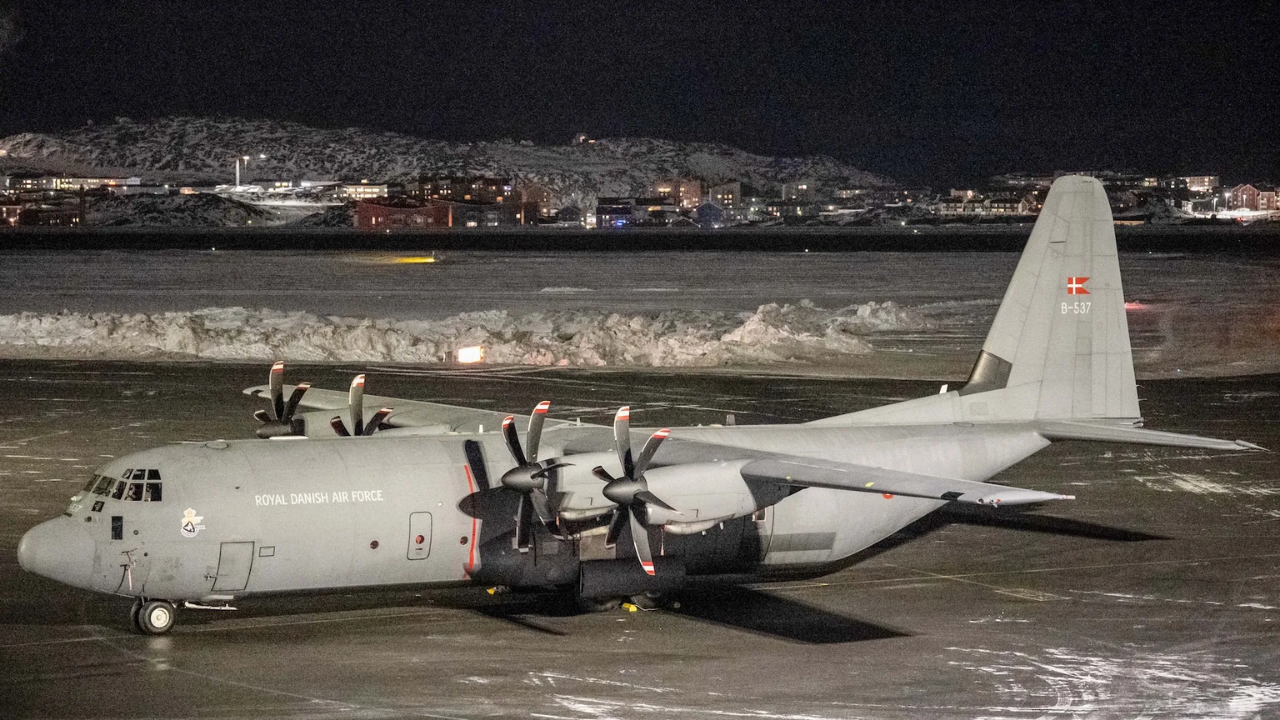
For the first time since NATO was founded in 1949, alliance members are deploying troops not against an external enemy, but to counter territorial ambitions from another NATO member—the United States. Seven European nations deployed personnel to Greenland starting January 15, 2026, after President Trump threatened to acquire the Arctic island by force.
What started as a political bluff has become a military standoff. The Western alliance, forged to contain Soviet aggression, now fractures from within.
A Handful of Soldiers Arrive
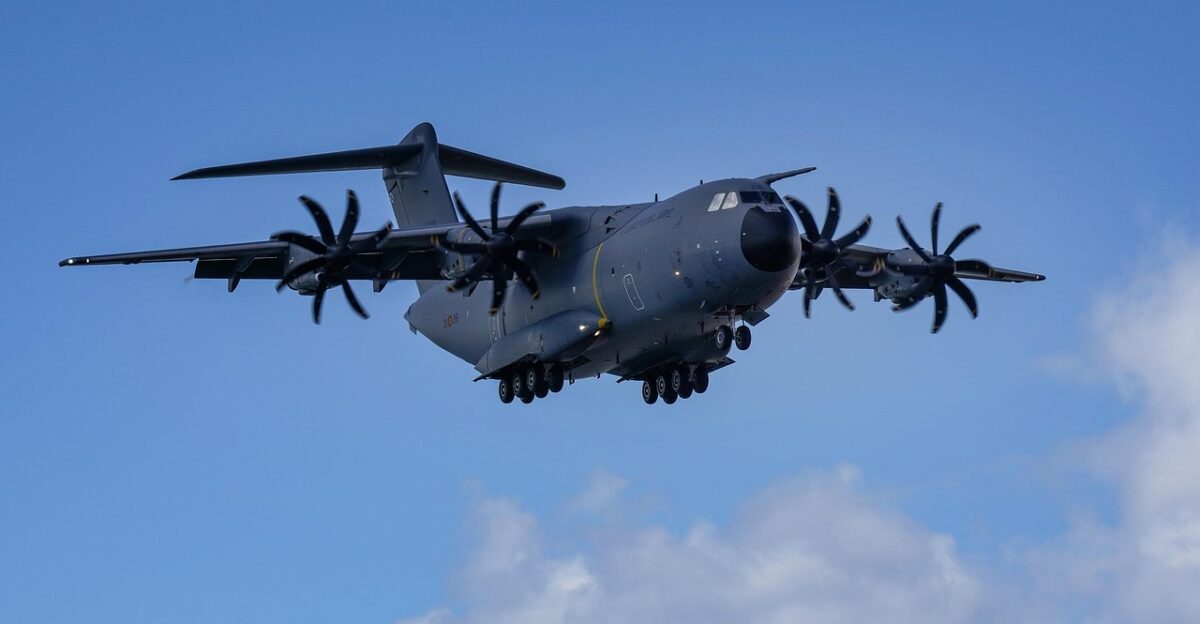
France led with 15 mountain warfare specialists from its elite 27th Mountain Infantry Brigade, touching down in Nuuk with the weight of history on their shoulders. Germany followed with 13 troops via A400M transport—though they’d stay only three days. Finland, Sweden, Norway, the UK, and the Netherlands deployed personnel over the following days.
Together, they numbered just a few dozen. Yet every soldier represented something larger: Europe saying no to American territorial hunger.
Tiny Numbers, Seismic Meaning
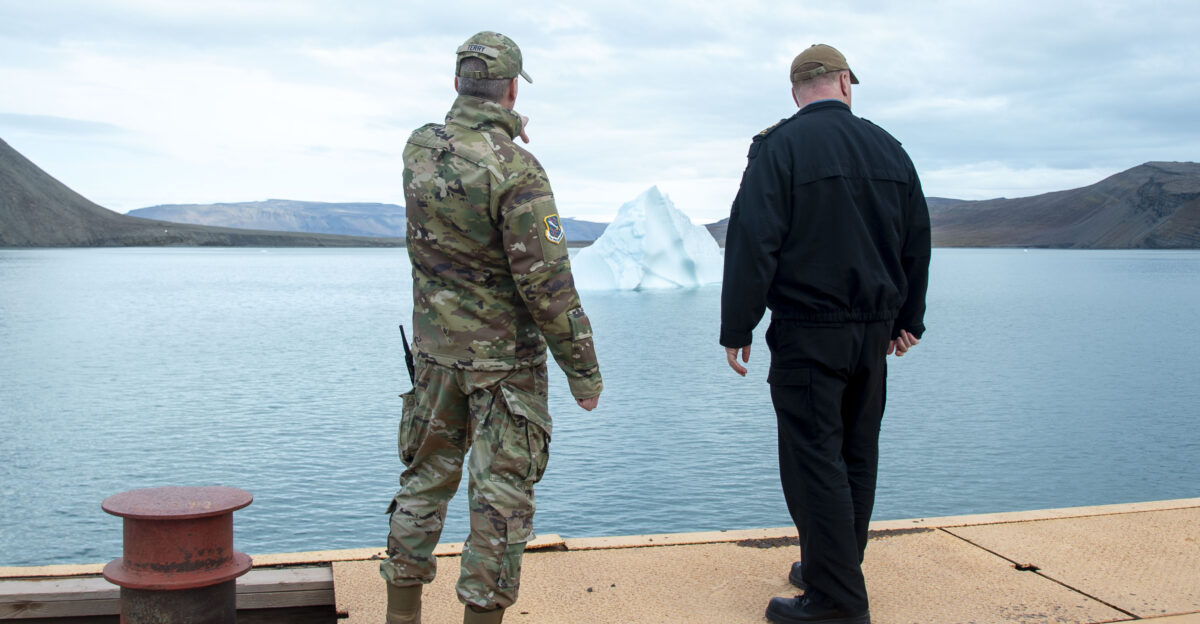
The European deployment totals mere dozens—dwarfed by the 150 U.S. troops already at Greenland’s Pituffik base. But symbolism moves nations. French President Macron promised reinforcements “in the coming days by land, air, and sea assets,” signaling Europe wouldn’t back down.
Denmark announced an expanded military presence with aircraft, naval vessels, and ground troops. The message was unmistakable: this frozen territory belonged to someone, and it wasn’t Washington.
Inside the White House: Where Diplomacy Went to Die
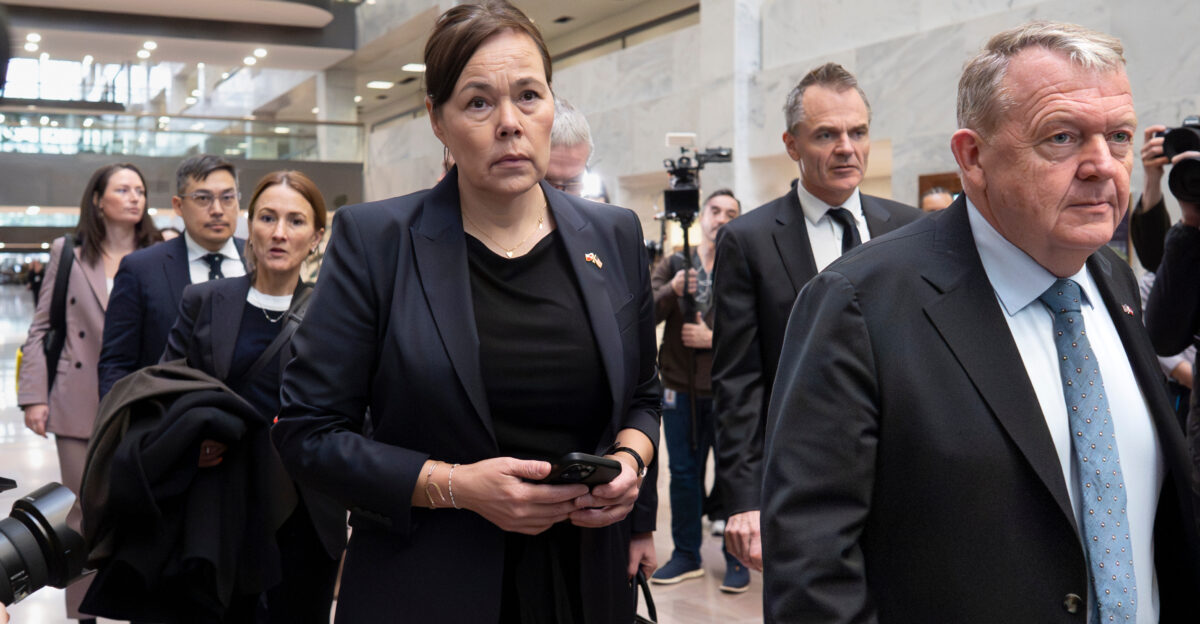
On January 15, Danish Foreign Minister Lars Løkke Rasmussen walked into the White House hoping to change minds. He left having changed nothing. Alongside Greenland’s Foreign Minister Vivian Motzfeldt, Rasmussen sat across from Vice President JD Vance and Secretary of State Marco Rubio.
“We were unable to change the American viewpoint,” Rasmussen told reporters outside the Danish embassy, his voice carrying the weight of failure. “It’s evident that the president has this ambition to take control of Greenland”.
Trump Draws a Line: Everything or Nothing
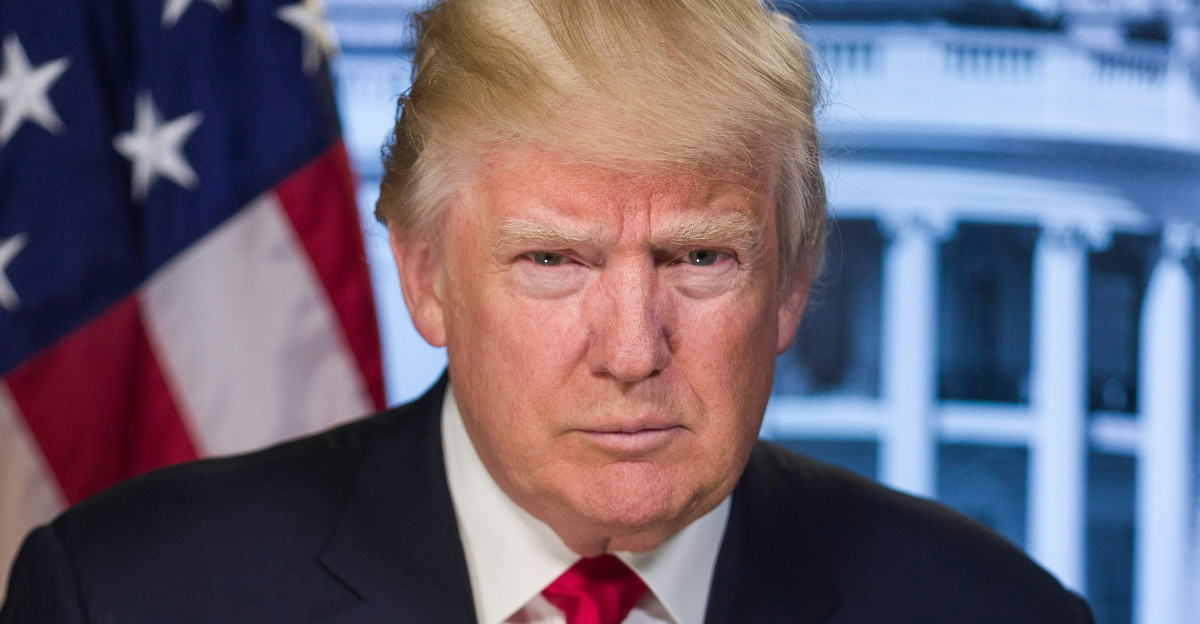
Hours before that meeting, Trump had already signaled where he stood. Greenland in American hands was necessary for NATO to be “more powerful and effective,” he posted. “Anything less than that is unacceptable,” he declared.
Trump argued the island was vital for the “Golden Dome” missile defense system and claimed Russia or China would seize it if America didn’t. He hadn’t ruled out military force. The subtext was clear: Denmark had a choice to make.
Greenland Speaks: Stop Asking, We Already Answered
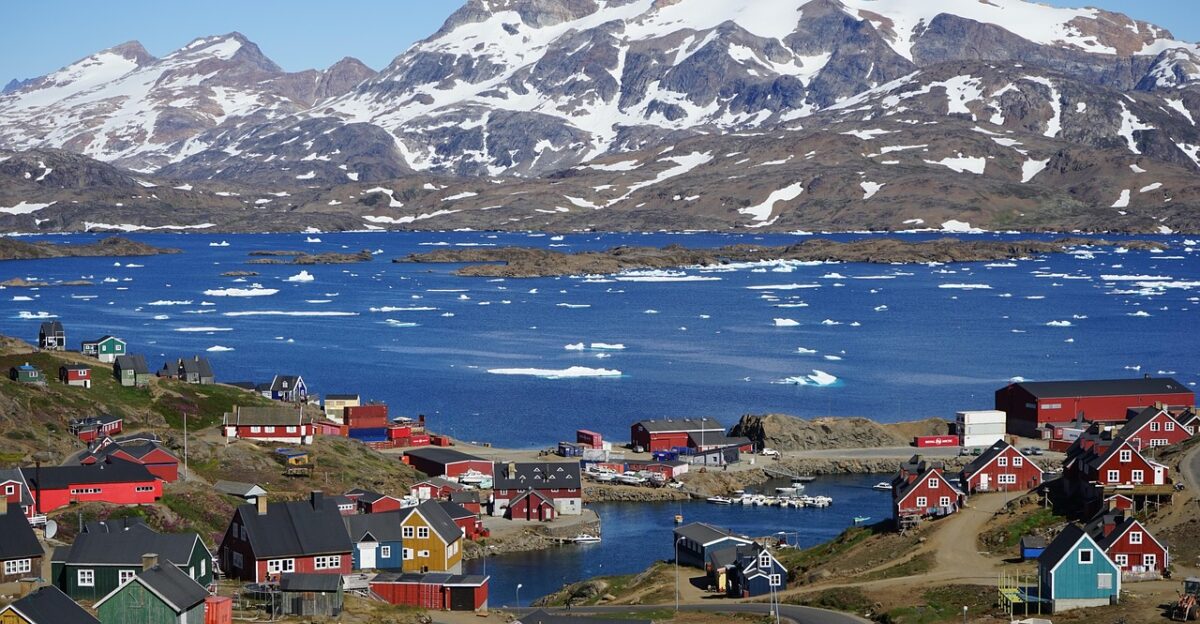
When pressed to choose between the U.S. and Denmark, Greenland’s Prime Minister Jens-Frederik Nielsen didn’t hesitate. “We choose Denmark. Greenland does not want to be owned by the United States,” he said. The message wasn’t angry. It was calm. Certain.
Greenland—the world’s largest island, spanning 836,330 square miles with only 56,000 residents, mostly indigenous Inuit—had spoken. They belonged to themselves and Denmark, not to anyone’s imperial ambitions.
A Polish Prime Minister’s Apocalyptic Warning
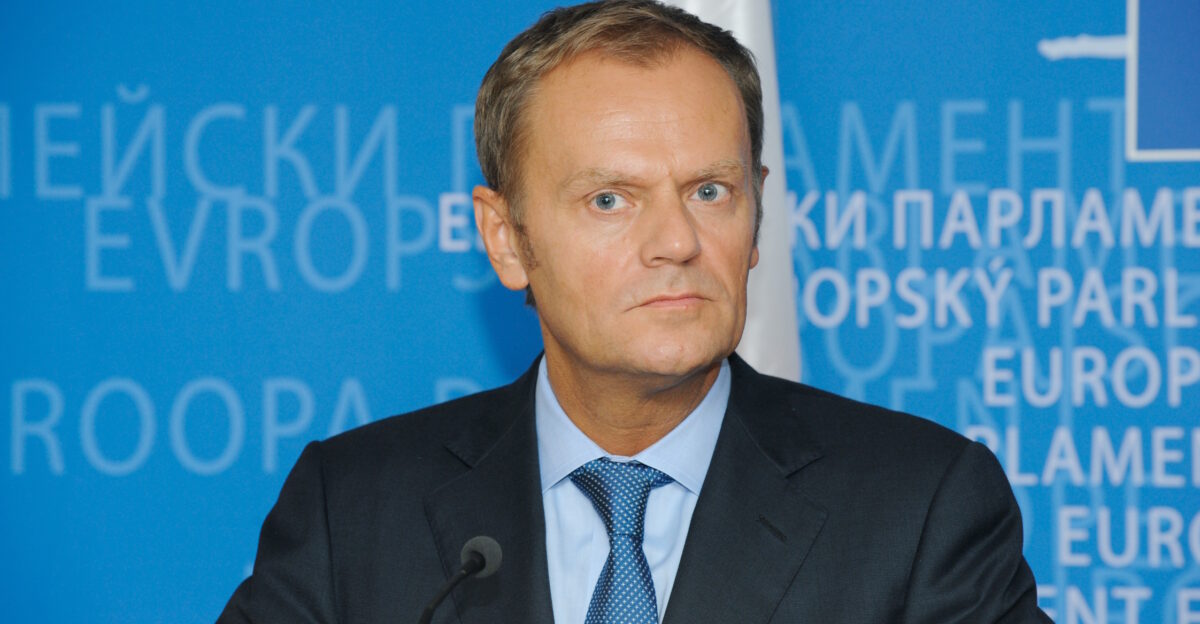
Donald Tusk, Poland’s Prime Minister, stood up on January 16 and said what everyone was thinking but afraid to say: this could end everything. “A conflict or attempted annexation of NATO territory by another NATO member would be the end of the world as we know it,” Tusk declared.
He wasn’t being dramatic. He was being honest. The world had been held together by “NATO solidarity” for decades. Poland announced it wouldn’t send troops to Greenland. The message was clear: we won’t pick sides in this civil war.
Russia Watches and Smiles
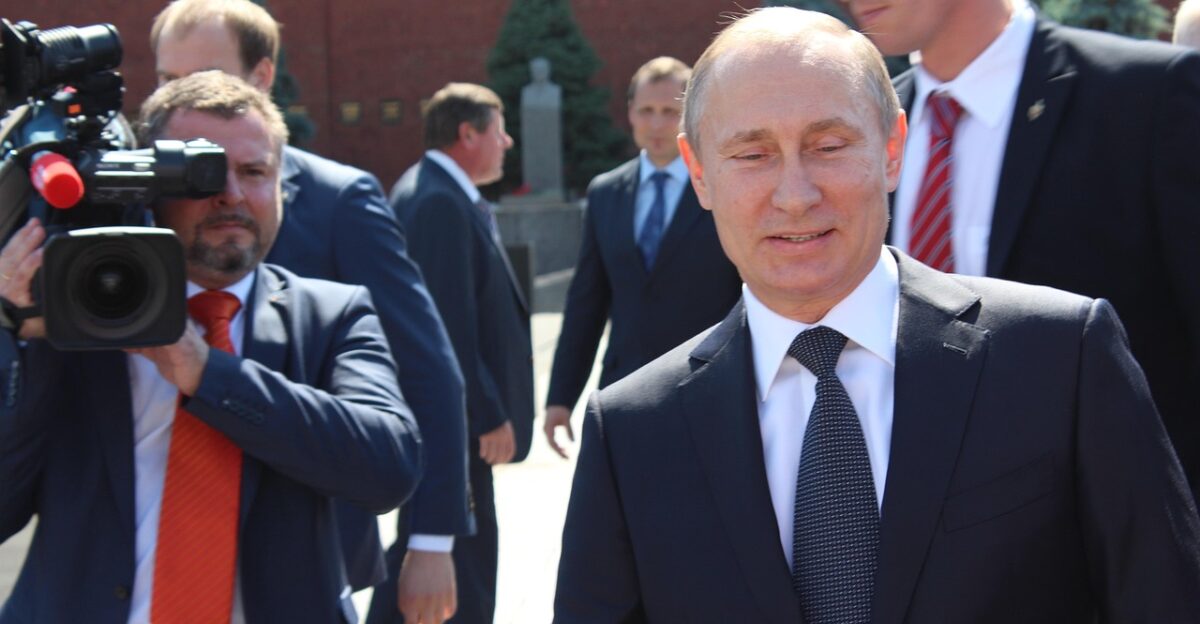
While Europe scrambled to defend Greenland from its own ally, Russia’s embassy in Belgium issued a statement with bitter irony. NATO was “building up military presence under the false pretext of a growing threat from Moscow and Beijing,” they claimed. Russia, which had spent decades warning about NATO expansion, now found itself defending NATO’s territorial integrity against American aggression.
The Kremlin seized the opening: “Washington is using prominent comments about Greenland solely to advance an anti-Russian narrative”. Truth had become a stranger in this story.
Trump’s Threats Are Built on Lies
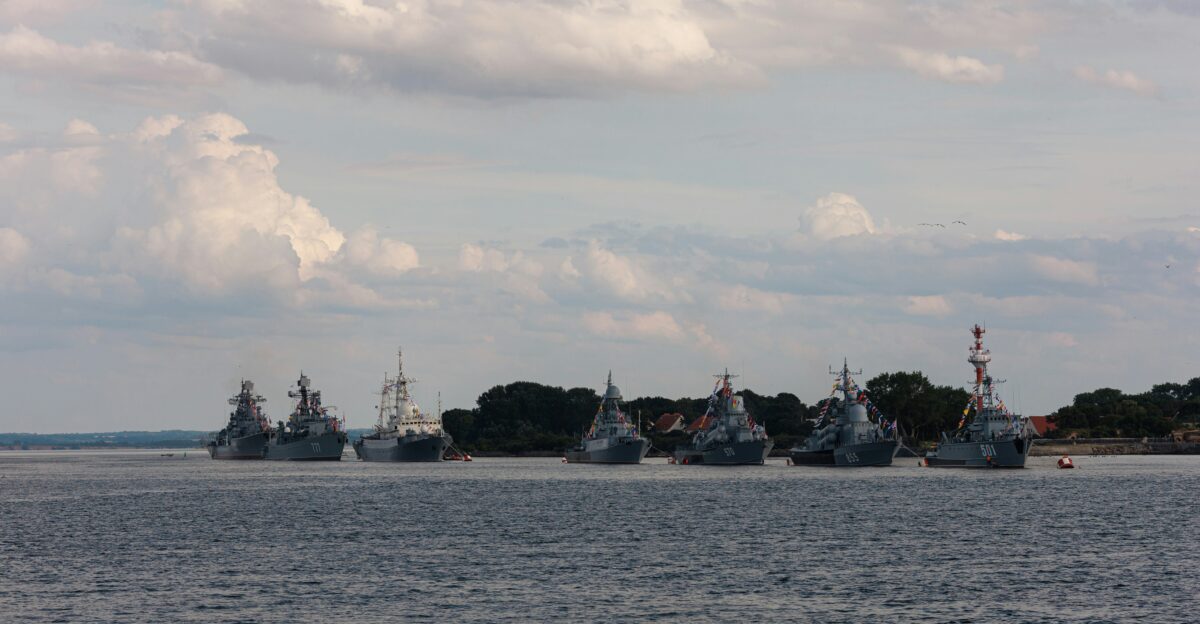
Rasmussen had had enough of the fiction. When Trump claimed Greenland was “teeming with Chinese and Russian ships,” Rasmussen walked into the light and told the truth. “We haven’t had a Chinese warship in Greenland for a decade or so,” Rasmussen said, backed by Danish intelligence.
Denmark had already blocked Chinese attempts to finance Greenlandic infrastructure. Copenhagen had done the security work. It had earned the right to speak plainly. Trump’s threat narrative, Rasmussen said, was built on false premises.
Beneath the Ice: The Real Prize
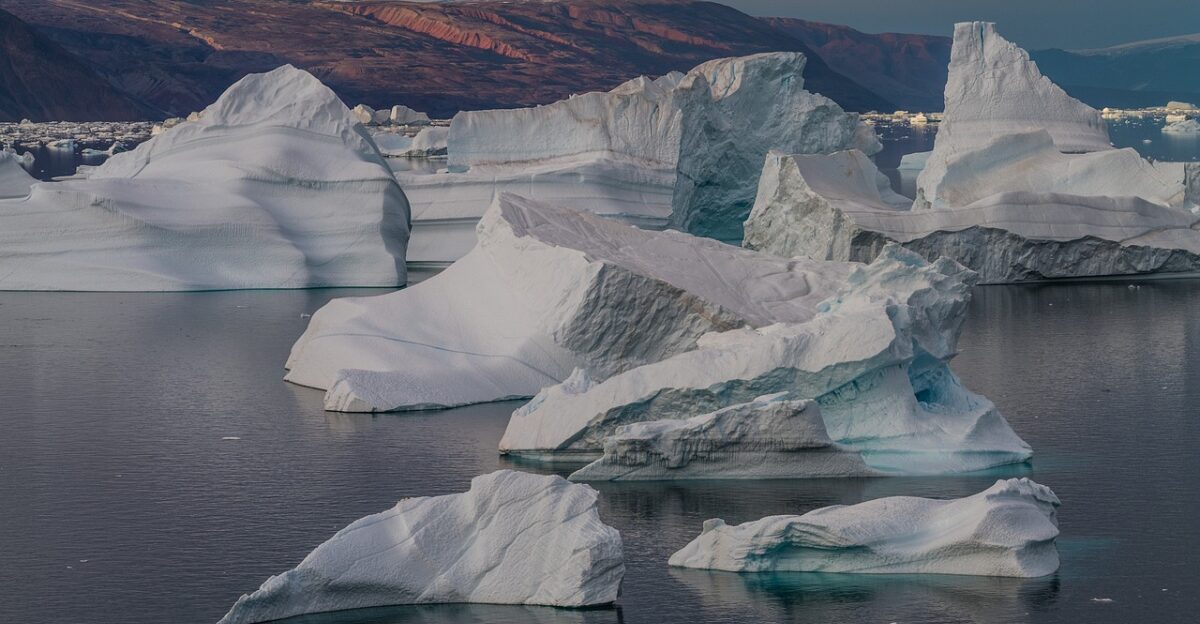
Trump’s obsession makes sense once you look beneath Greenland’s frozen surface. The U.S. Geological Survey estimated that the island held approximately 1.5 million metric tons of rare-earth element reserves, ranking it eighth globally. The Kvanefjeld deposit is among the world’s largest known land deposits of rare earths, with estimates exceeding 11 million metric tons depending on classification criteria.
Greenland also contains an estimated 31 billion barrels of oil equivalent in hydrocarbon resources. For a man who sees the world in dollars and dominance, Greenland wasn’t about security. It was about possession.
A “Working Group” That Isn’t What It Sounds Like
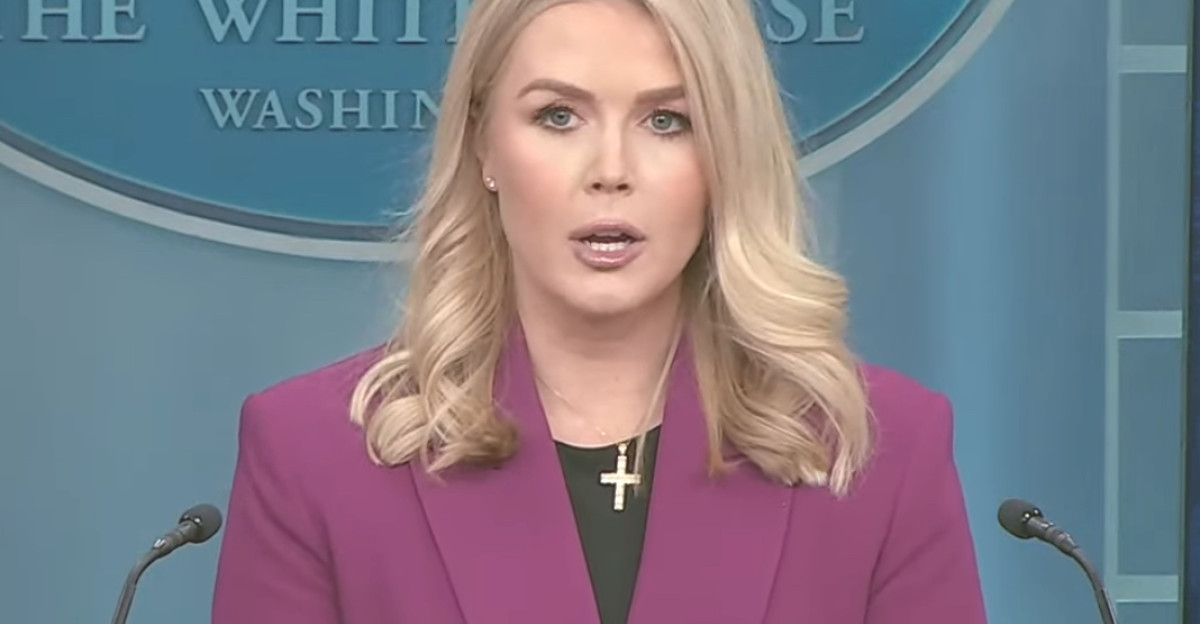
Press Secretary Karoline Leavitt announced a compromise: the two sides would establish a “working group” for “technical talks on the acquisition of Greenland”. Talks every two or three weeks. European troop deployments, Leavitt assured reporters, “don’t impact” Trump’s acquisition goal.
Rasmussen heard something different. The group would “address American security concerns” while respecting Danish sovereignty, he said. Two sides interpreting the same agreement in opposite ways. It was a ceasefire that wasn’t really a ceasefire.
A Diplomat’s Quiet Rebuke
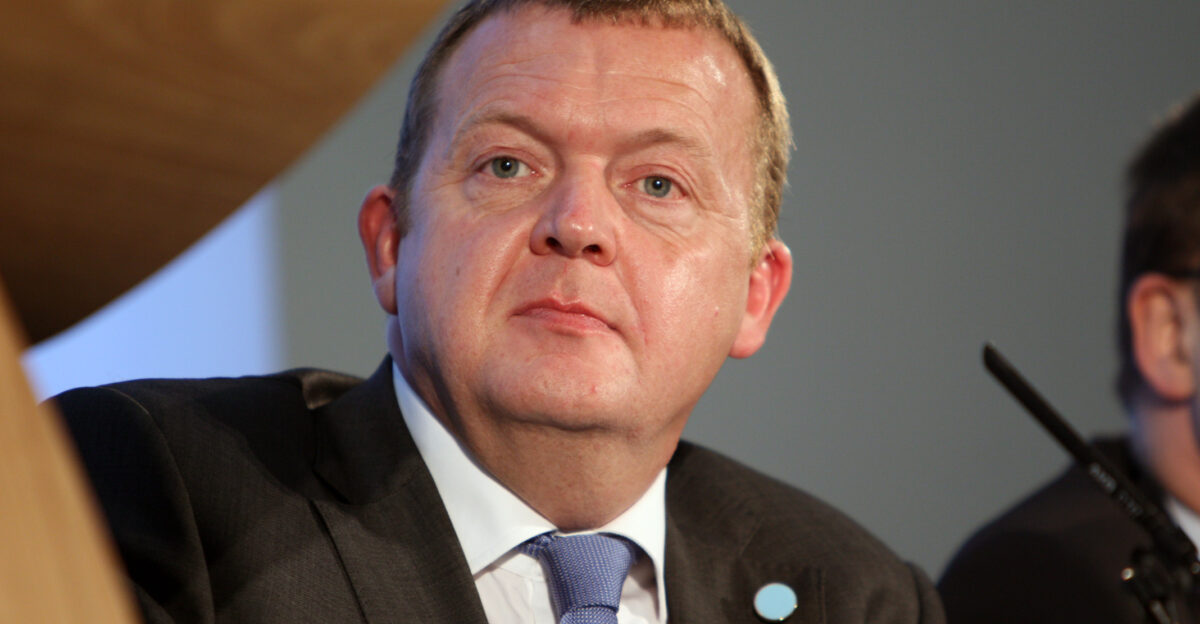
In a Fox News interview, Rasmussen delivered a line that would echo through history. “This is 2026. You trade with people, but you don’t trade people,” he said. It was simple. It was devastating. It acknowledged that Trump’s concerns about Arctic security were real. But it drew a line that couldn’t be crossed: the right to self-determination.
The territorial integrity of the Kingdom of Denmark. The Greenlandic people’s voice. Denmark, a small nation, was telling the world’s most powerful nation: there are things you don’t get to have.
Congress Arrives to Pick Up the Pieces
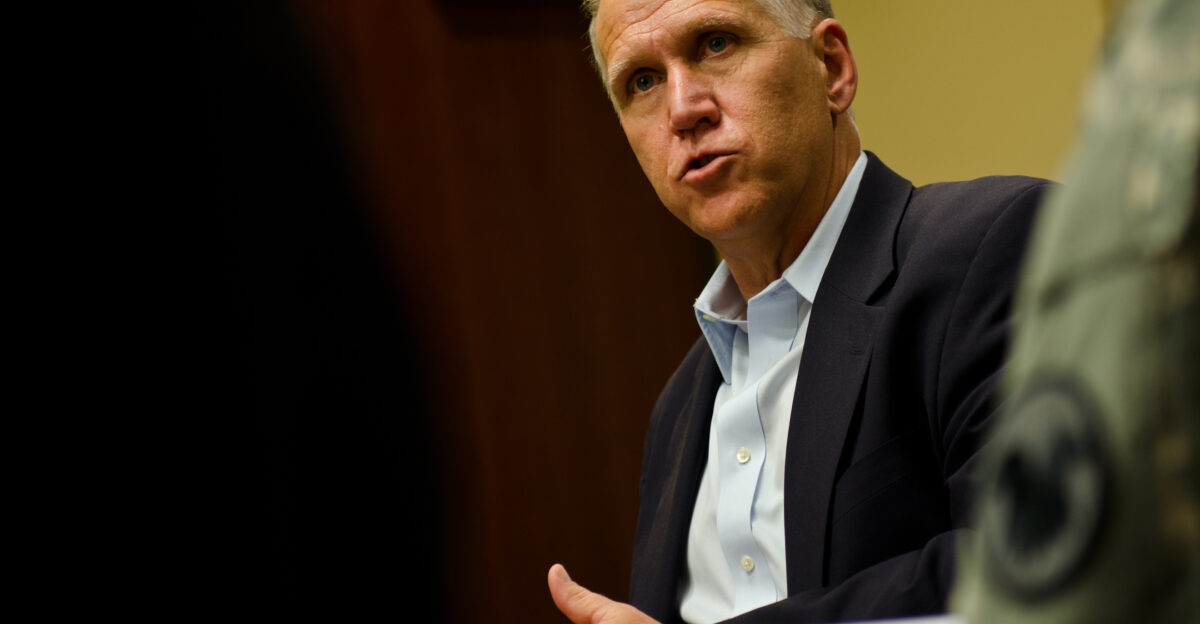
An 11-member bipartisan U.S. Congressional delegation landed in Copenhagen on January 16 with a mission born of desperation. Led by Democratic Senator Chris Coons and Republican Senators Thom Tillis and Lisa Murkowski, they had come to reassure Danish and Greenlandic leaders that Congress—at least—still believed in the alliance.
“We are showing bipartisan solidarity. They’ve been our friends and allies for decades,” Senator Dick Durbin told reporters. It was Congress trying to save what the White House was burning. The split was real.
French Commandos in the Arctic
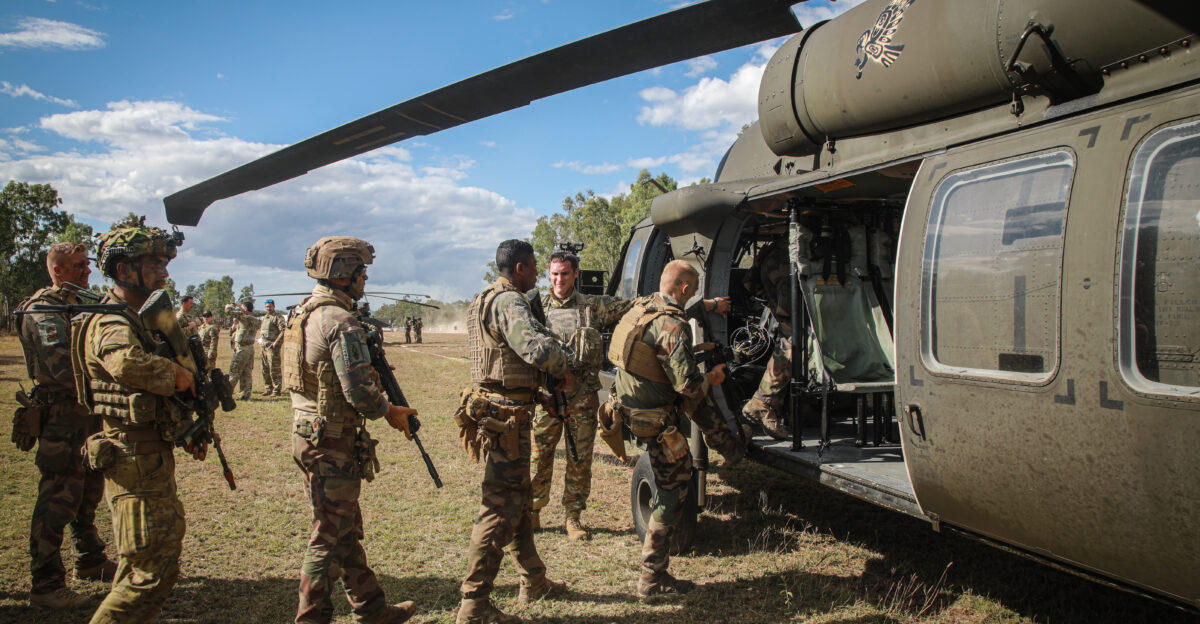
The 15 French troops who landed in Greenland weren’t just soldiers. They were mountain warfare specialists with years of Arctic experience, trained for terrain that broke ordinary men. By January 18, French forces had begun operations in Kangerlussuaq, according to Denmark’s Joint Arctic Command.
These weren’t token gestures—they were specialists trained for remote Arctic environments. The message was clear: France wasn’t playing theater. This was commitment.
Germany’s Three-Day Window
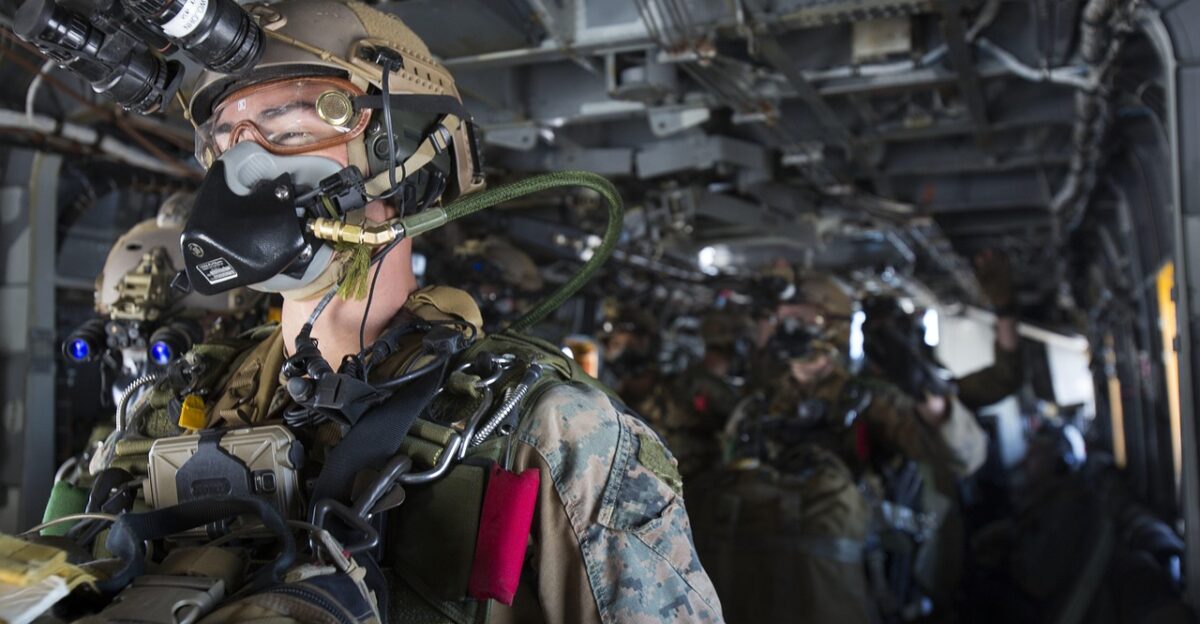
Germany’s 13-soldier reconnaissance team arrived via A400M transport aircraft on Thursday, January 15. They departed by Saturday. Seventy-two hours. Why so short? The German Defense Ministry said the team came to “explore framework conditions for possible military contributions to support Denmark”.
Germany wasn’t there for show. It was there to scout. To assess. To prepare for what might come next. A quick reconnaissance before something bigger.
Trump’s Veiled Threat That Everyone Understood
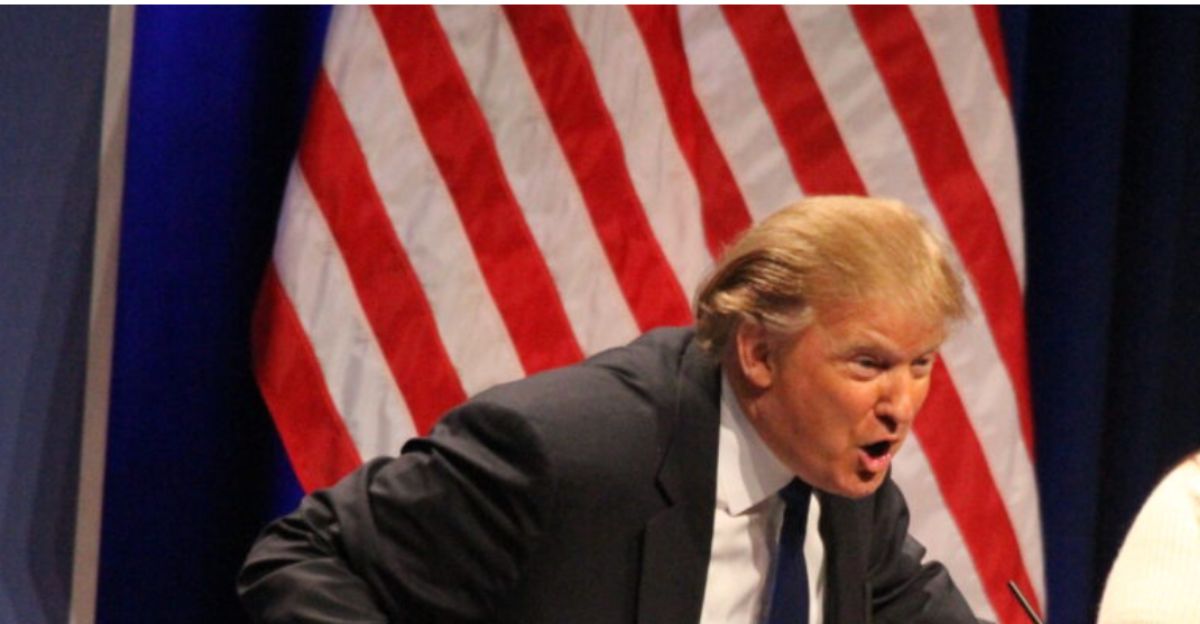
Trump made a cryptic comment that sent chills through Copenhagen. “Denmark cannot respond if Russia takes Greenland, but we are positioned to act decisively. You saw that last week with Venezuela,” he said. Everyone knew what he meant. Early January had brought U.S. military operations in Venezuela, resulting in President Nicolás Maduro’s capture.
Trump was drawing a line between what he’d already done and what he might do to Greenland. It wasn’t a threat spelled out in capital letters. It was a threat everyone could read.
The Alliance That Beat Hitler and Stalin Now Fights Itself
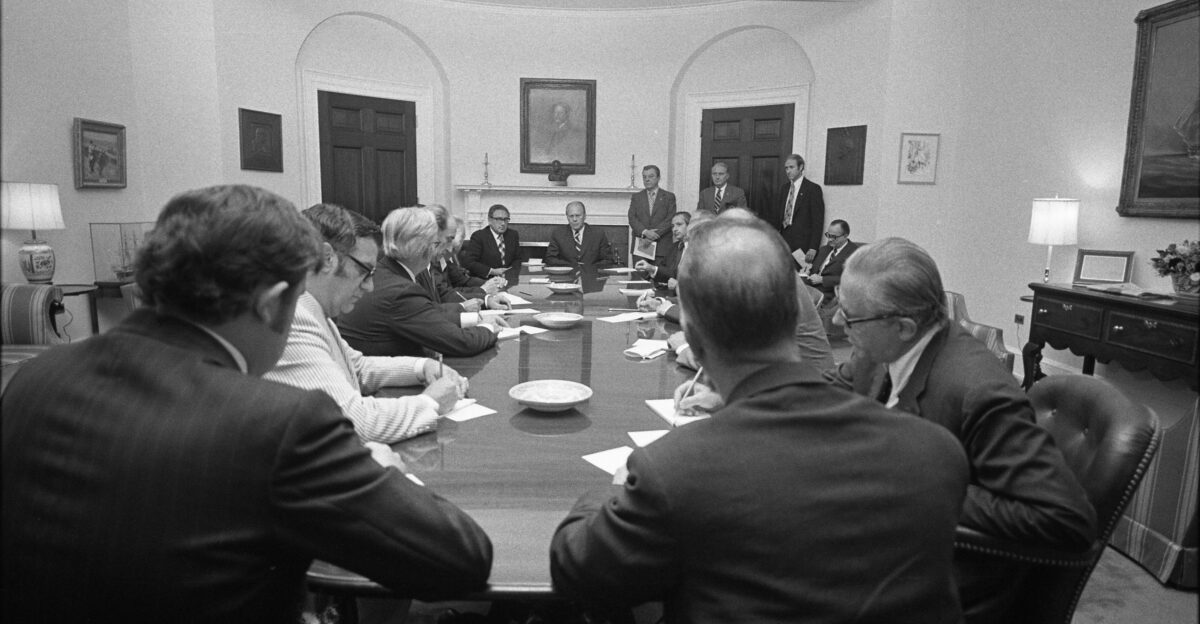
The North Atlantic Treaty was signed on April 4, 1949, by 12 democracies, who were determined that the world would never again descend into chaos. Article 5 declared that an attack on one member “shall be considered an attack against them all”. NATO was built to provide mutual defense against external threats—the Soviet Union, then Russia.
In 77 years, members had deployed together across continents. They’d invoked Article 5 only once: after 9/11. But they’d never deployed troops to defend against another member’s territorial claims. The alliance faced an unprecedented test.
NATO’s Savior or Its Destroyer?
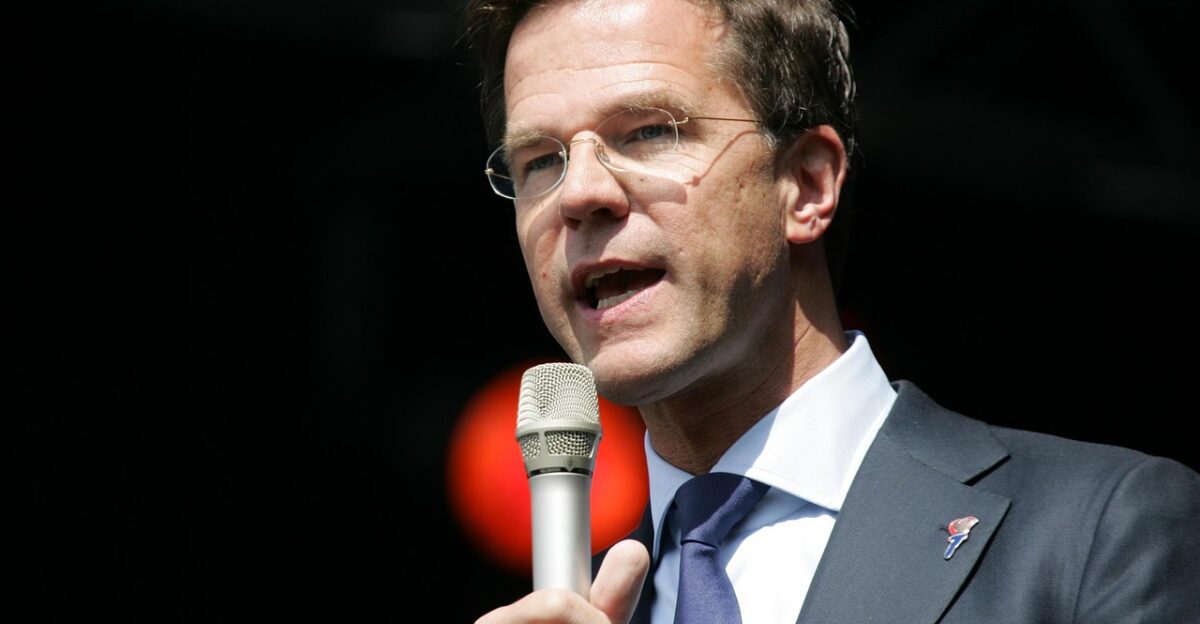
Trump has repeatedly claimed credit for strengthening NATO and forcing allies to spend more on defense. NATO Secretary General Mark Rutte acknowledged that allied pressure led to commitments for increased defense spending.
But now Trump was threatening the very thing he claimed to have fortified. The contradiction was stark. You can’t claim credit for saving something while threatening to destroy it.
Denmark Put Its Money Where Its Mouth Is
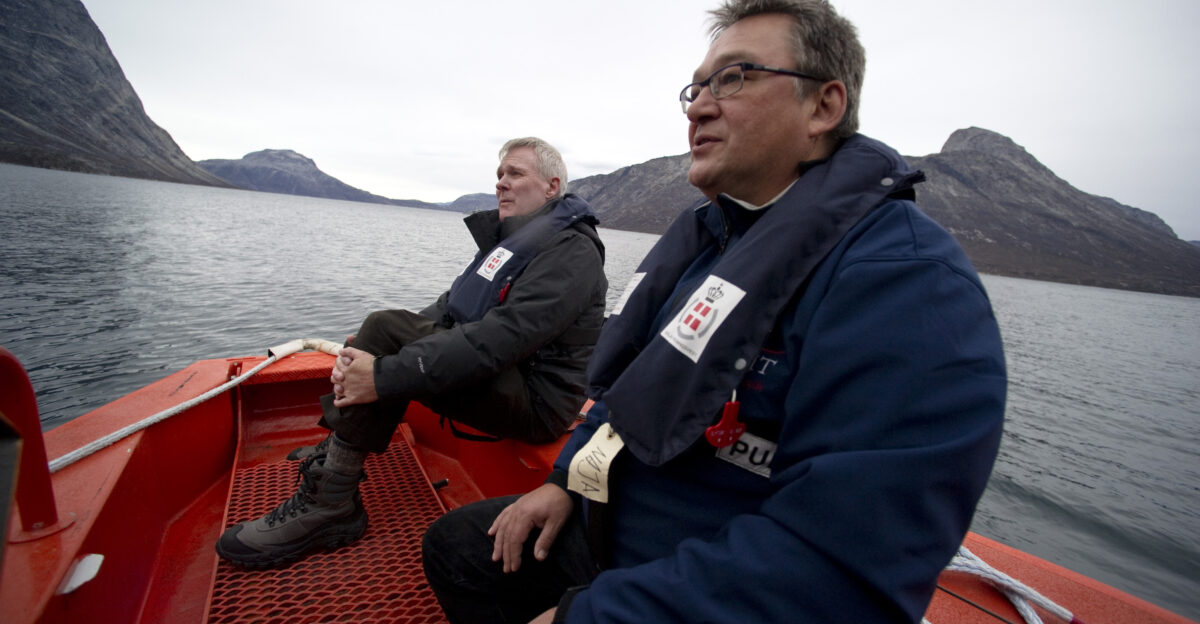
When Trump suggested Denmark had neglected Greenland’s defense, Rasmussen pushed back hard. “We have allocated nearly $15 billion over the past couple of years to bolster capabilities in the High North,” he said. Denmark had announced expanded military investment, including patrol boats, drones, and enhanced capabilities across Greenland.
The existing U.S.-Denmark defense agreement from 1951 already permitted American military operations in Greenland under the NATO framework. Trump’s claim that America needed to own Greenland made no strategic sense. It made only imperial sense.
The Question That Defines What Comes Next
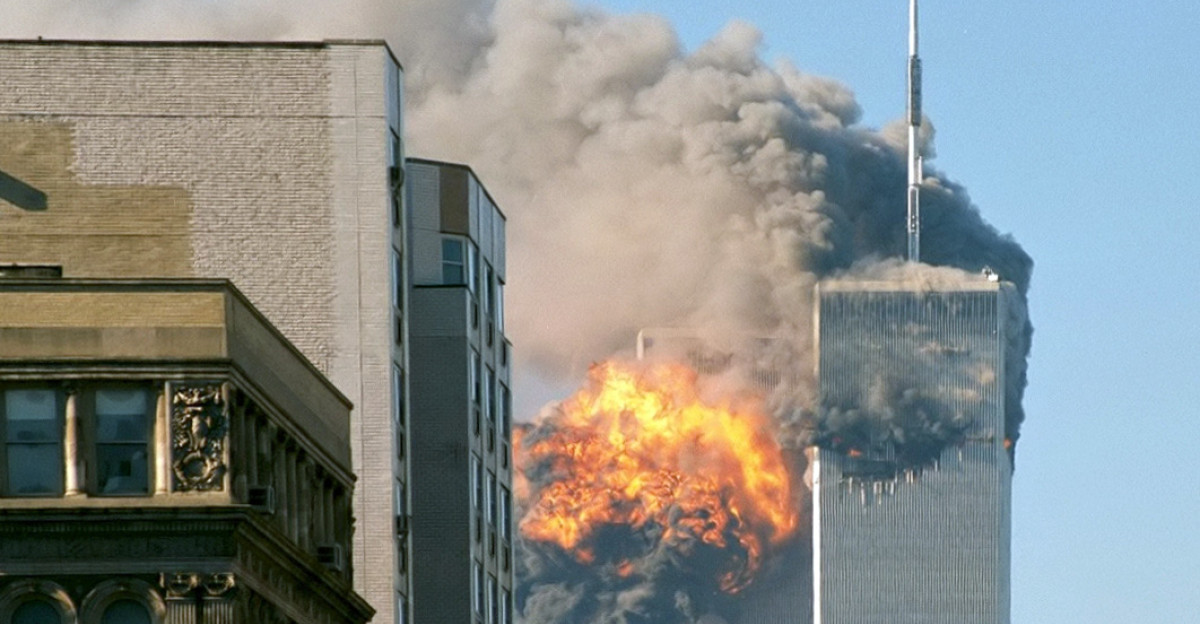
As European forces established themselves in Nuuk and American rhetoric escalated, a question hung over the Arctic: Could NATO survive a member-versus-member conflict? The alliance’s collective defense provisions were built for external threats—the Soviet Union, then Russia. Article 5 had been invoked only once, after 9/11.
No mechanism existed for mediating when one member threatened to seize another’s territory. The coming weeks would test whether seven decades of transatlantic partnership could withstand this crisis. Whether the alliance that had contained communism could contain American expansionism. The answer would reshape the world.
Sources:
NATO Deploys Troops in Greenland in First Military Standoff Against US Since 1949 – BBC News
European Military Personnel Arrive in Greenland as Trump Pushes for Acquisition – CNN
France to Deploy More Troops, Air, Naval Assets to Greenland – Anadolu Agency
German Military Team Heads to Greenland for Reconnaissance Mission – Deutsche Welle
Trump Still Intent on ‘Conquering Greenland,’ Denmark Says – NBC News
Poland Will Not Send Soldiers to Greenland, Polish PM Says – Reuters