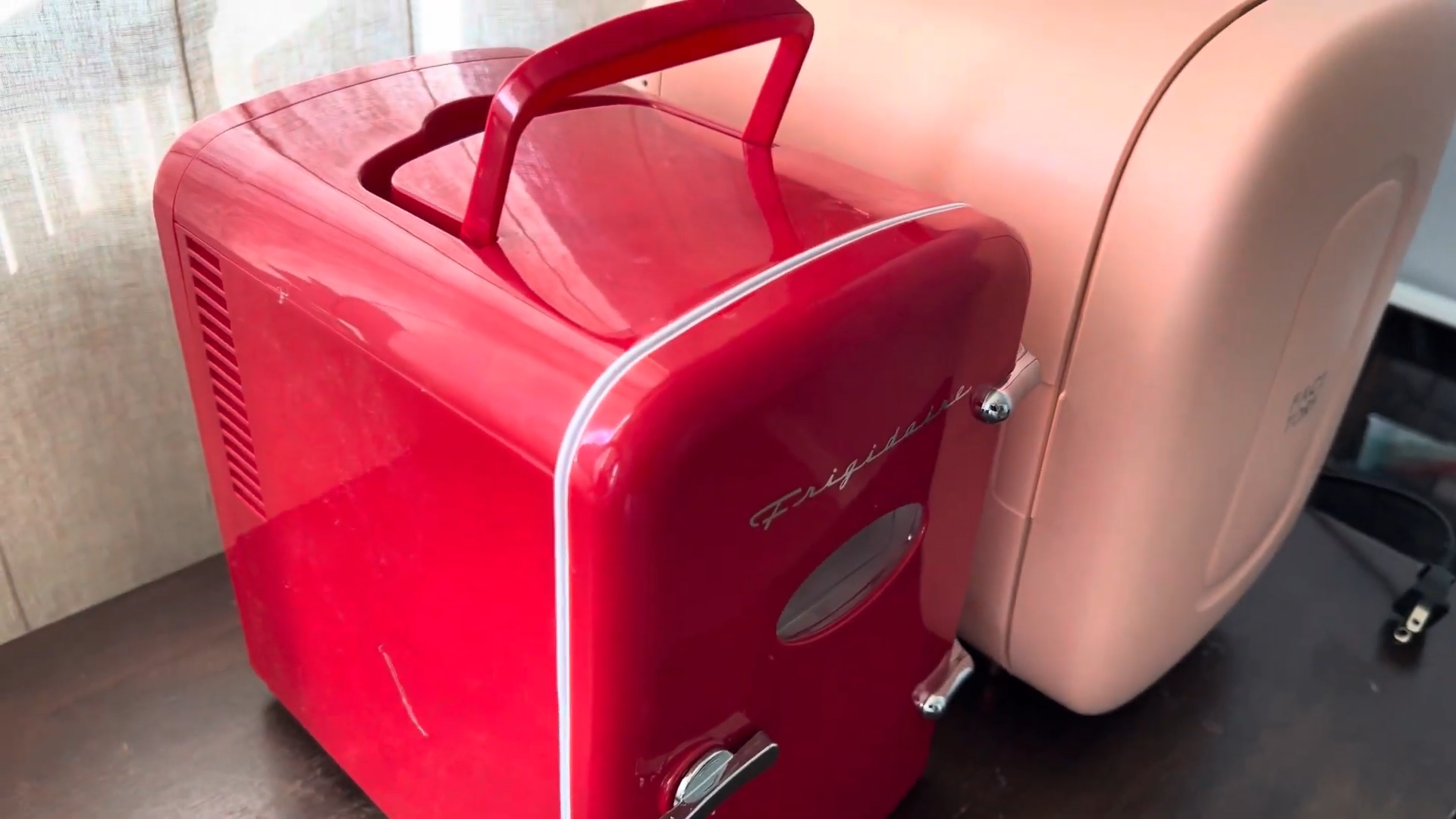
Smoke rose from a compact red minifridge sitting against a bedroom wall. The plastic casing warped as heat built inside. In reported incidents across the U.S., these small appliances—sold for dorms, offices, and apartments—short-circuited, overheated, and in some cases ignited.
Fire crews responded. Property was damaged. Two people inhaled smoke. By January 2026, federal regulators confirmed the scope: nearly one million of these minifridges were now under recall. What investigators uncovered revealed how long the danger had been building.
When a Bargain Becomes a Risk

In 2020, shoppers looking for a dorm-room essential found an easy win: a compact red minifridge priced around $30. Walmart, Amazon, and Target all carried similar models. They were affordable, portable, and marketed as harmless convenience items.
Few people questioned them. But inside, key electrical components could short circuit. The plastic casing could ignite. Curtis International, the distributor, continued selling these units from January 2020 through December 2023 despite mounting safety concerns.
One Company, Many Retailers, One Defect
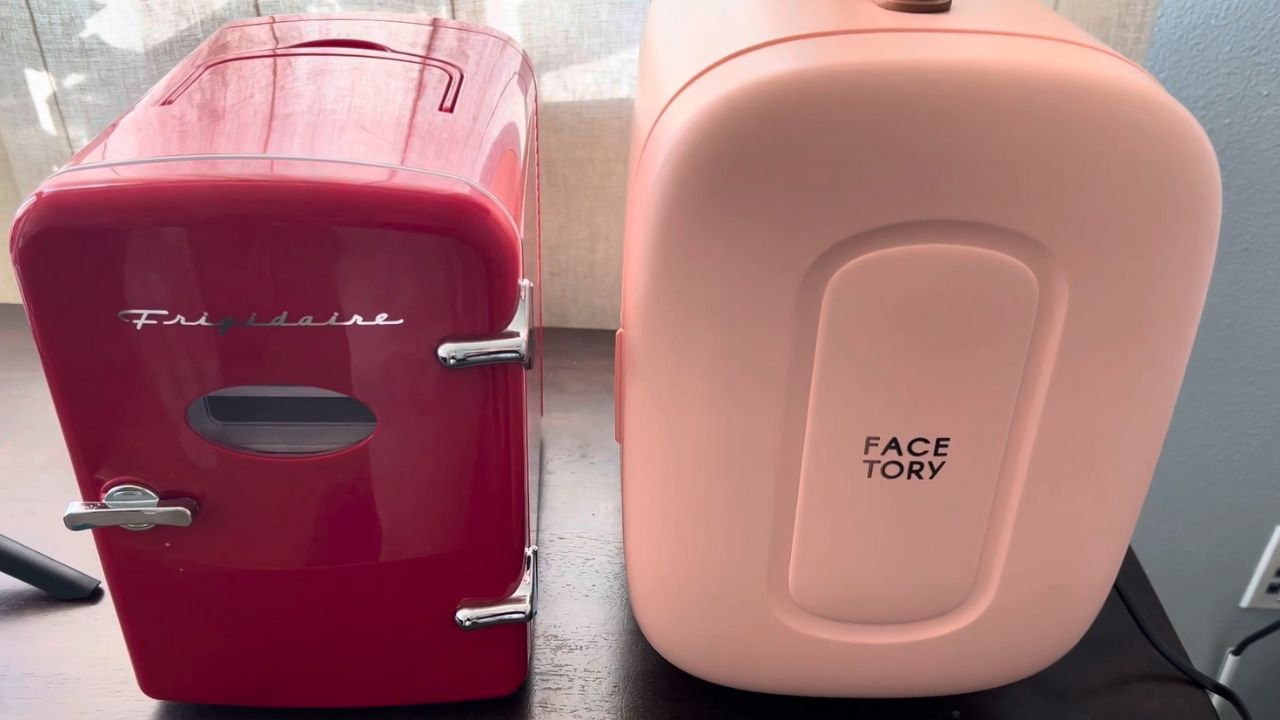
Curtis International distributed the same Frigidaire-branded minifridges through major U.S. retailers. Target sold the newer EFMIS121 model. Walmart stocked earlier versions. Amazon sold several through third-party listings.
The defect wasn’t limited to one store or region—it followed the product everywhere. Manufacturing occurred overseas, distribution passed through Canada, and retail sales blanketed the U.S. market. At no point did the system flag the danger early enough to stop widespread exposure.
Years Passed Before the Problem Was Acknowledged
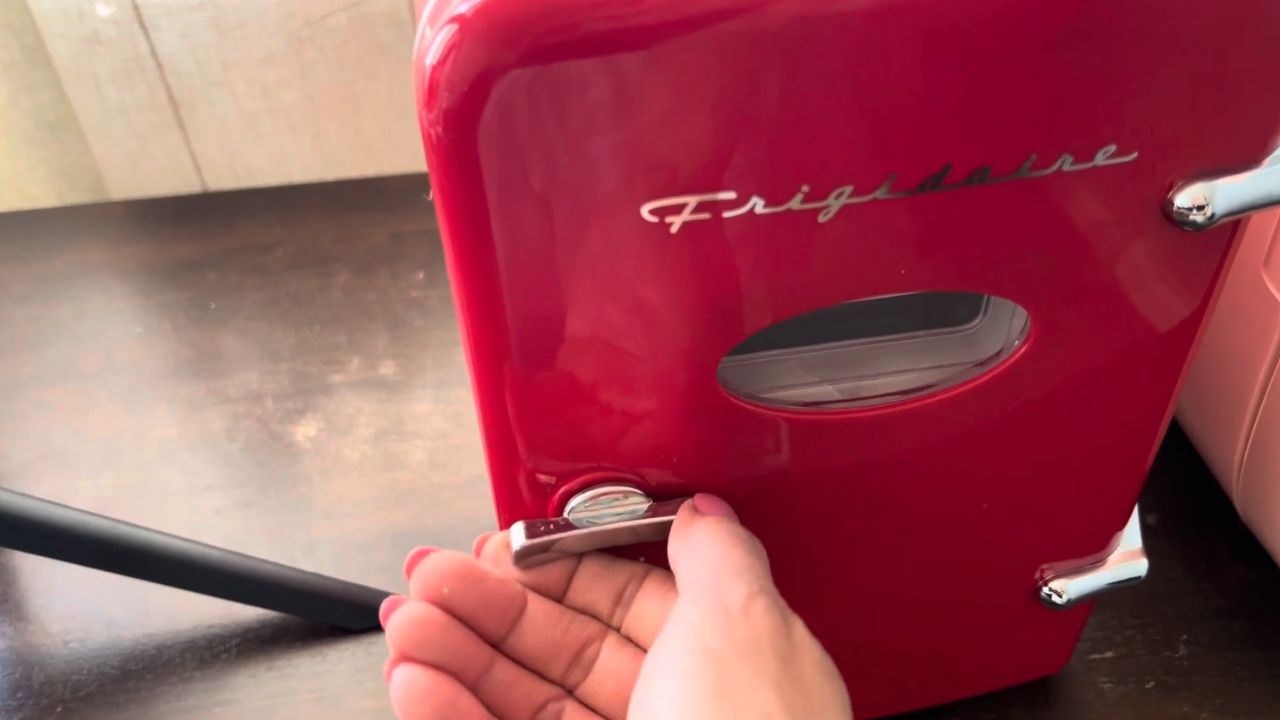
Manufacturing began in January 2020. The first recall didn’t arrive until July 2024—more than four years later. By then, hundreds of thousands of units sat plugged in across dorms, apartments, and offices.
During those years, Curtis International received reports of overheating, smoke, melting plastic, and fires. Two people were injured. Still, no voluntary recall occurred. Action came only after intervention by the U.S. Consumer Product Safety Commission.
Nearly One Million Units Are Now Recalled
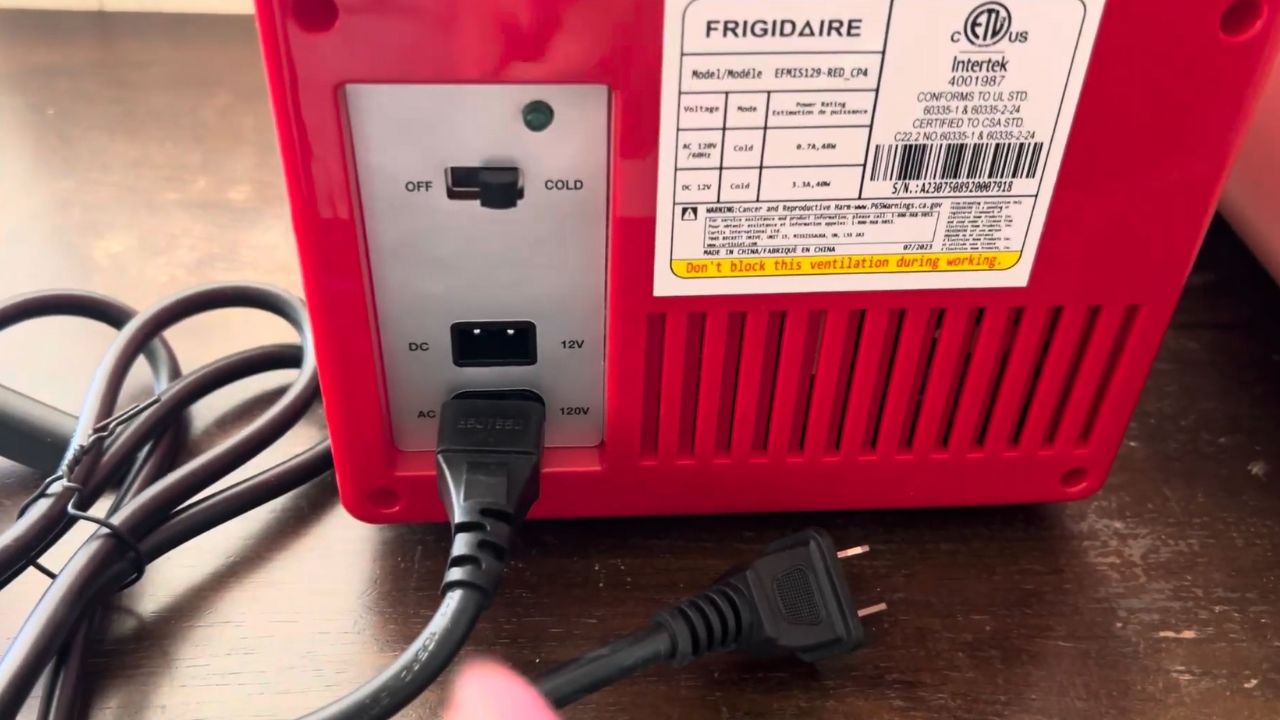
On January 15, 2026, regulators expanded the recall dramatically. The total reached approximately 964,000 minifridges sold in the U.S.
This expansion added 330,000 Target-exclusive units to the 634,000 recalled earlier. All shared the same underlying defect: electrical short circuits capable of igniting the plastic housing.
Each unit typically serves a single household, dorm room, or office space—meaning nearly one million U.S. locations now face potential fire risk from devices already plugged in and operating. The scale placed this among the largest minifridge recalls in U.S. history—and it unfolded in stages, not all at once.
Target’s Exclusive Model Joins the Recall
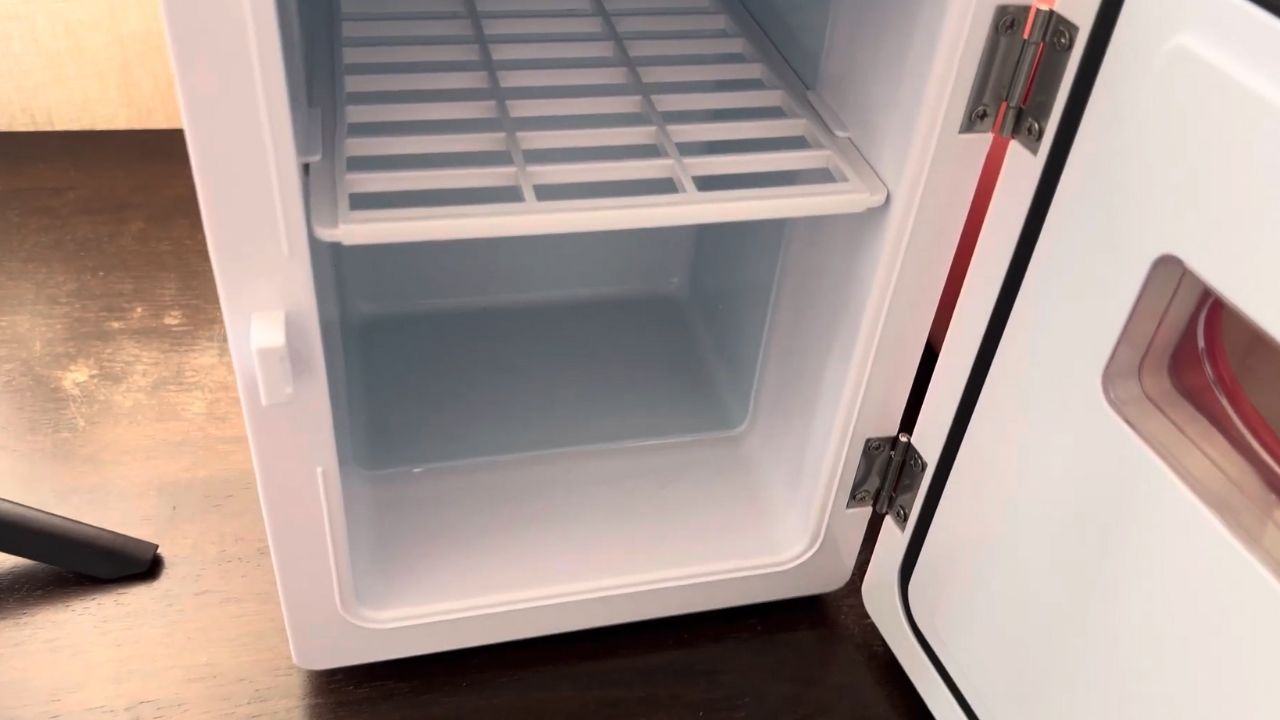
The EFMIS121 model, sold exclusively at Target and Target.com, accounted for 330,000 units. Marketed as an affordable solution for small spaces, it sold steadily for nearly four years. Curtis International received at least six reports of fire incidents tied to this model, including property damage.
While no deaths were reported, the risk remained serious—especially in dormitories and apartments where fires spread quickly. Although Target removed the model in late 2023, many units remain in use today.
Warning Signs Appeared Years Earlier
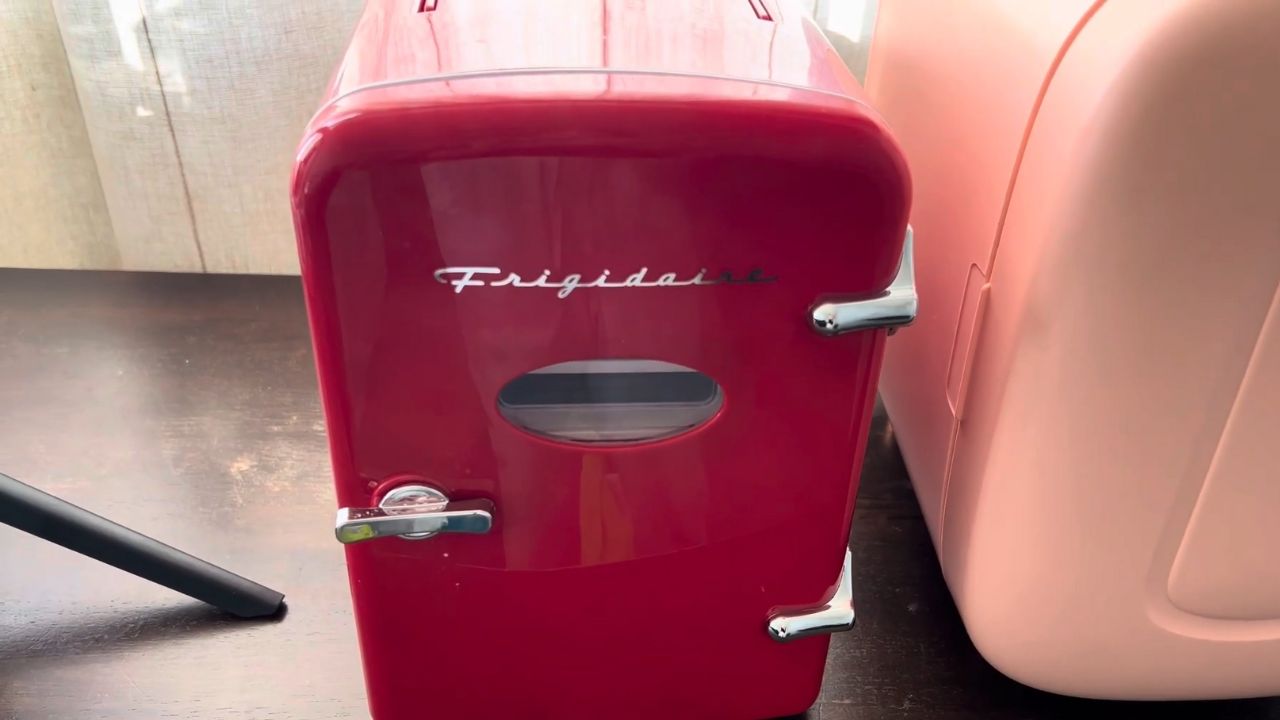
The initial 2024 recall covered earlier models and documented 26 separate incidents involving smoke, sparks, melting, overheating, or fire. Two consumers suffered smoke inhalation injuries. Property damage exceeded $700,000.
These weren’t isolated accidents—they formed a clear pattern. Yet while those units were recalled, a nearly identical model continued selling. The defect wasn’t eliminated. It was repackaged, renamed, and sold again until fires forced another recall.
A Global Supply Chain, Blurred Responsibility

The minifridges were manufactured in China by ShangYu North Electron Manufacture Co. and imported by Canada-based Curtis International before being sold across the U.S. That multinational chain blurred accountability.
Who approved the design? Who tested the components? Who acted once failures appeared? As an importer rather than manufacturer, Curtis International occupies a gray zone. While refunds are required, no criminal charges or major penalties have been publicly reported as of January 2026.
Profit Margins and Silent Tradeoffs
These minifridges sold for $30 to $40 each—cheap enough to move quickly, profitable enough to scale. With 964,000 units sold, estimated retail revenue reached roughly $34 million.
Manufacturing costs were far lower, creating strong incentives to minimize testing and speed production. Every safety improvement costs money. Every delay risks market share. Over four years, volume won. Precaution did not.
The Defect Was Present From the Start
This wasn’t a late-stage manufacturing slip. The defect existed from the first production run in January 2020. Every recalled model was built within the same four-year window. All shared the same electrical flaw. Rather than fixing the design, a new model number was introduced.
The result was predictable: fires continued. Only after repeated incidents did regulators expand the recall, confirming the problem was systemic.
Who Was Supposed to Catch This?
Retailers maintain safety standards and quality audits, but low-cost appliances often receive lighter scrutiny. Testing every $30 item extensively isn’t economical. Retailers rely on importer certifications. Importers rely on manufacturers.
Manufacturers rely on approved designs. The chain breaks when everyone assumes someone else verified safety. In this case, nearly one million units slipped through before consumers sounded the alarm.
Why Regulators Acted Late
The CPSC didn’t uncover the hazard through routine inspections. Consumers did. Fire reports, hotline calls, and online complaints built the case.
The agency ordered the first recall in July 2024. But regulators lack authority to shut down factories or mandate design changes.
They can order recalls and refunds—but prevention depends on corporate decisions made long before regulators intervene.
What Consumers Are Told to Do Now
Consumers are instructed to stop using the minifridges immediately. They must unplug them, cut the power cord, write “Recall” on the door, photograph the unit, and submit proof online.
Refunds are offered, often for the full purchase price. The process works—but it requires effort. Many buyers no longer have receipts. Some never hear about the recall. Others continue using the units despite the risk.
The Refund Gap Nobody Talks About
Historically, only 20–40% of recalled products are ever registered for refunds. If participation hits 30%, Curtis International may refund roughly 290,000 units—leaving hundreds of thousands unclaimed.
Consumers who don’t register either keep the appliance, discard it without compensation, or remain unaware of the danger. The financial liability shrinks as participation drops, even though the risk remains widespread.
The Uncomfortable Lesson

Eventually, the recalled minifridges will disappear. Refunds will be issued. Guidance will be updated. But the system that allowed nearly a million fire-prone appliances into homes hasn’t fundamentally changed. Budget products still face minimal testing. Accountability remains diffused.
As of January 2026, no criminal charges have been reported despite dozens of fires, injuries, and extensive damage. The real question isn’t whether this recall ends—it’s whether the next one is already in motion.
Sources:
“Curtis International Expands Recall of Frigidaire-brand Minifridges Due to Fire and Burn Hazards (Recall 26-199).” U.S. Consumer Product Safety Commission, 14 Jan 2026.
“Curtis International Recalls Frigidaire-brand Minifridges Due to Fire and Burn Hazards—More Than $700,000 in Property Damages Reported.” U.S. Consumer Product Safety Commission, 23 Jul 2024.
“Minifridge recall expands to 964,000 Frigidaires after fire reports.” ABC News / Associated Press, 14 Jan 2026.
“Recall of Frigidaire minifridges sold at major retailers expands to nearly 1 million units.” CBS News, 15 Jan 2026.