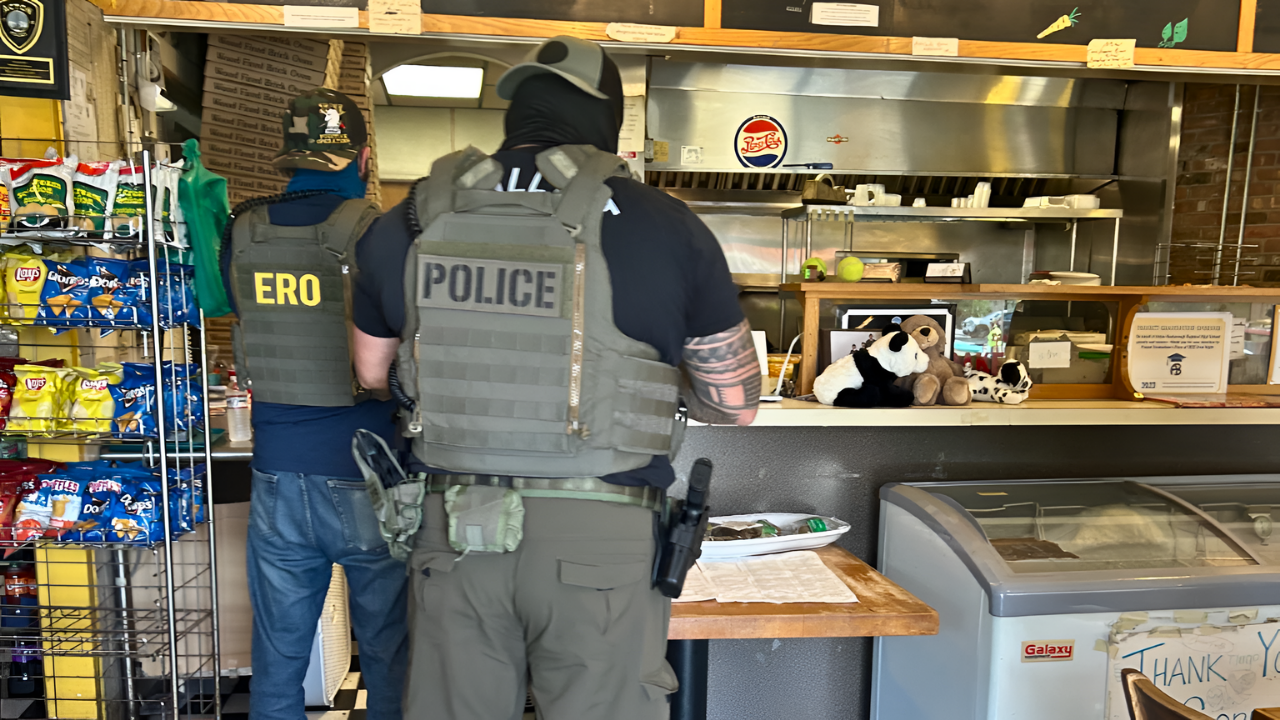
Four Immigration and Customs Enforcement agents sat in a booth at El Tapatio, a family-owned Mexican restaurant in Willmar, Minnesota, ordering lunch on January 15, 2026. Hours later, after the restaurant closed at 8:30 p.m., those same agents followed employees’ vehicles and detained three workers near a Lutheran church and middle school. The arrests sparked national outrage over enforcement tactics.
Staff Recognized the Agents
Witnesses who photographed the ICE agents during their meal reported that restaurant staff appeared visibly “frightened” as they recognized the federal officers. Despite the obvious distress, the agents proceeded with their lunch, accepting table service from employees they were surveilling.
One eyewitness, who declined identification for safety reasons, documented the entire encounter and subsequent arrests.
Community Outraged by Tactic
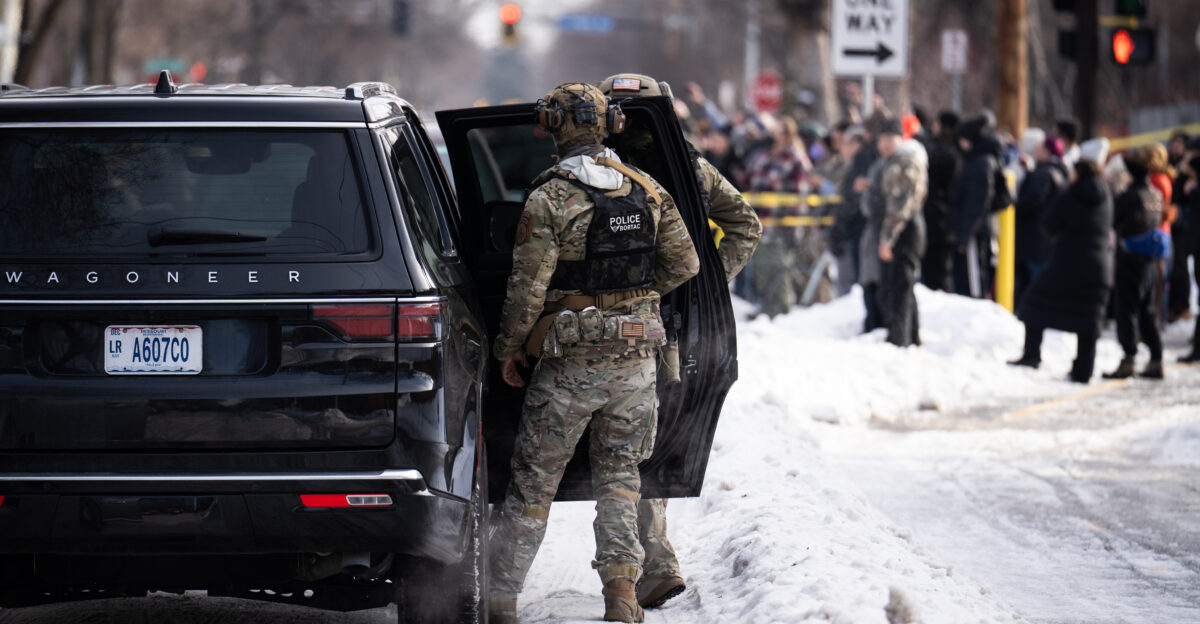
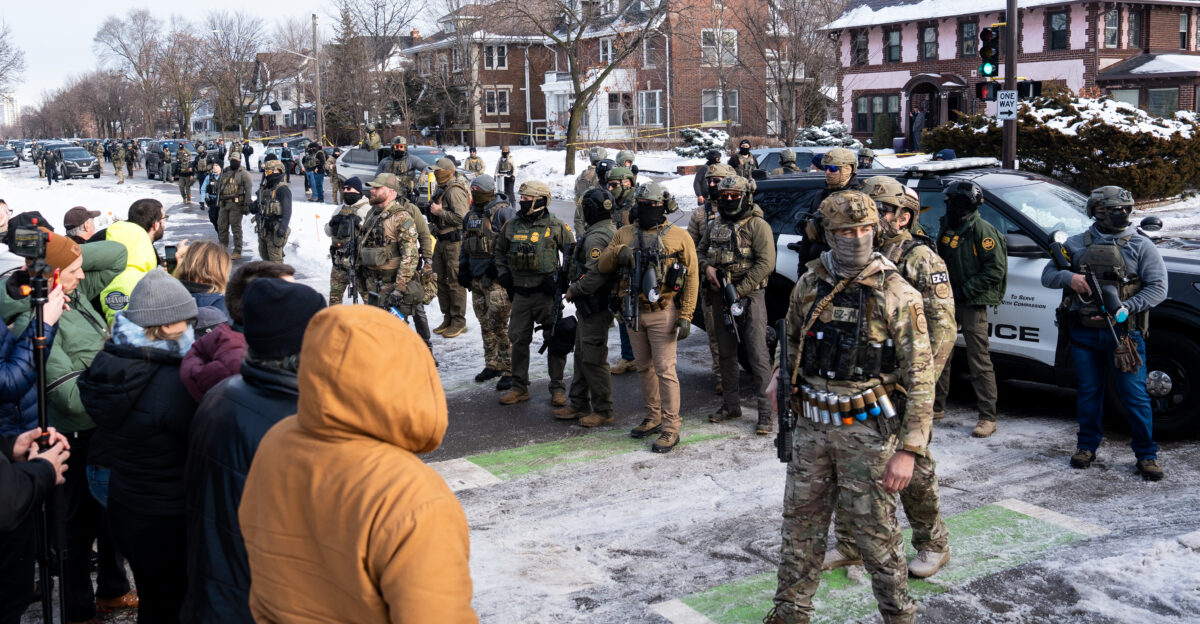
Bystanders who witnessed the evening arrests confronted federal agents, with one shouting, “Would your mama be proud of you right now?”
The incident occurred during Operation Metro Surge, which the Department of Homeland Security describes as “the largest immigration enforcement operation ever carried out.” Approximately 3,000 federal agents have been deployed across Minnesota since December 2025.
DHS Defends the Operation

Department of Homeland Security Assistant Secretary Tricia McLaughlin issued a statement clarifying the operation’s objective. “ICE officers conducted surveillance of a target, an illegal alien from Mexico,” McLaughlin said.
“Officers observed that the target’s vehicle was outside of a local business and positively identified him as the target while inside the business”.
Target Identified as Restaurant Owner

The surveillance target was identified as Jose Rosario Gomez Gallardo. According to DHS, “officers then conducted a vehicle stop later in the day and apprehended the target and two additional illegal aliens who were in the car, including one who had a final order of removal from an immigration judge.”
The restaurant has since closed, though the owner’s 20-year-old son announced plans to reopen.
Part of Massive Minnesota Enforcement Surge

Operation Metro Surge has resulted in over 2,500 apprehensions in the Minneapolis-St. Paul area since November 2025.
The operation escalated following the January 7 fatal shooting of Renee Good, a 37-year-old U.S. citizen, by ICE agent Jonathan Ross. Emergency records and video footage contradicted DHS’s initial characterization of the incident as “an act of domestic terrorism” by Good.
Federal Court Limits ICE Tactics
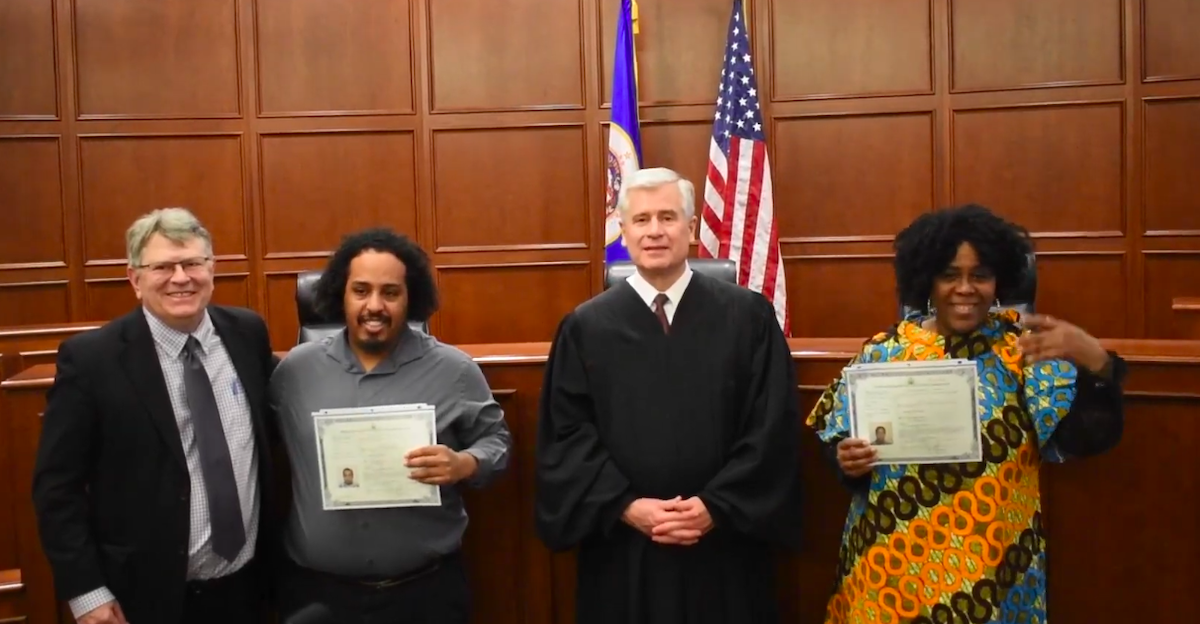
On January 17, 2026, U.S. District Judge Patrick Schiltz issued a temporary restraining order partially blocking Operation Metro Surge tactics. The injunction prohibits agents from arresting peaceful protesters, using chemical irritants against demonstrators, and conducting vehicle stops solely because individuals are following federal agents.
Minnesota, Minneapolis, and St. Paul filed suit alleging the operation violates constitutional protections.
Economic Devastation Across Minnesota

Immigrant-owned businesses across Minnesota report revenue declines of 50-80 percent since the enforcement surge began. El Burrito Mercado, a 47-year-old St. Paul establishment, reduced hours from full-day service to just four hours daily.
CEO Milissa Silva-Diaz told CNN: “ICE is using my business as a hunting ground.” Shopping areas have become “desolate” as fear drives immigrants to avoid public spaces.
Restaurant Industry Faces Crisis
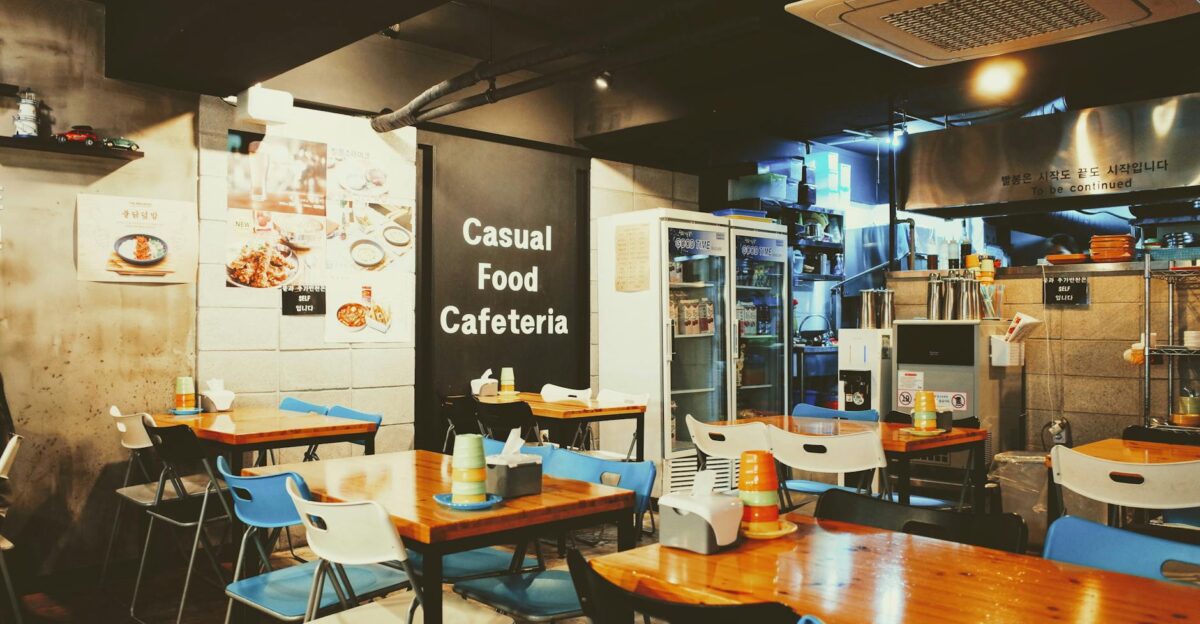
The restaurant industry depends heavily on immigrant labor, with immigrants comprising 20.3 percent of food service workers nationally—over 2 million employees.
In Minnesota specifically, immigrants generated $289.1 million in business income and employed 52,932 people as of 2014. Multiple restaurants have closed temporarily or permanently, with workers too frightened to report for shifts despite valid work authorization.
Legal Questions Over Enforcement Authority

Immigration attorneys note a critical distinction between judicial warrants—signed by judges authorizing forced entry—and administrative warrants signed by ICE officials without judicial review. Administrative warrants “do NOT authorize entry into private spaces without consent,” according to New York State Attorney General guidance.
ICE apparently lacked warrants to enter El Tapatio’s private areas, explaining why agents surveilled from the public dining room.
Community Organizing Rapid Response

Minneapolis community members have organized safety patrols guarding routes to schools, protecting students—including U.S. citizens—from potential detention.
Parents and neighbors created volunteer networks after ICE agents tackled individuals at Roosevelt High School, prompting school closures on January 9. One St. Paul couple reported agents photographed their faces and license plates, then drove to their residence.
Restaurants Fight Back

Multiple establishments have announced they will refuse service to ICE agents. Wrecktangle Pizza in Minneapolis physically blocked federal agents from entering, forcing them back onto the street. Community members raised over $83,000 for nonprofits helping affected families.
Restaurants are implementing security modifications including posting “No ICE” signs, blocking rear entrances, and monitoring front doors.
Willmar’s Immigrant Community
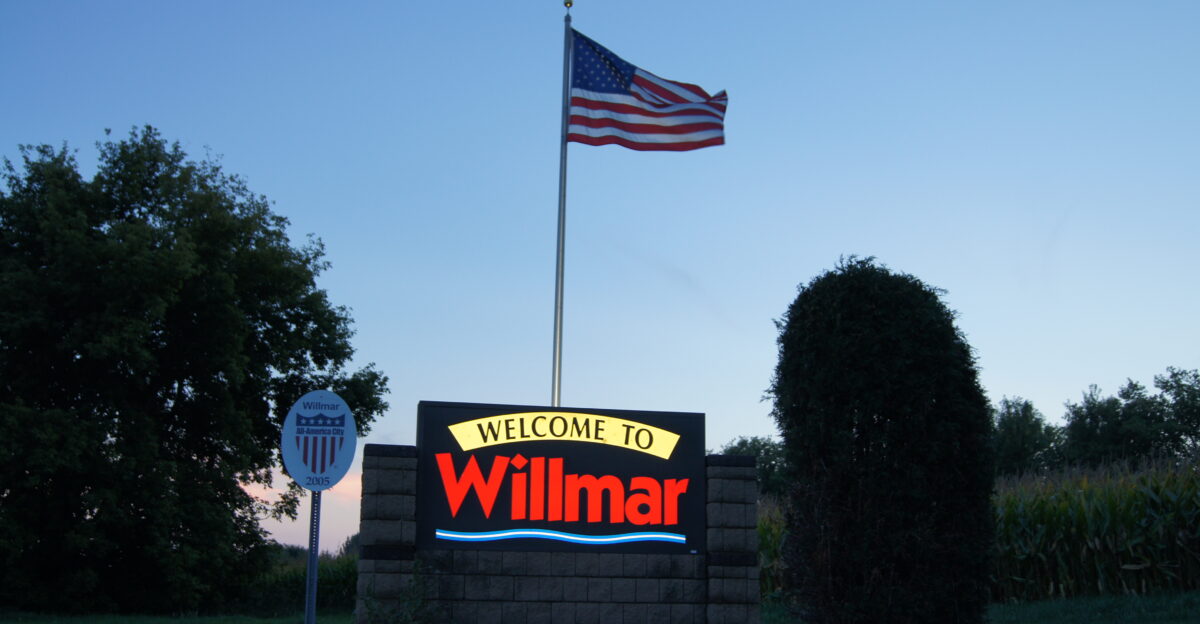
Willmar, located 95 miles west of Minneapolis, has a population of 21,015 that is 23.7 percent Hispanic and 12 percent Black, primarily Somali.
The city’s diversity stems from Jennie-O Turkey Store’s labor demands, which attracted thousands of immigrants to a county that voted nearly 65 percent for President Trump in 2024. This demographic-political tension defines contemporary rural American economic reality.
Constitutional and Ethical Concerns

Legal scholars note that while ICE surveillance in public spaces is legally defensible, the tactic of accepting service before arresting servers raises ethical concerns.
Columbia Law Review researcher Maria K. Kam documented ICE’s official policy sanctioning “ruses”—strategic deception to facilitate enforcement. The ACLU has filed multiple lawsuits challenging such practices as Fourth Amendment violations.
Broader Immigration Policy Debate
The incident highlights structural contradictions in U.S. immigration policy: restaurants face chronic labor shortages with 60 percent of food service owners citing staffing as their primary constraint, yet legal immigration pathways inadequately accommodate this demand.
Until Congress creates visa categories matching labor market needs, enforcement operations will continue imposing economic damage while failing to resolve underlying policy contradictions, experts argue.
Sources:
“ICE agents eat at small-town Mexican restaurant, then detain workers.” Star Tribune, January 15, 2026.
“ICE Agents Ate at Mexican Restaurant in Small Town, Then Detained Employees.” People, January 18, 2026.
“‘ICE is using my business as a hunting ground.'” CNN Business, January 15, 2026.
“Judge partially blocks Operation Metro Surge tactics against protesters in Minnesota.” JURIST, January 17, 2026.
“Immigrant Workers in the Hardest-Hit Industries.” American Immigration Council, March 18, 2025.
“Reports, videos show how ICE agent Jonathan Ross fatally shot Renee Good.” CNN, January 17, 2026.