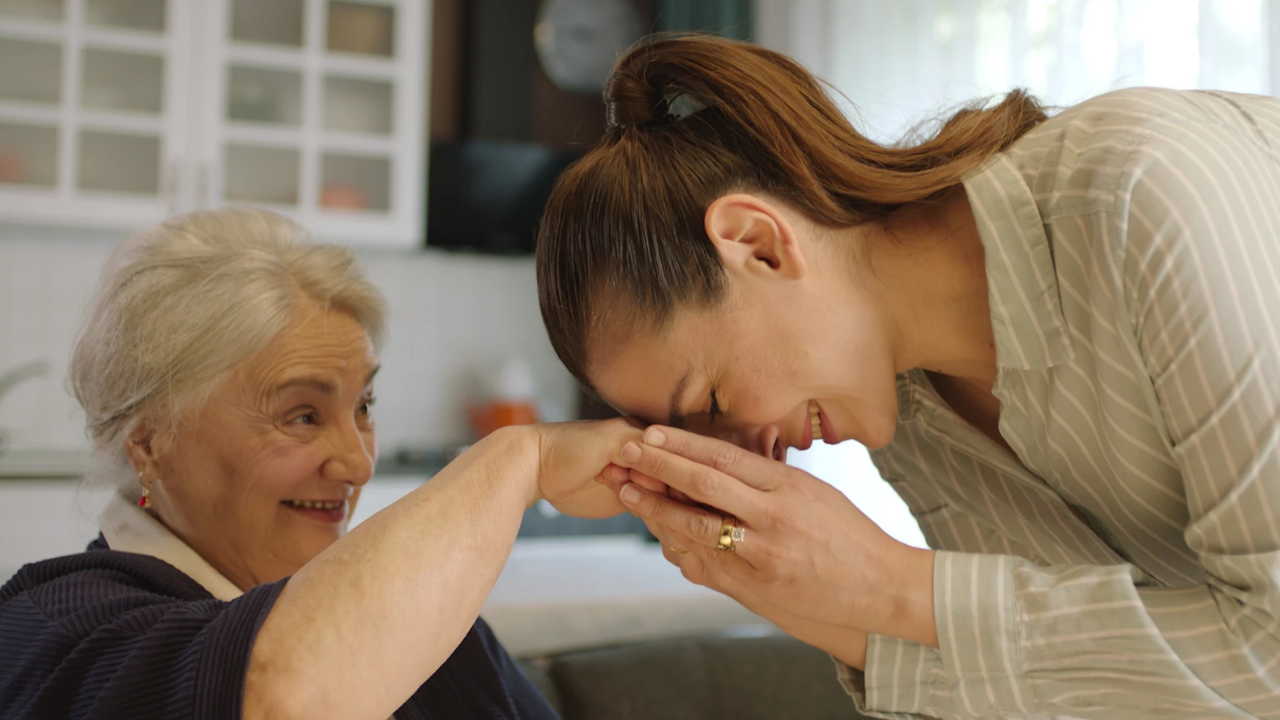
Generational divides in communication, work, and values have never been more pronounced, as Baby Boomers cling to post-war norms while Millennials and Gen Z adapt to a world reshaped by technology, economic upheaval, and shifting priorities.
Baby Boomers, born between 1946 and 1964, internalized unspoken rules around etiquette, loyalty, and sacrifice that guided daily life. These norms arose in an era of steady growth and clear social structures. Younger generations, facing recessions, gig economies, and digital connectivity, prioritize flexibility, authenticity, and well-being. The clash reflects adaptation, not moral failure, as each group responds to its environment.
Phone Call Dread
Boomers saw phone calls as the gold standard for meaningful exchange, signaling respect through real-time attention and clear etiquette. In business, invitations, or family check-ins, a call demanded prompt answers and full focus, outranking written notes.
Younger adults view unsolicited rings differently. Half of Gen Z and Millennials feel uneasy about work calls, with just 16% deeming them effective. Texts and emails allow thoughtful replies and records, while sudden calls often signal trouble. Ringing triggers anxiety for many in Gen Z, who favor asynchronous messaging with emojis for control over timing.
Brand Loyalty’s Decline

Boomers treated brand fidelity as a core virtue, sticking with proven names for cars, groceries, and clothes. More than one in four Boomers—about 26%—rarely or almost never consider switching from their favorite brands, rooted in an era where consistency meant security amid post-war rebuilding.
Younger generations show significantly lower brand loyalty. While 56% of Boomers identify as brand loyalists, only 37% of Gen Z say the same. Meanwhile, 66% of Millennials switch for better value. Abundant choices and online research let them prioritize ethics, sustainability, and transparency over history. They shun firms that lay off workers despite demanding customer allegiance.
Rejecting Hustle Culture

For Boomers, work defined identity. Long hours, weekends, and constant availability proved dedication toward the American Dream of homeownership and retirement. Job titles anchored introductions.
Millennials and Gen Z push back, with 91% reporting burnout or mental health strains and only 36% of Gen Z highly engaged at work. Witnessing parental exhaustion and layoffs, they demand balance, valuing outcomes over hours. “Work to live, not live to work” captures their stance, dismissing endless grind as unsustainable for replaceable roles.
Redefining Gender Roles
Boomer norms locked men into breadwinner roles—stoic, dominant providers—while women handled homes. Deviating invited judgment in a time when female empowerment was emerging.
Younger cohorts embrace fluidity. Millennial and Gen Z men back shared responsibilities, with more stay-at-home dads as women lead earnings. They express emotions openly, pursue “feminine” interests, and reject dominance. Parental leave for men and female CEOs now pass without remark, expanding choices beyond binaries.
Emotional Openness

Boomers prized the stiff upper lip, handling struggles privately to project strength. Family woes, job stress, or personal pain stayed hidden, shared at most with a spouse.
Younger generations normalize vulnerability, discussing anxiety, depression, and doubts publicly. What Boomers call oversharing, they see as courageous authenticity that builds trust. Employers who acknowledge challenges appear relatable, treating workers as whole people.
Formal Business Attire

For Boomers, professional credibility demanded specific wardrobes. Suits, ties, polished shoes, and heels signaled seriousness and respect for workplace norms. Casual Friday was a rare exception, not the rule, and dressing down risked being perceived as uncommitted or unprofessional.
Younger workers have dismantled these dress codes. The pandemic accelerated a shift already underway, with Millennials and Gen Z prioritizing comfort and self-expression over formality. A 2023 Gallup survey found that only 3% of U.S. workers now wear formal business attire, while 41% opt for business casual and 31% wear street clothes. Gen Z views casual dress as an office perk and uses clothing as personal branding. They reject the notion that uncomfortable clothing equals competence, favoring authenticity over conformity in every aspect of work life.
Career Tenure and Company Loyalty
Boomers internalized the social contract of their era: stay with a company, prove loyalty, and earn job security in return. At the start of their careers, Boomers and Gen X remained in their first jobs for around three years, building foundations for long-term employment with a single organization.
Gen Z has shattered this pattern. Their average job tenure during the first five years of their careers stands at just 1.1 years, with Millennials averaging 1.8 years. This isn’t disloyalty—it’s pragmatism. Younger workers witnessed their parents’ loyalty repaid with layoffs during recessions and understand that job security is a myth. In 2025, 54% of Gen Z regularly browse for new roles, and one in three plans to switch jobs within a year. They prioritize career development and growth over staying put, recognizing that the old loyalty model has become one-sided. When employers fail to provide clear advancement paths, younger workers move on without hesitation.
Respect for Hierarchy
Boomers navigated corporate ladders where hierarchy was sacred. Deference to authority, formal titles, and top-down decision-making defined workplace culture. Challenging a superior was career suicide, and access to executives was tightly controlled through layers of management.
Younger generations reject rigid hierarchies as outdated and counterproductive. A striking 65% of Gen Z prefer team-based structures, with 30% favoring flat organizations—only 5% choose traditional hierarchy. Digital communication tools like Slack and Teams have leveled the playing field, making Gen Z comfortable contacting senior leaders directly without regard for organizational charts. They view hierarchy as a barrier to innovation and expect transparency from leadership. Meanwhile, 42% of Gen Z professionals don’t want middle management roles at all, and only 6% see becoming a senior executive as their primary career goal. They seek impact over authority, autonomy over hierarchy, and collaboration over command-and-control structures.
The Path Forward
These shifts signal broader evolution. Boomers thrived in stability; younger groups navigate volatility. By 2030, Gen Z will comprise 30% of the workforce, and Millennials lead firms, making hybrid approaches essential. Businesses blending Boomer reliability with youthful innovation—merging calls and texts, loyalty with ethics, formal structure with flexibility—stand to gain. Mutual learning across divides promises stronger outcomes than isolation.
Sources;
Fortune, “Gen Z is rejecting Boomer work rules in 5 key ways that will…”, February 13, 2025
BBC News, “Why Gen Z & Millennials are hung up on answering the…”, August 25, 2024
Robert Walters, “How phone anxiety divides Gen Z, millennials and boomers”, August 27, 2024
VegOut Magazine, “8 things boomers think are polite that younger generations secretly find passive aggressive…”, December 15, 2025
Stacker, “Anti-hustle culture 2026: Gen Z’s rebellion against burnout”, December 11, 2025
Forbes, “How The Boomers Differ From Everybody In Their Approach to Online Privacy”, April 17, 2016