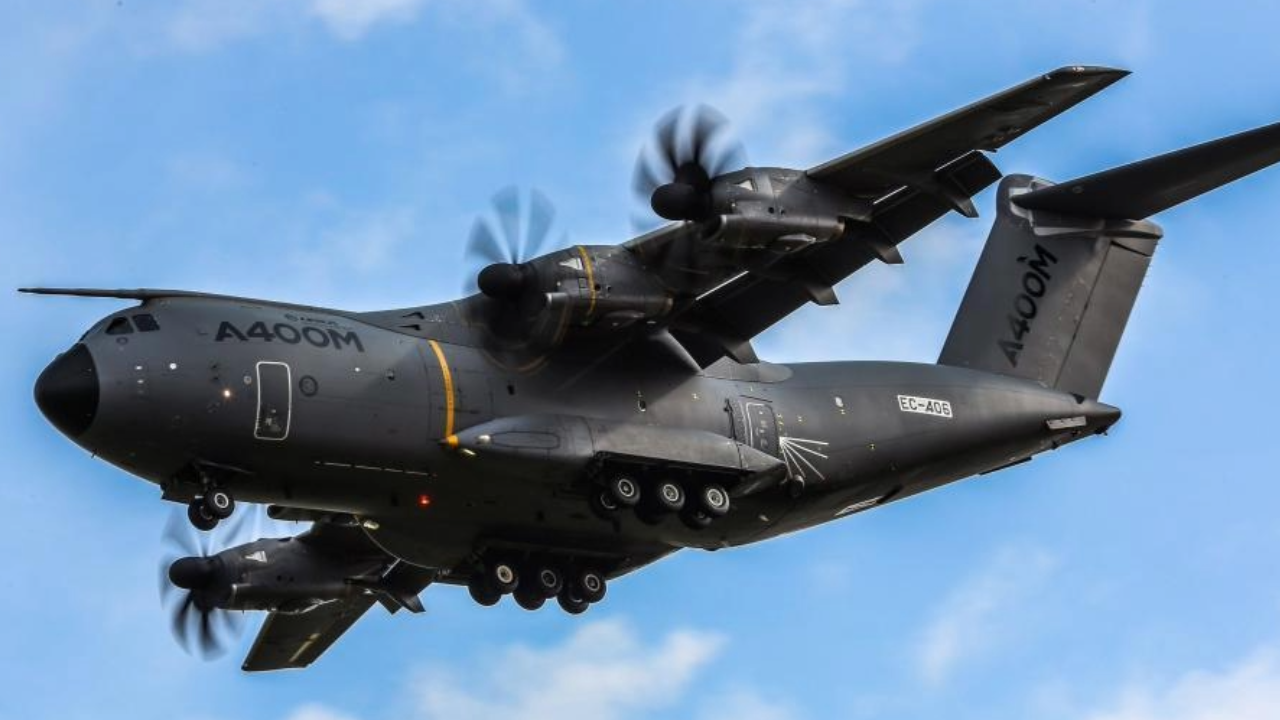
A grey, unmarked aircraft skimmed low over Caribbean waters, targeting a small boat below. A missile hit, erupting in a white flash that killed 11 people instantly and scattered debris across the sea. This September 2, 2025, strike launched a covert U.S. campaign that would claim at least 114 lives over four months, blending drug interdiction with counter-terrorism tactics and igniting global debate over legality and human cost.
Covert Campaign Unleashed
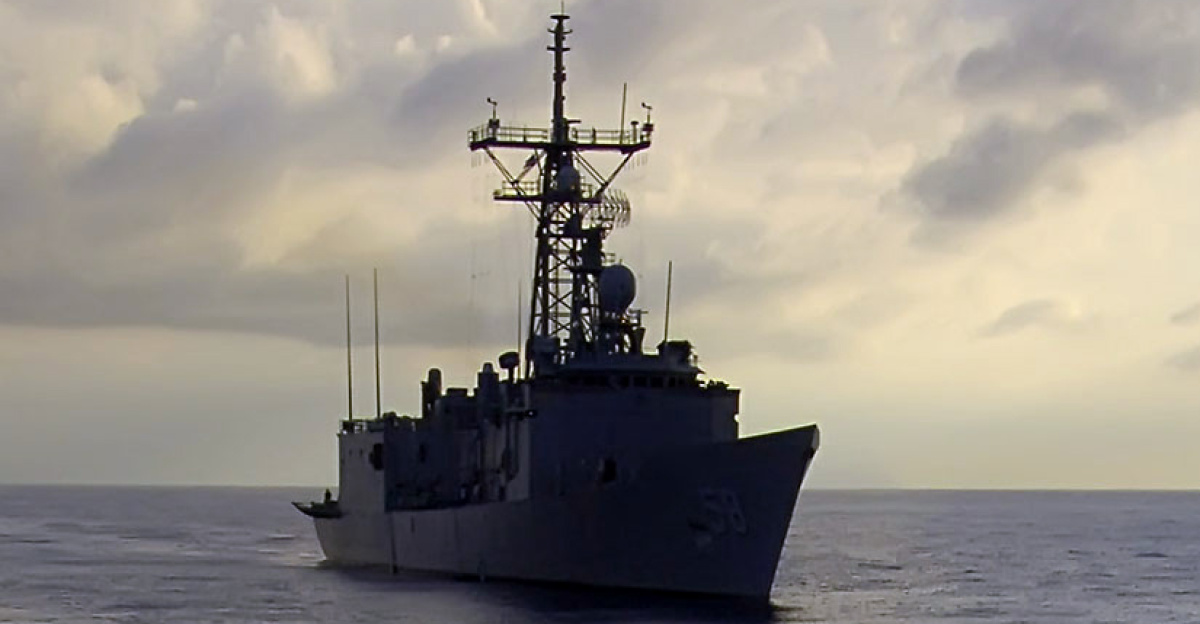
By November 2025, the U.S. had amassed its largest Caribbean military presence since the Cuban Missile Crisis. Warships, bombers, and robotic surveillance units targeted networks linked to Venezuelan cartels, including Tren de Aragua. President Trump designated these groups as combatants, framing operations as a non-international armed conflict. This hybrid approach marked a sharp departure from routine interdictions, escalating to airstrikes and blockades.
Drug War Escalation
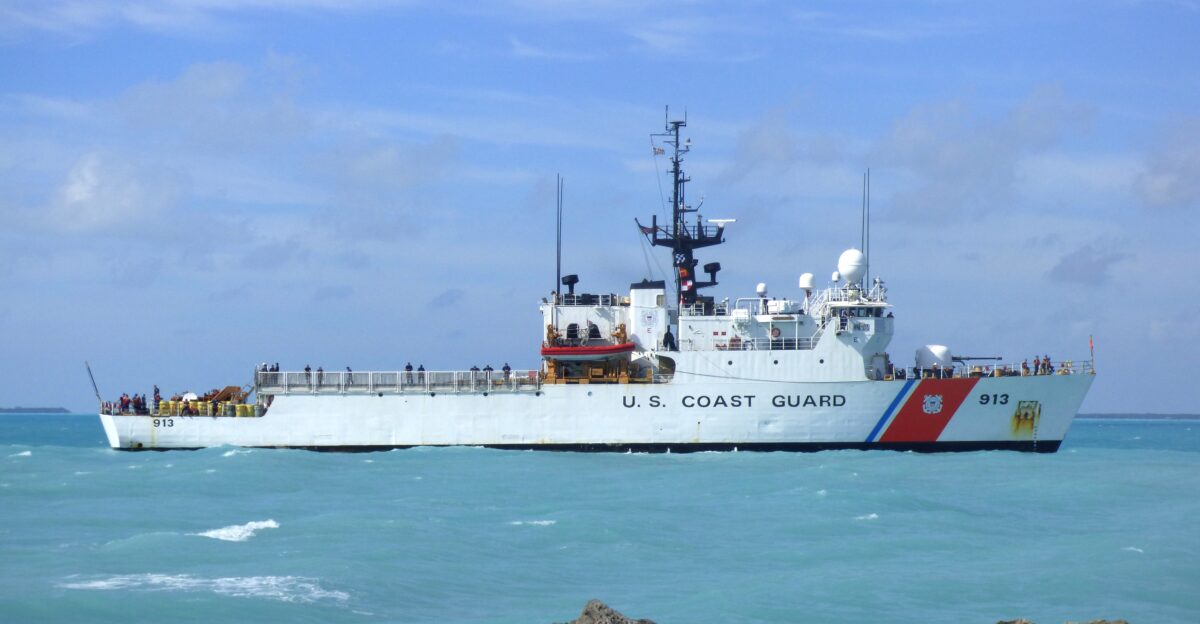
Tensions surged in August 2025 when Trump issued a secret directive authorizing lethal force against designated terrorist cartels. Traditional boat boardings gave way to aggressive air attacks. By December, operations included oil tanker blockades and a CIA drone strike on Venezuelan soil. Venezuelan President Nicolás Maduro carried a $50 million U.S. bounty as a top narco-trafficker. The campaign disrupted illicit routes but drew fire for its lethality, with no pre-strike boarding attempts.
Perfidy in the Strike
The September 2 incident epitomized the controversy. Admiral Frank “Mitch” Bradley ordered a follow-up strike on two survivors clinging to wreckage, an action legal experts labeled perfidy under international law. Unmarked aircraft mimicking civilian planes stunned observers, violating rules against concealed combatants. Video footage released by Trump showed only the initial blast, omitting the second hit and fueling cover-up accusations. Public outrage intensified over the double-tap tactic.
Caribbean and Global Fallout
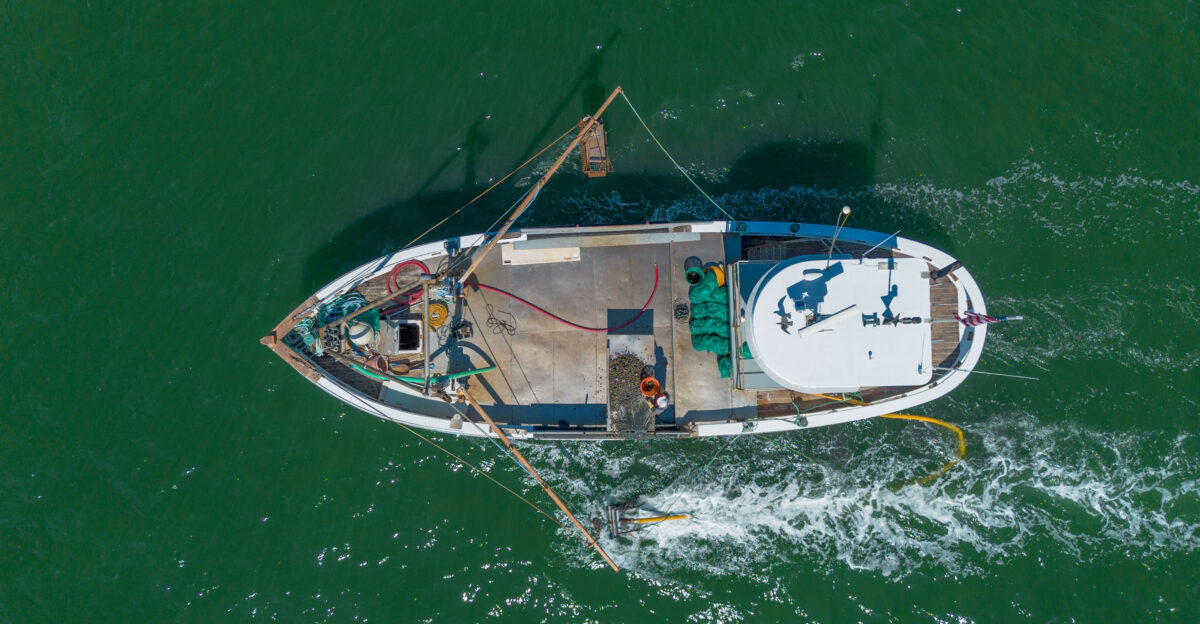
The 35 strikes from September 2025 to January 2026 killed at least 114, averaging nearly eight per month. Caribbean fishing economies suffered as operations disrupted local waters, sparking protests in ports. The UN and neighboring governments condemned the deaths as extrajudicial killings, noting civilian casualties among suspected criminals. Survivor families demanded accountability from U.S. and Colombian authorities, insisting some victims were innocent fishermen. Bipartisan U.S. congressional pushback led to classified briefings on operational legality.
Tactical Shifts and Scrutiny
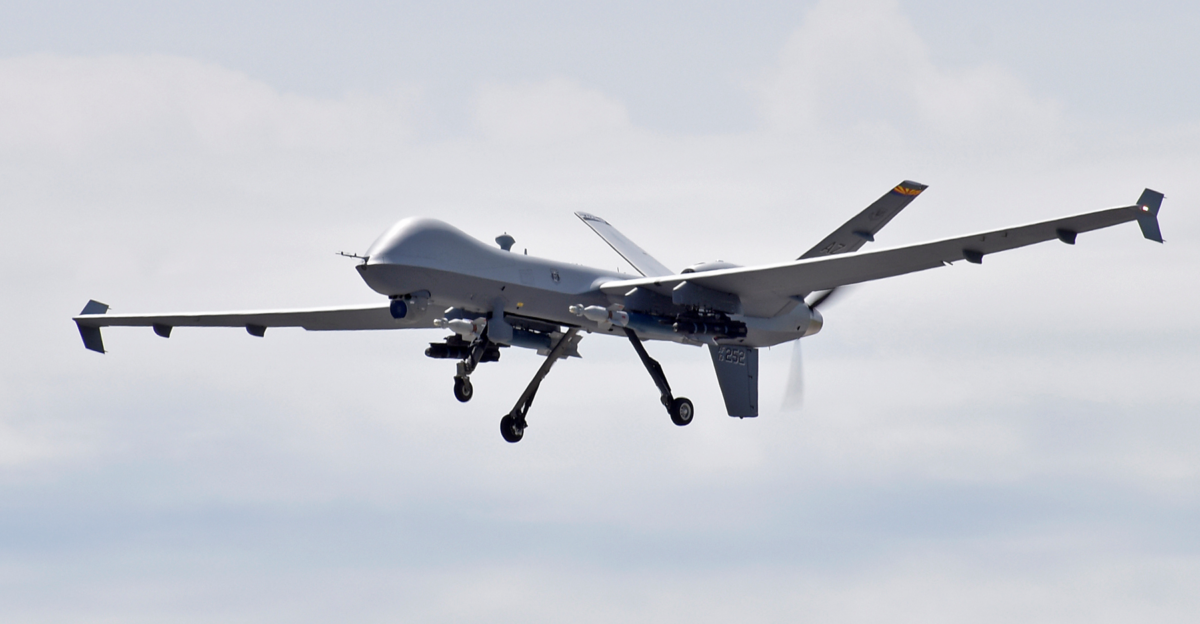
Retired Air Force Major General Steven Lepper criticized the unmarked aircraft as a perfidy violation. In response, the U.S. switched to clearly marked MQ-9 Reaper drones for later strikes. Operations expanded, culminating in Maduro’s January 2026 capture. Congress grilled Pentagon officials on war crime risks, while experts like Pino Arlacchi questioned the campaign’s legal foundation as politically driven against Venezuela. The Trump administration invoked inherent authority, but internal doubts persisted amid no formal use-of-force authorization.
These operations disrupted drug trafficking but exposed tensions between security imperatives and international norms. With Maduro in U.S. custody facing charges, questions linger over shadow warfare’s ethics, potential court challenges, and future rules for such conflicts. The campaign’s legacy may reshape Caribbean stability and global standards for counter-narcotics enforcement.
Sources:
“U.S. Attacked Boat With Aircraft That Looked Like a Civilian Plane.” The New York Times, 12 Jan 2026.
“Exclusive: Boat at Center of Double-Tap Strike Controversy Was Headed to Suriname, Admiral Tells Lawmakers.” CNN, 5 Dec 2025.
“US Strikes in Caribbean and Pacific Breach International Law, Says UN Rights Chief.” UN News, 30 Oct 2025.
“From Caracas ‘Fort’ to New York Court: Maduro’s Capture in Pictures.” BBC News, 4 Jan 2026.