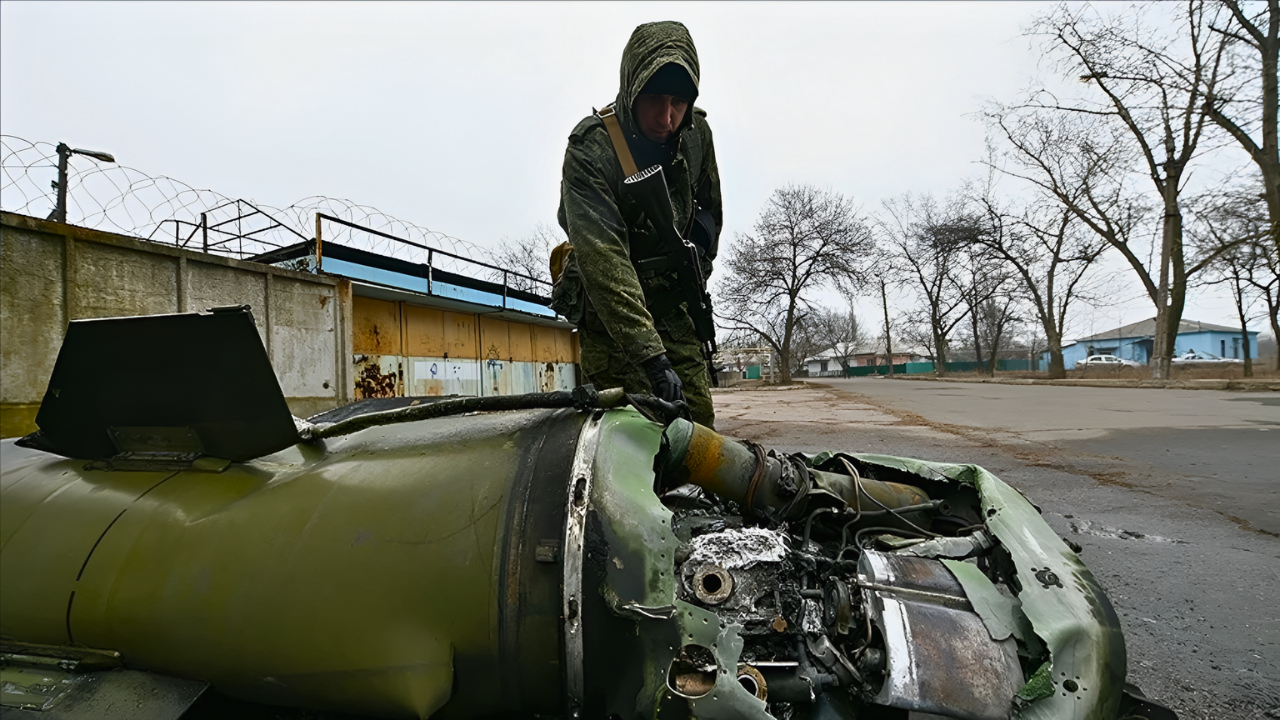
Russia’s artillery capability is disintegrating under sustained battlefield pressure in Ukraine. By mid-January 2026, Ukrainian forces had destroyed 36,182 Russian artillery systems since the invasion began in February 2022, with daily losses frequently exceeding 80 pieces. Defense analysts describe this hemorrhage as evidence of a collapsing strategic advantage that Moscow once relied upon to overwhelm Ukrainian defenses. Each lost gun means fewer shells reaching the front and mounting strain on Russia’s ability to sustain offensive operations.
Accelerating Attrition
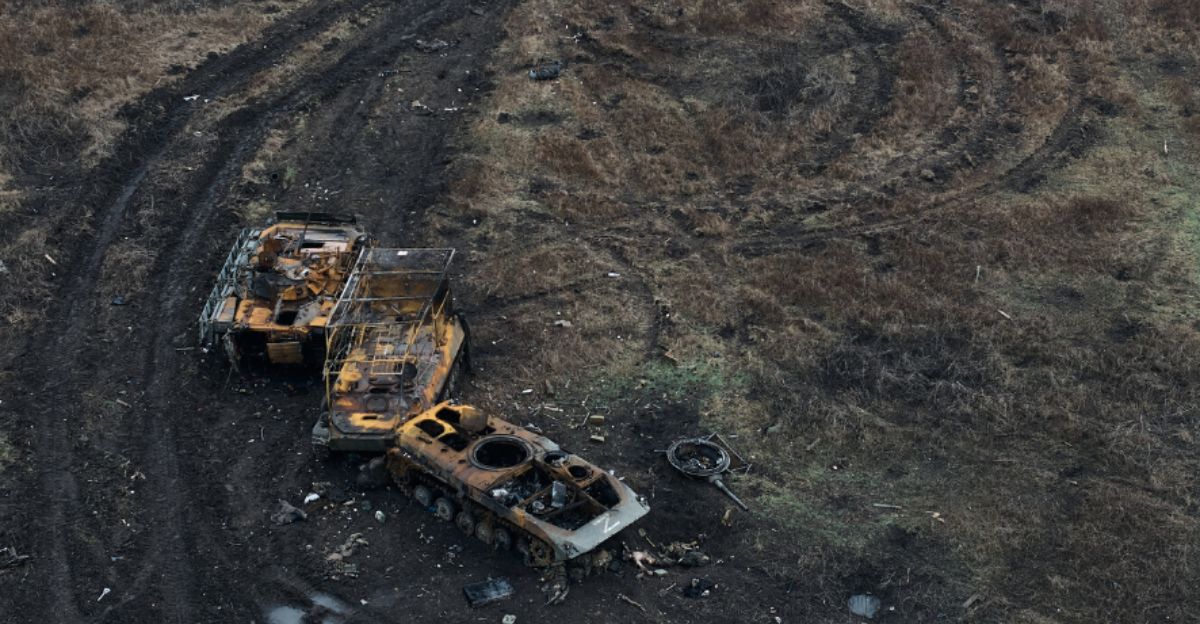
The pace of destruction has intensified dramatically. Ukrainian intelligence reports indicate loss rates in early 2026 reached the highest levels recorded since 2023, driven by improved drone precision and NATO-supplied targeting systems. In just the first two weeks of January, Russia lost more than 300 artillery pieces. Ivan Kyrychevskyi, a Defense Express analyst, noted the Kremlin traditionally depended on sheer volume to compensate for quality gaps, but without viable replacements, even numerical superiority is evaporating.
Artillery divisions now field outdated or improvised weapons, and commanders scramble to plug gaps with equipment pulled from long-dormant storage facilities. What began as gradual erosion has accelerated into a full crisis.
Soviet Stockpiles Run Dry
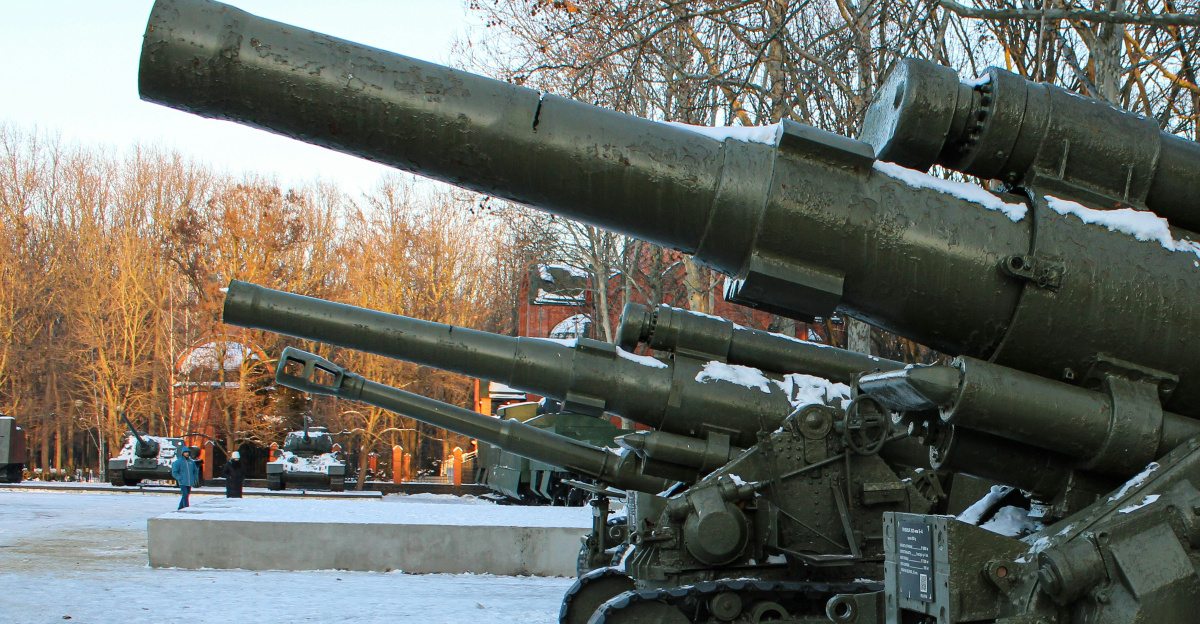
When Russia launched its full-scale invasion in February 2022, analysts assumed its Soviet-era artillery reserves were nearly limitless. Four years later, those assumptions have collapsed alongside Moscow’s stockpiles. Data from the Center for Strategic and International Studies shows cumulative losses crossed 35,000 systems by early 2025, with many dating back decades.
Spare parts have become nearly impossible to source, forcing Russia to resurrect derelict models from abandoned warehouses. Defense experts describe the spectacle as fighting a twenty-first-century conflict with Cold War relics. Weapons long considered backup options are now Moscow’s frontline mainstay, a strategic reversal that underscores the depth of Russia’s supply crisis.
Museum Pieces Enter Combat
In late 2024, Ukrainian drone operators made a startling discovery: a D-74 towed howitzer, a 122-millimeter gun designed in the 1950s, had reappeared on the battlefield for the first time since the Cold War ended. The weapon had vanished from Russian inventories decades ago, suggesting it arrived via external supply channels, likely from North Korea, where D-74 systems remain in limited service. Ukraine’s 413th Raid Regiment destroyed one of these relics using precision drone strikes in late 2024.
The D-74 offers a maximum range of nearly 24 kilometers, giving Russian forces extended reach compared to more common artillery, but its appearance signals desperation. Kyrychevskyi characterized the weapon’s deployment as clear evidence of acute reserve depletion. Each D-74 requires a 10-person crew and weighs 5.5 tons, making repositioning slow and exposing operators to drone attacks. The tactical advantages it provides are minimal compared to the vulnerabilities it introduces.
North Korean Dependency

Russia’s growing reliance on North Korean military supplies marks a significant strategic shift. Pyongyang still operates aging D-74 guns and produces compatible 122-millimeter ammunition, making it a convenient, if questionable, supplier. Defense Express analysts describe this dependency as one of the clearest indicators of Russia’s production collapse.
Moving ammunition across 7,000 kilometers from North Korea to Ukrainian battlefields presents immense logistical challenges, yet Moscow appears willing to accept these costs. Reports indicate stockpiles are arriving by rail, though Ukrainian strikes routinely intercept shipments before they reach the front. CSIS researchers warn that sustaining a war of attrition becomes impossible when ammunition supplies dwindle faster than they can be replenished. Russia’s domestic production has failed to keep pace, leaving its army firing progressively fewer rounds each month while scrambling for foreign assistance.
Strategic Endgame
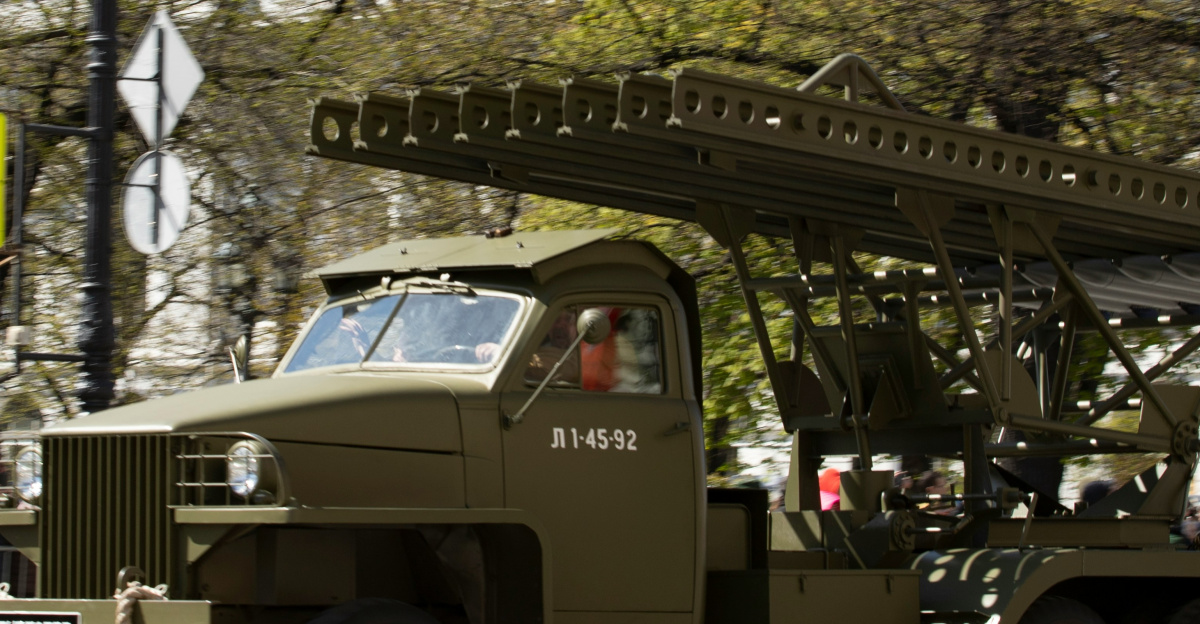
Analysts question whether Moscow’s strategy remains viable. Ukrainian drones and counter-battery radar systems make obsolete artillery easy targets, and NATO briefings estimate Russia loses between two and five guns for every Ukrainian system destroyed. CSIS researchers describe this attrition rate as strategically unsustainable, particularly as foreign stockpiles also begin to deplete.
Pyongyang can provide only limited assistance, and Russia’s ability to innovate under sanctions remains constrained. If current trends persist, some defense specialists warn Russia’s artillery arm could face total operational collapse within a year. With over 36,000 systems destroyed, scarce ammunition, and dwindling reserves, Moscow’s once-feared artillery advantage is disappearing. Whether the Kremlin can adapt or merely endure will determine if its firepower survives 2026.
Sources:
index.minfin.com.ua, Casualties of the Russian troops in Ukraine, 15 January 2026
Defense Express, It Became Known russian Losses During This Week, January 2025
MSN / Defense Express, Russia’s First D-74 Howitzer Loss Confirmed—A 1950s “Museum Piece” Back on the Battlefield, 26 August 2025
CSIS, Russia’s Battlefield Woes in Ukraine, 5 March 2025