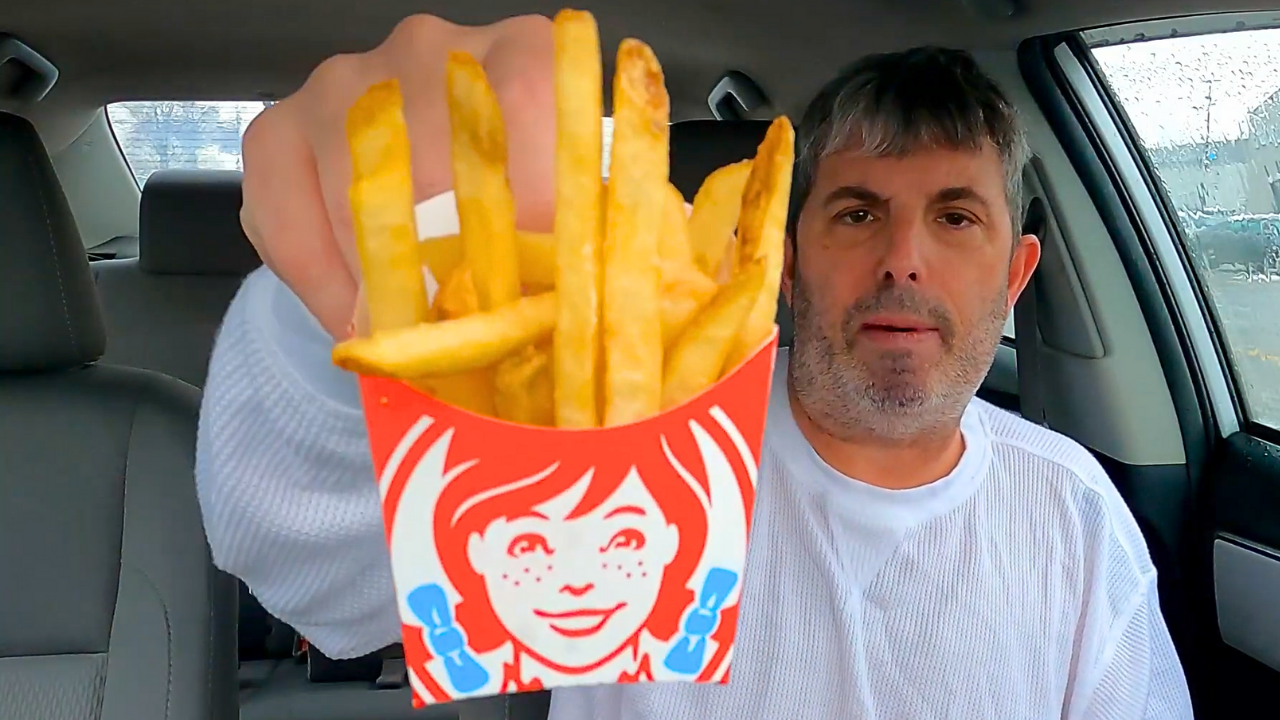
Wendy’s fans may have noticed something subtly different about their favorite fountain drinks over the years. The original 42-ounce “Great Biggie” has quietly shrunk to 35 ounces, while the 32-ounce “Biggie” is now 30 ounces—a 17% reduction for the largest size. Customers have continued paying the same prices, largely unaware of the change.
“Shrinkflation,” as industry experts call it, explains how the downsizing went under the radar. Wendy’s carefully executed portion control strategy highlights a shift in fast-food operations—reducing size without attracting public scrutiny. Here’s what’s happening behind the scenes of this iconic brand.
How the 2006 Rebrand Set the Stage
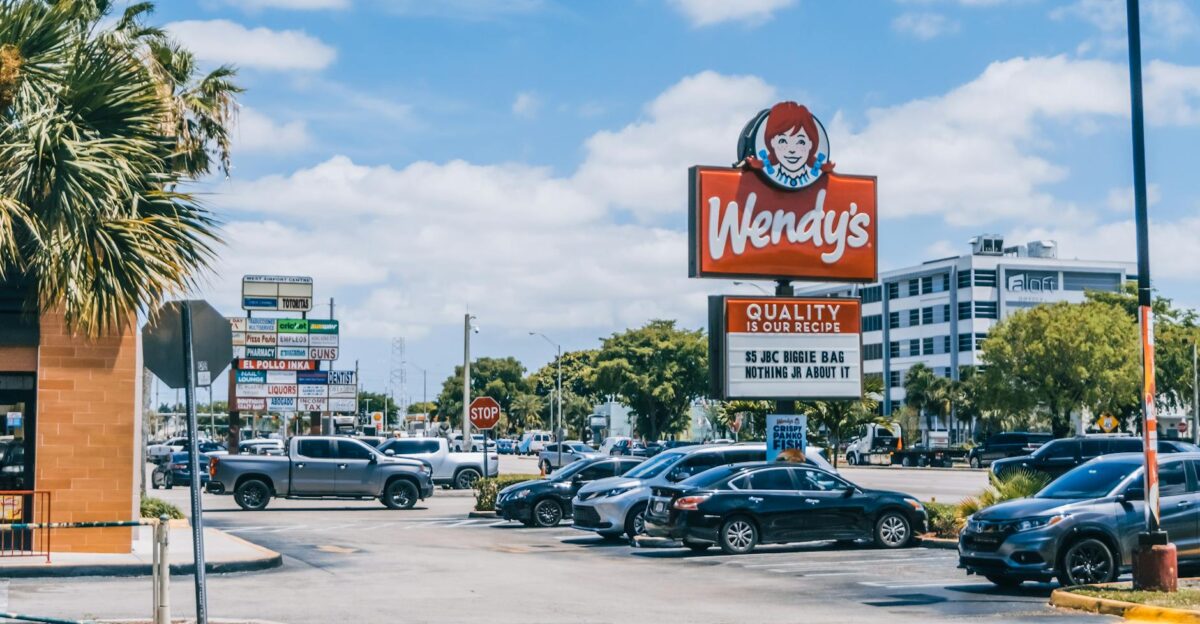
In June 2006, Wendy’s phased out the “Biggie” and “Great Biggie” names on menu boards, rebranding them simply as “medium” and “large,” according to CBS News. At the time, drink sizes remained the same, but the rebranding was aimed at reducing customer confusion and responding to growing health concerns about oversized portions.
Company spokesman Denny Lynch explained that the move addressed these issues while aligning the brand with more standardized offerings. Over the next few years, however, the actual cup sizes quietly shrank, according to employee reports documented by Tasting Table in December 2025, marking the start of gradual reductions that largely escaped public notice.
Gradual Reductions Went Unnoticed
After the 2006 rebrand, Wendy’s reduced drink sizes without fanfare. The “Great Biggie” dropped from 42 ounces to 35 ounces, a 7-ounce, 17% decrease. The “Biggie” went from 32 ounces to 30 ounces. Customers continued paying the same prices, unaware of smaller portions—a textbook example of shrinkflation noted by The Daily Dot in March 2024.
Multiple Wendy’s employees confirmed these reductions on Reddit, emphasizing that the changes happened slowly over years, with no official corporate announcement. This quiet approach allowed Wendy’s to adjust portions while minimizing customer backlash.
Competitors Took Different Paths
Wendy’s wasn’t alone in responding to public health scrutiny. McDonald’s publicly phased out its “Supersize” options in March 2004, following health advocacy pressure and the release of Morgan Spurlock’s documentary Super Size Me, according to CBS News. Unlike McDonald’s, Wendy’s took a quieter route, opting for gradual reductions after rebranding.
A 2007 study in the Journal of Public Health Policy by nutritionists Lisa R. Young and Marion Nestle documented the shift: “Wendy’s drops the terms Biggie and Great Biggie to describe soda and French fries and instead adopts the terms Small, Medium, and Large.” This illustrates an industry-wide trend toward more moderate portions.
Nostalgia Meets New Value Strategies
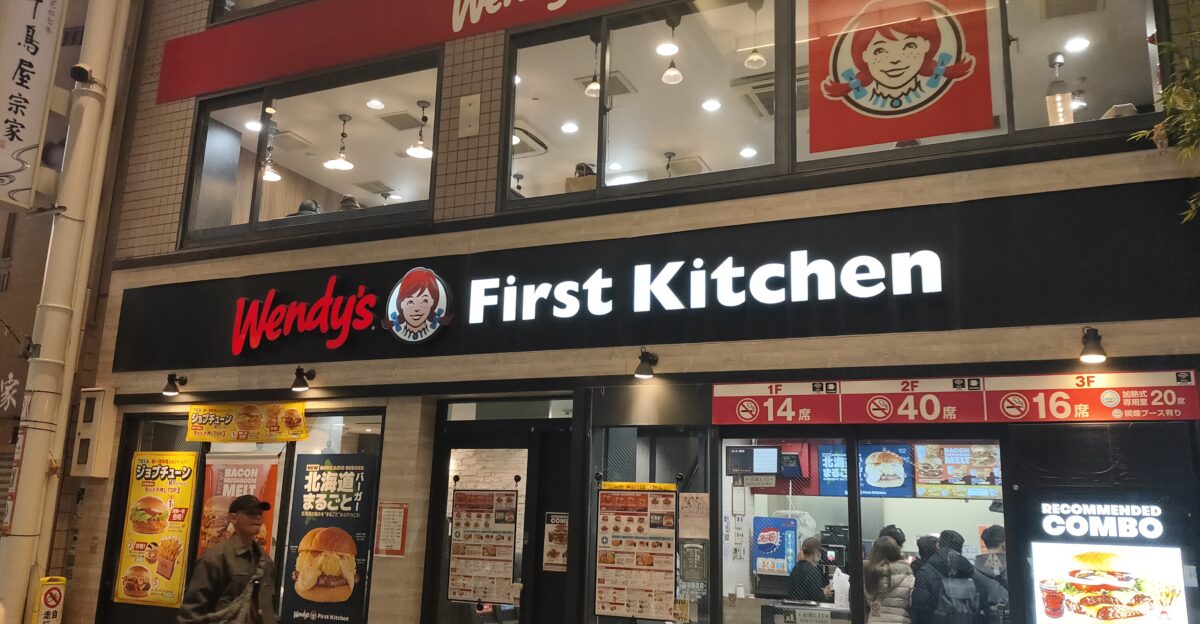
The Super Value Menu, launched in 1989, originally offered Biggie drinks for just 99 cents. Prices rose steadily over time, even as cup sizes decreased. In 2019, Wendy’s revived the nostalgic “Biggie” branding with the “Biggie Bag,” a value meal priced around $5, reported by TheStreet. By January 2026, Wendy’s expanded the concept with “Biggie Deals” at $4, $6, and $8. This shift ties the iconic name to value rather than size, reflecting the company’s evolving strategy as customers increasingly prioritize price and convenience over sheer portion size.
Health, Legal Scrutiny, and Global Standardization
Health consciousness has long influenced fast food, especially after the 2004 release of Super Size Me, which documented filmmaker Morgan Spurlock’s 25-pound weight gain from eating exclusively at McDonald’s for a month. The study contributed to Wendy’s decision to phase out Biggie labels and gradually reduce drink sizes.
Even today, the largest 35-ounce drink is five times larger than McDonald’s 7-ounce offering in 1955, according to research by Young and Nestle. Global implementation followed, with over 1,300 international locations standardizing portions by 2025, according to Food Business News. Meanwhile, lawsuits over perceived burger size misrepresentation, dismissed in 2023, underline ongoing scrutiny over portion transparency.
Shrinkflation’s Lasting Impact
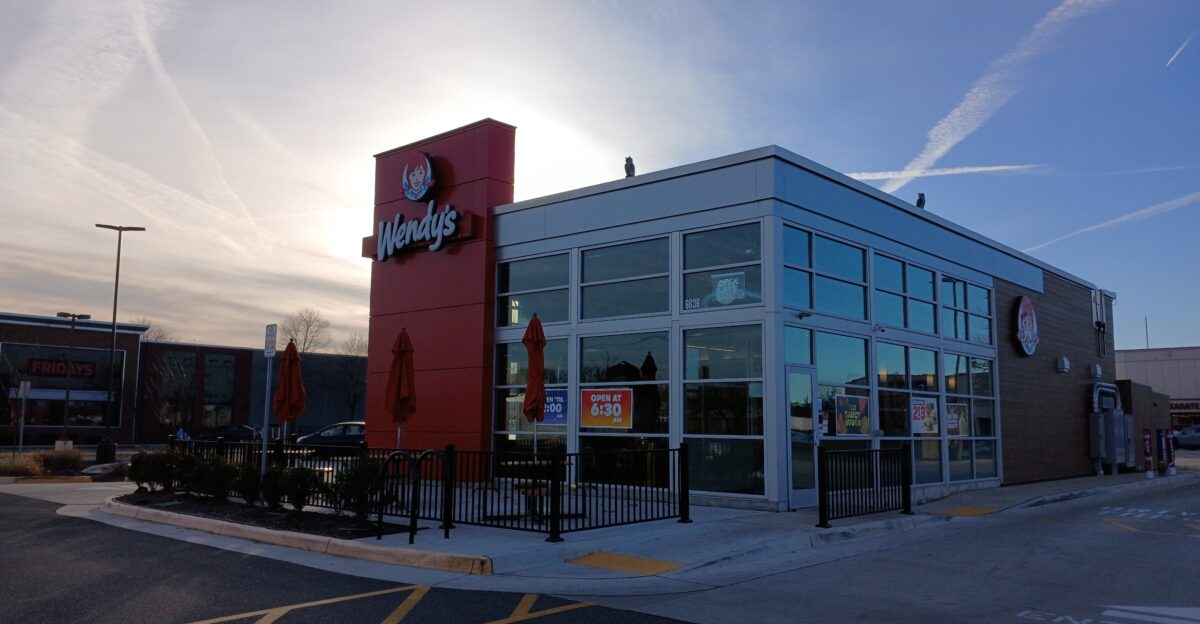
The downsizing of Wendy’s drinks has fueled both nostalgia and frustration among longtime fans, especially on forums like Reddit, where users noted smaller sizes and stable or rising prices. The perception of shrinkflation has affected Wendy’s reputation, even as Frosty sales remain a bright spot.
In November 2025, the company announced closures of roughly 300 underperforming U.S. locations, reflecting competitive pressures and shifting consumer preferences toward value-focused options. Wendy’s “Biggie Bag” and “Biggie Deals” indicate that value, not sheer size, now defines the fast-food battleground. The industry faces a delicate balance: maintain profitability, honor health trends, and preserve consumer trust.
Sources:
Wendy’s Tosses ‘Biggie’ Size. CBS News, June 2006.
Portion Sizes and Obesity: Responses of Fast-Food Companies. Journal of Public Health Policy (Lisa R. Young and Marion Nestle), 2007.|
McDonald’s Scrapping ‘Supersize’. CBS News, March 2, 2004.
McDonald’s and Wendy’s win false advertising lawsuit. CNN, October 4, 2023.|
Wendy’s to begin closing hundreds of stores. USA Today, November 7, 2025.
Wendy’s aims for 2000 international restaurants. Food Business News, March 11, 2025.