
You don’t need long, intense gym sessions to take care of your health. Staying fit can happen through many small actions during your day. Simple things like walking more, doing housework, or standing up often can burn calories and support your heart, brain, and metabolism. A day full of light movement can be as important as one tough workout. The gym still has value, but it’s not the only path to fitness.
People who move often, even without planned exercise, naturally maintain better energy and health. Walking to the store, tidying the house, or carrying groceries all help your body stay active. Over time, those simple movements build strength and stability without much extra effort.
Small Changes That Keep You Moving
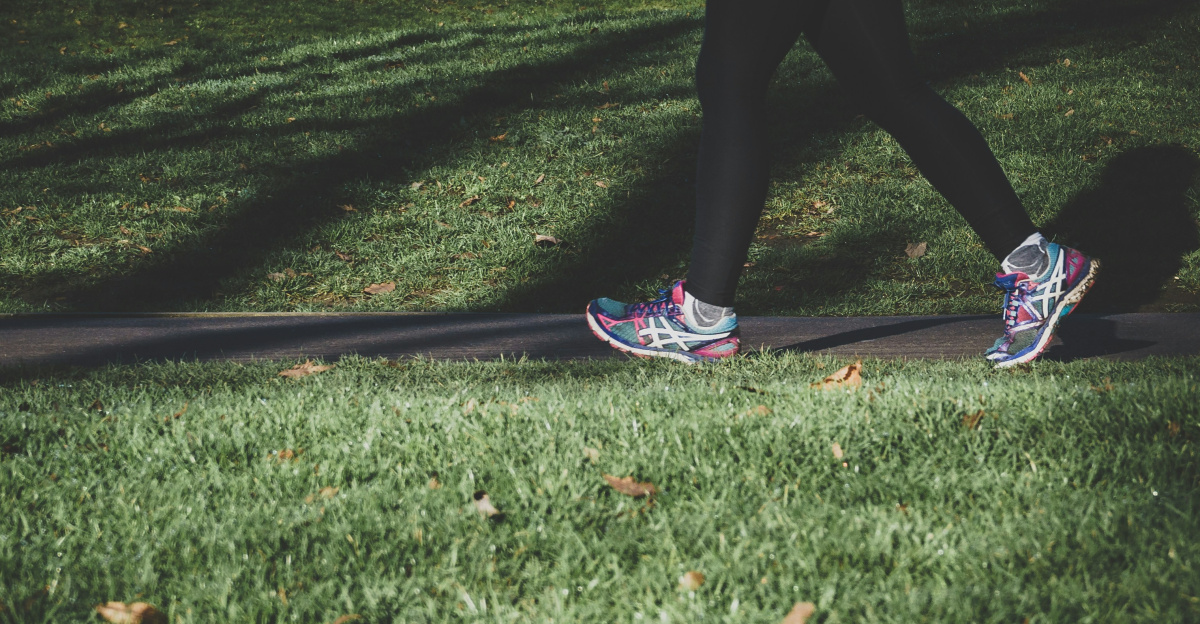
A key habit of people who stay fit easily is walking often. They walk to bus stops, across offices, or while talking on the phone, treating walking as normal rather than special exercise. Try to make walking your default option, get off the bus one stop early or have walking meetings. These small choices add up to thousands of extra steps each week.
Housework also gives your metabolism a natural boost. Tasks like cleaning, cooking, gardening, and doing laundry all require energy. Instead of avoiding chores, use them as chances to move more. Scrub, sweep, lift, and carry with purpose. These daily tasks keep both your living space and your body in good shape.
If you spend hours sitting, your health can suffer, even if you work out later. Sitting too long raises the risk of weight gain, heart disease, and blood sugar problems. Break up sitting time by standing, pacing during calls, or stretching every hour. Even a few minutes of movement here and there can help improve circulation and metabolism.
Simple Daily Habits for Better Health

Sleep is a huge part of staying fit. Adults who regularly sleep less than seven hours tend to gain more weight and feel hungrier. That’s because lack of sleep upsets hormones that control fullness and appetite. Getting seven to nine hours of rest most nights helps regulate blood sugar and stress hormones. To sleep better, set a regular bedtime, avoid screens before bed, and treat sleep like a vital part of your fitness plan.
Drinking enough water also helps maintain balance. Water won’t replace healthy eating or exercise, but it can gently support weight control. Having a glass before meals may help you eat less by making you feel full sooner. Pair this with slower, more mindful eating, notice when you’re hungry and when you’re satisfied.
Base your meals on unprocessed foods like fruits, vegetables, beans, whole grains, nuts, olive oil, fish, and lean meat. These foods provide fiber, healthy fats, and lasting energy. You don’t have to be strict; just make gradual swaps, like adding an extra vegetable or switching from white bread to whole grain. Meal prepping can make this easier, cook or portion out food in advance so healthy choices are always ready.
Move, Relax, and Enjoy Your Routine

Managing stress is another hidden part of staying in shape. When you’re under constant pressure, your body releases more cortisol, which can increase belly fat. Short periods of calm each day—like deep breathing, stretching, or listening to music, can help lower stress and protect your long-term health.
Your free time also plays a big part in how active you are. Swapping some screen time for active hobbies can improve both mood and fitness. Try dancing, gardening, hiking, or playing with pets. When you do things you enjoy, movement feels natural instead of forced exercise.
Mindful eating also supports healthy weight without strict rules. Slow down, eat without distractions, and pay attention to taste and fullness. This helps you avoid overeating and learn which foods truly make you feel good. You don’t need to label foods as “good” or “bad.” Instead, find a balance that keeps you feeling comfortable and energized.
Even small, unplanned movements make a difference, standing at a counter, unloading the dishwasher, walking while on the phone, or simply fidgeting burns energy. The Obesity Medicine Association reports that small daily movements can add up to as many as 2,000 calories burned in a day, equal to an extra day’s worth of food.
Experts still recommend combining these natural movements with regular exercise: at least 150 minutes of moderate activity per week and muscle-strengthening work twice a week. Together, these habits build a strong body, stable weight, and long-lasting health.
If you have a desk job, you can still fit in motion, use a standing desk, take the stairs, walk to talk to coworkers, or stretch every hour. These tweaks restore the natural movement that modern life often removes.
Sources:
Mayo Clinic, “NEAT and Everyday Movement”
Obesity Medicine Association, “Why Small Habits Matter More Than Marathon Workouts”
JAMA Internal Medicine, “Walk More Everywhere You Can”
American Heart Association ATVB, “Slow and Steady Walking Can Match Running”