
Roller rinks, drive-ins, vinyl records, and neighborhood parties all offered simple, real-world fun where people focused on each other, not on screens or social media. Many of these older habits are popular again with Gen Z, who see them as a break from constant notifications and digital pressure.
Rolling, Dancing, and Just Having Fun
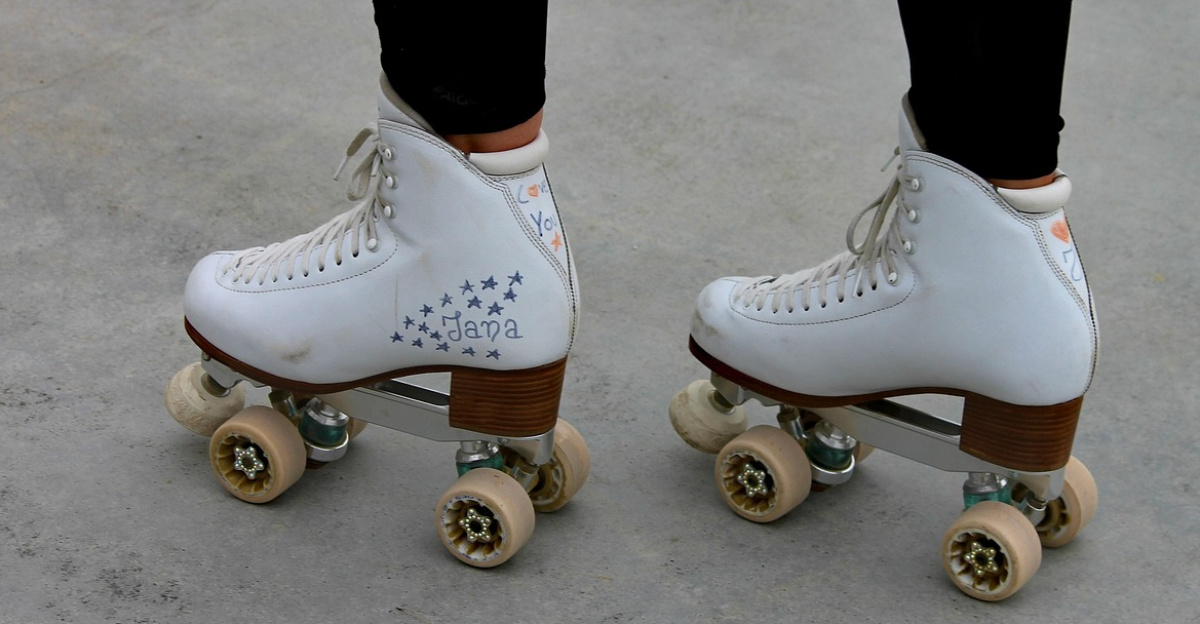
After World War II, roller rinks opened all over the United States, and by the 1950s they were a favorite place for kids’ birthday parties. In the 1970s, the disco trend turned rinks into “roller discos,” with mirror balls, loud rock and disco music, and early arcade games that made them feel exciting and new. New urethane wheels made skating smoother and quieter, helping roller skating grow into a real sport instead of just a pastime.
These rinks became gathering places where teenagers and families could move to the music without actually having to dance on a floor. People skated, ate snacks, and talked, all without worrying about taking photos or filming every moment. Gen Z finds this kind of space appealing today because it offers genuine in-person fun with no algorithms, no feeds, and no pressure to perform for an audience.
Movies, Music, and Slow Entertainment
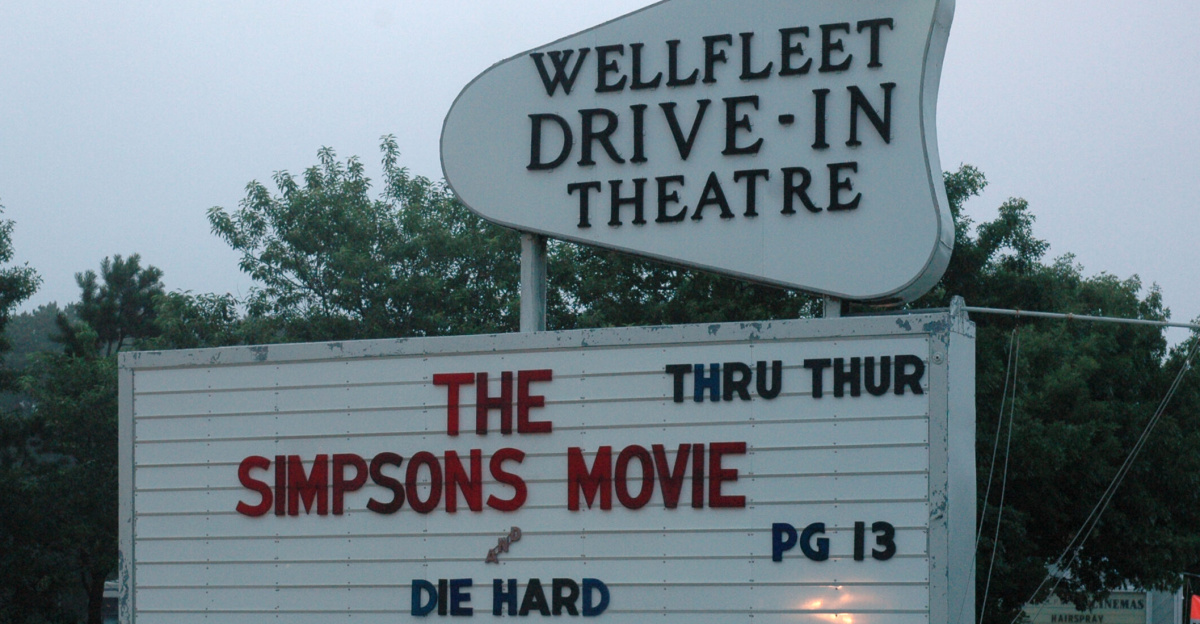
Drive-in movie theaters boomed in the 1950s and 1960s, with more than 4,000 locations across the country, mostly outside big cities. The first American drive-in opened in 1933 in Camden, New Jersey, but it was the rise of car ownership after World War II that really made outdoor movies popular. Families liked that they could attend cheaply, bring very young children, and create comfortable “nests” in their cars with blankets, snacks, and whispered conversations under the night sky.
Tickets were affordable, and children under 12 often got in for free, making the experience feel both private and communal. People could be together, talk quietly, and enjoy the film without constantly checking their phones, something many now miss in modern theaters. Although VCRs and rising gas prices in the 1970s caused many drive-ins to close, a small revival has come as younger generations look for offline, shared experiences.
At home, listening to vinyl records in the 1970s and 1980s meant choosing one album and sticking with it, flipping it over when needed and paying close attention to the music. Friends would gather around a turntable, argue about which track was best, and carefully lower the needle so they wouldn’t scratch the record. Cassette mixtapes took this attention a step further, as people spent time recording songs from the radio or other tapes, timing each track so it fit perfectly.
These mixtapes worked as emotional gifts, capturing crushes, road trips, and friendships in a portable form. Today, Gen Z is a major force behind vinyl’s comeback: about 76 percent of Gen Z vinyl fans buy records at least once a month, and 80 percent own a record player. In 2024, 43.6 million vinyl records were sold in the United States, marking the eighteenth straight year of growth in vinyl sales.
Food, Neighborhoods, and Real-World Community
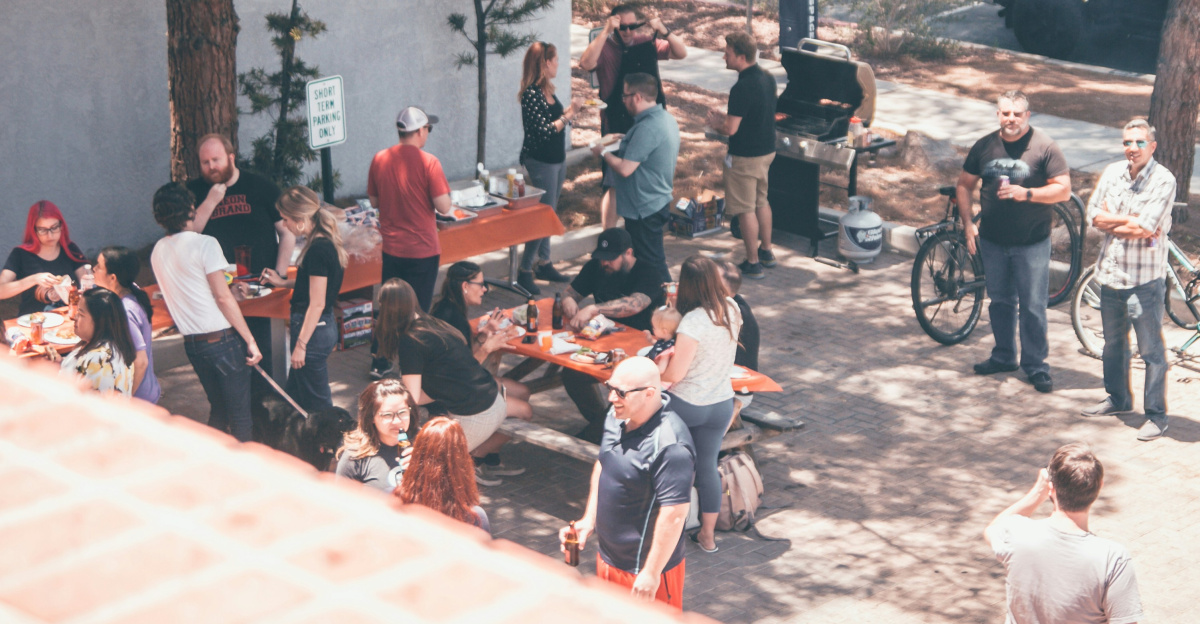
From the early 20th century through the 1970s, block parties and potlucks offered easy, low-cost ways for neighbors to connect. Streets would close for barbecues, fireworks, potluck tables, and sometimes small carnival rides, with each person contributing something simple like a big pot of stew, a salad, or a cake. These gatherings were not about fancy decor or picture-perfect setups; they were about using what people had and sharing it.
Churches and community groups often hosted such events, which were free or low-cost and welcomed people of all ages. In many African American, Latino, and working-class neighborhoods, these parties showed strong community ties and solidarity, helped by mobile DJs and shared music. Modern potlucks carry on this tradition, focusing less on the quality of the food and more on everyone participating, something that appeals to Gen Z’s desire for real connection beyond online “communities.”
Thrifting and fixing things also fit into this sense of community and care. Before “sustainability” became a buzzword, many people simply repaired clothes, furniture, and appliances, or found deals at garage sales and flea markets. Buying used was practical and affordable, and people took pride in keeping items going rather than constantly replacing them.
Today, Gen Z has turned thrifting into both a style choice and an environmental statement, preferring unique, secondhand clothes over cheap, fast fashion. Many are willing to pay more for high-quality vintage items and often buy records and clothes in physical stores instead of online because they value the experience of searching and discovering. Learning to mend or restore items can also create a deep sense of focus and satisfaction, similar to the “flow” state described by psychologist Mihaly Csikszentmihalyi.
Slower Connections and Everyday Adventures

Unstructured outdoor play once filled children’s afternoons, with simple rules like “come home when the streetlights turn on.” Kids in the 1970s often spent hours outside, using chalk, jump ropes, bikes, and pure imagination to create games and adventures. This kind of free play helped them learn to negotiate with peers, solve problems, test limits, and build physical and emotional confidence.
Studies connect risky but reasonable outdoor play with lower rates of anxiety and depression, even as teen depression has risen in recent decades despite efforts to make childhood safer. Many parents expected kids to come home dirty and tired, seeing it as a sign of a day well spent, and some members of Gen Z now recognize how much this freedom helped earlier generations grow.
Communication used to be slower and more intentional too. Long phone calls on a shared house line meant sitting in one place and giving another person full attention, while also getting to know their family because anyone might answer. People arranged specific times to call and often had to share phone time fairly with siblings.
Letter writing and pen pal relationships went even further, requiring people to sit down, think through their thoughts, and express them carefully on paper. Some pen pals kept in touch for decades, decorating letters and envelopes and even sharing music by holding phone receivers up to record players. Slow communication allowed for deeper reflection and meaningful conversations, an approach Gen Z is rediscovering when they put phones on “Do Not Disturb,” meet in person, or travel with loose plans instead of perfectly optimized schedules.
Sources:
Wikipedia – Roller rink
Evrimagaci – Gen Z Fuels Surprising Comeback Of Retro Tech
North Gwinnett Voice – History: From ’50s to mid-’80s, local drive-in theater was a unique place to make memories
Reddit – Roller skating rinks in the 70s/80s
Itedgenews Africa – Anti-digital natives: Why Gen Z chooses analog in an AI world
Wayback Times – The Story of Baby-Boomers and Drive-In Theatres