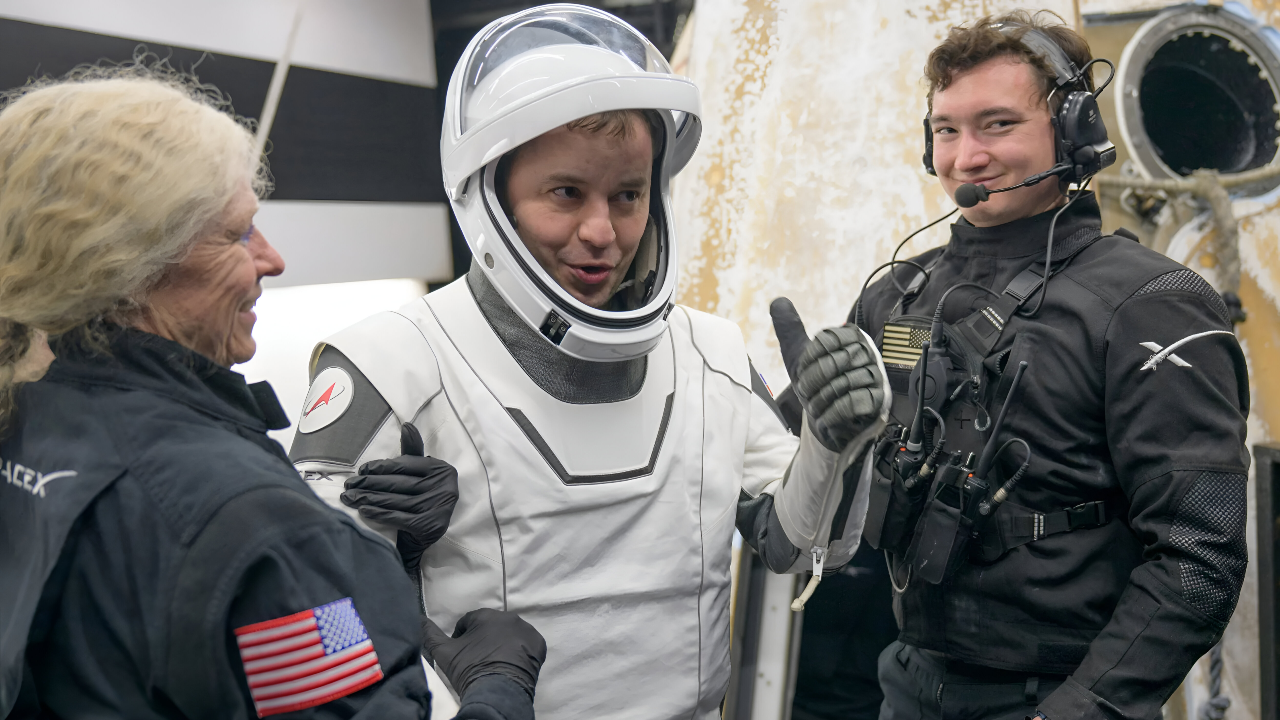
In August 2025, NASA launched its Crew-11 mission from Kennedy Space Center with four astronauts ready for a six-month adventure aboard the International Space Station. But after 160 days circling Earth, something unexpected happened, a health scare that forced NASA leadership to make a decision they hadn’t faced in 25 years.
One crew member developed a serious medical condition that couldn’t be treated in space. For the first time since humans permanently moved into the ISS in 2000, NASA ordered an emergency evacuation. The decision tested how prepared space agencies really are when things go wrong above our planet.
The Station Left Short-Handed
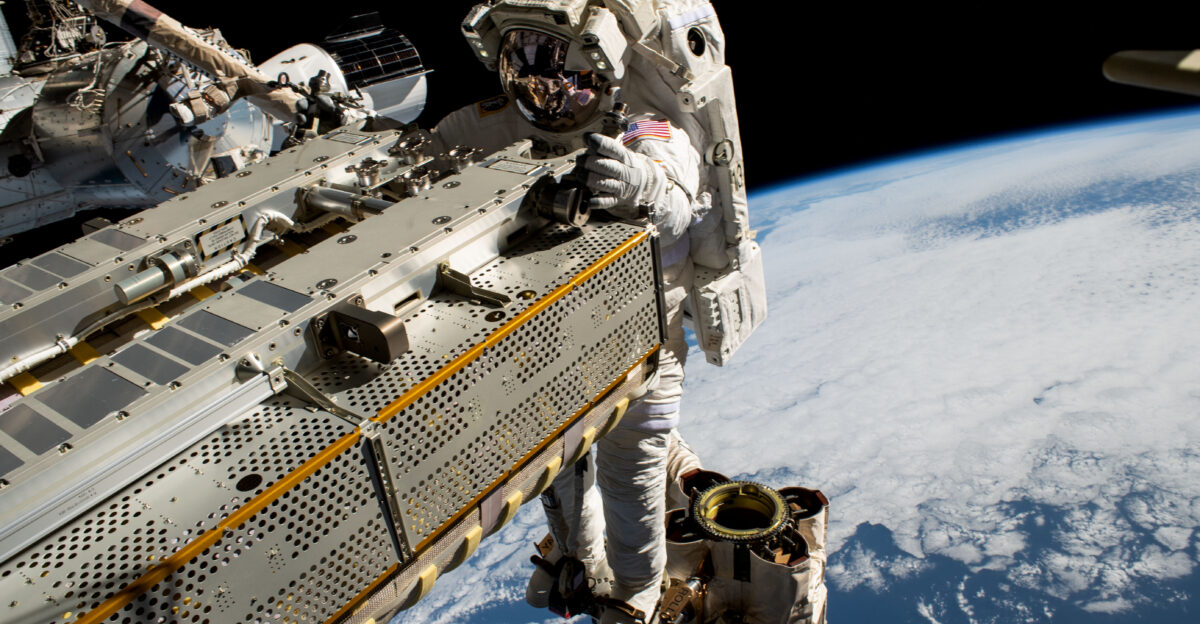
When Crew-11 undocked and headed home on January 14, they left the International Space Station with just three people aboard, barely half the normal crew. NASA astronaut Chris Williams stayed, along with two Russian cosmonauts: Sergey Kud-Sverchkov and Sergei Mikaev. The mission that was supposed to last until late February ended abruptly, more than a month early.
This caught everyone’s attention. With fewer hands on deck, spacewalks got canceled, experiments slowed down, and the risks of running the massive orbiting laboratory multiplied.
Twenty-Five Years of Continuous Human Presence
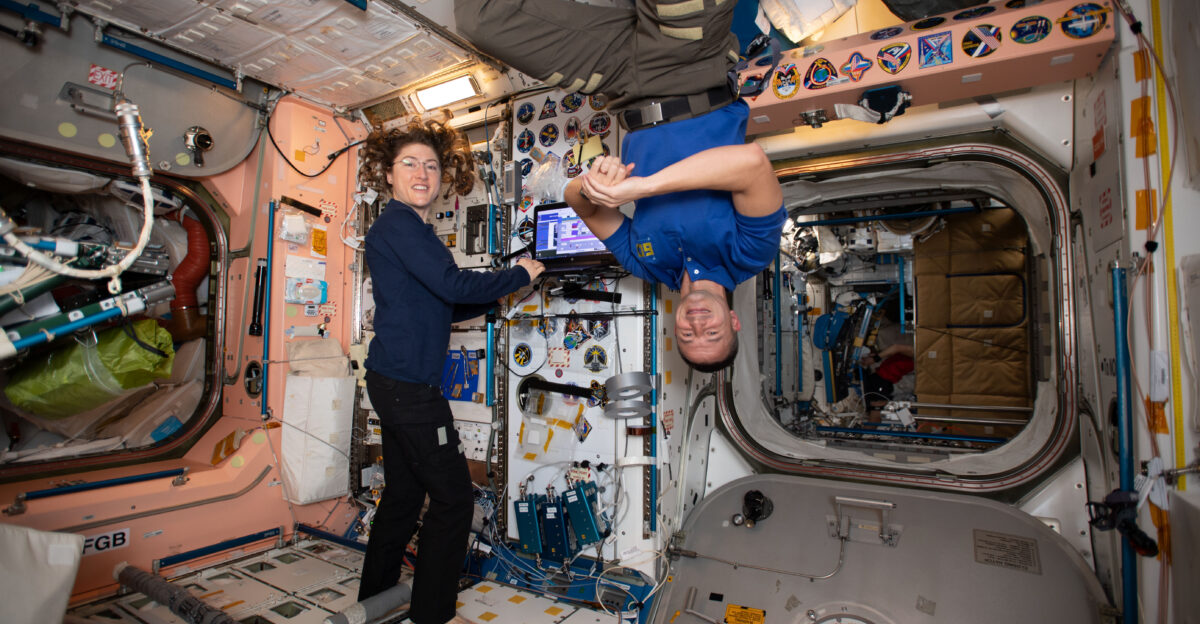
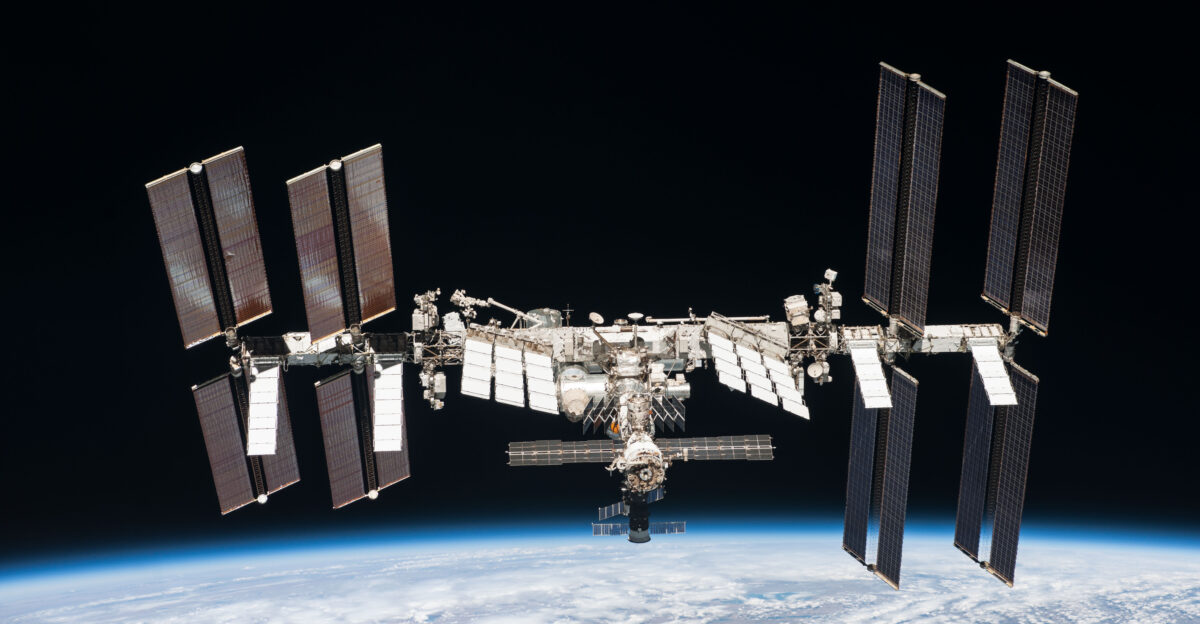
The International Space Station represents one of humanity’s greatest achievements. Since November 2000, people have lived and worked there non-stop—a quarter-century of continuous human presence in space. This wasn’t easy. It required the United States, Russia, Japan, and Europe to work together, setting aside Cold War tensions.
NASA manages the American segments while SpaceX handles crew transportation using Dragon capsules. Over 3,000 scientific experiments have been conducted aboard, studying everything from how bones weaken in space to growing plants without gravity.
The Hidden Dangers of Long-Duration Spaceflight
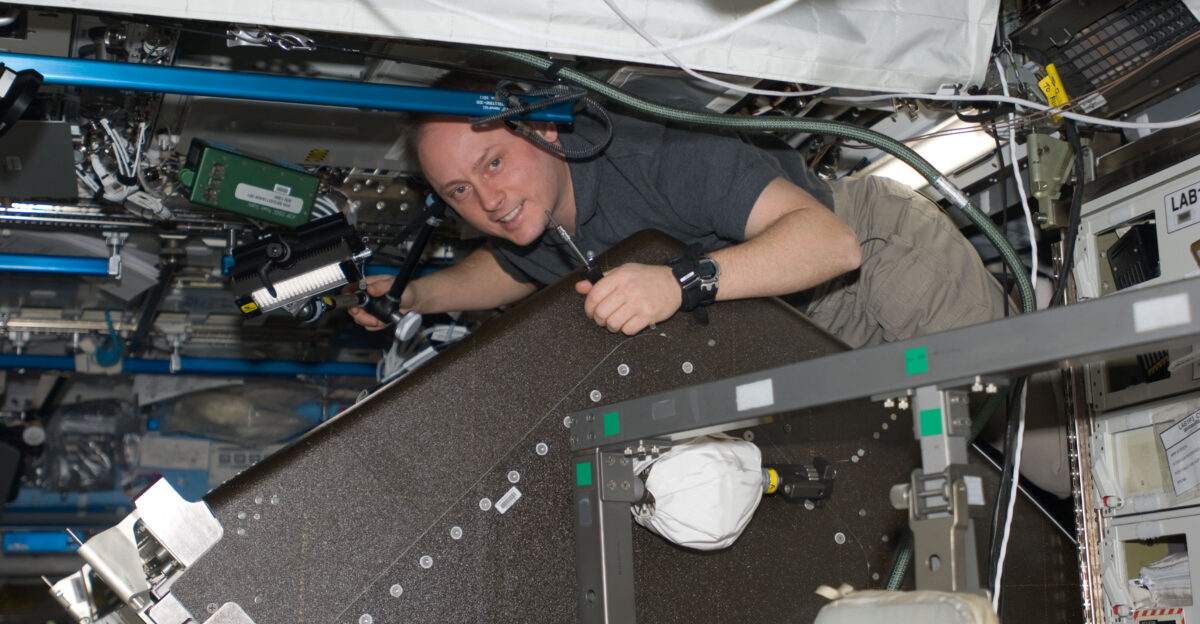
Living in space sounds thrilling, but it takes a real toll on the human body. Astronauts in orbit lose bone density and muscle mass at alarming rates, astronauts can lose 1-2% of bone mass per month and up to 20% of muscle strength during a six-month mission. It takes months of rehabilitation back on Earth to recover. Spacewalks, which are critical for keeping the station running, demand peak physical fitness.
On January 7, something went wrong aboard the ISS that exposed these vulnerabilities. The health issue was serious enough that NASA canceled a planned January 8 spacewalk by experienced astronauts Zena Cardman and Mike Fincke.
Coming Home Early
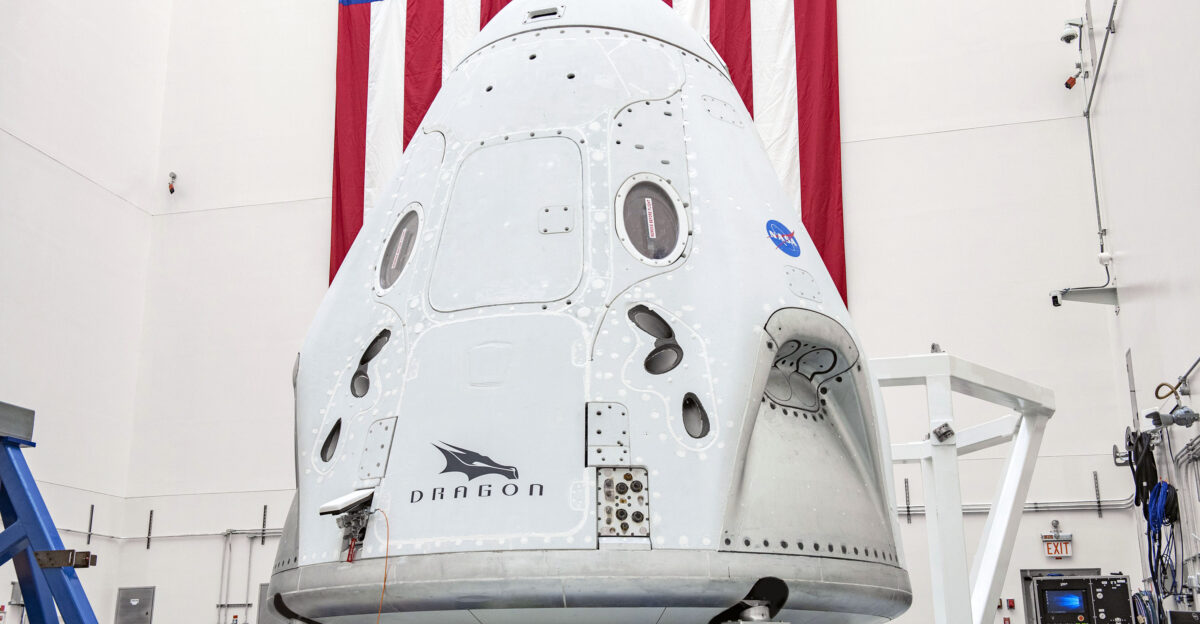
On January 14 at 5:20 p.m. Eastern Time, Crew-11 undocked from the International Space Station. Commander Zena Cardman, pilot Mike Fincke, JAXA astronaut Kimiya Yui, and Roscosmos cosmonaut Oleg Platonov climbed into their SpaceX Dragon capsule called Endeavour and fired the thrusters that would bring them home.
Less than 11 hours later, in the early morning darkness of January 15, their capsule splashed down in the Pacific Ocean off the coast of San Diego, California. The health issue that triggered the evacuation had emerged on January 7 and was serious enough that it couldn’t wait for the normal February landing.
Safe Landing in the Pacific
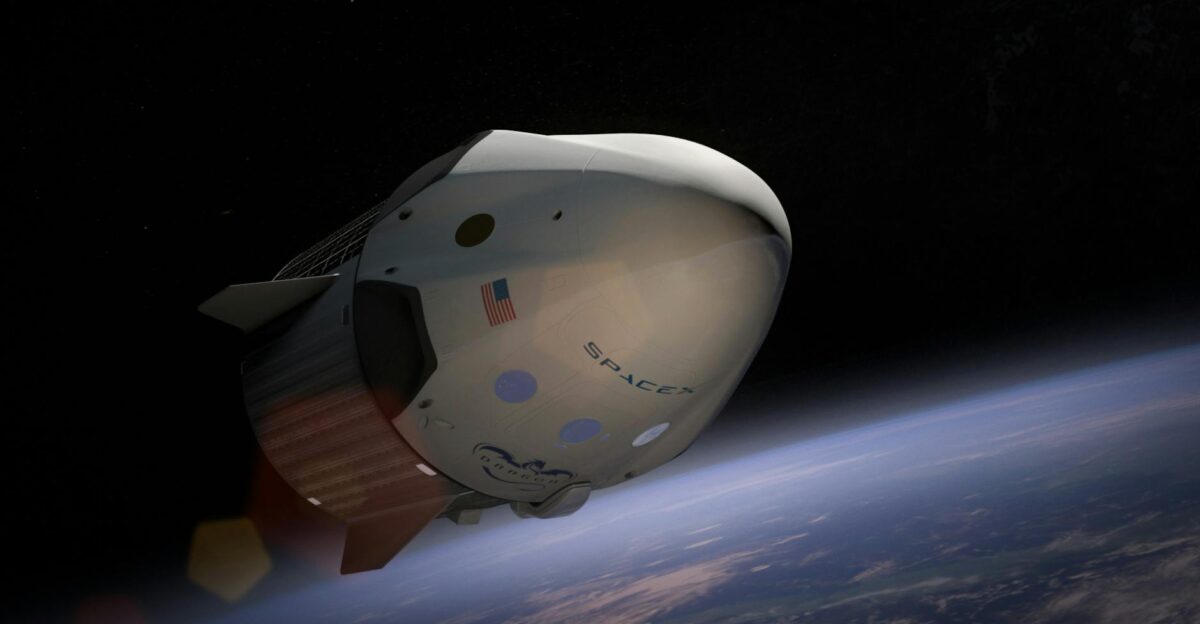
The Dragon Endeavour splashed down at 12:41 a.m. Pacific Time, hitting the water with a controlled impact that SpaceX had practiced hundreds of times. Recovery teams were waiting. All four astronauts were extracted safely from the capsule, and initial medical checks showed they were stable. NASA chose the California coast instead of the traditional Florida landing site because the weather was better on the West Coast.
The entire journey, from undocking to splashdown, covered 71 million miles through space. It was a perfect execution of a plan that had never been needed before. SpaceX confirmed the successful landing on social media:
Astronauts Share Their Feelings
Mike Fincke, the mission’s pilot, handed over command of the International Space Station to Sergey Kud-Sverchkov on January 12, just two days before heading home. His words captured the mixed emotions of the moment: “The right call, even if it’s a bit bittersweet.”
The astronauts weren’t just relieved to be heading back, they were disappointed that their mission had been cut short. After months in space, they had expected more time conducting experiments and maintaining the station. Still, they knew the decision was necessary.
SpaceX Proves Its Reliability
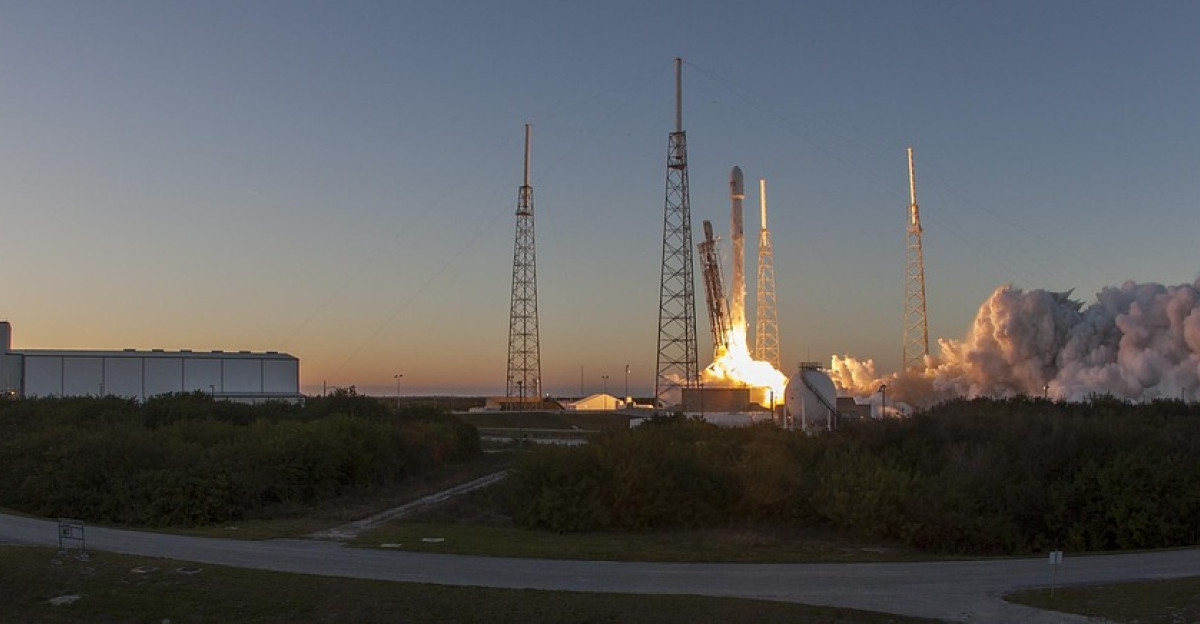
SpaceX’s role in this emergency showed why NASA trusts the company with its most important missions. The Endeavour Dragon capsule performed flawlessly, executing a rapid reentry and recovery operation that broke records for quick turnaround. There were no regulatory delays, the Federal Aviation Administration cleared the path immediately because the situation was a genuine emergency.
This success also highlighted a growing gap between different spacecraft providers. Boeing’s Starliner, NASA’s other crew transport option, has faced setbacks and remains grounded. Right now, SpaceX Dragon is the only reliable way to get astronauts to and from the space station.
Breaking a 25-Year-Old Record
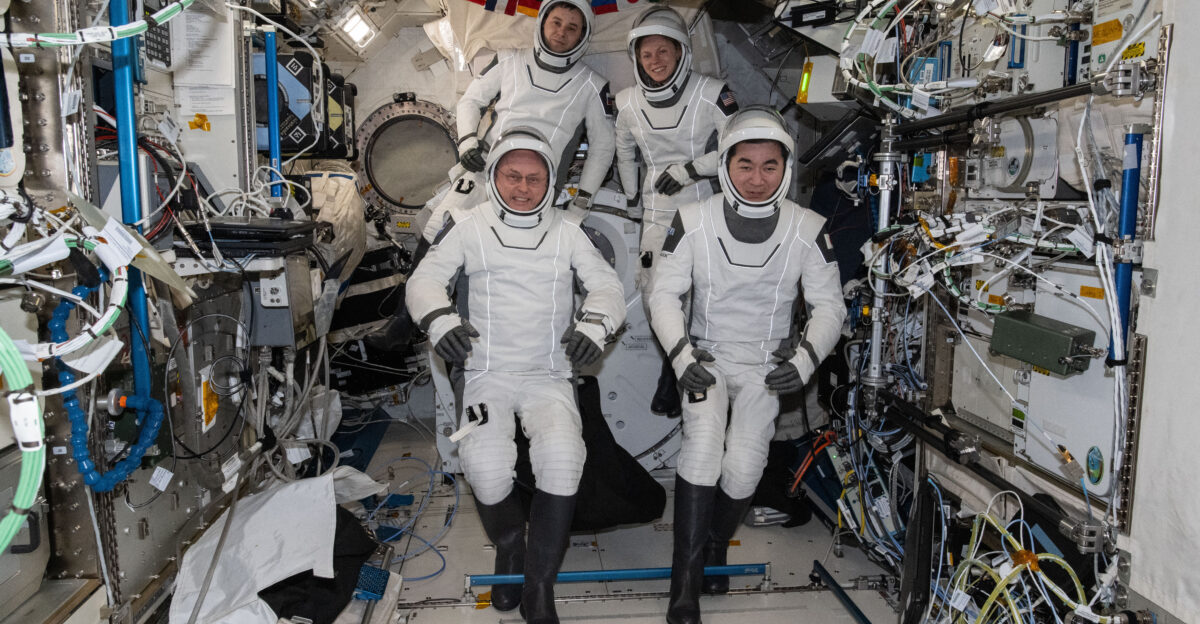
This was the first medical evacuation in the entire history of the International Space Station. In 25 years of continuous human presence, it had never happened. The Russians had once evacuated a cosmonaut decades ago, but that was during earlier space programs. This moment matters because it shows just how rare health emergencies are in space, but also how serious they can be when they happen.
Crew-11 had managed to complete over 140 scientific experiments before their early return, so the mission wasn’t a total loss. But the evacuation highlights a growing concern as NASA pushes forward with ambitious plans like returning to the Moon through the Artemis program and eventually sending people to Mars.
The Spacewalk That Wasn’t
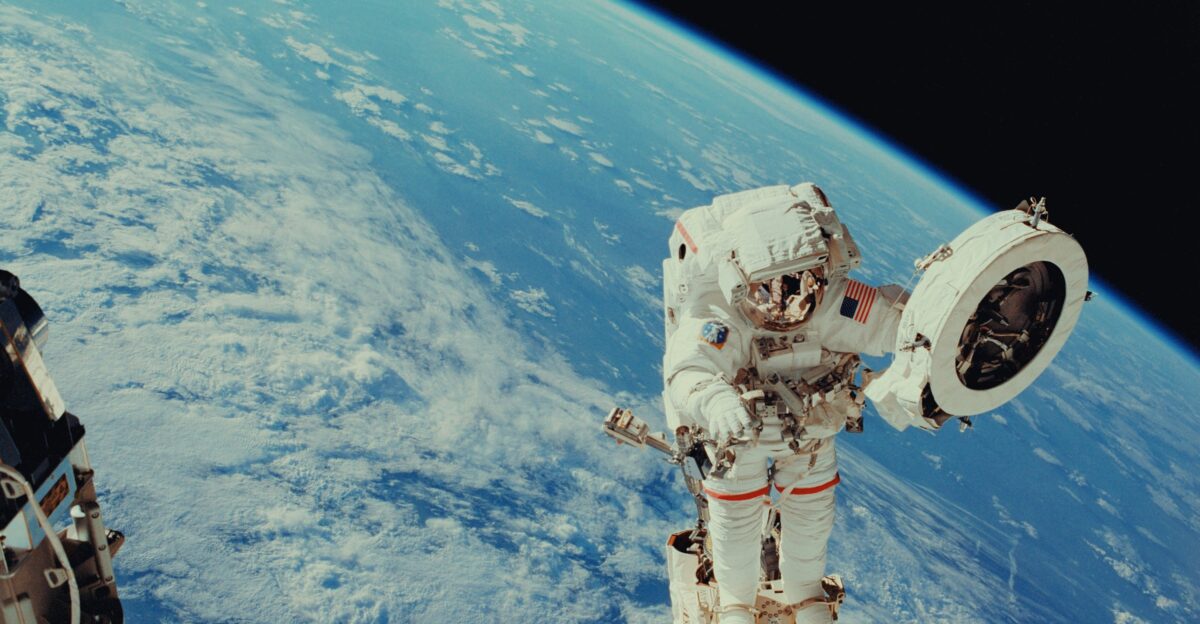
One of the clearest signs of how serious the situation had become was the cancellation of a planned spacewalk. Zena Cardman and Mike Fincke were scheduled to do an extravehicular activity, a spacewalk, on January 8 to work outside the station. But NASA scrubbed it. The reason: among the three remaining crew members, no one else had the specialized training to conduct a spacewalk if something went wrong.
This revealed a critical weakness in how the ISS is staffed. With only three people on board, there was no backup plan, no redundancy. It’s called a “single-point failure” in engineering terms, if something happens to the trained spacewalkers, the mission can’t continue.
When Leaders Must Choose Safety Over Schedule
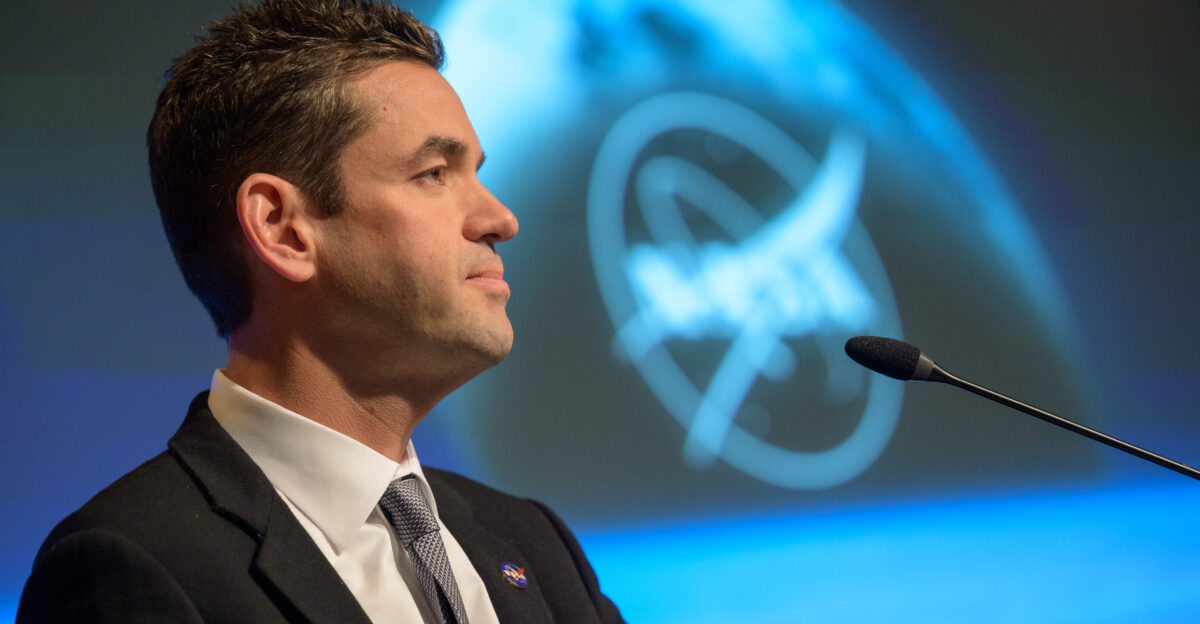
NASA Administrator Jared Isaacman announced the evacuation decision on January 8 with words that revealed the internal debate that had taken place. “After discussions with Dr. JD Polk and our medical team, it’s in the best interest of our astronauts to return Crew-11 ahead of schedule,” Isaacman said.
The astronauts and mission planners had worked for months to prepare for this six-month mission. Cutting it short meant lost research time, lost opportunities, lost momentum. Yet everyone understood: no experiment is worth risking an astronaut’s life.
The Torch Gets Passed
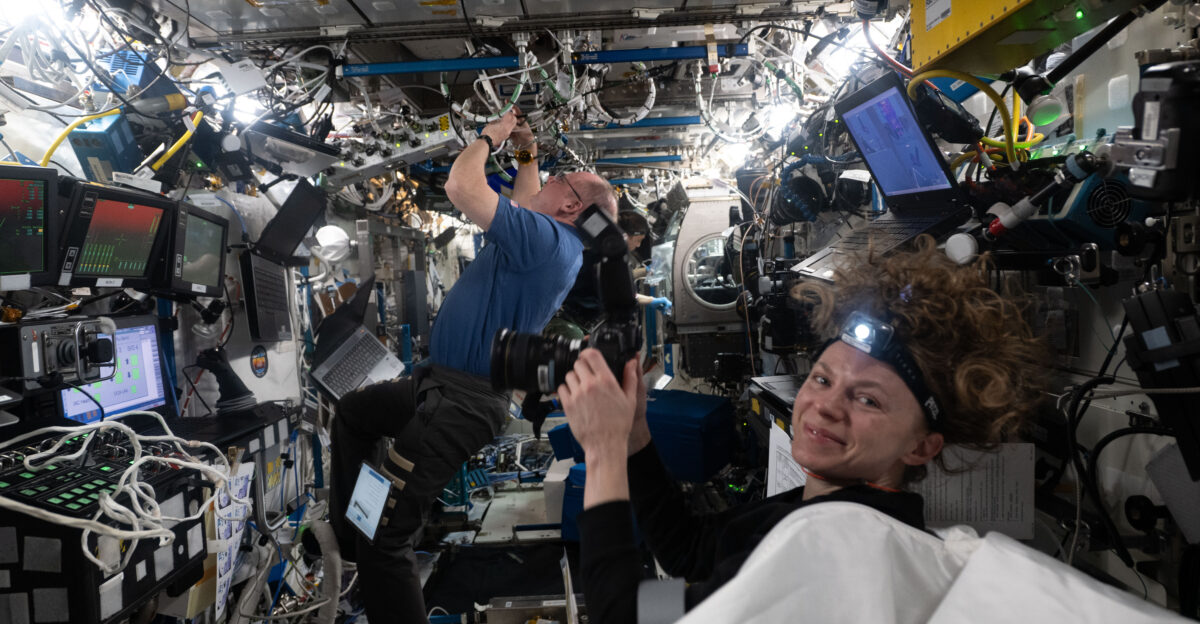
On January 12, just two days before undocking, Mike Fincke took part in a brief command ceremony aboard the International Space Station. In a tradition that reaches back to the beginning of the ISS, he formally transferred command to the next leader. Zena Cardman, on her very first spaceflight, bid farewell with words that captured the spirit of international cooperation: “Your ISS is a testament to cooperation.”
She was saying goodbye to a station that represents the best of what nations can accomplish when they work together. The remaining three crew members, Chris Williams, Sergey Kud-Sverchkov, and Sergei Mikaev, took over responsibility for the station.
The Next Crew Is Coming Fast
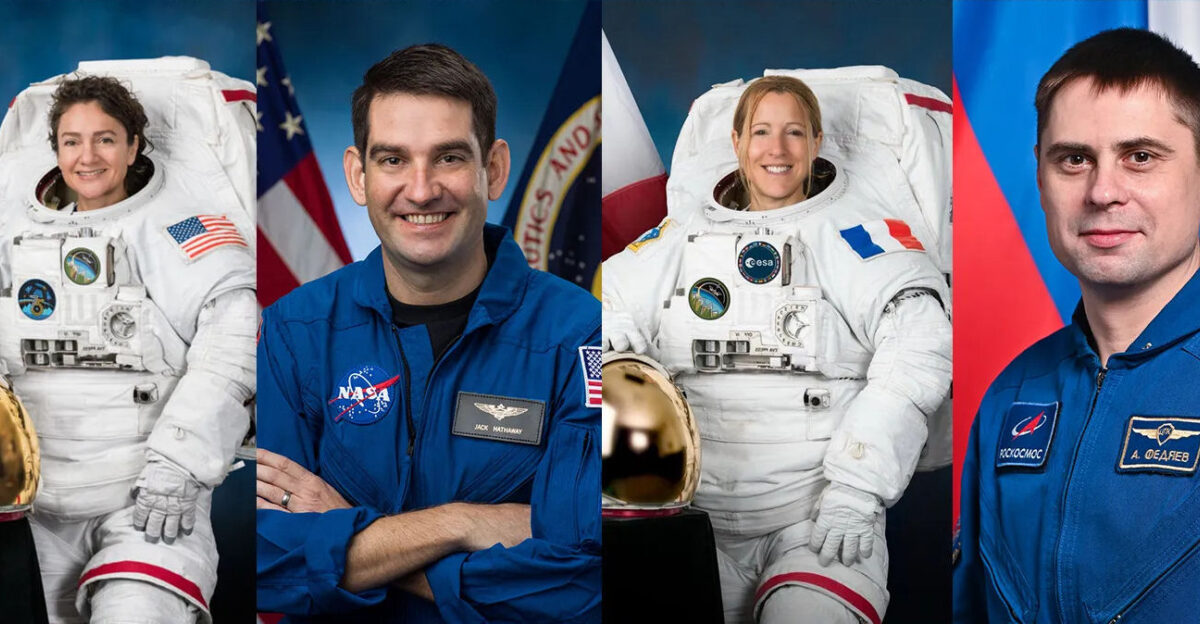
NASA didn’t waste time planning the next launch. Crew-12, consisting of Jessica Meir, Jack Hathaway, ESA astronaut Sophie Adenot, and Russian cosmonaut Andrey Fedyaev, is targeted to launch in mid-February, possibly even earlier if all systems check out. NASA has its eye on February 15 as the launch date from Kennedy Space Center.
Getting four fresh crew members to the ISS is critical because it will restore the station to its full seven-person complement. With seven people aboard, the station can conduct spacewalks again, run experiments at full capacity, and operate with healthy redundancy.
Medical Mysteries at the Edge of Space
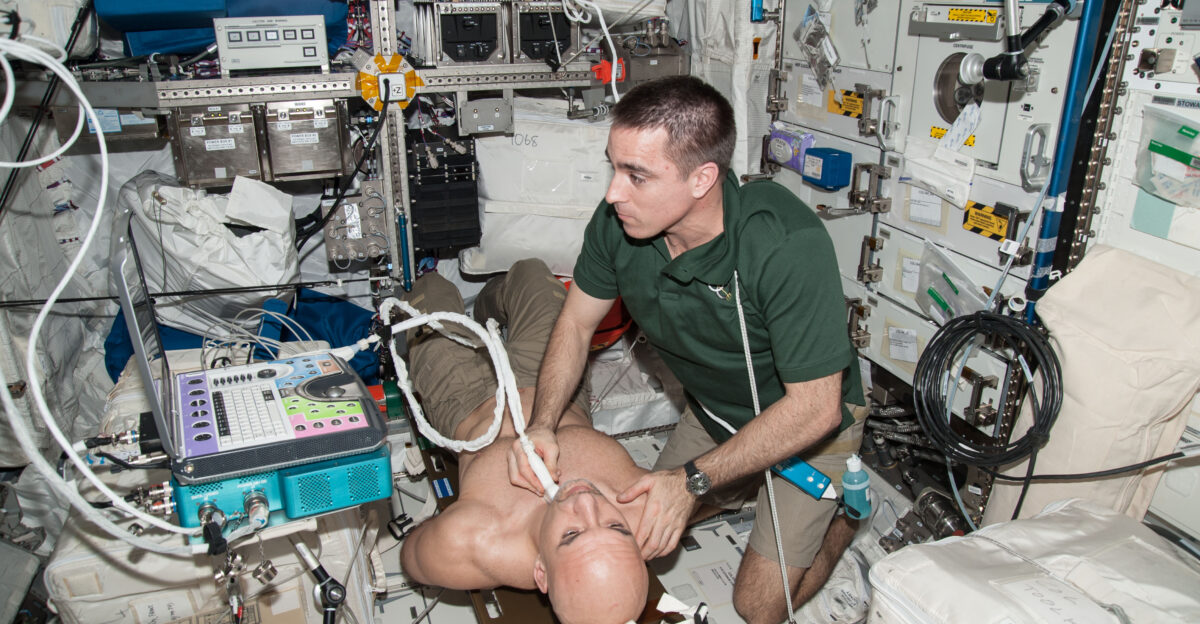
In a statement after the splashdown, Jared Isaacman was careful but clear: “Obviously, we took this action because it was a serious medical condition.” The affected astronaut is stable and in good spirits, officials confirmed. But the evacuation also exposed a hard truth: even with all our technology, doctors in space lack the diagnostic tools available on Earth.
Flight surgeons aboard the station couldn’t fully figure out what was wrong or how to treat it. That’s why the patient had to come home. Space medicine experts praise NASA’s quick decision-making and adaptability, but they also warn that readaptation to Earth’s gravity and normal living conditions will take weeks or months. The full recovery timeline remains unclear because NASA hasn’t disclosed details about the specific condition, citing patient privacy.
What Comes Next for Space Exploration
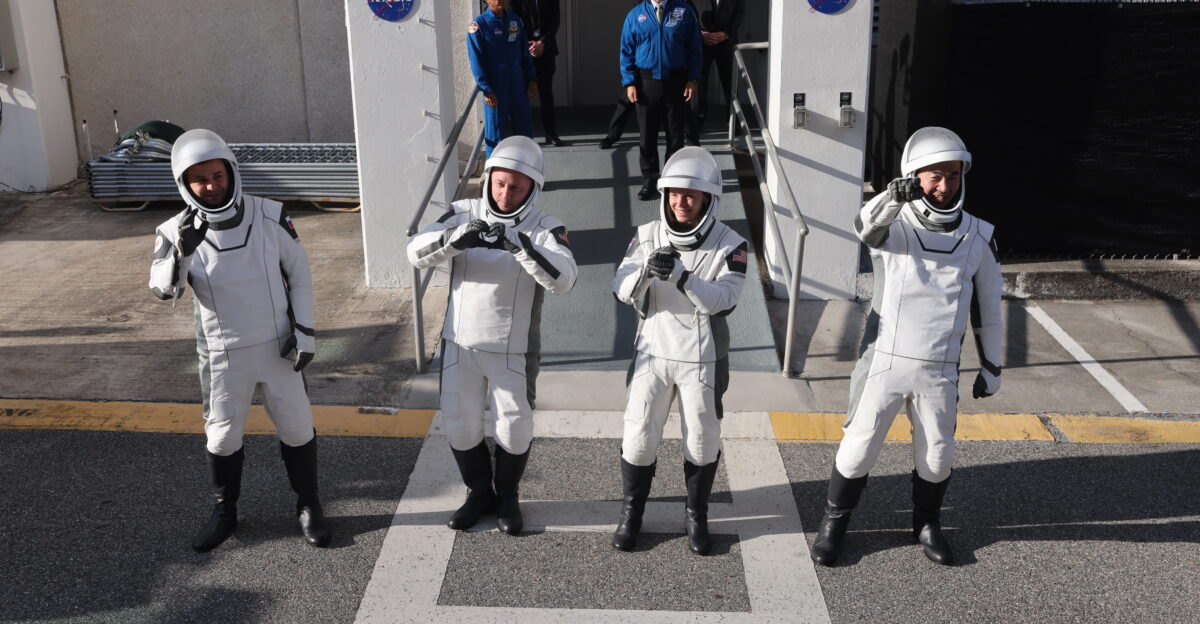
This evacuation raises big questions about the future. Will it reshape how NASA handles crew health protocols for the Artemis program and eventual missions to Mars? NASA has committed to maintaining continuous human presence aboard the ISS through 2030, so medical emergencies will likely happen again. Crew-11’s early exit tests how quickly and effectively NASA can rotate crews in and out when needed.
The upcoming Crew-12 launch will be closely watched. Scientists and engineers are analyzing what went wrong and how to prepare better for deep-space missions. As humanity reaches for the Moon and Mars, every lesson learned in low Earth orbit becomes crucial. This incident is just the beginning of understanding how to keep astronauts healthy when they’re far from home, and far from help.
Sources:
NASA, NASA ISS update, Jan. 15, 2026
SpaceX (via X), Splashdown confirmation, Jan. 15, 2026
Spaceflight Now, NASA, SpaceX conduct ‘medical evacuation’ Crew-11 return to Earth, Jan. 14, 2026
Space.com, ISS astronaut medical evacuation latest news: Crew-11, Jan. 14–15, 2026
ScienceDaily, NASA brings Crew-11 home early in rare medical evacuation, Jan. 16, 2026
ABC News, Sick astronaut, rest of crew splash down in Pacific after NASA’s 1st medical ISS evacuation, Jan. 15, 2026