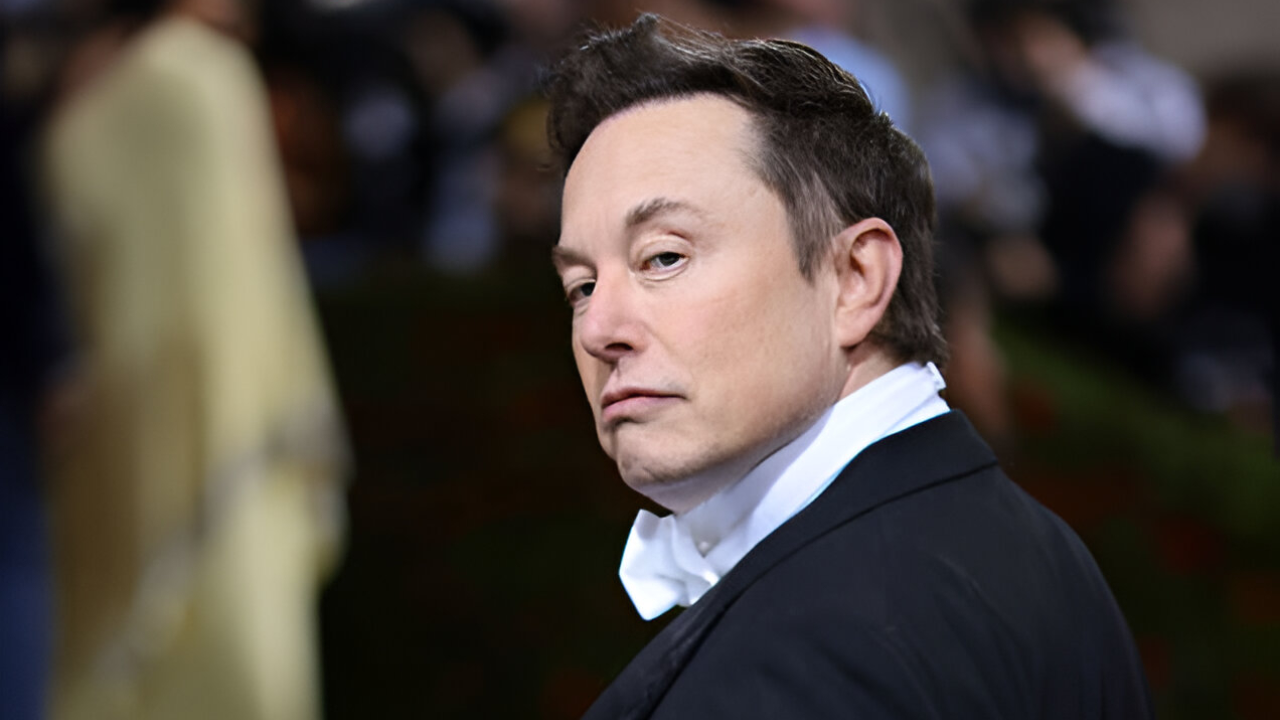
Elon Musk has told Americans to stop worrying about retirement savings, predicting artificial intelligence will make money irrelevant within 10 to 20 years.
Speaking on the Moonshots with Peter Diamandis podcast, the world’s richest person claimed AI-driven abundance will provide “whatever you want” without traditional employment. Seven leading financial and AI experts unanimously rejected his advice as reckless.
‘Dangerous and Misleading’ Timing Amid Social Security Crisis

Geoffrey Sanzenbacher, research fellow at Boston College’s Center for Retirement Research, called Musk’s comments “dangerous and misleading.” His concern centers on immediate threats: Social Security faces automatic 23% benefit cuts by 2033 when its trust fund depletes.
“Americans should be saving more, not less,” Sanzenbacher warned, noting even if Musk’s utopia arrives, savers would “hardly be much worse off”.
Nearly Half of Americans Already Lack Retirement Savings

The retirement crisis is already severe. Between 40% and 46% of Americans have zero retirement savings, according to multiple surveys.
The Federal Reserve found only 55% of adults maintain emergency funds covering three months of expenses—down from 59% in 2021. Fewer than half could cover an unexpected $2,000 expense without borrowing.
Musk’s AI Timeline

Musk projects AI will surpass “the intelligence of all humans combined” by 2030, enabling Tesla’s Optimus robots to outnumber humans and eliminate scarcity.
However, a 2023 survey of 4,271 AI researchers placed the median forecast for artificial general intelligence at 2047—nearly two decades later than Musk’s prediction. Academic consensus estimates a 50% probability by 2059.
80% Prediction Failure Rate

Independent analysis by mathematician Spencer Greenberg examined 50 verifiable predictions Musk made about technology timelines and business outcomes.
The results revealed just 20% accuracy. His forecasts for Tesla’s Full Self-Driving capability, SpaceX Mars missions, and Tesla Semi production all missed initial timelines by years, raising doubts about his retirement planning advice.
Wharton Professor: ‘People Must Still Save’

Olivia Mitchell, director of Wharton’s Boettner Center on Pensions and Retirement Research, acknowledged “some truth” in Musk’s productivity projections while calling his advice “risky” for households.
“Even in a richer economy, gains are likely to be uneven and uncertain, so people must still save, in case the future does not unfold as predicted,” Mitchell stated.
London Business School: Technology Doesn’t Guarantee Distribution
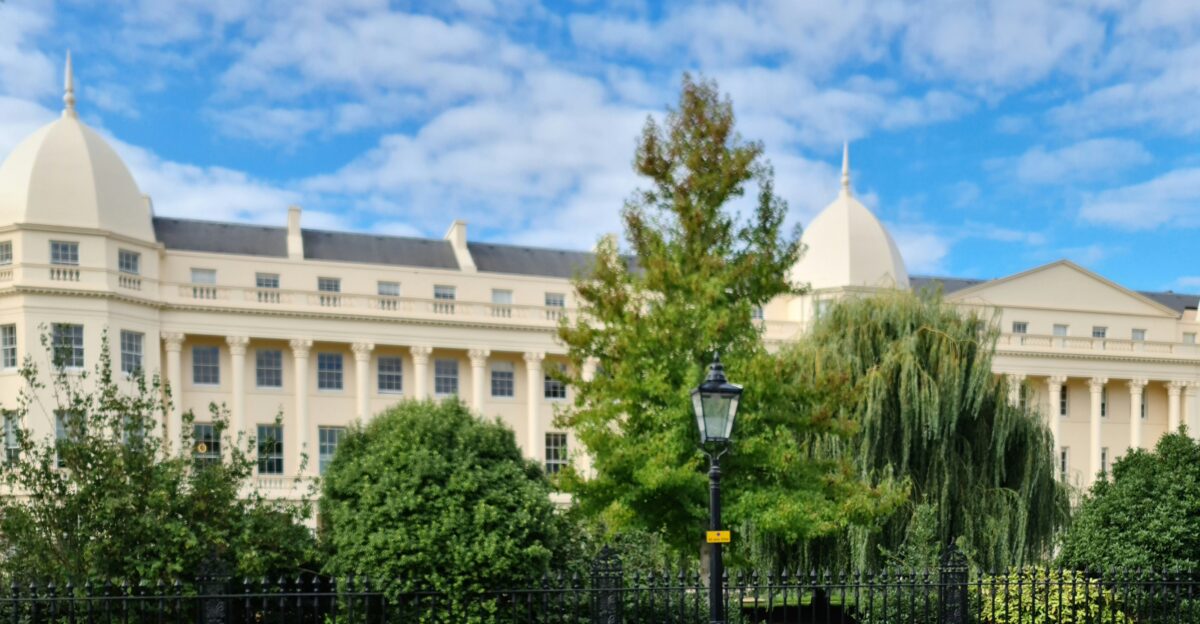
Ekaterina Abramova, a London Business School professor specializing in machine learning, identified the critical flaw in Musk’s reasoning.
“A future of ‘universal high income’ would depend less on AI itself than on governments choosing to redistribute its gains generously and sustainably, across borders and amid inevitable social friction,” she explained. Technology creates capability; politics determines who benefits.
Historical Precedent

The Industrial Revolution created unprecedented aggregate wealth while initially concentrating gains among factory owners. Workers faced dangerous conditions, subsistence wages, and urban poverty for decades before labor unions, regulations, and progressive taxation forced redistribution.
Economists warn AI could replicate this pattern, with productivity gains flowing primarily to shareholders and highly skilled workers.
Goldman Sachs Projects Modest Gains, Not Revolution
Goldman Sachs economists estimate generative AI could automate approximately 25% of current work tasks, translating to a 1.5% annual productivity boost over a decade.
Their model projects cumulative GDP growth of roughly 7%—meaningful but evolutionary rather than the revolutionary abundance Musk envisions. They anticipate unemployment rising during the transition period.
Years Behind Schedule
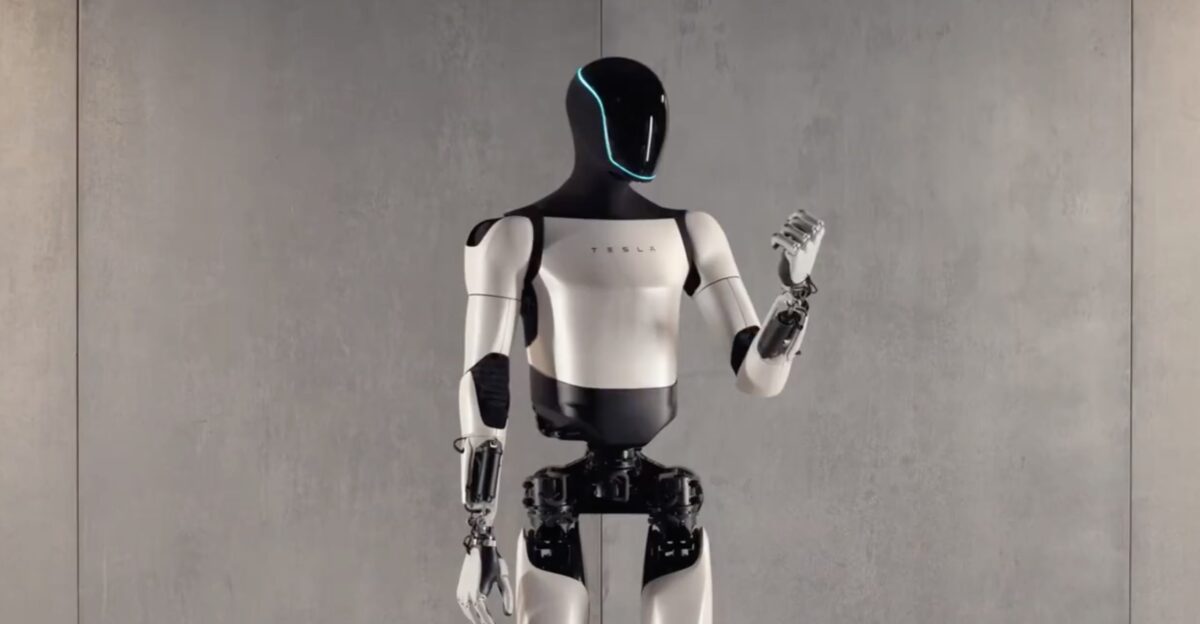
Musk’s vision depends on humanoid robots delivering physical automation. Tesla announced limited Optimus production for 2025, with 1,000-5,000 units targeted.
However, the robot was originally promised for 2022, with production repeatedly delayed. Critics note promotional videos reveal teleoperation—human remote control—rather than genuine autonomy, raising questions about true capabilities.
Cost-of-Living Crisis Demands Savings, Not Speculation

While Musk envisions future abundance, Americans face immediate financial pressure. Housing costs rose 14% between September 2023 and September 2025, while medical costs increased 7%.
Energy bills jumped 35% from March 2022 to June 2025. Credit card debt reached $1.23 trillion by Q3 2025, with 24% of households living paycheck-to-paycheck.
Innovation Theorist: ‘Fragile Chain of Assumptions’

John Nosta, founder of NostaLab and leading innovation theorist, identified Musk’s prediction as resting on “a fragile chain of assumptions.”
Achieving universal abundance requires political will, fiscal management, social trust, and institutional innovation maturing “in lockstep with machine capability” to produce a “new equilibrium” that remains “durable across decades”—none of which are guaranteed.
UCL Researcher Invokes Cold War Pension Mistake

James Ransom, research fellow at University College London, warned against overreacting to predictions. “Some employees of the RAND Corporation who were researching nuclear war in the 1950s didn’t contribute to their pensions because they didn’t believe they would live long enough,” he noted.
That seemed rational given perceived existential threats, yet proved dramatically wrong. “Let’s learn from them,” Ransom urged.
Financial Planners: Diversify and Maintain Flexibility

Wealth managers recommend saving 15-20% of pre-tax income given Social Security’s threatened cuts and AI uncertainty. Kristin Pugh, Certified Financial Planner at Creative Planning, urged concrete implementation plans before abandoning traditional retirement strategies.
“Before we ‘cancel’ the idea of saving for another time in our lives, let’s look at the environment and logistics that would provide for our basic needs,” she stated.
Expert Consensus

All seven experts agreed Americans should continue aggressive retirement savings regardless of Musk’s predictions. Alicia Munnell, former director of Boston College’s Center for Retirement Research, emphasized strengthening concrete policies: expanding access to retirement plans, stabilizing Social Security, and implementing automatic enrollment.
Until AI abundance transitions from aspiration to demonstrated reality with proven redistribution mechanisms, traditional retirement planning remains essential.
Sources:
“Elon Musk says retirement savings ‘won’t matter’ in 20 years. We asked 7 personal finance and AI gurus what they think.” Business Insider, January 14, 2026.
“Elon Musk says saving for retirement is irrelevant because AI and robots will bring ‘abundance.'” Fortune, January 12, 2026.
“Social Security faces growing shortfall: Benefits could drop 23% by 2033.” Fox 13 News, December 22, 2025.
“Alarming Figures Reveal How Many Americans Lack Any Retirement Savings.” Investopedia, September 10, 2025.
“When Will AGI/Singularity Happen? 8590 Predictions Analysis.” AI Multiple Research, December 4, 2025.
“How accurate are Elon Musk’s predictions?” LinkedIn analysis by Spencer Greenberg, March 2025.
“Social Security Report Projects Trust Fund Shortfall in 2034.” AARP, August 11, 2025.