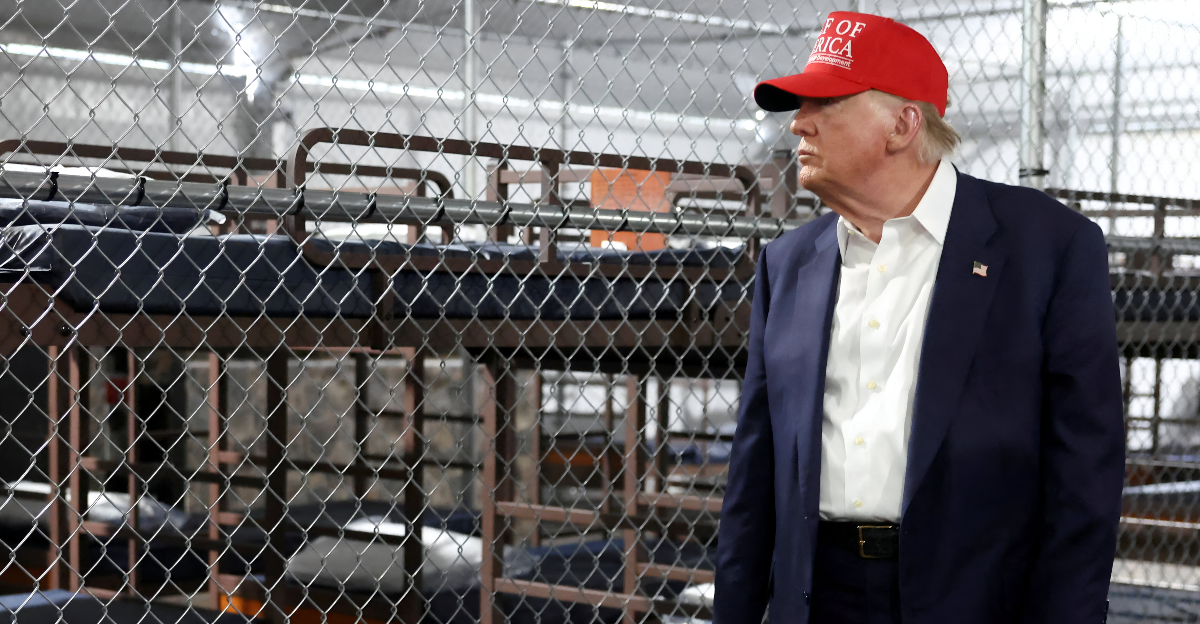
A $1.2 billion Pentagon contract for a new immigration detention camp in Texas has drawn national attention due to its secretive nature and scale.
According to the Associated Press, the agreement was awarded last month to Acquisition Logistics LLC—a tiny Virginia business with no public record of operating such facilities. Many lawmakers now demand answers on why this decision was made behind closed doors.
Layers of Secrecy

Military and immigration experts say the Pentagon’s silence surrounding the deal is highly unusual given its size.
PBS reports the Army declined to explain why Acquisition Logistics, an unknown firm, was chosen over a dozen experienced bidders—a move that immediately raised suspicion among oversight bodies.
Military’s Role Expands

Historically, the military has supported civilian authorities in national emergencies but has rarely led such massive immigration projects.
Reuters notes recent years have seen a marked shift, with troops and facilities directly entangled in expanding national detention policies, signaling a new era in military involvement.
Policy Shifts Accelerate

The decision fits a broader trend: The Trump administration has escalated efforts to militarize immigration enforcement, layering national defense priorities onto border security.
According to the ACLU, Congress recently approved billions to fund these expanded military-led detention efforts.
The $1.2B Fort Bliss Camp

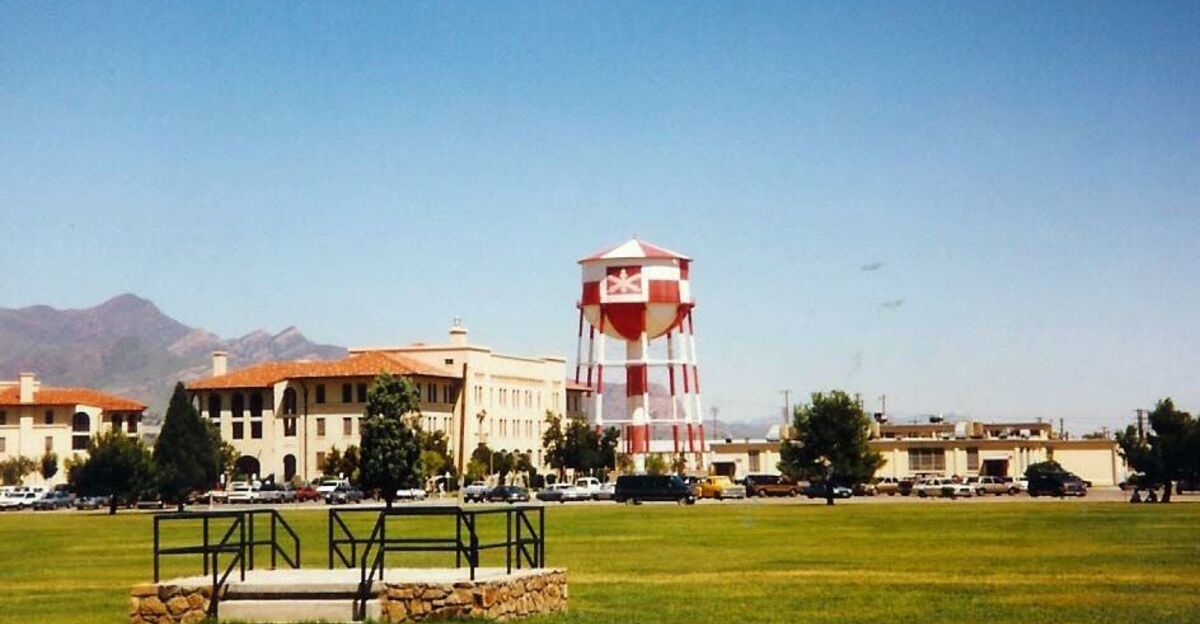
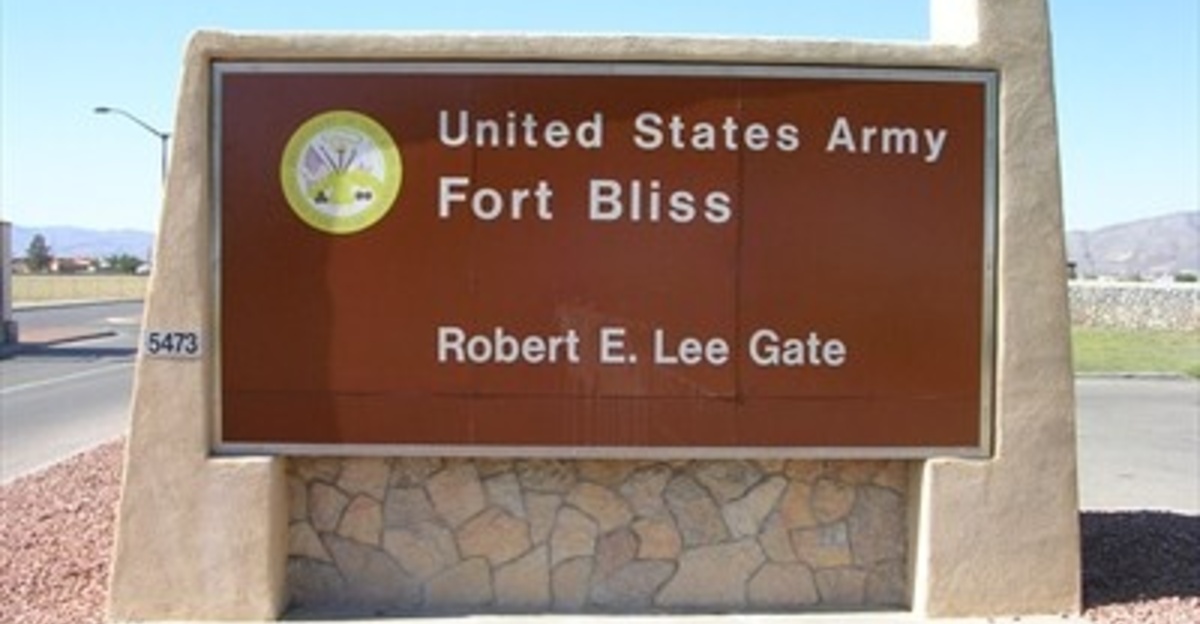
The Pentagon awarded a $1.2 billion contract in July 2025 to Acquisition Logistics to build and operate a massive tent camp at Fort Bliss, Texas—expected to be the country’s largest detention facility.
“This project was not awarded to a major government contractor or company known for prison management,” AP reports, highlighting the contract’s exceptional circumstances.
Massive Texas Impact

Camp East Montana, outside El Paso, will house up to 5,000 migrants on the Fort Bliss Army base by late 2027. Military.com confirms the site’s unprecedented scale and notes the base will play a direct role for years to come. Local officials are bracing for the social and economic pressures such a facility brings.
Congressional Concerns
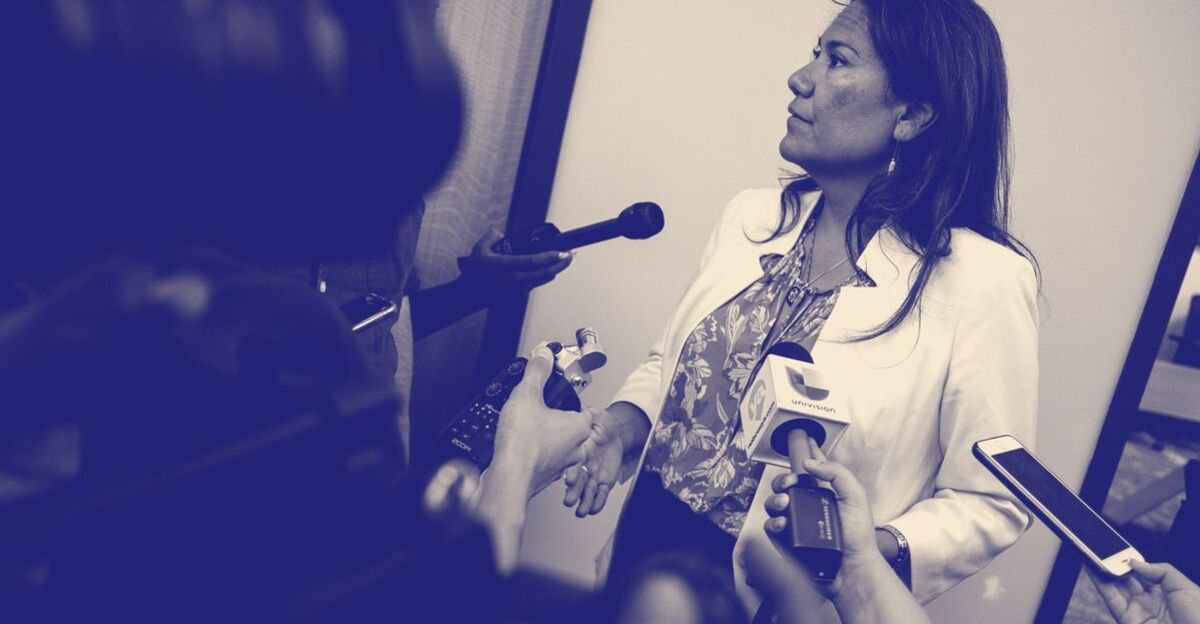
Representative Veronica Escobar, whose district includes Fort Bliss, recently toured the new camp and expressed deep concerns.
“It’s far too easy for standards to slip,” Escobar told the Associated Press, warning that untested, private management often prioritizes profit over detainee welfare.
Bidding Process Under Scrutiny

Industry insiders and rival firms have registered formal protests, demanding government transparency. Gemini Tech Services, a losing bidder, questioned how Acquisition Logistics—with no substantiated experience above $16 million contracts—secured the largest detention deal in U.S. history.
Broader Pattern: Military Sites for Detention

The use of military bases for detention resurrects a practice dating back to World War II, advocacy groups note. Setareh Ghandehari from Detention Watch told the Independent, “These facilities make oversight difficult for families and lawyers, risking abuse out of public view.”
Unusual Contractor Profile

Acquisition Logistics LLC reportedly lists a modest home as headquarters and lacks any public website, Reuters found.
Attorney Joshua Schnell noted, “The lack of transparency leads to legitimate questions about the Army’s decision,” adding that no publicly available evidence supports the company’s ability to manage such a gigantic project.
Oversight Grows Louder

Congressional oversight committees have ramped up pressure, opening new investigations and scheduling hearings.
Defense Secretary Pete Hegseth and Army officials have so far resisted calls for detailed contract disclosures, according to Military Times sources.
Contractor’s Track Record Questioned

According to Bloomberg and contracting records, Acquisition Logistics had previously secured only small administrative contracts under $2 million, mainly for logistics—not large-scale detention construction or management. “No public record demonstrates readiness for this scale,” notes procurement analyst Caren Martin.
Government’s Justification
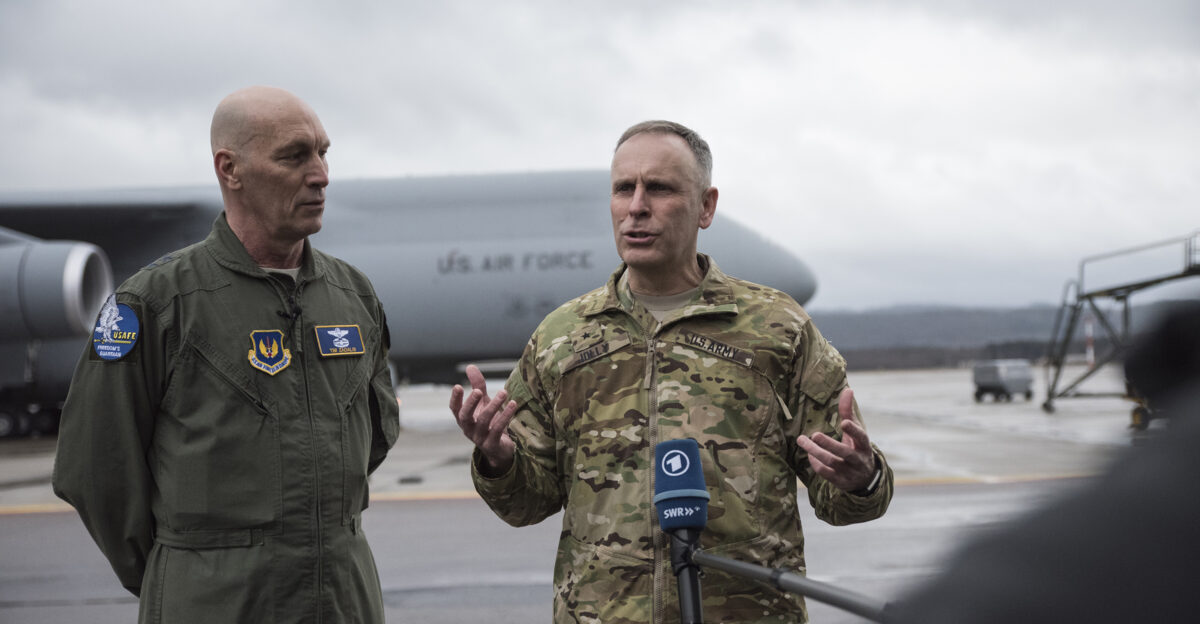
Army spokespersons say the bid process followed all required procedures, emphasizing urgency to grow capacity in line with immigration enforcement goals. Still, ACLU and DHS inspectors say this haste should not override proper vetting or bypass open review.
Expert Doubts Persist
Federal procurement authorities and legal experts continue to voice skepticism about the wisdom of entrusting an untested vendor with such monumental responsibilities, citing risks to both detained individuals and U.S. taxpayers. Harvard’s Gary Petersen said, “This sets a dangerous precedent for federal oversight.”
Legal Showdown
Legal protests from losing bidders and ongoing court reviews could delay or revise the Pentagon’s plans for Fort Bliss.
According to AP, Gemini Tech’s lawsuit underscores broader industry fears of flawed procurement and legal loopholes exploited in the rush.
Political Flashpoint

The contract has inflamed debate over executive authority and federal procurement ethics, with Republicans defending the urgency and Democrats warning of unchecked power and weakened public accountability. Congress is split sharply, prolonging uncertainty.
International Human Rights Outcry

International groups, including Human Rights Watch, have condemned militarized mass detention on U.S. bases as a step backward for civil liberties. Spokesperson Maria Chavira said, “This sends a bleak message about due process and the rule of law.”
Legal Hurdles and Litigation

Legal challenges are mounting against the Pentagon’s selection of Acquisition Logistics for the Fort Bliss detention camp.
According to PBS and AP, at least one rival company has filed a formal complaint with the U.S. Government Accountability Office, alleging the process was rushed and the winning firm lacked experience. Court reviews and internal protests are ongoing, and the outcome may determine the contract’s future.
Ethical and Social Questions

Several advocacy groups worry that normalizing military-run immigration detention will have lasting impacts on American norms and the rights of migrants. ACLU experts urge a move back to more humane, civilian-run approaches.
The Bigger Picture

This complex, secretive deal encapsulates the deeper tension between national security and transparent, accountable governance.
For now, experts and lawmakers stress that what happens at Fort Bliss will shape the future boundaries of military and civil roles in immigration.