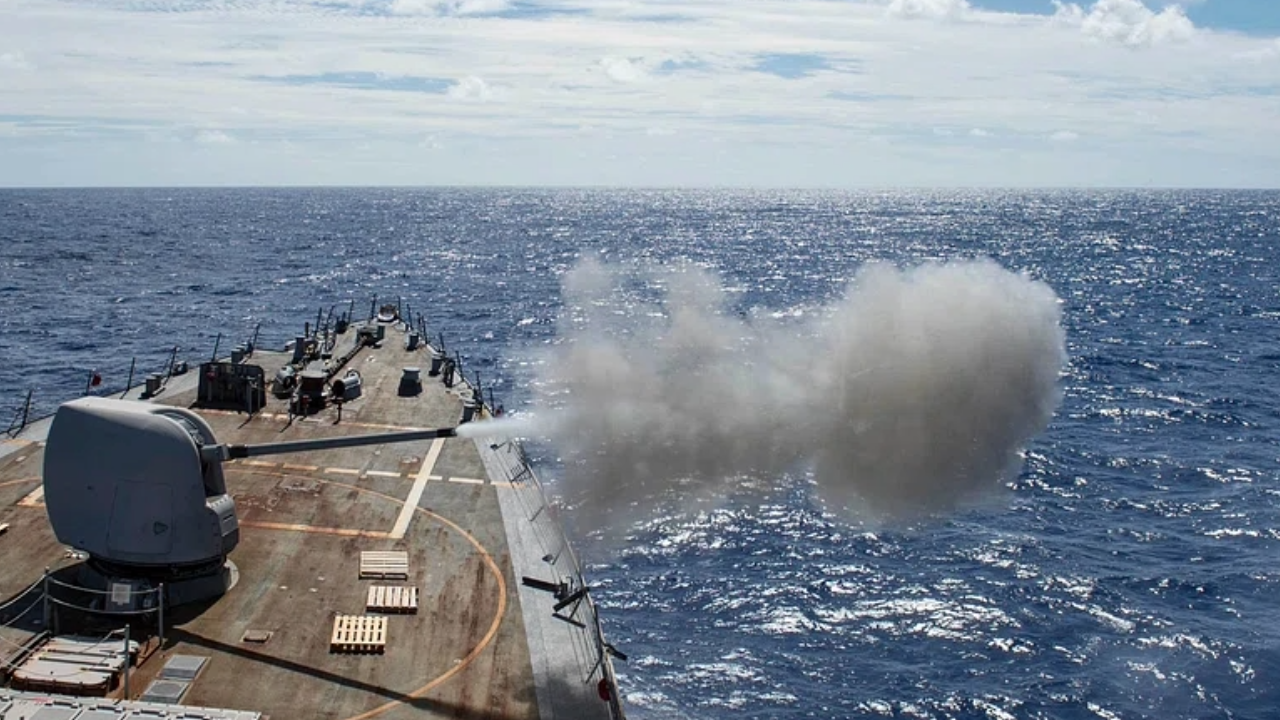
On July 11, 2024, the U.S. Navy deliberately sent a former warship to the bottom of the Pacific during the world’s largest naval exercise. The decommissioned amphibious transport dock USS Dubuque was sunk during RIMPAC 2024, a massive multinational training event focused on real-world combat readiness. The vessel disappeared beneath waters more than 15,000 feet deep, over 50 nautical miles north of Kauai, Hawaii.
This was no symbolic gesture. The sinking served as a live-fire SINKEX designed to test weapons, tactics, and coordination in conditions no simulator can fully reproduce. Here’s what’s happening beneath the surface.
Live-Fire Testing Beyond Simulations
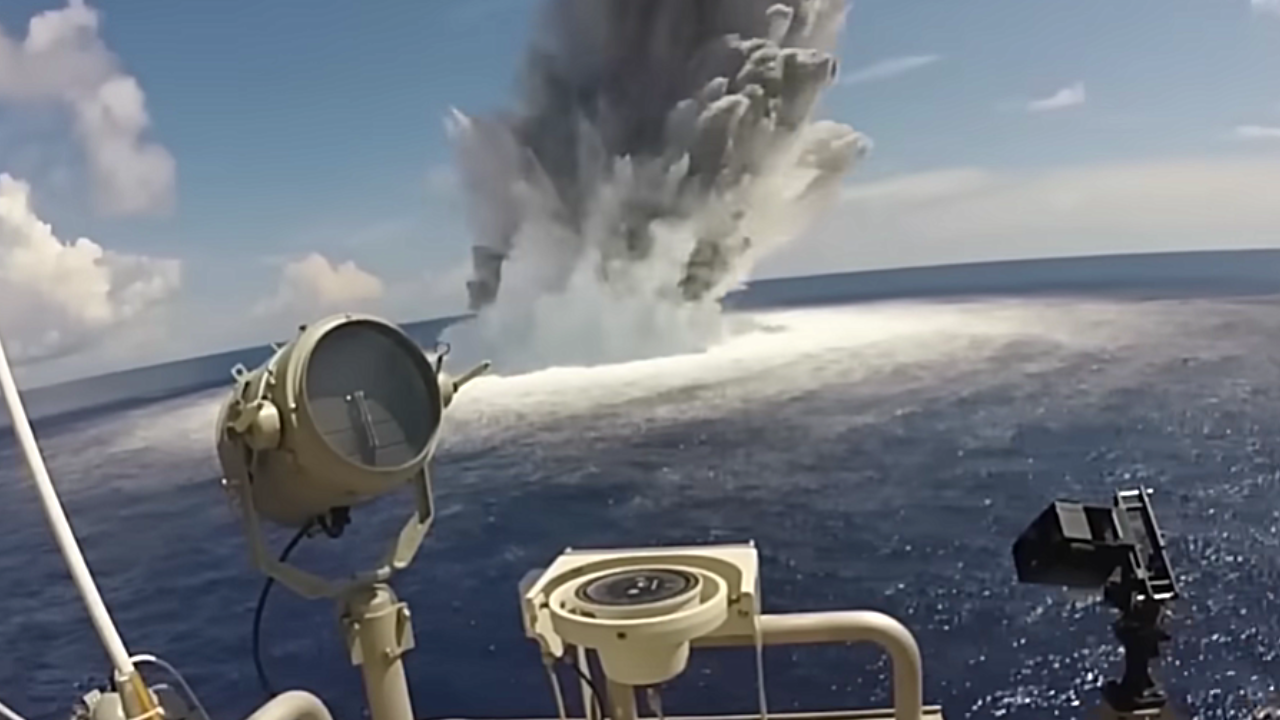
The sinking of USS Dubuque was conducted as a SINKEX, or sinking exercise, one of the most demanding live-fire training events in modern naval warfare. Unlike digital simulations, SINKEX places real weapons against a full-size ship hull, allowing planners to measure damage progression, structural failure, and sensor performance in real ocean conditions.
USS Dubuque was struck repeatedly until it sank, generating operational data that cannot be replicated in laboratory environments. These exercises validate weapon lethality, targeting accuracy, and tactical sequencing under combat-like stress.
According to the Naval Sea Systems Command, SINKEX allows forces “to integrate, plan, and execute firing and tactics plans, thereby enhancing combat readiness.” The results directly inform ship design, weapons upgrades, and battlefield doctrine, making each sinking a critical investment in future readiness.
A Coordinated Assault From Air and Sea
Multiple branches of the U.S. military and allied forces participated in the attack on USS Dubuque, showcasing joint and combined firepower. A U.S. Air Force AC-130J Ghostrider gunship from the 27th Special Operations Wing delivered 30mm and 105mm cannon fire, targeting the ship’s superstructure, bow, and flight deck.
U.S. Army AH-64 Apache helicopters from the 25th Combat Aviation Brigade followed with AGM-114 Hellfire missiles and Hydra 70 rocket pods. The Japan Ground Self-Defense Force’s Western Army contributed Type 12 Surface-to-Ship missiles, demonstrating bilateral interoperability in a maritime strike role.
A U.S. Air Force B-2 stealth bomber completed the attack using a Quicksink munition, a modified GBU-31/B Joint Direct Attack Munition designed specifically for anti-ship operations, underscoring the expanding role of airpower in naval warfare.
Indo-Pacific Deterrence on Display
RIMPAC 2024 unfolded amid rising strategic competition in the Indo-Pacific, where naval power increasingly shapes regional security. China’s expanding fleet and growing activity near key waterways, including the Taiwan Strait, have pushed the U.S. Navy to emphasize high-end maritime combat training.
The sinking of USS Dubuque demonstrated the ability of U.S. and partner forces to locate, target, and rapidly neutralize large surface ships. These actions send a clear deterrent signal while reassuring allies that contested sea lanes can be defended.
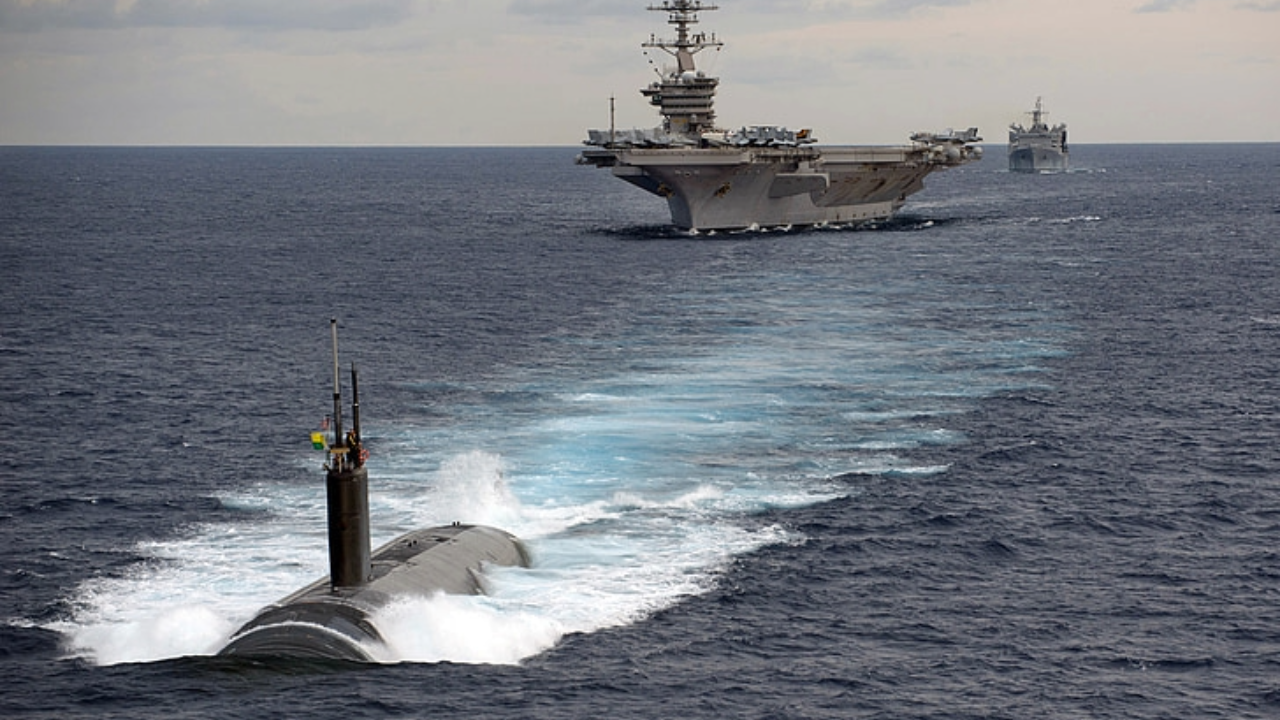
By integrating submarines, aircraft, surface combatants, and ground-based launchers into a single coordinated strike, RIMPAC reinforced freedom of navigation and collective security. SINKEX events serve not only as training but also as strategic messaging in a region vital to global trade.
Preparing a Ship for the Ocean Floor
USS Dubuque was an Austin-class amphibious transport dock commissioned in 1967 and decommissioned in 2011. During its service life, the ship supported amphibious assaults, humanitarian operations, and extended deployments, including extensive service in Vietnam from 1968 to 1975.
Before being sunk, Dubuque underwent extensive environmental preparation. Fuels, asbestos, PCBs, and other hazardous materials were removed in compliance with Environmental Protection Agency requirements under the Marine Protection, Research, and Sanctuaries Act.
SINKEX sites must be located in waters at least 6,000 feet deep and more than 50 nautical miles from shore. These strict criteria minimize environmental impact while ensuring long-term ecological safety once the vessel settles on the ocean floor.
A Massive Multinational Training Effort
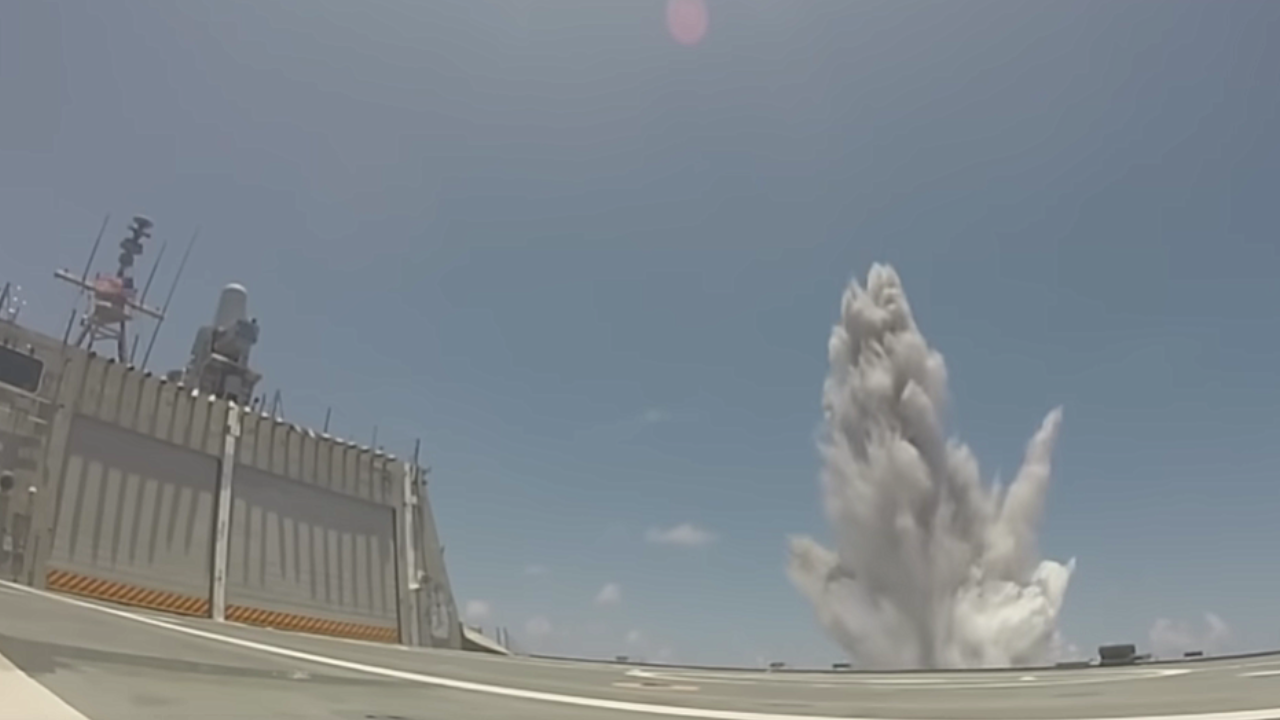
RIMPAC 2024 brought together 29 nations, 40 surface ships, three submarines, more than 150 aircraft, and approximately 25,000 personnel. The scale of participation highlights the exercise’s importance as a foundation of multinational maritime cooperation in the Pacific.
According to the U.S. Navy, RIMPAC “provides a unique training opportunity while fostering and sustaining cooperative relationships among participants critical to ensuring the safety of sea lanes and security on the world’s oceans
Sources:
NewsTestPage (pacom.mil): “NewsTestPage” – U.S. Indo-Pacific Command site on SINKEX events.
U.S., Allies Kick Off Exercise Valiant Shield 2024 (USNI News): Covers Pacific exercises including relevant drills.
US and Partner Nations Conduct Multiple SINKEXs as Part of RIMPAC (U.S. Navy): Details RIMPAC 2024 sinkings off Kauai.
File: USS Dubuque (LPD-8) smokes after taking a direct missile hit during exercise RIMPAC 2024 (Wikimedia Commons): Visual confirmation of the event.