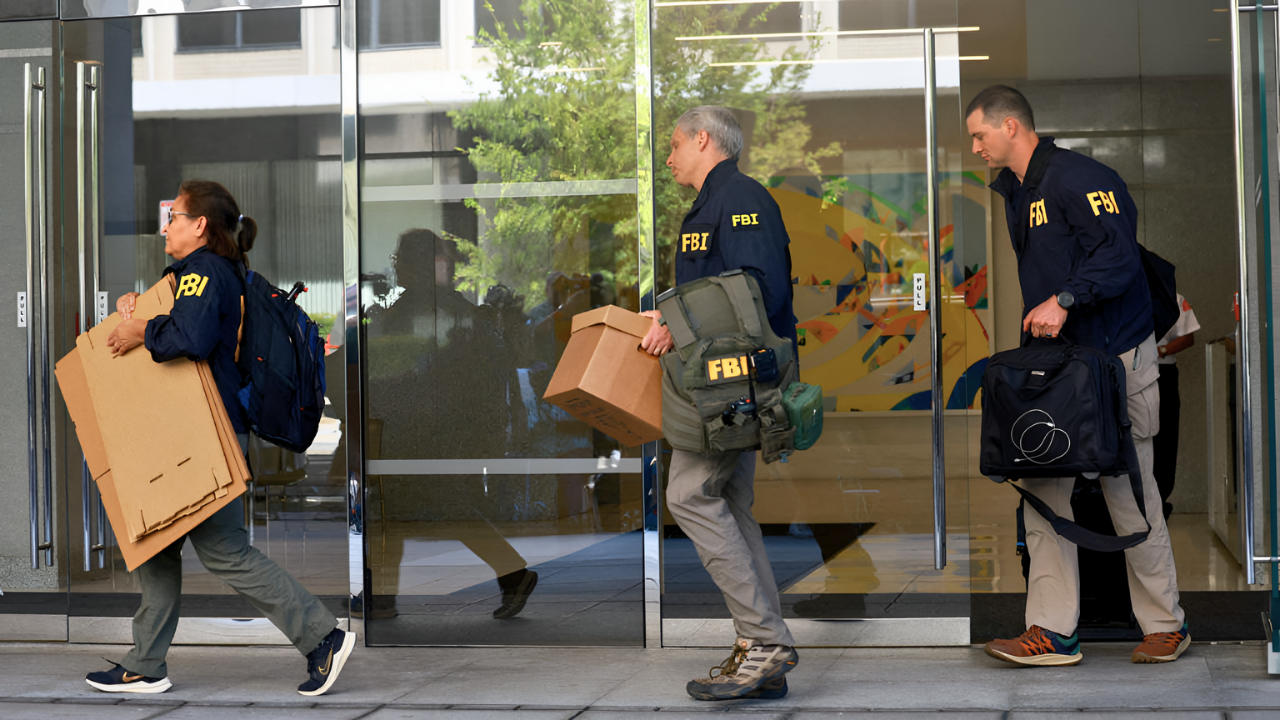
On a January morning in Alexandria, Virginia, 29-year-old Hannah Natanson answered her door to federal agents bearing a search warrant. The Pulitzer Prize-winning Washington Post reporter—whose investigations into the Trump administration’s reshaping of government had made her a trusted contact for over 1,100 federal employees—became the first journalist in U.S. history to have her home raided by the FBI in a national security leak case. Within hours, agents confiscated her phone, two laptops, and a Garmin watch. Though investigators told Natanson she wasn’t their target, the raid exposed a troubling new reality for American journalism.
The Contractor With Classified Secrets

Twenty miles away in Laurel, Maryland, the FBI had already arrested their actual suspect: Aurelio Perez-Lugones, a 61-year-old Navy veteran and government contractor with top-secret clearance. Between October and January, Perez-Lugones allegedly accessed classified intelligence reports on an unidentified foreign country without authorization, printing documents and taking screenshots from secure facilities.
During a search of his home and vehicle on January 8, investigators discovered classified materials marked “SECRET” in his basement and in a lunchbox in his car. The contractor, who served 20 years in the Navy with no criminal record, later admitted to federal officers that he mishandled classified information, expressing frustration with “recent government activity.” He now faces charges under the Espionage Act for unlawfully retaining national defense information, though no allegations claim he shared the materials.
A Reporter’s Network, Now Exposed
The search of Natanson’s home raises profound constitutional questions. Last December, she published a personal essay describing how posting her Signal contact information led to 1,169 federal employees—current and former—reaching out with stories about the Trump administration’s dramatic transformation of government. These sources trusted that encrypted communication would protect their identities. Now their digital fingerprints sit in FBI custody.
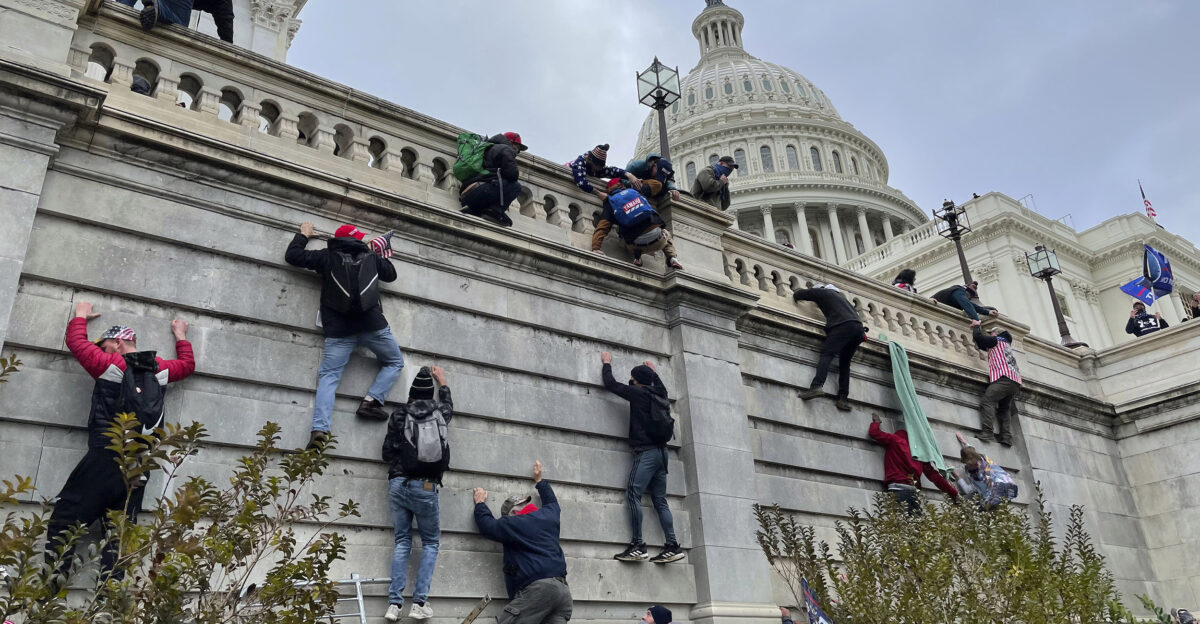
Natanson, part of the Washington Post team that won the 2022 Pulitzer Prize for Public Service for coverage of the January 6 Capitol attack, has built her career on cultivating confidential sources. Her devices contain not just Signal contacts from her federal government beat, but years of accumulated sources from covering education, mass shootings, and breaking news dating back to 2019.
Unprecedented Legal Territory

According to the Reporters Committee for Freedom of the Press, this marks the first time the Justice Department has executed a search warrant at a reporter’s home in a national security leak case. The Privacy Protection Act of 1980 was designed specifically to prevent such intrusions, requiring that reporters be suspected of crimes before their homes can be searched.
First Amendment lawyer Theodore Boutrous emphasized the distinction between search warrants and subpoenas: “With a subpoena, you get the subpoena, and then you can go to court before anything is produced. So it’s really a radical escalation of the government using its authority to intrude on journalism when they go with the search warrant route.”
Nine months before the raid, Attorney General Pam Bondi rescinded protections established by Merrick Garland that shielded reporters from having their records seized. Bondi’s April 2025 memo declared that federal employees leaking information to the press engaged in conduct that could be deemed “treasonous,” announcing that the news media “must answer subpoenas.” This policy reversal removed safeguards designed to protect journalism, clearing the path for exactly this type of operation.
FBI Director Kash Patel announced the raid publicly on social media, claiming Natanson had been “obtaining and reporting classified, sensitive military information from a government contractor” that endangered “warfighters.” President Trump added that “a very bad leaker” on Venezuela was “in jail right now” and would stay there “for a long time,” though court filings don’t mention Venezuela.
Attorney General Bondi stated the warrant was executed at the Pentagon’s request, framing Natanson’s reporting as a national security threat despite not charging her with any crime.
The Chilling Effect
Press freedom organizations responded swiftly. PEN America called the raid “a direct assault on the First Amendment” and “an extraordinary escalation that strikes at the heart of press freedom.” The Knight First Amendment Institute warned of “a chilling effect on lawful newsgathering and source relationships.”
Washington Post executive editor Matt Murray called the search “extraordinary, aggressive action” that raises “profound questions and concerns around the constitutional protections for our work,” vowing that “the entire institution stands by those freedoms.”
The message to potential sources is unmistakable: contact a journalist, and your identity may end up in government databases. American journalism has entered a new and more dangerous chapter.
Sources
FBI Criminal Complaint Against Aurelio Perez-Lugones, U.S. District Court for the District of Maryland
Matt Murray Statement to Washington Post Staff, Washington Post, January 14, 2026
Kash Patel Social Media Post, X (formerly Twitter), January 13, 2026
Hannah Natanson Personal Essay: “The Year Trump Broke the Federal Government,” Washington Post, December 24, 2025
Reporters Committee for Freedom of the Press Emergency Motion to Unseal Records, U.S. District Court, January 14, 2026
Attorney General Pam Bondi Memo Rescinding Reporter Protections, U.S. Department of Justice, April 25, 2025