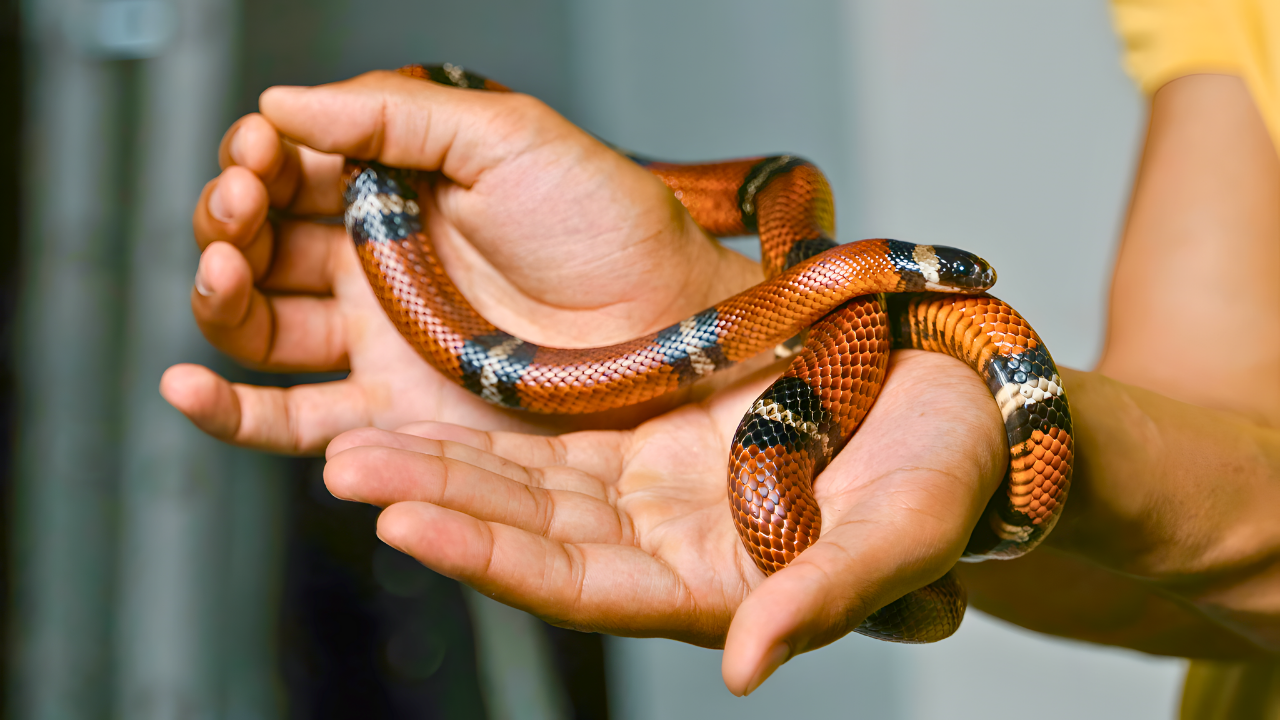
In the shadowed fields and humble homes of South Asia, Africa, and the Middle East, four unassuming snakes silently claim more lives than Hollywood’s cinematic monsters. These species, known as India’s Big Four, drive the majority of the world’s 81,000 to 138,000 annual snakebite deaths, with India bearing nearly half at 58,000 fatalities each year.
The Global Death Toll
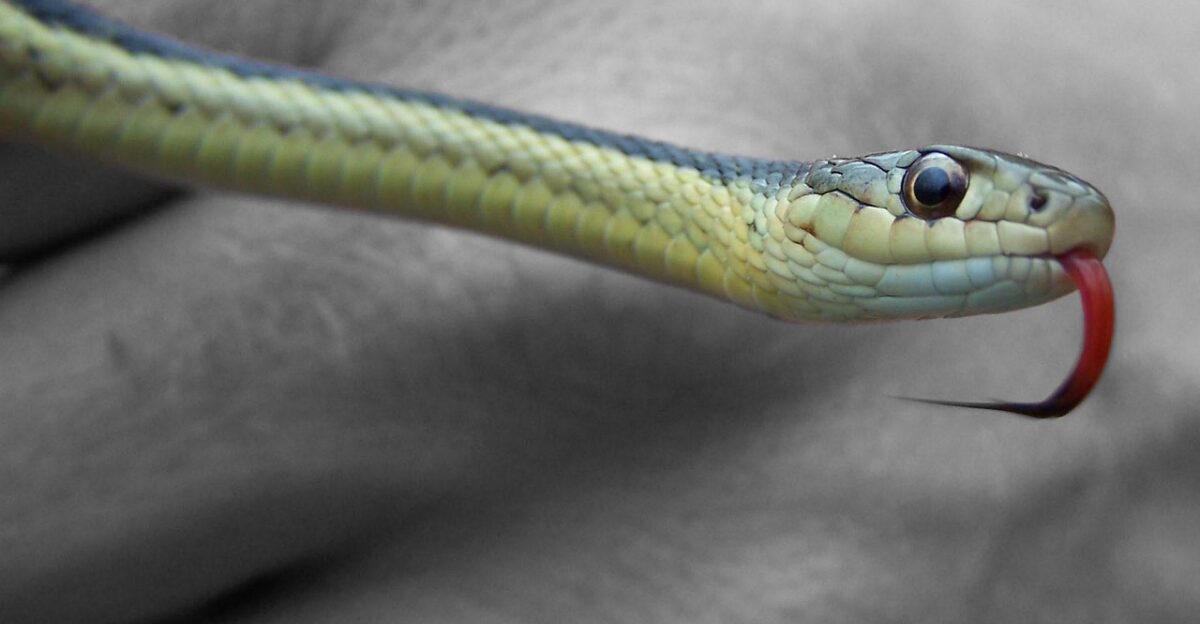
India records 58,000 snakebite deaths annually, representing about half of the global total. Most victims are men aged 15 to 29, working in rural areas where economic loss from their deaths ripples through families. The Big Four—Russell’s viper, common krait, Indian cobra, and saw-scaled viper—cause 90 percent of these fatalities, thriving near human habitats amid limited medical access and poverty.
Russell’s Viper: The Agricultural Ambush
This thick-bodied viper accounts for over 40 percent of India’s snakebites, linked to 15,000 to 25,000 deaths yearly. It blends into rice paddies and sugarcane fields, striking barefoot farmers unnoticed. Its hemotoxic venom triggers uncontrolled bleeding from gums, nose, and organs, while myotoxins destroy muscle tissue, often causing kidney failure. Survivors may endure amputations or permanent renal damage.
Venom potency varies by region, complicating antivenom efficacy as local formulations fail against differing compositions. Simple preventives like rubber boots could avert up to 90 percent of bites, yet heat, mud, and cost deter adoption. Flashlights for nighttime detection often go unused or repurposed.
Common Krait: The Nocturnal Intruder
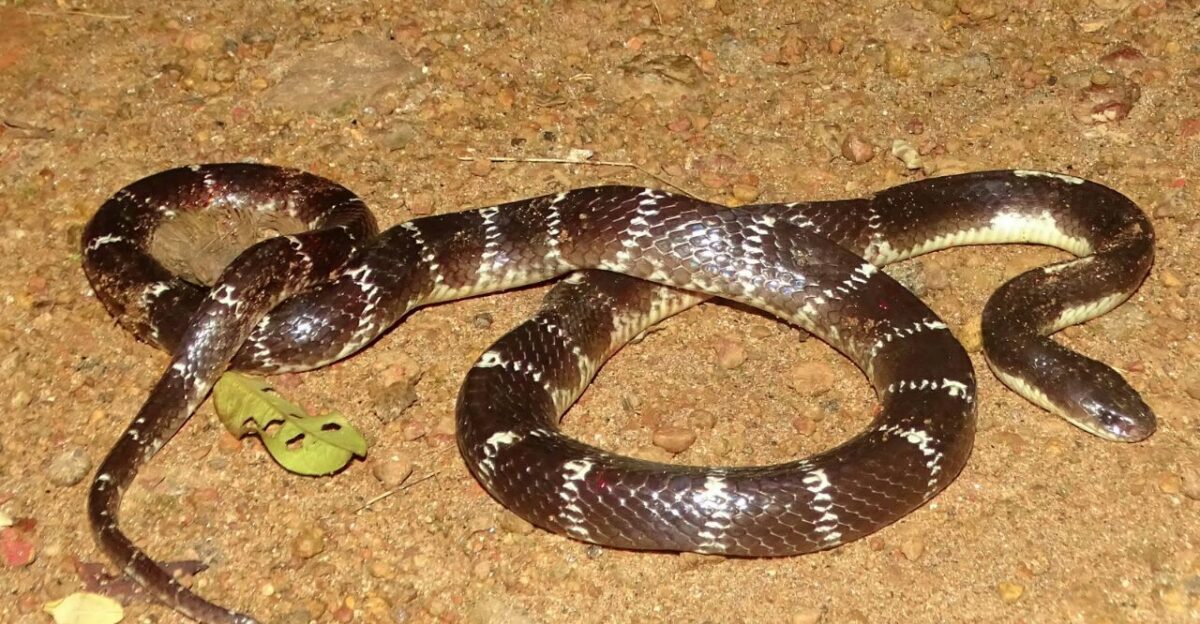
This snake kills through stealth, delivering nearly painless bites at night inside homes. Sleeping on floors heightens risk as kraits hunt geckos and mice nearby. Paralysis creeps in hours later, starting with subtle symptoms mistaken for illness, then seizing breathing muscles and leading to respiratory failure without prompt antivenom.
Delayed treatment proves fatal; antivenom works best early, but victims rarely seek help before symptoms advance. Nocturnal habits and home invasions make kraits persistent threats in rural dwellings.
Indian Cobra: Revered Yet Relentless
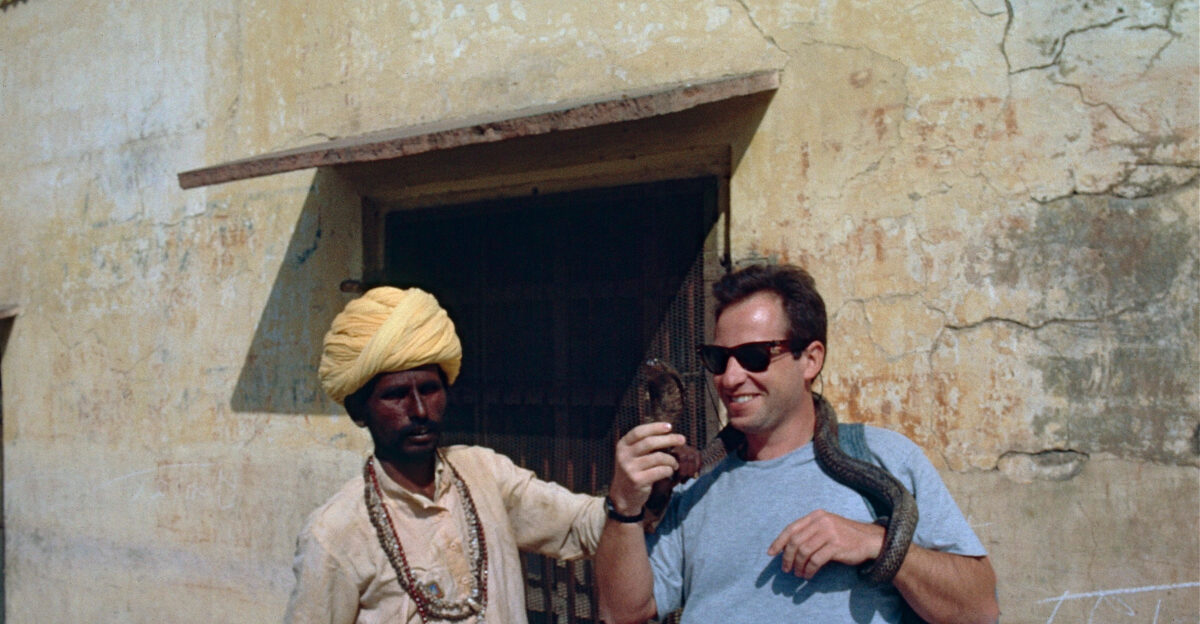
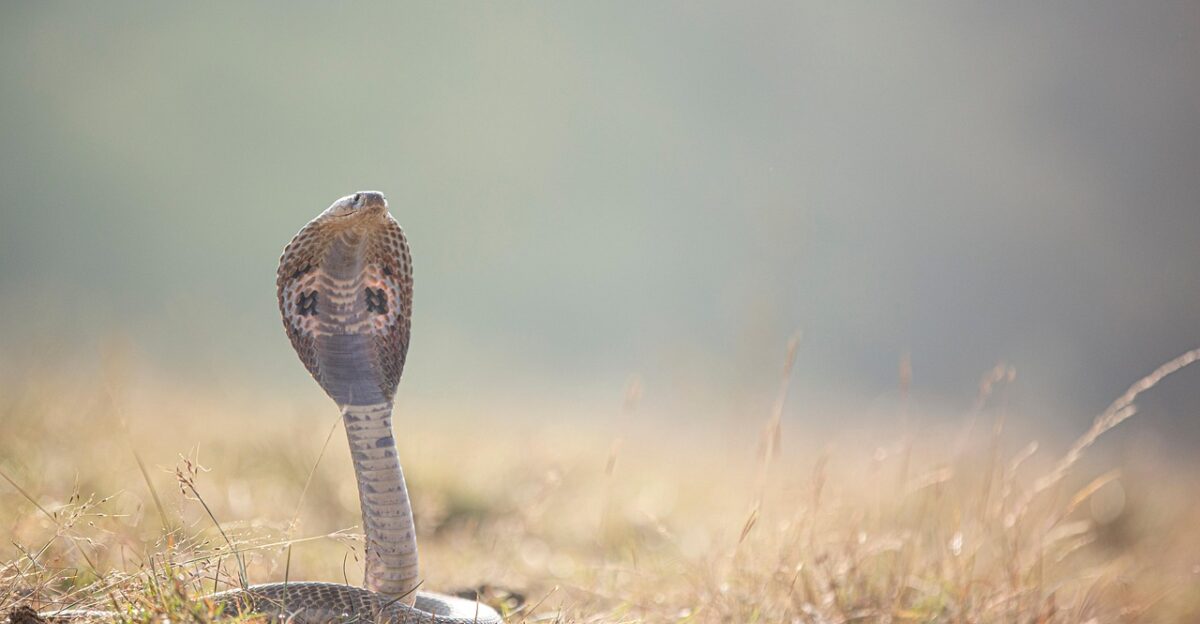
Responsible for 12 percent of bites, the spectacled cobra raises its hood and hisses as a warning, striking less aggressively than feared. Culturally sacred in Hindu lore, it prompts treatment delays in some communities wary of disrespect or snake identification. Its venom blends neurotoxins, inducing krait-like paralysis, with cytotoxins necrotizing bite-site tissue and necessitating amputations.
Cobras curb rodent pests vital to agriculture, yet fear drives farmers to kill them, undermining ecological benefits. Treatment yields long-term limb disabilities even for survivors.
Saw-Scaled Viper: Small but Savage
The tiniest Big Four member outkills larger icons like the king cobra through aggression and speed. It emits a brief sizzling “stridulation” warning before rapid strikes. Venom ruptures blood vessels, sparking hemorrhage and kidney failure; one bite holds lethal doses for several adults.
High human encounter rates, paired with rural treatment delays of hours, amplify its toll. Antivenom exists but reaches victims too late, widening the survival gap.
These snakes highlight a preventable crisis where proximity, venom complexity, and access barriers converge. Expanded antivenom distribution, regionally tailored, alongside practical protections like affordable footwear and education, could slash deaths. As rural landscapes evolve, bridging this gap remains essential to safeguarding vulnerable communities.