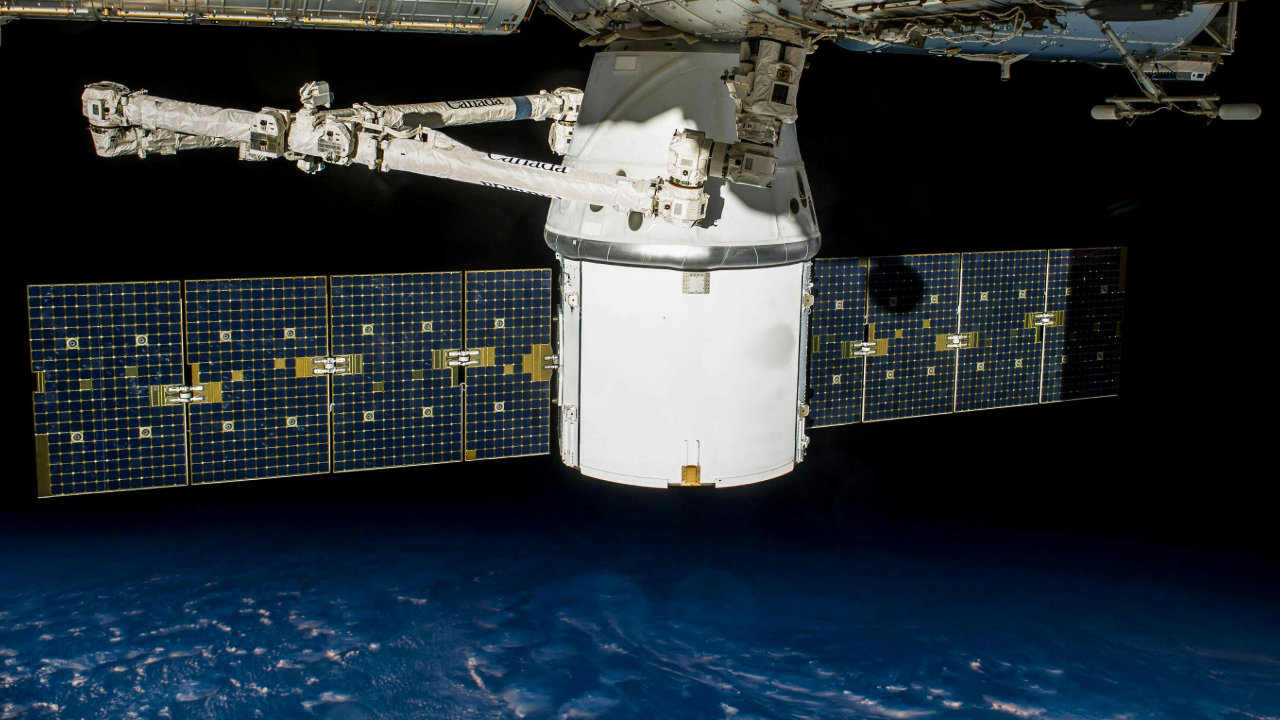
For more than 2 decades, NASA satellites have quietly tracked how much sunlight Earth reflects back into space. That record now shows a troubling shift. Between 2001 and 2024, the planet steadily lost reflectivity, allowing more solar energy to be absorbed rather than deflected. This change helps explain why global temperatures keep rising even as some pollution sources decline.
The findings, published in October 2025, point to a deeper imbalance forming in Earth’s energy system. What scientists once believed would self-correct is now behaving differently. Here’s what the data reveal and why it matters more than ever.
A Planet Reflecting Less Energy

NASA scientists at Langley Research Center analyzed 24 years of satellite observations collected between 2001 and 2024 using the CERES instrument suite. Their research, published in the Proceedings of the National Academy of Sciences in October 2025, shows Earth is reflecting less sunlight back into space and absorbing more solar energy.
This decline in reflectivity, known as albedo, signals a growing imbalance in Earth’s energy budget. Even modest shifts in reflected sunlight can have large climate impacts when sustained over decades. Earth receives about 240 watts per square meter of solar energy on average, making small percentage changes meaningful.
Researchers say the albedo decline helps explain why warming has continued despite emissions controls aimed at reducing greenhouse gases. According to the study, changes at Earth’s surface and in the atmosphere are altering how incoming solar radiation is handled, reshaping assumptions about long-term climate stability.
Northern Hemisphere Absorbs Heat Faster
The CERES analysis revealed a clear hemispheric split. The Northern Hemisphere is darkening significantly faster than the Southern Hemisphere, absorbing an additional 0.34 watts per square meter per decade, according to lead researcher Norman Loeb’s team.
This matters because hemispheric energy differences were long assumed to balance out through atmospheric circulation and ocean heat transport. The new findings challenge that assumption. Persistent asymmetry suggests the climate system is not compensating as expected.
Because most of Earth’s landmass and population are in the Northern Hemisphere, the extra absorbed energy has outsized consequences. Scientists warn that even slight imbalances, when sustained, can accelerate regional warming, intensify heat extremes, and strain natural and human systems that evolved under more stable energy conditions.
Cleaner Air Alters Cloud Reflectivity
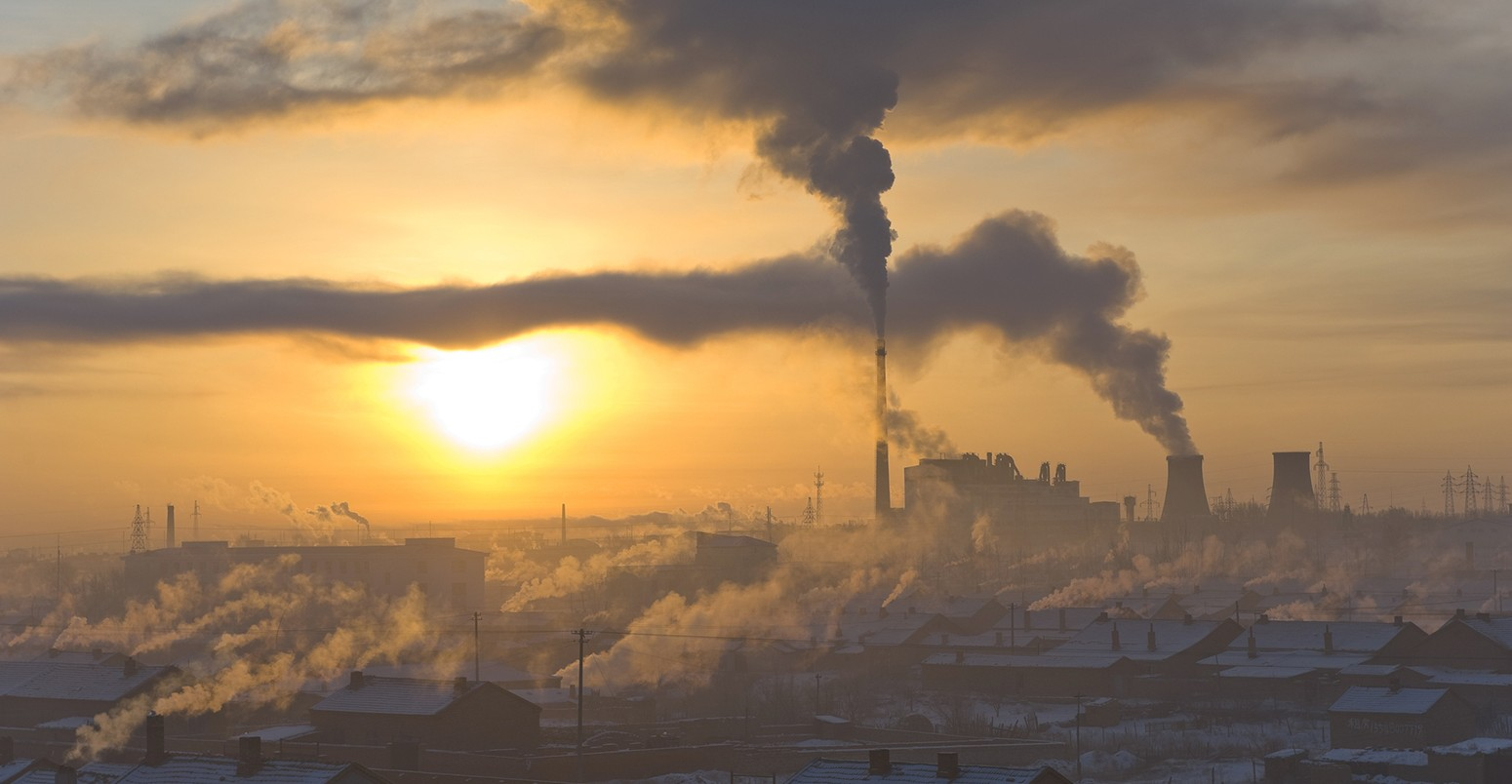
One major contributor to Northern Hemisphere darkening is reduced aerosol pollution. Air-quality improvements across the United States, Europe, and China have lowered concentrations of sulfate particles that once reflected sunlight back into space.
Research published in Nature in November 2025 confirms that “reduced aerosol pollution diminished cloud reflectivity” over parts of the North Atlantic and Pacific. With fewer reflective particles, clouds bounce back less sunlight, allowing more heat to reach the surface.
While cleaner air delivers major health benefits, it also removes a cooling influence aerosols once provided. Carbon Brief reported in 2025 that aerosol reductions have contributed about 0.14°C of warming since 2007. Climate scientists refer to this unintended effect as the clean air paradox.
Melting Ice Accelerates Heat Absorption

Loss of ice and snow further amplifies the albedo decline. According to the National Snow and Ice Data Center, Arctic sea ice extent has fallen at a rate of 12.5% per decade since 1979.
Bright ice and snow reflect 80 to 90% of incoming sunlight, while dark ocean water absorbs up to 94%. As ice retreats and snow seasons shorten, more heat is absorbed rather than reflected, reinforcing warming trends.
This process, known as the ice albedo feedback, creates a self-reinforcing cycle. Warming melts ice, darker surfaces absorb more heat, and temperatures rise further. Satellite observations now show how these local changes combine to influence Earth’s global energy balance in measurable ways.
Scientists once believed cloud systems would help restore hemispheric balance by redistributing energy. However, CERES data indicate that clouds are not compensating for the observed asymmetry.
Lead researcher Norman Loeb said in press statements that “the break in hemispheric symmetry challenges the notion that clouds naturally compensate” for regional energy differences. This finding exposes a gap between long-standing climate model assumptions and real-world observations.
The results suggest current models may underestimate how surface changes and aerosol reductions interact with cloud behavior. Improving how clouds, aerosols, and reflectivity are represented in climate simulations is now a priority for researchers seeking more accurate long-term projections.
Southern Hemisphere Shows Slower Change
The Southern Hemisphere displays slower and more variable darkening trends. Episodic events temporarily increase reflectivity, offsetting long-term declines.
Major examples include the Australian bushfires of 2019 to 2020 and the Hunga Tonga volcanic eruption in January 2022. Research published in Nature in June 2021 found that the bushfires injected large amounts of aerosols into the stratosphere, briefly reflecting more sunlight and producing short-term cooling.
These episodic aerosol spikes contrast sharply with the steady pollution reductions seen in the Northern Hemisphere. As a result, Southern Hemisphere reflectivity trends appear less uniform, masking longer-term changes that may become clearer as satellite records continue to grow.
What This Means Going Forward

Recent temperature records align with the albedo findings. Berkeley Earth reported in January 2026 that 2025 ranked as the 3rd warmest year globally, with especially strong anomalies across Northern Hemisphere land areas. The World Meteorological Organization confirmed that about 770 million people experienced locally record-warm conditions during 2025. According to NASA’s January 2026 release, global temperatures in 2025 reached roughly 1.5°C above pre-industrial levels.
Because most people live in the Northern Hemisphere, faster darkening there carries direct human consequences. Heat extremes, rising energy demand, agricultural disruption, and Arctic community impacts are all linked to increased heat absorption. At the same time, air-quality gains have saved lives, creating a difficult policy balance. Two decades of satellite data show Earth reflecting less sunlight and absorbing more heat, underscoring the need for integrated solutions that protect both climate stability and public health.
Sources:
Emerging hemispheric asymmetry of Earth’s radiation. Proceedings of the National Academy of Sciences, October 2025.
Global Temperature Report for 2025. Berkeley Earth, January 13, 2026.
WMO confirms 2025 was one of warmest years on record. World Meteorological Organization, January 13, 2026.
Reduced aerosol pollution diminished cloud reflectivity. Nature Communications, November 4, 2025.
Climate and Earth’s Energy Budget. NASA Earth Observatory, September 17, 2025.
Arctic Sea Ice Extent and Thickness Trends. National Snow and Ice Data Center, 2024.
Winter snow cover influences growing-season vegetation productivity. Nature Communications Earth & Environment, December 17, 2023.